



The Schwab U.S. Dividend Equity ETF (NYSEARCA:SCHD | SCHD Price Prediction) is a popular income choice for retirees. The fund generates income by holding a portfolio of dividend-paying U.S. stocks selected for their financial strength and dividend consistency. The ETF tracks the Dow Jones U.S. Dividend 100 Index, which screens for companies with at least 10 consecutive years of dividend payments and strong fundamental metrics.
Income comes directly from the dividends paid by these underlying companies, which SCHD then distributes to shareholders quarterly. Today, SCHD pays a 3.9% yield, well in excess of most other stocks and the S&P500. The top holdings in the fund drive the majority of this yield:
Top Holdings and Dividend Yield
| Rank | Company | Percent of ETF | Dividend Yield |
|---|---|---|---|
| 1 | Merck (NYSE:MRK) | 4.71% | 3.51% |
| 2 | Cisco Systems (NASDAQ:CSCO) | 4.67% | 2.06%% |
| 3 | Amgen (NASDAQ:AMGN) | 4.54% | 3.03% |
| 4 | Bristol Myers (NYSE:BMY) | 4.24% | 4.9% |
| 5 | AbbVie (NYSE:ABBV) | 4.22% | 3.1% |
Dividend Safety Analysis
While all five of these companies are on the Dow Jones U.S. Dividend 100 Index, there is a range of payout ratios, dividend history, and overall safety with each position.
The top holding in the ETF, Merck has increased its dividend from $0.61 quarterly in 2020 to $0.85 in 2025, representing 6.9% annual growth. The company maintained uninterrupted payments through 26+ years of available data, including the financial crisis and pandemic periods. The payout ratio of only 43% is fairly conservative. We see no reason to be concerned about the stability of these dividends.
Most of the other positions are similar. Cisco’s payout ratio is 63%. Certainly higher, but not concerning. But as we keep going down the list, things get riskier.
Amgen’s payout ratio is 73%, while Bristol-Myers is 85%. Not unusual for mature companies, but higher than I’d like to see to have confidence dividends will continue being paid in good times, and bad.
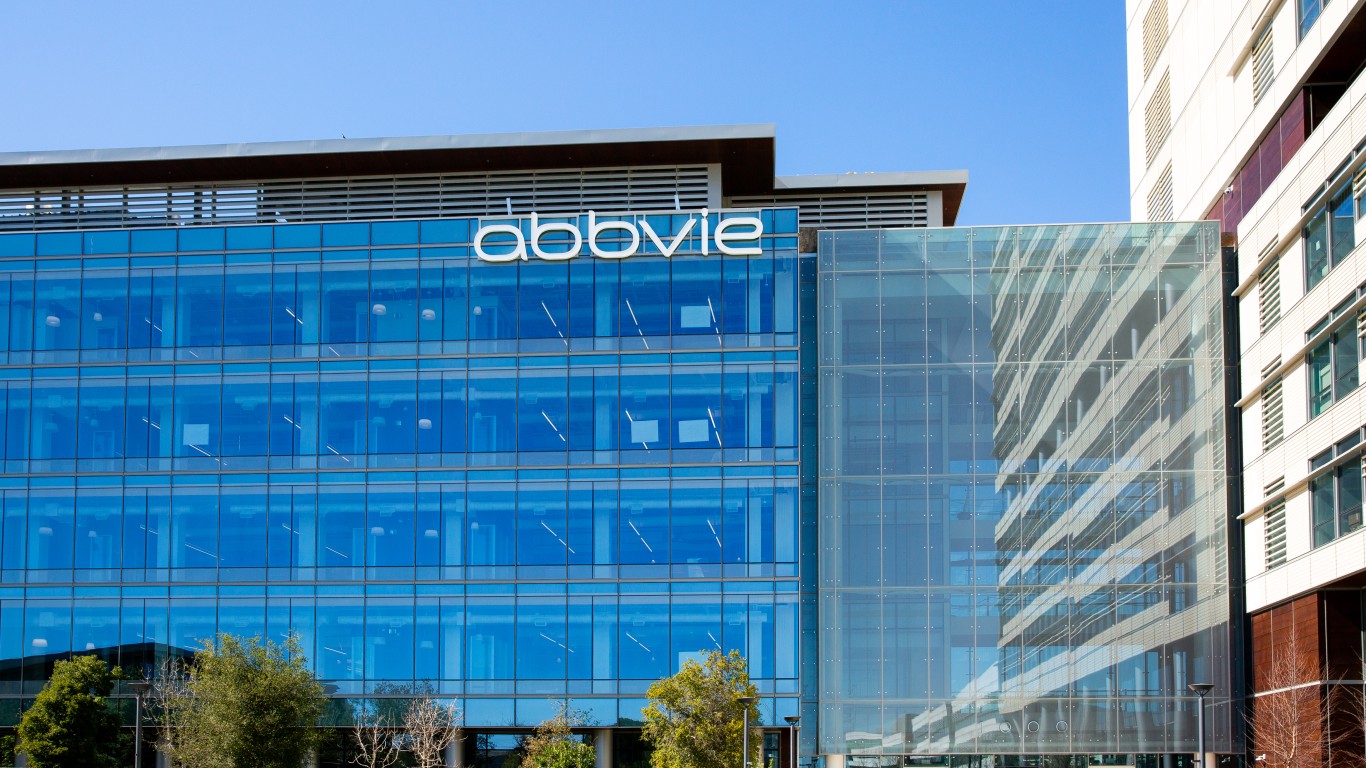
And then there is AbbVie, which presents the highest concern with a 501% payout ratio based on trailing earnings of $1.31 versus its $6.56 annual dividend. However, the company generated $18.8 billion in operating cash flow during 2024, covering its $11.0 billion dividend obligation with a 58.6% payout ratio from cash flow. AbbVie recently announced a 5.5% increase to $1.73 quarterly, marking its 11th consecutive annual increase since spinning off from Abbott in 2013.
Conclusion
While no single position is enough to sink SCHD’s yield or overall performance, even a few positions with 100%+ payout ratios are cause for concern. If those companies cut their dividends, not only do SCHD (and investors like you) lose their income streams, but shares in the each position are likely to plummet as income investors sell it off, which will also be reflected in SCHD’s share price.
That results in a double whammy of reduced income, and lower share prices that all investors want to skip.












 Top Gaining Stocks
 Top Losing Stocks