



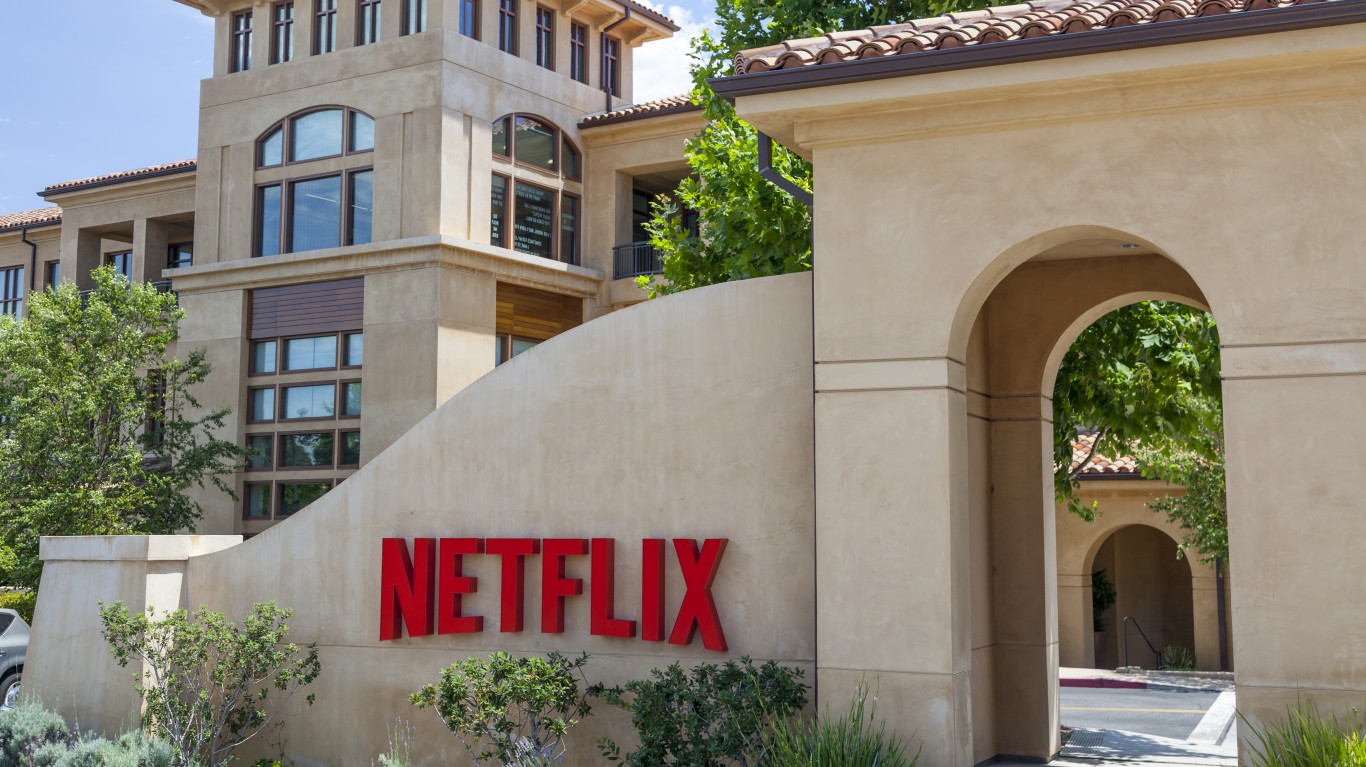
Netflix‘s (NASDAQ:NFLX | NFLX Price Prediction) $72 billion bid to acquire Warner Bros. Discovery‘s (NASDAQ:WBD) movie studios and streaming assets promises to reshape Hollywood. Valued at $27.75 per share in cash and stock, the deal targets Warner’s film production, HBO, and Max platform, with Warner Bros. cable networks like CNN spinning off into Discovery Global by mid-2026.
But just yesterday, Paramount Skydance (NASDAQ:PSKY) launched a hostile $108 billion all-cash takeover for all of Warner at $30 per share. This aggressive move, filed directly with shareholders, accuses the movie studio’s board of favoring Netflix and ignoring superior offers. Regulators and antitrust issues are also a concern, with critics warning of reduced streaming competition.
Though it is still early, a Netflix victory could doom AMC Entertainment (NYSE:AMC), stripping its theaters of blockbuster pipelines and accelerating streaming’s dominance.
A Post-Pandemic Hangover
Theater attendance has plummeted, turning once-vibrant cinemas into echoes of their former selves. Data from TheNumbers.com reveals a stark trend: in 2002, U.S. audiences bought 1.57 billion tickets, the modern peak. By 2019, that fell to 1.23 billion — a 22% drop over 17 years. The pandemic crisis amplified the decline, with just 232 million tickets in 2020. Recovery has been feeble as only 761 million tickets were sold in 2024, 52% below 2002 levels and 38% under 2019.
While theater attendance is running slightly higher this year compared to last year, it remains 55% below pre-pandemic highs.
High ticket prices are compounding the problem. Families are getting priced out as the average ticket climbed from $5.81 in 2002 to $11.31 in 2024, more than doubling the cost. A family of four now faces $45 just to get in and not including the concession stand — AMC’s real profit center, where popcorn and drinks yield 85% margins but add $50 to $60 more to the cost of a night out.
BoxOfficeMojo.com data underscores the facade: domestic box office grosses hit $11.9 billion in 2018 but dipped to $8.6 billion in 2024, a 28% decline. Attendance — unadjusted for price hikes — tells an even grimmer tale: 2024’s 761 million tickets equate to just 672 million in 2002 dollars — a 57% plunge.
The “Theater Experience” Myth
Many point to the promised allure of the “theater experience” — large screens, immersive sound, and witnessing an event with other moviephiles — feels hollow today. The reality is sticky floors, outdated seats, and sparse (or worse, noisy) crowds erode the magic.
Chains like AMC push premium formats such as IMAX (NYSE:IMAX), but at $20 per ticket, they alienate budget-conscious viewers. Families, already squeezed by the $11 average, can readily replicate the theater experience at home. You can get an 85″ 4K TV with Dolby Atmos for under $800, delivering near-theater quality for pennies per viewing.
Streaming’s convenience nails the coffin shut: you don’t have to deal with lines, upcharges, or unruly moviegoers. Attendance erosion reflects this, with a 45% decline in ticket sales between 1999 and 2024, despite the gross dollars spent masking it through price gouging.
AMC’s Debt and Dim Prospects
AMC Entertainment’s financials paint a precarious picture. In the third quarter, revenue reached $1.3 billion, down 4% year-over-year, with adjusted EBITDA at $122 million versus $161 million in 2024. Admissions revenue per patron hit a record $12.25, bolstered by concessions at $7.74, but a $298 million net loss stemmed from refinancing $173 million in 2026 debt and equitizing $183 million more.
Total debt lingers around $4.5 billion, with 2025 capital expenditures forecast at $175 million to $225 million for upgrades amid 17 net theater closures. AMC’s market share is holding steady at 26%, but a softer box office — $8.6 billion domestic in 2024 — shows its vulnerability.
A Netflix-Warner Bros. Discovery merger would exacerbate this. Short-term, a regular theatrical release schedule will continue, but Netflix’s streaming-first focus points to more day-and-date releases and streaming-only titles.
HBO Max integration could funnel Warner hits, like DC films, straight to subscribers, eroding theater exclusivity. With 300 million Netflix users and 128 million HBO Max subscribers, viewers will choose a $15 monthly subscription over $50 to $100 family outings, hastening the theater attendance slide.
Key Takeaway
AMC was already battling steep odds. Declining attendance, rising ticket prices, and concessions as its sole lifeline, all while carrying $4.5 billion in debt, is a tough sell. A Netflix win over Paramount would ignite the fuse, with fewer blockbusters, simultaneous releases to theaters and streaming, and the ease of creating an at-home theater experience, leading to AMC Entertainment’s ultimate implosion.












 Top Gaining Stocks
 Top Losing Stocks