



A well-established and popular exchange traded fund (ETF), the SPDR S&P 500 ETF (NYSEARCA:SPY | SPY Price Prediction) tracks the s&P 500 large-cap stock index. Holding the SPY ETF is a simple way to get portfolio exposure to approximately 500 stocks covering a wide range of market sectors.
The SPDR S&P 500 ETF pays a dividend of around 1% and could provide passive income that way. However, people usually buy SPY because they think the share price will go up.
Getting the SPDR S&P 500 ETF to $800 in 2026 would require the S&P 500 to rise substantially, and there’s certainly no guarantee that this will happen. Still, certain policy changes could give the SPY ETF a big boost in the coming year, and you probably won’t want to miss out on the potential gains.
Tariff Turmoil and the Forward-Looking Market
As you may recall, the S&P 500 bounced almost exactly off of 5,000 in April while stock traders fretted about tariffs between the U.S. and other nations. Concurrently with this, the SPDR S&P 500 ETF sank to the low $480s before recovering.
In spite of the reciprocal tariffs, the S&P 500 and the SPY ETF rebounded sharply and are up 15% year-to-date. How is this possible, though?
It’s a textbook example of how efficient and forward-looking the financial markets tend to be. Starting in April, large-cap stock traders looked ahead to an eventual “detente” or resolution of tariff-related disagreements.
The market probably isn’t wrong about this issue. Sooner or later, the economy should be able to recover from tariff impacts. Already, people are looking past the tariff troubles and focusing on a different topic for 2026, which we will discuss in a moment.
In any case, the SPDR S&P 500 would need to rise around 21.5% to hit $800 in 2026. Could the ETF S&P 500 and the SPY ETF stage such a big rally next year? Tariffs will still be relevant, buy SPY’s trajectory may largely depend on central bank policy.
Noting Powell’s Optimism
During the Federal Open Market Committee’s (FOMC) meeting earlier this month, the Federal Reserve reduced its benchmark interest rate, known as the federal funds rate, by 0.25% for the third time this year. More specifically, the Committee lowered the federal funds rate to a range of 3.5% to 3.75%.
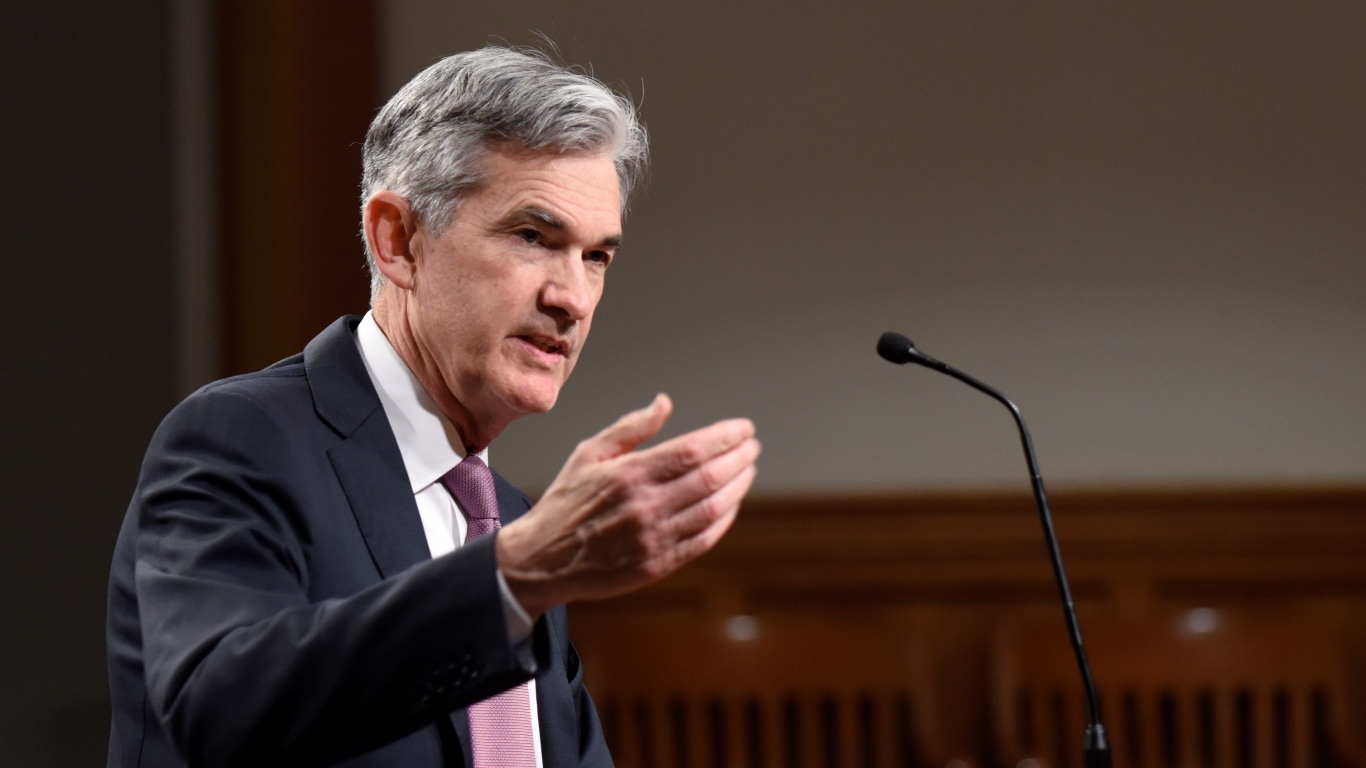
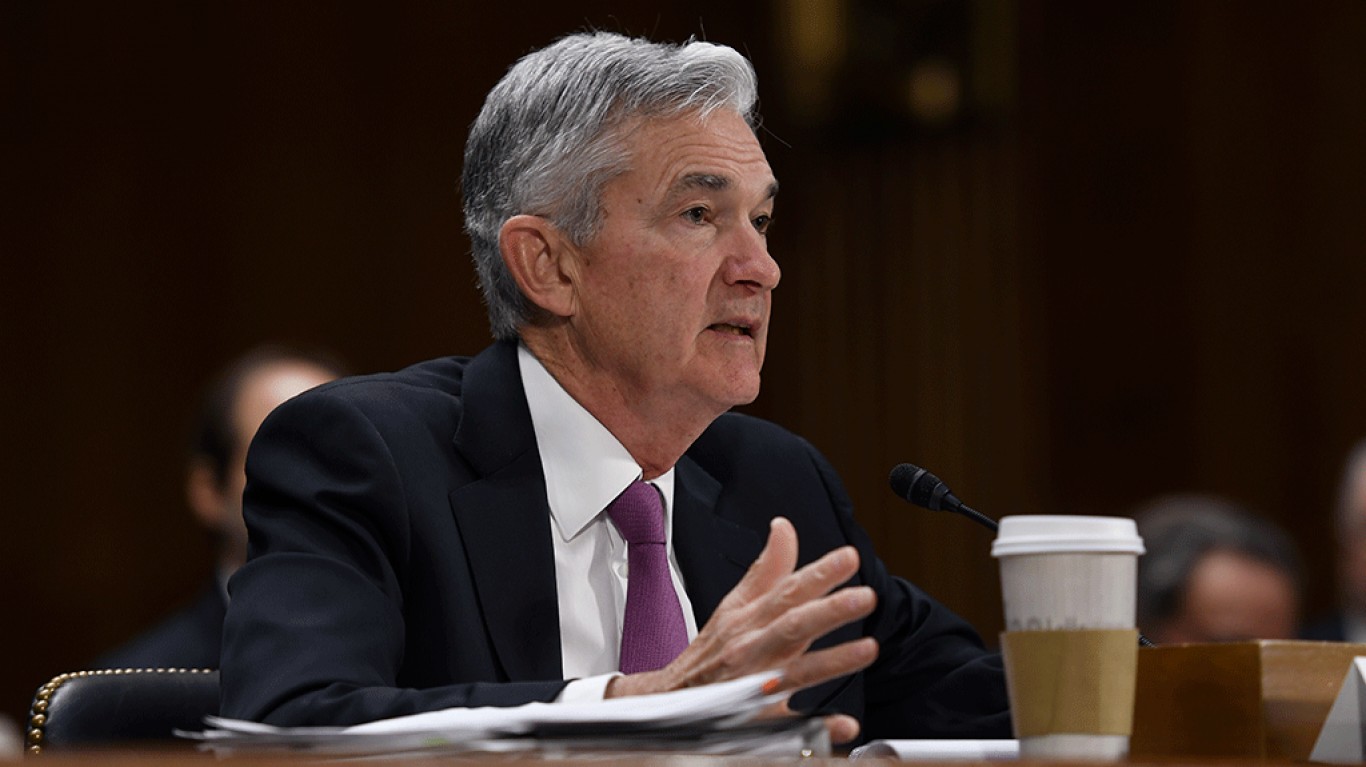
In remarks following December’s two-day FOMC meeting, Federal Reserve Chairman Jerome Powell acknowledged that there will be “no risk-free path” for central bank policy. Furthermore, Powell observed tension between the central bank’s “employment and inflation goals.”
Nevertheless, much like large-cap stock traders, Powell appears to be looking forward to a generally bright future. His “reasonable base case,” according to Powell’s post-FOMC-meeting remarks, is that the “effects of tariffs on inflation will be relatively short-lived.”
Per Yahoo! Finance, Powell “touted the US economy’s strength,” so evidently he isn’t too concerned about an imminent tariff-driven recession. JPMorgan (NYSE:JPM) strategist Stephanie Aliaga observed that there were no “surprises” in Powell’s remarks, and in an upward-trending market, no news is typically considered good news.
Besides, FOMC officials envision U.S. inflation falling to 2.5% in 2026 and see the gross domestic product (GDP) rising 2.3% next year. Hence, the Federal Reserve is preparing for a fairly smooth ride in the coming 12 months. With that in mind, unless there’s a catastrophic event, a 21.5% stock market rally seems entirely possible.
Big-Time Bond Buying
What traders of the SPDR S&P 500 ETF need to keep in mind is that the Federal Reserve doesn’t only predict economic trends; the central bank also influences those trends. If the Federal Reserve is accommodative to economic growth in 2026, SPY should have a clear runway to $800 or higher.
Many people expect the next Federal Reserve chair, after Powell’s term ends in May 2026, to be strongly accommodative. Thus, multiple interest rate cuts could occur during the second half of next year, leading to a swift rally in the S&P 500.
Yet, irrespective of the future path of interest rate cuts, accommodative central bank policy appears to already be underway. Per Bloomberg, in December’s FOMC meeting, the Federal Reserve announced that it “will begin buying $40 billion of Treasury bills per month.”
Powell might not want people to call this quantitative easing or QE, so we’ll just call it a massive, ongoing liquidity injection. Either way, it’s likely a major tailwind for large-cap U.S. stocks even before Powell’s term is over.
Prepare for Takeoff
Tariff turmoil isn’t likely to derail an S&P 500 rally in 2026. Plus, there’s an old saying, “Don’t fight the Fed,” suggesting that accommodative Federal Reserve actions will bolster the SPDR S&P 500 ETF during the next 12 months.
All in all, it shouldn’t be very surprising if the S&P 500 hits multiple new highs in 2026. Consequently, even if getting the SPY ETF to $800 is an ambitious goal, it’s a definite possibility and, if you’re feeling optimistic, you can choose to buy some shares now.






 Top Gaining Stocks
 Top Losing Stocks