


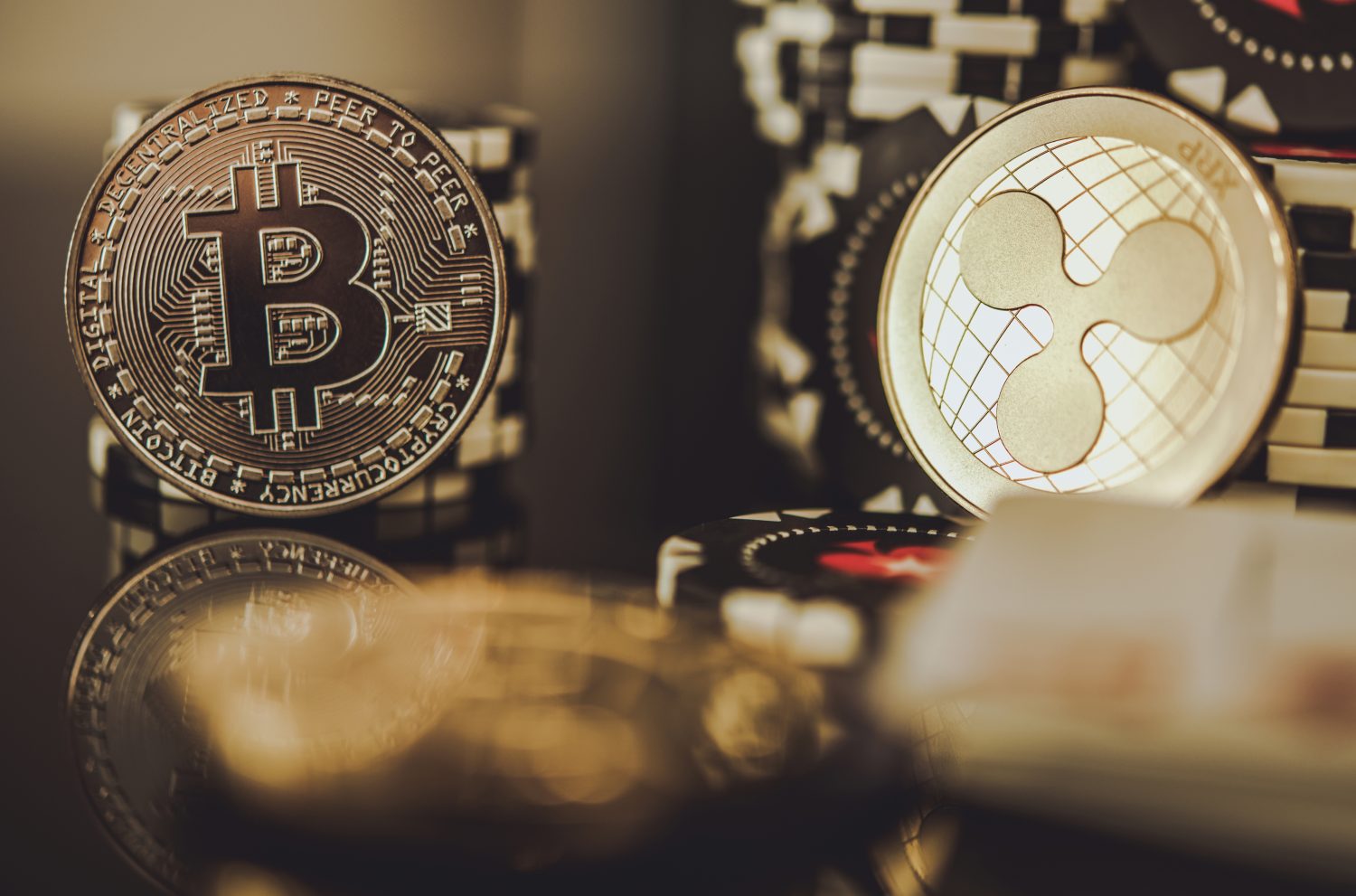
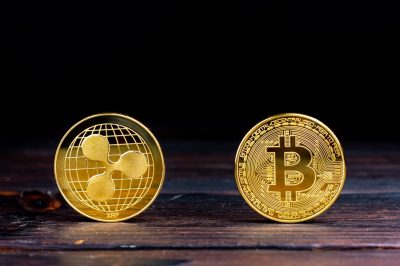
XRP vs Bitcoin 2026 presents a fascinating structural debate as XRP (CRYPTO: XRP) and Bitcoin (CRYPTO: BTC) head into the year in markedly different positions. Bitcoin remains the institutional anchor, trusted for its $2 trillion scale, liquidity, and resilience. XRP sits at the other end—smaller at a $120 billion market cap, more reactive, and more closely connected to real payment infrastructure.
That disparity creates an interesting tension in the XRP vs Bitcoin 2026 debate. In certain market phases, structure and timing allow smaller assets to move faster than larger ones—and this is where the idea of XRP outperforming Bitcoin takes shape. It’s not about XRP replacing Bitcoin or challenging its role—it’s about which one delivers better returns in 2026 as institutions rotate capital, take selective risks, and adopt assets with real-world utility.
3 Reasons XRP Could Outperform Bitcoin in 2026
XRP outperforming Bitcoin doesn’t imply dominance or replacement. It points to relative returns—smaller assets with clearer catalysts tend to deliver stronger percentage gains, while larger assets absorb capital more slowly. Here are three key reasons XRP could outperform Bitcoin in 2026.
Lower Market Size Creates Asymmetric Upside for XRP
Bitcoin’s large market size is one of its key strengths but also one of its constraints. With a market value approaching $2 trillion, meaningful upside now requires massive inflows sustained over time. XRP sits at a very different $120 billion scale. In any Bitcoin-XRP comparison, this gap changes outcomes dramatically.
A modest institutional allocation that barely registers for Bitcoin can materially move XRP. A $500 million allocation might push Bitcoin up 0.5%, while the same allocation could move XRP 5-10% given its smaller market cap. This is capital math playing out as portfolios rebalance—a critical advantage when considering XRP outperforming Bitcoin scenarios.
XRP ETF Inflows Matter More Than Bitcoin’s Mature Ecosystem
Bitcoin’s ETF ecosystem is mature. Most institutions that want exposure already have it and new inflows tend to stabilize prices rather than boost them. XRP’s ETF market is still forming—crossing $1 billion in just four weeks post-launch—and each allocation has a more visible impact on liquidity and positioning.
Portfolio managers often size smaller assets earlier because risk is capped. Investors can buy a meaningful position without moving the market. When those positions grow, the percentage effect on XRP can outpace Bitcoin, even if the capital is similar.
XRP’s Utility and Regulation Are Finally Aligned vs Bitcoin’s Store of Value
For years, XRP’s use case lagged its price action but that gap is closing. Payment corridors are active with 300+ institutional partnerships, regulatory clarity has reduced friction, and institutions can now hold and use XRP without legal ambiguity. In a Bitcoin-XRP comparison, Bitcoin functions as a store of value, while XRP provides actual value through remittance and settlement.
When real usage expands, markets tend to reprice slowly, then decisively. That alignment between narrative and activity gives XRP a credible path to outperform Bitcoin in 2026 on returns—a key differentiator in the XRP vs Bitcoin 2026 analysis.
3 Reasons Bitcoin Will Likely Beat XRP in 2026
Bitcoin outperforming XRP is the safer bet. When markets turn cautious, investors retreat to the largest, most liquid assets and Bitcoin fills that role in crypto. Even when smaller assets like XRP offer higher potential returns, institutions often stick with Bitcoin because it’s the proven choice during uncertain times. Here are three key reasons Bitcoin could beat XRP in 2026.
Bitcoin Still Commands Institutional Priority Over XRP
Bitcoin sits at the center of institutional crypto strategy. For many funds, it’s the only digital asset permitted by mandate. When committees approve crypto exposure, Bitcoin is listed first and sometimes listed alone—that shows its superiority to altcoins.
In any Bitcoin-XRP comparison, Bitcoin benefits from familiarity, liquidity, and precedent. Capital tends to follow the safest internal choice, especially when governance processes are slow. As more institutions enter, that default behavior reinforces itself, giving Bitcoin a structural edge over XRP in sustained allocation flows.
Bitcoin Performs Better in Risk-Off Environments Than XRP
Bitcoin behaves differently under stress. When markets tighten, capital usually retreats to the most liquid and widely accepted asset, which is Bitcoin. XRP has historically acted as a higher-beta asset—rising faster in strong conditions but falling harder when sentiment turns.
For investors asking which is the better investment—XRP or Bitcoin—this distinction matters. If macro uncertainty persists through 2026, Bitcoin’s defensive profile becomes an advantage. Stability attracts capital before growth does, and Bitcoin is still viewed as the safer harbor during market turbulence.
XRP Carries Higher Narrative Friction Than Bitcoin
Despite regulatory progress, XRP still faces perception hurdles. Some institutions remain cautious due to its association with a corporate issuer and a different consensus model. Whether those concerns are technically valid misses the point as perception often shapes policy. Bitcoin’s narrative is simpler and globally consistent.
Adding XRP often requires additional review, justification, and time. When scaled across thousands of institutions, that friction compounds. In debates about whether XRP outperforms Bitcoin, these soft barriers often matter as much as fundamentals when capital moves slowly.
Which Is the Better Investment for 2026: XRP or Bitcoin?
The 2026 debate between XRP and Bitcoin shouldn’t be viewed as a winner-takes-all. Allocation matters more than conviction. Bitcoin offers durability and institutional comfort, and is often favored in conservative portfolios. It provides more liquidity, more explicit regulatory treatment, and a history that aligns with institutional risk frameworks.For many funds, Bitcoin remains the default and sometimes the only approved crypto exposure.
On the other hand, XRP fits a different role—it offers leverage to rotation, utility growth, and asymmetric returns. Even small shifts in allocation can have an outsized impact because of its lower market cap and higher volatility profile.
For investors asking which coin is the better investment heading into 2026, the smarter move is balance—many sophisticated allocators now hold both. XRP has a higher upside potential, while Bitcoin has less risk. The better investment depends on risk tolerance, time horizon, and how much volatility an investor is willing to absorb in pursuit of higher returns.







 Top Gaining Stocks
 Top Losing Stocks