


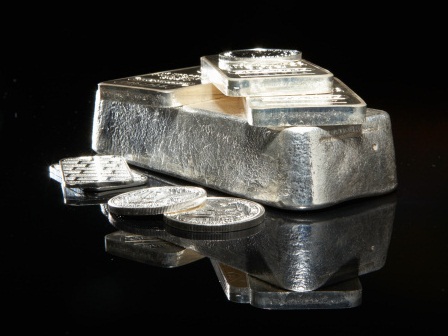
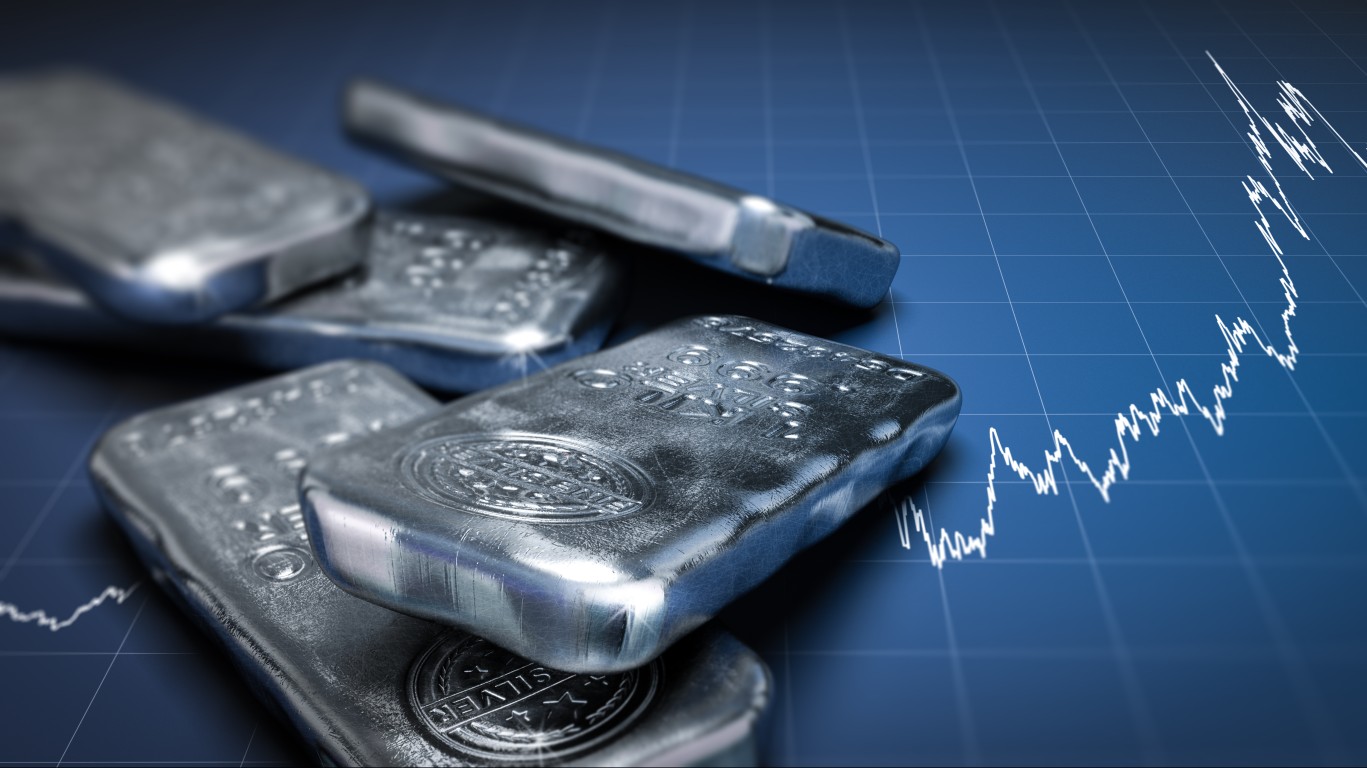
Silver prices recently broke $83 per oz. before an artificially induced pullback due to COMEX changing its margin requirement rules. The price of silver, driven by escalated demand vs. limited supply, should continue to rise going into 2026. At the time of this writing, silver is up over +154% YTD, vs. 17.5% for the S&P 500.
However, while the mining sector may attempt to increase production, raw silver ore is still unusable without refiners to process the ore into the various configurations needed for its various applications in electronics, medicines, computer components, solar panels, etc. Similar to the oil industry, in which refinery capacity can determine gasoline prices in the market more than crude oil production levels, silver refineries’ capacity. Therefore, stocks with silver refinery and processing operations should be in a catbird’s seat going into 2026. Among those worth consideration are:
- Freeport-McMoRan (NYSE: FCX | FCX Price Prediction)
- Pan American Silver (NYSE: PAAS)
- First Majestic Silver (NYSE: AG)
- American Resources Corporation (NASDAQ: AREC)
COMEX Moves the Goalposts; Why The Pullback Will Be Temporary
Traders in the silver swaps market create the ability for international trading of silver without the need for physical metal transportation.
Perhaps in response to the rapid jump in silver and gold prices since October’s backwardation in London, the COMEX raised their margin requirements on December 26th. Soon afterwards, silver, which had broken the $83 per oz. price for a new high, fell back down into the low $70s range. While margin calls invariably caused the forced liquidation to a certain degree, some analysts were convinced that this was a favor to a number of the large banks, like Deutsche Bank and UBS, which still have significantly large short positions that they have been unable to unload.
The global precious-metals trade relies on swaps, since banks, miners, industrial users, and investors exchange silver for dollars, euros, or other currencies without physically transporting the metals to different locations. This enables international market precious metals trade transactions.
Nevertheless, the physical demand for silver still far outweighs supply, and this price pullback is already back over $77 and climbing. What’s more interesting and telling is an analysis from Dutch investment specialist Karel Mercx. By calculating the opposite (multiply by -1) of the silver swap rate minus US interest rates, one can use the product as a proxy for the implied silver lease rate to determine physical shortage in the London silver market. This would factor in physical silver costs, such as storage, insurance, and finance costs over a 12-month period.
The spread number, under normal circumstances, should be a positive number. However, Mercx’s current calculation for a 1-year silver swap minus US interest rate presently equates to -7.18.
This translates to today’s scenario: Silver at this time is over 7% more expensive now than silver for delivery at the end of 2026. In spite of this added cost, buyers are willing to pay it now over fears it won’t be available at the current price later. Even when taking account of vault costs, security, insurance, etc. – they still want it now.
China’s Market Dominance For Available Supply
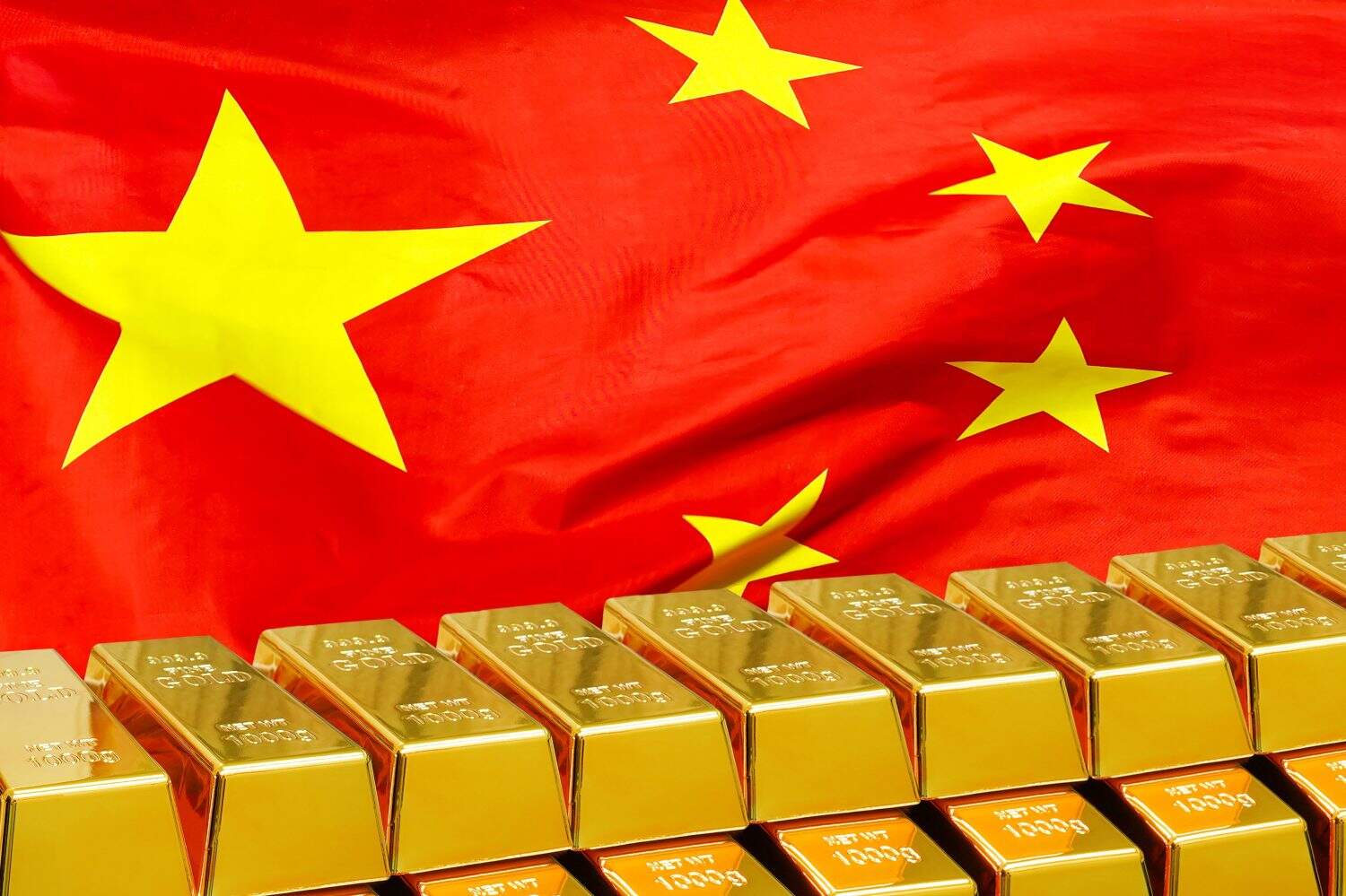
In addition to its huge gold bullion acquisitions, China now controls 70% of current refined silver global supply.
Another telling point is that silver will continue to rise: while US traders sold at $75, Chinese buyers were paying as high as $90 per oz., meaning that the premium rose, not shrank during the sell-off. China’s new laws stipulate a lock on silver exports commencing January 1st. China controls 70% of global refined supply, while COMEX inventory is down by approximately the same amount, and London’s supplies are not much better. Based on a historical average gold-silver ratio of 30, silver would need to be priced at roughly $150 per oz. if that ratio were to be validly implemented.
In light of the fact that even if an increase of silver ore production was attained, getting it refined to meet good London delivery purity delivery standard for trade requires refinery access. Therefore, the following companies with silver refinery operations may be worth watching going forward:
Freeport-McMoRan
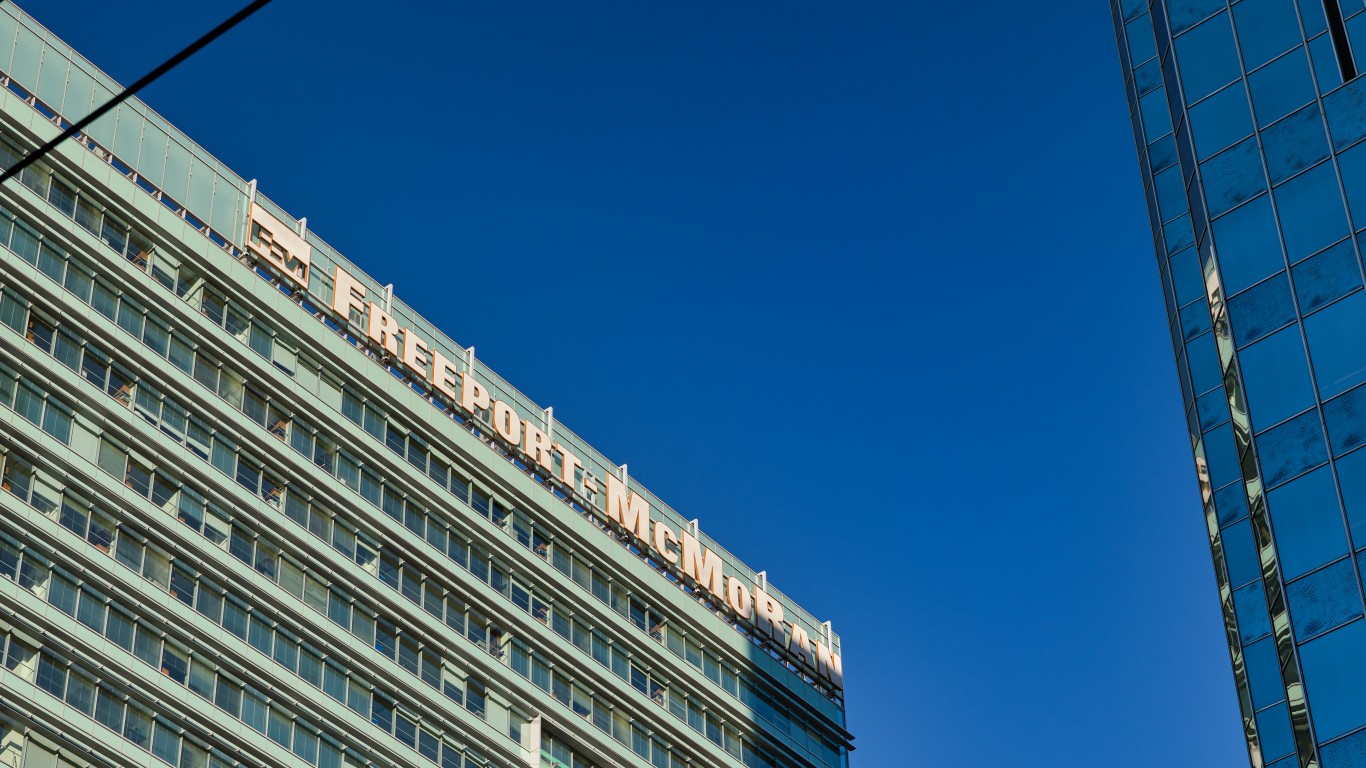
FCX owns the world’s largest gold mine in Indonesia.
While FCX is known to own Grasberg, the world’s largest gold mine, and is also the world’s largest molybdenum producer, it does nearly all of its metals refining operations in-house. Although its silver production is a by-product of its more extensive gold, copper, and other mining activities, the company produced and sold 3.8 million oz. of silver in 2024, although 2025 output looks to be lower. However, with silver now so much more valuable, expect FCX to be more meticulous in its silver extraction and refining operations in 2026. Of course, FCX gold, copper and other metal commodities are also escalating in value, so silver is just one of the reasons for a strong FCX in 2026.
Pan American Silver

PAAS is targeting up to 25 million oz. of silver production in 2025.
Headquartered in Vancouver, B.C., Canada, PAAS is a major silver producer with assets in Argentina, Mexico, Bolivia, and Peru. In September, 2025, it was expanding operations with the completion of the $2.1 billion MAG Silver acquisition , which gave it a large ownership stake in the high-grade Juanicipio Silver Mine. Silver production was reported up over +11% in Q2 2025. The company is now projecting guidance of a cumulative total of 22-25 million oz. of silver production for 2025.
First Majestic Silver
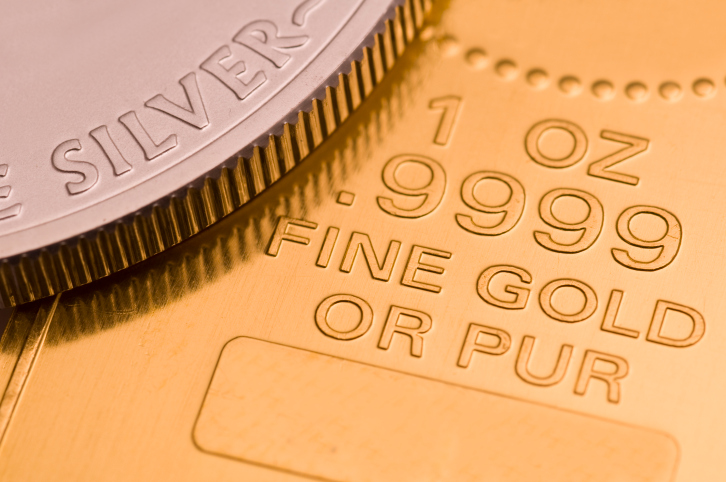
AG production projects15.3 million oz. of silver with an additional 31.2 million AgEq (silver with gold and zinc) oz. for 2025.
First Majestic controls four silver and gold mines in Mexico. The company has an aggressive growth strategy, acquiring Gatos Silver in early 2025, and posted a nearly +76% Q2 2025 silver production spike. The company’s 2025 guidance projects 15.3 million oz. of silver with an additional 31.2 million silver equivalent oz. (AgEq may contain partial gold and zinc).
American Resources Corporation
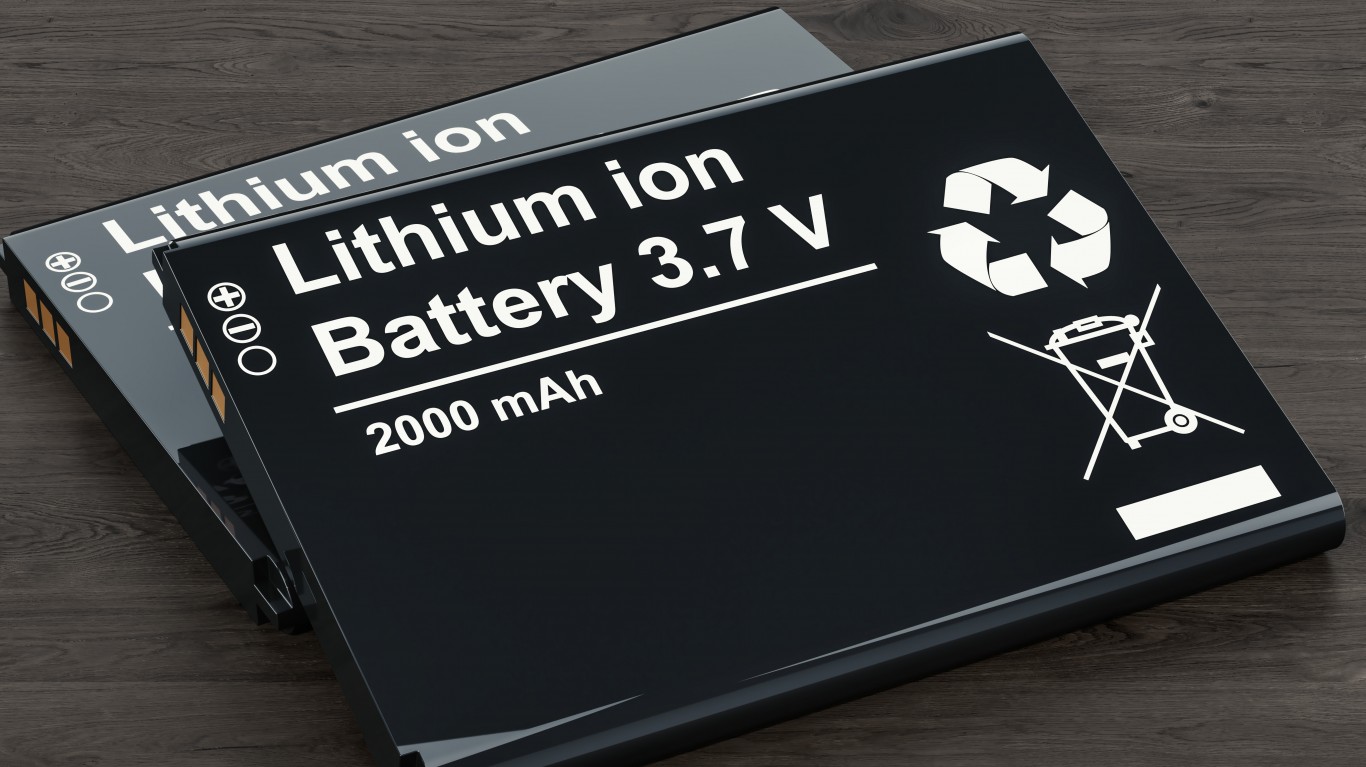
AREC’s supply chain business of critical elements for the manufacture of lithium ion batteries, semiconductors, and other products includes silver.
AREC is an outlier among companies with silver refining operations. The company’s focus is in providing rare earth magnet, lithium-ion battery and semiconductor elements supply chain to defense and commercial applications. As such, AREC has an interest in silver refining, as well as the other elements crucial to its supply chain offtake clients’ applications. The company has mining land rights and services agreements with third parties for raw ore supply, in addition to ownership stakes in refining, purification, and recycling operations.







 Top Gaining Stocks
 Top Losing Stocks