


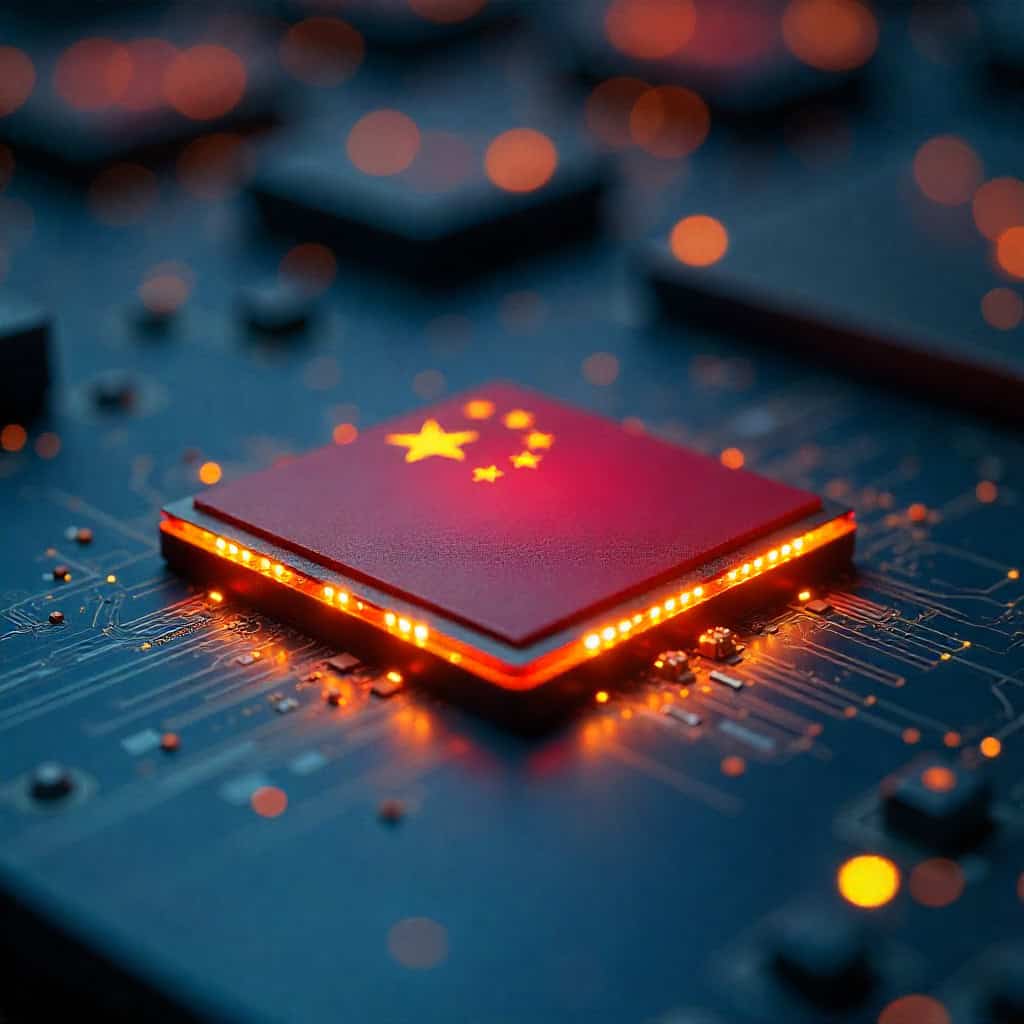
Although Nvidia‘s (NASDAQ:NVDA | NVDA Price Prediction) shares jumped 38% over the course of 2025, reflecting strong early-year momentum driven by artificial intelligence (AI) demand, the second half of the year was something of a disappointment: The stock largely traded sideways as questions about slowing growth, supply constraints, competitive pressures, and valuation grew. It was the equivalent to investors waking up Christmas morning and finding Nvidia had given them a lump of coal in their stocking.
However, as we prepare to turn the page into 2026, Nvidia may be about to deliver a belated gift to shareholders, one that promises a substantial stock price increase through expanded production and sales. It could be a real present for patient investors, one that brightens the prospects for the year ahead and beyond.
A New, Urgent Production Push
According to an exclusive Reuters report, Nvidia has approached its manufacturing partner, Taiwan Semiconductor Manufacturing (NYSE:TSM), to dramatically increase the output of the H200 AI chips in response to surging demand from Chinese technology companies. Sources say that these firms have placed orders exceeding 2 million H200 units for delivery in 2026, but with Nvidia’s current inventory standing at approximately 700,000 chips, it created a significant shortfall that prompted the outreach to Taiwan Semiconductor.
The H200 is based on Nvidia’s Hopper architecture and produced using Taiwan Semiconductor’s 4-nanometer process. As the second most powerful chip in its portfolio, one that is vastly superior for training complex models than the dumbed down versions Nvidia made to comply with U.S. export restrictions, it also indicates Chinese companies view it as a better option than other regional or locally produced chips.
Nvidia has requested that Taiwan Semiconductor begin fabricating additional chips, with production slated to commence in the second quarter of 2026. While the precise volume of the new order remains undisclosed, this step aims to address the gap between Nvidia’s existing inventory and the incoming orders, giving the chipmaker time to ramp up to meet the demand.
With the initial shipments fulfilled from its current stock, the first deliveries could potentially arrive before the Lunar New Year in mid-February 2026. This timeline builds on earlier reports the Trump administration authorized the shipment of H200 sales to China again.
Pricing for the China-specific H200 variants has been set at around $27,000 per chip, according to the sources, positioning them as a viable option for Chinese buyers seeking high-performance AI hardware amid limited alternatives.
Balancing Global Supply Amid Strategic Shifts
This production ramp-up occurs as Nvidia shifts its attention toward its newer Blackwell series and the forthcoming Rubin chips, which are expected to drive future growth. The emphasis on H200 expansion, however, highlights China’s continued role as a major market, even as trade barriers have previously reduced Nvidia’s presence there.
A Nvidia spokesperson stated that the company manages its supply chain on an ongoing basis. They added, “Licensed sales of the H200 to authorised customers in China will have no impact on our ability to supply customers in the United States.” Yet the shipments could strain global AI chip availability, as Nvidia must allocate resources across regions while meeting heightened Chinese demand. Taiwan Semiconductor declined to comment on the matter, and China’s Ministry of Industry and Information Technology did not respond to Reuters inquiries.
Key Takeaway
Investors shouldn’t get too hopeful just yet. The Reuters report relies on anonymous sources and lacks official confirmation from Nvidia, Taiwan Semiconductor, or Chinese regulators, and Beijing has not approved any H200 imports.
However, if the report proves true, this could help Nvidia regain traction in China, countering the billions of dollars in lost sales it recorded this year, and the $5.5 billion writedown on its chip inventory it took. Renewed chip sales to China could also be the first step in regaining its lost market share, while delivering a late Christmas gift to investors.








 Top Gaining Stocks
 Top Losing Stocks