


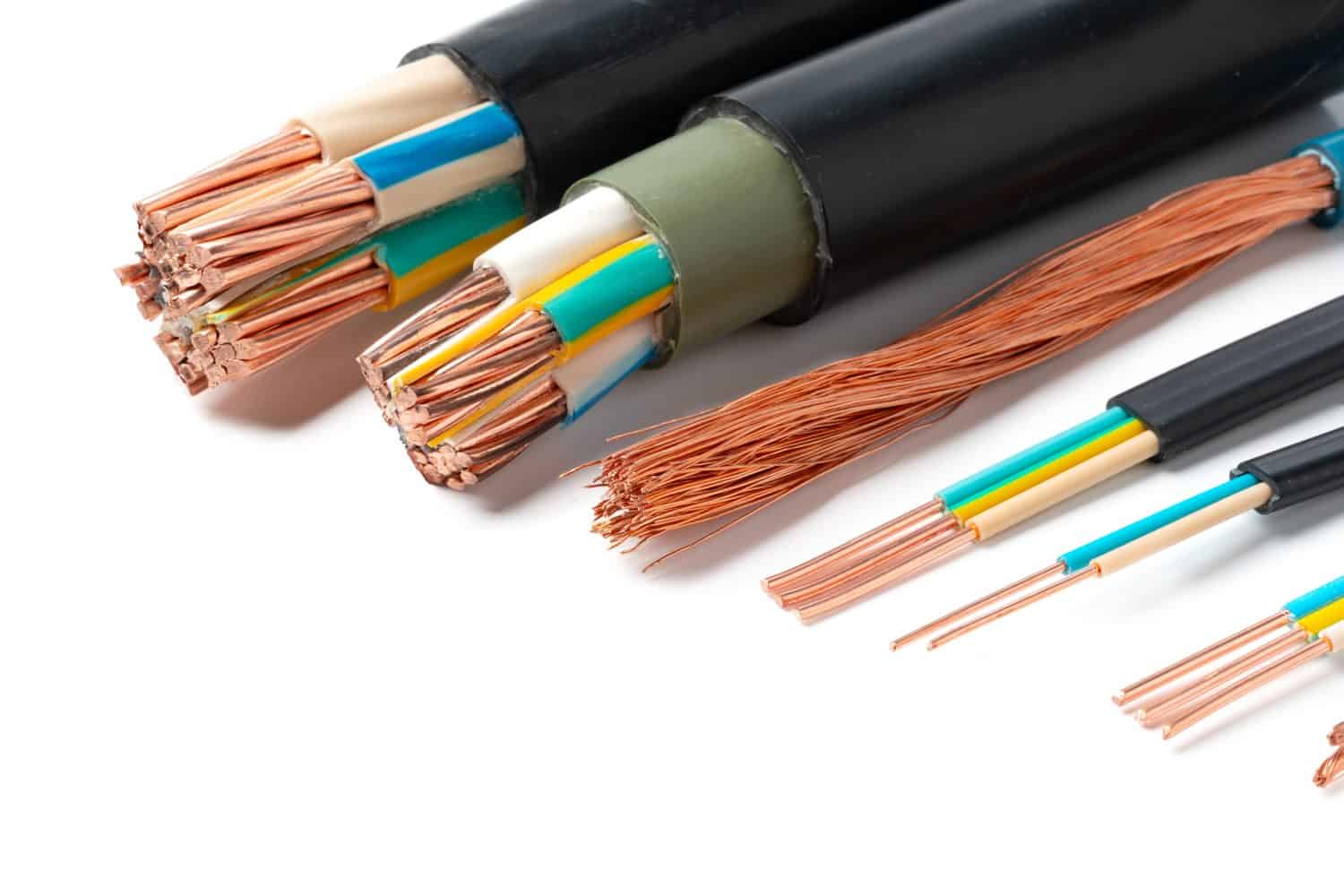
The artificial intelligence (AI) revolution is advancing rapidly, but companies struggle to match its pace. Key bottlenecks threaten to slow progress, such as limited energy availability for power-hungry data centers. Another critical constraint is the supply of copper, essential for building out these facilities. Data centers rely on copper for electrical cables, busbars, transformer windings, printed circuit boards, and processor heat sinks, making the red metal essential to the process.
Yet copper prices have surged on rising demand from AI and electrification, constrained supply, and tariffs on imports. In 2025, prices rose about 44%, hitting record highs, and global demand is projected to increase 50% by 2040, with AI adding significant pressure.
Yet Amazon (NASDAQ:AMZN | AMZN Price Prediction) may have just cracked the code on securing a plentiful supply at lower prices, which could accelerate its positioning in AI and the cloud.
A Partnership Securing Tomorrow’s Copper Today
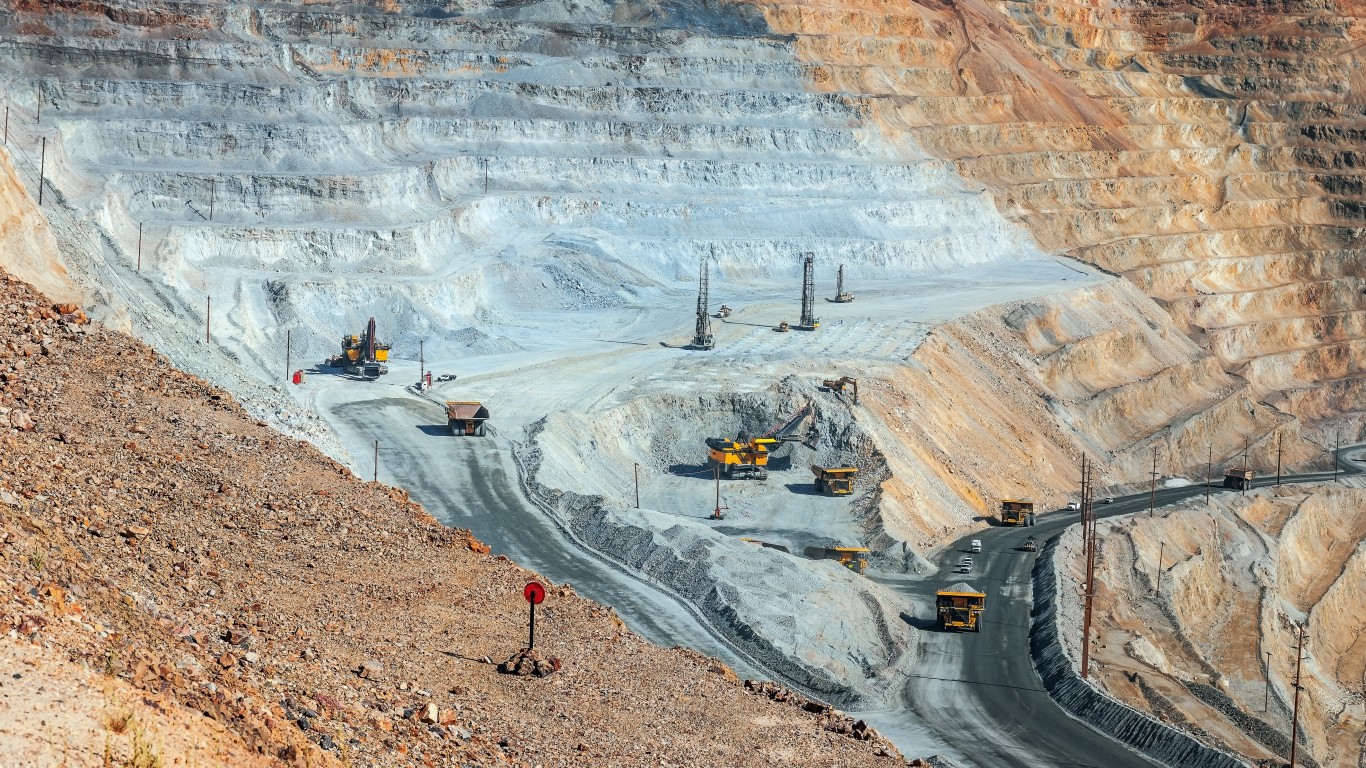
Amazon just announced a two-year strategic collaboration with Rio Tinto (NYSE:RIO) that has its AWS unit become the first customer for copper produced using the miner’s Nuton bioleaching technology at the Johnson Camp mine in Arizona, operated by Gunnison Copper. This marks the first industrial-scale use of Nuton, which was deployed last month, and represents the first new U.S. copper output from the mine in over a decade.
The agreement involves AWS procuring the initial Nuton copper for use in its U.S. data centers. In return, AWS is providing cloud-based data and analytics to optimize Nuton’s operations, including simulations for heap-leach performance and improvements in acid and water usage. The project targets about 30,000 tonnes of refined copper over four years, with roughly 14,000 tonnes from Nuton and 16,000 from run-of-mine leaching.
Rio Tinto May Revolutionize Copper Mining
Rio Tinto’s Nuton technology employs bioleaching to extract copper from low-grade primary sulfide ores. This process uses naturally occurring microorganisms in a modular heap-leach system to break down the ore and release copper ions. The microbes oxidize sulfide minerals, converting insoluble copper into a soluble form that can be leached out with a mild acid solution.
Unlike traditional methods that require energy-intensive concentrators, smelters, and refineries, Nuton produces 99.99% pure copper cathode directly at the mine site. This shortens the supply chain and reduces processing steps. The technology recovers value from ores previously considered waste, improving efficiency. It also integrates digital tools for real-time monitoring and adjustments to enhance recovery rates.
Nuton also dramatically improves mining’s environmental impact by greatly reducing copper’s carbon footprint by 60% and water usage by 80%. The Johnson Camp site also matches 100% of its electricity needs with renewable energy certificates. This positions Rio Tinto as the lowest-carbon primary copper producer in the U.S. on a mine-to-refined-metal basis.
What This Means for Amazon
For Amazon, this deal secures a domestic, low-carbon copper source as AI-driven data center expansion surges. AWS operates extensive U.S. facilities, where copper is vital for infrastructure. With global copper demand from data centers projected to rise, including AI-related needs accounting for 58% of data center copper use by 2030, this partnership addresses supply risks.
It also aligns with Amazon’s goal of net-zero carbon by 2040. “This collaboration with Nuton Technology represents exactly the kind of breakthrough we need — a fundamentally different approach to copper production that helps reduce carbon emissions and water use,” the tech giant’s Chief Sustainability Officer, Kara Hurst, said.
The arrangement also enhances Amazon’s supply chain, reducing its reliance on imports subject to tariffs. By providing analytics, AWS gains insights that could apply to other operations, supporting its infrastructure growth. With a 100,000-ton global copper shortage forecast for 2026 — and 10 million metric tons by 2040 — this allows Amazon to offset price and supply uncertainty.
Key Takeaways
By tapping into this potentially rich, affordable, and domestic supply, Amazon could further its AI data center build-out while helping to elevate Rio Tinto, especially if it proves to be a reliable method that it can export to its other mines.
It is a revolutionary technology rising to meet the challenge of an unprecedented pace of change, and Amazon just placed itself at the forefront. If successful, it could cement Amazon’s position in both AI and in the cloud.









 Top Gaining Stocks
 Top Losing Stocks