



Consumer staples stocks have a reputation for stability, but they rarely deliver the growth that fuels strong long-term returns. The Invesco Food & Beverage ETF (NYSEARCA:PBJ) targets this sector with 89% of its holdings in food and beverage companies. For investors seeking defensive exposure or dividend income, PBJ offers concentrated access to an essential corner of the economy. But its performance over the past year tells a more complicated story.
What PBJ Does in a Portfolio
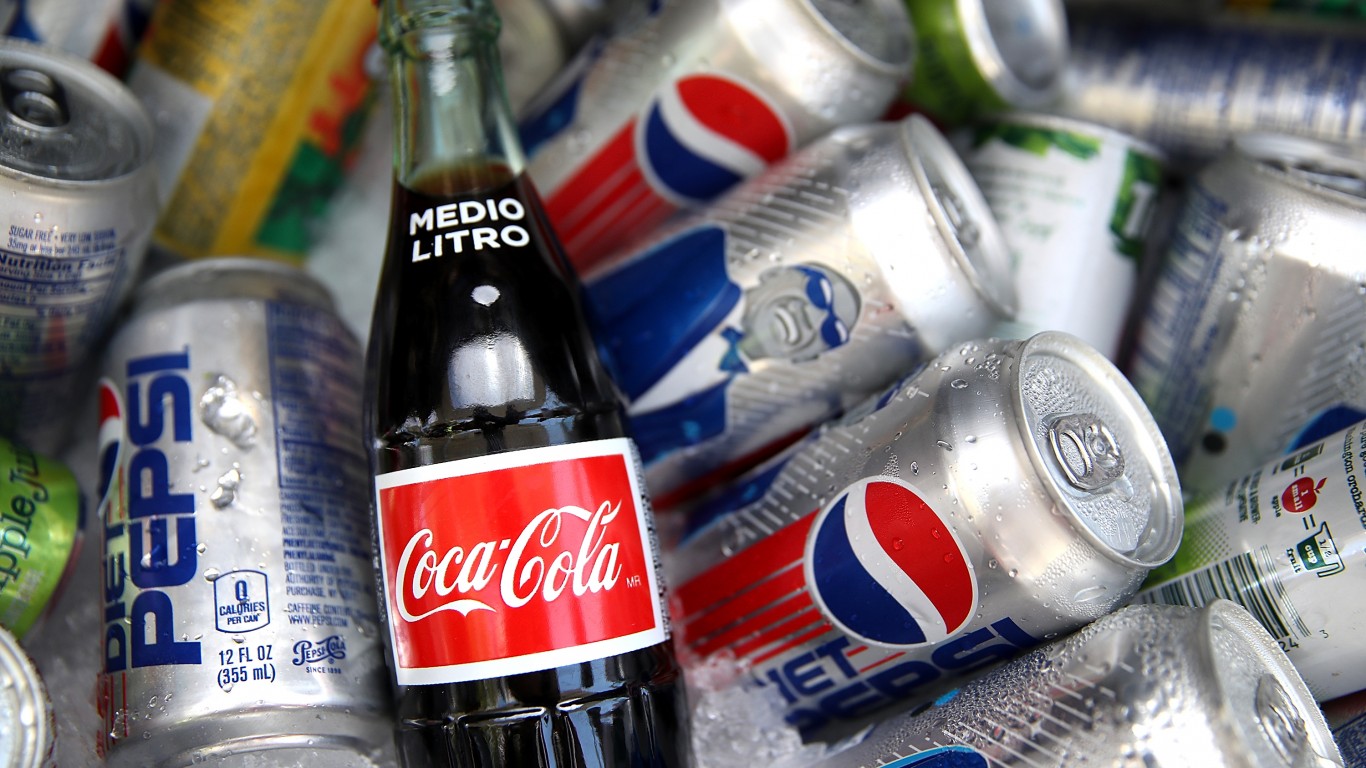
PBJ is designed to provide targeted exposure to companies that produce, distribute, and sell food and beverages. The fund holds 30 stocks with a balanced approach—no single position exceeds 5.3% of the portfolio. This diversification within the sector helps spread risk across beverage giants like PepsiCo (NASDAQ:PEP | PEP Price Prediction) and Coca-Cola (NYSE:KO) as well as smaller players like Celsius Holdings (NASDAQ:CELH) and Cal-Maine Foods (NASDAQ:CALM). The fund charges a 0.61% expense ratio, which is reasonable for a specialized sector ETF.
The fund’s return engine relies on the cash-generating ability of mature food and beverage businesses. These companies typically operate with pricing power, established distribution networks, and predictable demand. PBJ yields 1.92%, reflecting the income-oriented nature of many holdings.
Performance Tells a Mixed Story
Over the past year, PBJ returned just 1.9% while the S&P 500 gained 13.6%. This performance gap reveals the structural challenges facing food and beverage companies today. Commodity cost pressures squeeze margins at the same time limited pricing flexibility prevents companies from passing those costs to consumers. Even strong individual performers like Monster Beverage (NASDAQ:MNST) couldn’t offset these sector-wide headwinds.
The five-year picture reinforces this pattern. PBJ’s 37% return falls well short of the broader market’s 79% gain over the same period. This persistent underperformance stems from slow volume growth and cost pressures that have constrained the entire sector, regardless of individual company quality.
The challenge is structural. Food and beverage companies face commodity cost pressures, limited pricing flexibility, and slow volume growth. While PepsiCo and Coca-Cola provide stability, their modest single-digit returns over the past year illustrate the sector’s growth constraints.
The Tradeoffs You Accept
Owning PBJ means accepting a fundamental tradeoff: you sacrifice growth for stability. The fund’s concentrated sector exposure eliminates diversification benefits, leaving you fully exposed to commodity inflation, changing consumer preferences, and regulatory pressures on food and beverage companies. The 1.92% dividend yield lags broader dividend-focused funds, limiting its appeal for income-oriented investors who may find better options elsewhere. PBJ’s recent underperformance relative to the broader market raises questions about whether the defensive benefits justify the opportunity cost, particularly during periods of economic expansion when this fund will likely lag.
PBJ works best as a tactical position for investors expecting market volatility or seeking modest exposure to consumer staples, but its track record suggests it should represent only a small slice of a diversified portfolio.














 Top Gaining Stocks
 Top Losing Stocks