


It’s easy to give up on software stocks (especially SaaS companies) or write off the future of the industry entirely. And while the powerful new AI and agentic tools are profound innovations that could rewrite the future of apps, perhaps it’s a bit too soon to jump off the sinking ship that is software. Could it be that Anthropic’s new Claude Code, Cowork, and comparable AI innovations from rivals will put the nail in the coffin for the unloved SaaS companies?
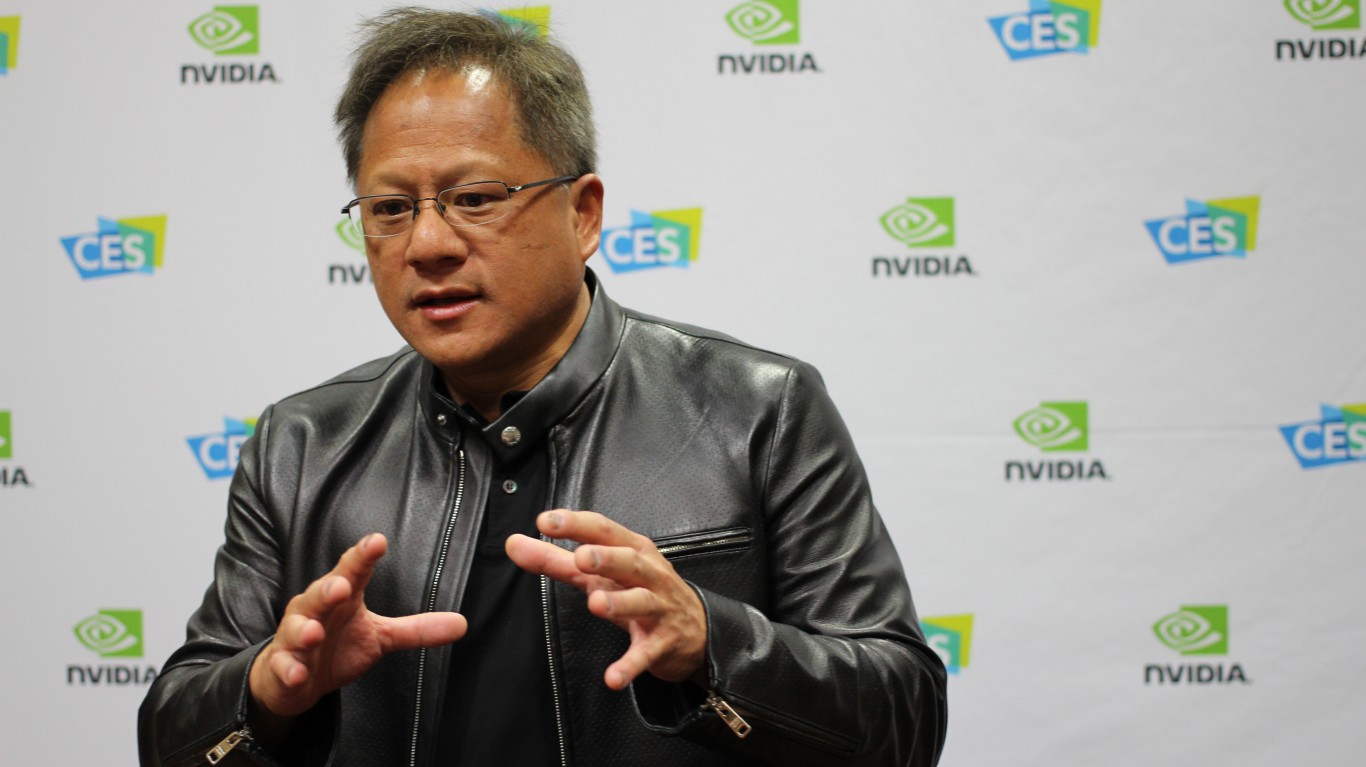
Nvidia (NASDAQ:NVDA | NVDA Price Prediction) top boss, Jensen Huang, has a knack for knowing how new technologies will shape the future. And while he’s one of the biggest bulls on AI, even he thinks it’s a bit of a stretch to think that the software industry is headed straight to zero. Huang went as far as to say it’s “illogical” to think that AI would replace software.
And while Jensen has been spot-on nearly every step of the way, his words have not been all too soothing for the fallen software stocks, some of which have been in free-fall for over a year now. What will it take to reverse the tides? I’m not so sure, but I’d much rather pay a premium for AI than go hunting for value in some of the SaaS plays.
The SaaSpocalypse Has Arrived, but It’s Not Over for the Companies That Know How to Adapt
While the names aren’t going to implode overnight, the transition from a seat-based model to a usage one could have the potential to get messy, very messy. And investors might not be willing to stick around, especially if an AI innovator were to release some sort of new tool tomorrow, causing another round of indiscriminate panic selling. Over the near term, perhaps it’s risky even to go after the durable software plays that will end up as net beneficiaries from the rise of agentic AI.
While the next move for software is a giant question mark, I do think the “SaaSpocalypse” suggests that there might not be a bubble in AI. After all, if the plunge in software stocks is telling us anything, it’s that AI might just be able to enter new markets, squeeze out the competition, and reap the rewards.
Indeed, investors want to see AI innovators monetize, and 2026 may finally be the year they get just that. Given how fast the puck is moving in AI, perhaps a monetization boom might be enough to power another leg higher in the Magnificent Seven and other AI plays across the market that many may have dismissed as a tad too expensive.
Agents Need Software to Be Useful
As Huang put it, agents “consume” software, rather than replacing it. He’s right. Agents are going to rely on software, but they just aren’t going to care about fancy dashboards or user interfaces — it’s a different kind of software. Of course, the software that agents use is going to look vastly different, but nevertheless, it’s still software, and it will remain important as the rise of digital labor takes off.
The big question for investors is whether it’s the frontier AI innovators themselves that are going to make the software that agents run on, or if it’s the plunging software names themselves that will build the agents. The fear is focused on the former scenario, when it might be the latter that ends up coming out on top. Either way, as software becomes less about code and more about design, I do view the best-in-breed software companies as having what it takes to reinvent themselves.
Of course, some software that plays with eroded moats may struggle to transition. And some firms behind commoditized software may go under due to the devaluation of code. In any case, it’ll be interesting to see what software firms build with AI coders and agentic tools. If they can build something far more useful than what they already have, I’d argue that they’re well-equipped to win in the AI age.
A company like Microsoft (NASDAQ:MSFT), which knows how to use AI tools and agents, stands to win big as it takes share away from rivals that can’t effectively implement agentic AI.









 Top Gaining Stocks
 Top Losing Stocks