


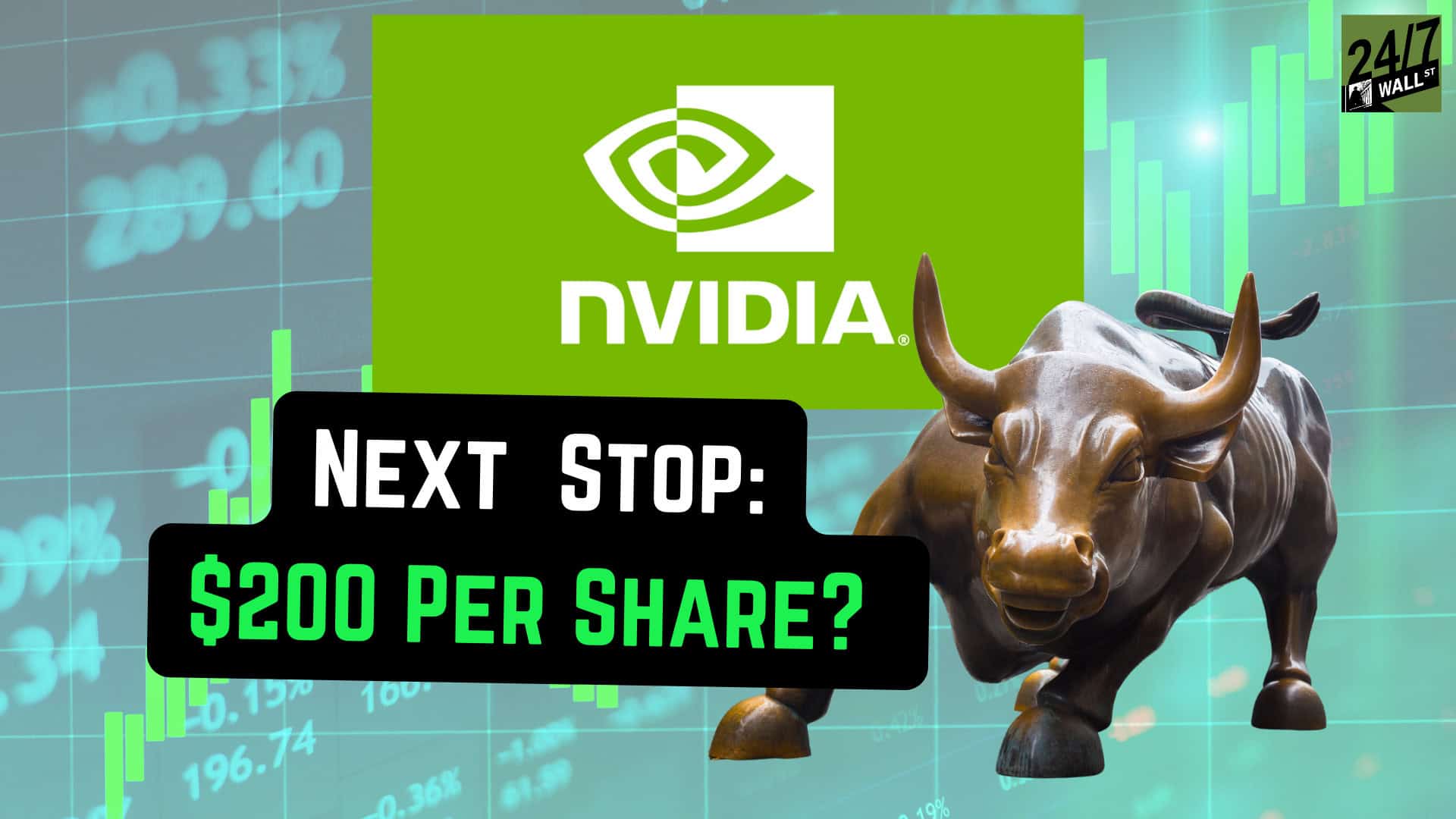
NVIDIA (NASDAQ:NVDA | NVDA Price Prediction) reports quarterly earnings after the bell tomorrow, Feb. 25, and the number setting the stakes is not one of its own. When Amazon (NASDAQ:AMZN) announced a massive capital expenditure plan for 2026 during its recent earnings call, the market reacted with immediate anxiety. Amazon shares fell sharply in after-hours trading following the announcement, according to Reuters. The number crystallized a tension that now hangs directly over Nvidia’s report: hyperscaler AI spending at this scale is both NVIDIA’s biggest tailwind and its most scrutinized risk.
What the $200 Billion Signals
Amazon’s 2026 CapEx commitment reflects a significant year-over-year increase and an industry-wide infrastructure arms race that has been NVIDIA’s primary growth engine. The company’s most recent quarter underscored the dependency: Data Center revenue hit $51.2 billion in Q3 FY2026, representing 89.8% of total revenue, with networking alone up 162% year-over-year. The problem is that Amazon is simultaneously building out custom Trainium2 chips, raising questions about whether the next wave of hyperscaler spending flows to Nvidia at the same rate.
What Nvidia Guided and What’s Expected
For Q4 FY2026, Nvidia guided for revenue of $65 billion, plus or minus 2%, with non-GAAP gross margins of 75%. That would represent roughly 14% sequential growth from Q3’s $57 billion in revenue. NVIDIA has beaten EPS estimates in each of the last eight consecutive quarters, with an average surprise of 7.46%. But those margins of outperformance have been narrowing, from 11.93% in Q1 FY2024 to 4.84% in Q3 FY2026, suggesting Wall Street is getting closer to the company’s actual trajectory.
Where the Stock Stands
Nvidia shares are trading at $190.80 as of this morning, up 2.04% year-to-date and 46% over the past year. The stock carries a market cap of $4.62 trillion. Prediction markets on Polymarket currently price a 93% probability that NVIDIA beats earnings tomorrow, yet only a 25% probability the stock closes above $200 by month’s end. That gap tells the story: The beat is expected, which raises the bar for what actually moves the stock higher. The CBOE Volatility Index sits at 21.01, up 30.6% over the past month, placing it in elevated uncertainty territory heading into the print.
What to Watch Tomorrow
Beyond the headline numbers, key metrics to watch include gross margin guidance for Q1 FY2027. NVIDIA flagged gross margin compression risk during the Blackwell architecture transition, and any forward guidance that suggests margins will soften below the 75% range could overshadow an otherwise strong quarter. Inventory levels, which rose to $19.8 billion from $15 billion sequentially, will also draw scrutiny. CEO Jensen Huang’s commentary on Blackwell demand and the pace of hyperscaler commitments will likely matter as much as the numbers themselves.










 Top Gaining Stocks
 Top Losing Stocks