



Since Southwest Airlines (NYSE: LUV | LUV Price Prediction) and American Airlines (NASDAQ: AAL) reported Q4 2025 earnings in late January, the contrast could not be sharper. Southwest is executing a genuine product reinvention and rewarding shareholders. American is still digging out from a debt hole while betting that premium cabin demand and a loyalty revival can carry it into profitability.
Southwest Transforms. American Stabilizes.
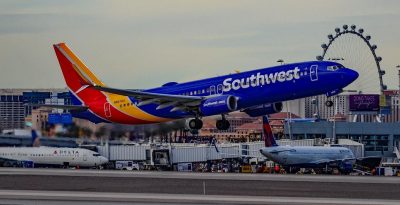
Southwest’s Q4 showed real operational momentum. Operating income grew 40.65% year over year to $391 million, and net income rose 23.75% to $323 million. The airline introduced assigned seating and extra legroom options, launched Getaways by Southwest, expanded distribution through Expedia and Priceline, and rolled out free Wi-Fi for Rapid Rewards members. CEO Bob Jordan called it “the most ambitious transformation in Company history.” The WSJ ranked Southwest #1 among U.S. airlines for 2025.
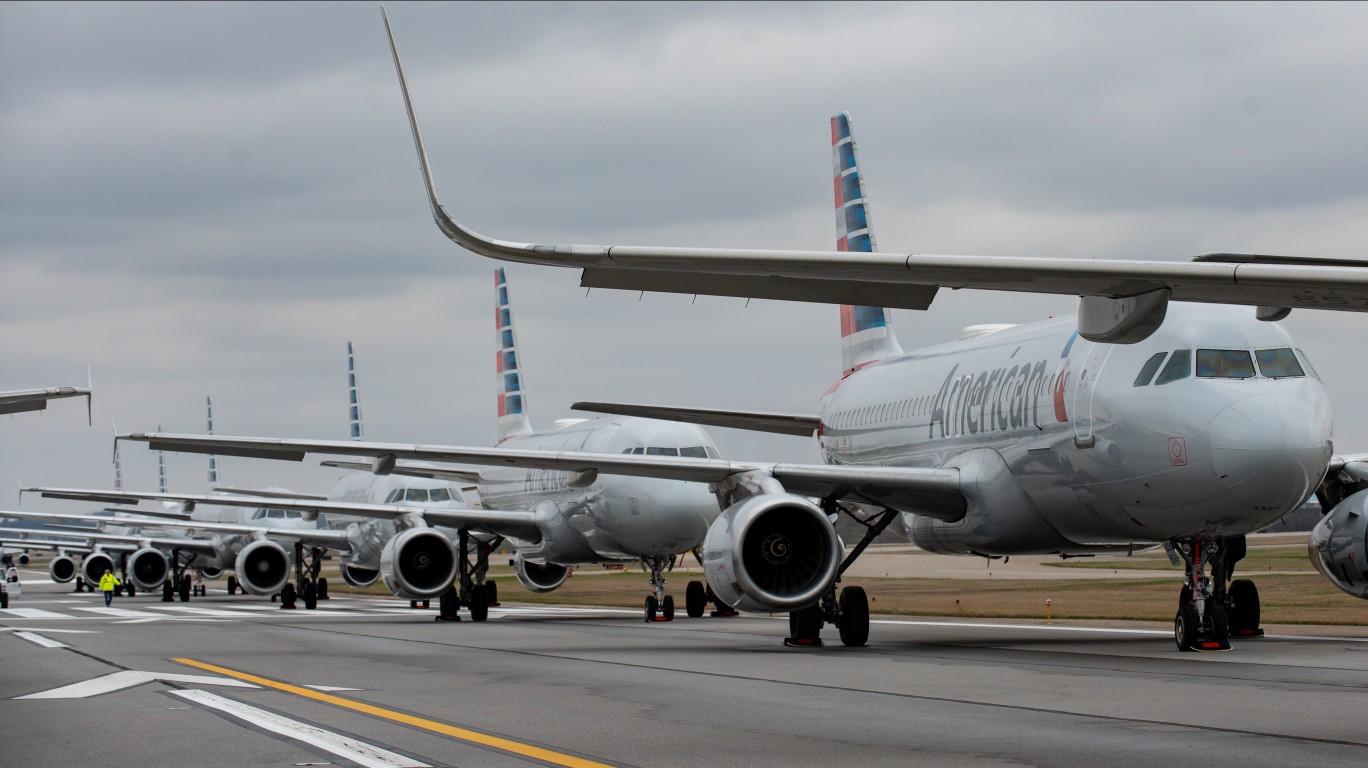
American’s Q4 was messier. A $325 million government shutdown impact hit revenue hard, and domestic passenger unit revenue fell 2.5% year over year. EPS came in at $0.16, missing the $0.35 consensus by a wide margin. Bright spots included premium cabin outperformance, AAdvantage active accounts growing 7%, and co-branded credit card spending rising 9%. CEO Robert Isom framed the outlook positively: “American Airlines is positioned for significant upside in 2026 and beyond.”
| Business Driver | Southwest (LUV) | American (AAL) |
|---|---|---|
| Q4 Operating Income Growth | +40.65% YoY | −60.23% YoY |
| 2026 EPS Guidance | $4.00+ | $1.70 to $2.70 |
| Shareholder Returns (2025) | $2.9B | None |
| Shareholders’ Equity | $7.98B | −$3.986B |
Product Reinvention vs. Debt Reduction
Southwest is betting that adding product tiers will expand its addressable market without alienating its core base. The execution risk is real. Capital expenditures jumped 86.74% to $859 million, pushing free cash flow to −$383 million despite solid operating results. This is investment-driven, not operational deterioration.
American’s mission is balance sheet repair. The airline reduced total debt by $2.1 billion in 2025 and targets total debt below $35 billion by 2027. With total liabilities at $66 billion against negative shareholders’ equity of −$3.96 billion, the financial structure remains precarious. The $2 billion-plus free cash flow guidance for 2026 would be transformative if achieved, but missing Q4 EPS guidance by such a wide margin raises credibility questions.
Macro Headwinds Apply to Both
WTI crude sits at $66.36 per barrel, up 7% month over month, and a move toward $70 to $75 would pressure margins at both carriers. University of Michigan consumer sentiment stands at 56.4, a real headwind for Southwest’s leisure-heavy model. American’s premium cabin focus offers partial insulation, since higher-income travelers are less sensitive to confidence swings.
Southwest’s Setup Is More Legible Right Now
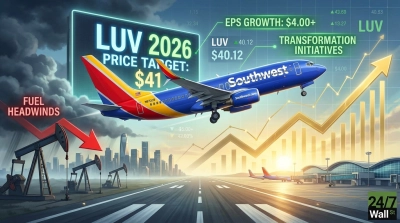
Southwest’s 2026 EPS guidance of at least $4.00 implies meaningful earnings power if the transformation holds. The stock has gained 22.77% year to date, already pricing in optimism. American trades at a forward P/E of roughly 8x versus Southwest’s roughly 13x, reflecting the execution risk premium the market demands. American’s Q1 2026 revenue growth, guided at 7% to 10%, will be a key indicator of whether the turnaround is on track.





 Top Gaining Stocks
 Top Losing Stocks