


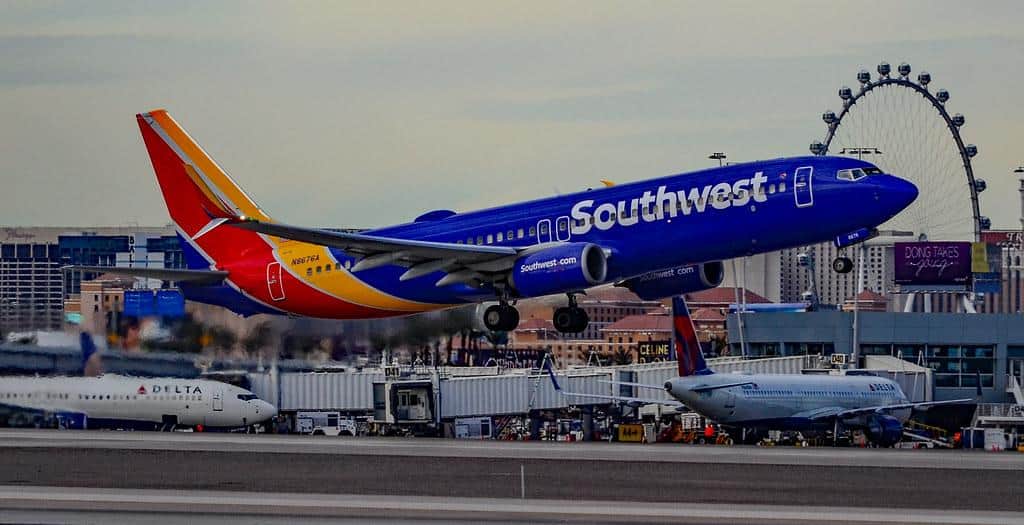
Southwest Airlines (NYSE:LUV | LUV Price Prediction) has delivered a stellar start to 2026, with shares surging 22.99% year-to-date as of February 12. The rally dramatically outpaces the broader airline sector, where Delta Air Lines (NYSE:DAL) has gained just 6.29% over the same period.
Q4 Earnings Catalyze the Breakout
The rally began after Southwest’s January 28, 2026 earnings call, when management laid out a transformation thesis that sent shares up 17-19%. Fourth quarter revenue hit $7.44 billion, up 7.4% year-over-year, while operating income jumped 40.65% to $391 million. The company met earnings expectations at $0.58 per share.
The real story was 2026 guidance. CEO Bob Jordan announced full-year adjusted EPS of at least $4.00, a staggering jump from 2025’s $0.93. Jordan emphasized the conservative nature of this target: “We are providing EPS guidance that represents the lower end of our internal forecast.”
Wall Street now is projecting adjusted EPS of $4.19 this year, growing to $4.75 in 2027.
The Business Model Transformation
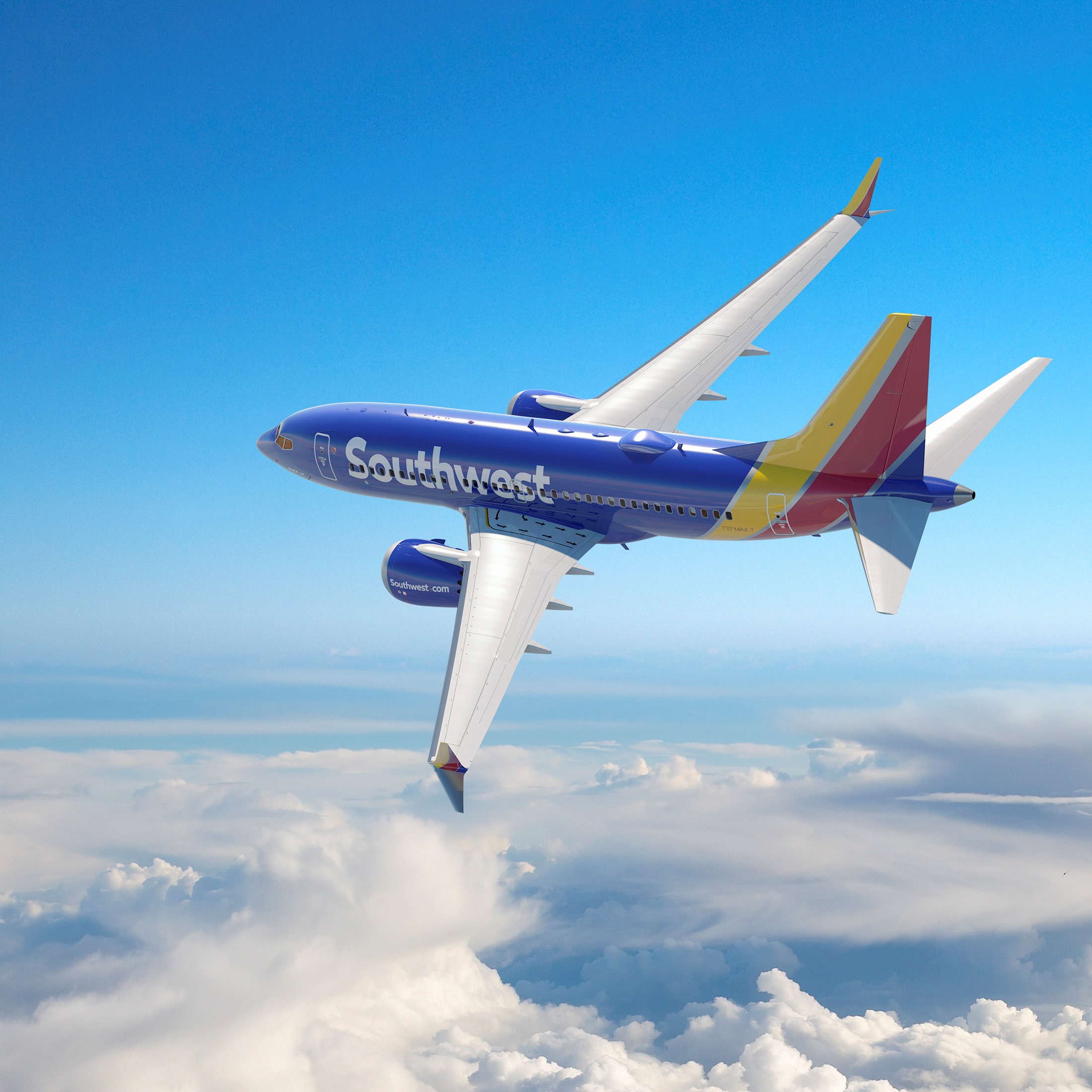
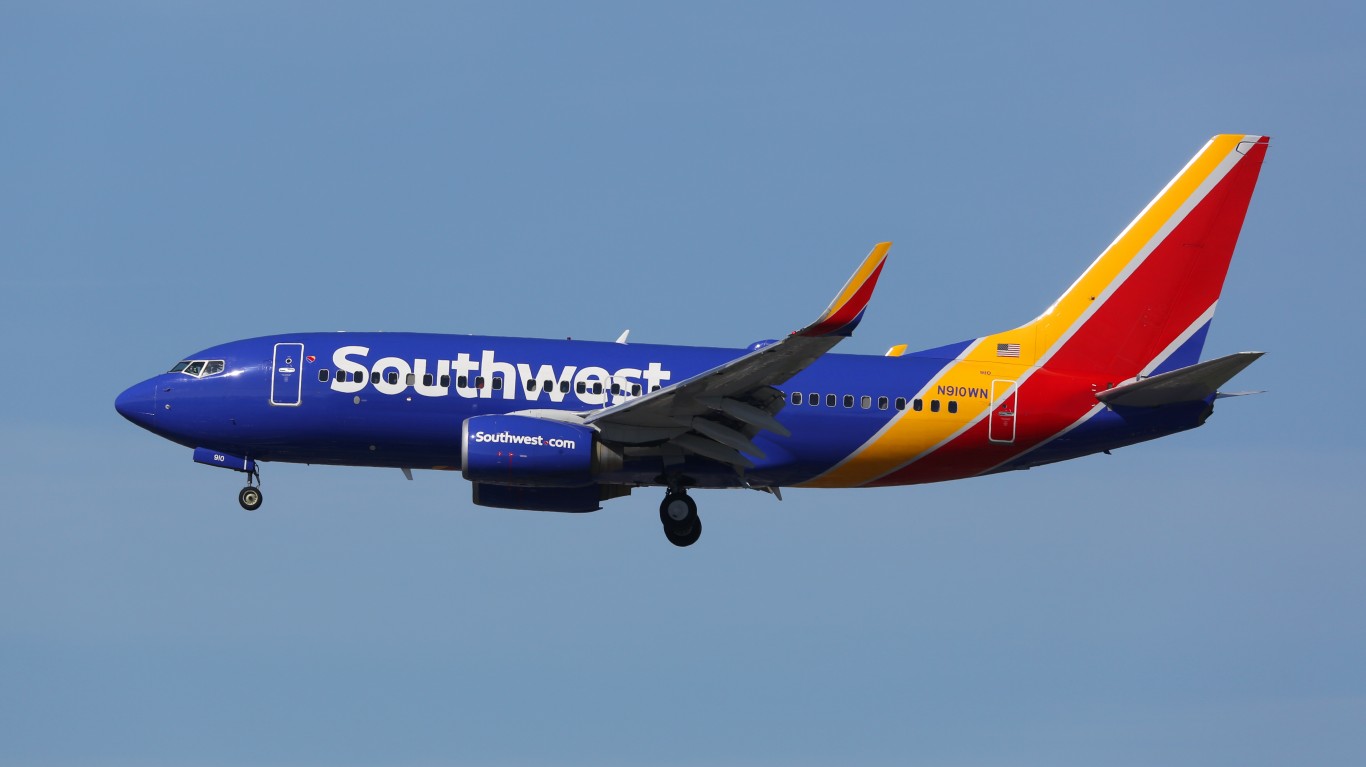
Southwest’s 2025 overhaul represents the most fundamental shift in its 54-year history. On Tuesday, February 9, 2026, the airline launched assigned seating and extra legroom options, ending its iconic open seating policy. COO Andrew Watterson described the overnight conversion of over 800 aircraft as seamless: “On Tuesday, we operated more than 3,200 flights as a different airline while continuing to deliver our usual high-quality operation.”
The new revenue model includes bag fees, basic economy fares, and premium seat upgrades. Management expects these changes to drive first-quarter revenue per available seat mile (RASM) up at least 9.5% year-over-year. Watterson noted customers are willing to pay for better seats, particularly as flights fill: “[…] you’re like, ‘What seat am I? Oh, I want to change my seat; I will pay more.’ We see the fuller the flight, the higher the ancillary benefit.”
While Wall Street has cheered the changes, it should be noted that media attention has been mostly negative. Whether these changes lead to long-term damage remains to be seen. Southwest previously achieved adjusted earnings of $4.27 in 2019, back in its pre-Covid peak.
However, the business model of airlines has fundamentally changed in recent years with low-cost carriers under pressure across the board. So nostalgia for Southwest’s past may not match up with the current reality of the industry.
Fuel Tailwinds and Cost Discipline
Beyond product changes, Southwest is benefiting from favorable fuel economics. WTI crude oil sits at $61.60 per barrel as of February 2, 2026, down 16.4% year-over-year. This provides meaningful margin expansion opportunity for an airline that discontinued fuel hedging in 2025.
Management is maintaining cost discipline even as revenue initiatives ramp. CFO Tom Doxey committed to keeping “management headcount expense flat to 2025 levels in 2026.” The company also returned $2.9 billion to shareholders in 2025 through buybacks and dividends.
What’s Next
Wall Street is taking notice. Susquehanna raised its price target from $45 to $55 on February 6, 2026, while BMO Capital upgraded to Outperform with a $57.50 target. At $53.13, shares now trade at a forward price-to-earnings ratio of roughly 13x based on the $4.00 guidance floor. Applying Wall Street’s forward target of $4.75 in adjusted EPS next year, Southwest trades for about 10.7X earnings.
The key question is whether Southwest can capture meaningful business traveler share with its enhanced product. Jordan believes the pieces are in place: “What’s missing is the product that the corporate travelers want to buy.” If close-in bookings and upsell revenue exceed conservative assumptions, 2026 could deliver results well above the $4.00 baseline.






 Top Gaining Stocks
 Top Losing Stocks