



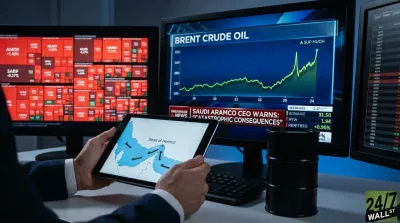
Oil prices have erupted higher in recent days as fresh conflict erupts around Iran, with Tehran issuing direct threats to disrupt shipping through the Strait of Hormuz. That narrow waterway carries roughly one-third of all global oil trade, and any meaningful interruption would send crude prices even further into the stratosphere.
Investors already faced compelling tailwinds for energy stocks: lingering trade tensions after President Trump reimposed 15% tariffs once earlier versions were struck down in court, plus inflation quietly creeping higher again. Middle East hostilities have now supercharged those pressures and could linger for months. The result is a powerful setup for energy-sector profits — and a clear signal that the Vanguard Energy ETF (NYSEARCA:VDE | VDE Price Prediction) belongs in portfolios right now.
Why Vanguard Stands Out
The Vanguard Energy ETF delivers instant, low-cost access to the entire U.S. energy industry without forcing investors to pick individual winners. Launched by Vanguard, the fund tracks the MSCI US Investable Market Energy 25/50 Index and currently holds more than 100 companies across exploration, production, refining, equipment services, and midstream infrastructure. Its rock-bottom expense ratio of just 0.09% means more of every dollar stays invested rather than eroded by fees — an edge that compounds powerfully over time.
Top holdings include household names such as ExxonMobil (NYSE:XOM), Chevron (NYSE:CVX), and ConocoPhillips (NYSE:COP), but the ETF also spreads risk across smaller drillers, pipeline operators, and oilfield-service giants. When crude rallies — as it has this week on supply-fear headlines — virtually every segment benefits. Producers enjoy fatter margins, refiners see stronger crack spreads, and pipeline companies collect steady tolls on higher volumes. That broad exposure smooths out the inevitable company-specific surprises that plague single-stock picks.
How Geopolitics and Macro Forces Are Aligning for Energy
Trade policy and inflation were already tilting the scales toward domestic energy. Renewed tariffs raise input costs for many sectors, yet U.S. oil and gas companies — largely insulated by abundant domestic supply — stand to gain relative market share. Meanwhile, sticky inflation makes hard assets like energy commodities attractive hedges: Higher oil prices feed directly into producer revenues while consumers absorb the pain at the pump.
The Iran-related shock has simply accelerated a move that analysts had already flagged. OPEC+ production cuts, resilient U.S. demand, and underinvestment in new supply over the past decade left the market tighter than headlines suggested. Add credible threats to the Strait of Hormuz, and the risk premium in crude futures jumps overnight. Energy equities, which had lagged while oil consolidated earlier this year, are now catching up fast. The Vanguard Energy ETF is up 27% year-to-date, yet forward valuations remain reasonable compared with historical peaks.
A Smarter Way to Capture the Energy Rebound
Trying to cherry-pick the next superstar driller or refiner is a fool’s errand even for professionals. Geopolitical headlines shift daily, regulatory risk looms, and weather or technological surprises can swing earnings. The Vanguard ETF removes that guesswork. One ticker gives you diversified exposure to the entire value chain, automatic rebalancing as the index adjusts, and daily liquidity that individual small-cap energy names often lack.
The fund’s structure also keeps turnover low, minimizing taxable events for investors in taxable accounts. For retirement portfolios, its sector purity delivers concentrated upside without the administrative hassle of managing dozens of positions. And because Vanguard runs the ETF, investors benefit from the company’s long-standing commitment to investor-first pricing and transparent indexing.
Key Takeaways
Energy stocks spent the better part of the past two years depressed while oil prices drifted lower and capital fled the sector. Even after the sharp rebound of the past week or so, valuations remain attractive relative to both history and other cyclical groups. Profit margins are expanding, balance sheets are healthier than a decade ago, and free-cash-flow yields still look generous.
Rather than gambling on which individual company will outperform, Vanguard offers an easy, low-cost way to own a professionally constructed basket of players. It lets investors tap straight into the deep well of opportunity that rising oil prices create — without the sleepless nights of stock-specific risk. In an environment where geopolitics, trade policy, and inflation are all pointing in the same direction, the Vanguard Energy ETF isn’t just an ETF; it’s the simplest, most efficient vehicle to turn global energy tailwinds into portfolio gains.











 Top Gaining Stocks
 Top Losing Stocks