


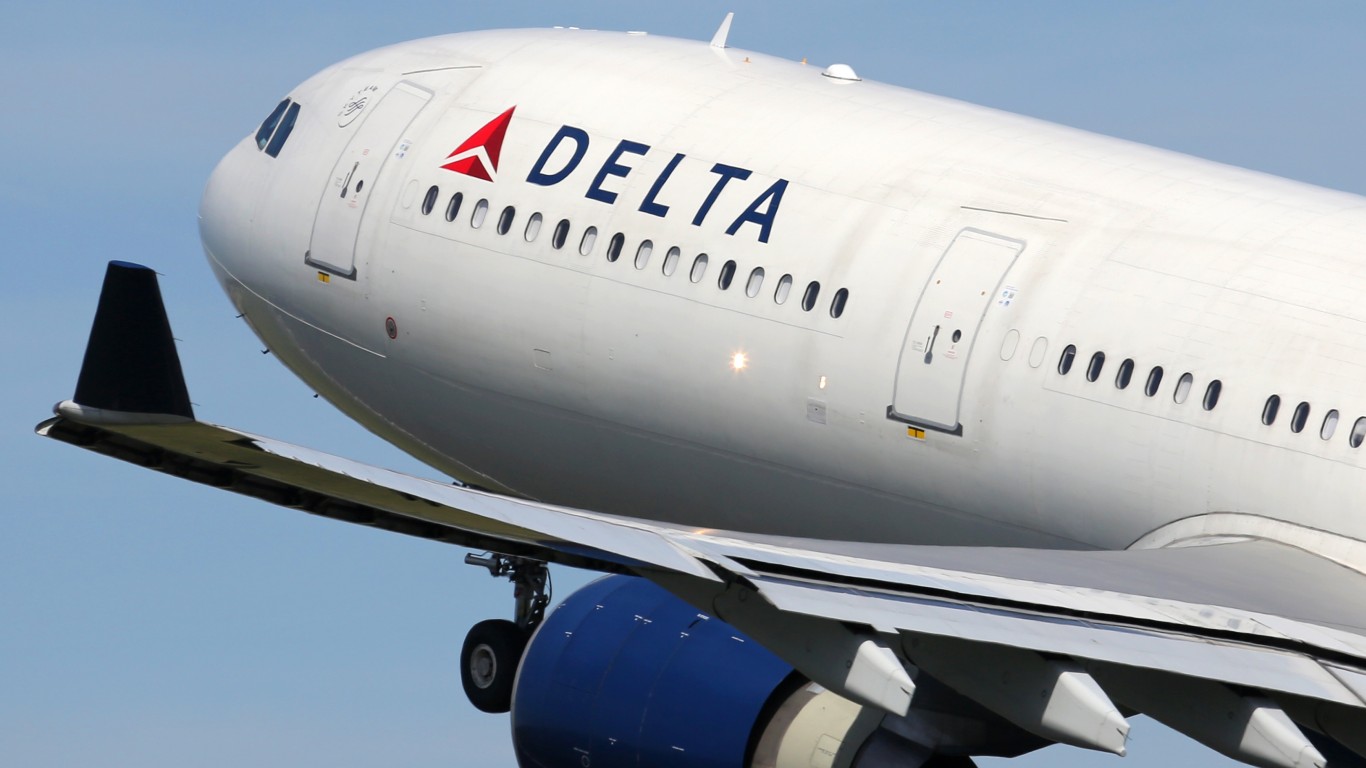
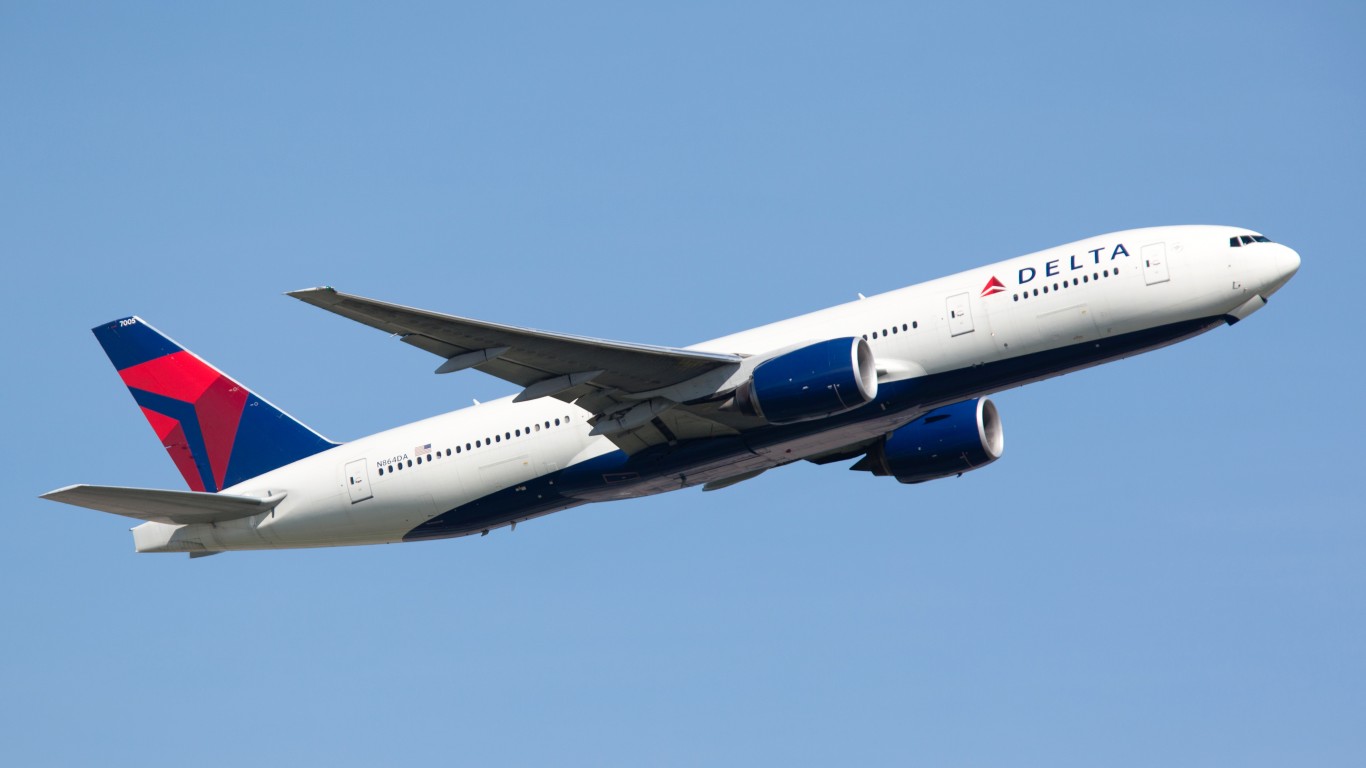
Delta Air Lines (NYSE:DAL | DAL Price Prediction) has had a rough stretch heading into mid-March. Shares are down 2.31% over the past week, off 16.62% over the past month and down 16.09% year-to-date. Trading around $57.95, the stock’s 52-week high was $76.39. But with Wall Street’s consensus target sitting at $81.69, a meaningful recovery could be in store for the legacy airline.
But Citi is going further. Citi carries a Buy rating and an $87 price target on DAL. The firm also added an upside 30-day catalyst watch on the stock, signaling near-term conviction. Jefferies holds a more measured $72 Buy target. But can DAL realistically reach $87 by the end of 2026?
Citi’s $87 DAL Prediction
Citi’s core argument is structural: higher fuel prices are already priced into airline stocks with the least fuel exposure, and Delta has among the least sensitivity to higher fuel prices of any major airline. Even as jet fuel prices have risen roughly 50% from the January average and Q1 fuel cost estimates have been raised approximately 14%, Delta’s diversified revenue base and fleet efficiency insulate margins in ways competitors cannot match. With second-half fuel prices expected to revert toward pre-conflict levels, the headwind could become a tailwind.
Key Drivers of DAL Stock Performance
- Fuel Cost Structural Advantage: Delta’s full-year 2025 adjusted fuel expense fell 7% year-over-year, with fuel price per gallon down 10%. New wide-body aircraft deliver 25% better fuel efficiency over replaced aircraft, reflecting improved cost efficiency.
- Premium Revenue Compounding: Premium products revenue reached $5.70 billion in Q4 2025, up 9% year-over-year, while American Express remuneration grew 11% to $8.2 billion for full-year 2025. Diversified revenue streams now represent 60% of total revenue, reducing airline cycle risk.
- EPS Growth Guided for 2026: Management guided full-year 2026 EPS of $6.50 to $7.50, with 20% growth guided. Free cash flow is expected between $3 billion and $4 billion, supporting debt reduction and potential shareholder returns.
What Will It Take for DAL to Reach $87?
With 653.1 million shares outstanding, an $87 price target would represent a significant premium to current trading levels. Three conditions matter most: fuel prices stabilizing or declining in the second half of 2026, main cabin revenue recovering (President Hauenstein noted “the main cabin has not moved yet” in early 2026, representing meaningful upside), and corporate travel continuing its acceleration with roughly 90% of surveyed corporate customers expecting travel volume to increase or hold steady.
The primary risk is a sustained spike in fuel costs that outlasts current hedging and fleet efficiency advantages. Still, at roughly 8x forward earnings with 20% guided EPS growth, Citi’s $87 target reflects the basis for Citi’s $87 target as the stock attempts a recovery in a recovering travel cycle.










 Top Gaining Stocks
 Top Losing Stocks