


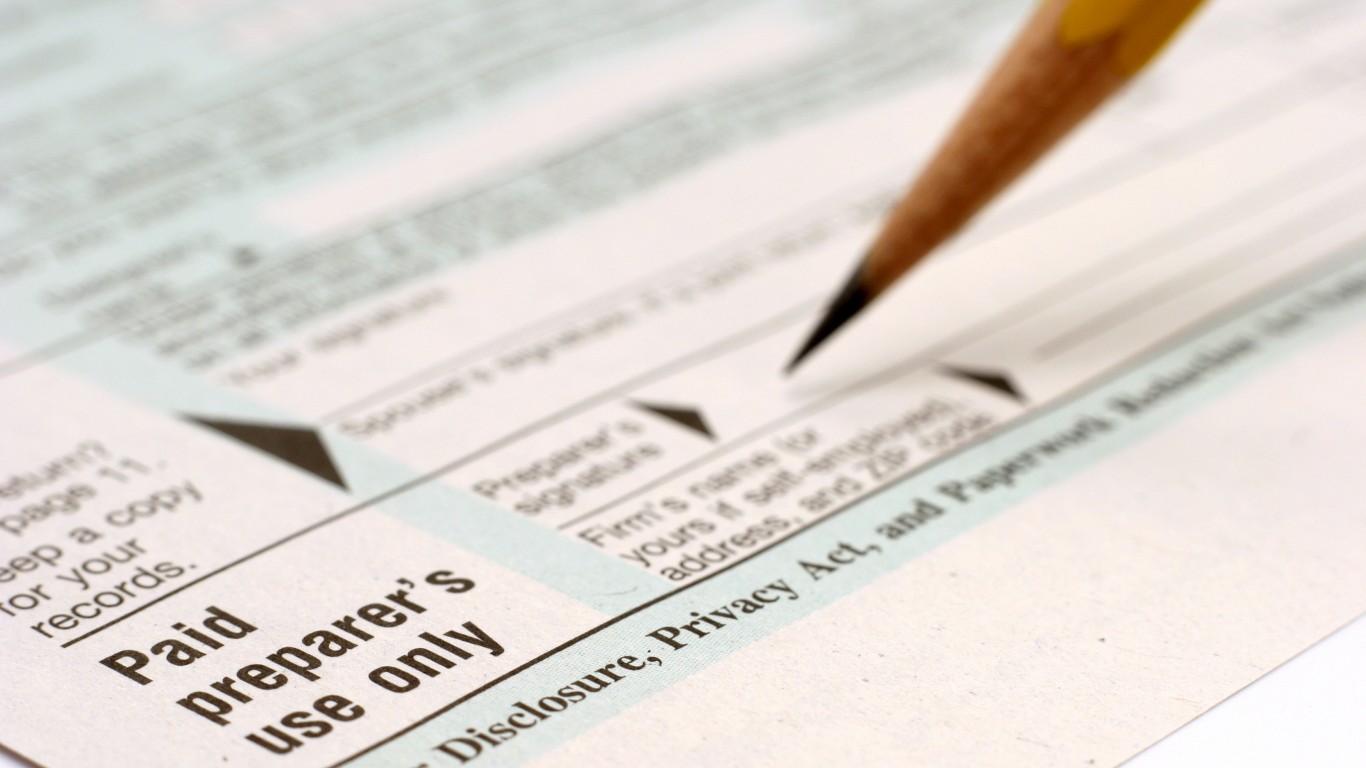
Albertsons (NYSE:ACI | ACI Price Prediction) just reported Q3 FY2026 earnings showing identical sales growth of 2.4% driven almost entirely by pharmacy. H&R Block (NYSE:HRB) posted Q2 FY2026 results with revenue of $198.87 million, up 11.1% year over year. Two different businesses, both flying under the radar, both leaning into technology to defend their turf.
Pharmacy Carries Albertsons. Tax Season Is Starting to Carry H&R Block.
Albertsons beat on the bottom line, posting adjusted EPS of $0.72 against a consensus of $0.68. Pharmacy is doing the heavy lifting on identical sales while compressing margins. Gross margin slipped to 27.4% from 27.9% the prior year because pharmacy is lower-margin than center-store groceries. Digital sales grew 21% year over year, and loyalty membership hit 49.8 million members, up 12%. New CEO Susan Morris framed the strategy: “Our investments in technology and AI are fundamentally reshaping how we operate and serve our customers; driving smarter decisions, greater efficiency, and more personalized experiences.”
H&R Block’s Q2 is always a loss quarter — tax season hasn’t peaked yet. But off-season results were strong. Assisted tax prep revenue jumped 15.6% year over year, DIY software climbed 22.3%, and Wave, the small business platform, grew 12.1%. New CEO Curtis Campbell set the tone: “In a year of heightened uncertainty for many filers, our client-first strategy and disciplined execution keep us focused on durable growth and long-term value.”
| Business Driver | Albertsons (ACI) | H&R Block (HRB) |
|---|---|---|
| Primary Growth Engine | Pharmacy + digital loyalty | Assisted tax prep + Wave |
| AI Focus | Personalization, efficiency | Expert-led tax experience |
| Key Headwind | Medicare drug pricing (IRA) | AI-native competitors |
Capital-Intensive Grocer vs. Cash-Generating Machine
Albertsons is spending $1.8 billion to $1.9 billion in capital expenditures this fiscal year on store remodels and digital infrastructure. H&R Block generated $598.85 million in free cash flow in FY2025 on a fraction of Albertsons’ revenue. That asset-light model funds an aggressive buyback program — 47% of shares outstanding repurchased since 2016. Albertsons expanded its repurchase program to $2.75 billion, but carries a net debt ratio of 2.29x, up from 1.88x a year ago. H&R Block carries negative shareholders’ equity of -$823 million — a byproduct of returning more cash than it retains, not a sign of distress.
Consumer sentiment at 56.4 on the University of Michigan index, well below the 80 neutral threshold, supports both businesses. Stressed consumers don’t stop buying groceries or filing taxes.
The Next Test: Pharmacy Pricing and Tax Season Volume
For Albertsons, the Medicare Drug Price Negotiation Program is the number to watch. Management flagged a 65 to 70 basis point drag on Q4 identical sales from this program alone — a structural headwind, not a one-quarter blip. For H&R Block, the question is whether AI-native competitors are taking clients or just generating headlines. The 15.6% growth in assisted tax prep revenue suggests the human-plus-AI model is holding up.
Valuation and Key Metrics to Watch
H&R Block is down 29% year to date while growing revenue at double digits. Key metrics to follow include free cash flow trends and share count reduction at H&R Block, and whether the digital loyalty flywheel and pharmacy network at Albertsons develop into durable competitive advantages.










 Top Gaining Stocks
 Top Losing Stocks