



Advanced Micro Devices (NASDAQ:AMD | AMD Price Prediction) closed 2025 with record revenue and accelerating AI momentum, while Intel (NASDAQ:INTC) delivered a more complicated picture: a modest revenue beat, a GAAP net loss, and a foundry business still hemorrhaging cash. Both are chasing AI dominance in 2026, but from very different starting positions. We compare the tech giants to decide which company has the potential to lead in 2026.
AMD’s AI Engine Fires on All Cylinders. Intel Leans on a Turnaround Story.
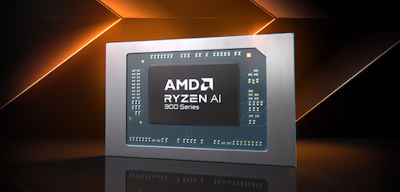
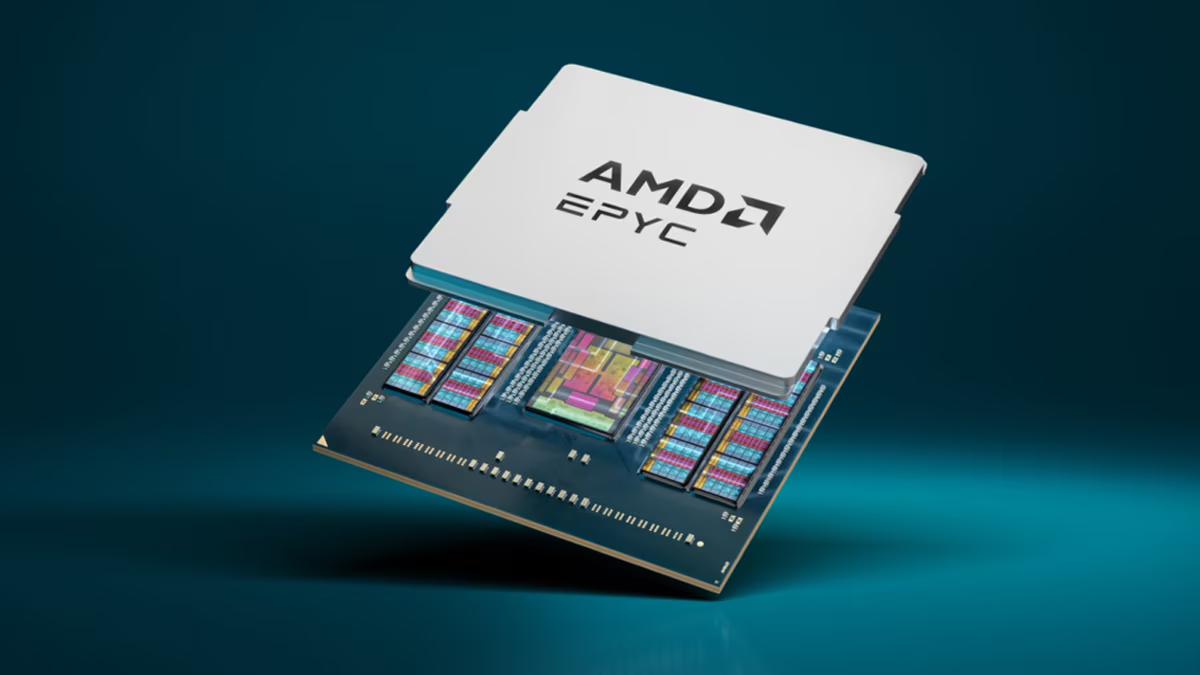
AMD’s fourth quarter results were hard to argue with. Revenue hit $10.27 billion, up 34.1% year over year, beating estimates of $9.72 billion by 5.64%. The Data Center segment was the headline driver, posting a record $5.38 billion, up 39% year over year, fueled by EPYC server processors and Instinct GPU shipments. The Client segment added $3.10 billion, up 34%, while Gaming surged 50% to $843 million.
Intel’s quarter told a different story. Revenue came in at $13.67 billion, down 4.1% year over year, with a GAAP net loss of $591 million. The Client Computing Group, still Intel’s largest segment, declined 7% to $8.19 billion. Data Center and AI grew 9% to $4.74 billion, positive but modest compared to AMD’s pace. Intel Foundry remained a drag, generating a $2.51 billion operating loss in the quarter.
| Business Driver | AMD | Intel |
|---|---|---|
| Q4 Revenue | $10.27B (+34.1% YoY) | $13.67B (-4.1% YoY) |
| Non-GAAP EPS | $1.53 | $0.15 |
| Main Growth Engine | Data Center AI (EPYC + Instinct GPUs) | DCAI (+9%), Intel 18A process ramp |
| Key Drag | Export controls on MI308 to China | Foundry operating losses |
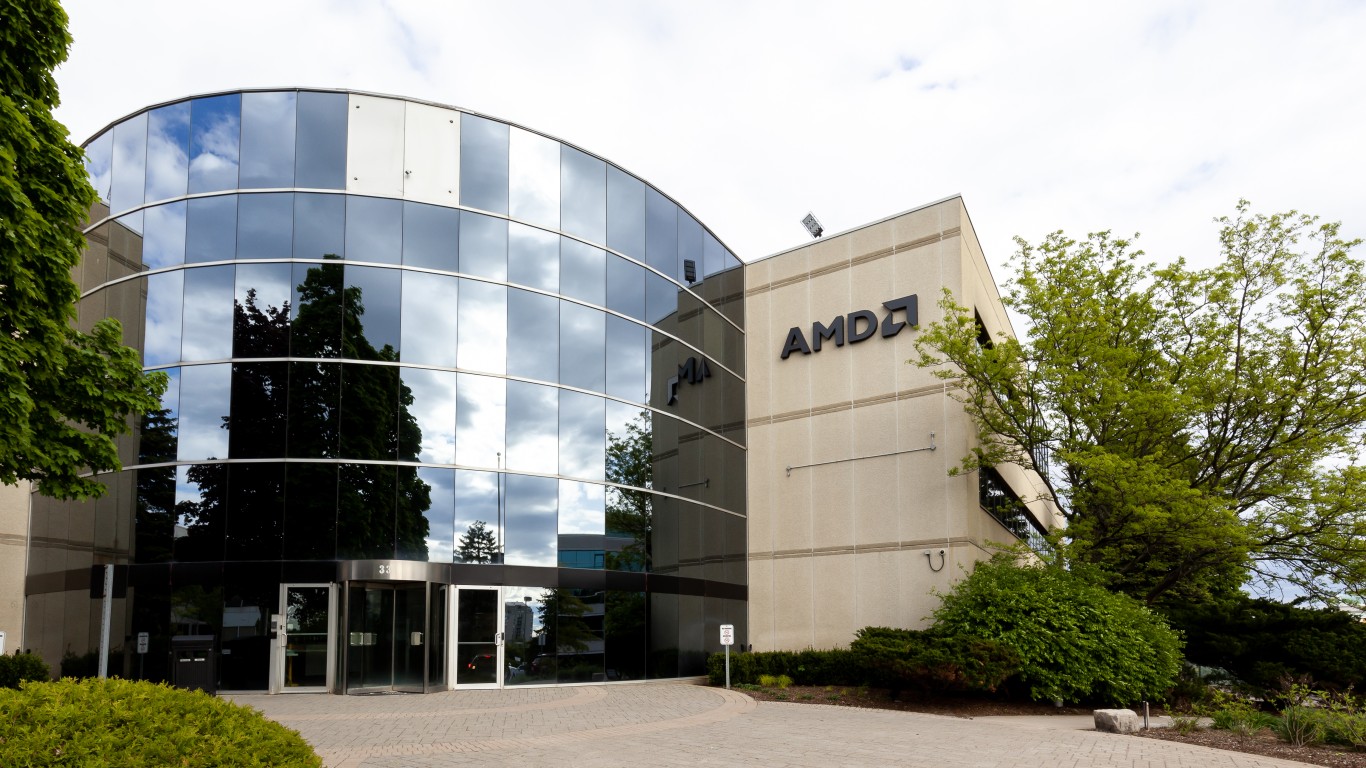
AMD Scales AI Infrastructure. Intel Bets Its Future on a Manufacturing Comeback.
AMD’s strategy is gaining traction: sell more EPYC CPUs into hyperscale data centers, scale Instinct GPU deployments alongside NVIDIA (NASDAQ:NVDA | NVDA Price Prediction), and expand the software ecosystem through ROCm.
The partnership pipeline carries real commercial weight — AMD has secured a 6 gigawatt GPU deployment commitment from OpenAI, an Oracle (NYSE:ORCL | ORCL Price Prediction) AI supercluster order of 50,000 Instinct MI450 GPUs targeted for Q3 2026, and a 1 gigawatt AI infrastructure deal with Cisco and HUMAIN by 2030. These represent contracted infrastructure scale.
Intel’s path is more uncertain. CEO Lip-Bu Tan is staking the company’s recovery on Intel 18A, its most advanced process node, built in the United States. Panther Lake, the first client SoC on 18A, is expected to power more than 200 OEM designs. A $5 billion equity investment from NVIDIA adds credibility to the foundry thesis, but losses remain large.
| Strategic Lens | AMD | Intel |
|---|---|---|
| Core Bet | AI accelerator and CPU share gains in data center | Intel 18A process node and foundry revival |
| Key Vulnerability | China export controls (~$440M net charges in FY2025) | Foundry operating losses ($2.51B in Q4 alone) |
| Q1 2026 Revenue Guide | ~$9.8B | $11.7B–$12.7B |
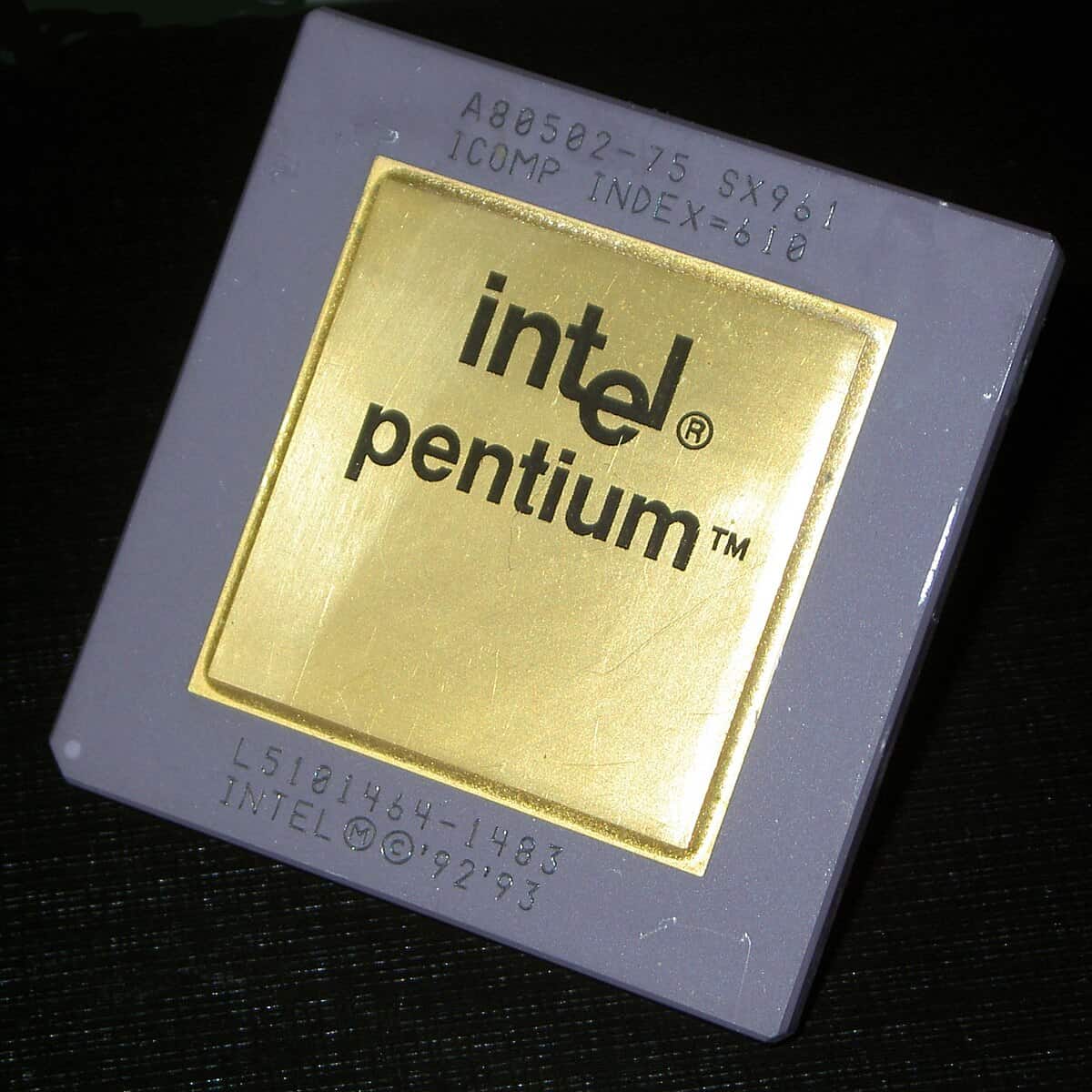
The Next Test Is Whether Intel’s 18A Finds Paying Customers
For AMD, the near-term watch item is China. Q1 2026 guidance includes only ~$100 million in MI308 sales to China, pending license review, a sharp reduction from prior quarters. Export control risk remains unresolved, and any tightening could clip revenue meaningfully. The Instinct GPU ramp pace against NVIDIA’s supply advantage and ROCm developer adoption are also key variables.
For Intel, the foundry question is existential. Intel guided for Q1 2026 non-GAAP EPS of $0, essentially breakeven, with supply tightest before improving in Q2. If 18A cannot attract meaningful external customers, the foundry thesis collapses. Intel’s own filings flag the potential pause of Intel 14A if no external customer materializes.
Stock performance reflects the divergence. AMD is down 5.68% year to date in 2026, while Intel is up 16.88% year to date, a reversal reflecting Intel’s recovery from deeply depressed levels rather than fundamentals catching up to AMD’s.
Why AMD Leads, With Eyes Open on the Risks
AMD’s execution has been consistent and measurable. Full-year 2025 free cash flow reached $5.5 billion, up 129.48% year over year, generated while absorbing significant export control charges. Analyst consensus reflects this confidence: 39 buy ratings against 12 holds and a consensus price target of $289.61 against a current price of $201.99.
Intel’s turnaround is real but fragile. Patient, contrarian investors who believe in the 18A thesis and U.S. manufacturing tailwinds may find the 9.23% analyst upside to $47.11 and insider buying worth watching. But foundry losses are large, the timeline is long, and the Q1 breakeven guide leaves little margin for error. For investors seeking AI infrastructure exposure with demonstrated execution, AMD remains the cleaner story heading into 2026.







 Top Gaining Stocks
 Top Losing Stocks