


Citi trimmed its price target on Micron Technology (Nasdaq: MU | MU Price Prediction) to $425 from $510 but held firm on its Buy rating, pushing back against what it sees as an overblown narrative around TurboQuant’s impact on memory demand. The call lands as MU shares trade at $321.80, well below the new target, after a brutal -20% slide over just one week.
| Ticker | Company | Firm | Old → New Rating | New Price Target | One-Line Takeaway |
|---|---|---|---|---|---|
| MU | Micron Technology | Citi | Buy → Buy | $425 | Price target cut reflects DRAM spot softness, not a fundamental breakdown |
The Analyst’s Case
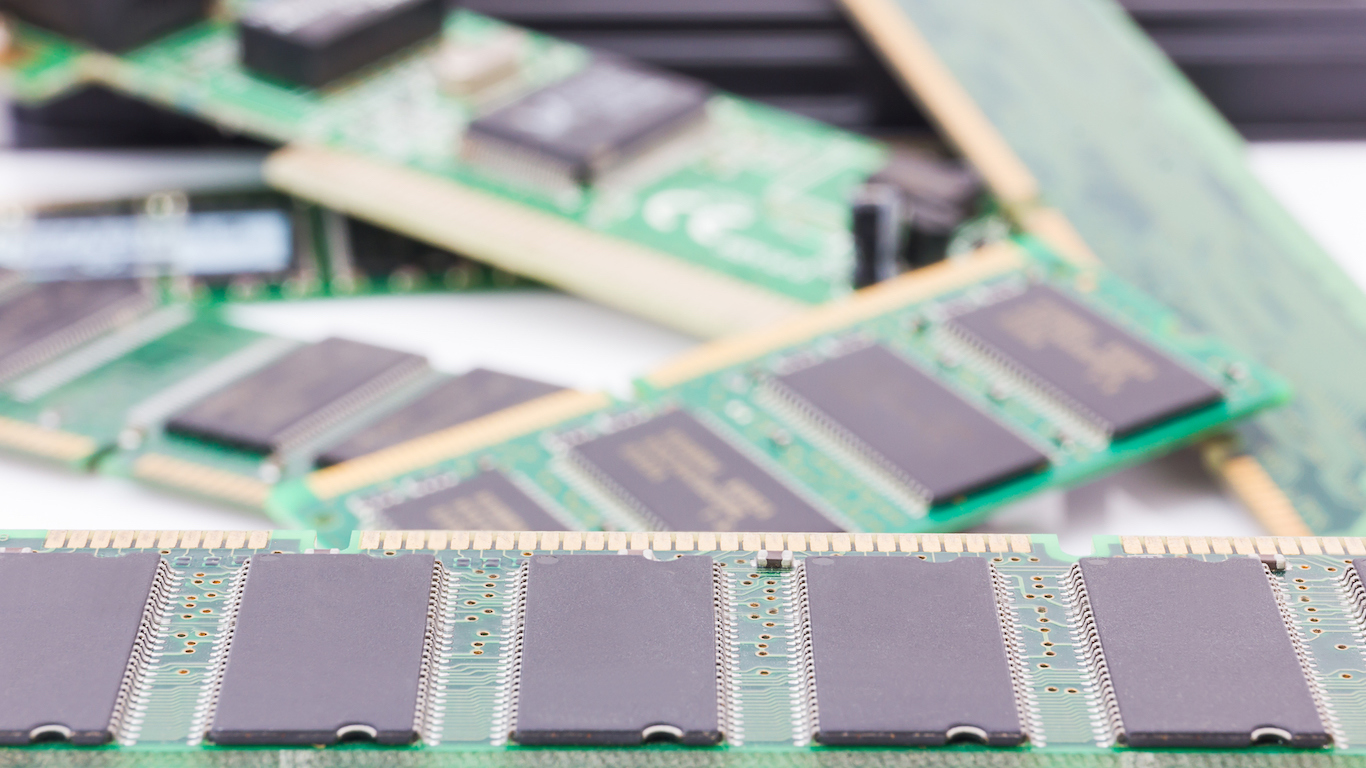
Citi’s concern is mainstream DDR5 16GB DRAM prices have fallen 6% since Micron’s earnings report, driven by fears that TurboQuant, an algorithm-based memory compression technology — will structurally reduce memory demand. Citi isn’t buying it. The firm points out that cheaper technology has historically increased demand for more technology, not less. That’s a well-worn pattern in semiconductors, and it’s the core of Citi’s bull thesis here.
The broader analyst community remains firmly in Micron’s corner. Of 43 analysts covering the stock, 38 rate it a Buy against just 2 Sell ratings, with a consensus price target of $527.60. Citi’s revised $425 target is actually below the Street average, a notable sign of near-term caution even within a bullish framework.
Why the Move Matters Now
The stock’s recent collapse creates an uncomfortable backdrop. MU fell -9.92% on the most recent trading day alone and is now down -21.93% over the past month — despite being up 265.23% over the past year. That kind of whipsaw reflects genuine uncertainty, not just noise.
Yet the fundamentals remain striking. In Q1 FY2026, Micron posted revenue of $13.643 billion, up 56.65% year over year, with non-GAAP EPS of $4.78 beating estimates by 21.33%. Q2 guidance called for revenue of $18.70 billion and non-GAAP EPS of $8.42 — numbers that imply the memory supercycle is still very much intact. CEO Sanjay Mehrotra stated plainly that “the gap between the demand and supply for all of DRAM, including HBM, is really the highest that we have ever seen.”
At a forward P/E of 7.63 and a PEG ratio of 0.259, the valuation metrics stand out relative to growth expectations. Citi’s $425 target implies meaningful upside from current levels even after the target cut.
What Investors Are Watching
Retail sentiment on Reddit has shifted from very bullish (82) immediately post-earnings to a neutral 45 as of this morning — a sign that fear has done its work but conviction hasn’t fully returned. Citi’s message is essentially this: the TurboQuant-driven selloff looks like an overreaction to a cyclical data point, not evidence of a broken thesis. The risk is real but likely temporary, according to the firm’s analysis.









 Top Gaining Stocks
 Top Losing Stocks