


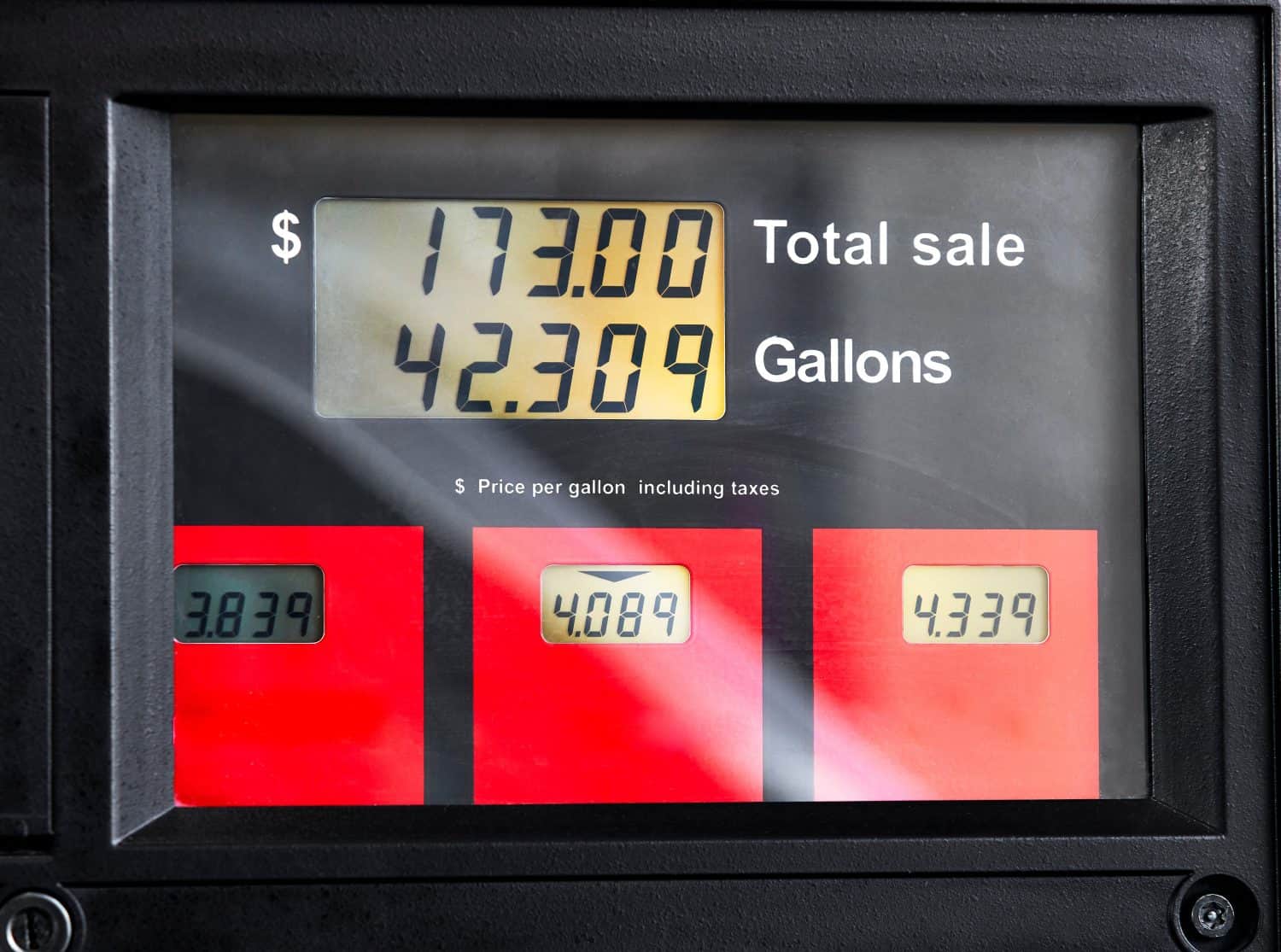
Expert after expert and financial firm after financial firm continue to raise their estimates for gas prices and oil prices. A forecast of $150 crude is no longer an outlier. For the most part, that points to $5 gas as it did in June 2022 after oil prices spiked due to the Russian invasion of Ukraine. Once it was clear that most of the world’s crude supply would not be interrupted, prices dropped to $3.4 in early 2023 and continued to slide to under $3 early this year. All signs pointed to an ongoing decline, as global crude supply was abundant.
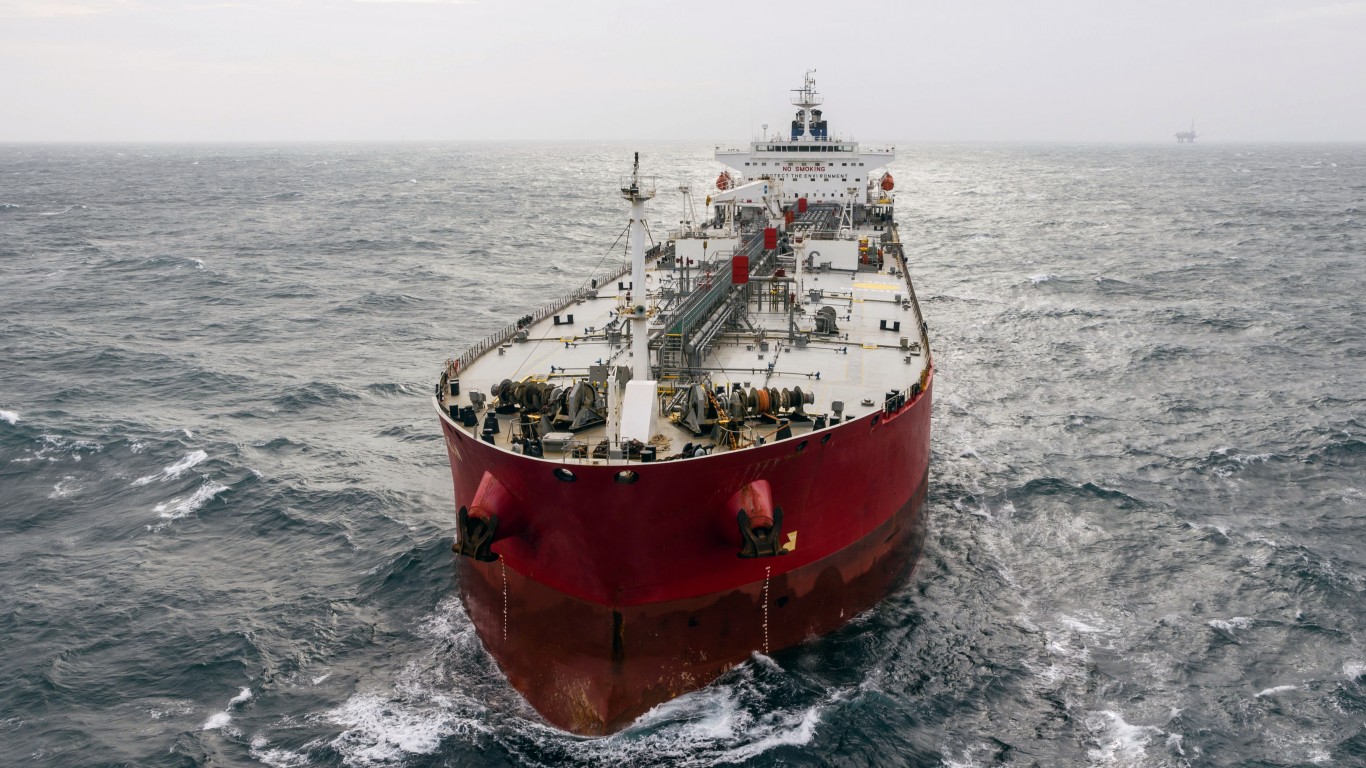
Now, much of the crude supply is locked up in tankers near the Strait of Hormuz. Experts believe that, even if tankers were free to transit the area, it could take months to clear the backlog, keeping prices high.
One of the most well-respected financial firms in the world has raised its gas price target. JPMorgan’s Joyce Chang and Natasha Kaneva wrote in a client note, “To date, US retail gasoline prices have already increased to close to $4/gallon, but our commodity team sees a risk of that exceeding $5/gallon if the strait remains effectively closed by mid-April.” Since it is the 7th, which is a week away, there is no sign that ships will resume their normal routes soon.
It is worth remembering that, for the average gallon of regular, gas prices are $5.92 in California, which is home to about 14% of Americans. It is also above $5 in Hawaii, Washington, and Nevada. It is just pennies away in Oregon. Now that percentage is 20% of the American population.
The question about inflation should already be answered. The June 2022 CPI was 9.1% year over year. That is the highest it has been in decades. A look at the details shows that energy prices accounted for a large share of the increase. Food prices were as well. Some of the food price increase was due to supply chain costs driven by high fuel prices. The current threat of inflation will follow a path almost identical to the one it took.
The last large recession was caused by the housing and financial crisis. If one is upcoming, it is more likely that people’s discretionary income will be sharply cut by rising prices. And, the Fed is likely to raise rates, which means rates across the consumer and business economies will rise as well. Among the best examples of this are the mortgage rates. At the current 6.5% 30-year fixed rate, home sales have been slow recently. A rise in Fed rates would take this number higher. Home sellers and home buyers would each be affected.
If J.P. Morgan is correct, the change of a recession is getting nearer by the day.









 Top Gaining Stocks
 Top Losing Stocks