


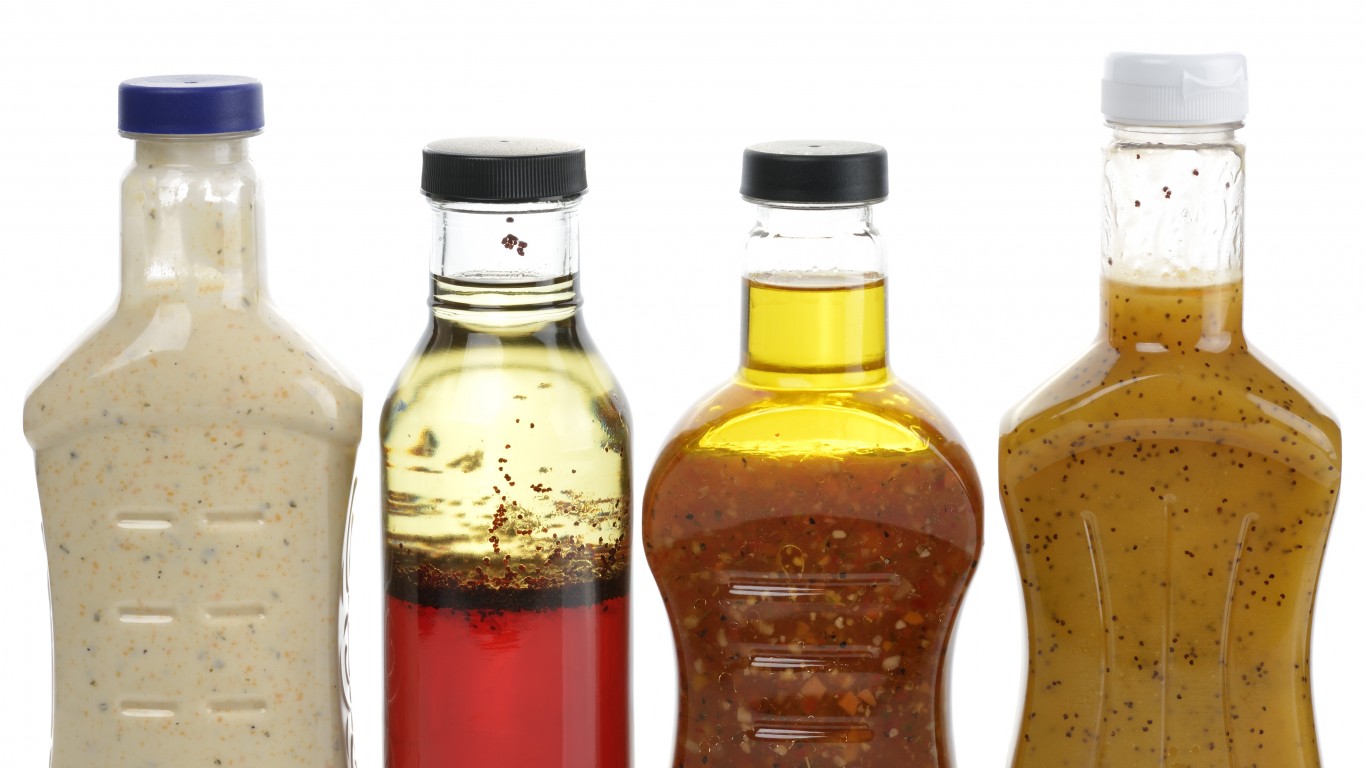
Lancaster Colony (NASDAQ: LANC | LANC Price Prediction) rarely makes headlines, but it has done something remarkable: raised its dividend for 63 consecutive years, cementing its status as a Dividend King. The company behind Marzetti, Sister Schubert’s, New York Bakery, and a growing roster of licensed restaurant brands is now weighing a $400 million acquisition of Bachan’s Japanese Barbecue Sauce. That deal crystallizes the bull and bear debate around this quiet food company.
The Bull Case
Lancaster Colony’s financial foundation is hard to argue with. In Q2 FY26 (ended December 31, 2025), the company posted a record gross profit of $137.26 million, with an adjusted gross margin of 26.5%, up 40 basis points year over year. That margin expansion follows a 20-basis-point improvement in Q1 FY26, signaling a durable, not episodic, trend.
The licensing engine is accelerating. Texas Roadhouse dinner rolls are generating between $1 million and $1.5 million per week in scanner sales at Walmart alone, with broader distribution beginning in August. CEO David Ciesinski described the repeat purchase cycle as “somewhere in the range of like 13 days,” an unusually fast repurchase rate for a frozen category. Sister Schubert’s and Texas Roadhouse dinner rolls combined delivered 15.9% growth and a 440-basis-point market share gain to 60.8%.
The balance sheet is a fortress. Lancaster Colony holds $201.58 million in cash against total liabilities of just $296.03 million. The most recent quarterly dividend rose to $1.00 per share, up from $0.95 the prior quarter. Ciesinski framed the Bachan’s deal as a strategic fit: “This transaction will reinforce Marzetti’s position as a global leader in sauces by adding a premium brand that is exceptionally well aligned with evolving consumer preferences for global flavors and better-for-you products.”
The Bear Case
The risks are real. Retail segment revenue slipped 1.1% in Q2 FY26, with volume down 3.1% in pounds shipped, meaning pricing is masking underlying volume erosion. University of Michigan consumer sentiment stood at just 53.3 in March 2026, deep in pessimistic territory and near recessionary levels below 60. That backdrop aligns with Ciesinski’s own Q3 FY25 warning: “We experienced a more challenging consumer environment…as evidenced by reduced traffic in the foodservice channel and some softening demand in the retail channel.”
The Bachan’s acquisition introduces meaningful integration risk. At $400 million, the deal is large relative to Lancaster Colony’s full-year FY25 revenue of $1.909 billion. Dependence on key licensing partners, including Chick-fil-A and Texas Roadhouse, creates structural renewal risk. Input cost inflation in eggs and tariff-related uncertainty on commodities add further near-term pressure.
The Verdict
Lancaster Colony’s 63-year dividend streak reflects genuine operational discipline. Margin expansion is consistent, the licensing portfolio is growing, and the balance sheet is clean. The Bachan’s bet, soft consumer sentiment, and retail volume declines are legitimate concerns investors should weigh carefully before concluding whether the hidden gem label is earned or aspirational.










 Top Gaining Stocks
 Top Losing Stocks