


Kraft Heinz (NASDAQ:KHC | KHC Price Prediction), McCormick (NYSE:MKC), and Hormel Foods (NYSE:HRL) have all reported recent earnings into the same brutal consumer backdrop: University of Michigan sentiment sitting at 56.4, deep in recessionary territory. Three iconic food portfolios. Three different turnaround stories. One question worth answering.
Turnarounds Look Very Different Across These Three
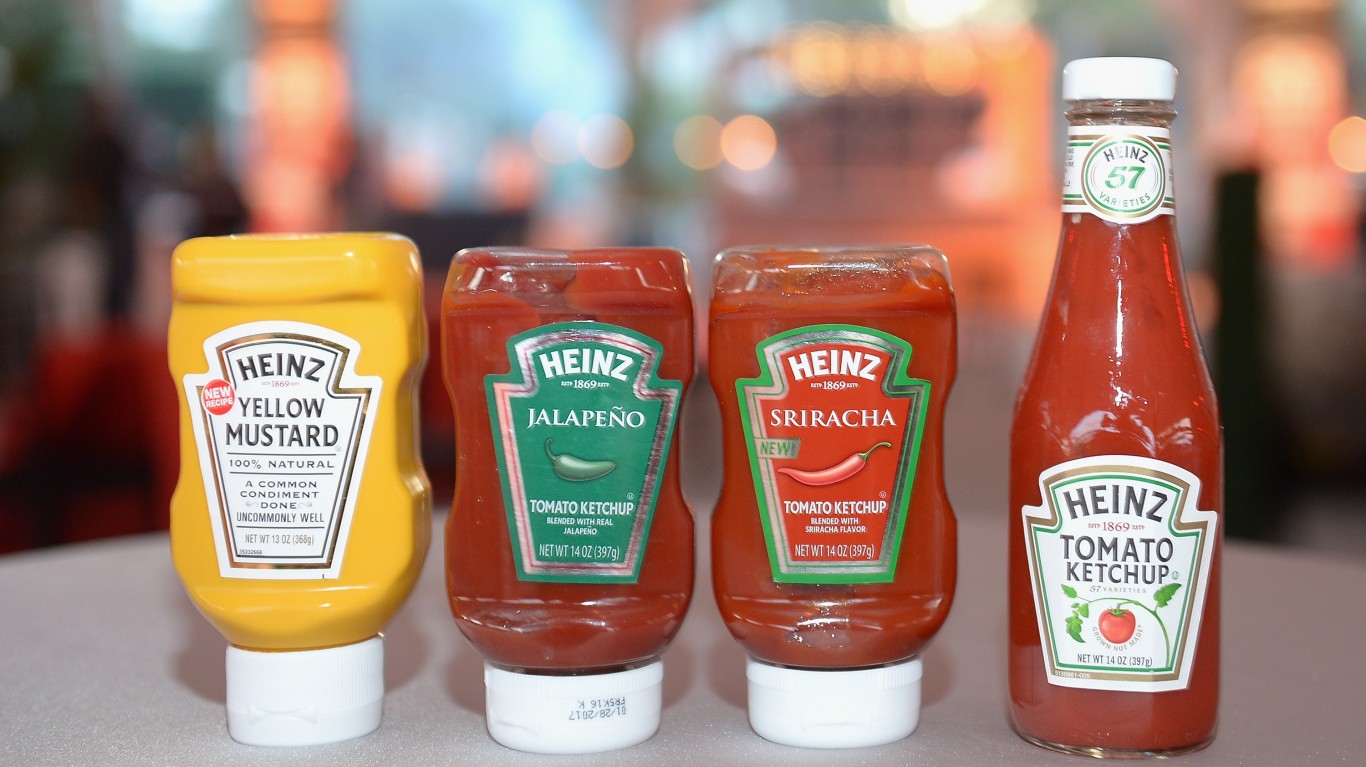
Kraft Heinz is the most distressed. Q4 revenue fell 3.4% to $6.35 billion, with North America down 5.4% and volume/mix declining 4.7 percentage points across cold cuts, frozen meals, coffee, and condiments. The company took $9.3 billion in non-cash impairment charges for FY2025. New CEO Steve Cahillane paused the previously announced separation and committed to a $600 million incremental investment in marketing, sales, R&D, and product superiority. Guidance shows adjusted operating income falling 14% to 18% in FY2026 before any recovery materializes.
McCormick is the most operationally stable. Q4 revenue grew 2.9% to $1.85 billion, with the consumer segment up 3.9%. CEO Brendan Foley has delivered five consecutive quarters of volume-led organic growth, rare in packaged food right now. The McCormick de Mexico acquisition closed January 2, 2026 inflates the FY2026 reported net sales outlook to +13% to +17%, though organic growth is a more modest 1% to 3%. Gross margin contracted 130 basis points to 38.9% from commodity costs and tariff pressure, making margin recovery the real test ahead.
Hormel sits in between with a bifurcated business. Foodservice delivered its 10th consecutive quarter of organic growth with segment profit up 13%. Retail told the opposite story: organic net sales down 2%, segment profit down 19%. Hormel is simplifying its portfolio, selling Justin’s and its whole-bird turkey business, with its Transform and Modernize initiative targeting $100 to $150 million in year-over-year benefits.
Three Valuations for Three Risk Profiles
| Metric | KHC | MKC | HRL |
|---|---|---|---|
| Forward P/E | ~11x | ~19x | ~16x |
| Dividend Yield | 7.2% | 3.1% | 5.1% |
| 1-Year Price Change | -20.5% | -25.9% | -19.8% |
| FY2026 EPS Guidance | $1.98-$2.10 | $3.05-$3.13 | $1.43-$1.51 |
Which Has the Most Credible Path Forward?
McCormick’s moat is the hardest to erode. Spices and hot sauces like Frank’s RedHot and Cholula are sticky pantry staples with genuine pricing power. The Flavor Solutions segment ties McCormick into restaurant and food manufacturer supply chains, diversifying beyond the pressured retail shelf. The premium valuation reflects that stability, but the company still needs to prove margin recovery after a rough commodity cycle.
Kraft Heinz’s 7.2% yield looks compelling until you remember the company cut its quarterly dividend from $0.625 to $0.40 back in 2019 and has held it flat ever since. The $600 million investment plan is credible, but Cahillane is asking investors to absorb a worse 2026 on the promise of a better 2027, requiring trust in a management team that has not yet earned it.
Hormel’s 60-year dividend increase streak and 5.1% yield make it the clearest income story of the three. Foodservice momentum is real. The retail drag is a known problem being actively managed. If protein demand holds and commodity costs stabilize, Hormel’s forward multiple looks reasonable.
The Takeaway
McCormick has demonstrated the most consistent operational execution of the three, with five consecutive quarters of volume-led organic growth. Hormel’s 60-year dividend streak and foodservice momentum contrast with its ongoing retail segment weakness. Kraft Heinz faces the steepest near-term headwinds, with guidance pointing to further operating income declines in FY2026 before any recovery. The macro backdrop remains challenging for all three, and none of these turnaround stories is likely to resolve in a single quarter.





 Top Gaining Stocks
 Top Losing Stocks