


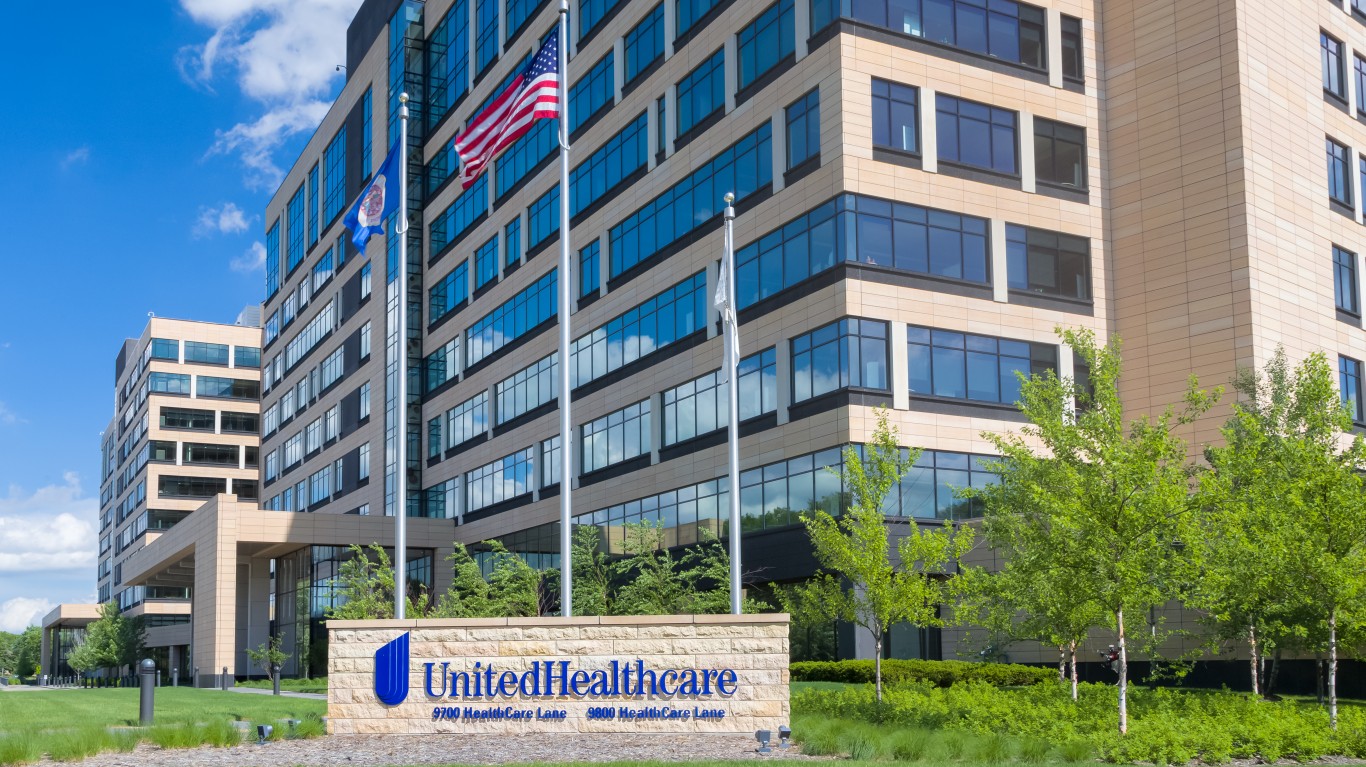
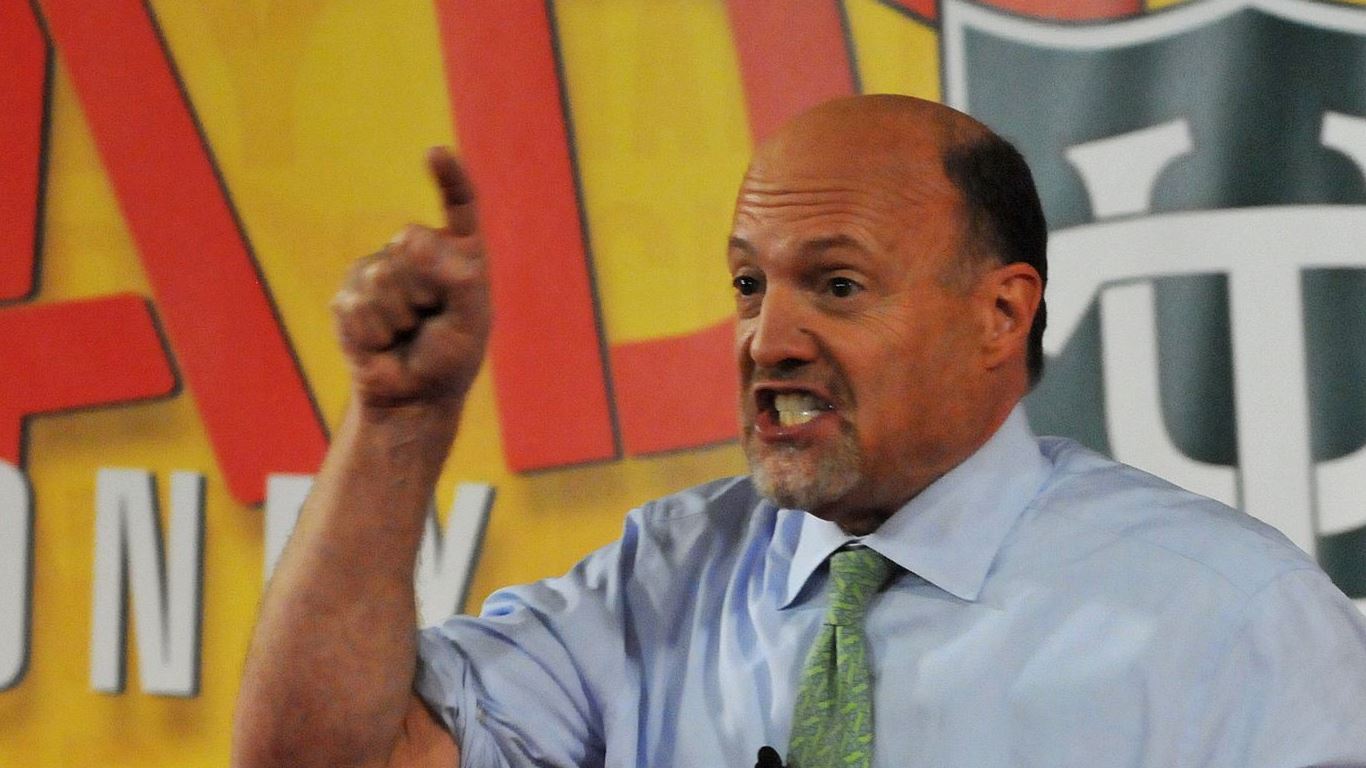
On his April 21 episode of Mad Money, Jim Cramer held up UnitedHealth Group (NYSE:UNH | UNH Price Prediction) as a textbook example of why investors should trade on fundamentals rather than fear. The stock cratered through 2025, the market wrote it off, and now the turnaround is materializing in the numbers. Cramer pointed specifically to the return of Stephen Hemsley, who came back as CEO in mid-2025 after Andrew Witty departed, as the catalyst that changed the trajectory. Hemsley previously led the company from 2006 to 2017, a period known for consistent earnings beats and disciplined cost management.
What Q1 2026 Actually Showed
Q1 2026 results gave Cramer’s thesis real numbers to stand on. Adjusted EPS came in at $7.23 against a consensus estimate of $6.61, a 9% beat. Revenue reached $111.72 billion versus the $109.66 billion estimate. The medical cost ratio improved 90 basis points to 84% after spending most of 2025 in the high 80s. That metric peaked at 90% in Q3 2025, the quarter that cut operating income roughly in half. The reversal to 83.9% is the clearest evidence that repricing and cost discipline are working.
Operating cash flow surged to $8.91 billion, equal to 1.4x net income. Management raised full-year 2026 adjusted EPS guidance to greater than $18.25, up from the prior target of greater than $17.75 from guidance set one quarter earlier. CEO Hemsley stated: “We are continuing to help simplify and modernize health care for the people and care providers we serve, bringing greater value, affordability, transparency and connectivity.”
The Hemsley Pattern and What History Says
Cramer’s Hemsley comparison carries weight because the historical record supports it. During his first tenure, UnitedHealth built a reputation as one of the most reliable earnings compounders in the S&P 500. When he returned, the company had absorbed a $2.88 billion pre-tax charge in Q4 2025 covering cyberattack remediation and restructuring costs, which collapsed GAAP EPS to $0.01 for that quarter. Q2 2025 saw an 8% EPS miss with the medical cost ratio running at 89%. The stock touched $264 in late July 2025.
The recovery since then has been sharp. UNH is up 26% over the past month and 10% over the past week, though it remains 16% below where it traded one year ago. That gap between the current price and the 52-week high of $418.11 reflects a fundamentally sound business that the market oversold on fear.
Analyst consensus has shifted to reflect the improving picture. 22 analysts carry buy or strong buy ratings on UNH, against just 2 sell ratings, with a consensus price target of $363.19. At a forward P/E of 18x, the stock trades at a discount to where it has historically commanded a premium for execution consistency.
Real risks remain: Medicare Advantage membership declined 965,000 in Q1 2026, Optum Health revenues fell 3% year-over-year, and DOJ legal actions around Medicare program participation are unresolved. If the medical cost ratio drifts back toward 2025 levels, the guidance raise unwinds quickly. But if Hemsley’s first full year back produces the execution his first tenure was known for, the current price may represent the opportunity Cramer identified.









 Top Gaining Stocks
 Top Losing Stocks