


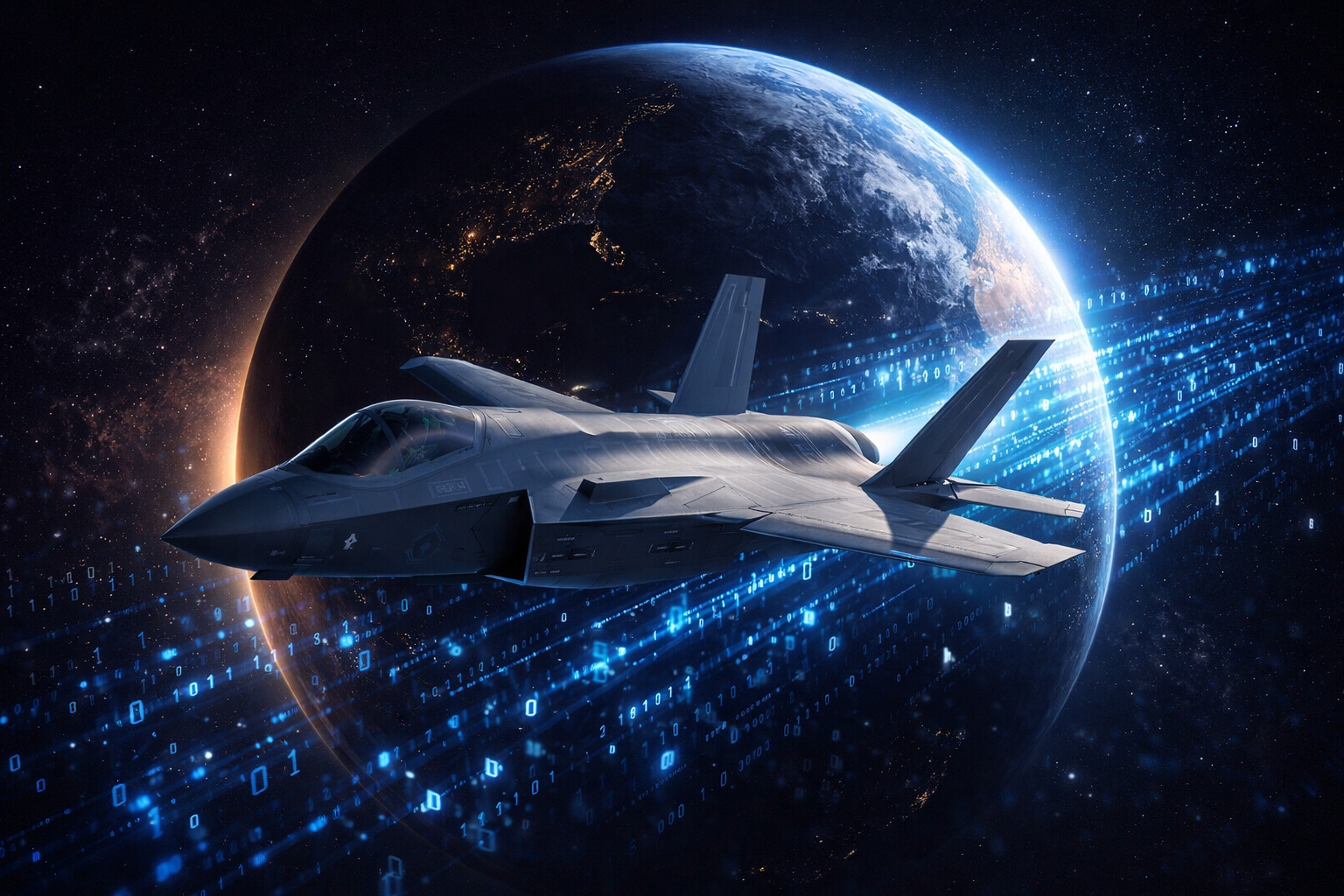
Lockheed Martin (NYSE:LMT | LMT Price Prediction) and RTX (NYSE:RTX) both reported strong quarters amid surging global defense budgets and an expanding U.S. missile defense agenda.
One is a pure-play defense titan riding a record backlog and resurgent missile franchise. The other blends defense with commercial aerospace for steadier compounding. Both are winning. The question is how, and for whom.
Missiles Carry Lockheed. Engines and Aftermarket Carry RTX.
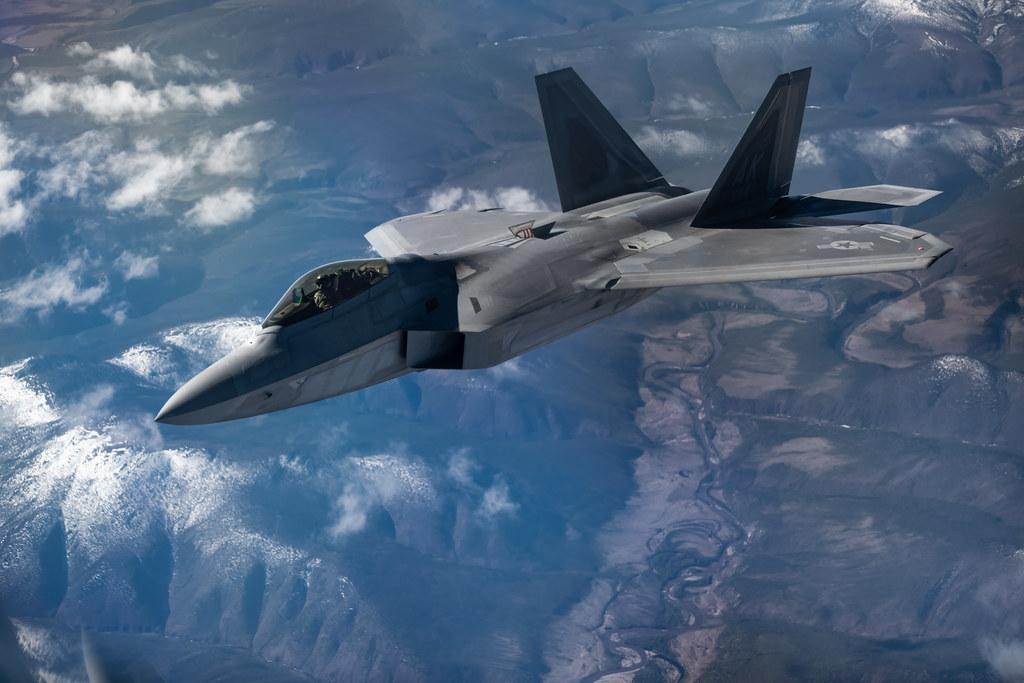
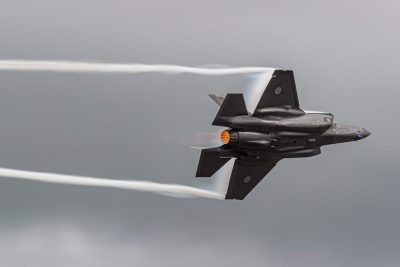
Lockheed’s Q4 was a statement quarter after a mid-year stumble. Revenue hit $20.32 billion, up 9.1% year over year, with Missiles and Fire Control leading. It swung from an $804 million operating loss in Q4 2024 to a $535 million profit in Q4 2025. F-35 deliveries accelerated sharply, with 191 aircraft delivered in 2025 versus 110 in 2024.
CEO Jim Taiclet pointed to the demand signal: “With a record $194 billion backlog, 6% year-over-year sales growth, and free cash flow generation above our prior expectation, 2025 marked a year of unprecedented demand for Lockheed Martin capabilities.”
| Business Driver | Lockheed Martin | RTX |
|---|---|---|
| Q4 Revenue | $20.32B (+9.1% YoY) | $24.24B (+12.1% YoY) |
| Primary Growth Engine | Missiles and Fire Control (+18%), F-35 ramp | Pratt and Whitney (+25%), commercial aftermarket |
| Record Backlog | $194B (all defense) | $268B ($161B commercial, $107B defense) |
| Full-Year FCF | $6.91B (+30.66%) | $7.94B (+75.12%) |
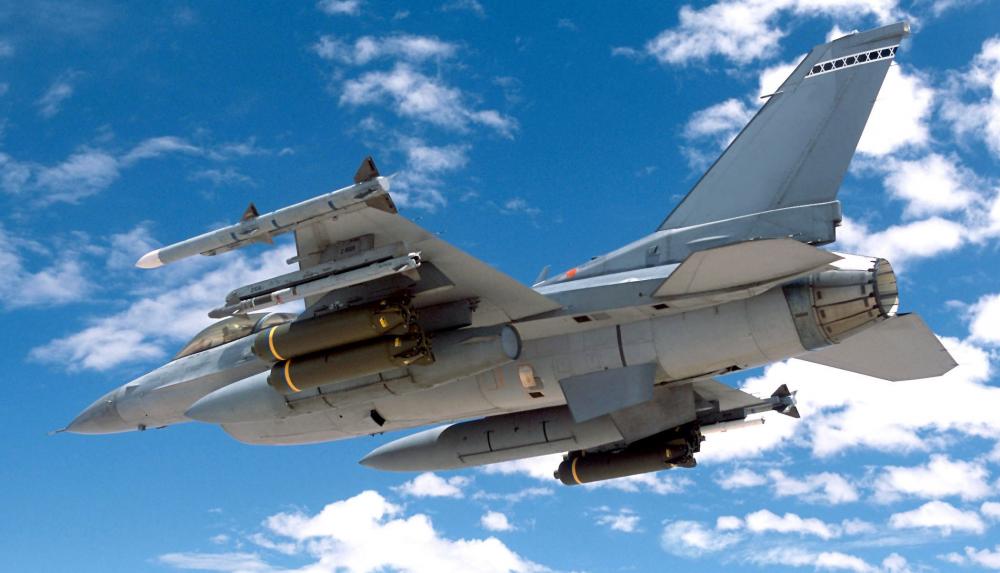
RTX delivered consistent, broad-based execution. Revenue reached $24.24 billion, up 12.1% year over year, driven by Pratt and Whitney growing 25% to $9.50 billion. Military revenue at Pratt surged 30% on F135 production and sustainment, while commercial aftermarket climbed 21%. That dual engine—military jet programs plus commercial servicing—makes RTX structurally different.
Pure Defense vs. Diversified Aerospace
Lockheed’s entire $194 billion backlog is defense. Every dollar flows from government contracts and platform lifecycles spanning decades. That concentration brings visibility but real risk. The company absorbed $950 million in Aeronautics reach-forward charges in Q2 2025, a reminder that fixed-price contracts can bite hard.
The landmark seven-year PAC-3 framework agreement and validation of F-35, F-22, and Black Hawk strengthen the platform thesis, but the business has no commercial buffer when government priorities shift.
RTX carries a different risk profile. Its $268 billion backlog splits $161 billion commercial and $107 billion defense, meaning Pentagon spending slowdowns would be partially offset by airline aftermarket demand. The Pratt and Whitney powder metal GTF fleet inspection issue remains an overhang, and tariff headwinds were flagged at Collins Aerospace and Pratt and Whitney.
Still, RTX achieved its sixth consecutive quarter of year-over-year adjusted segment margin expansion through Q3 2025, a consistency Lockheed cannot match after its mid-year stumble.
| Strategic Lens | Lockheed Martin | RTX |
|---|---|---|
| Business Mix | 100% defense | ~60% commercial backlog, ~40% defense backlog |
| 2026 FCF Guidance | $6.5B-$6.8B | $8.25B-$8.75B |
| Key Vulnerability | Fixed-price contract charges, tariff exposure | GTF fleet inspection, tariff headwinds at Collins and Pratt |
| Execution Consistency | Strong Q4 recovery after Q2 charges | Six consecutive quarters of margin expansion |
Golden Dome and the Next Test
The Golden Dome missile defense initiative, estimated at $185 billion (per published reports), represents a generational contract opportunity for both. Lockheed’s PAC-3 franchise and space segment position it squarely in the running. RTX’s Raytheon division, with Patriot, Tomahawk, and GEM-T programs in sustained demand, is equally well-placed.
Watch whether Lockheed sustains MFC momentum through 2026 as segment operating profit is guided to grow approximately 25% year over year. For RTX, the question is whether Pratt and Whitney’s commercial aftermarket holds pace as airline fleet cycles mature.
Year to date, Lockheed is up 20.79% YTD versus RTX’s 7.11% YTD. Over one year, RTX outpaced significantly, gaining 54.48% against Lockheed’s 28.69%. Analysts see more near-term upside in Lockheed, with a consensus target of $668 against RTX’s $216.02.
Why RTX for Consistency-Focused Investors
Both deserve a place in a defense portfolio. For pure-play exposure to missiles and fighter jets, Lockheed’s $194 billion all-defense backlog and F-35 ramp are compelling. The 90% prediction market probability of an earnings beat heading into its next report suggests the recovery is real.
RTX’s structure is more durable for investors avoiding binary risk. Six consecutive quarters of margin expansion, a $268 billion backlog with commercial diversification, and a full-year net income gain of 41.01% show compounding execution rather than recovery.
The GTF inspection issue and tariff exposure are real, but commercial aftermarket acts as a shock absorber Lockheed lacks. For long-term compounding with defense tailwinds and commercial resilience, RTX offers structural diversification that Lockheed does not.








 Top Gaining Stocks
 Top Losing Stocks