


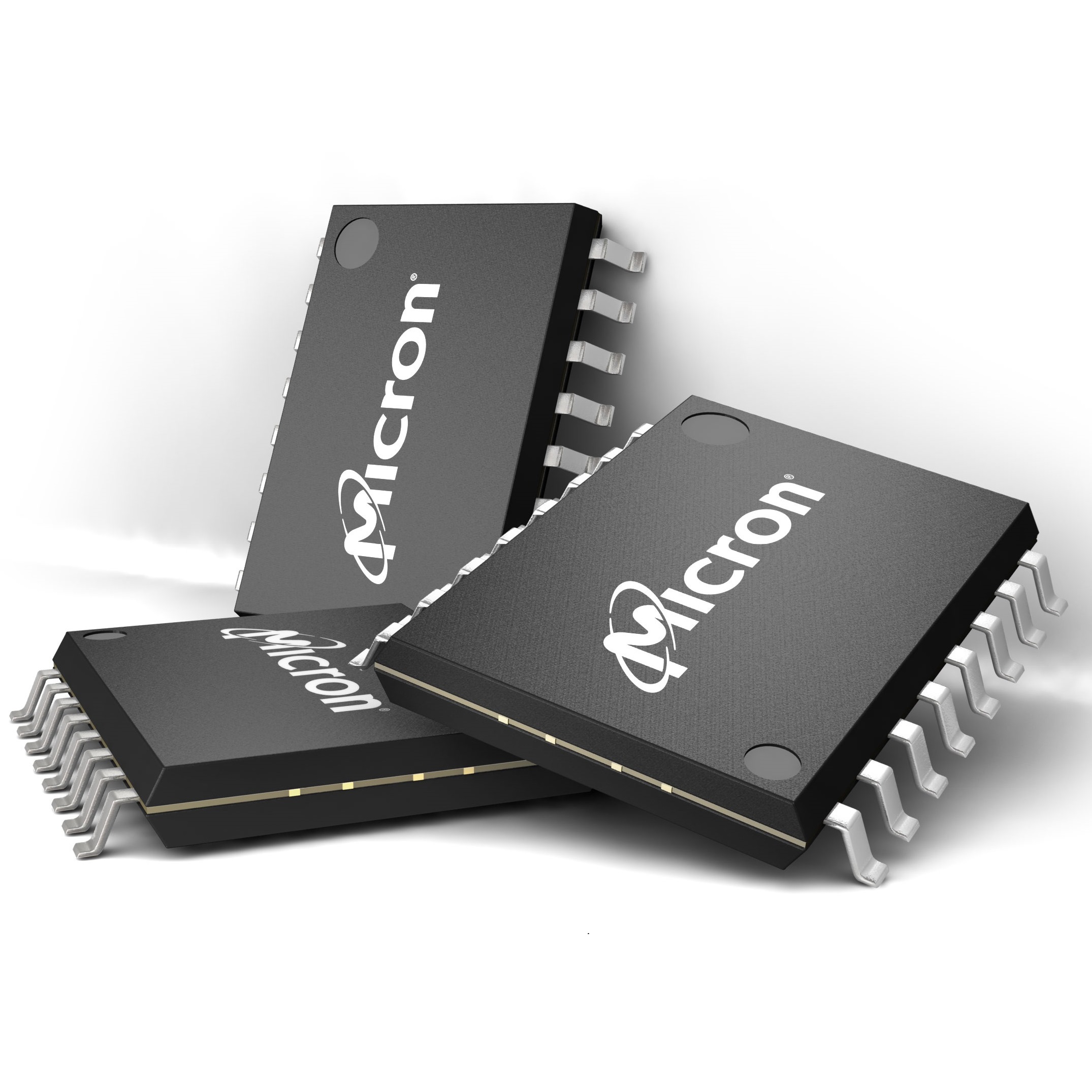
Shares of Micron Technology (NASDAQ:MU | MU Price Prediction) are changing hands around $480 midday Thursday, off 2% on the session but still sitting near record territory. MU stock is up 68% year-to-date, making Micron one of the standout names in the AI infrastructure rally.
The catalyst is structural. Every AI GPU from NVIDIA (NASDAQ:NVDA) and Advanced Micro Devices (NASDAQ:AMD) requires stacks of high-bandwidth memory, and Micron is one of only three global suppliers at scale. That scarcity is translating into pricing power, record margins, and rare multi-year visibility for a historically cyclical industry.
Investors are now asking the sustainability question. Memory has long been a boom-to-bust business, and MU stock carries a $540.8B market cap with a trailing P/E ratio of 23x. Whether the rally has another leg depends almost entirely on the shape of the HBM cycle.
The Numbers Behind the Move
Micron’s Q1 FY2026 print was the inflection point. The company delivered revenue of $13.64 billion, up 57% year over year, and non-GAAP EPS of $4.78 versus the $3.94 consensus.
Micron’s GAAP gross margin expanded to 56% from 38% a year earlier. The Cloud Memory Business Unit, which houses HBM, is the engine, posting $5.28 billion in revenue with a 66% gross margin and a 55% operating margin, nearly doubling year over year.
Management then guided Q2 revenue to $18.7 billion with gross margins near 68% and EPS of $8.42. CEO Sanjay Mehrotra said Micron’s Q2 outlook reflects “substantial records across revenue, gross margin, EPS and free cash flow,” framing the company as “an essential AI enabler.” Order books reportedly stretch into 2027.
NVIDIA and AMD Are Pulling the Memory Trade
NVIDIA’s Blackwell platform and upcoming Rubin generation are the primary HBM consumers. NVIDIA posted Q4 FY2026 revenue of $68.13 billion with Data Center revenue at $62.31 billion, up 75%, and guided Q1 FY2027 to roughly $78 billion. That volume translates directly into Micron wafer starts.
AMD is adding to the pull with its Instinct MI350 and MI450 accelerators. AMD reported Q4 2025 revenue of $10.27 billion, up 34%, and AMD stock is up 42% YTD. NVDA stock has gained a more modest 9% this year, a reminder that AI picks-and-shovels names have outrun the GPU leader itself, as detailed in our coverage of AI infrastructure leaders.
Bull Case Vs. Bear Case
The bulls point to structural scarcity. HBM is reportedly sold out through 2026, design wins with NVIDIA and AMD are locked in, and Micron’s HBM4 roadmap could close the gap with SK Hynix. The Wall Street consensus price target sits at $533.73 against a forward P/E ratio of 8x, which looks cheap if peak earnings hold.
The bears counter that memory always mean-reverts. Capex intensity is enormous, SK Hynix and Samsung are racing to expand HBM capacity, and hyperscaler AI spending could normalize in late 2027. If HBM supply catches demand, Micron’s margins could compress almost as fast as they expanded.
What to Watch Next
The next major catalyst is Micron’s fiscal Q3 earnings report, scheduled for June 29 after the close. Investors will look for HBM pricing commentary, updates on HBM4 qualification with NVIDIA, and wafer capacity guidance into 2027.
Hyperscaler capex prints from the cloud giants over the next several weeks are the other key tell. Any softness in AI infrastructure spending could puncture the memory thesis before Micron’s own report lands.
The Bottom Line
Retail sentiment captures the tension perfectly. Micron’s Reddit sentiment score sits at a bullish 72, with WallStreetBets posts celebrating “MU 420 CALLS UP 169% AND STILL PRINTING”. Yet, r/stocks threads like “Micron is still super undervalued or nah?” show the fundamental debate is far from settled.
For investors, the framework is straightforward. Micron’s numbers are real and the HBM cycle has runway into 2027, but memory stocks rarely reward latecomers chasing vertical rallies. Position sizing and discipline matter more than conviction when a name has already rerated this hard.
MU stock near $480 is pricing in plenty of good news. Watch HBM pricing, hyperscaler capex commentary, and the June print. Those three data points could decide whether this rally has another leg or whether the cycle is quietly topping.








 Top Gaining Stocks
 Top Losing Stocks