


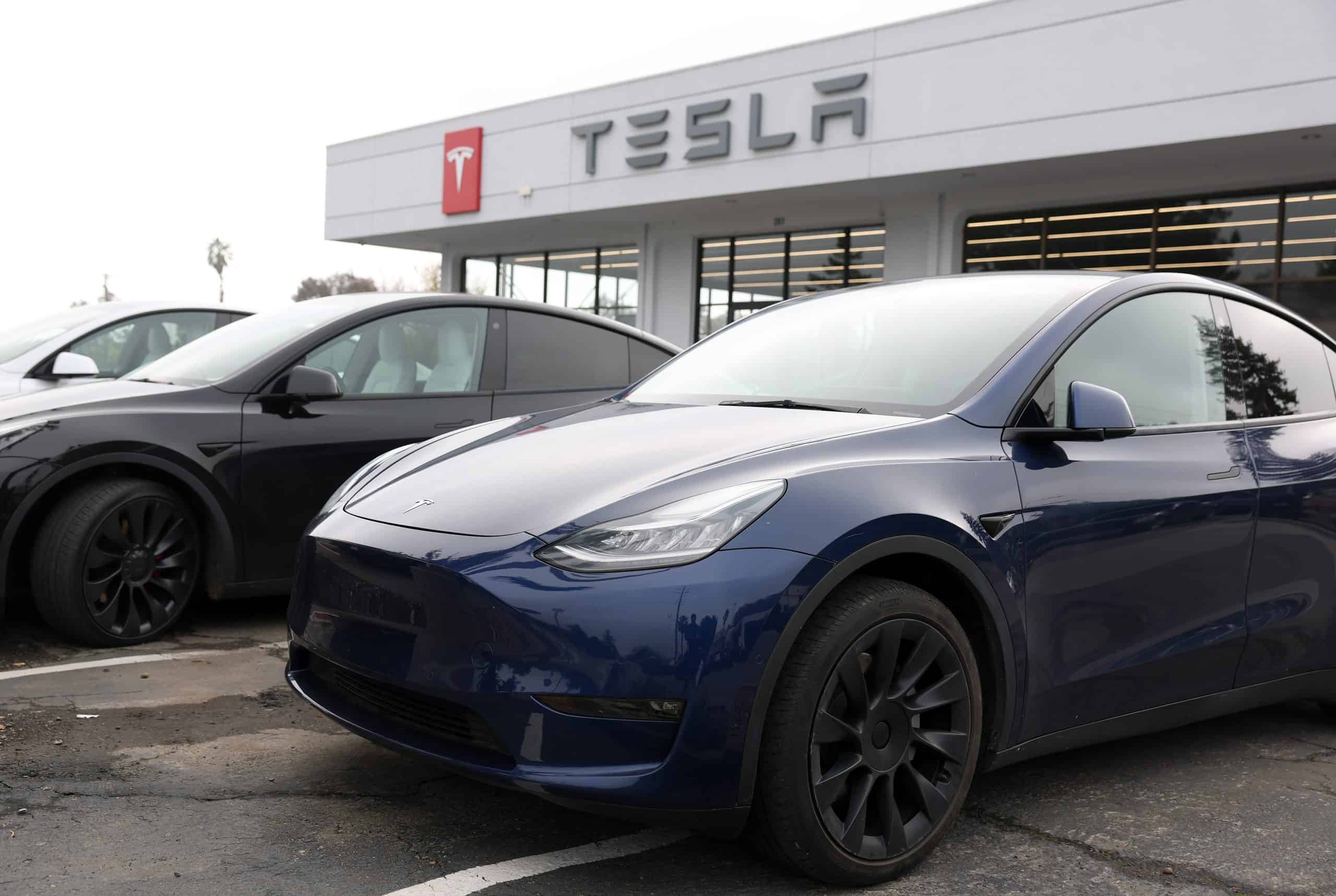
Shares of Tesla (NASDAQ:TSLA | TSLA Price Prediction) are down 4% in Thursday morning trading, changing hands near $370 after the electric vehicle maker’s Q1 2026 report. The decline comes despite a headline beat on both earnings and revenue.
Investors are focused less on the quarter itself and more on two forward-looking signals: an aggressive capital expenditure ramp and a tempered tone around the near-term autonomous driving roadmap. That combination is overshadowing strong automotive margin expansion and record FSD subscriptions.
Tesla closed at $387.51 on Wednesday before slipping below $373 after the open. The stock is now down 17% year to date, even with a 49% gain over the past year.
Capex Surge Rattles Free Cash Flow Bulls
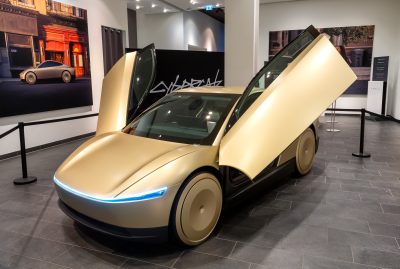
The core of the bear case is spending. Tesla’s Q1 2026 capital expenditures reached $2.493 billion, a jump of 67% year over year, tied to AI compute, battery materials, semiconductor manufacturing, and production lines for Cybercab, Semi, Megapack 3, and Optimus.
Moreover, Tesla’s operating expenses climbed 37% year over year, driven by AI R&D and stock-based compensation tied to the CEO award. R&D alone came in at $1.95 billion.
Truist Securities flagged the math directly, writing that “despite a Q1 earnings beat, the increase in capital expenditures is expected to lead to negative free cash flow this year.” The firm maintained a Hold rating on TSLA stock with a $400 price target.
Tempered Self-Driving Outlook
The autonomy story got more complicated on the call. Bloomberg reported that Tesla CEO Elon Musk acknowledged millions of Tesla vehicles built with older “Hardware 3” lack necessary components for fully autonomous driving despite customers paying for the capability, setting up what Bloomberg called “costly redress options for the company.”
The quarter did show real traction on the software side. Tesla’s active FSD subscriptions hit 1.28 million, up 51% year over year, and services revenue grew 42% to $3.745 billion.
Tesla also launched unsupervised Robotaxi rides in Dallas and Houston and completed the tape-out of its AI5 inference processor in April. Critics, including wealth manager Ross Gerber, still argue the robotaxi rollout is a distraction from the core EV business.
The Bull Case Still Has Teeth
Tesla’s automotive gross margin expanded to 21% from 16% a year ago, and free cash flow rose 117% to $1.444 billion. Non-GAAP EPS of $0.41 beat the $0.36 consensus.
In addition, Tesla’s balance sheet has expanded, with cash and equivalents at $44.743 billion, a 174% year-over-year jump that helps underwrite the AI buildout. Bulls point to the Intel (NASDAQ:INTC) Terafab partnership and the $2 billion SpaceX equity investment as proof that Tesla is building the substrate for an AI and robotics platform, not just more cars, echoing themes explored in our recent Tesla AI strategy analysis.
What to Watch
Reddit sentiment is skewing bearish on Tesla stock, with a composite social score of 35 against a more balanced news score of 51.94. The 30-day sentiment trend has deteriorated by 17.49 points, a sign retail conviction is wavering ahead of the next production update.
Tesla’s energy storage revenue fell 12% year over year and global inventory rose to 27 days of supply from 22, two metrics worth tracking for confirmation the core business is holding up while AI spending accelerates. Both figures could pressure margins if they continue to drift in the wrong direction.
Traders can watch for whether Tesla shares can hold above the $370 area into the close. Cybercab volume production milestones and the Megapack 3 ramp later this year could shape the next leg for the stock.








 Top Gaining Stocks
 Top Losing Stocks