


Tesla (NASDAQ:TSLA | TSLA Price Prediction) reported its first-ever annual revenue decline in 2025, with revenue falling 3% to $94.8 billion. EV production declined about 7% to 1.65 million vehicles, while deliveries dropped 8.6% to approximately 1.64 million units.
Sales fell in three of the last four quarters, with the increase seen in Q3 only driven by buyers rushing to claim federal EV tax credits before their expiration. This quarter’s revenue hit $24.9 billion, slightly missing analyst expectations of around $24.8 billion to $25.1 billion, but adjusted earnings of $0.50 per share exceeded forecasts of $0.45 per share.
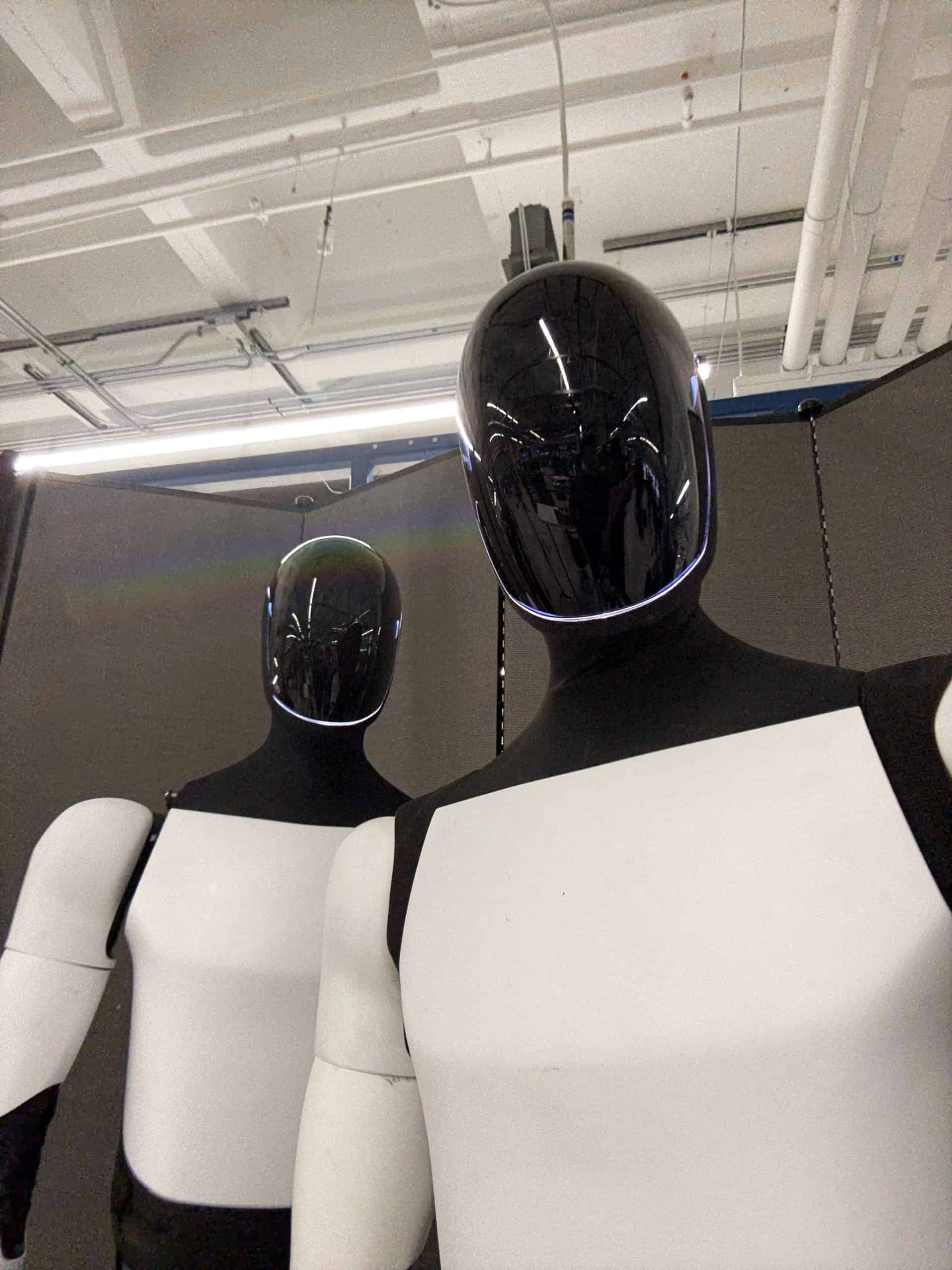
However, the financial results were overshadowed by a major reveal that came during the earnings conference call: Tesla was killing off half of the models it produces. Model S and Model X production will end starting next quarter, with the wind-down completed later this year. The Fremont factory lines where they are produced will be repurposed for Optimus humanoid robots. Tesla is aiming for eventual annual capacity of 1 million units.
High-End Models Fade as Sales Slump
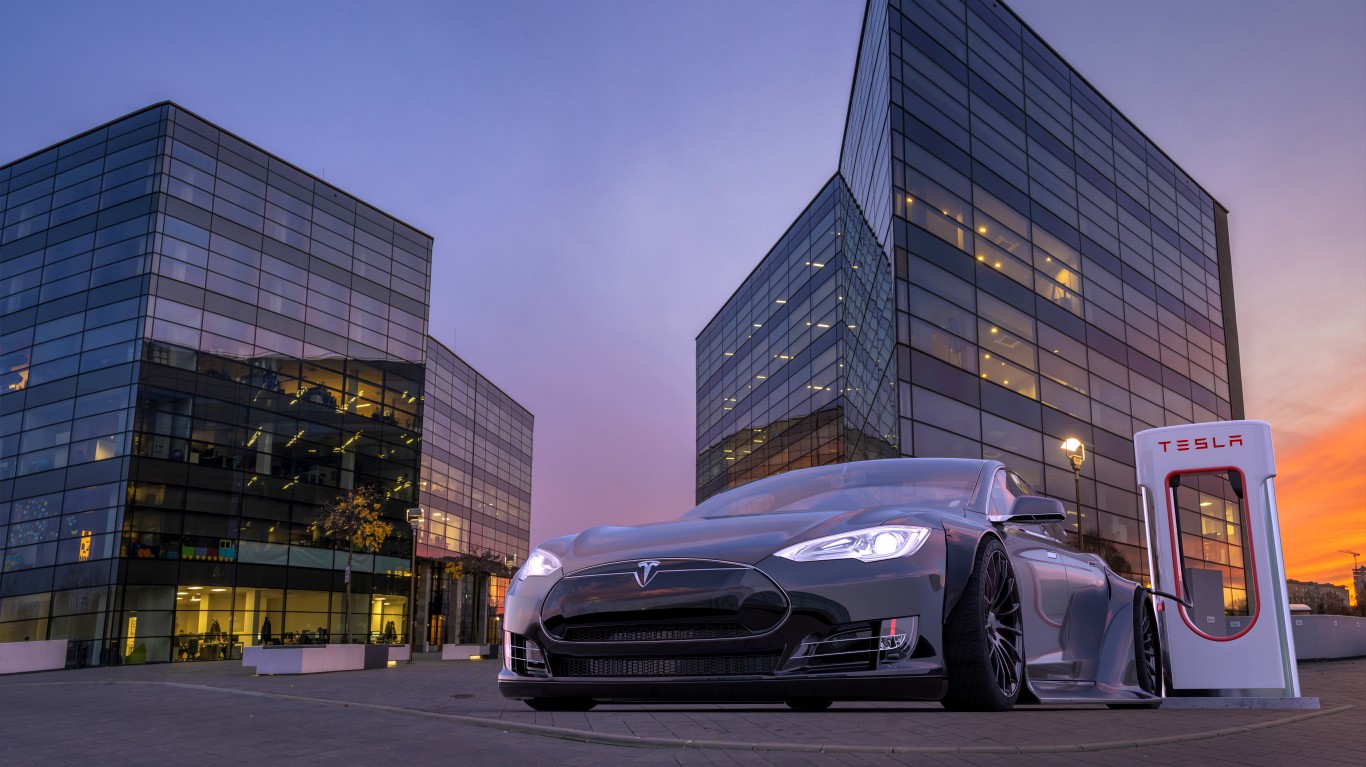
The Model S and X — priced well above $90,000 — were Tesla’s most expensive EVs and only accounted for roughly 3% of deliveries. The S, X, and Cybertruck totaled just 50,850 deliveries in 2025, a steep 40% drop from a year ago. Its more affordable Model 3 and Y dominated with 1.585 million units, but deliveries were down about 7%.
Discontinuing these legacy flagship vehicles isn’t entirely unexpected given their shrinking contribution as Tesla faces intense EV competition from BYD and other manufacturers. Yet redirecting capacity to Optimus marks a decisive break from Tesla’s core automotive roots.
Shifting Gears to Autonomy and Robotics
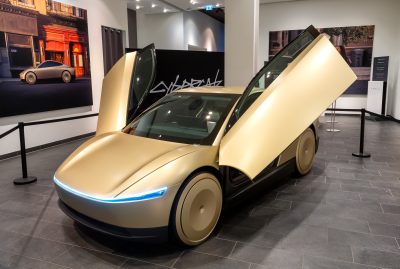
Tesla is continuing its evolution from an EV manufacturer to an AI and autonomy leader. CEO Elon Musk emphasized this shift during the call, describing the move as part of embracing an “autonomous future.” Key initiatives include scaling Cybercab robotaxi production — starting this year — and Optimus deployment, with plans for unsupervised operations in more U.S. regions by late 2026, subject to regulatory approval.
To fund this transformation, capital expenditures will surge beyond $20 billion in 2026 — more than double the $8.5 billion spent in 2025 — with elevated levels expected for the immediate future. Investments will target multiple new facilities, including for Cybercab and Optimus plants, Semi truck production, additional Megafactories for energy storage, lithium refining, and LFP battery lines. A separate $2 billion investment in xAI through preferred stock acquisition supports AI development, including integration into Full Self-Driving software and Optimus. A related framework agreement aims to accelerate physical-world AI deployment at scale.
Musk characterized the production ramp for Cybercab and Optimus as “agonizingly slow” initially, with meaningful Optimus volumes not expected until late 2026. This cautious outlook underscores the near-term pressures Tesla faces: heavy spending amid declining core EV sales, profit compression, and competition eroding market share.
This pivot also carries risks. Traditional auto margins face headwinds from price competition and softening demand, while robotics and autonomy remain unproven at commercial scale. Success hinges on Tesla’s ability to execute on Musk’s vision, making progress on the regulatory front, and AI advancements through collaboration with xAI.
That suggests early returns may lag, potentially straining Tesla’s cash flow despite strong free cash flow generation in recent periods.
Key Takeaway
Despite the revenue decline and bold production shift, Tesla stock is rising over 3% in premarket trading this morning, as investors appreciate the Q4 earnings beat, its resilient margins, and confidence in Musk’s autonomy roadmap. The market seems to be prioritizing the long-term vision for the company rather than any short-term challenges Tesla has with EVs.
Yet the transition means Tesla is entering uncharted territory with substantial growth potential in robotics and robotaxis, but significant uncertainty. While betting against the man who brought EVs to the mainstream, catches rockets mid-landing, and bores tunnels under cities might not pay off in the long run, the “very big capex year” ahead — in Musk’s words — signals the likelihood of a painful adjustment phase marked by high spending and delayed payoffs.
I’m not sure I’d be a buyer just yet, as better pricing opportunities may emerge in the coming quarters as Tesla’s transition risk plays out.








 Top Gaining Stocks
 Top Losing Stocks