



The world of cryptocurrencies and decentralized finance is complex and ever expanding. Tokens, stablecoins, and a slew of newly created digital assets seem to hit the market every week. However, despite the notoriety and popularity of Bitcoin and Ethereum, XRP, aka Ripple, is the only one to have successfully taken on the SEC and Gary Genseler and beat them in court. XRP’s victory established cryptocurrency and de-fi legitimacy, at least with regards to maintaining autonomy outside of central government regulation.
XRP’s popularity has led to a linked ETF: the Canary XRP ETF (NASDAQ: XRPC). It is a trust held by the Gemini Co. LLC and BitGo Trust Co. that provides custodial services for digital assets. As one might expect, a volatile asset like a well known cryptocurrency that got securitized in some form or fashion might make for a covered call dividend generation ETF vehicle. The Amplify XRP 3% Monthly Option Income ETF (CBOE: XRPM) made that a reality roughly 6 months ago when it launched in November, 2025.
Amplify XRP 3% Monthly Option Income ETF
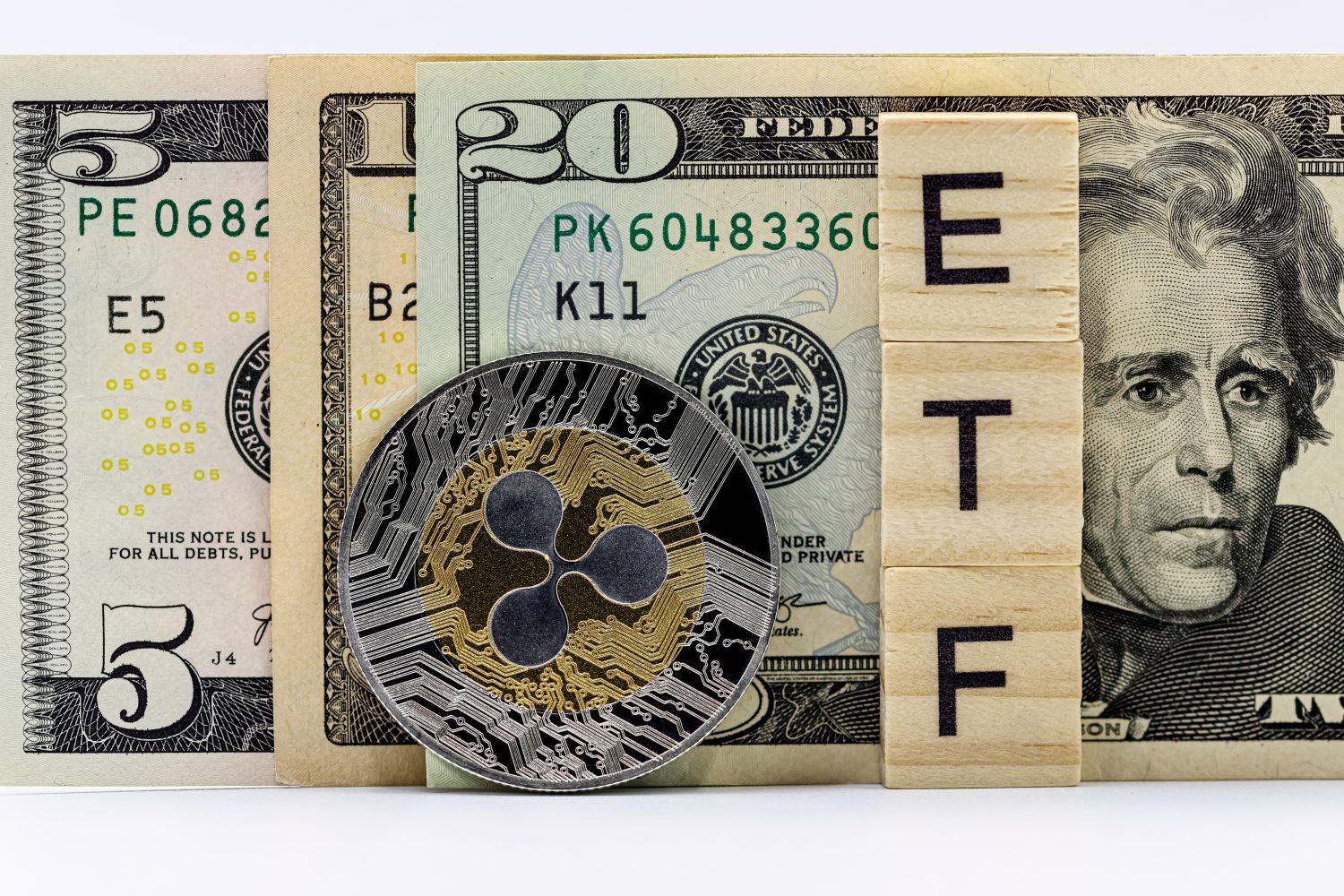
The goal of XRPM is to generate 36% APY (3%/month) of dividend income by writing weekly covered calls against holdings in the XRPC ETF, which holds XRP digitial assets.
With a target objective of 3% monthly income (36% APY) via weekly covered call strategies written against XRPC holdings, XRPM’s goal is ambitious, but possible, given XRP’s volatility. When the SEC withdrew its case against XRP in August 2025, its value soared. When XRPM premiered in November 2025, it started at a NAV of roughly $25.00. Since initiating its monthly dividend payouts, XRPM has delivered the following amounts per share:
$0.675 (Dec 2025), $0.6516 (Jan 2026), $0.4563 (Feb 2026), and $0.429 (Mar 2026).
Commensurately, XRPM’s fortunes tracked those of XRP. Still buoyed by its triumph over the SEC, XRP went as high as $3.55, and was in the $2-$2.35 region, when XRPM was launched in the $25 range in November 2025. As XRP started falling in January 2026 to its present $1.25-$1.35 range at the time of this writing, XRPM fell in lock-step to its current $13.75-$14.50 range. This represents a -23.70% YTD valuation drop. In fact, the bulk of the drop came in February, in which XRPM fell -22% before getting a minor bounce to then tread water in the most recent range.
XRPM is unfortunately falling prey to the same issue that plagues the YieldMax model: when markets are volatile and bullish, call option premiums are hefty, demand is strong, and dividend income is abundant. Bearish volatility shrinks call option premiums, demand dries up in favor of puts, and dividend income has to raid the NAV piggy bank to maintain the dividend income.
While XRPM varies the degree of its XRP holdings it will underwrite calls against, this still depletes NAV when dividend income falls short of the dividend coverage requirement. However, the upside of XRP can ride back on the uncapped portfolio percentage once bullish sentiment returns. Nevertheless, it’s a definite rollercoaster.
The Other Feature of XRP That Stands Apart
XRP’s long term potential value lies in its RIpple network, which has successfully been adopted by several banks to settle cross-border international transaction in seconds, vs. the days that conventional banks and financial institutions currently take to accomplish the same tasks.
While cryptocurrencies, for the most part, only have value based on popularity and only a handful are backed by tangible assets or actual, real-world functional application, XRP has a very unique standing. The Ripple payment network has been operationally verified to capably settle cross-border international payment settlements in seconds. The cost is significantly below that of conventional banks and other financial forex firms, and its speed dwarfs current conventional settlements, which can take days.
By demonstrating the efficacy and convenience that blockchain structures can offer to real-world financial operations and processes, XRP shows great promise for the long-term, and is leading the pack in this area, despite the higher public profiles of Bitcoin, Ethereum, or even Dogecoin.











 Top Gaining Stocks
 Top Losing Stocks