



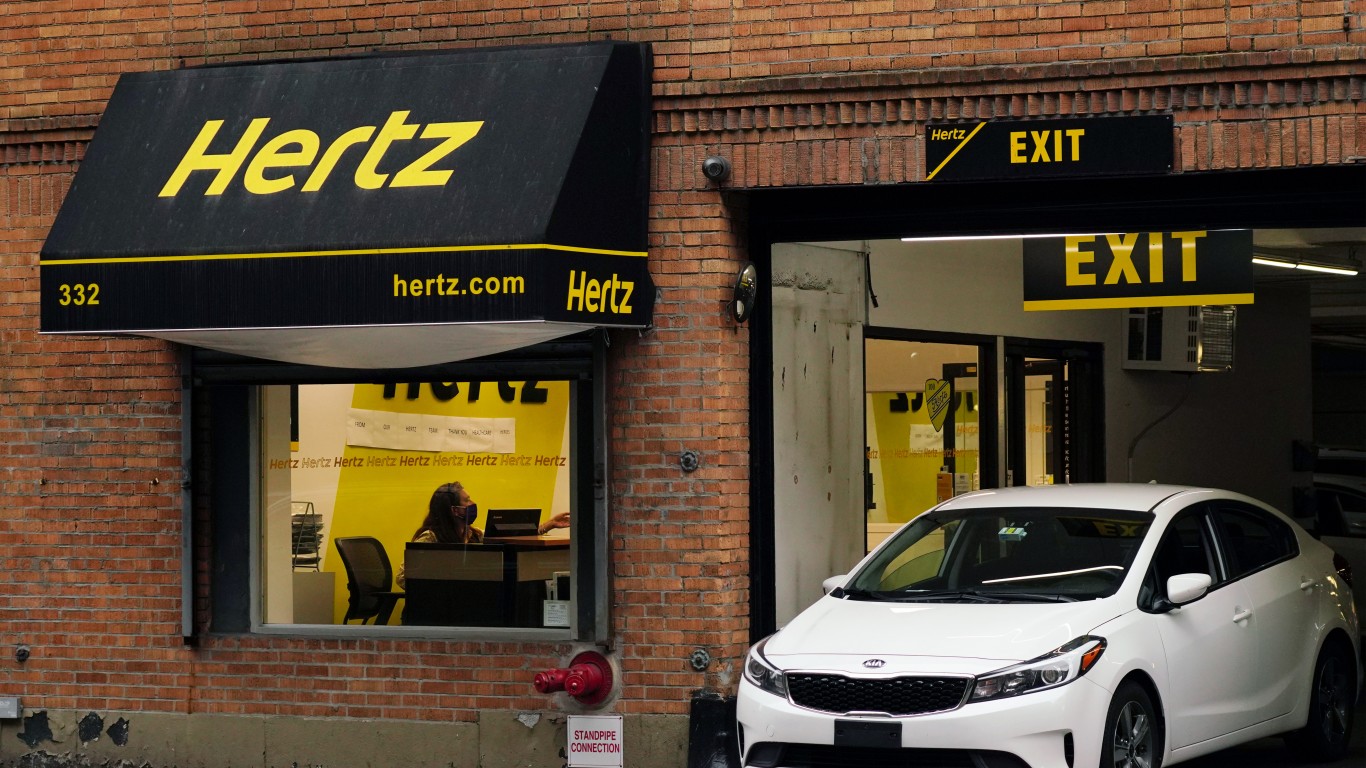
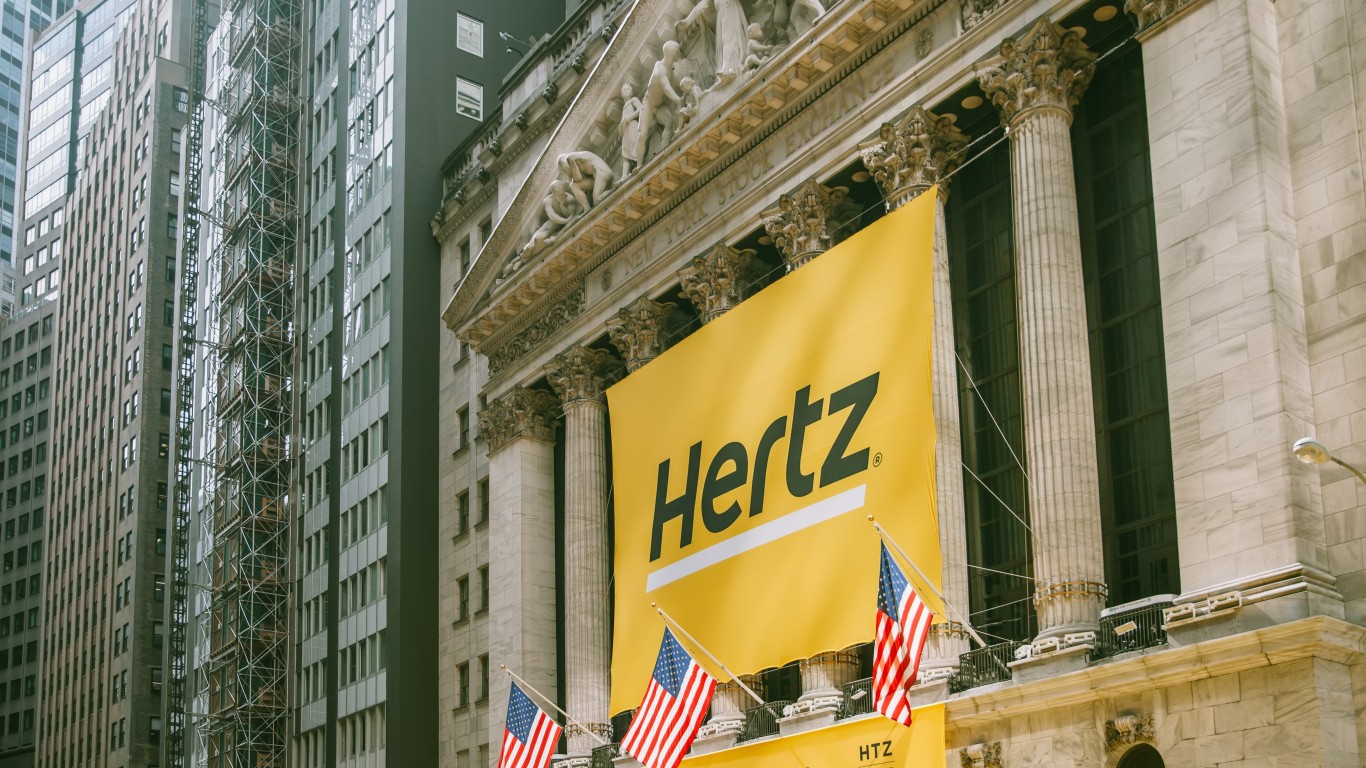
Shares of Avis Budget Group (NASDAQ:CAR | CAR Price Prediction) are down roughly 12% in early Wednesday trading after the company released a disappointing Q1 2026 earnings report before market open (BMO). Hertz Global Holdings (NASDAQ:HTZ) stock is sliding about 6% in sympathy, with no Hertz-specific news on the wire to explain the move.
The drop extends a brutal stretch for Avis. The stock has collapsed from $713.97 to $144 as a violent short-squeeze trade unwinds. Tuesday’s close already reflected that reversal, and today’s earnings reaction is taking the unwind further.
Hertz had also been weakening into Tuesday’s $5.75 close. The synchronized slide today reflects investor anxiety across the entire rental car business model.
Avis Q1 2026 Miss Sparks the Plunge
Avis reported a Q1 2026 net loss of $234 million on revenue of $2.53 billion. Revenue per day (RPD) rose 3% in both the Americas and International segments, yet adjusted EBITDA losses persisted, undercutting any narrative of a quick turnaround.
The balance sheet is the bigger problem. Avis carries corporate debt of roughly $6.1 billion and negative stockholders’ equity of about $3.1 billion from the prior quarter. That structure intensifies fears around dilution and refinancing risk if operating losses don’t reverse quickly.
The setup follows a $518 million electric vehicle (EV) impairment charge tied to Q4 2025, plus a -$21.25 EPS result that quarter against estimates of -$0.23. Avis’s investors had hoped Q1 2026 would mark stabilization, and the earnings report disappointed instead.
Avis Budget Group CEO Brian Choi struck an optimistic tone earlier this year, saying, “We are tightening fleet discipline, strengthening our balance sheet, and raising the bar on customer experience to drive sustainable earnings growth.” The Q1 numbers suggest that pivot will take longer than the bulls had priced in.
Hertz Drops in Sympathy
Hertz reports separately, yet it shares Avis’s structural exposures: capital-intensive fleet management, used vehicle residual risk, fleet financing complexity, and sensitivity to travel demand. When Avis prints a $234 million loss with persistent EBITDA pressure, the broader rental car thesis takes a hit.
The memory of Hertz’s 2020 bankruptcy still shapes investor reflexes. The company carries roughly $17 billion in total debt and negative shareholders’ equity of $459 million, leaving little tolerance for a sector downturn.
That said, Hertz’s own Q4 2025 showed real progress. Full-year net loss narrowed to $747 million from $2.86 billion in 2024, and Hertz Global Holdings CEO Gil West described a “$2 billion improvement in profitability in our first full year under the Back-to-Basics strategy.”
Analyst View and the Bull-Bear Tug
The Wall Street consensus on Avis stock sits at a Moderate Sell with an average price target of $120.28, well below current levels. CNBC’s Jim Cramer has repeatedly warned investors against chasing the recent speculative spikes in CAR shares, calling the rallies unsustainable.
There’s still a credible bull case, though. Avis’s 3% RPD growth shows pricing power, and tighter fleet discipline (per-unit fleet costs down 18% in Q4 2025) suggests the cost side is improving. Both Avis and Hertz still own globally recognized brands with meaningful market share.
Still, the bear case dominates today. The financial structure looks fragile, the squeeze trade has unwound, and Hertz can’t escape the sector’s gravity. You can go here to get the broader context on recent market volatility.
What to Watch Next
The next catalyst is the Avis conference call, where commentary on liquidity, fleet financing, and full-year 2026 EBITDA guidance (previously framed at $800 million to $1 billion) will set the tone into the close. Hertz reports its own Q1 in the coming weeks, and investors should keep an eye on the stock for read-throughs from today’s Avis numbers.
Beyond the earnings figures, used vehicle prices and travel demand drive the entire thesis. Prudent CAR and HTZ stock investors may want to wait for clearer signs that fleet residuals stabilize before stepping in on either name. Today’s action suggests the market is demanding clear proof of operating stabilization.





 Top Gaining Stocks
 Top Losing Stocks