


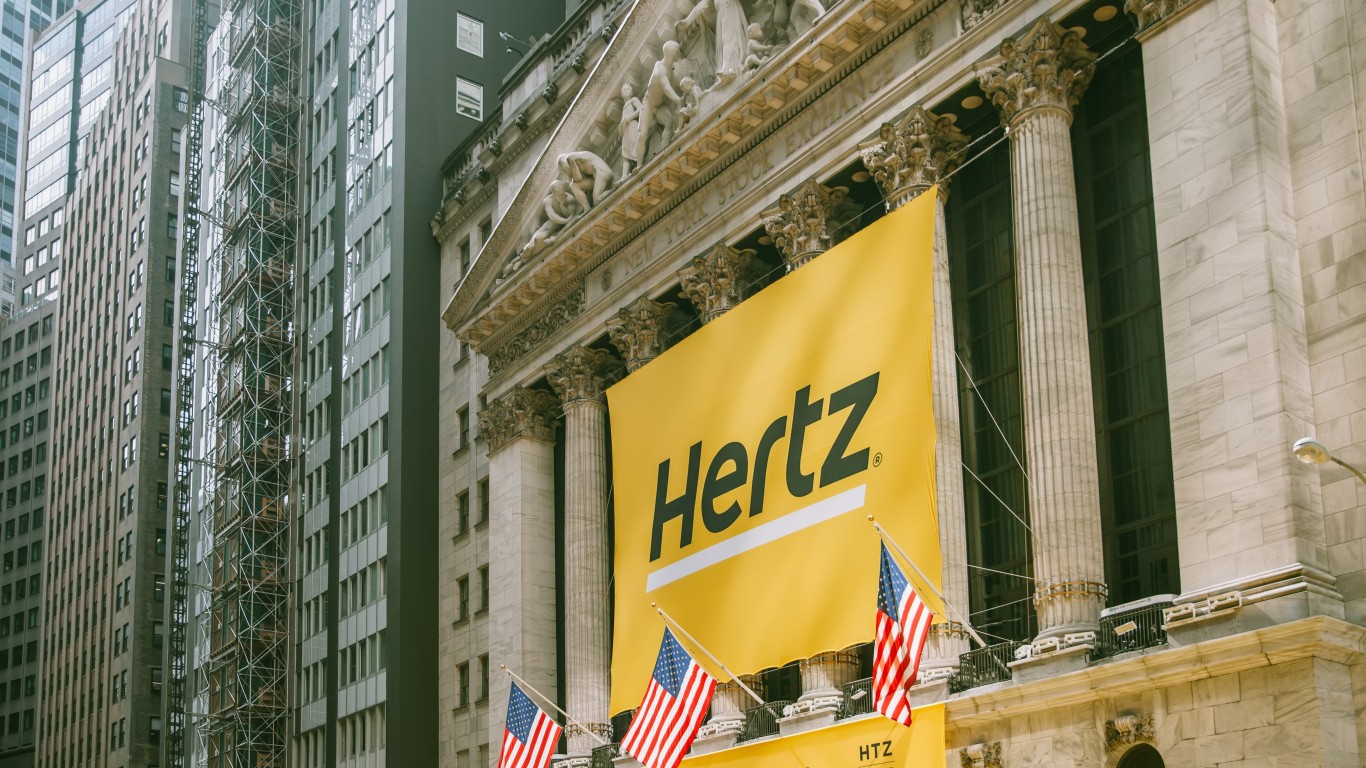
Northcoast upgraded Hertz (NASDAQ:HTZ) stock to Neutral from Sell, keeping the price target unchanged at $5. The call lands the same day the rental car operator unveiled a major fleet partnership with Uber Technologies (NYSE:UBER | UBER Price Prediction) through its new affiliate Oro Mobility, sending Hertz shares up roughly 19% in Thursday trading.
A move from Sell to Neutral signals the bear case on Hertz is losing conviction, even if the bull thesis hasn’t yet earned a Buy rating. For prudent investors evaluating this rental car stock, the upgrade reads less as a green light and more as a yellow one.
The Analyst’s Case
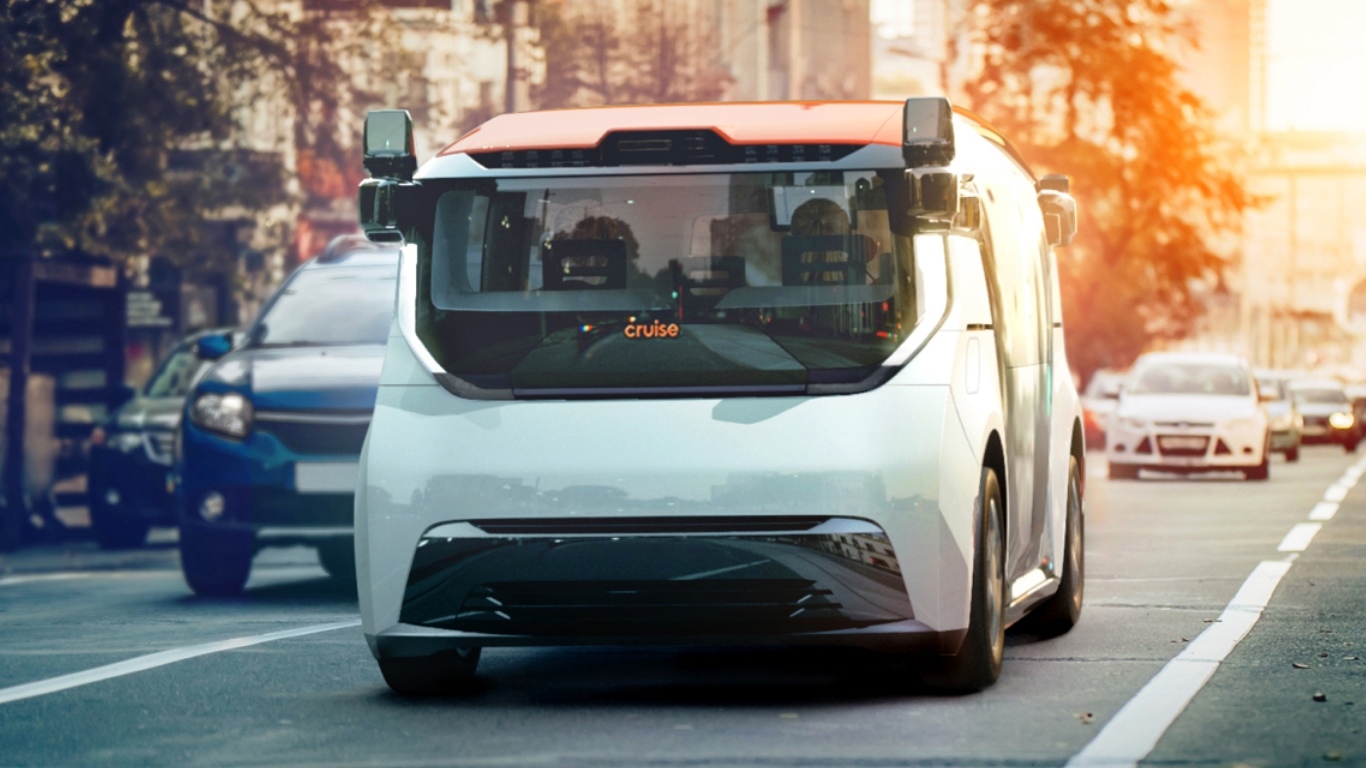
The Sell-to-Neutral upgrade from Northcoast suggests the worst-case bankruptcy scenario for Hertz is becoming less likely. The timing aligns with today’s Uber Oro Mobility announcement, which covers both autonomous vehicle (AV) fleet management using Lucid Group (NASDAQ:LCID) vehicles equipped with Nuro AV technology, plus driver-led fleet services on the Uber platform.
The unchanged $5 price target reflects continued caution from Northcoast on Hertz. The firm isn’t endorsing meaningful upside; it’s removing the active call to sell.
Company Snapshot
Hertz operates rental brands including Hertz, Dollar, Thrifty, Firefly, Hertz Car Sales, and Hertz 24/7, with CEO Gil West executing a “Back-to-Basics” transformation strategy. The company posted full-year 2025 revenue of $8.504 billion and narrowed its net loss to $747 million from $2.86 billion in 2024.
Hertz reported Q4 FY2025 EPS of -$0.72 versus a -$0.50 estimate, pressured by over $100 million in transitory headwinds tied to the government shutdown, FAA flight cancellations, and recall burden. Vehicle utilization reached 81% for the full year, and depreciation per unit per month improved 44% year over year (YoY) to $330 in Q4.
Why the Move Matters Now
The Uber Oro Mobility deal recasts Hertz from a beaten-down rental operator into a mobility platform play, leveraging fleet expertise across autonomous and driver-led services. Hertz shares trade around $6.68 with a market cap near $1.76 billion, a forward P/E ratio of 12x, and a price-to-sales ratio of 0.21x.
Risks remain substantial for Hertz. Negative shareholders’ equity sits at -$459 million, total debt is roughly $17 billion, and the Wall Street consensus target of $4.43 still implies meaningful downside. For broader context, see our recent coverage of the Hertz Back-to-Basics recovery story.
What It Means for Your Portfolio
The Sell-to-Neutral upgrade on Hertz stock signals that existential risk is fading, not that the recovery is complete. The Q1 2026 earnings report scheduled for May 7 looms as the next catalyst, with management guiding mid-single digit revenue growth.
The bull case for Hertz rests on the Uber partnership, fleet utilization above 80%, and Pershing Square’s continued backing of the comeback narrative. The bear case still includes capital intensity, $17 billion in debt, rental cyclicality, and Northcoast holding firm at $5.
Watch for whether Hertz’s Q1 2026 earnings confirm the positive January and February trends West cited, and whether the Oro Mobility rollout converts into measurable revenue. A modest position size remains the sensible approach on Hertz stock as the transformation thesis is tested.









 Top Gaining Stocks
 Top Losing Stocks