


Maybe the hundreds of billions that some of the big tech titans are investing in CapEx will prove too little. At least, that’s what the latest quarter of Alphabet (NASDAQ:GOOG | GOOG Price Prediction) seems to say, with an incredible 63% in Google Cloud growth numbers and a CapEx forecast now in the $180-190 billion range.
With compute constraints continuing to be the big story and the AI race moving at full speed, perhaps Google might be the first, rather than the only hyperscaler, to have its shares surge higher even as its spending does.
Indeed, AI is a show-me story, and Alphabet had a chance to really show investors in this latest quarterly earnings season. For now, the rest of the hyperscaler pack seems to be dragging their feet. And while their results weren’t quite as breathtaking, should shares be marching higher in sympathy with Alphabet?
Alphabet’s quarter signaled a significant shift
AI demand is alive and well, and, in due time, I do think the rest of the Mag Seven might find themselves in Alphabet’s shoes as they get that big jolt and permission from the market to raise the bar on CapEx going into the new year without having to be dealt a punishing blow. As Alphabet moves full speed ahead with Google Cloud while moving TPUs (tensor processing units) into commercialization, it should come as no surprise to hear that CapEx for 2027 is due for a “significant” increase.
Just how significant? Perhaps so much so that big tech might top the $1 trillion mark next year. Indeed, that’s a massive number, but given the early rewards to be had by the frontrunners (just look at the value Anthropic’s Claude Mythos is delivering right now), I continue to think that the tech leaders are right in that it’s riskier to underinvest than overinvest, especially when you consider how easy it is to course correct (big tech layoffs are really nothing new).
Get used to higher CapEx spending as the AI boom finally bears fruit
In any case, the big takeaway is that CapEx is coming in hot. It’s about to get even hotter going into next year, and shareholders of Alphabet seem completely fine with that. With massive cloud growth and the backlog nearly doubling quarter over quarter (that’s an inflection point that’s getting a bit ridiculous), it feels like investors finally trust CEO Sundar Pichai to crank up the investment, knowing that the big, bold bets will get a return that makes sense.
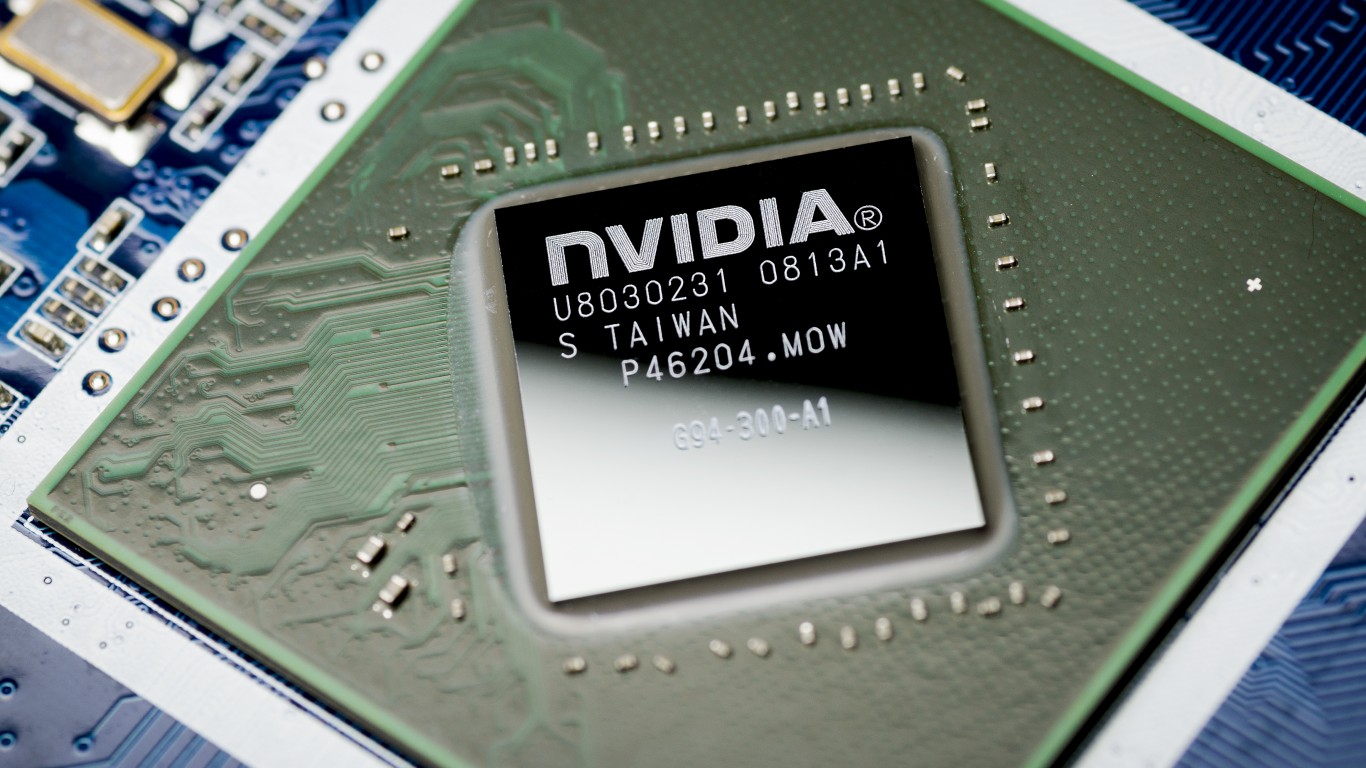
The big question is how much more Google can move into Nvidia‘s (NASDAQ:NVDA) turf as it gives TPUs its all. The latest eight-generation TPUs were a thing of beauty, and as firms buy the hardware itself to a “select group of customers in their own data centers,” perhaps higher CapEx would be a bull signal rather than something that’s to be fearful over.
Indeed, custom silicon takes big money to design, and given that the “picks and shovels” have been unearthing big, early profits in this AI revolution, it only makes sense to let Pichai and company do what they think is most appropriate, given their vantage point and the opportunities they see that the rest of us can’t.
More CapEx might go from yellow flag to green flag
Any way you look at it, Google has serious momentum going into the midpoint of the second quarter. And while Google’s position in the AI race is enviable, some of the other Mag Seven members seem to be following a similar script. In other words, a lot of the tech titans don’t just want to thrive in AI; they want to own a bigger chunk of the stack, from applications all the way down to chips and energy.
The only question is whether Google’s rivals can execute on the game plan as well. I think they can. And once they do, look for other hyperscalers to receive the market’s blessing to raise CapEx next year, perhaps markedly. In any case, I think it’s good that the market demands big firms to justify their spending in real terms. It keeps them in check and an AI bubble, likely at bay.






 Top Gaining Stocks
 Top Losing Stocks