



XRP (CRYPTO: XRP) is trading at $1.41, up 1.2% on the day, while Bitcoin (CRYPTO: BTC) is up 2.4% above $81,600. BTC just cleared $80K for the first time since January 31, but XRP—which should be among the biggest beneficiaries of capital rotation—only captured about half of Bitcoin’s daily gain.
This isn’t just about today. For most of the year, XRP has consistently underperformed during Bitcoin rallies, usually capturing far less than its higher volatility should produce. And it’s the same question XRP holders have been asking for months: where is the capital rotation that’s supposed to follow a Bitcoin breakout?
Bitcoin Breaks $80K While XRP Is Stuck Around $1.40

Bitcoin broke through $80,000 in early Singapore hours on Monday, the first time it’s traded above the level since January 31. The trigger was Trump’s “Project Freedom” Iran de-escalation move, which pulled risk appetite back into crypto and oil markets after weeks of geopolitical uncertainty. BTC has since pushed higher, now trading around $81,600 and up 2.4% on the day. On a normal day, BTC’s rallies like this lifts XRP and the broader market higher.
XRP did move higher, but only a fraction of what BTC’s strength should have produced. The token is at $1.41, up 1.2% on the day and 2.7% for the week against Bitcoin’s 7.2% weekly gain. That’s roughly 37% capture on a weekly basis—well below what XRP’s higher volatility usually delivers on BTC rallies.
The 90-day correlation between the two coins is around 0.63, and XRP typically follows Bitcoin’s direction. However, the size of the move depends on whether XRP has its own catalyst behind it. Right now it doesn’t, and the chart shows it.
But this isn’t just today. Throughout the year, most BTC rallies have produced half-hearted bounce for XRP while Bitcoin runs higher. The pattern has shown up enough times that it’s no longer a one-off. That’s why when BTC cleared $80K and XRP captured barely a third of the weekly move.
Bitcoin Dominance Is Going the Wrong Way for Altcoin Rotation

For capital to rotate out of Bitcoin and into alts, BTC dominance has to peak and start coming down—and right now it’s doing the opposite. Bitcoin dominance, the share of the total crypto market cap held by BTC, just broke out to 60.66%, ending an eight-month accumulation range. It’s now at its highest level since April 2021, and the trend is still climbing.
Meanwhile, the Altcoin Season Index—which tracks how many of the top 100 alts outperform Bitcoin over a 90-day window—currently reads 37 out of 100, well below the 75 threshold that signals altseason. Only 44 of those alts have outperformed BTC across that period, and most by margins so small they barely register.
Moreover, Bitcoin ETFs pulled in $1.97 billion in net inflows during April—the strongest monthly total of 2026—and have now strung together five consecutive weeks of inflows. Every dollar going into a spot Bitcoin ETF is a dollar that didn’t go to ETH, XRP, or the alts that would normally pick up the rotation flow. XRP also has its own problems on top, which are making its lag worse than the alt market average.
Three Reasons XRP Is Lagging Behind the Rest of the Market
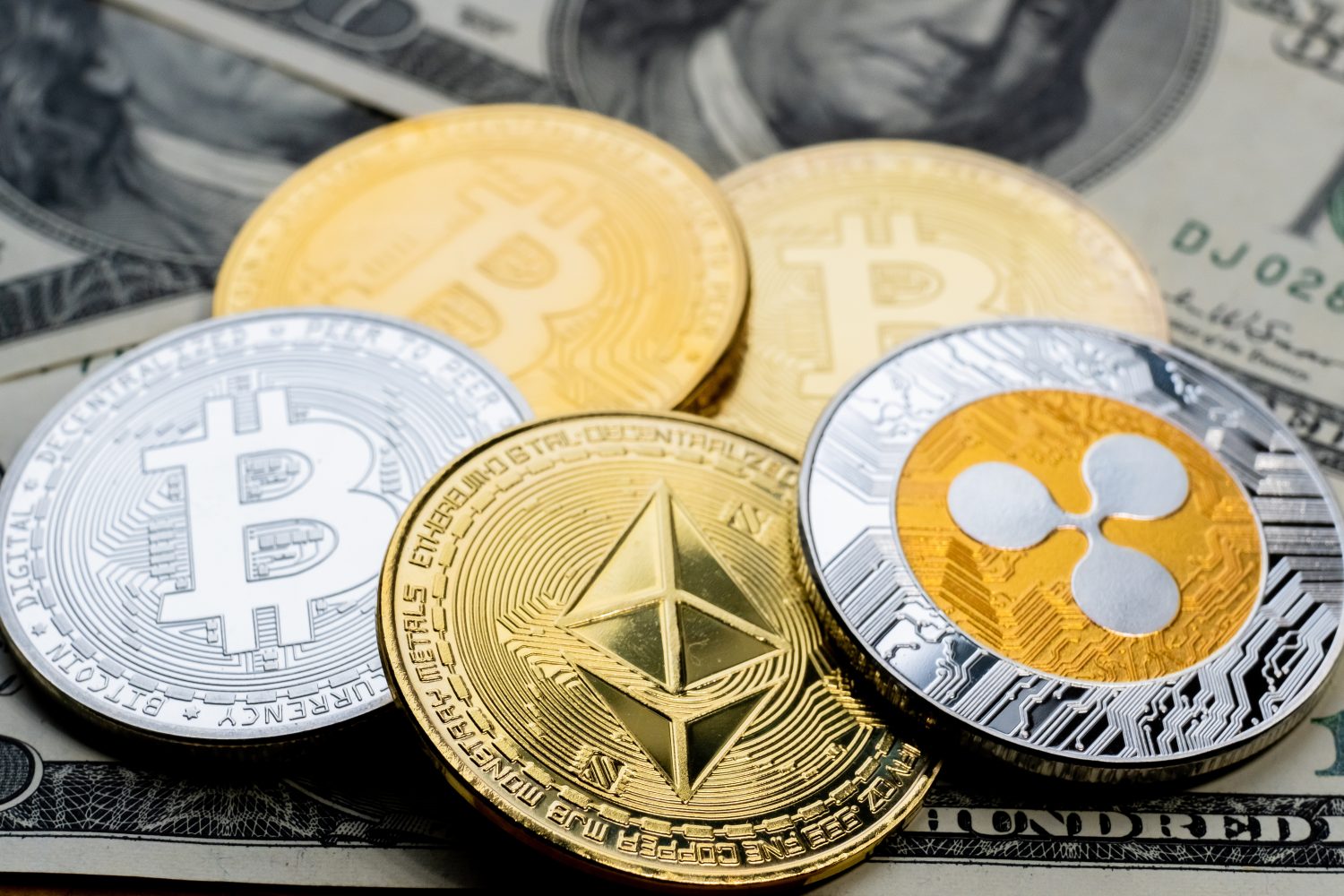
The biggest weight on XRP is a supply wall just above the current price. Around 36.8 billion XRP—roughly 60% of the circulating supply—is held at a cost basis between $1.44 and $1.45 per Glassnode data. Every time XRP rallies toward those levels, a wave of sellers steps in trying to break even on positions they’ve held for months. Without enough new buying to absorb that supply, the rally stalls before it can clear $1.45.
New capital coming into XRP from outside the existing holder base has been thin all year. Alphractal’s Delta Growth Rate on a 365-day moving average—a measure of fresh inflow into the network—is at -111.7, well into negative territory. That leaves XRP dependent on its existing holders to drive any price moves higher, and they haven’t been able to break the price out of its range.
Furthermore, XRP’s price has long been tied to its narrative as a cross-border payments token, but XRPL payment volumes collapsed 90% from their February 2026 peak. When XRPL transaction volumes are this low, news catalysts like the CLARITY Act have to do the work alone. There’s no “XRP is being used more” narrative to back them up, which means even good news lifts XRP less than it should.
All three of these are XRP-specific, and they’re affecting the price performance. That’s why XRP keeps lagging even when other alts catch a bit of momentum—and why it’ll take more than one good news or catalyst to break the pattern.
When Will Altcoin Rotation Find XRP?
The whole thing comes down to one decision in the Senate Banking Committee, and there are about two weeks left to make it. If the CLARITY Act markup is scheduled before the Senate’s Memorial Day recess on May 21, XRP would finally get the regulatory anchor that institutional capital has been waiting on for over a year.
That’s why CLARITY is the only catalyst that moves the needle right now. If the bill passes, institutional capital will start flowing in, putting XRP’s breakout on track for H2 2026. However, if it stalls again, cap[ital might not rotate into XRP until a new catalyst changes things.










 Top Gaining Stocks
 Top Losing Stocks