


Bob Iger, the Walt Disney Co. (NYSE: DIS | DIS Price Prediction) board chair and chief executive officer, has been on the Apple Inc. (NASDAQ: AAPL) board since 2011. He decided to leave as of September 10. He gave no reason for his departure, nor did Apple. However, the reasons are clear. Apple TV+, its play into the streaming market, launches within two weeks of the competing Disney+ product.
Iger joined the Apple board almost immediately after Steve Jobs died and had a prominent position. He was chair of the Apple board’s nominating committee, which picks new board members, and he was a member of the compensation committee, which sets the pay for Apple’s senior management. Iger made $377,000 as Apple board member last year, a modest sum for a man worth tens of millions of dollars. He also owns just over 50,000 Apple shares. The stock currently trades above $218 a share.
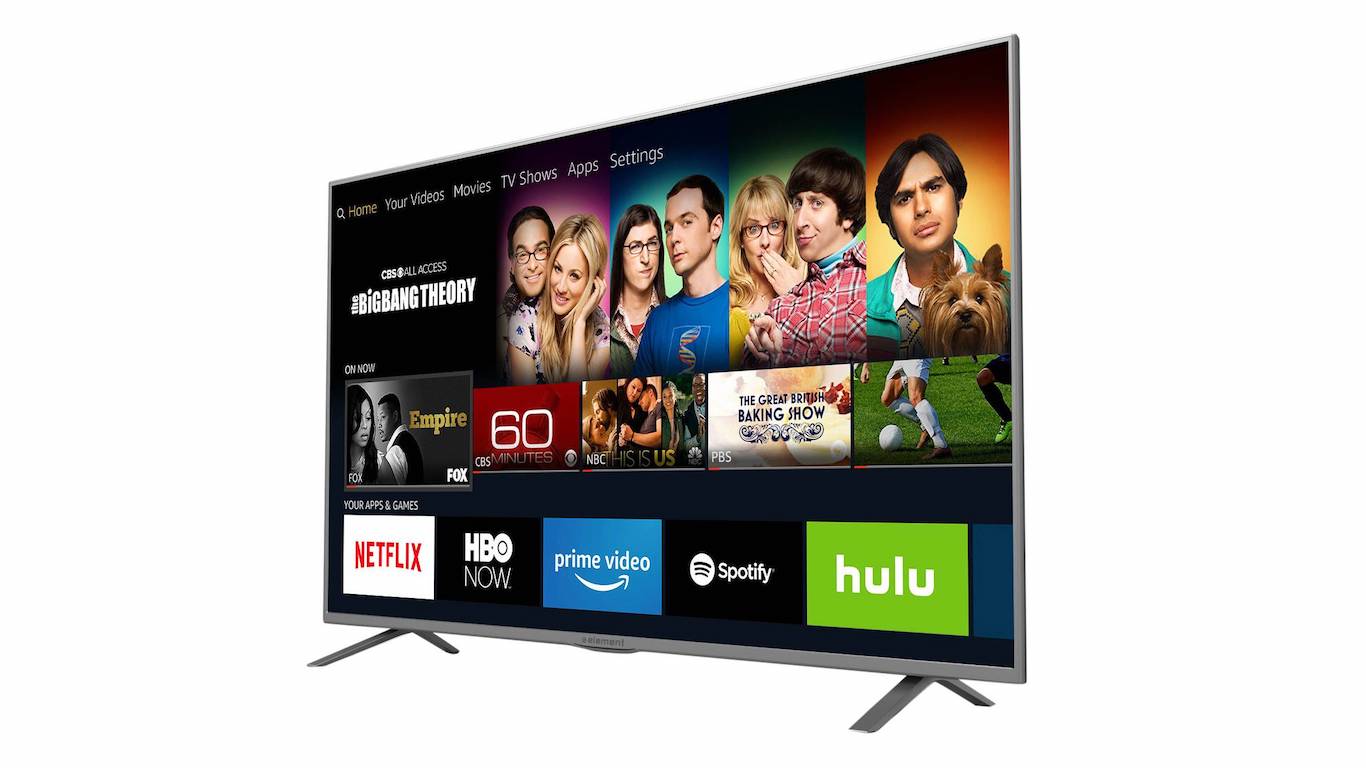
Apple and Disney each believe that they need to be major players in a crowded market dominated by Netflix Inc. (NYSE: NFLX) and Amazon.com Inc. (NASDAQ: AMZN). Netflix has over 150 million subscribers worldwide, while Amazon has over 100 million via its Prime membership program. Netflix has a base monthly price of $12.99 for its “standard” plan. The base monthly rate for Amazon Prime is $12.99, but that includes free shipping and special offers on some Amazon.com products.
The competition is fierce and also includes products from WarnerMedia and CBS. The largest independent company in the business is Hulu. Apple and Disney will go head to head in a market in which both believe they need to become a dominant force.
Disney+ launches on November 11, and Iger repeatedly has made it clear the service is critical to Disney’s future. Its library of videos is substantial. It includes Disney films and exclusive access to Pixar, Marvel, Star Wars and National Geographic, all brands Disney owns. The Marvel and Star Wars libraries contain some of the most successful movies in history, based on box office ticket sales. At a monthly price of $6.99, the service is priced well below Netflix and Amazon.
[nativounit]
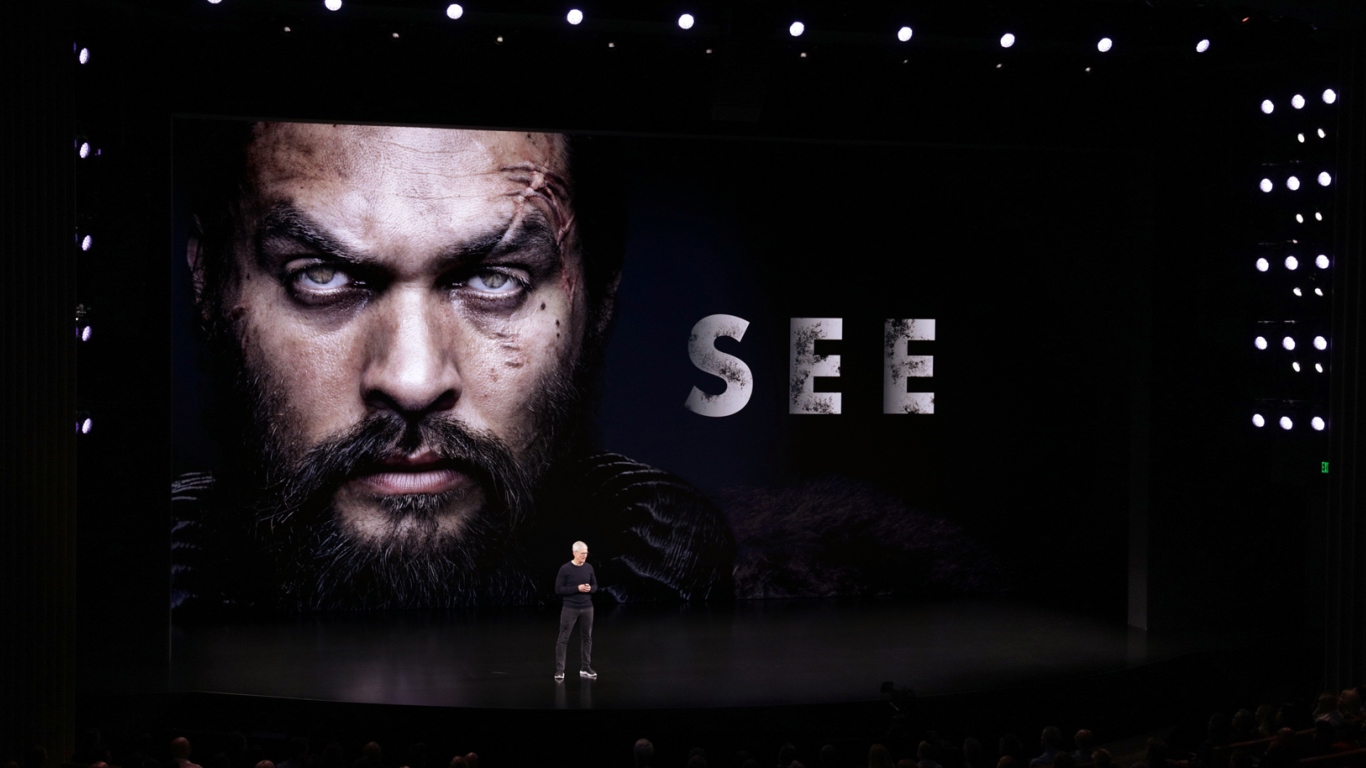
Apple released final details on Apple TV+ this week as it launched new versions of its iPhone, Apple Watch and tablets as well. It has set a price of $4.99 a month, starting with a seven-day free trial, which puts it well below all its major competitors. It will launch on November 1. Apple does not have a library nearly as extensive as Disney’s. It will, however, have original programming, which includes content from a partnership with Oprah Winfrey.
Apple’s original content is a significant part of its ability to enter the competitive battlefield. Netflix and Amazon spend hundreds of millions of dollars a year to produce their own programming. The strategy is meant to get new subscribers and keep them because they can watch programs that are not available anywhere else. The plan is so crucial that Netflix has borrowed billions of dollars to underwrite its productions.
Industry experts believe that most people who stream content will subscribe to just one or two services, but few will subscribe to three, four or more. NPR editors recently wrote about the explosion of video-streaming services, “It can be frustrating when viewers try to figure out which service has what they want to watch — Netflix, Prime, Hulu? It’s about to get worse, as more streaming services launch this year.”
Because Disney and Apple are so late to the video-streaming game, they will need to dig for subscribers who probably have one or more services already. Each needs to compete based on its low price point, programs and whatever original content it can produce. That makes Apple and Disney mortal enemies in a business sense. Iger, under the circumstances, could not stay on Apple’s board.
This is 24/7 Wall St.’s analysis of all the existing and new streaming services.
[recirclink id=577216]
[wallst_email_signup]









 Top Gaining Stocks
 Top Losing Stocks