Honeywell’s 787 Problems Are Really Boeing’s

Photo of Douglas A. McIntyre
By Douglas A. McIntyre Published
This post may contain links from our sponsors and affiliates, and Flywheel Publishing may receive compensation for actions taken through them.

The blame for fires and potential mechanical failures on a large portion of the Boeing Co. (NYSE: BA) fleet has been put at the feet, for the time being, of Honeywell International Inc. (NYSE: HON), which made the beacon parts most recently in question. But since Boeing picked, vetted and tested the components, and they have been installed on its planes, the final responsibility for their functioning falls to Boeing.

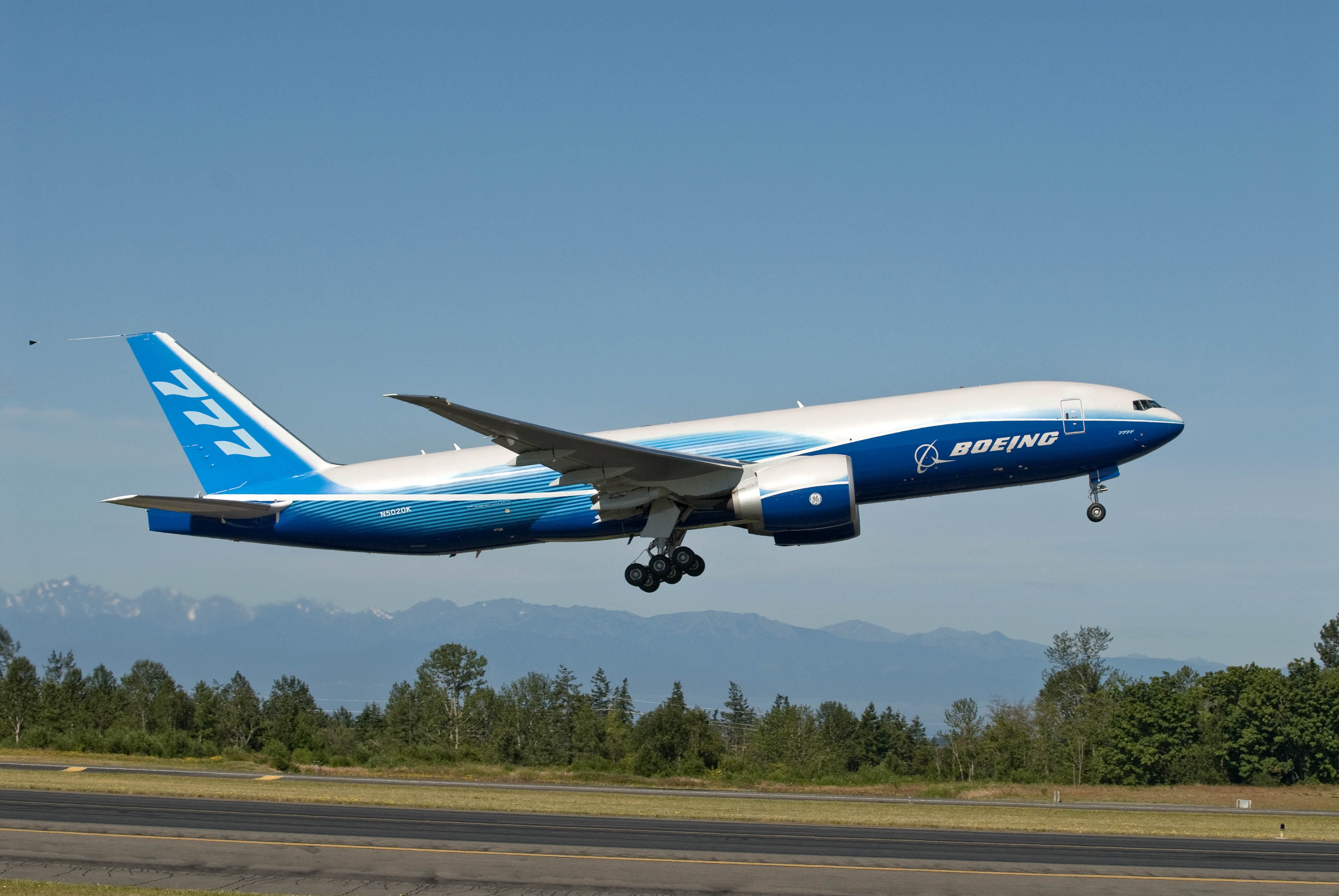
One of the largest challenges for Boeing is that the beacon was installed on the much maligned 787, although the inspection of the beacons ranges to some 747, 787 and 777 aircraft. Given the broad array of the number of models, any competent group of Boeing engineers should have caught on.

The FAA already has damaged Boeing’s image through the grounding of new 787 Dreamliners, as it inspected the planes for battery fires. Just three month’s later, the FAA is back in the manufacturer’s face. According to Reuters:

The U.S. Federal Aviation Administration on Thursday instructed airlines to remove or inspect Honeywell fixed emergency beacons in the model which caught fire, the 787, but has not so far widened its mandatory checks to other models.

If the problem is universal, Boeing should worry that more groundings are likely and that the 787 could go through another bruising period in which its reputation is further damaged. There are rumors that JAL and ANA each asked for reparations for the periods that their Dreamliners were out of commission due to the battery problem.

So far, Boeing has avoided cancellations of the 787 by its carrier customers, but these carriers are anxious about the public’s reaction to what became a front page story. The problem is severe enough that Boeing has considered ways to support carrier efforts to ease the anxiety.

However, like supplier issues Boeing had with parts for the 787 early in its construction, it is the manufacturer that is ultimately at fault for its suppliers’ mistakes. And, again Boeing has failed that test.

Photo of Douglas A. McIntyre
About the Author Douglas A. McIntyre →

Douglas A. McIntyre is the co-founder, chief executive officer and editor in chief of 24/7 Wall St. and 24/7 Tempo. He has held these jobs since 2006.

McIntyre has written thousands of articles for 24/7 Wall St. He is an expert on corporate finance, the automotive industry, media companies and international finance. He has edited articles on national demographics, sports, personal income and travel.

His work has been quoted or mentioned in The New York Times, The Wall Street Journal, Los Angeles Times, The Washington Post, NBC News, Time, The New Yorker, HuffPost USA Today, Business Insider, Yahoo, AOL, MarketWatch, The Atlantic, Bloomberg, New York Post, Chicago Tribune, Forbes, The Guardian and many other major publications. McIntyre has been a guest on CNBC, the BBC and television and radio stations across the country.

A magna cum laude graduate of Harvard College, McIntyre also was president of The Harvard Advocate. Founded in 1866, the Advocate is the oldest college publication in the United States.

TheStreet.com, Comps.com and Edgar Online are some of the public companies for which McIntyre served on the board of directors. He was a Vicinity Corporation board member when the company was sold to Microsoft in 2002. He served on the audit committees of some of these companies.

McIntyre has been the CEO of FutureSource, a provider of trading terminals and news to commodities and futures traders. He was president of Switchboard, the online phone directory company. He served as chairman and CEO of On2 Technologies, the video compression company that provided video compression software for Adobe’s Flash. Google bought On2 in 2009.

Featured Reads

Our top personal finance-related articles today. Your wallet will thank you later.

Continue Reading

Top Gaining Stocks

CBOE Vol: 1,568,143
PSKY Vol: 12,285,993
STX Vol: 7,378,346
ORCL Vol: 26,317,675
DDOG Vol: 6,247,779

Top Losing Stocks

LKQ
LKQ Vol: 4,367,433
CLX Vol: 13,260,523
SYK Vol: 4,519,455
MHK Vol: 1,859,865
AMGN Vol: 3,818,618



