


Heightened conflict across the globe, particularly among nations with nuclear arsenals like China, Russia, Israel, and the U.S., has prompted some Americans to think about nuclear survival kits and seek out the location of their nearest bomb shelter. Although many of us have mental images of nuclear catastrophes, inspired by movies or books, the real-life ramifications are somewhat unknown. To shed light on the potential outcomes of such a scenario, 24/7 Wall St. consulted “Nuclear Choices for the Twenty-First Century: A Citizen’s Guide” authored by Richard Wolfson, a Benjamin F. Wissler Professor of Physics at Middlebury College, and Ferenc Dalnoki-Veress, a Scientist-in-Residence at the Center for Nonproliferation Studies of the Middlebury Institute of International Studies. Additionally, Wolfson and Dalnoki-Veress provided a summary of their findings in The Devastating Effects of Nuclear Weapons, published by MIT Press in The Reader.
Additional information was collected from various media outlets and websites like Futurism, and Nuclear War Map. Our coverage includes various outcomes resulting from nuclear conflicts, recognizing that not all scenarios could involve full-scale warfare. Even though not every situation involving nuclear weapons automatically leads to Armageddon, the use of such potent weaponry in a confined or regional conflict carries severe repercussions for the world.
For example, a nuclear confrontation between Pakistan and India alone could result in an estimated 125 million fatalities. The smoke generated by fires from nuclear explosions could prevent sunlight from reaching the earth’s surface, resulting in decreased global temperatures and precipitation. Consequences could include widespread famine, mass starvation and potential other disasters.
A full-scale conflict, considered unimaginable by experts, could lead to apocalyptic results. Cities could be bombarded with numerous weapons, leading to extensive lethal fallout across the United States. Initially, more than half of the U.S. population would be killed, while survivors would contend with heightened radiation exposure leading to compromised immune systems and elevated rates of cancer.
These are some frightening effects of nuclear war that may surprise you:
17. Burst of radiation
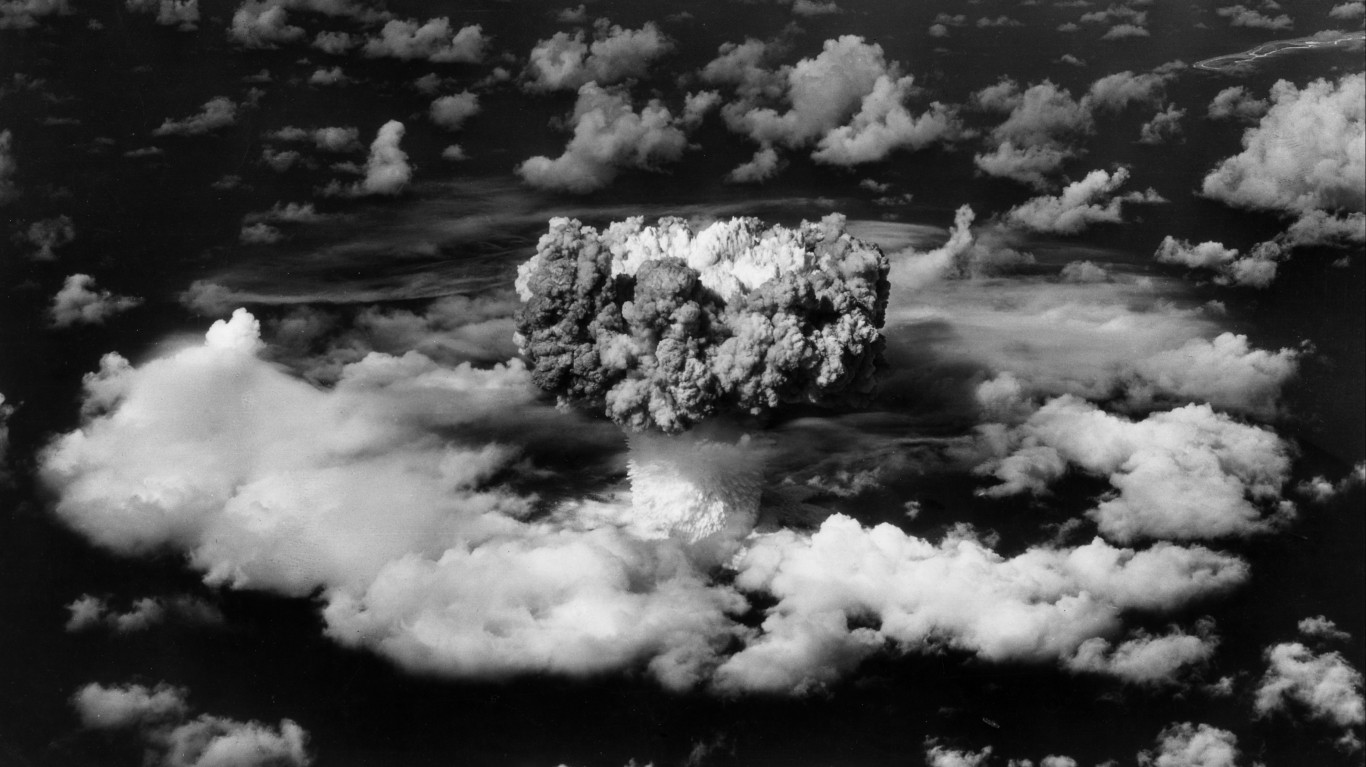
When any nuclear weapon explodes, there is an intense burst of nuclear radiation, mostly gamma rays and neutrons. This direct radiation is produced in the weapon’s nuclear reactions themselves and lasts less than a second. Lethal direct radiation can extend nearly 1 mile from a 10-kiloton explosion.
16. Fireball

After detonation, a fireball of superheated air forms and grows rapidly. Ten seconds after a 1-megaton blast, the fireball is 1 mile in diameter. The early stages of a 1-megaton fireball are many times brighter than the Sun.
15. Severe burns
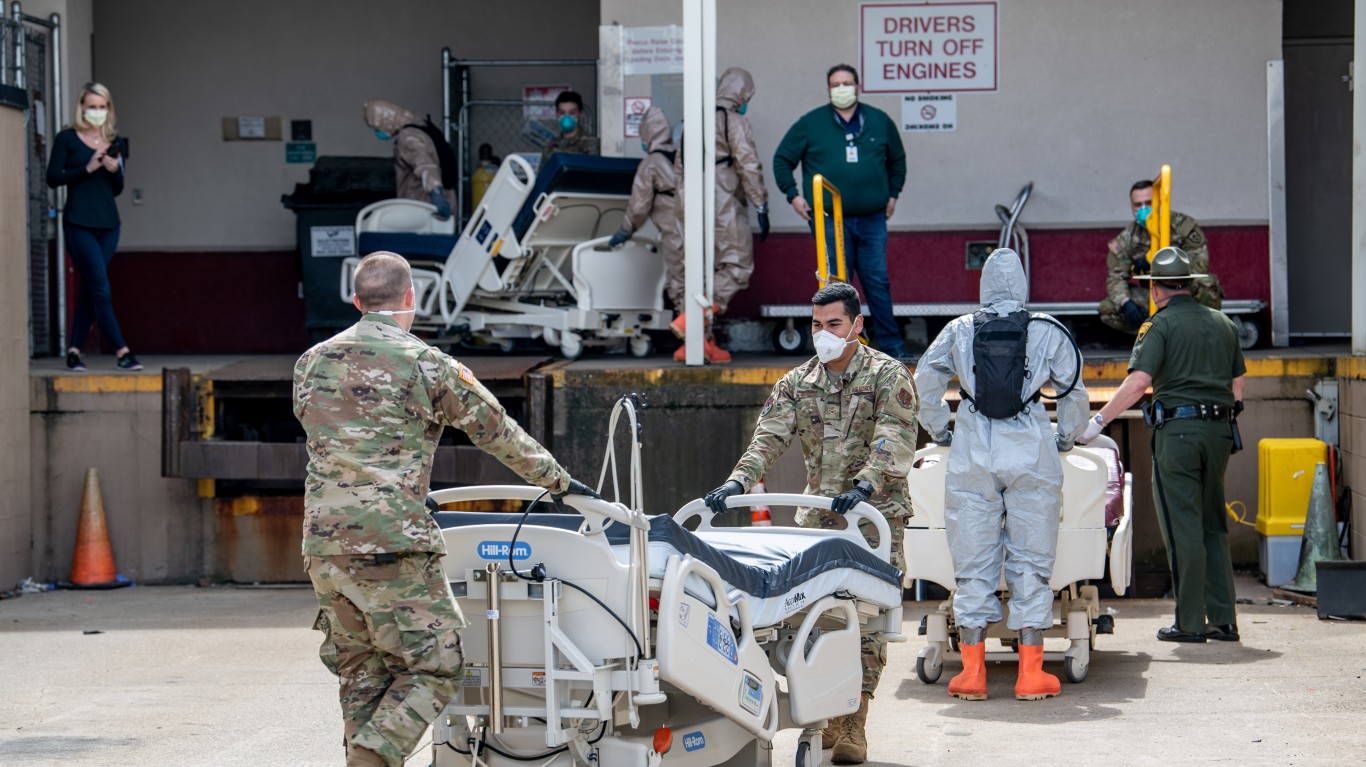
The intense heat can ignite fires and cause severe burns on exposed flesh as far as 20 miles away from a large thermonuclear explosion.
14. Blast wave

As the fireball expands into the air it creates a blast wave consisting of a sudden jump in air pressure. The wave extends outward at thousands of miles per hour at first then slows as it spreads. It carries about half the bomb’s explosive energy and is responsible for most of the physical destruction.
13. Air burst
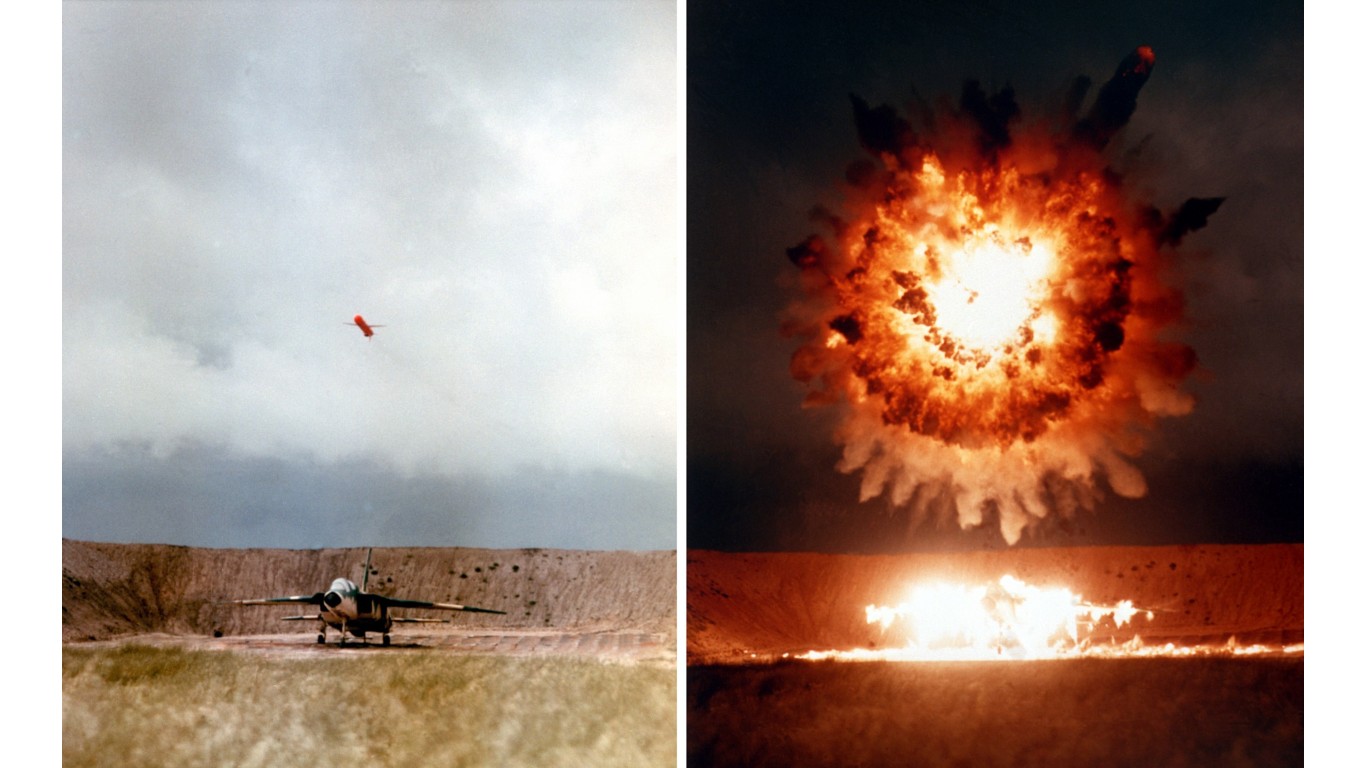
The most widespread damage to structures occurs in an air burst, a detonation thousands of feet above the target. The blast wave from an air burst reflects off the ground, which enhances its destructive power. Attacks on cities would probably use air bursts.
12. Ground burst
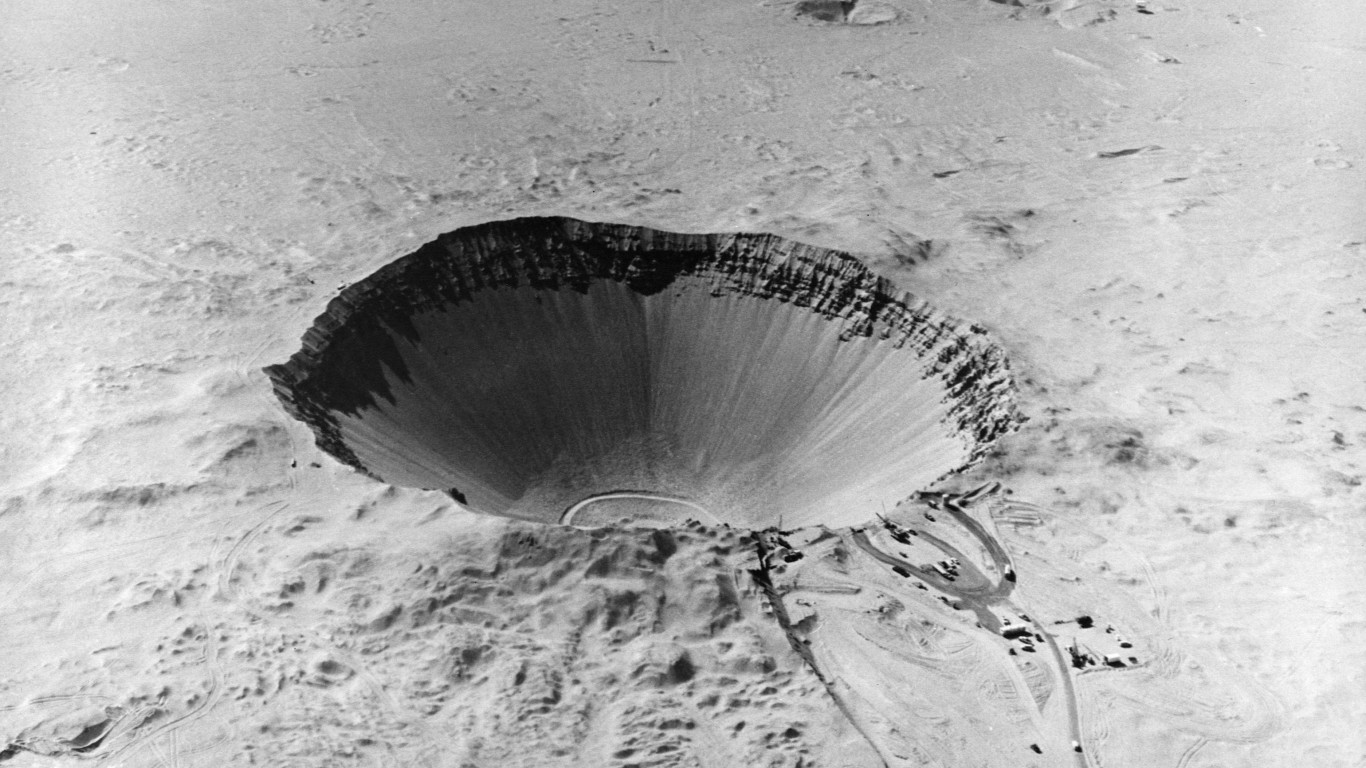
A ground burst creates a massive crater and pulverizes everything in the immediate area. Its blast effects do not extend as far as an air blast. Ground bursts would be employed against hardened targets like underground missile silos.
11. Radius of destruction
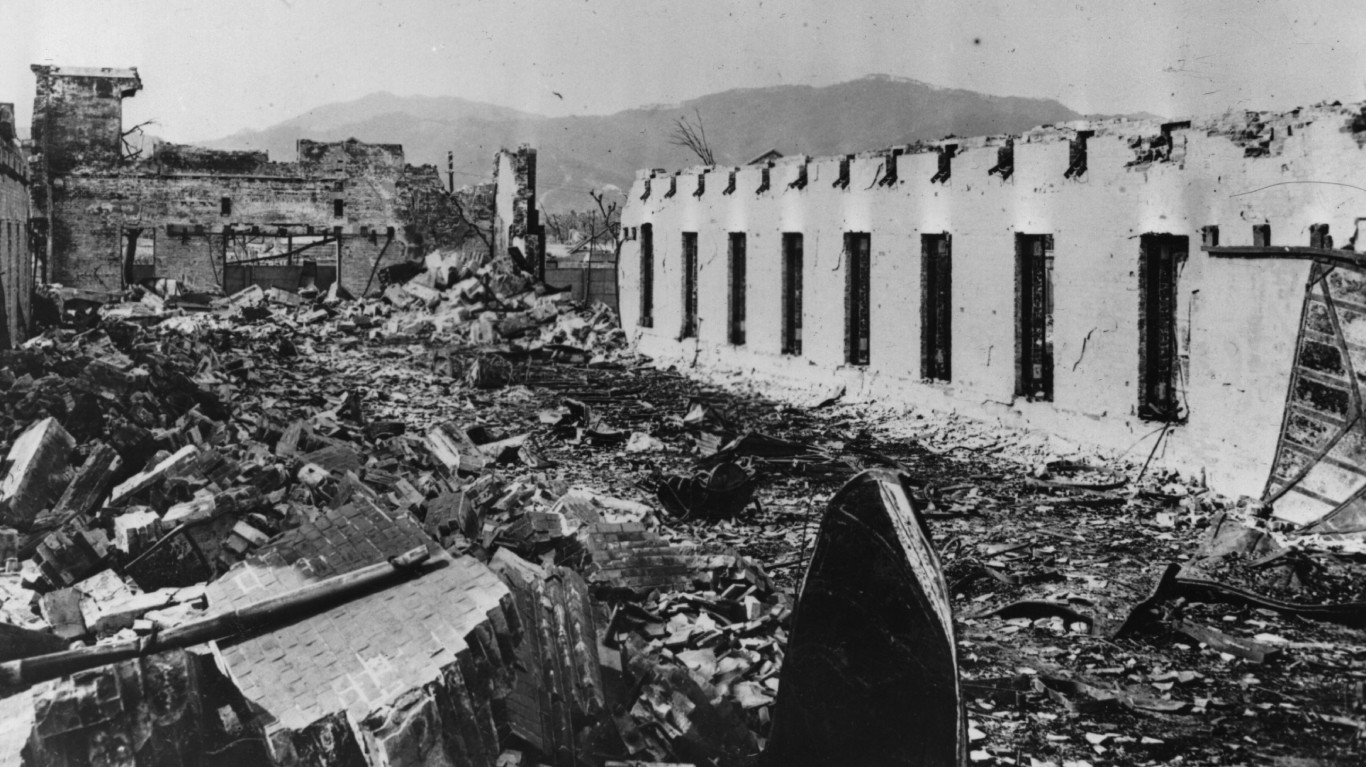
The radius and volume of destruction depend on the explosive yield. But because the volume is proportional to the radius cubed, the volume increases approximately by the cube root of the yield, so the relative increase in destructive effect compared to the increase in yield is small. The effects of nuclear weapons on populations are also subject to many environmental and geographic variables.
10. Firestorm

Under some circumstances, fires may combine into a single huge conflagration called a firestorm that can develop its own winds and cause the inferno to spread. Hot gases rise from the firestorm, replaced by air rushing inward along the surface at hundreds of miles per hour. Winds and fire compound the blast damage, and the blaze consumes oxygen, suffocating survivors. Firestorms also might impact global climate for decades.
9. Radioactive fallout

Fallout consists primarily of fission products. Fallout contamination is unique to nuclear weapons and it may linger for decades. The most potent effects can last for weeks. The fallout impact produced in a nuclear explosion depends on the type of weapon, its explosive yield, and where it is exploded. Modern nuclear weapons can produce global fallout. The global impact from these huge weapons comes partly from the quantity of radioactive material and from the radioactive cloud that rises into the stratosphere, where it may take up to years to reach the ground.
8. Light damage zone

Broken windows and more easily managed injuries occur in zones farther from the initial blast zone.
7. Moderate damage zone

In the moderate damage zone, there is significant building damage, rubble, downed utility lines and poles, overturned automobiles, fires, and serious injuries.
6. Severe damage zone
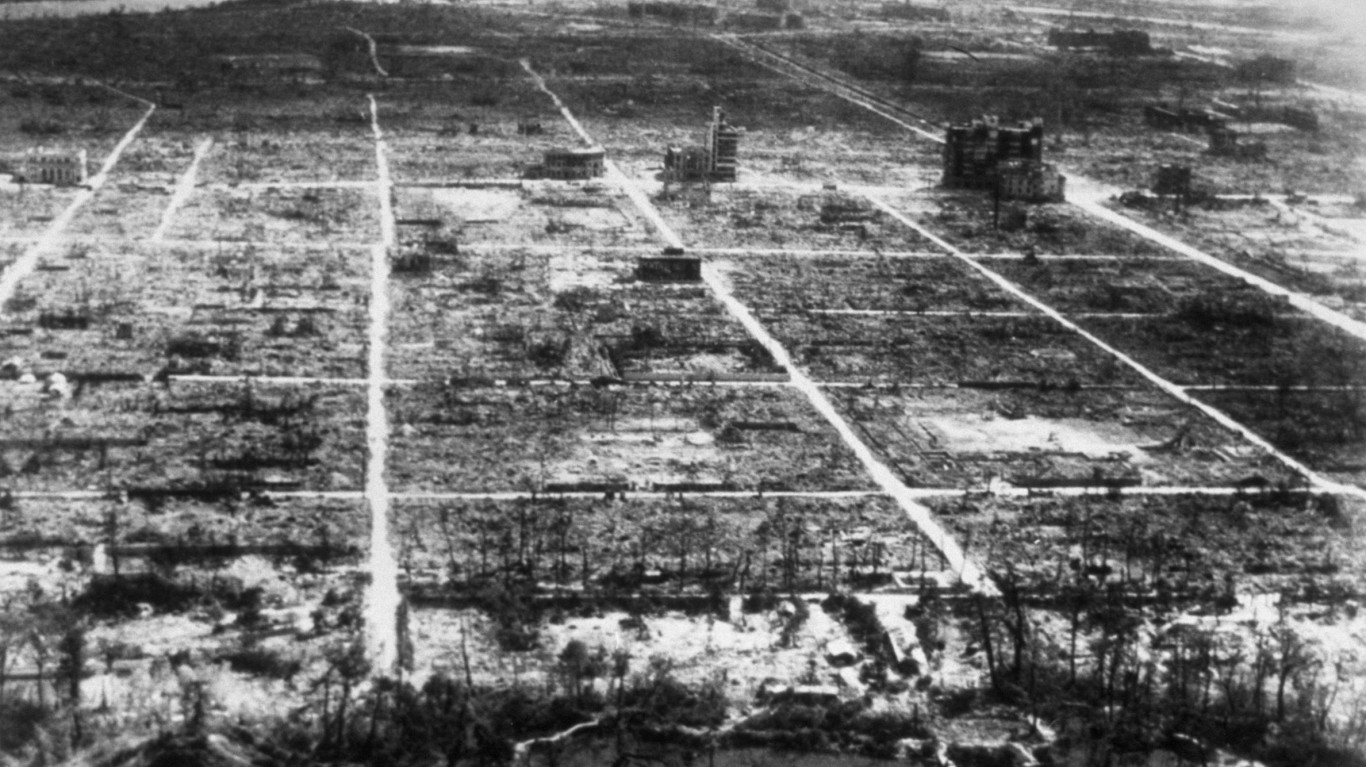
This is the most catastrophic of the damage scenarios. Buildings collapse, radiation levels are high, and survivors are unlikely.
5. Electromagnetic pulse

A nuclear weapon exploded at very high altitude may not produce the previously mentioned destruction but it produces intense gamma rays that knock electrons out of atoms. When the blast occurs at high altitude, this effect may reach hundreds of miles. As they gyrate in the Earth’s magnetic field, the electrons generate an extreme pulse of radio waves. This is known as an electromagnetic pulse. A single large weapon detonated 200 miles over the central United States could blanket the entire country with an electromagnetic pulse intense enough to damage computers, communication systems, and other electronic devices.
4. Limited nuclear war
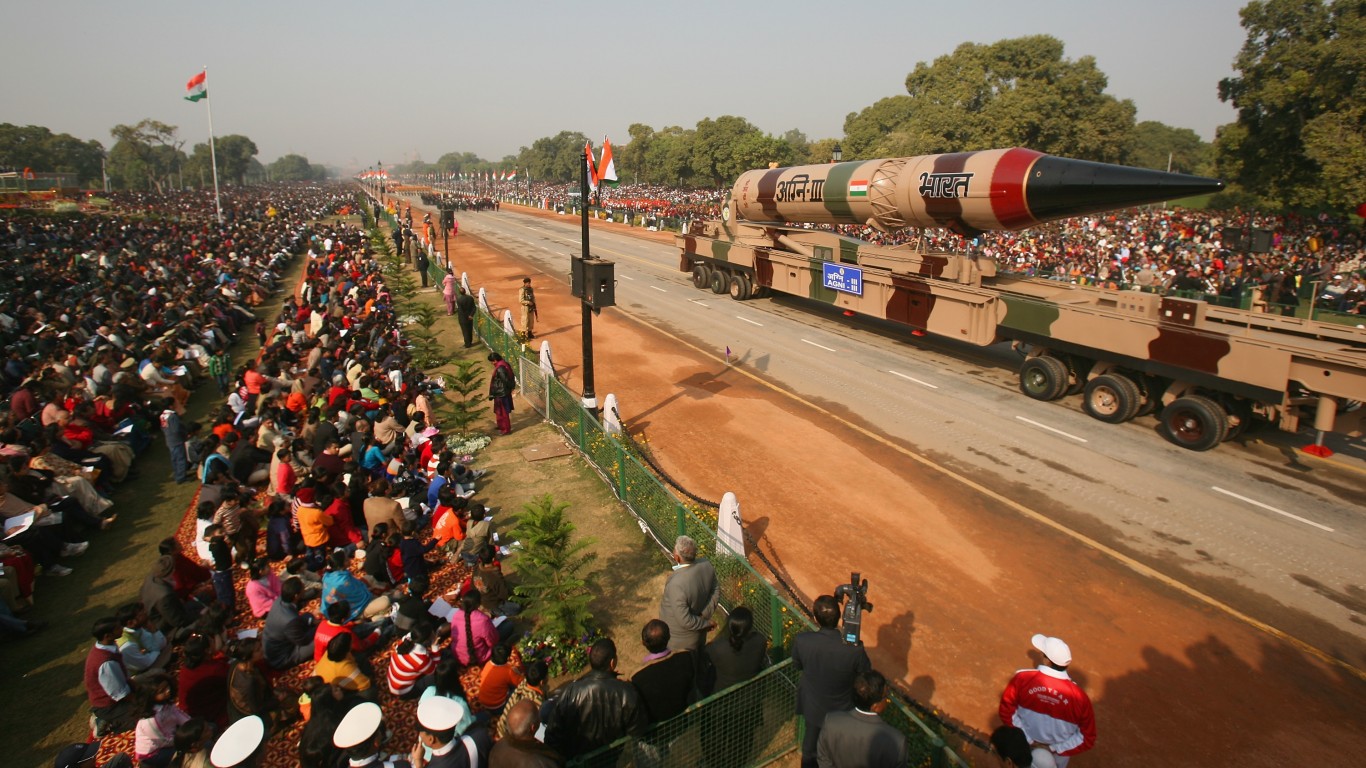
Experts have pointed to the ongoing conflict between nuclear powers Pakistan and India as an example of a possible limited nuclear-war scenario. If India and Pakistan use 100 strategic weapons to attack urban centers each, fatalities could reach 50 million to 125 million people.
Nuclear-ignited fires could generate smoke that will rise into the upper troposphere, then into the stratosphere, where it will spread globally within weeks. Surface sunlight could decline by as much as 35%, cooling the global surface and reducing precipitation by as much as 30%. Land productivity would drop up to 30%. A mass starvation event is possible as well as other collateral disasters. Recovery would take more than 10 years.
3. All-out nuclear war

In an all-out war, cities worldwide would be targeted with multiple weapons, and lethal fallout would cover much of the United States. Survivors could avoid fatal radiation exposure only when sheltered with adequate food, water, and medical supplies. Despite this precaution, millions would be exposed to radiation high enough to cause lowered disease resistance and greater incidence of fatal cancer. Diminished disease resistance could lead to death from common infections because the population would be deprived of adequate medical facilities. The spread of diseases from contaminated water supplies, inadequate sanitary facilities, and lack of medicines will kill millions more.
2. All-out nuclear war continued
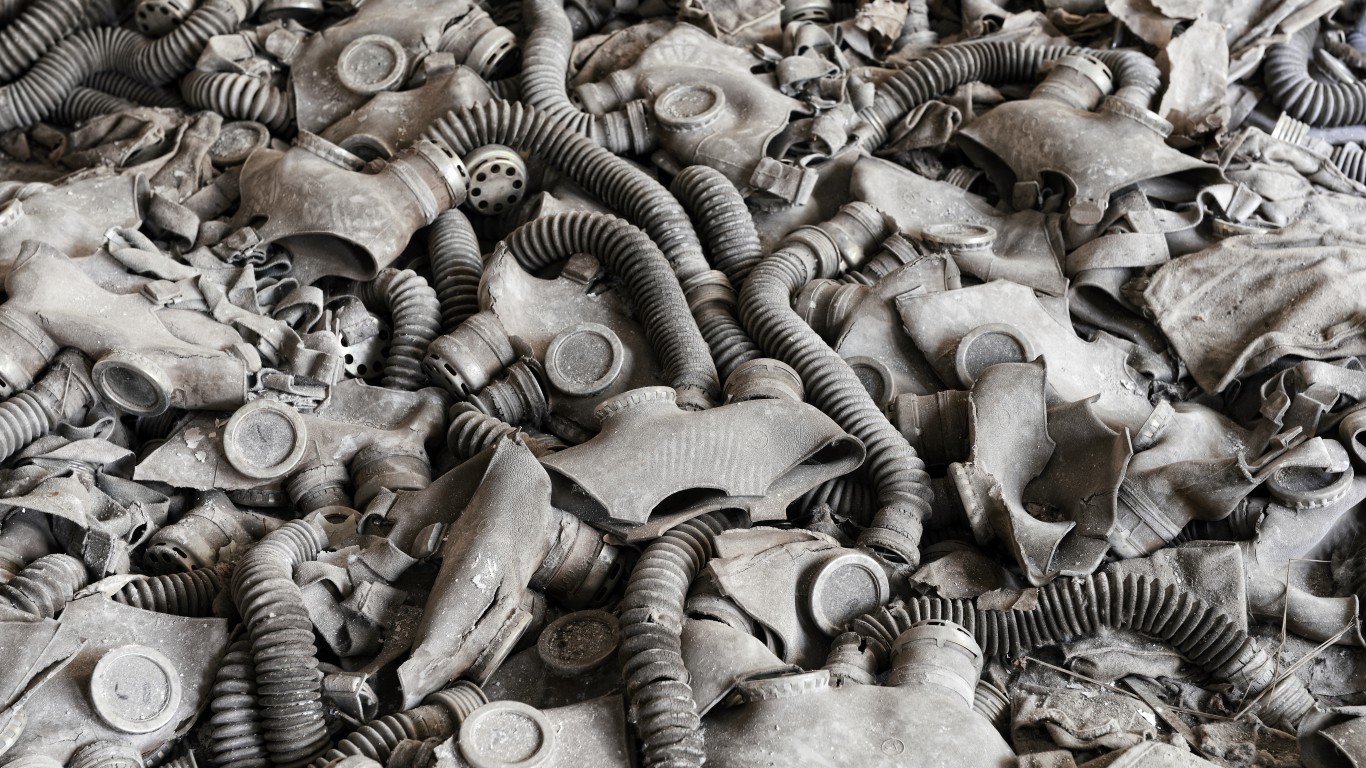
In the event of an all-out nuclear war, half of the U.S. population, more than 150 million people, would be killed. Many of the survivors would have severe skin burns, radiation sickness, untreated injuries, and there will be shortages of everything, leading to a complete breakdown of society.
1. Nuclear winter
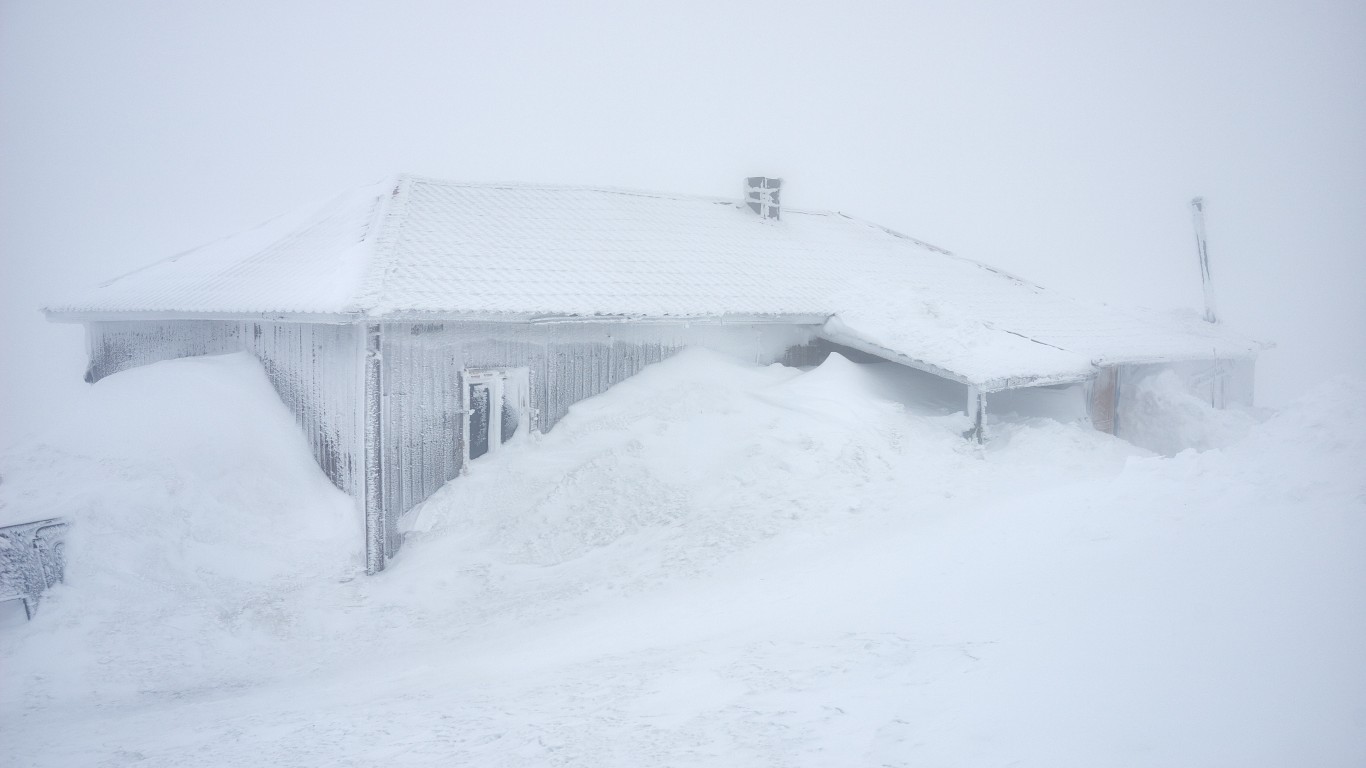
Ozone gas, an unusual form of oxygen, absorbs the sun’s ultraviolet radiation. A nuclear war would produce massive amounts of ozone-consuming chemicals. Studies suggest that even a modest nuclear exchange would result in unprecedented increases in ultraviolet exposure. This would disrupt the process of photosynthesis. Marine life might be damaged by the increased ultraviolet radiation, and humans could receive blistering sunburns.
Higher levels of UV radiation would also lead to a greater incidence of fatal skin cancers and to general weakening of the human immune system. Soot from the fires of burning cities after a nuclear exchange would be injected high into the atmosphere. The result would be a drop in global temperature, probably colder than the previous ice age. In the world’s agricultural regions, the temperature could be below freezing for a year or more, and precipitation would fall by 90%.








 Top Gaining Stocks
 Top Losing Stocks