


Every war has its share of unbelievable moments, but in terms of sniper history these are filled with shots that still leave some scratching their heads at how it actually went down. Dealing with shifting winds, obscured sightlines, or insurmountable ranges, a select group of shooters delivered hits that shouldn’t have been possible. Here, 24/7 Wall St. is taking a closer look at some of these impossible shots.
To determine the most impossible sniper shots ever made, 24/7 Wall St. reviewed various historical and military sources. We ordered these alphabetically. We included supplemental information regarding the military branch, rank, as well as the rifle and munition used in the shot.
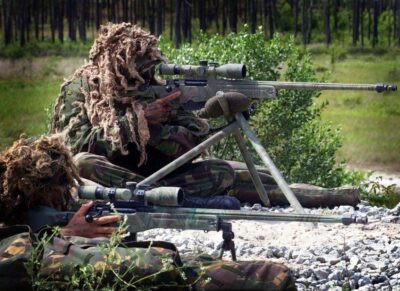
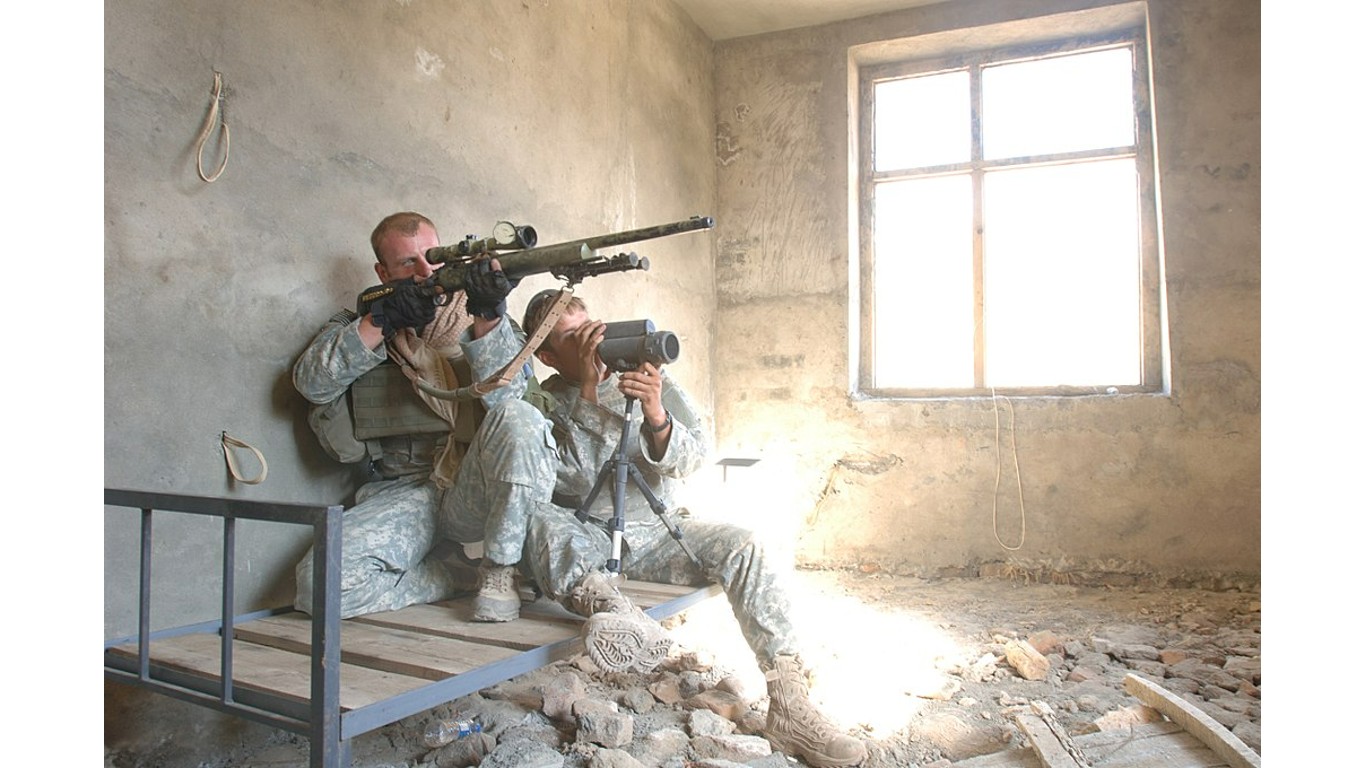
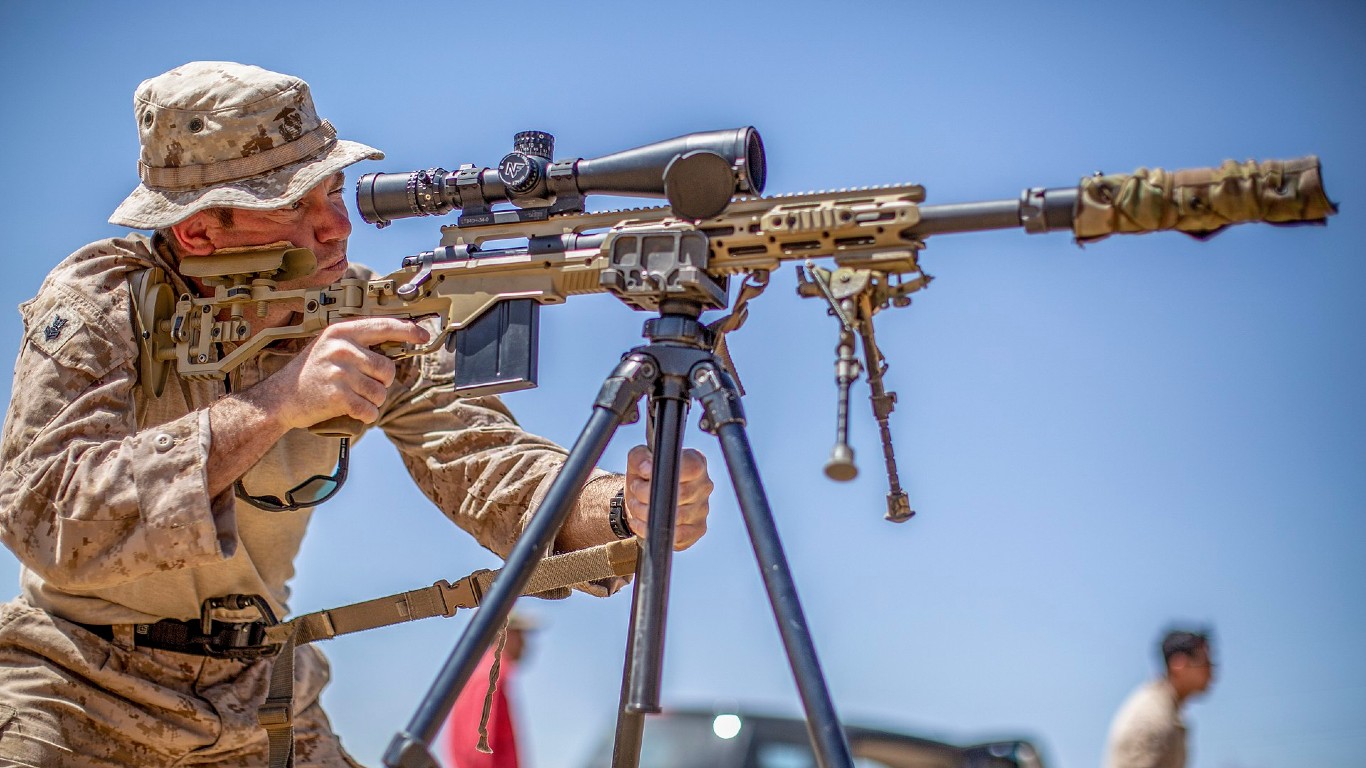
Snipers are an essential piece on the chess board when it comes to modern warfare, delivering precision fire, long-range overwatch, and real-time reconnaissance. Their ability to eliminate high-value threats, guide maneuvering units, and control both urban and open terrain makes them true force multipliers. In today’s complex battlefields, sniper teams shape missions through unmatched accuracy, stealth, and situational awareness.
Chris Kyle is recognized as one of the best snipers in modern American military history, earning a reputation for exceptional precision, battlefield awareness, and unwavering composure under pressure. Serving as a U.S. Navy SEAL in Iraq, he provided overwatch during some of the most intense urban fighting of the war. In the process he protected Marines and coalition forces with long-range interdiction and decisive threat elimination. Kyle’s ability to read wind, anticipate movement, and maintain discipline in chaotic environments made him a force multiplier across multiple operations. His record, impact on troop survivability, and influence on modern sniper tactics cement his legacy within U.S. special operations. He is just one of these legendary snipers that made impossible shots.
Here is a look at some of the most impossible sniper shots ever made:
Why Are We Covering This?
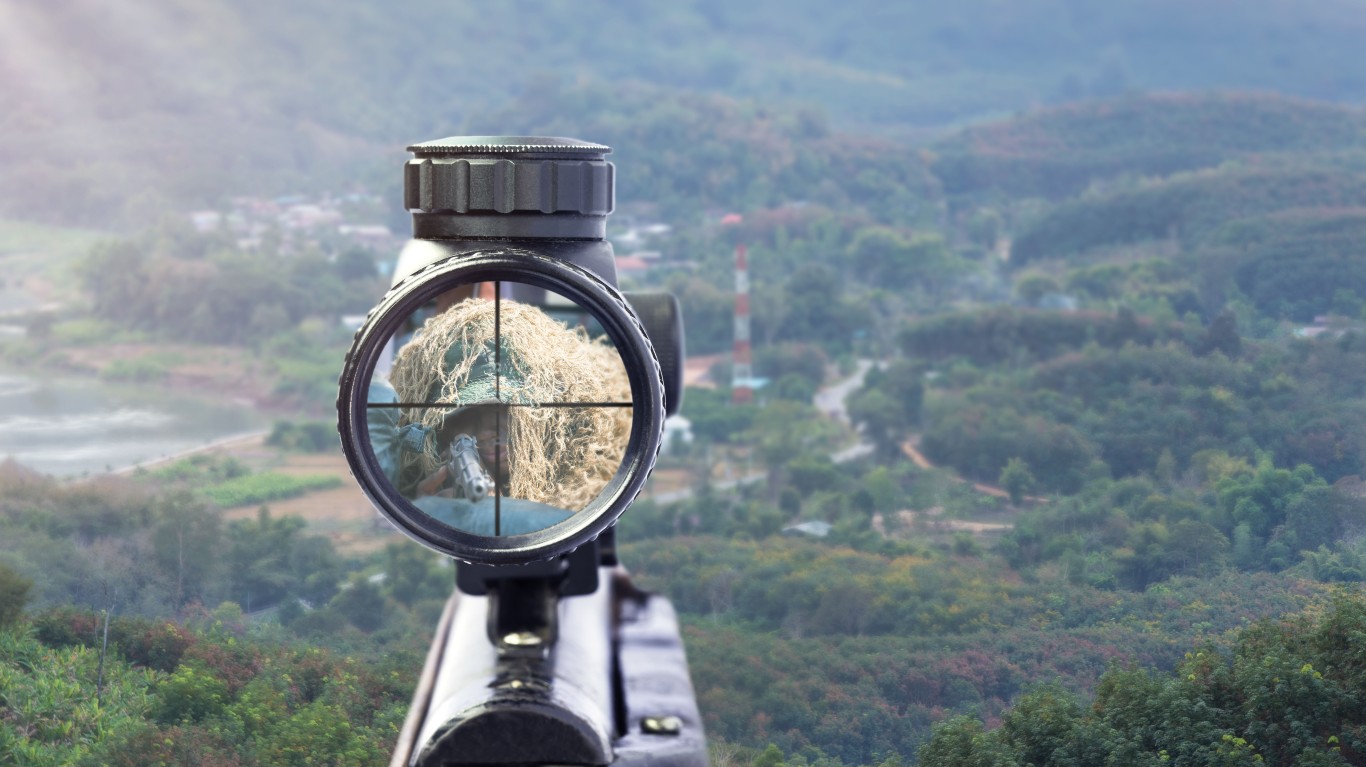
Some battlefield moments defy the limits of training, physics, and probability but they happened regardless. These impossible sniper shots didn’t just pull off the unthinkable; they reshaped how militaries understand precision, range, and the value of a single expert marksman. Each of these engagements forced planners to rethink doctrine, improve equipment, and account for the fact that one well-placed round can alter the trajectory of an entire operation. By understanding these shots we get a clearer picture of how skill, discipline, and situational awareness can change the battlefield in ways we could not imagine.
Aaron Perry – Canadian Extreme‑Range Engagement
- Country: Canada
- Military branch: Canadian Army
- Rank: Master Corporal
- Rifle and munition: McMillan TAC‑50 (.50 BMG)
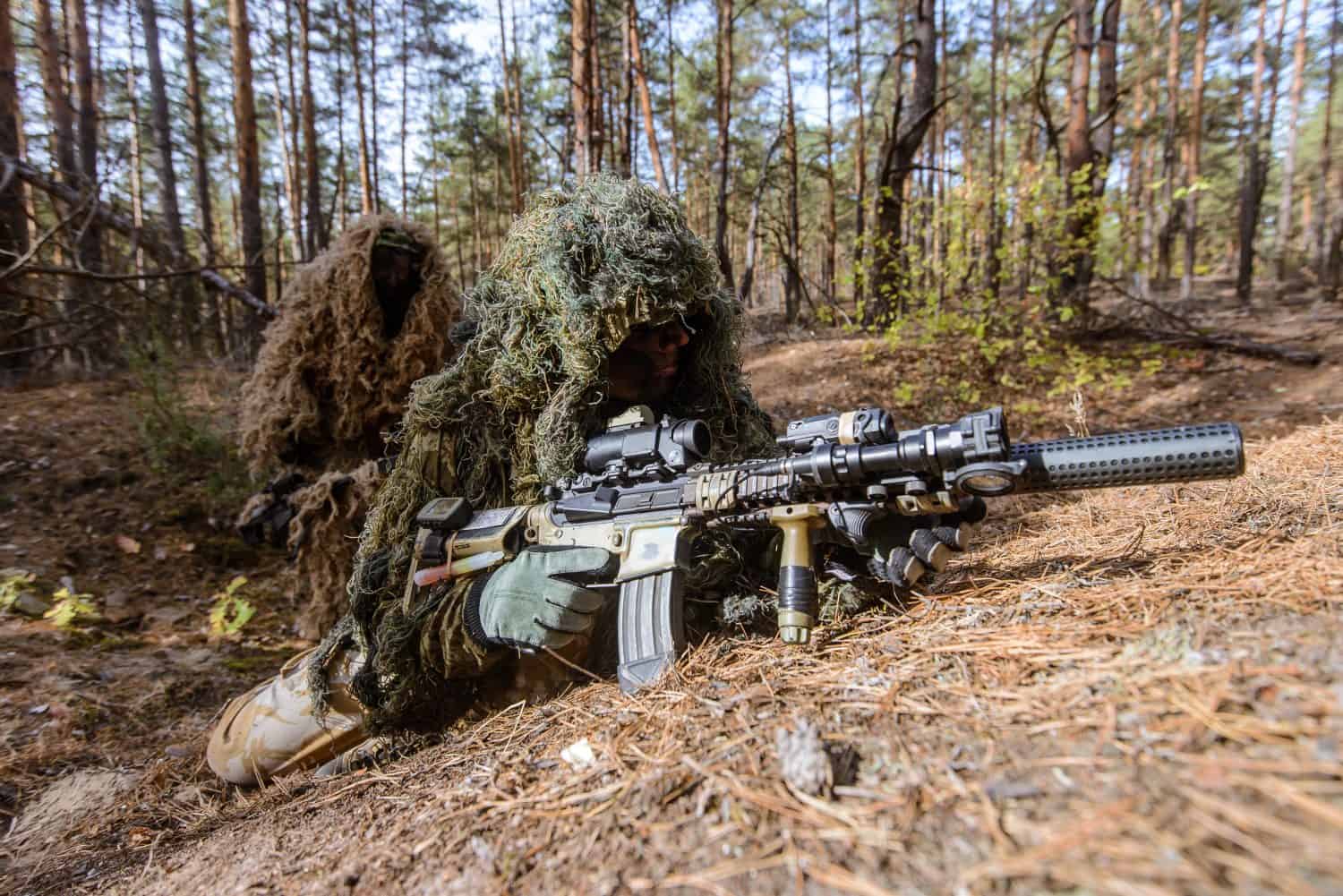
Perry’s 2,526‑yard Afghanistan shot came at a time when ultra‑long‑range doctrine was barely defined. Mountain winds, low air density, and multi‑second flight time made success nearly impossible. The shot disrupted enemy operations and validated extreme‑range sniping as a battlefield tool.
Adelbert Waldron – Vietnam River Patrol Shot
- Country: United States
- Military branch: U.S. Army
- Rank: Staff Sergeant
- Rifle and munition: M21 SWS (7.62×51mm NATO)
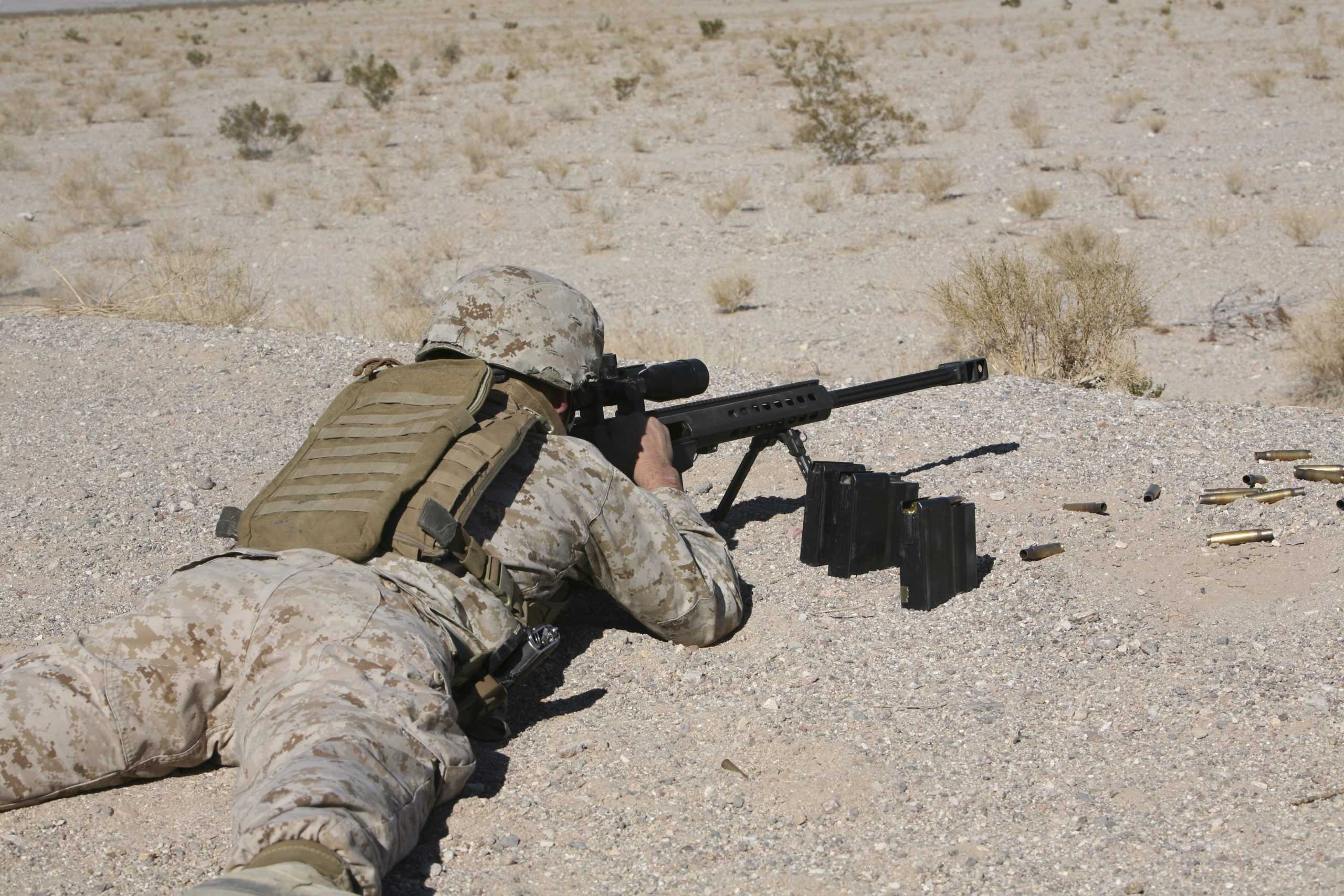
Waldron struck an enemy fighter from a moving patrol boat at roughly 900 yards—while the target was also moving. The constantly shifting geometry should have made the shot impossible. Instead, it neutralized a hidden ambusher and demonstrated how snipers could secure mobility operations.
Carlos Hathcock – ‘The Cobra Kill’
- Country: United States
- Military branch: U.S. Marine Corps
- Rank: Gunnery Sergeant
- Rifle and munition: Winchester Model 70 (.30‑06 Springfield)
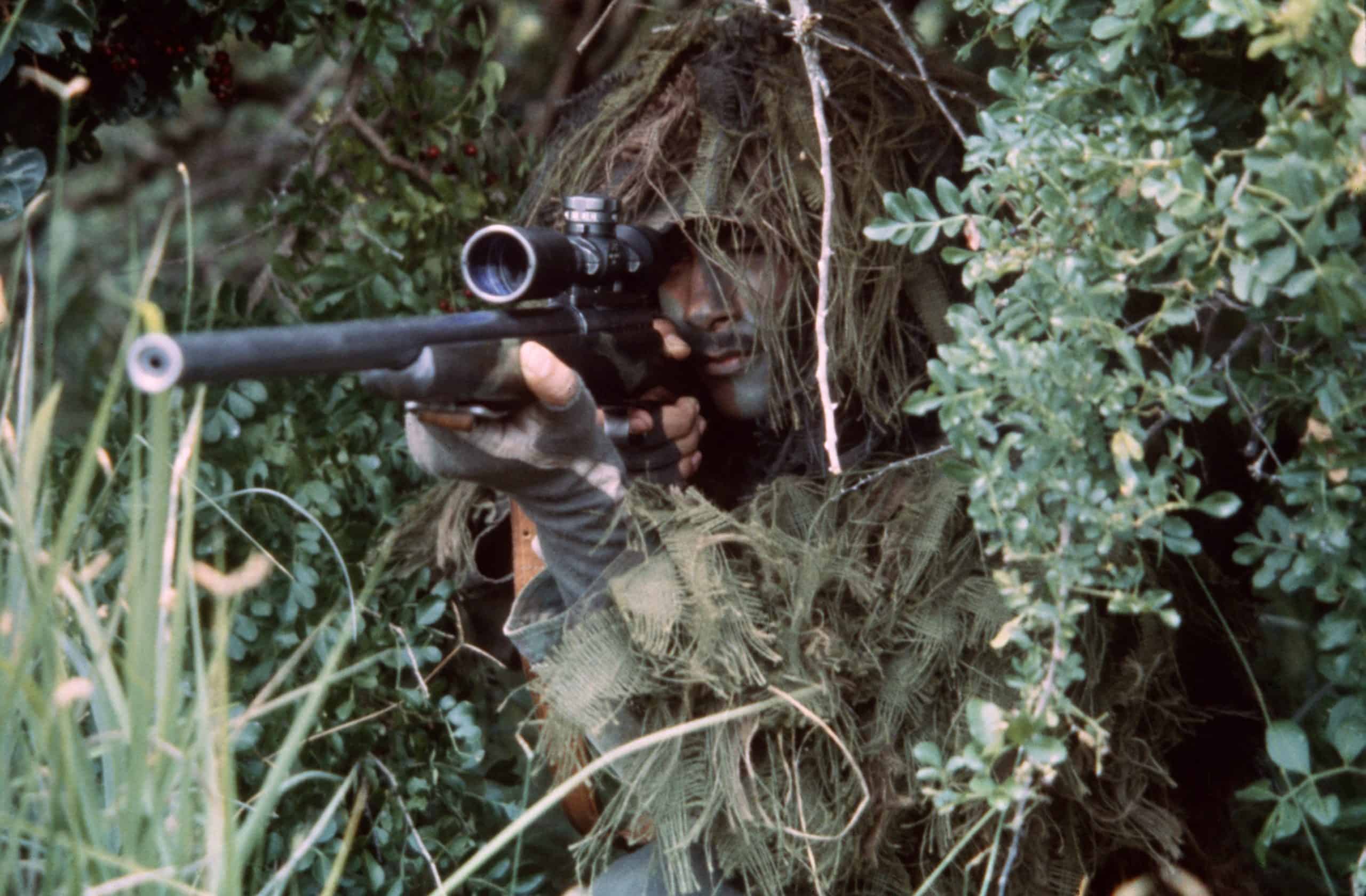
Hathcock’s shot through an enemy sniper’s scope required flawless alignment and reflexes. The margin for error was microscopic, yet the hit neutralized a hidden threat stalking Marines. It was considered impossible due to angle, reflection distortion, and timing, but it became a defining moment of tactical counter‑sniping.
Chris Kyle – Impossible Urban Interdictions
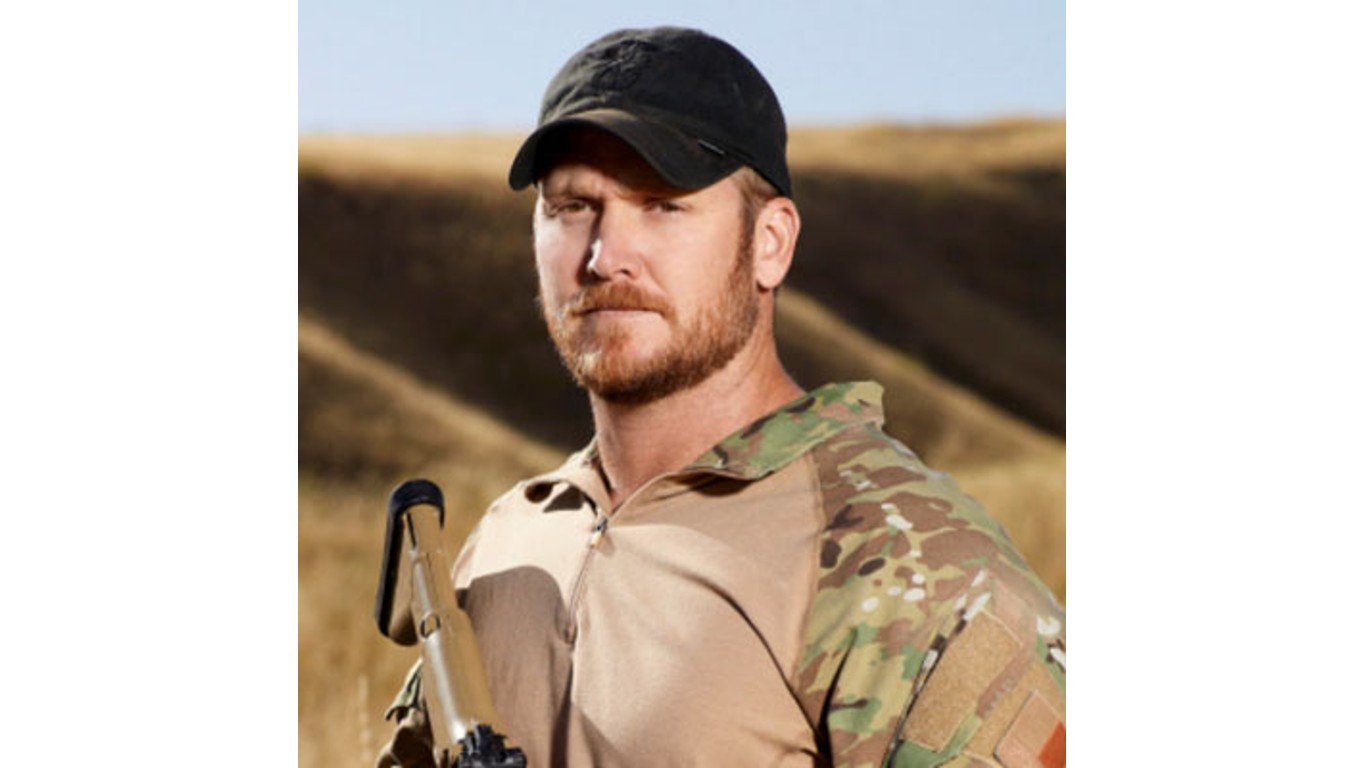
- Country: United States
- Military branch: U.S. Navy SEALs
- Rank: Chief Petty Officer
- Rifle and munition: Mk 12 SPR (.223 Rem) / TAC‑338 (.338 Lapua)
Kyle made precision shots across chaotic urban lines of sight, often through dust storms and turbulent rooftop winds. One of his most difficult engagements required threading a shot within inches of a hostage. These conditions should have made accuracy impossible, but his fire protected Marines and shaped control of Ramadi.
Craig Harrison – Longest Confirmed UK Rifle Kill
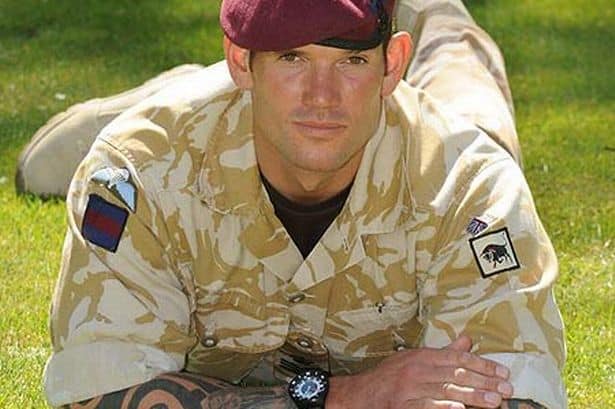
- Country: United Kingdom
- Military branch: British Army
- Rank: Corporal of Horse
- Rifle and munition: Accuracy International L115A3 (.338 Lapua Magnum)
Harrison made two lethal hits at 2,707 yards—distances where atmospheric distortion should have made accuracy impossible. His shots destroyed a Taliban machine‑gun team, relieving pressure on friendly patrols and proving that NATO snipers could dominate from beyond doctrinal engagement ranges.
Gary Gordon – Mogadishu Crash‑Site Defense

- Country: United States
- Military branch: Delta Force
- Rank: Master Sergeant
- Rifle and munition: M14 variants (7.62×51mm NATO)
During Black Hawk Down, Gordon took precision shots while under overwhelming fire and moving across debris fields. Maintaining accuracy under that stress is nearly impossible. His actions delayed enemy advances and protected crash survivors.
Juba – Insurgent Precision in Baghdad
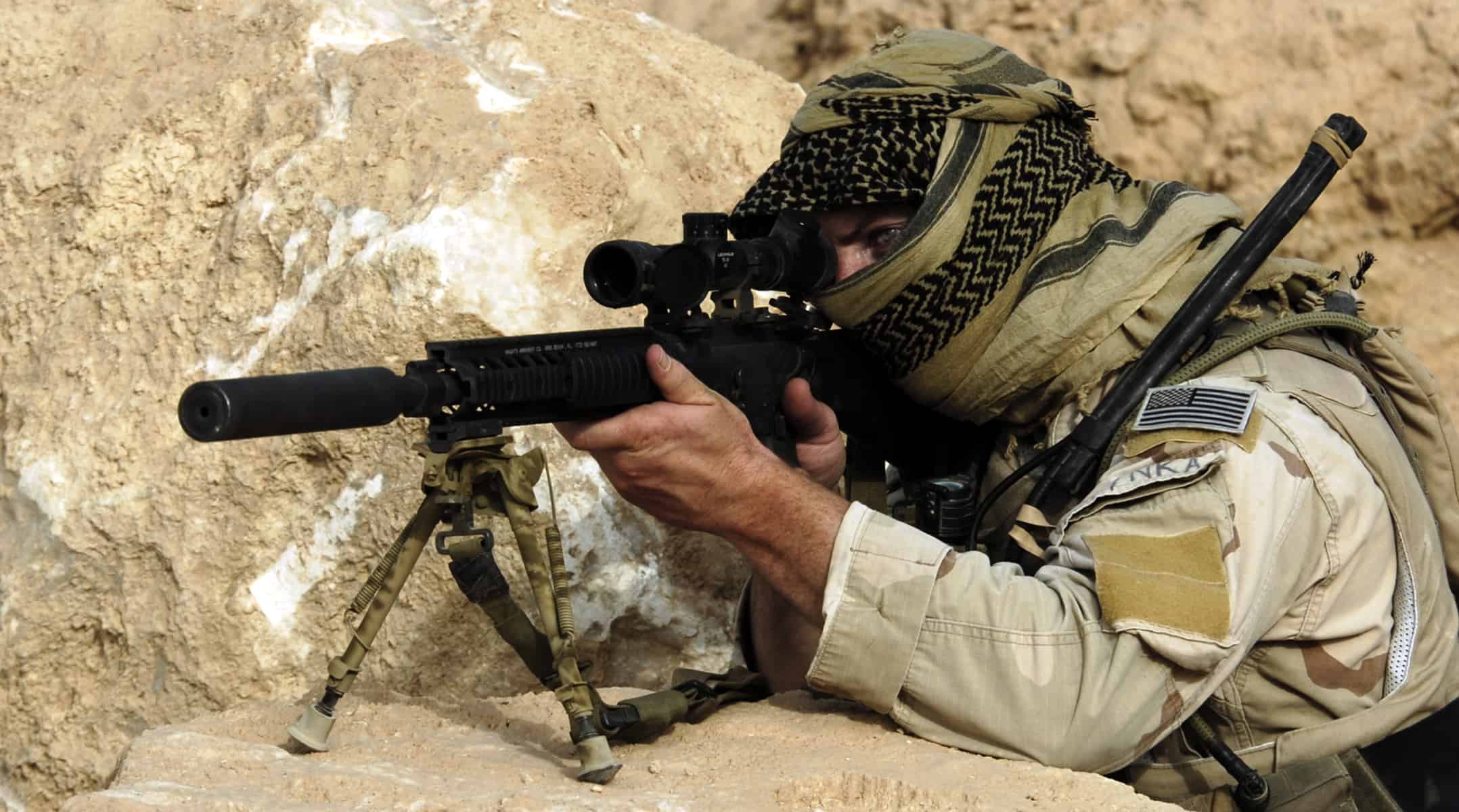
- Country: Iraq
- Military branch: Non‑state insurgent
- Rank: Unknown
- Rifle and munition: SVD Dragunov (7.62×54mmR)
Using extremely narrow firing slits and dense Baghdad angles, Juba achieved hits that required threading rounds through tiny windows of exposure. Urban clutter made these engagements nearly impossible to execute. His attacks forced U.S. forces to overhaul counter‑sniper doctrine.
Nicholas Irving – Rapid Engagement ‘Reaper’ Shots

- Country: United States
- Military branch: 75th Ranger Regiment
- Rank: Sergeant
- Rifle and munition: SR‑25 (7.62×51mm NATO)
Irving engaged sprinting insurgents and partially exposed fighters with rapid semi‑auto precision. Coordinating wind, movement, and timing in seconds should have been impossible. His overwatch fire repeatedly saved Ranger assault teams in Afghanistan.
Randy Shughart – Close‑Quarters Sniper Support
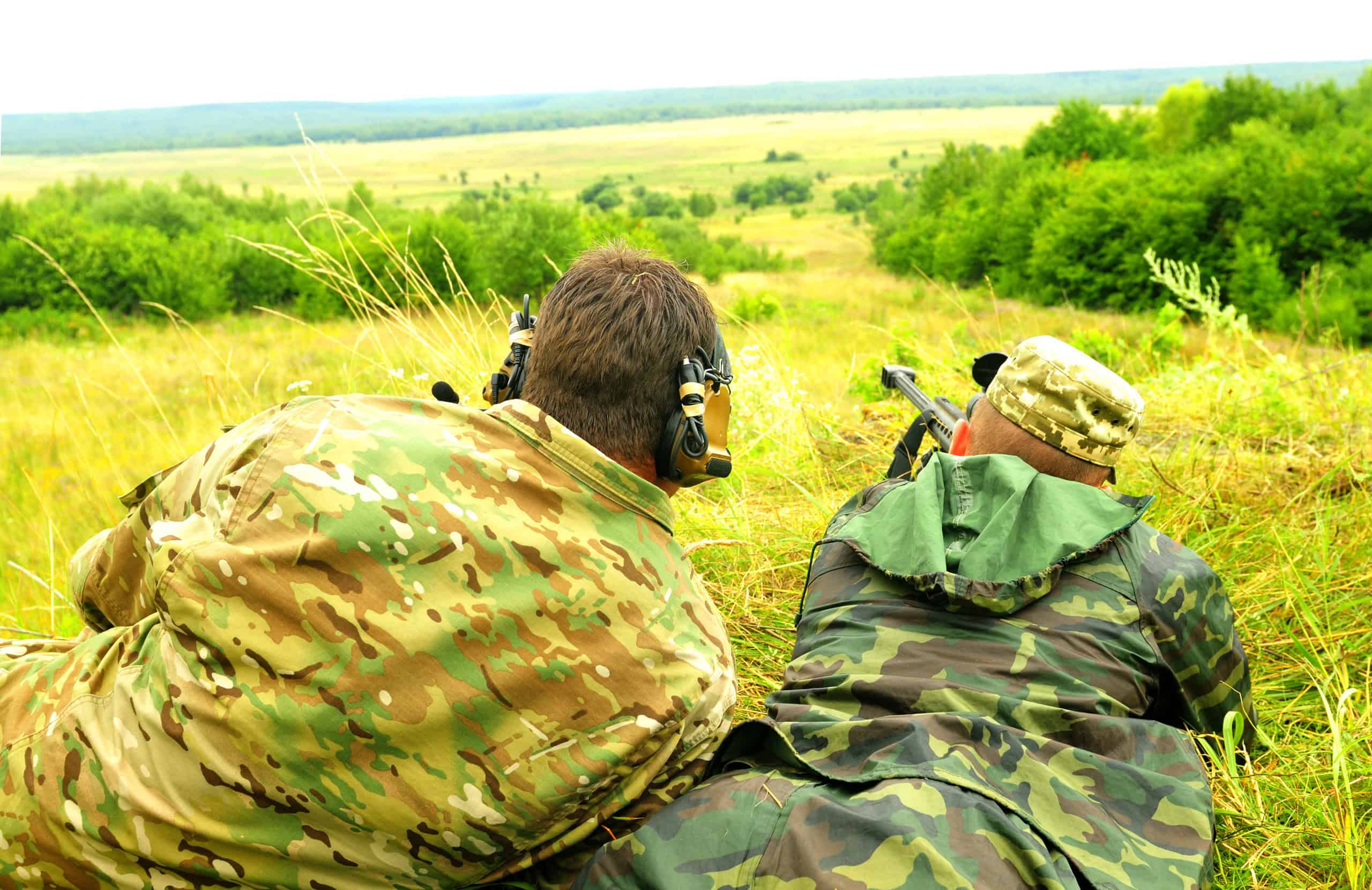
- Country: United States
- Military branch: Delta Force
- Rank: Sergeant First Class
- Rifle and munition: M14 variants (7.62×51mm NATO)
Shughart made controlled precision shots in chaotic, close‑quarters combat during Mogadishu. Dust, confusion, and shifting threats should have wrecked shot placement. His fire slowed enemy encirclement and bought crucial time for survivors.
Rob Furlong – World‑Record Afghanistan Shot
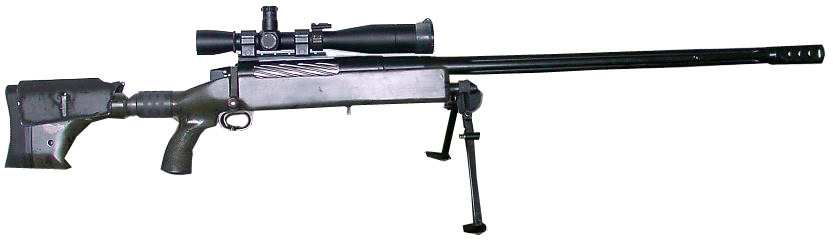
- Country: Canada
- Military branch: Canadian Army (CANSOFCOM support)
- Rank: Corporal
- Rifle and munition: McMillan TAC‑50 (.50 BMG)
Furlong’s 2,657‑yard shot demanded near‑perfect ballistic judgment. Wind drift, air density, and bullet drop spanning multiple seconds made it almost unworkable. Yet it eliminated a machine‑gun team threatening coalition units, proving extreme‑range interdiction could decisively shift battlefield outcomes.
Ryan Chaney – Precision Through Urban Gaps
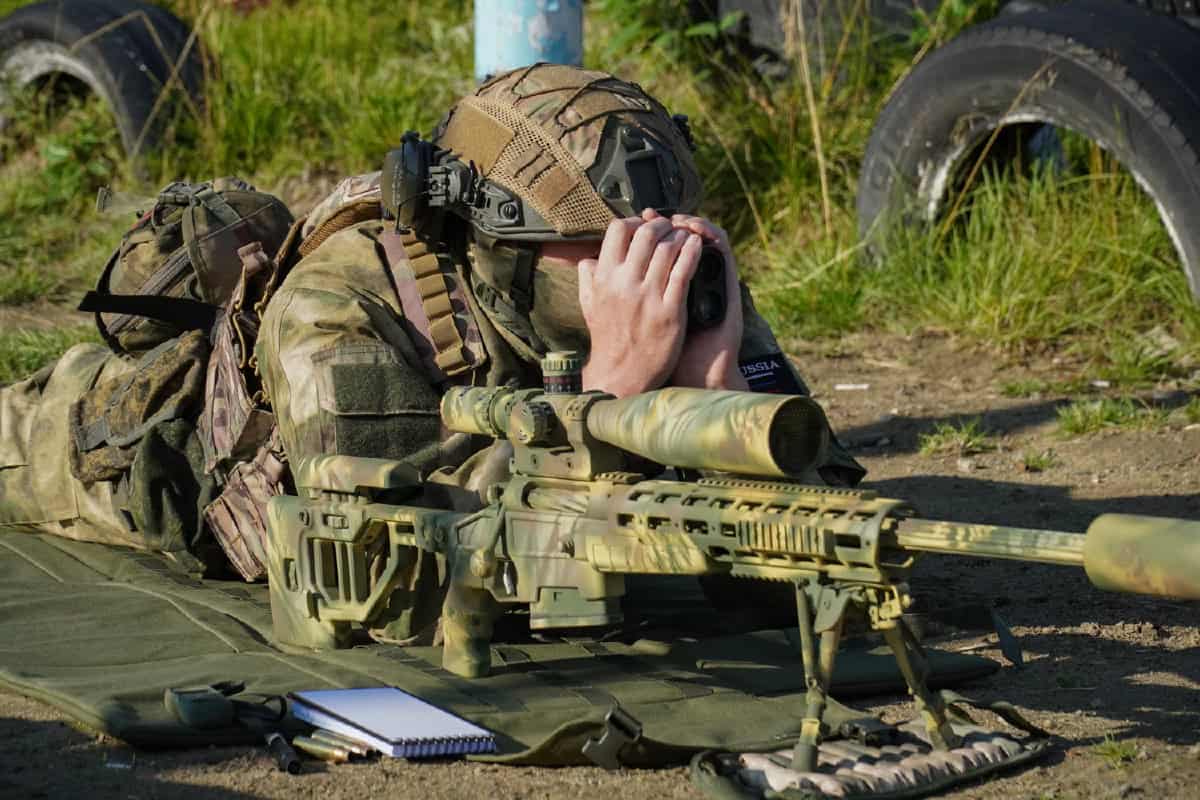
- Country: United Kingdom
- Military branch: British Army
- Rank: Lance Corporal
- Rifle and munition: L115A3 (.338 Lapua Magnum)
Chaney delivered a long‑range shot through a narrow gap between buildings while compensating for multi‑direction winds. The required alignment was so precise that a few inches of deviation would have missed entirely. His hit eliminated a machine‑gun nest blocking troop movement.
Shane Matthews – Musa Qala Engagement
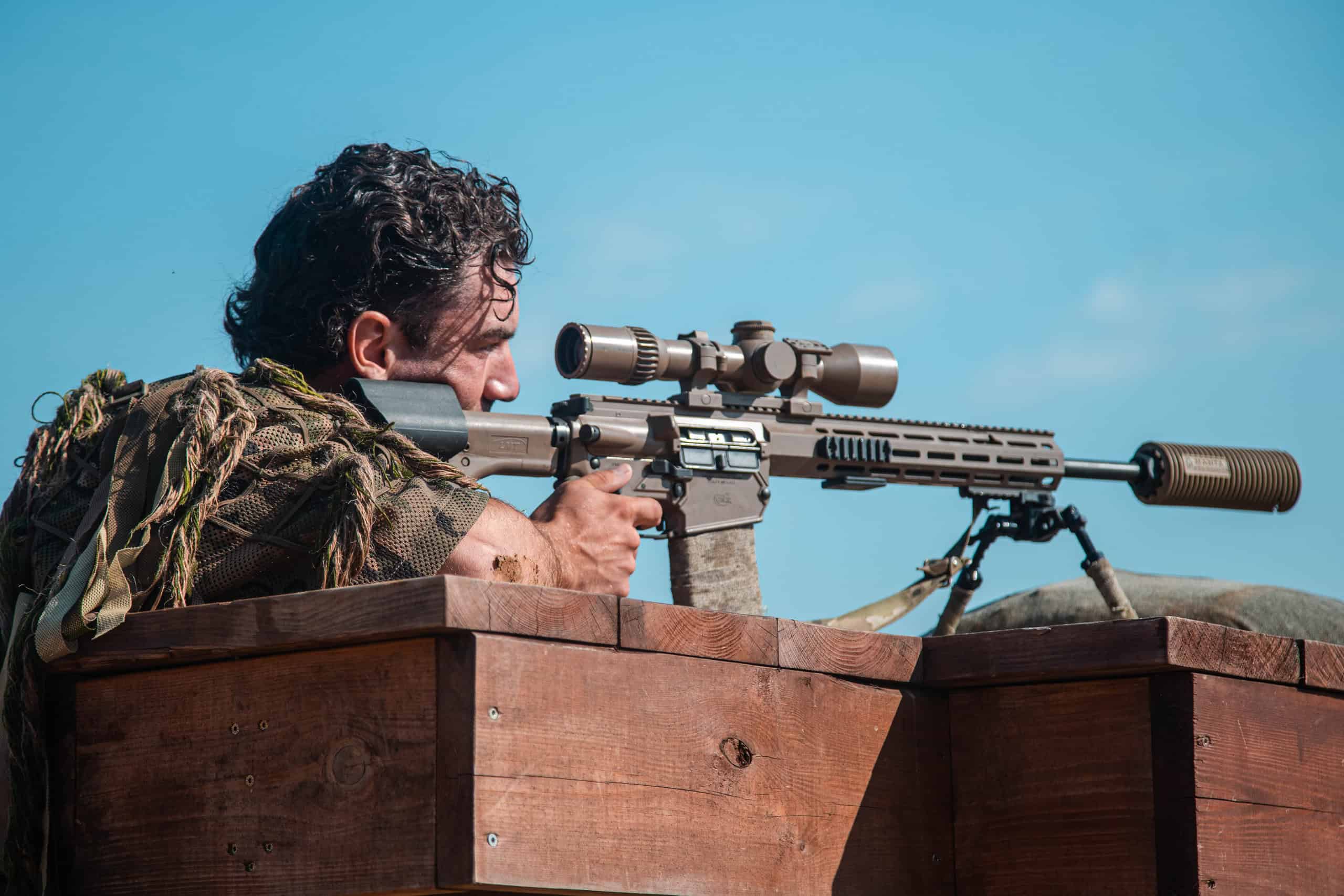
- Country: United Kingdom
- Military branch: Royal Marines
- Rank: Corporal
- Rifle and munition: Accuracy International L115A3 (.338 Lapua)
Matthews made long‑range shots through extreme Afghan heat shimmer, which warps sight pictures and flight paths. Such distortion typically ruins precision, yet his engagement stopped an enemy assault and protected pinned‑down units.
Simo Häyhä – Iron‑Sight Precision
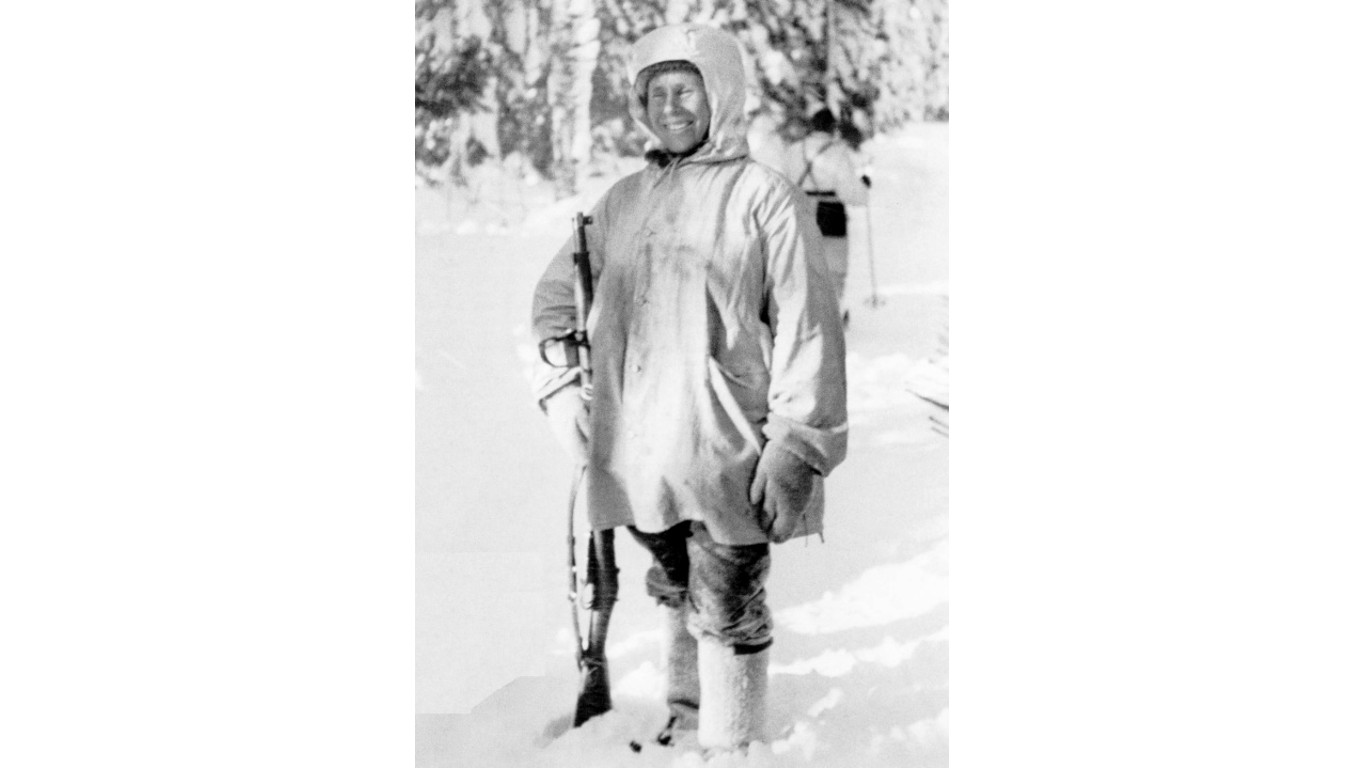
- Country: Finland
- Military branch: Finnish Army
- Rank: Corporal
- Rifle and munition: M/28‑30 Mosin‑Nagant (7.62×53mmR)
Häyhä made kills at distances normally requiring optics—even in blizzards. Achieving cold‑bore accuracy under sub‑zero wind made such shots nearly impossible. His precision stalled Soviet advances and demonstrated that elite fieldcraft can rival modern equipment.
Vasily Zaytsev – Stalingrad Counter‑Sniper Duel
- Country: Soviet Union
- Military branch: Red Army
- Rank: Senior Sergeant
- Rifle and munition: Mosin‑Nagant M91/30 PU (7.62×54mmR)
Zaytsev’s duel against a German sniper commander required hitting a target hidden behind rubble and deception tactics. Light reflection, debris, and urban distortion made a clean shot almost impossible. His victory broke German sniper dominance and boosted Soviet morale during Stalingrad.




 Top Gaining Stocks
 Top Losing Stocks