


For decades, the limits of infantry combat were defined by how far a rifle could realistically reach. Then a handful of sniper rifles shattered those assumptions. From World War II battlefields to modern conflicts, these weapons pushed engagement distances into territory once thought impractical, and in some cases impossible. Through record-setting shots and consistent battlefield performance, they redefined what long-range precision meant and forced militaries to adapt to a world where distance itself became a decisive advantage. Here, 24/7 Wall St. is taking a look at these legendary rifles.
To determine some of the most legendary sniper rifles that rewrote engagement distances, 24/7 Wall St. reviewed various historical and military sources. We included supplemental information regarding when each sniper was introduced, what conflicts it served in, its effective engagement range, as well as why it matters.
Here is a look at the legendary sniper rifles that rewrote engagement distances:
Why Are We Covering This?

Engagement distance is one of the most consequential but least discussed factors in modern warfare. While most conversations focus on accuracy, lethality, or optics, the ability to reach farther than an adversary fundamentally reshapes terrain control, force protection, and tactical decision-making. The sniper rifles on this list forced militaries to rethink how far infantry combat could realistically occur. By examining the platforms that pushed those limits, this article highlights how advances in weapons design, ballistics, and doctrine expanded battlefield reach and permanently altered how modern combat is fought.
Distance Changed the Battlefield

Sniper warfare has always been about precision, but distance is what truly reshaped modern combat. Early battlefields assumed relatively limited engagement ranges, where terrain and cover provided predictable safety. As sniper rifles improved, that assumption collapsed. Long-range shooters expanded how far ground could be controlled, forcing new habits in movement, concealment, and battlefield planning. Every leap in effective range changed what commanders considered “safe,” turning distance itself into a weapon.
How Engagement Distances Evolved
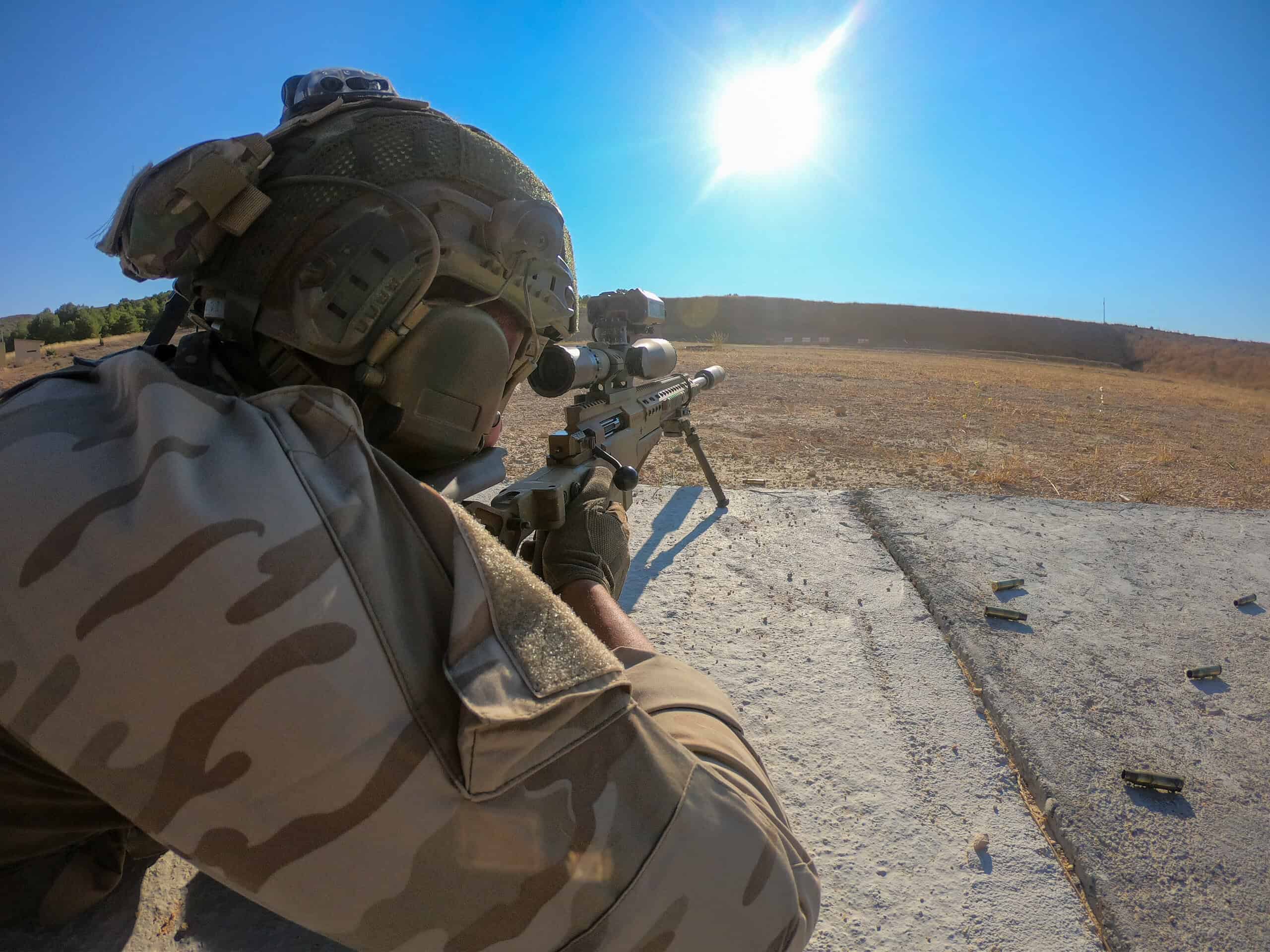
Engagement distances didn’t expand overnight — they advanced in clear stages. WWII-era scoped rifles pushed past what most infantry weapons could reliably reach, making overwatch and deliberate fire more decisive. Cold War developments then standardized precision and extended long-range influence across more units and environments. In the modern era, improved ammunition, optics, and training pushed consistent engagements into thousands of feet, transforming extreme distance from a novelty into a repeatable battlefield capability.
When Rifles Forced Doctrine to Change
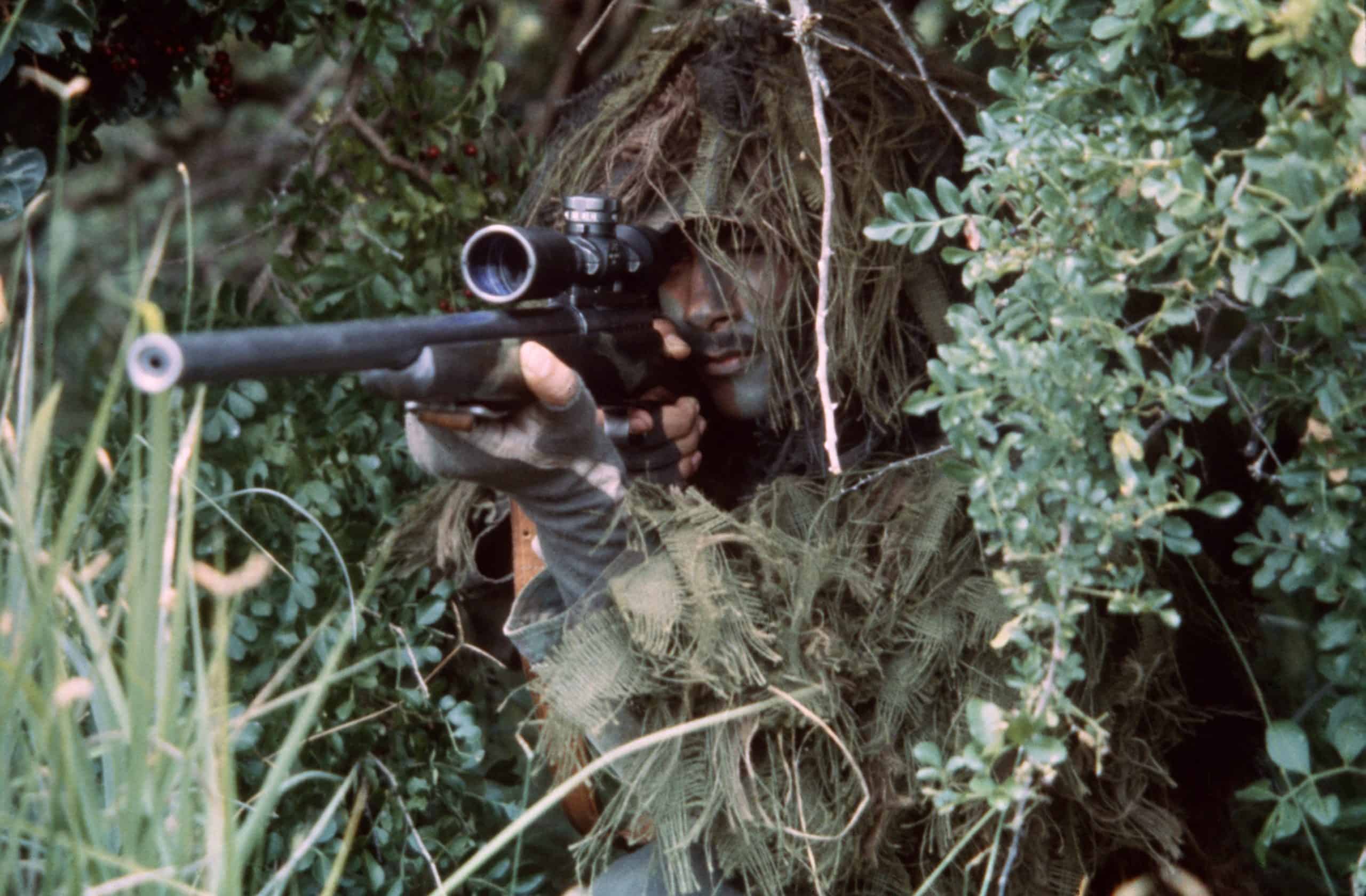
Some rifles didn’t just perform better; they forced doctrine to evolve. Anti-materiel platforms expanded what snipers could threaten, from personnel to equipment and light vehicles, stretching the boundaries of standoff engagement. Semi-automatic precision rifles made sustained long-range fire more practical in dynamic fights. Caliber and system shifts rewrote what militaries expected from sniper teams and how long-range roles were structured.
Proof in Combat, Not on Paper
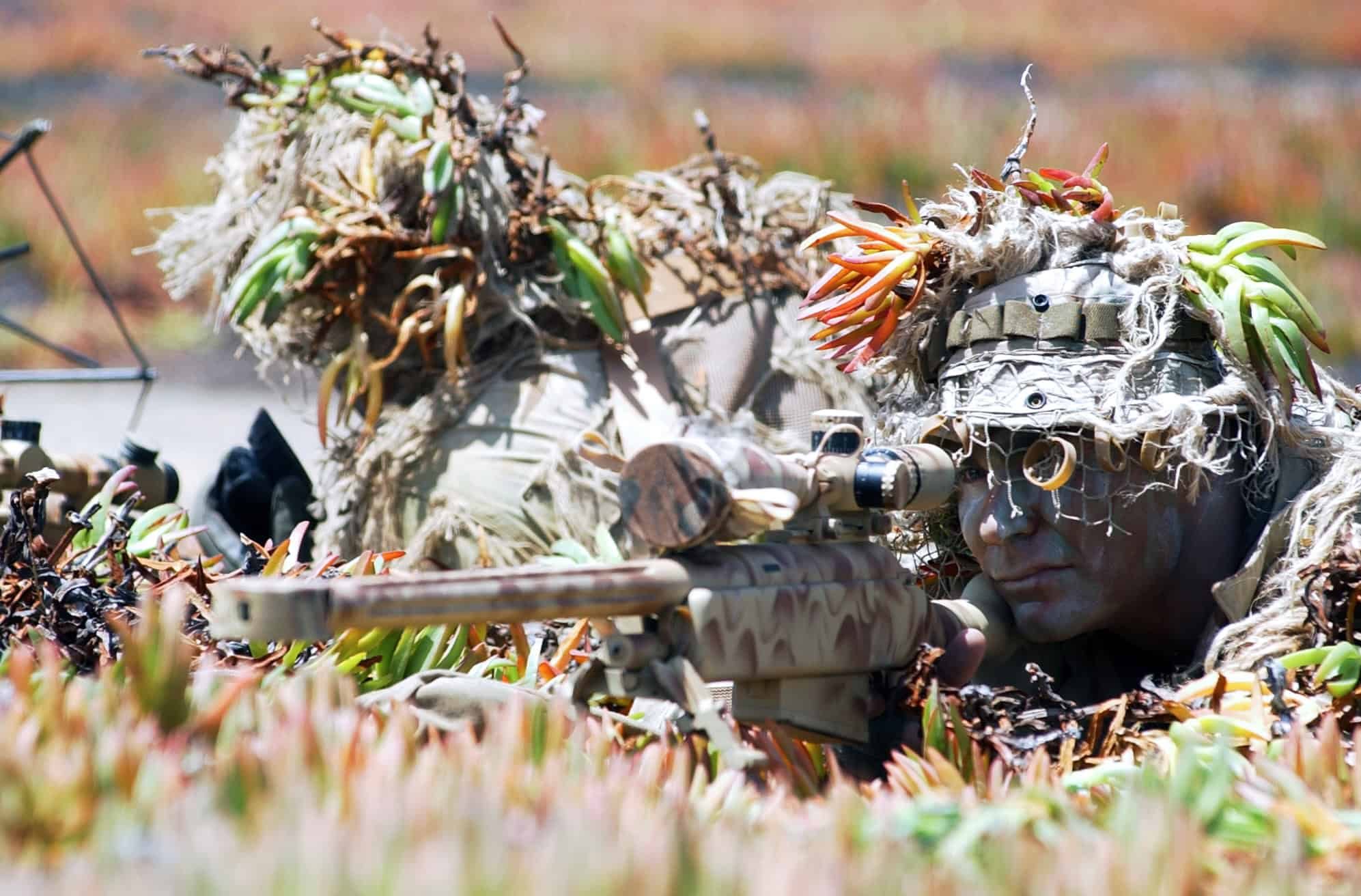
Extreme distance only matters if it holds up in combat, not just on a range. The rifles that truly rewrote engagement distances proved their value under real conditions—wind, elevation, fatigue, time pressure, and imperfect information. Confirmed long-range kills and repeated battlefield performance validated design claims and drove adoption. Operational success, not theory, is what made these rifles legendary.
Why Engagement Distance Still Matters Today
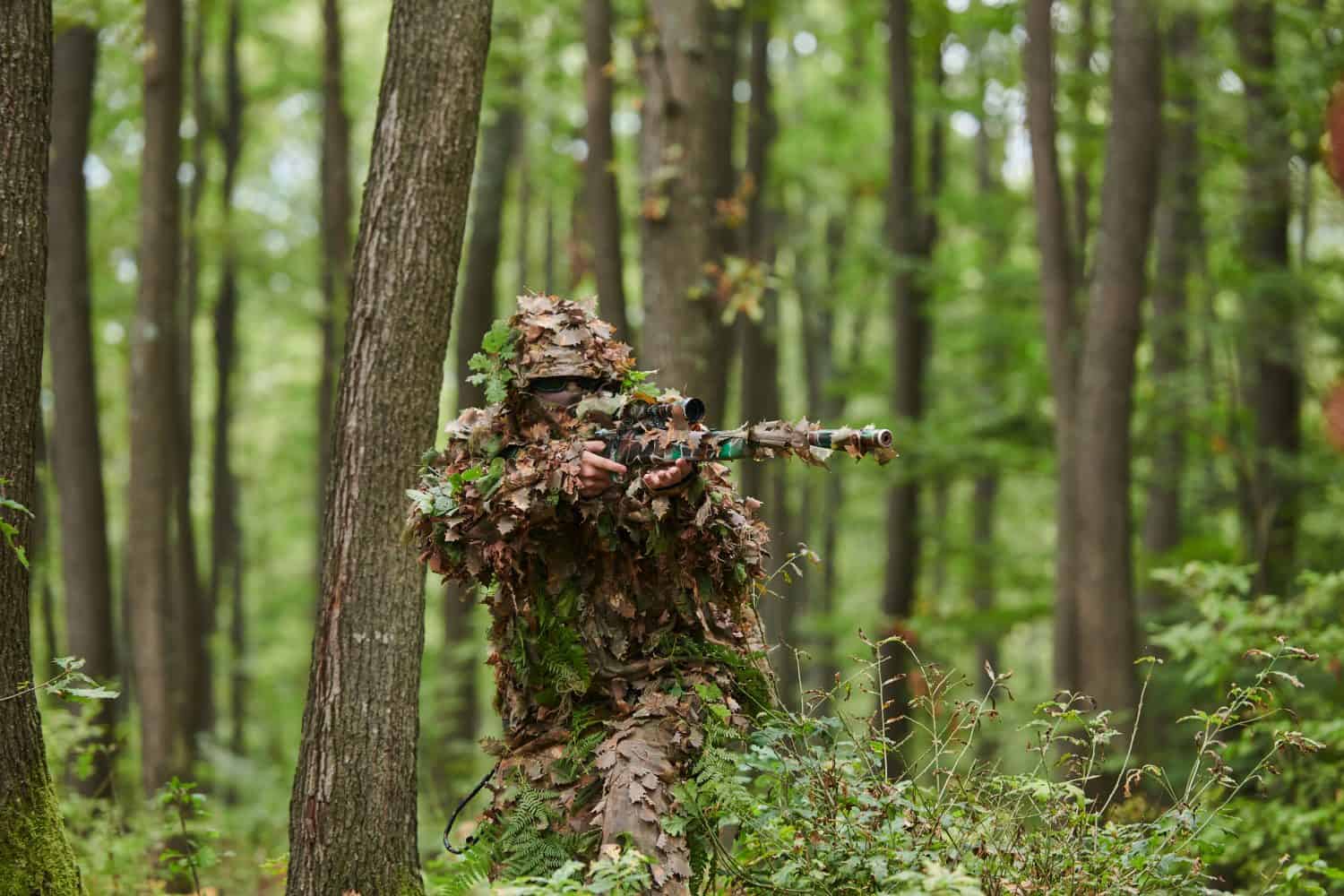
Engagement distance matters more today, not less. Modern sensors, drones, and surveillance tools expand the battlespace while increasing the value of standoff precision that can shape terrain without massed forces. Long-range rifles support deterrence, overwatch, and counter-sniper missions at scale. The rifles on this list didn’t merely extend range—they helped define how modern combat is fought.
Mosin-Nagant PU
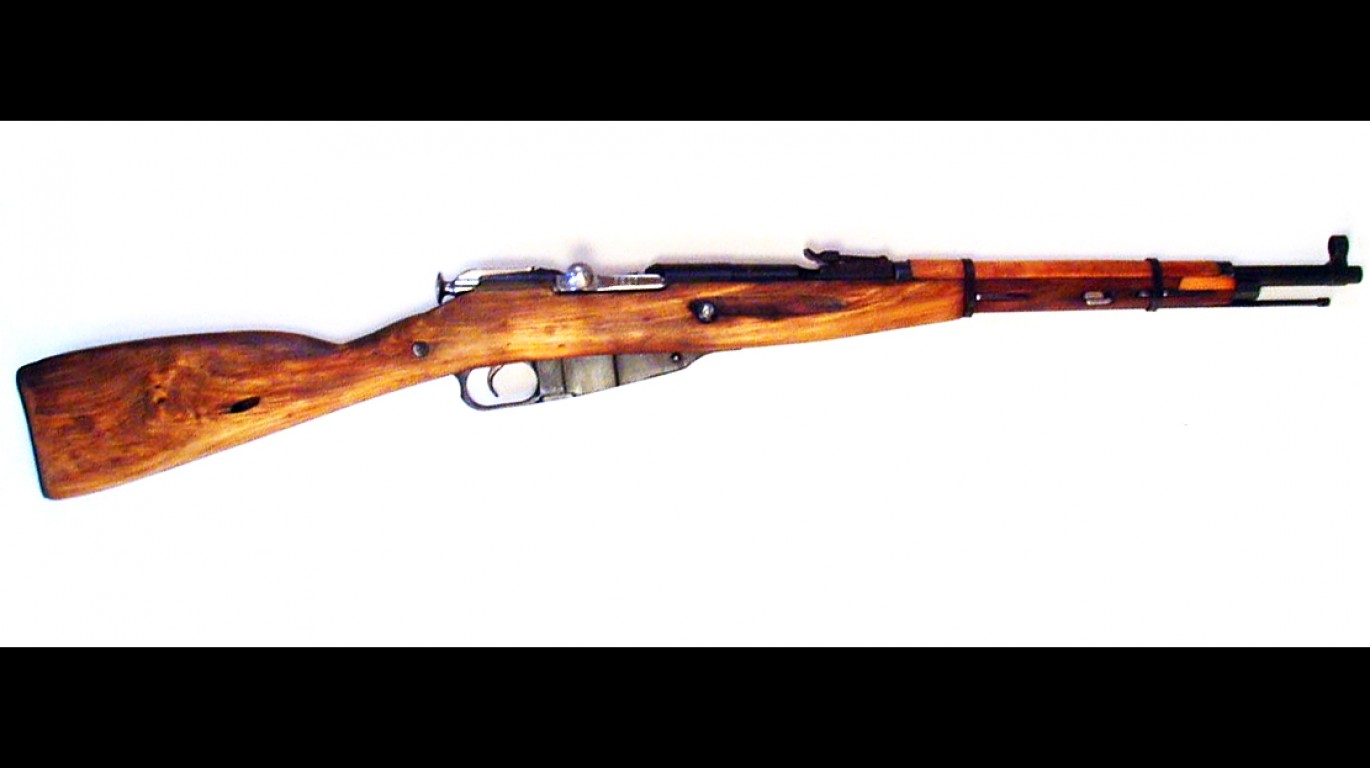
- Country of origin: Soviet Union
- Year introduced to service: 1942
- Primary caliber: 7.62×54R
- Firing action: Bolt-action
- Effective engagement distance: 2,600 ft.
- Primary role: Sniper
- Who uses it: Red Army
The Mosin-Nagant PU demonstrated that long-range precision could decisively shape infantry combat even with mass-produced rifles. Soviet snipers routinely engaged targets well beyond typical infantry distances, proving that training and doctrine mattered as much as refinement. Its battlefield success expanded expectations for effective sniper range during WWII and helped cement long-range marksmanship as a force multiplier rather than a niche capability.
Springfield M1903A4
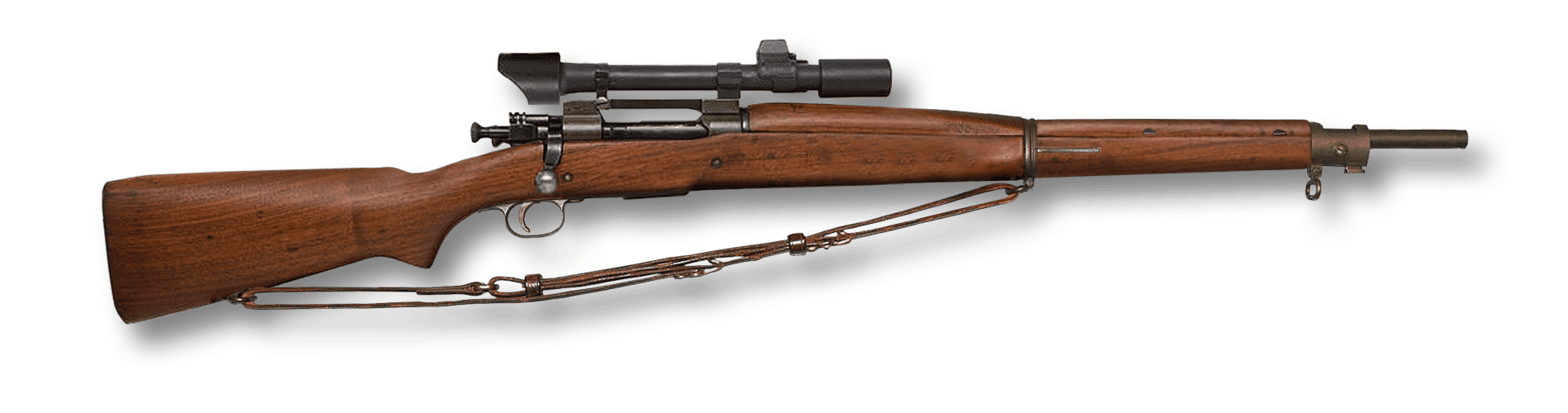
- Country of origin: United States
- Year introduced to service: 1943
- Primary caliber: .30-06
- Firing action: Bolt-action
- Effective engagement distance: 2,800 ft.
- Primary role: Sniper
- Who uses it: U.S. Army
The M1903A4 formalized long-range sniper employment for U.S. forces during WWII. By pairing a proven bolt-action rifle with optics, it pushed engagement distances beyond standard infantry weapons and reinforced overwatch as a doctrinal necessity. The rifle helped establish American sniper training concepts that emphasized deliberate long-range fire rather than opportunistic marksmanship.
Lee-Enfield No.4 (T)
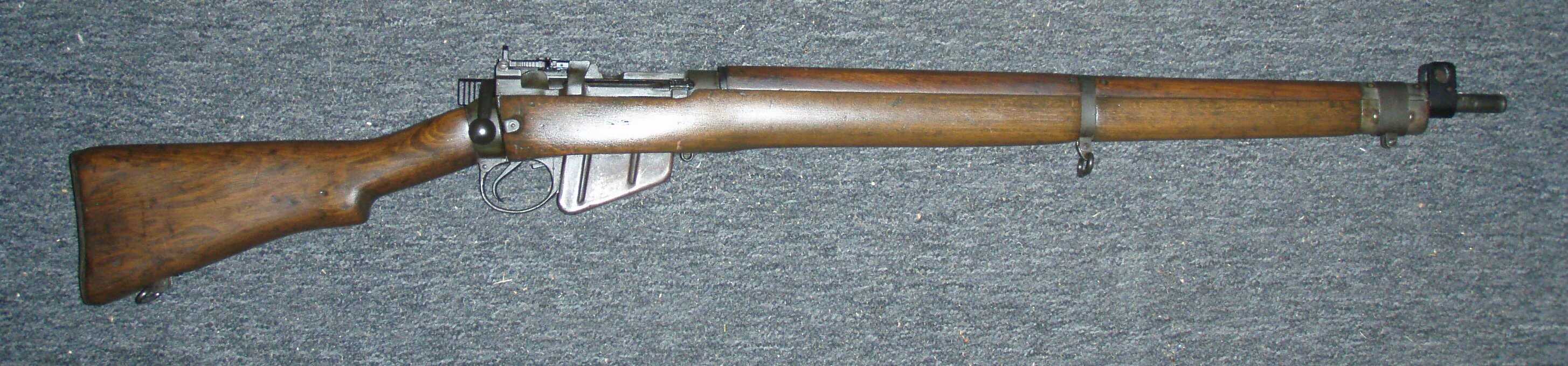
- Country of origin: United Kingdom
- Year introduced to service: 1942
- Primary caliber: .303 British
- Firing action: Bolt-action
- Effective engagement distance: 2,900 ft.
- Primary role: Sniper
- Who uses it: British Army
The Lee-Enfield No.4 (T) combined precision optics with a fast-cycling bolt-action system, allowing British snipers to engage at extended ranges while maintaining rapid follow-up shots. Its battlefield performance stretched practical engagement distances and reinforced the value of trained snipers operating independently, influencing Allied sniper doctrine for decades.
Karabiner 98k Sniper
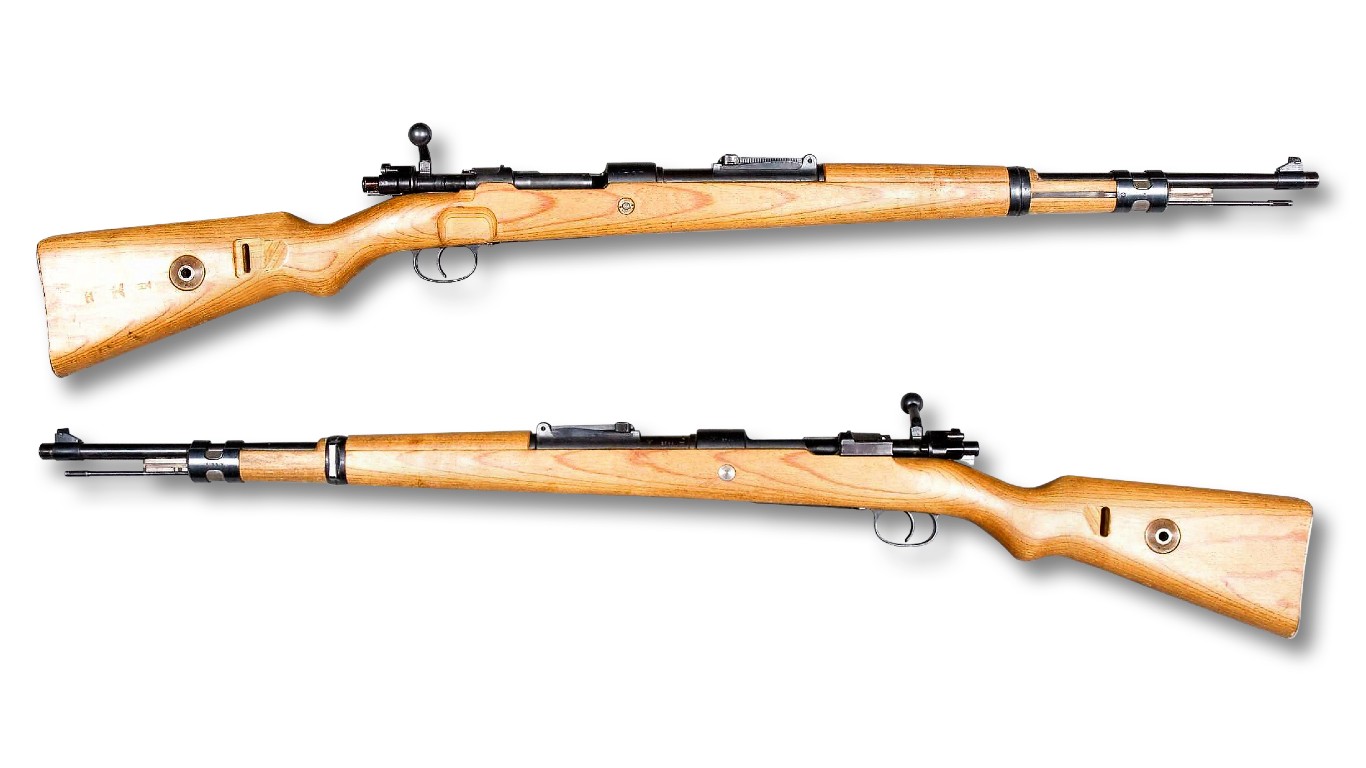
- Country of origin: Germany
- Year introduced to service: 1941
- Primary caliber: 7.92×57mm
- Firing action: Bolt-action
- Effective engagement distance: 3,000 ft.
- Primary role: Sniper
- Who uses it: Wehrmacht
Scoped Karabiner 98k rifles standardized long-range precision across German forces, pushing engagement distances beyond conventional infantry norms. Its widespread deployment demonstrated that sniper capability could be scaled effectively, forcing opposing forces to adapt counter-sniper tactics and increasing the importance of concealment and terrain awareness.
Dragunov SVD
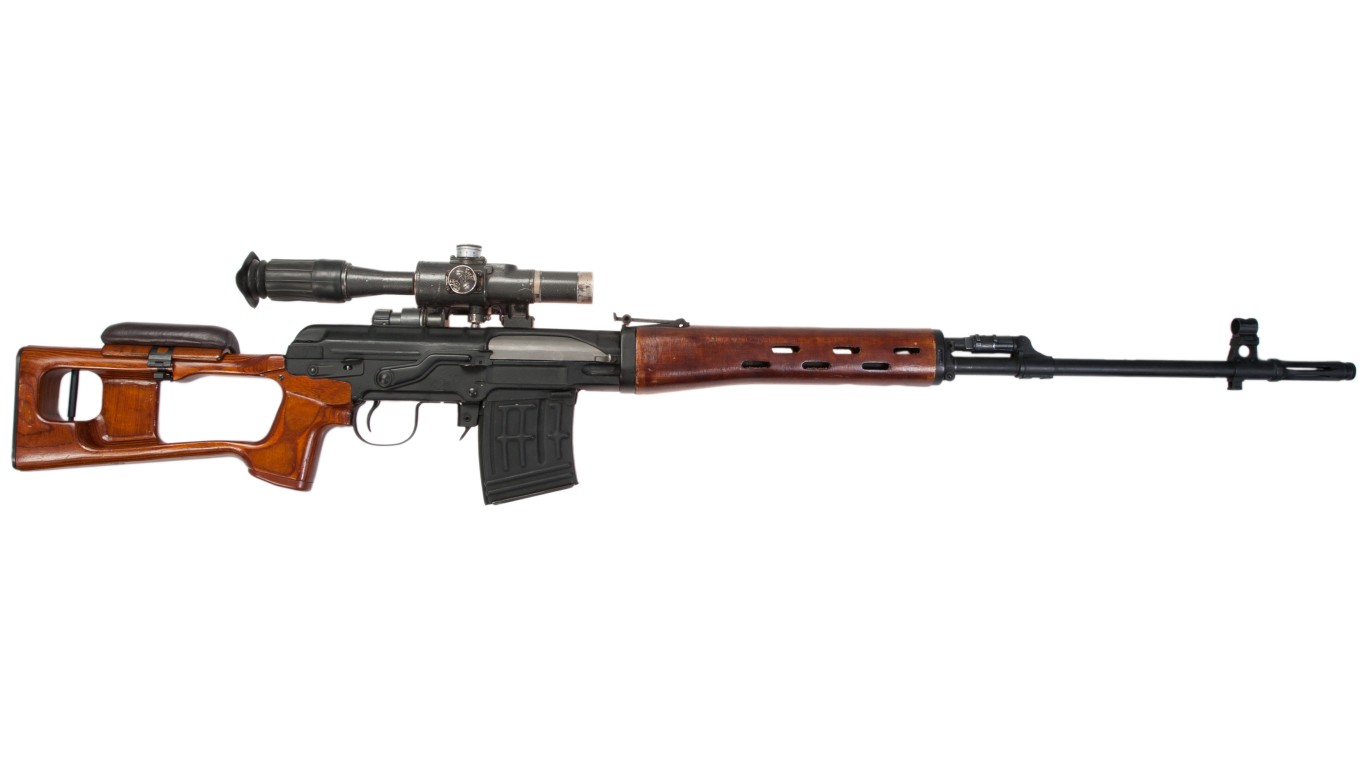
- Country of origin: Soviet Union
- Year introduced to service: 1963
- Primary caliber: 7.62×54R
- Firing action: Semi-automatic
- Effective engagement distance: 2,600 ft.
- Primary role: Designated Marksman
- Who uses it: Soviet/Russian Forces
The Dragunov SVD rewrote engagement distances at the squad level by extending precision fire beyond traditional infantry ranges. Rather than creating elite snipers only, it distributed long-range capability throughout infantry units, reshaping doctrine and redefining how far squads could influence the battlefield.
Remington M40
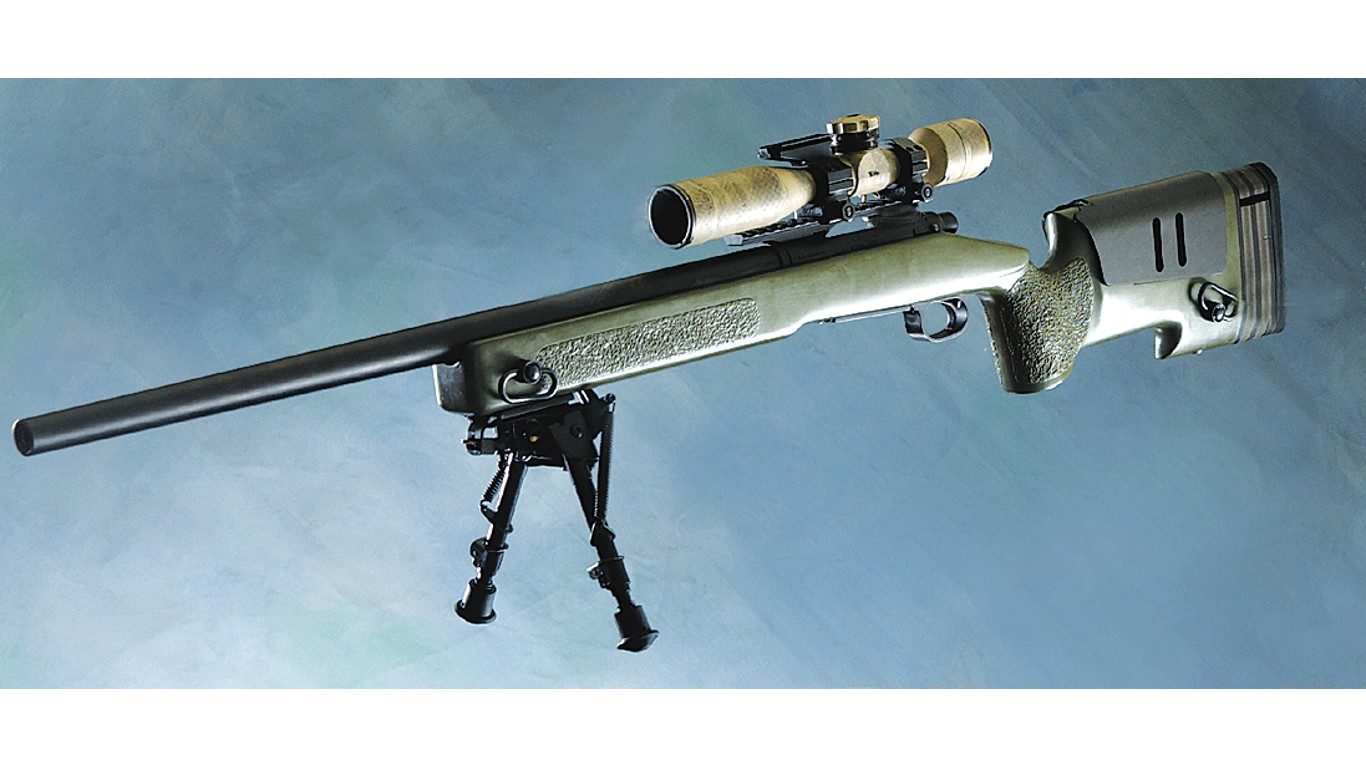
- Country of origin: United States
- Year introduced to service: 1966
- Primary caliber: 7.62×51mm
- Firing action: Bolt-action
- Effective engagement distance: 3,000 ft.
- Primary role: Sniper
- Who uses it: U.S. Marine Corps
The M40 became the foundation of modern Marine Corps sniper doctrine, emphasizing consistent long-range accuracy and disciplined engagement. Its adoption pushed reliable engagement distances further while professionalizing sniper training, setting a standard that would influence U.S. sniper systems for decades.
M21 Sniper Weapon System
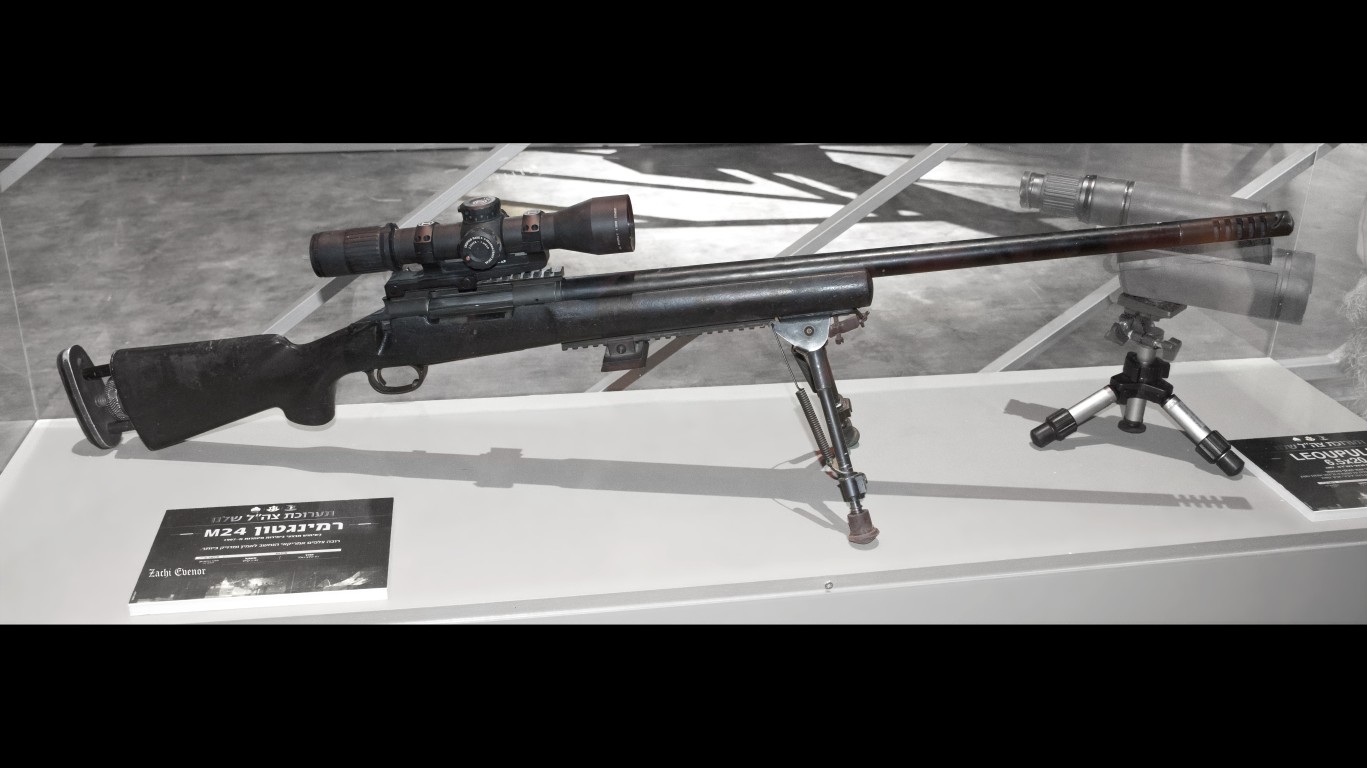
- Country of origin: United States
- Year introduced to service: 1969
- Primary caliber: 7.62×51mm
- Firing action: Semi-automatic
- Effective engagement distance: 2,800 ft.
- Primary role: Sniper
- Who uses it: U.S. Army
The M21 proved that semi-automatic sniper rifles could still deliver extended engagement ranges. Its ability to provide precision fire at distance while maintaining higher rates of fire expanded tactical flexibility and challenged assumptions that only bolt-action rifles could dominate long-range engagements.
PSG1
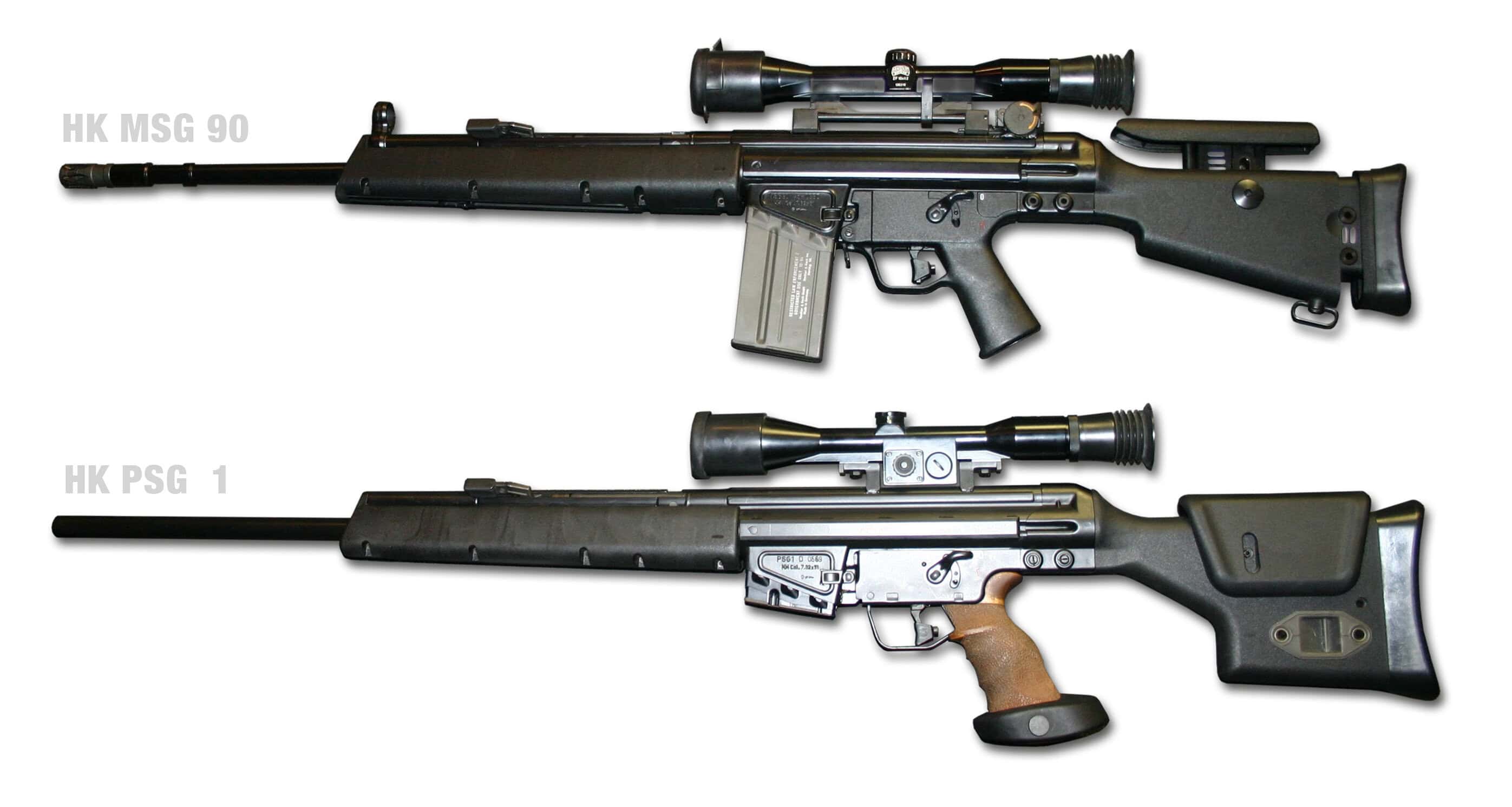
- Country of origin: Germany
- Year introduced to service: 1972
- Primary caliber: 7.62×51mm
- Firing action: Semi-automatic
- Effective engagement distance: 3,000 ft.
- Primary role: Sniper
- Who uses it: European Military/Police
The PSG1 set new engineering standards for precision rifles, pushing engagement distances through mechanical refinement rather than caliber size. Its influence extended into military sniper design philosophy, demonstrating how consistency and ergonomics could expand effective range.
L42A1
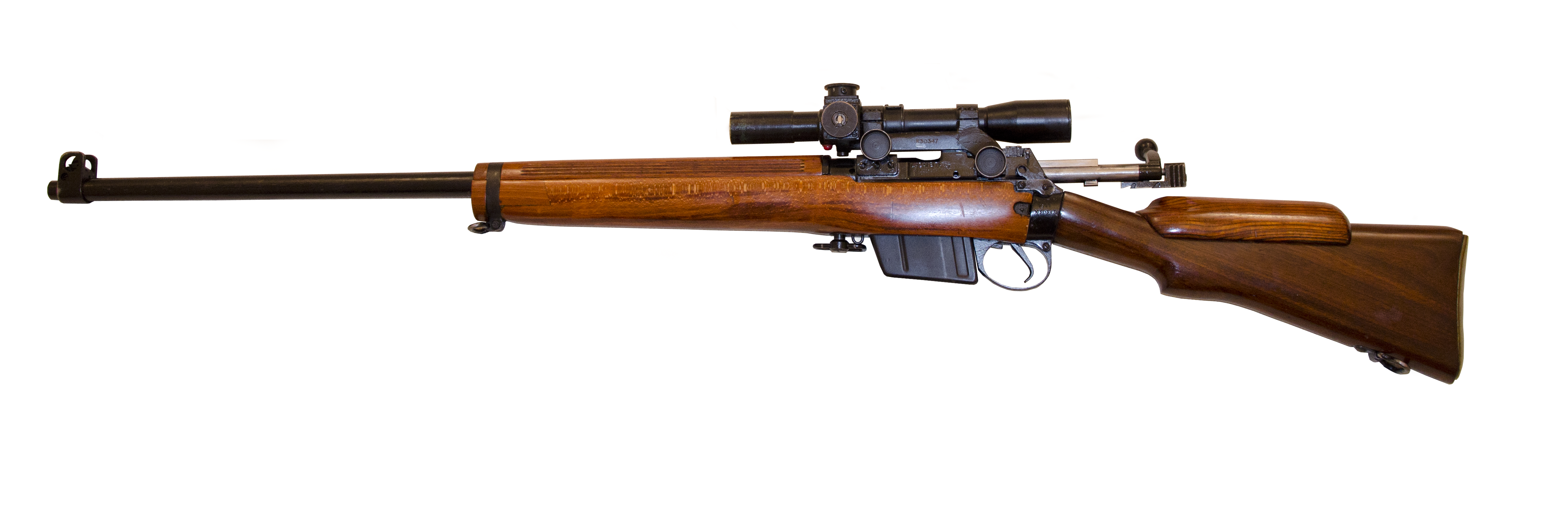
- Country of origin: United Kingdom
- Year introduced to service: 1970
- Primary caliber: 7.62×51mm
- Firing action: Bolt-action
- Effective engagement distance: 3,000 ft.
- Primary role: Sniper
- Who uses it: British Army
The L42A1 marked Britain’s transition into modern long-range sniper doctrine. By adopting a NATO caliber and updated optics, it extended practical engagement distances and reinforced the importance of standardized ammunition and precision training in modern warfare.
Barrett M82/M107
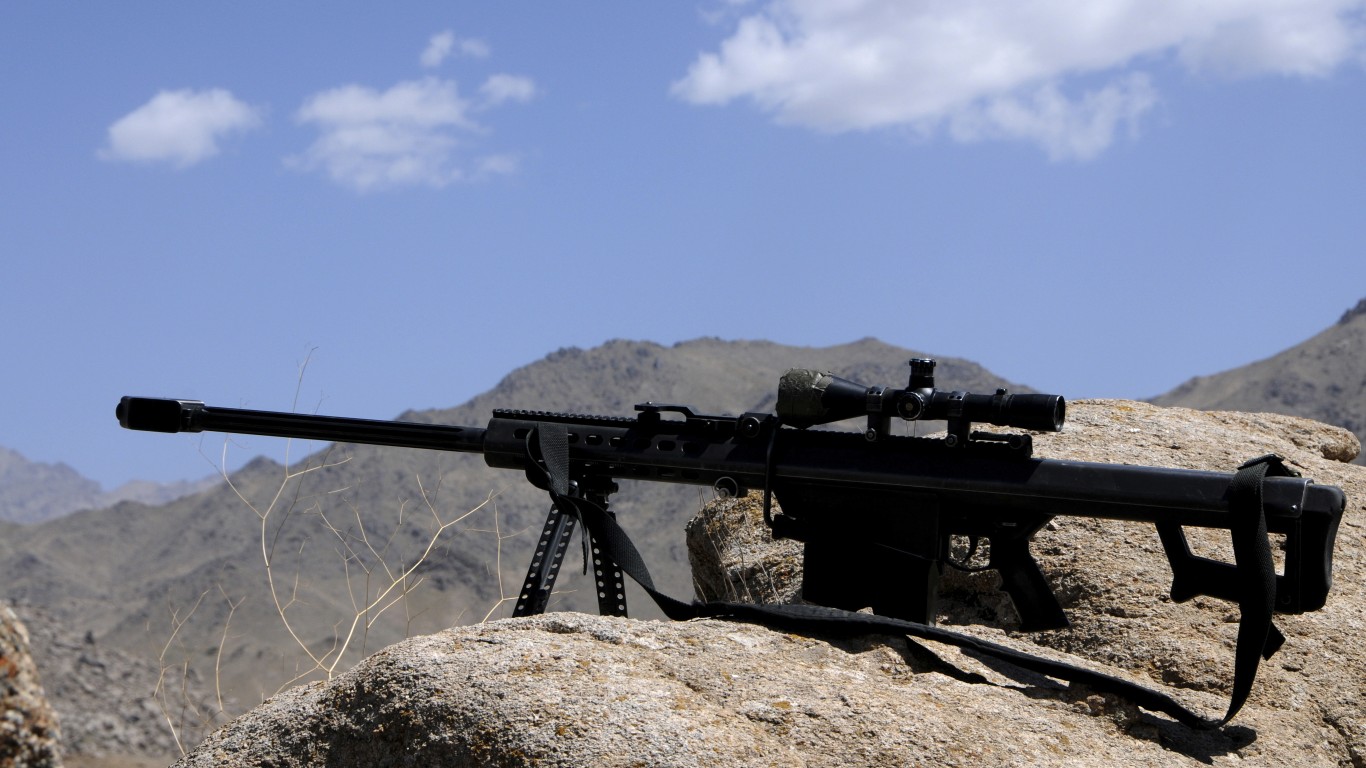
- Country of origin: United States
- Year introduced to service: 1989
- Primary caliber: .50 BMG
- Firing action: Semi-automatic
- Effective engagement distance: 6,000 ft.
- Primary role: Anti-materiel
- Who uses it: U.S. & Allied Forces
The Barrett M82 transformed engagement distance into a strategic factor. Capable of striking targets at extreme ranges, it blurred the line between sniper and heavy weapon, forcing militaries to rethink what assets could be threatened from afar.
McMillan TAC-50
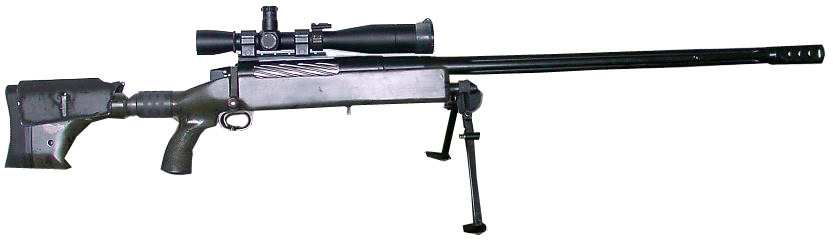
- Country of origin: United States
- Year introduced to service: 2000
- Primary caliber: .50 BMG
- Firing action: Bolt-action
- Effective engagement distance: 7,500 ft.
- Primary role: Anti-materiel
- Who uses it: Canadian Armed Forces
The TAC-50 became synonymous with extreme-range combat, producing some of the longest confirmed sniper kills in history. Its performance demonstrated that engagements once considered impossible could be executed reliably with proper training, ballistics, and environmental awareness.
Steyr HS .50

- Country of origin: Austria
- Year introduced to service: 2004
- Primary caliber: .50 BMG
- Firing action: Bolt-action
- Effective engagement distance: 6,500 ft.
- Primary role: Anti-materiel
- Who uses it: European Forces
The Steyr HS .50 reinforced the viability of extreme-range precision as a repeatable capability. Its deployment showed that ultra-long-distance engagements were no longer exceptional events but achievable battlefield options.
Barrett M95
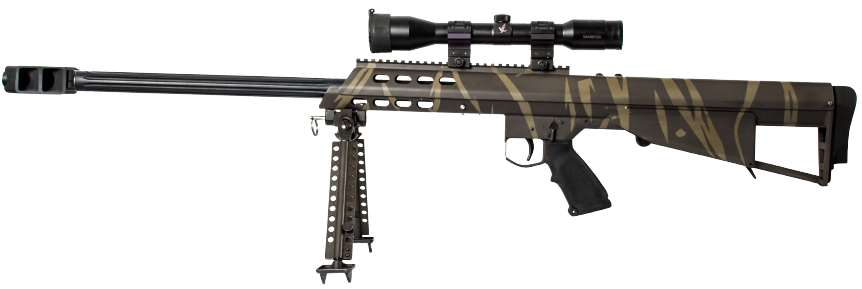
- Country of origin: United States
- Year introduced to service: 1996
- Primary caliber: .50 BMG
- Firing action: Bolt-action
- Effective engagement distance: 6,000 ft.
- Primary role: Anti-materiel
- Who uses it: U.S. & Allied Forces
The Barrett M95 demonstrated that portability did not have to sacrifice engagement distance. Its compact design allowed extreme-range capability in more flexible operational environments, expanding where long-range snipers could be employed.
Accuracy International L115A3

- Country of origin: United Kingdom
- Year introduced to service: 1998
- Primary caliber: .338 Lapua Magnum
- Firing action: Bolt-action
- Effective engagement distance: 5,000 ft.
- Primary role: Sniper
- Who uses it: British Army
The L115A3 validated the .338 Lapua Magnum as a dominant long-range sniper cartridge. Its battlefield success extended consistent engagement distances and set new records, redefining expectations for precision rifles without relying on .50 caliber systems.
Accuracy International AWM
- Country of origin: United Kingdom
- Year introduced to service: 1996
- Primary caliber: .338 Lapua Magnum
- Firing action: Bolt-action
- Effective engagement distance: 4,800 ft.
- Primary role: Sniper
- Who uses it: NATO Forces
The AWM helped standardize ultra-long-range precision through ballistic efficiency and modularity. Its widespread adoption expanded engagement distances while emphasizing consistency, reliability, and adaptability across different operational environments.
Sako TRG 42
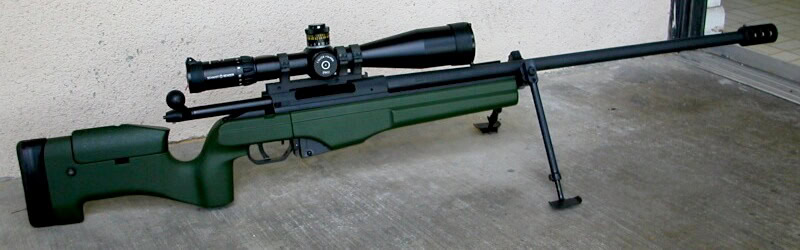
- Country of origin: Finland
- Year introduced to service: 2000
- Primary caliber: .338 Lapua Magnum
- Firing action: Bolt-action
- Effective engagement distance: 4,800 ft.
- Primary role: Sniper
- Who uses it: Finnish & Allied Forces
The TRG 42 demonstrated that disciplined engineering could rival sheer caliber size. Its precision and consistency extended practical sniper ranges while influencing training philosophies that prioritized repeatable long-distance engagement.
CheyTac M200

- Country of origin: United States
- Year introduced to service: 2001
- Primary caliber: .408 CheyTac
- Firing action: Bolt-action
- Effective engagement distance: 7,200 ft.
- Primary role: Sniper
- Who uses it: Limited Military Use
The CheyTac M200 was designed explicitly to defeat distance limits. By focusing on ballistic efficiency, it pushed engagement distances into mile-scale territory, reshaping perceptions of what sniper rifles could realistically achieve.
CheyTac M300

- Country of origin: United States
- Year introduced to service: 2010
- Primary caliber: .408 CheyTac
- Firing action: Bolt-action
- Effective engagement distance: 7,000 ft.
- Primary role: Sniper
- Who uses it: Limited Military Use
The M300 refined the extreme-range philosophy into a more deployable platform. It reinforced the idea that ultra-long-range engagements could be fielded practically rather than remaining experimental curiosities.
Barrett MRAD
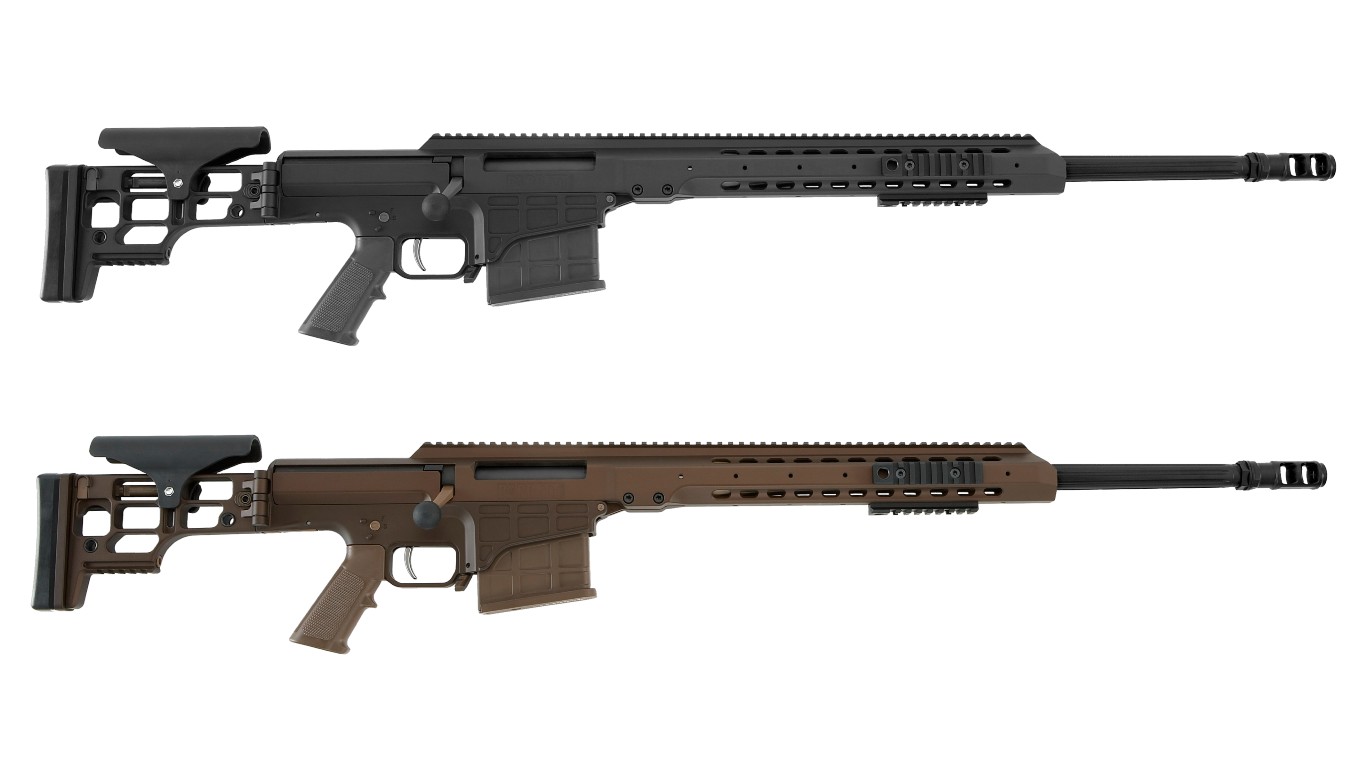
- Country of origin: United States
- Year introduced to service: 2013
- Primary caliber: Multi-caliber
- Firing action: Bolt-action
- Effective engagement distance: 5,000 ft.
- Primary role: Sniper
- Who uses it: U.S. SOCOM
The MRAD emphasized adaptability, allowing snipers to tailor engagement distances through caliber changes. This modular approach rewrote how range capability was selected and applied on a mission-by-mission basis.
AXMC

- Country of origin: United Kingdom
- Year introduced to service: 2016
- Primary caliber: Multi-caliber
- Firing action: Bolt-action
- Effective engagement distance: 5,200 ft.
- Primary role: Sniper
- Who uses it: British & Allied Forces
The AXMC represents the modern endpoint of long-range rifle evolution. Its modular design allows operators to adapt engagement distance to mission needs, making range a configurable variable rather than a fixed limitation.
Mk 13 Mod 7
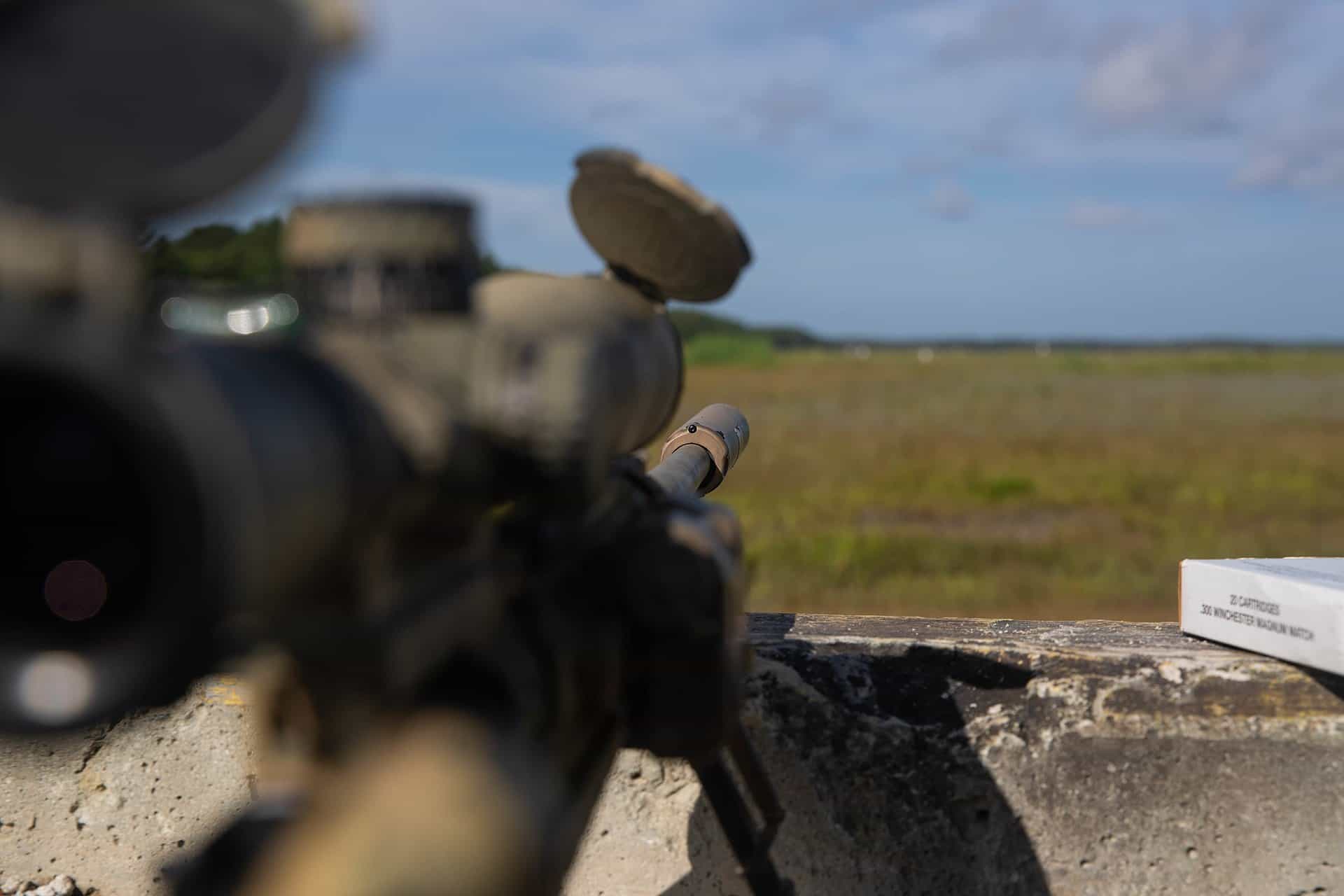
- Country of origin: United States
- Year introduced to service: 2018
- Primary caliber: .300 PRC
- Firing action: Bolt-action
- Effective engagement distance: 4,800 ft.
- Primary role: Sniper
- Who uses it: U.S. Navy
The Mk 13 Mod 7 modernized naval sniper capability by extending effective range while integrating advanced optics and ergonomics. It reinforced long-distance precision as a maritime and expeditionary necessity.
SR-25 ECC/E2
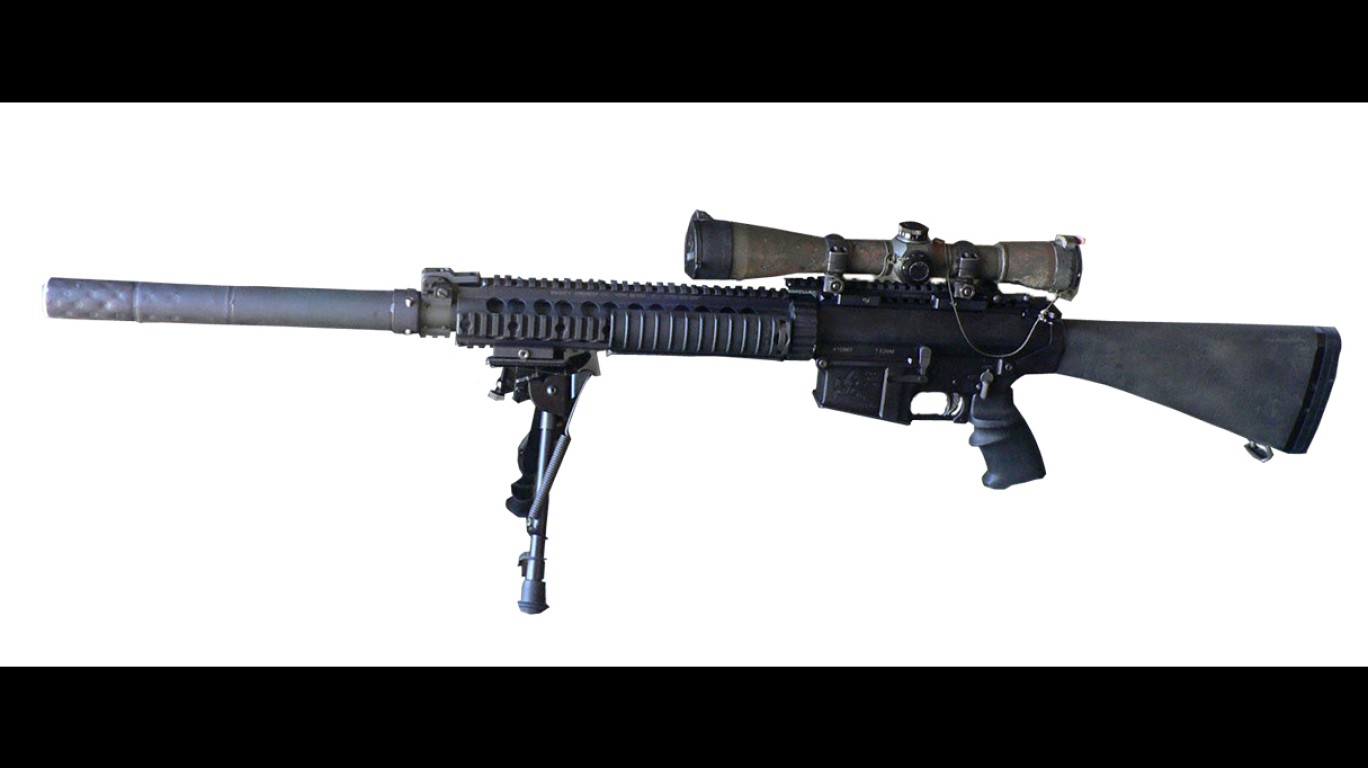
- Country of origin: United States
- Year introduced to service: 2010
- Primary caliber: 7.62×51mm
- Firing action: Semi-automatic
- Effective engagement distance: 4,200 ft.
- Primary role: Sniper
- Who uses it: U.S. Military
The SR-25 extended semi-automatic precision well beyond traditional expectations. Its performance challenged assumptions about engagement distance limits for gas-operated systems while offering increased flexibility in dynamic combat.
HK417 Sniper

- Country of origin: Germany
- Year introduced to service: 2006
- Primary caliber: 7.62×51mm
- Firing action: Semi-automatic
- Effective engagement distance: 4,000 ft.
- Primary role: Sniper
- Who uses it: European Forces
The HK417 demonstrated that battle rifle platforms could be pushed into longer-range precision roles. Its adoption expanded engagement distances for units requiring accuracy without abandoning semi-automatic fire.
Desert Tech HTI
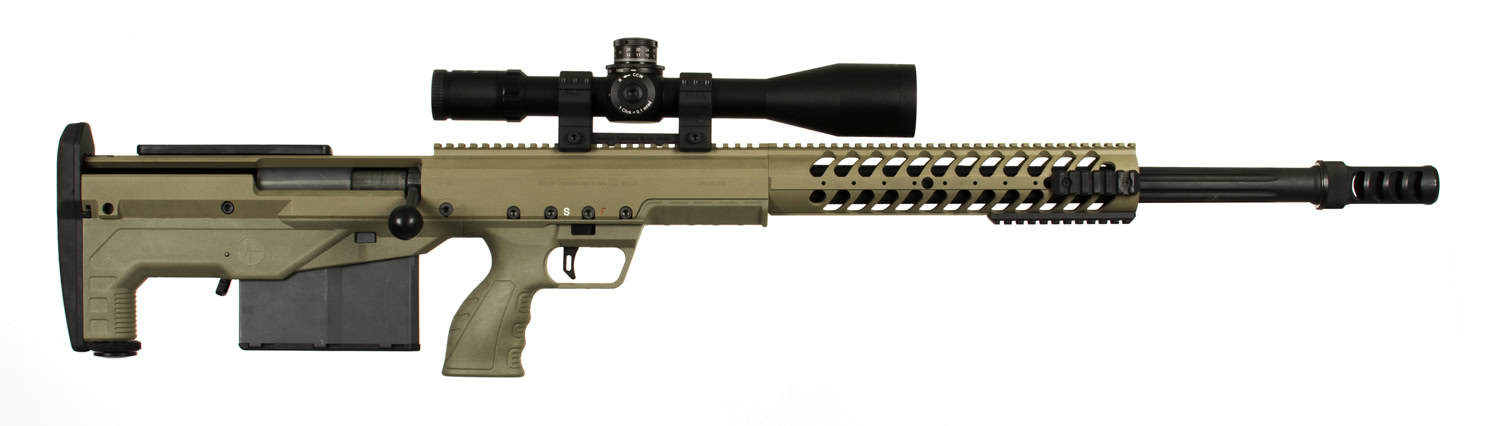
- Country of origin: United States
- Year introduced to service: 2016
- Primary caliber: Multi-caliber
- Firing action: Bolt-action
- Effective engagement distance: 6,000 ft.
- Primary role: Anti-materiel
- Who uses it: Special Units
The HTI’s bullpup design reduced overall length while retaining extreme-range performance. This allowed long-distance engagement capability in environments previously unsuitable for large sniper systems.
PGM Ultima Ratio
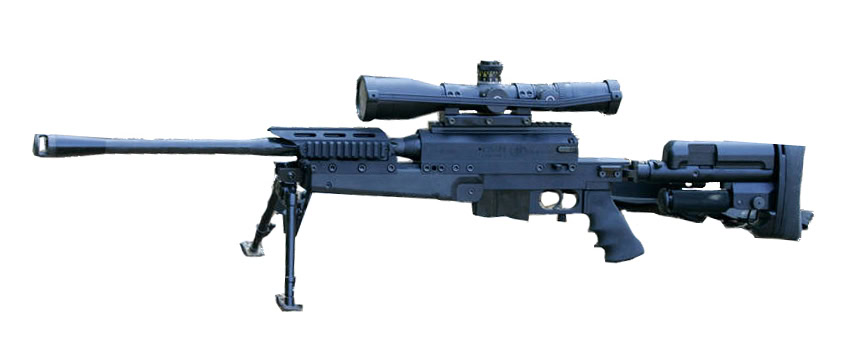
- Country of origin: France
- Year introduced to service: 1998
- Primary caliber: 7.62×51mm
- Firing action: Bolt-action
- Effective engagement distance: 3,500 ft.
- Primary role: Sniper
- Who uses it: French Forces
The Ultima Ratio influenced European sniper doctrine by emphasizing precision and urban overwatch. It extended practical engagement distances in dense environments, reshaping how snipers operated in modern conflicts.
Orsis T-5000
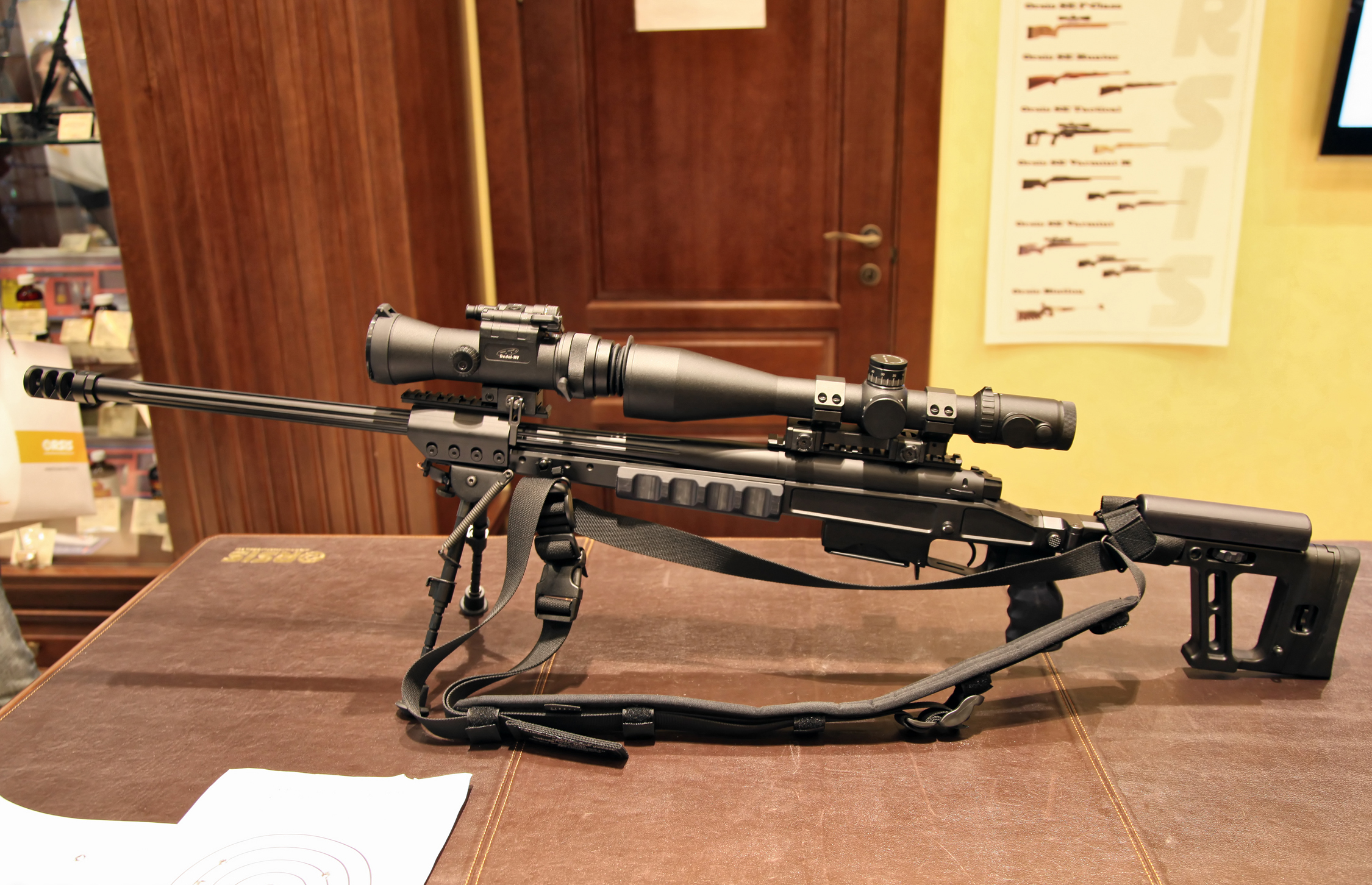
- Country of origin: Russia
- Year introduced to service: 2011
- Primary caliber: 7.62×51mm / .338 LM
- Firing action: Bolt-action
- Effective engagement distance: 5,000 ft.
- Primary role: Sniper
- Who uses it: Russian Forces
The T-5000 signaled Russia’s return to modern extreme-range precision. Its design focused on long-distance consistency, reinforcing sniper capability as a strategic asset rather than a niche specialty.
Zastava M93 Black Arrow
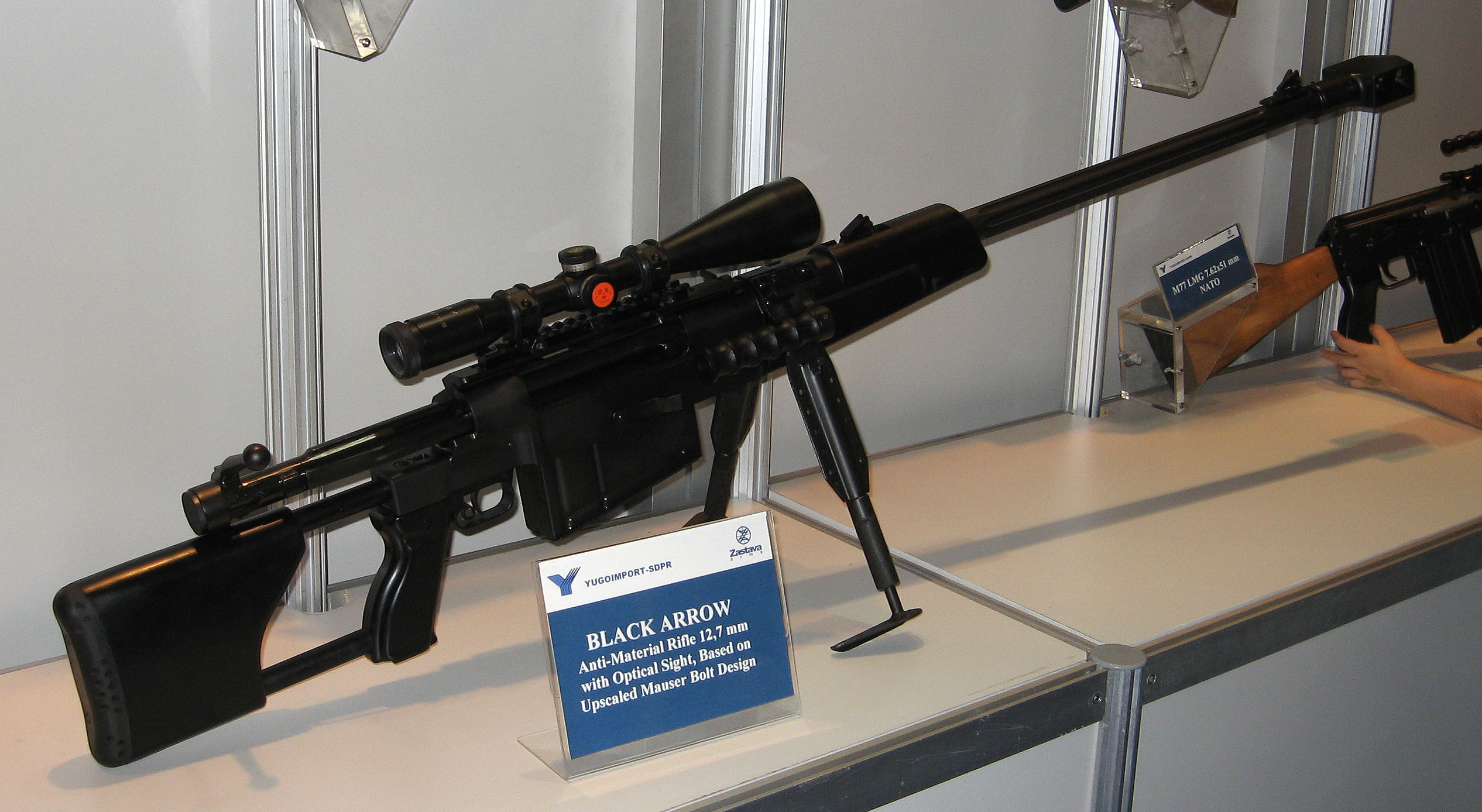
- Country of origin: Serbia
- Year introduced to service: 1998
- Primary caliber: 12.7×108mm
- Firing action: Bolt-action
- Effective engagement distance: 6,000 ft.
- Primary role: Anti-materiel
- Who uses it: Serbian Forces
The Black Arrow reinforced the anti-materiel sniper role in Eastern Europe. Its long-range reach expanded engagement distances against both equipment and personnel, influencing regional sniper doctrine.
Vidhwansak
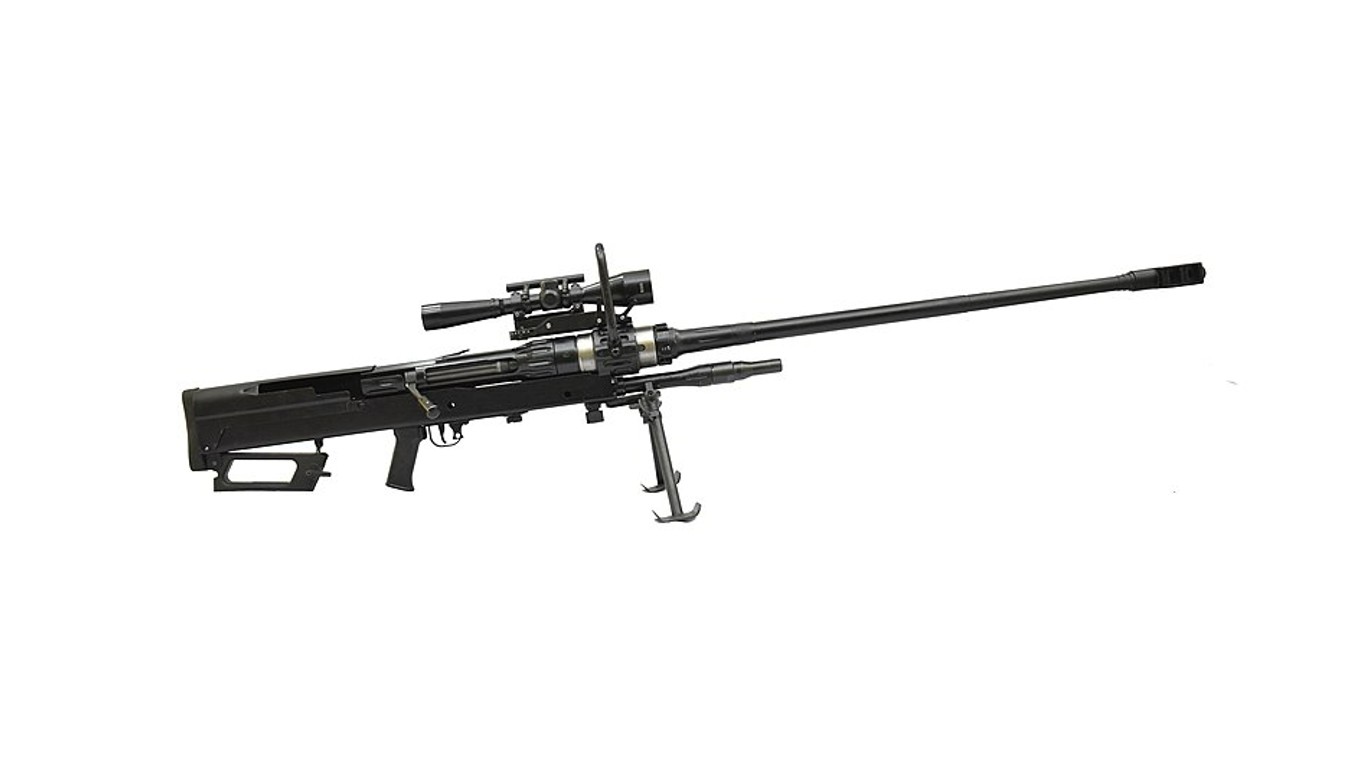
- Country of origin: India
- Year introduced to service: 2017
- Primary caliber: 12.7×108mm
- Firing action: Bolt-action
- Effective engagement distance: 6,000 ft.
- Primary role: Anti-materiel
- Who uses it: Indian Armed Forces
The Vidhwansak expanded India’s extreme-range sniper capability, pushing engagement distances to parity with global systems. Its adoption reinforced long-range precision as a modern battlefield necessity.
Lobaev DXL-5
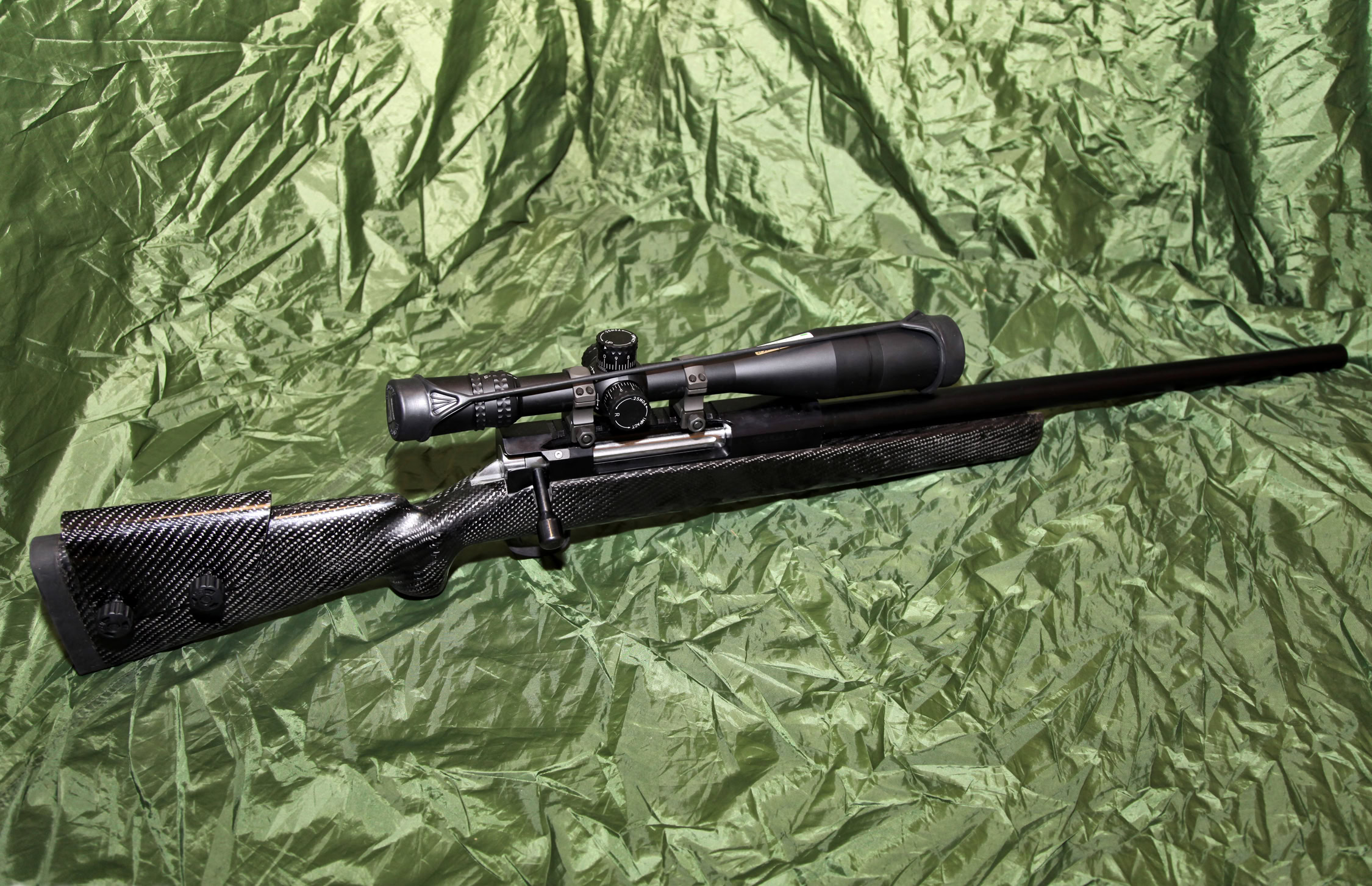
- Country of origin: Russia
- Year introduced to service: 2019
- Primary caliber: .50 BMG
- Firing action: Bolt-action
- Effective engagement distance: 7,500 ft.
- Primary role: Sniper
- Who uses it: Limited Military Use
The DXL-5 represents the cutting edge of ultra-long-range rifle design. Built to push ballistic limits, it demonstrates how modern engineering continues to expand the ceiling of achievable sniper engagement distances.






 Top Gaining Stocks
 Top Losing Stocks