


Snipers often discover a weapon’s true potential only after it leaves the range and enters combat. Dust, cold, heat, and chaos expose weaknesses, but sometimes they reveal strengths no one planned for. Across multiple wars, certain sniper systems proved tougher, more accurate, and more versatile than expected, allowing operators to push ranges and missions far beyond the original design brief. Here, 24/7 Wall St. is taking a closer look at sniper systems that exceeded expectations in combat.
To identify the sniper systems that outperformed in combat scenarios, 24/7 Wall St. reviewed various historical and military sources. We included supplemental information regarding the country of origin, when it was introduced, the intended role, and why each sniper system outperformed expectations.
Here is a look at sniper systems that outperformed expectations in combat:
Why Are We Covering This?
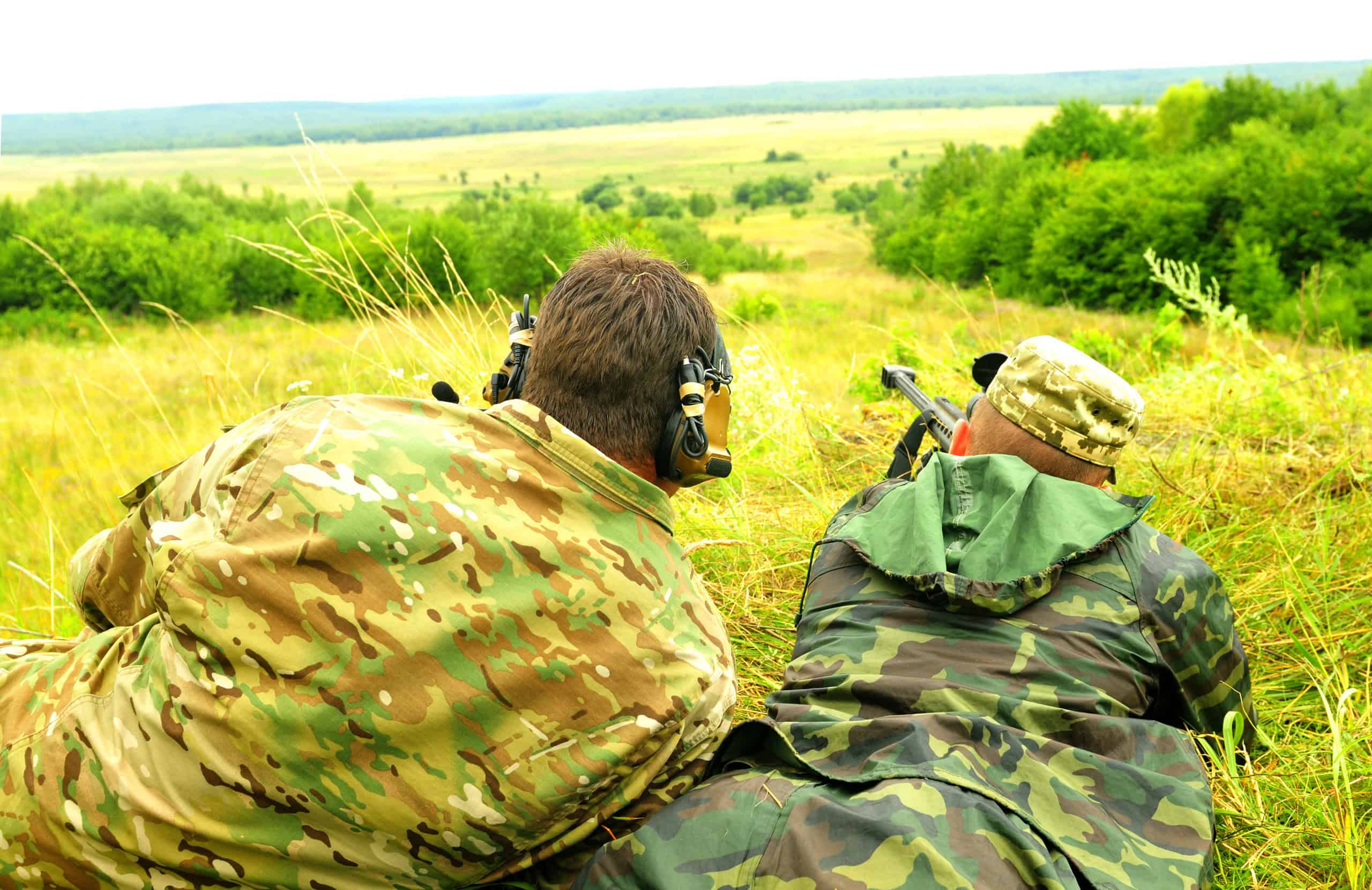
Understanding why certain sniper systems exceeded expectations in combat helps explain how battlefield reality reshapes military thinking faster than doctrine or testing ever can. Many of these rifles were fielded with narrow roles or conservative assumptions, only to prove far more capable once exposed to real-world conditions. By examining how and why these systems overperformed, we gain insight into how combat stress reveals hidden strengths, influences procurement decisions, and forces militaries to rethink what precision weapons—and the soldiers who wield them—are truly capable of achieving.
When Doctrine Got It Wrong
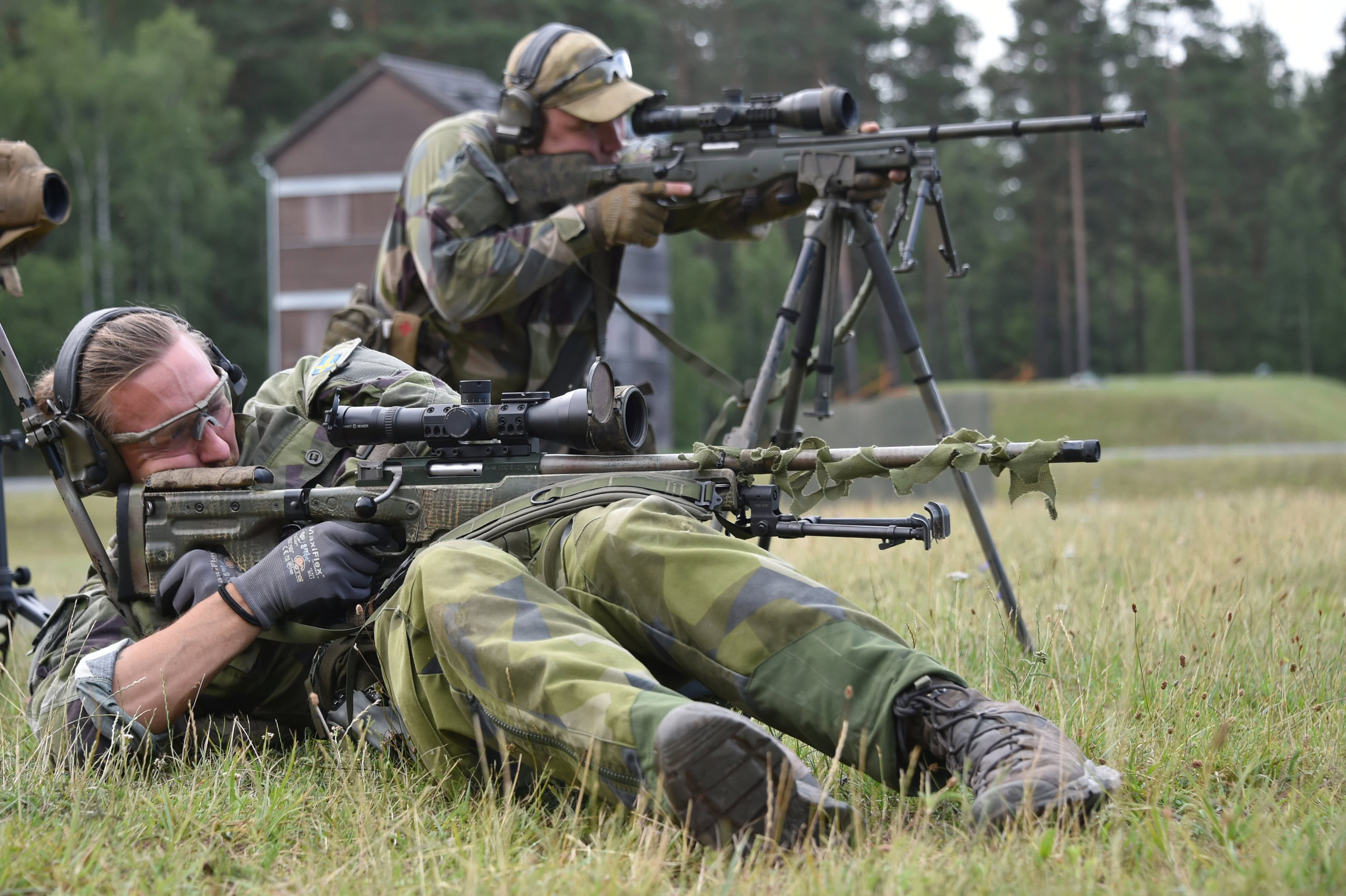
Military planners rarely expect sniper systems to exceed their design limits. Most are fielded with conservative assumptions about range, reliability, and battlefield impact. Yet combat has a way of exposing blind spots in doctrine. In several cases, sniper systems performed far beyond what designers or commanders initially anticipated, forcing a reassessment of what precision rifles could realistically accomplish under fire.
Expectations vs. Reality

On paper, many of these rifles were meant to fill narrow roles: stopgap solutions, designated marksman weapons, or niche precision tools. In combat, those assumptions collapsed. Operators pushed systems farther, shot farther, and relied on them longer than expected. The gap between what these sniper systems were supposed to do and what they actually delivered became impossible to ignore.
Combat as the Ultimate Test
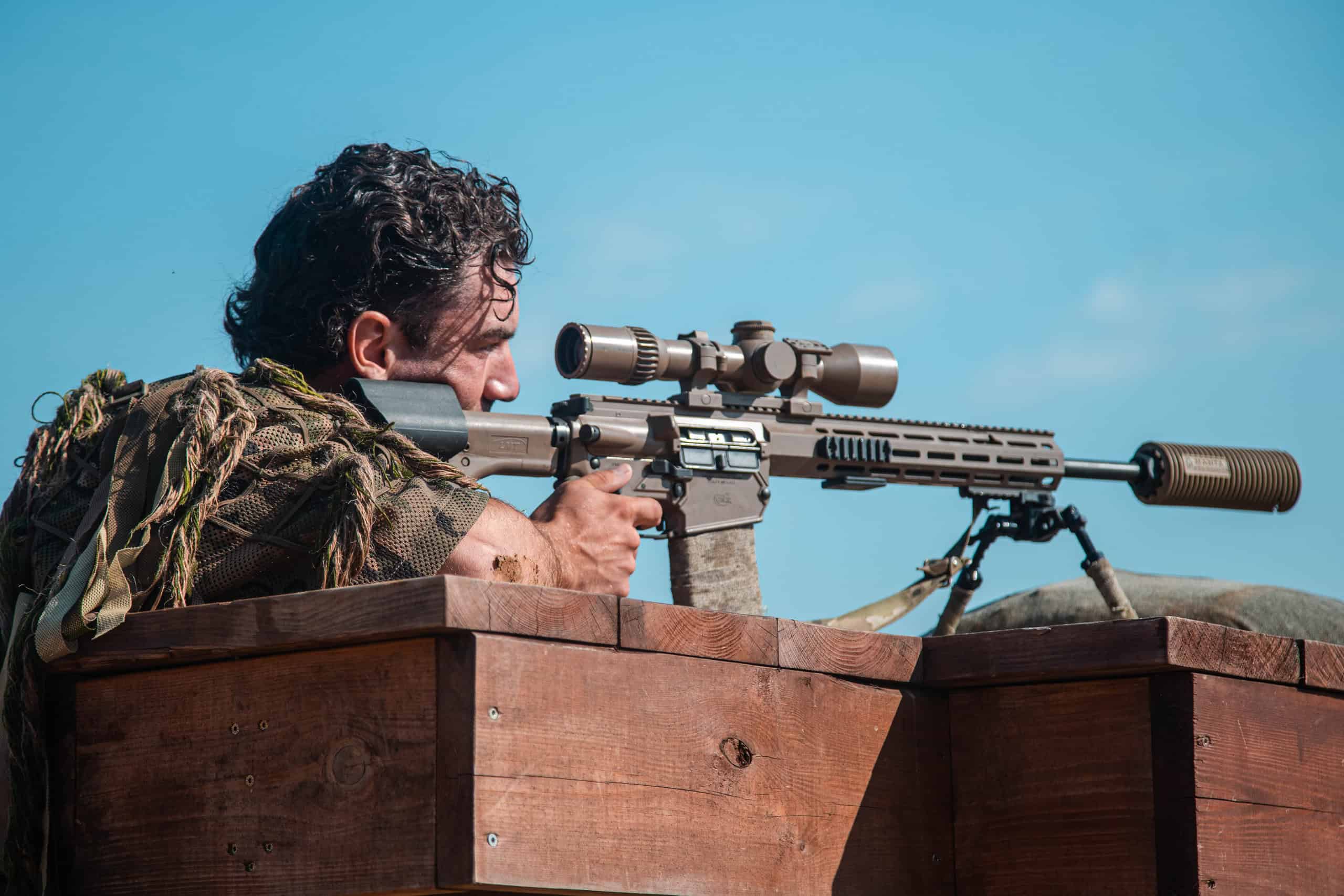
Laboratory testing and range trials can only reveal so much. True validation comes in dust, cold, heat, and chaos. These sniper systems proved their worth under sustained operational pressure, maintaining accuracy, reliability, and lethality when conditions were far from ideal. Combat exposed hidden strengths that rarely appeared in pre-deployment evaluations or technical manuals.
How Success Changed Perception
Once these systems proved themselves, they reshaped how militaries thought about precision fire. Semi-automatic rifles gained credibility as sniper platforms. Extreme-range engagements moved from theory to practice. Specialized systems found broader utility than intended. Each success forced changes in training, procurement, and doctrine as expectations caught up with battlefield reality.
Why Overperformance Matters
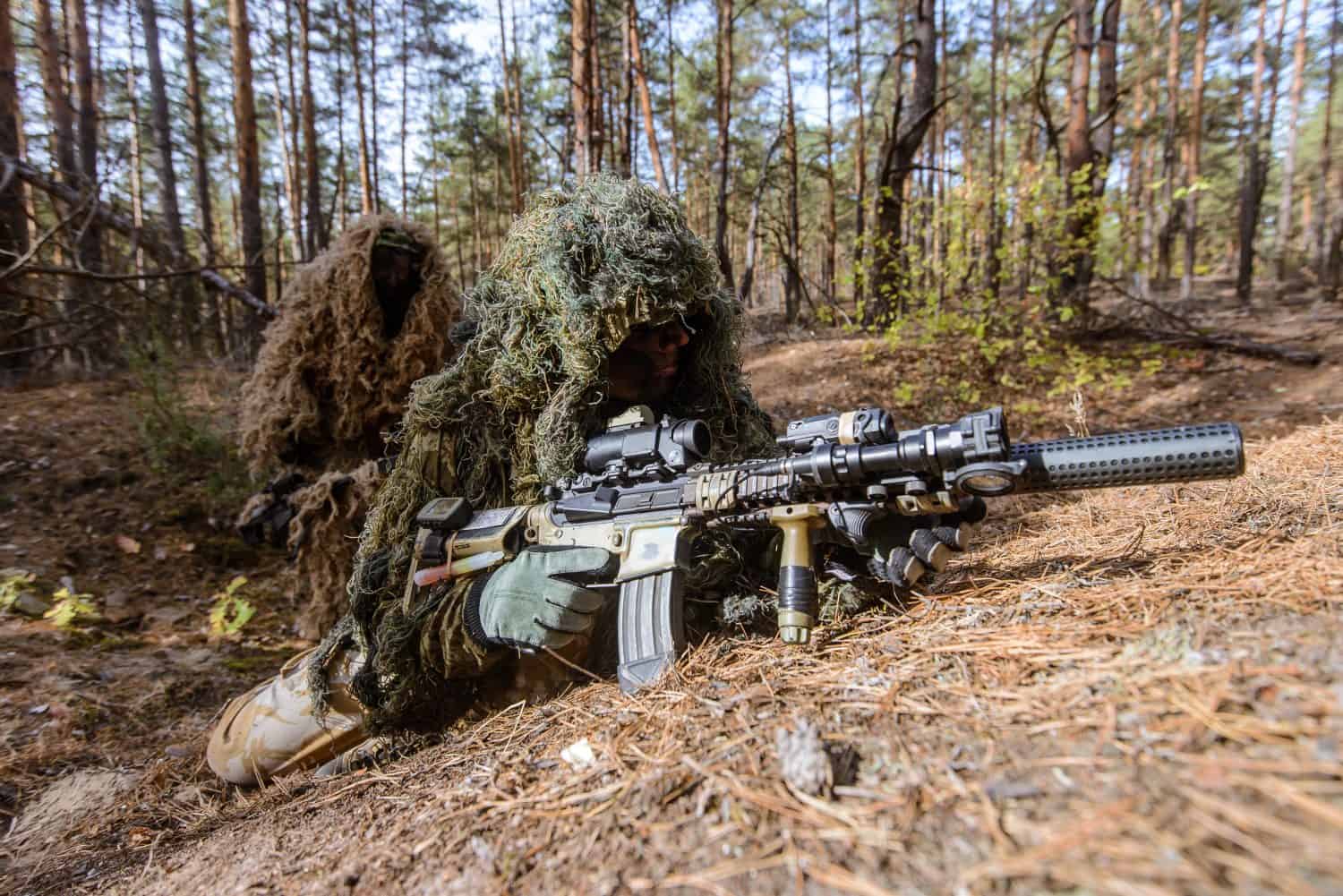
Sniper systems that outperform expectations do more than rack up statistics—they influence how wars are fought. Their success expands tactical options, increases commander confidence, and challenges long-held assumptions about precision warfare. This list examines the sniper systems that exceeded their design brief in combat, and in doing so, redefined what militaries believed was possible with a rifle and a trained operator.
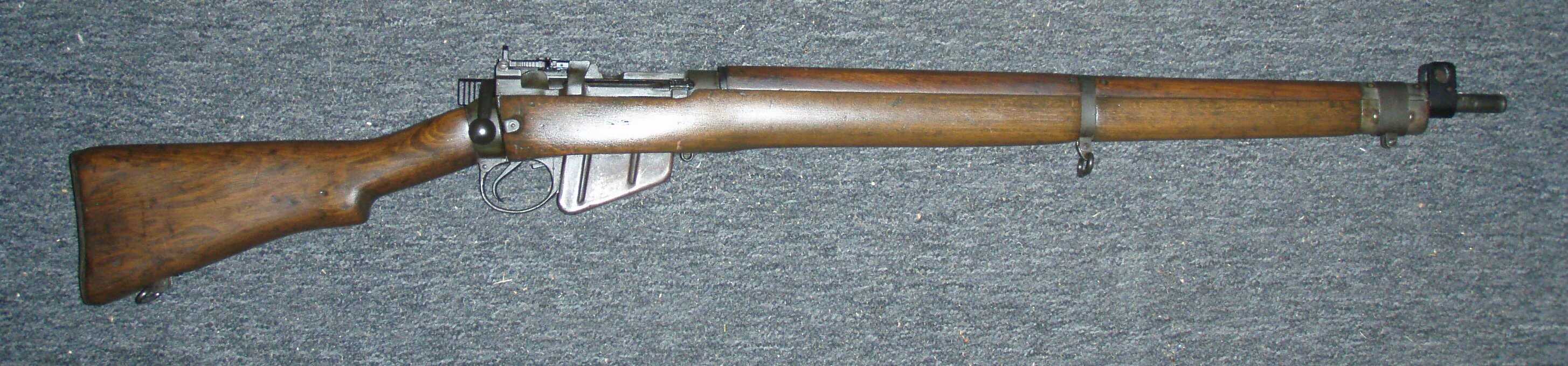
Lee-Enfield No.4 (T)
- Country of origin: United Kingdom
- Era introduced: WWII
- Primary caliber: .303 British
- Intended role at introduction: Standard sniper rifle conversion
- Combat environment where it excelled: Europe, mixed terrain
- Expectation gap: Not expected to match purpose-built precision rifles
- Why it outperformed expectations: Accuracy, rugged action, rapid follow-up capability
- Operational impact: Set effective WWII sniper benchmarks
The Lee-Enfield No.4 (T) was fielded as a practical sniper conversion, not a revolutionary precision system. In combat, it consistently exceeded expectations through excellent inherent accuracy, extreme durability, and rapid follow-up shots enabled by its smooth bolt action. British and Commonwealth snipers relied on it across varied terrain, proving that a refined service-rifle adaptation could rival more specialized sniper platforms under battlefield conditions.
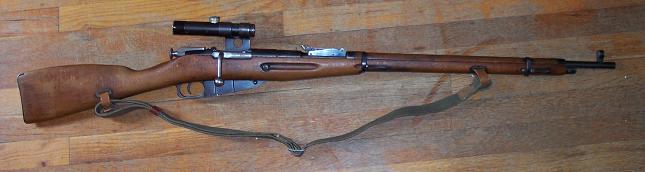
Mosin-Nagant PU
- Country of origin: Soviet Union
- Era introduced: WWII
- Primary caliber: 7.62×54mmR
- Intended role at introduction: Mass-issued sniper rifle
- Combat environment where it excelled: Urban and winter combat
- Expectation gap: Low-cost rifle not expected to deliver elite precision
- Why it outperformed expectations: Cold-weather reliability and practical accuracy
- Operational impact: Enabled large-scale sniper warfare
The Mosin-Nagant PU was never expected to be elegant or elite, yet it proved devastatingly effective in combat. Its simple construction maintained zero in extreme cold, while the PU optic delivered usable precision in urban and winter fighting. Soviet snipers exploited its reliability to conduct large-scale sniper operations, showing that rugged consistency could outperform refinement when weapons were pushed to their limits.
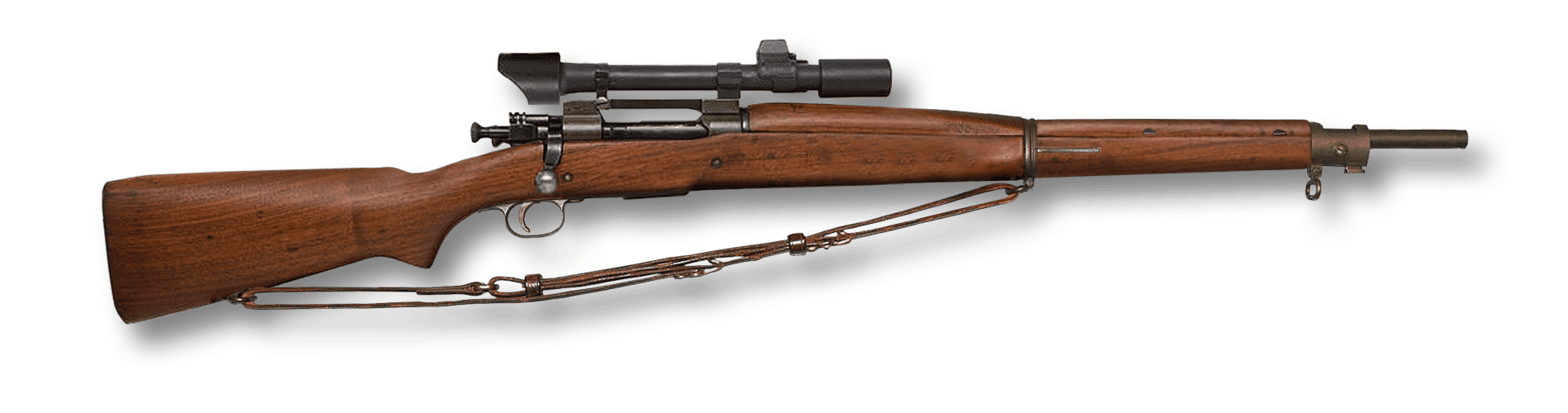
Springfield M1903A4
- Country of origin: United States
- Era introduced: WWII
- Primary caliber: .30-06 Springfield
- Intended role at introduction: Stopgap sniper rifle
- Combat environment where it excelled: Europe and Pacific theaters
- Expectation gap: Seen as a temporary and limited solution
- Why it outperformed expectations: Strong action accuracy and powerful cartridge
- Operational impact: Provided credible U.S. sniper capability
The M1903A4 entered WWII as a stopgap sniper rifle, widely viewed as a compromise solution. Combat revealed stronger performance than anticipated, driven by the inherent accuracy of the Springfield action and the power of .30-06 ammunition. Despite optic limitations, the system delivered dependable precision, giving U.S. forces a credible sniper capability that exceeded its modest expectations.
SVD Dragunov
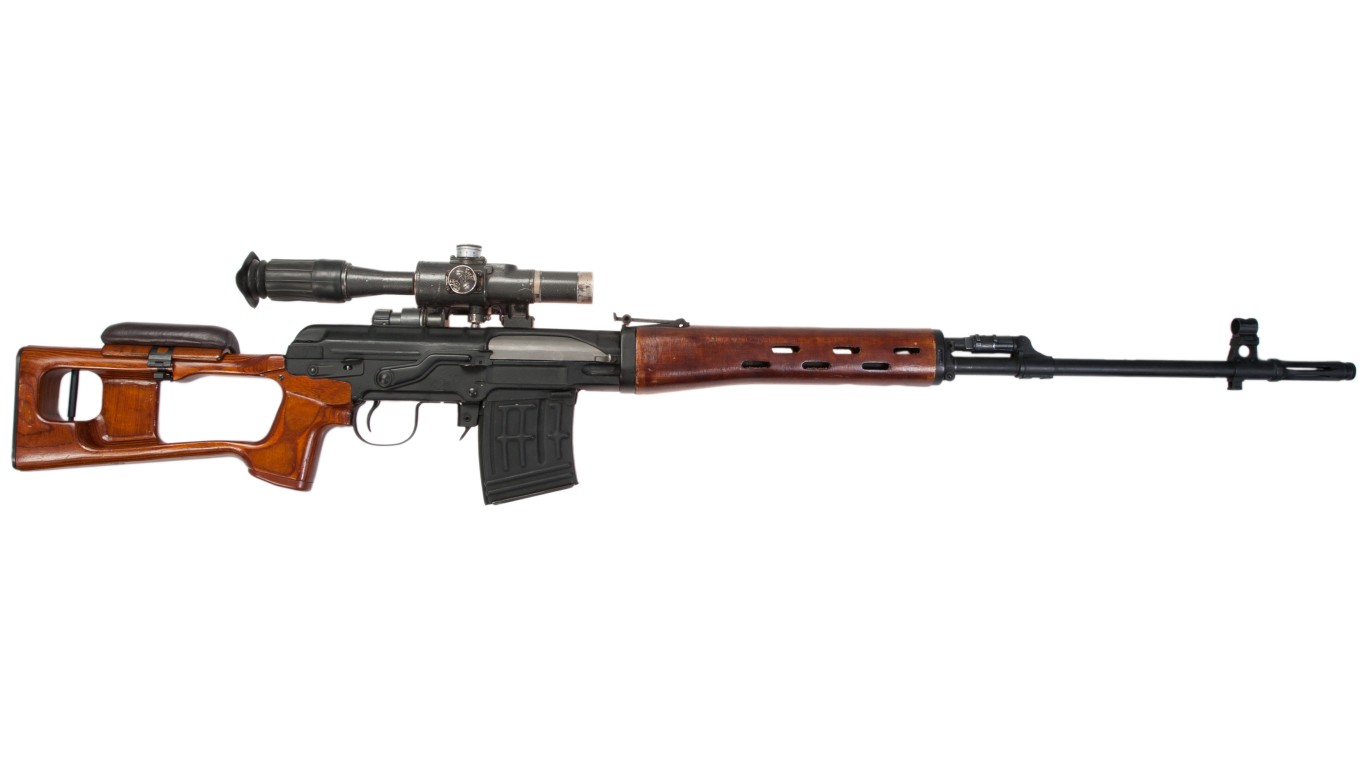
- Country of origin: Soviet Union
- Era introduced: Cold War
- Primary caliber: 7.62×54mmR
- Intended role at introduction: Designated marksman rifle
- Combat environment where it excelled: Mixed terrain and extended engagements
- Expectation gap: Not expected to function as a true sniper rifle
- Why it outperformed expectations: Precision, reliability, and semi-auto fire
- Operational impact: Blurred DMR and sniper roles globally
Designed as a designated marksman rifle, the SVD Dragunov was not expected to perform like a traditional sniper system. In combat, it routinely did. Its precision, reliability, and semi-automatic fire allowed skilled users to engage targets at true sniper ranges. The system blurred doctrinal boundaries and proved that semi-automatic rifles could outperform expectations in precision roles once reserved for bolt actions.
McMillan TAC-50
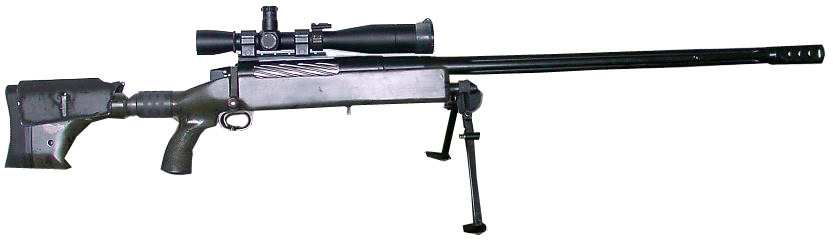
- Country of origin: United States
- Era introduced: Modern
- Primary caliber: .50 BMG
- Intended role at introduction: Extreme long-range sniper rifle
- Combat environment where it excelled: Desert and mountainous terrain
- Expectation gap: Combat-effective range underestimated
- Why it outperformed expectations: Unprecedented long-range accuracy
- Operational impact: Redefined sniper engagement distances
The TAC-50 was built for extreme range, but combat demonstrated just how far those limits could be pushed. Canadian and allied snipers achieved confirmed kills at unprecedented distances, turning theoretical capability into repeatable battlefield performance. Its accuracy, stability, and ammunition pairing exceeded expectations, permanently redefining acceptable sniper engagement ranges and reshaping how militaries viewed long-range precision warfare.
Barrett M82 / M107
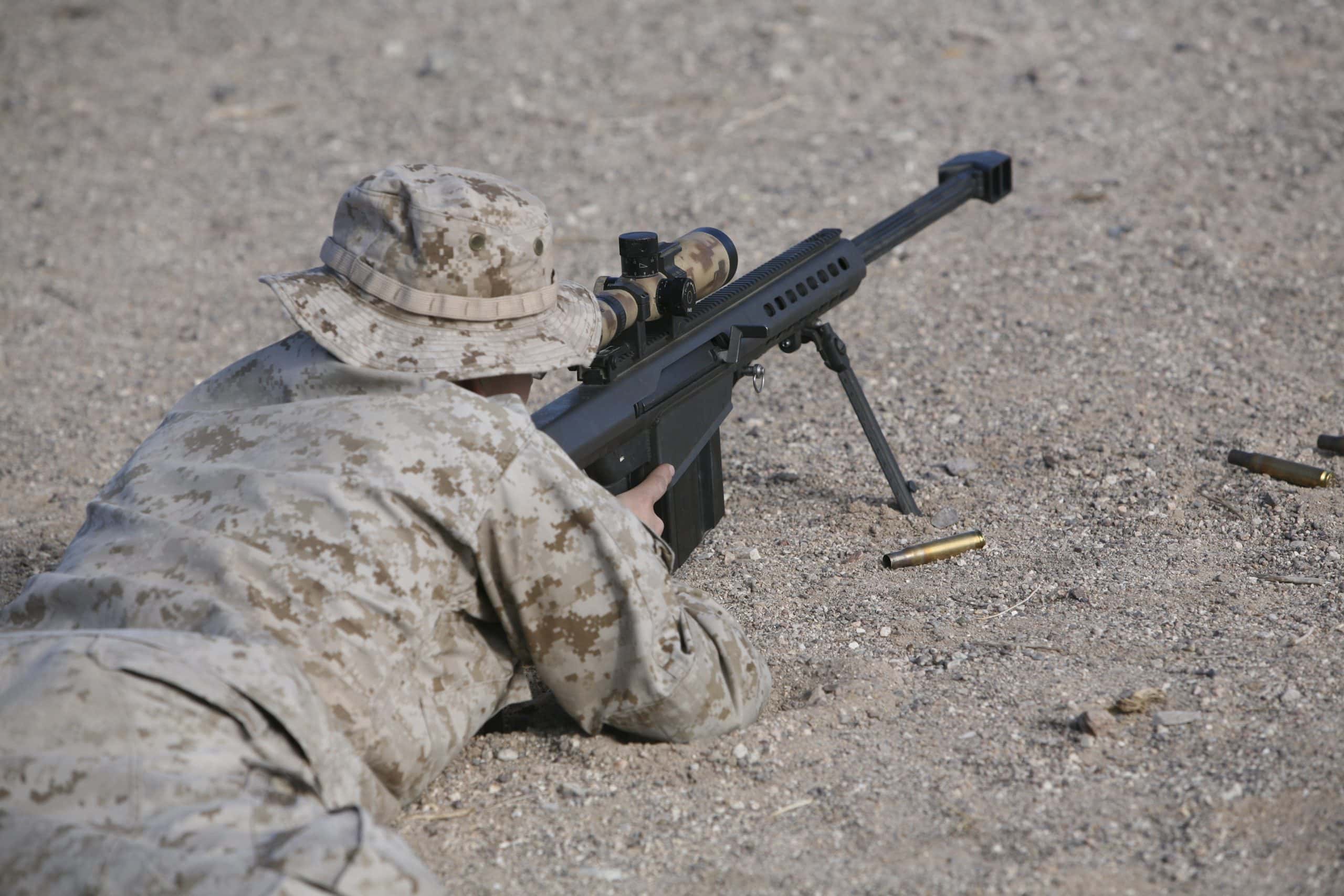
- Country of origin: United States
- Era introduced: Modern
- Primary caliber: .50 BMG
- Intended role at introduction: Anti-materiel rifle
- Combat environment where it excelled: Desert and urban overwatch
- Expectation gap: Not intended as a sniper weapon
- Why it outperformed expectations: Effective accuracy against personnel
- Operational impact: Expanded sniper mission profiles
Intended as an anti-materiel rifle, the Barrett M82 was not designed for traditional sniper work. Combat use proved it far more versatile. Snipers employed it effectively against personnel at long distances, leveraging its reliability and power. Though heavy and conspicuous, the system exceeded expectations by expanding sniper mission profiles and proving that anti-materiel rifles could double as precision tools when needed.
Mk 13 Mod 7
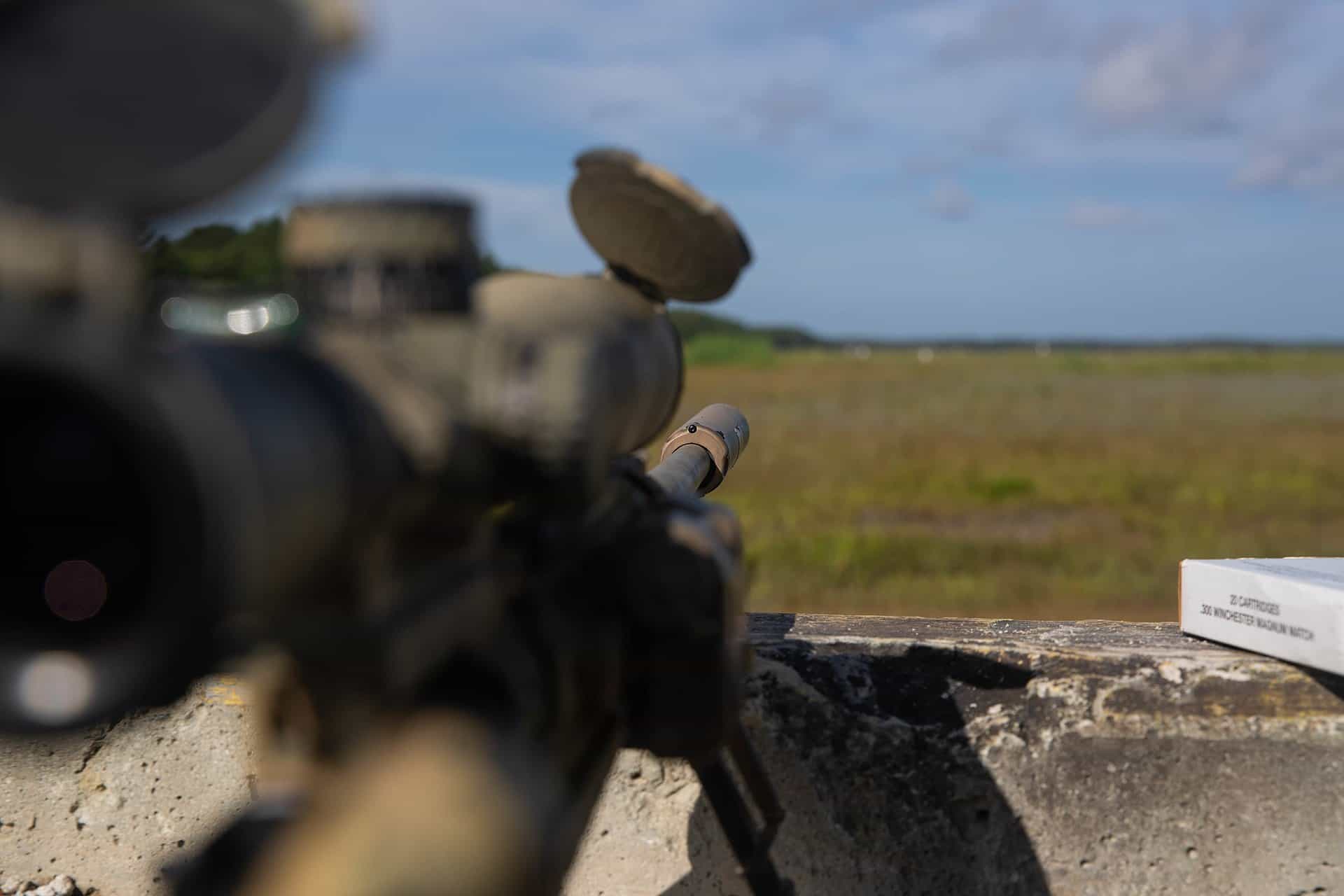
- Country of origin: United States
- Era introduced: Modern
- Primary caliber: .300 Norma Magnum
- Intended role at introduction: Modernized bolt-action sniper rifle
- Combat environment where it excelled: Mountainous and desert terrain
- Expectation gap: Expected incremental improvement only
- Why it outperformed expectations: Superior ballistics and modularity
- Operational impact: Extended effective sniper range
The Mk 13 Mod 7 was expected to modernize existing sniper capabilities incrementally. Combat use showed a much larger leap. Improved ballistics, modularity, and accuracy extended engagement ranges while maintaining reliability across environments. Operators found it adaptable and consistent under pressure, allowing the system to outperform expectations by delivering meaningful gains in reach and flexibility without sacrificing battlefield durability.
Accuracy International L96A1
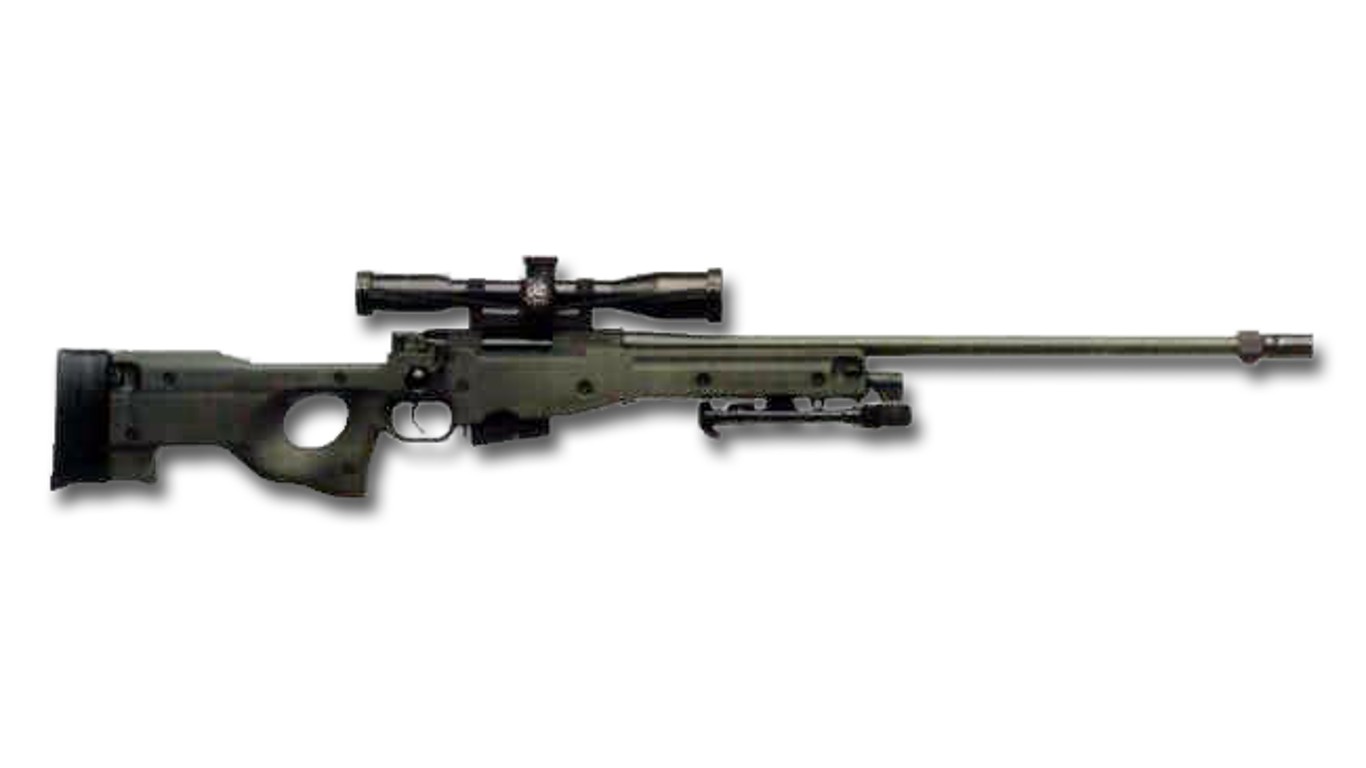
- Country of origin: United Kingdom
- Era introduced: Cold War
- Primary caliber: 7.62×51mm NATO
- Intended role at introduction: Arctic-capable sniper rifle
- Combat environment where it excelled: Cold and temperate climates
- Expectation gap: Cold-weather performance uncertain
- Why it outperformed expectations: Exceptional accuracy and reliability
- Operational impact: Set modern sniper standards
The L96A1 was designed with cold-weather reliability in mind, but combat validated its performance well beyond that niche. Exceptional accuracy, environmental resistance, and consistency exceeded expectations, quickly establishing it as a gold standard. Its battlefield success influenced future sniper rifle development worldwide, proving that a purpose-built precision platform could deliver predictable results across climates and operational conditions.
Accuracy International AXMC

- Country of origin: United Kingdom
- Era introduced: Modern
- Primary caliber: Multi-caliber
- Intended role at introduction: Modular sniper rifle system
- Combat environment where it excelled: Mixed terrain
- Expectation gap: Modularity feared to compromise reliability
- Why it outperformed expectations: Maintained precision across calibers
- Operational impact: Validated modular sniper concept
Skepticism surrounded the AXMC’s modular design, with concerns that caliber flexibility would undermine reliability. Combat proved the opposite. The system maintained precision and durability across caliber changes, giving snipers unprecedented adaptability. It outperformed expectations by validating the concept of a truly modular sniper rifle that could survive operational stress without sacrificing accuracy or consistency.
CheyTac M200 Intervention
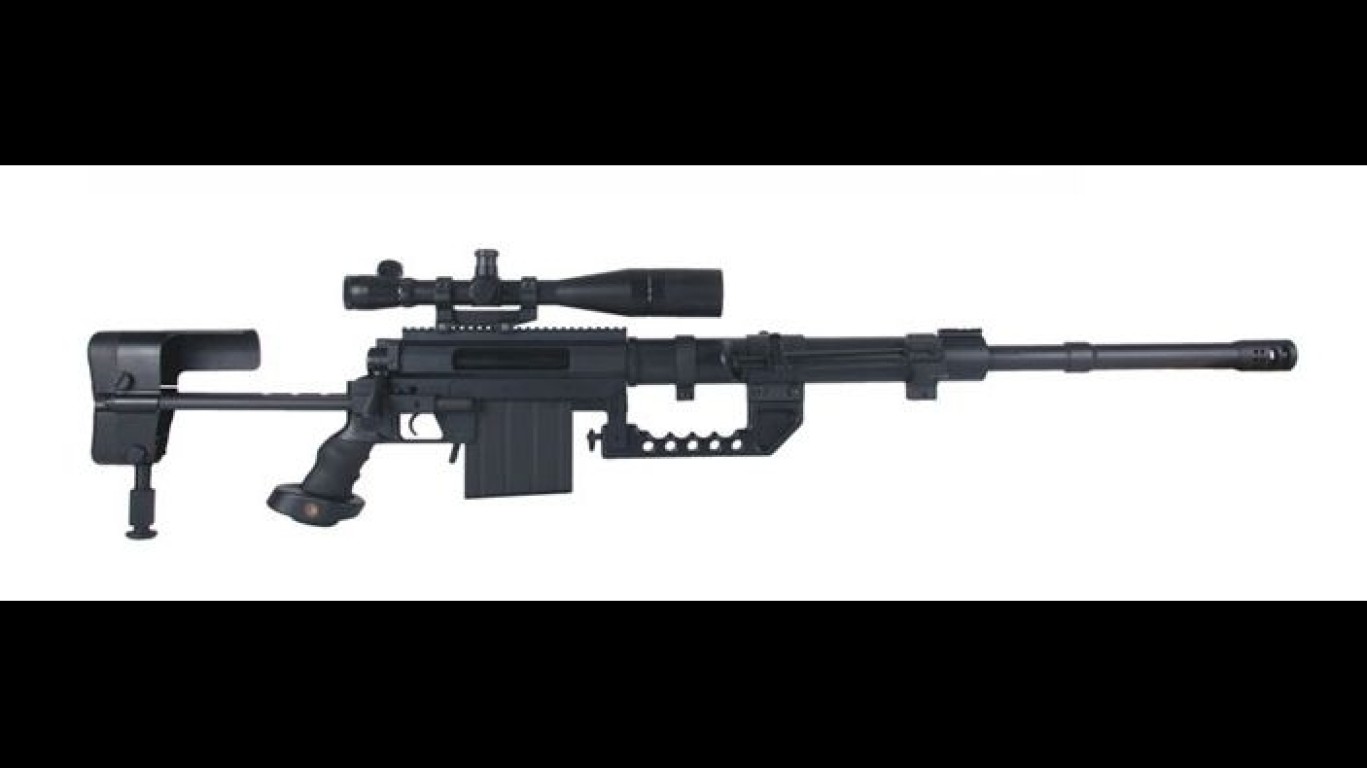
- Country of origin: United States
- Era introduced: Modern
- Primary caliber: .408 CheyTac
- Intended role at introduction: Ultra-long-range precision rifle
- Combat environment where it excelled: Open desert terrain
- Expectation gap: Viewed as impractical for combat
- Why it outperformed expectations: Extreme ballistic performance
- Operational impact: Influenced extreme-range concepts
Often dismissed as impractical, the CheyTac M200 surprised critics in field use. Its extreme ballistic performance enabled accurate fire at distances once considered irrelevant to combat. While niche, the system exceeded expectations by demonstrating that ultra-long-range precision could be operationally useful under the right conditions, influencing later thinking on extreme-range sniper employment.
PSG1
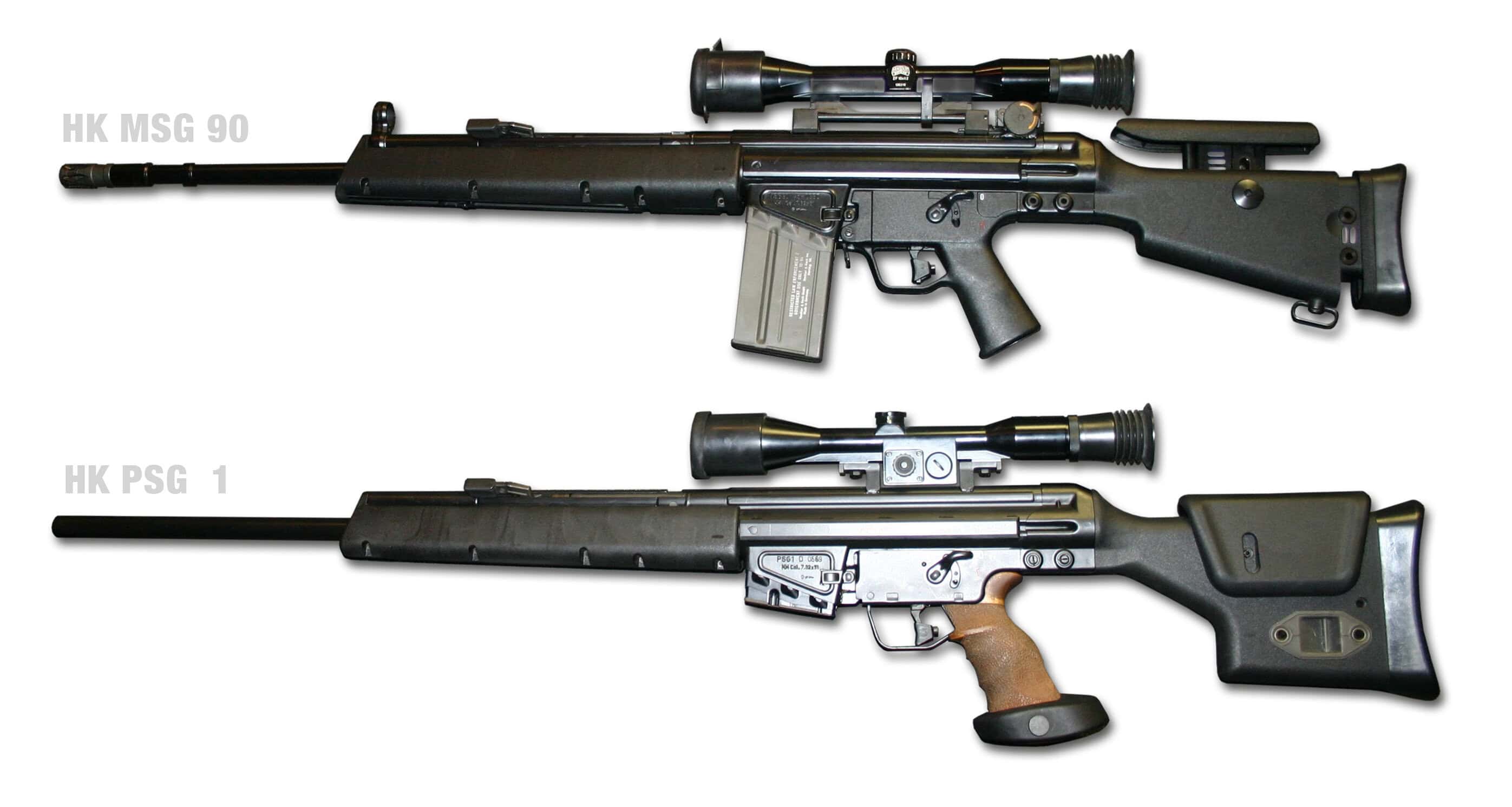
- Country of origin: Germany
- Era introduced: Cold War
- Primary caliber: 7.62×51mm NATO
- Intended role at introduction: Police / counter-terror rifle
- Combat environment where it excelled: Urban precision engagements
- Expectation gap: Not intended for battlefield sniping
- Why it outperformed expectations: Extreme accuracy and ergonomics
- Operational impact: Expanded sniper equipment concepts
The PSG1 was designed for police counter-terror missions rather than battlefield sniping. Limited combat use revealed accuracy and ergonomics that exceeded expectations. Though maintenance-heavy, it demonstrated that precision-focused designs could perform exceptionally well outside their original mission profile, influencing how militaries evaluated sniper ergonomics, trigger systems, and precision standards.
SR-25 (early sniper employment)
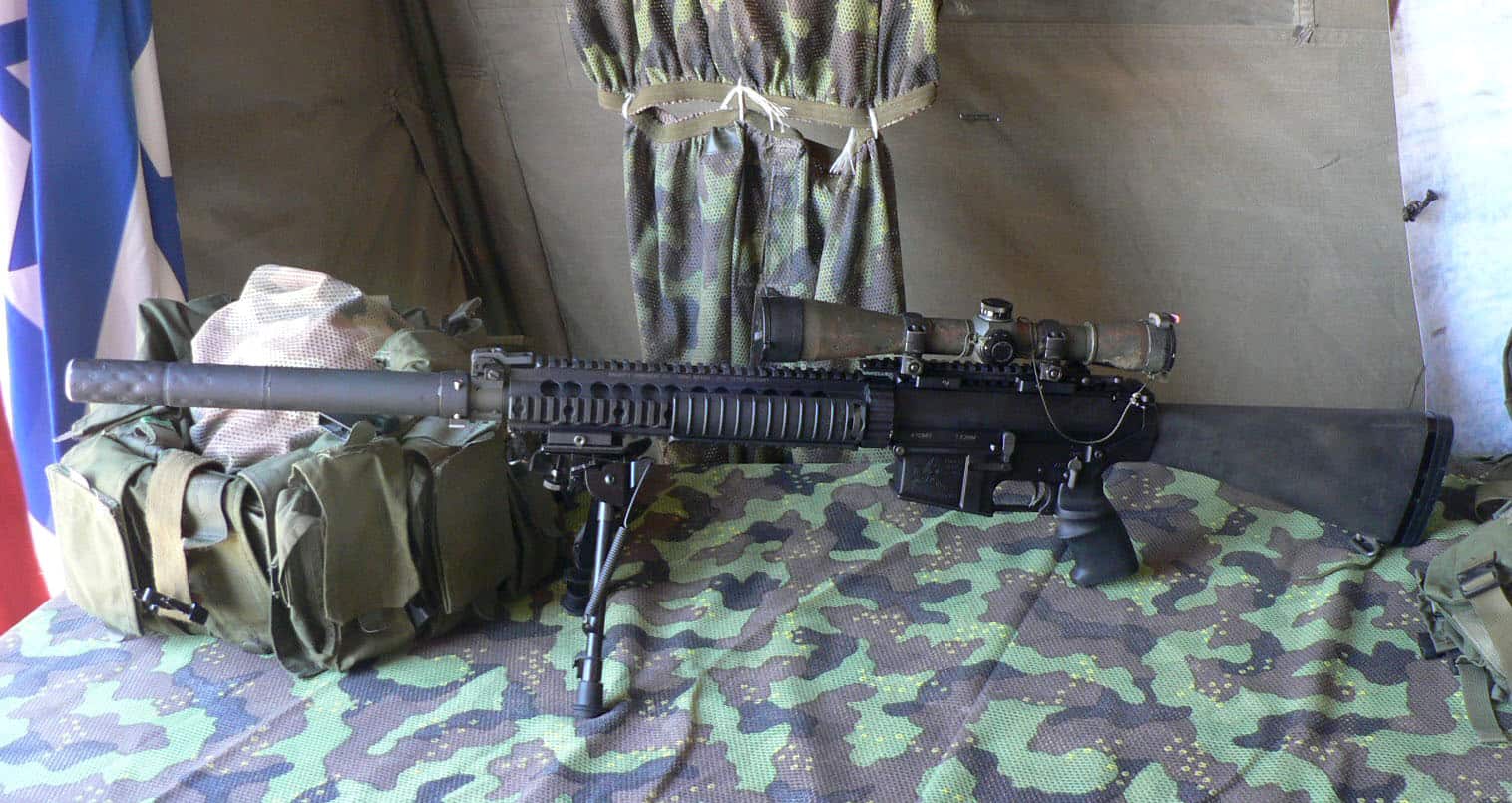
- Country of origin: United States
- Era introduced: Modern
- Primary caliber: 7.62×51mm NATO
- Intended role at introduction: Semi-automatic precision rifle
- Combat environment where it excelled: Urban and mixed terrain
- Expectation gap: Semi-auto precision doubted at sniper ranges
- Why it outperformed expectations: Accuracy with rapid follow-up shots
- Operational impact: Shifted acceptance of semi-auto sniper rifles
Early SR-25 variants challenged assumptions that semi-automatic rifles could not deliver true sniper precision. Combat use proved otherwise, combining accuracy with rapid follow-up shots ideal for dynamic environments. The system exceeded expectations and helped legitimize semi-automatic sniper rifles as credible alternatives to bolt-action systems in modern doctrine.
L115A3 (AW50F lineage)
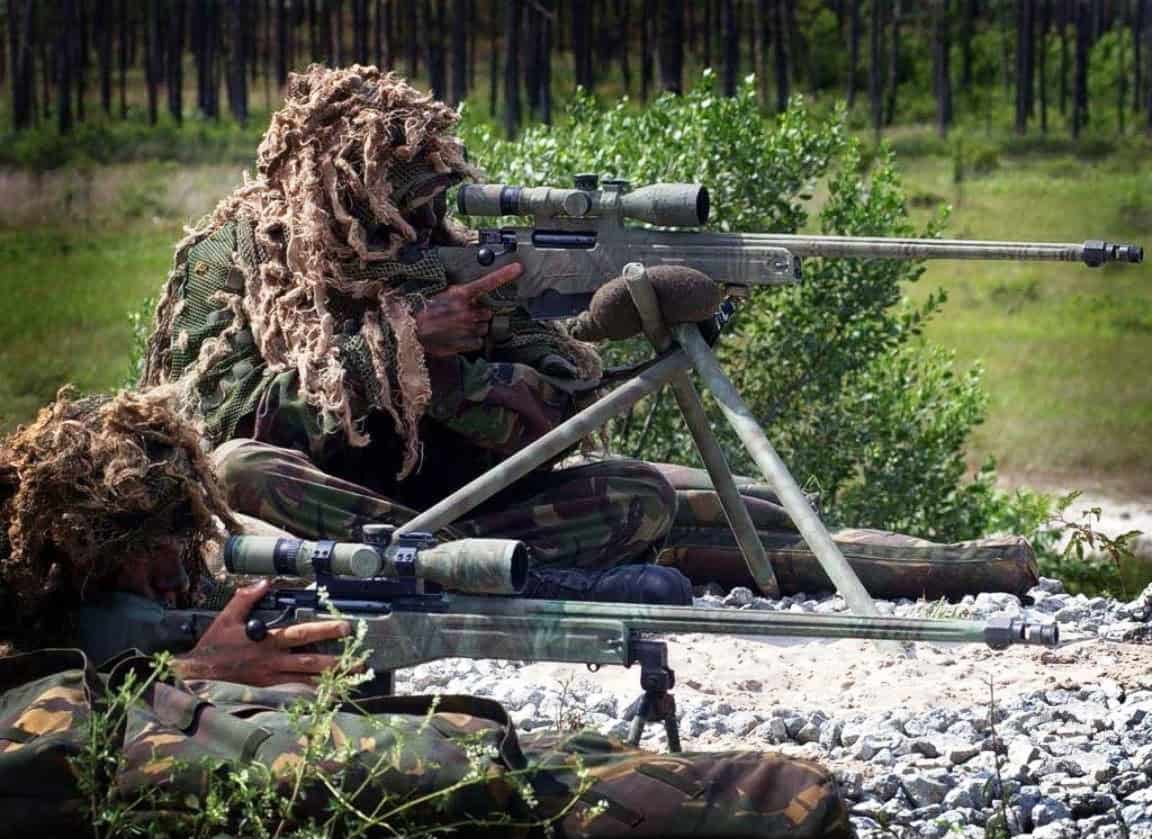
- Country of origin: United Kingdom
- Era introduced: Modern
- Primary caliber: .338 Lapua Magnum
- Intended role at introduction: Long-range bolt-action sniper rifle
- Combat environment where it excelled: Mountainous and desert terrain
- Expectation gap: Expected incremental improvement
- Why it outperformed expectations: Extreme long-range accuracy
- Operational impact: Set new distance benchmarks
The L115A3 was expected to modestly improve long-range sniper capability. Combat employment shattered those assumptions, delivering record-setting engagements at extreme distances. Its accuracy, reliability, and environmental resilience allowed snipers to operate beyond previously accepted limits, turning theoretical ballistic potential into consistent battlefield results.
KSVK / ASVK

- Country of origin: Russia
- Era introduced: Modern
- Primary caliber: 12.7×108mm
- Intended role at introduction: Large-caliber precision rifle
- Combat environment where it excelled: Open and mountainous terrain
- Expectation gap: Seen as overly specialized
- Why it outperformed expectations: Reliable long-range performance
- Operational impact: Validated heavy-caliber sniper use
The KSVK and later ASVK were designed as heavy-caliber precision rifles with limited expectations for flexibility. Combat use showed reliable long-range accuracy and durability in harsh environments. While heavy, the system exceeded expectations by proving effective in sniper roles beyond niche anti-materiel applications.
VSS Vintorez

- Country of origin: Soviet Union / Russia
- Era introduced: Cold War
- Primary caliber: 9×39mm
- Intended role at introduction: Suppressed special-purpose rifle
- Combat environment where it excelled: Urban and woodland terrain
- Expectation gap: Not expected to serve as a sniper system
- Why it outperformed expectations: Exceptional suppressed accuracy
- Operational impact: Redefined close-range sniper roles
The VSS Vintorez was designed for stealth, not long-range sniping. Combat revealed exceptional accuracy within its intended envelope, allowing precise, suppressed engagements that outperformed expectations. Its success showed how specialized ammunition and suppression could redefine sniper effectiveness in close and complex terrain.
Zastava M76
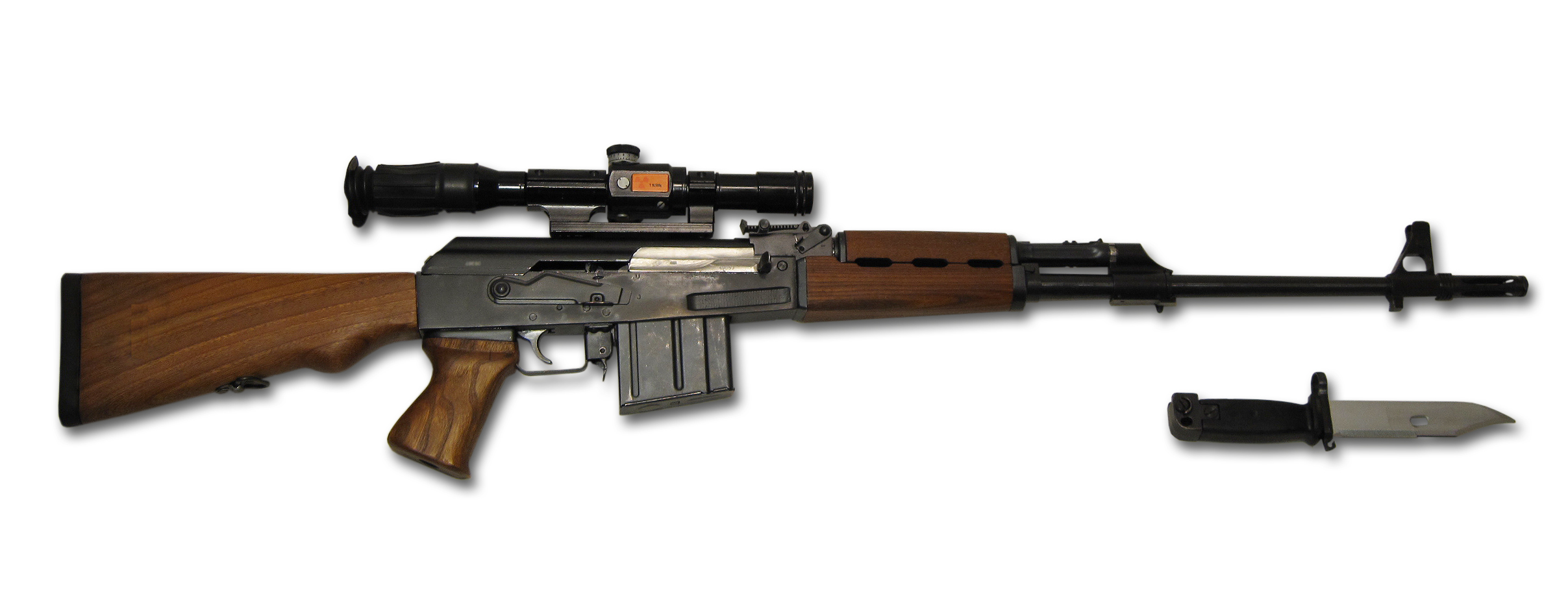
- Country of origin: Yugoslavia
- Era introduced: Cold War
- Primary caliber: 7.92×57mm Mauser
- Intended role at introduction: Designated marksman rifle
- Combat environment where it excelled: Mixed terrain
- Expectation gap: Limited precision expected
- Why it outperformed expectations: Adequate accuracy beyond intended role
- Operational impact: Expanded DMR employment
Originally a designated marksman rifle, the M76 exceeded expectations when used in sniper roles. Combat showed it could deliver reliable accuracy beyond its intended range, demonstrating how robust, simple designs could be adapted for precision tasks when more specialized systems were unavailable.
HK417 (sniper-configured deployments)
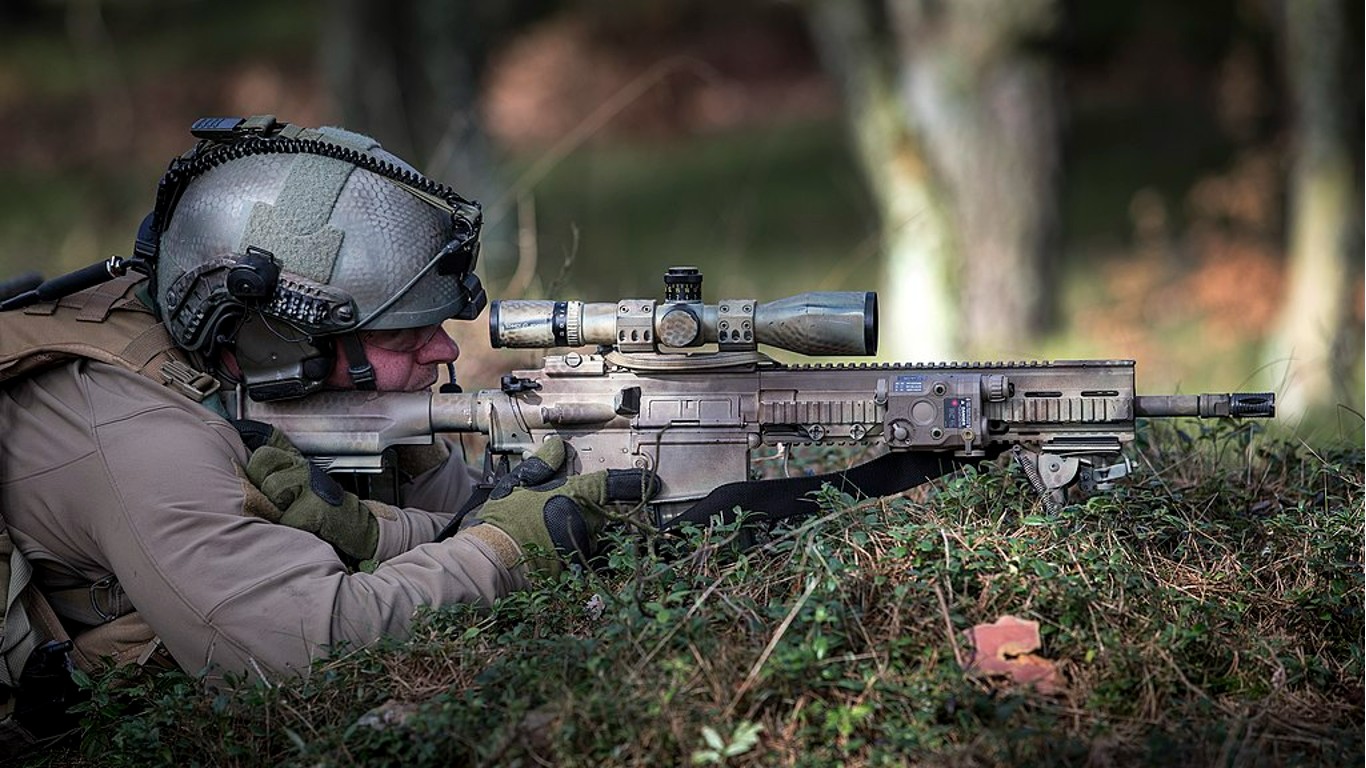
- Country of origin: Germany
- Era introduced: Modern
- Primary caliber: 7.62×51mm NATO
- Intended role at introduction: Battle rifle / DMR
- Combat environment where it excelled: Urban terrain
- Expectation gap: Not intended as sniper primary
- Why it outperformed expectations: Accuracy and reliability in overwatch
- Operational impact: Validated battle-rifle sniper use
The HK417 was not designed as a primary sniper rifle, yet combat deployments proved it effective in precision overwatch roles. Its accuracy, reliability, and rapid engagement capability exceeded expectations, particularly in urban combat, validating the use of precision-configured battle rifles in sniper missions.
M40A3 / M40A5
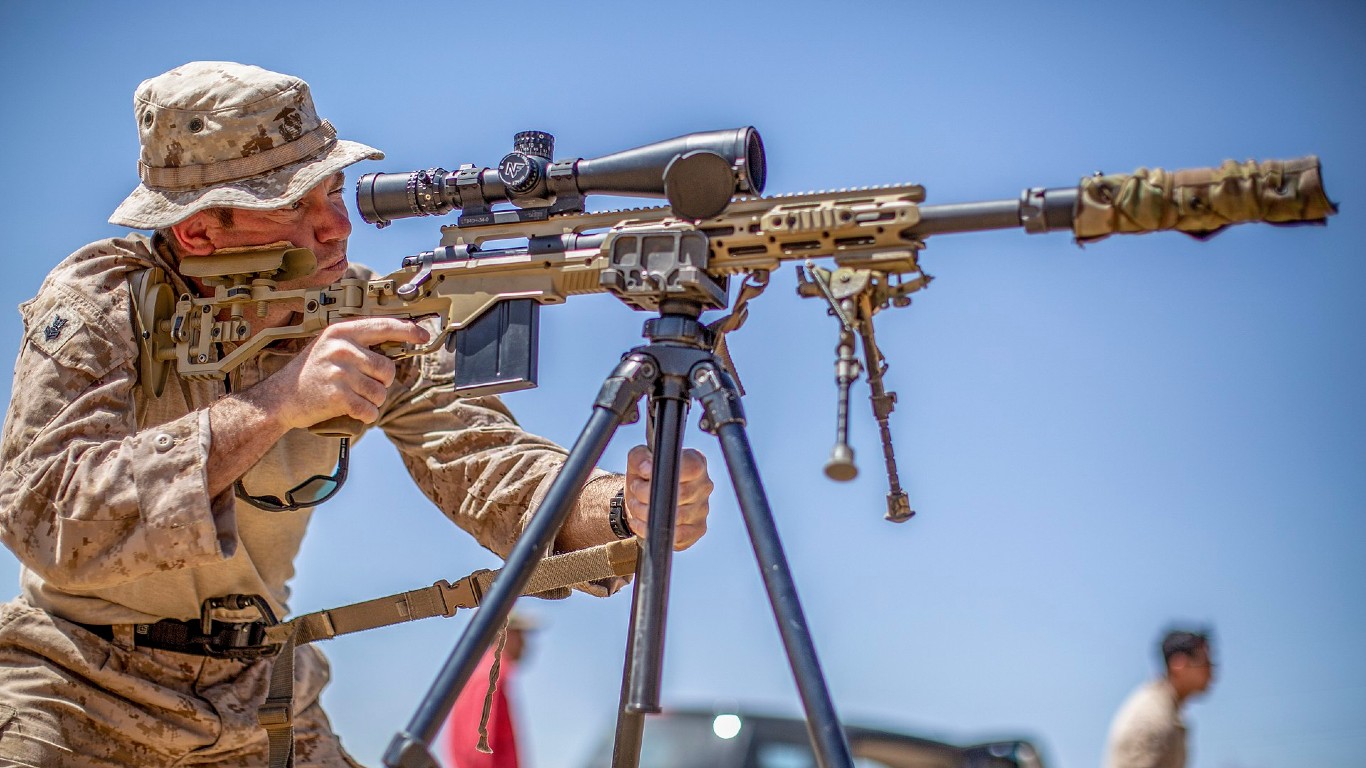
- Country of origin: United States
- Era introduced: Modern
- Primary caliber: 7.62×51mm NATO
- Intended role at introduction: Marine Corps sniper rifle
- Combat environment where it excelled: Desert and mixed terrain
- Expectation gap: Expected incremental refinement
- Why it outperformed expectations: Exceptional reliability and precision
- Operational impact: Reinforced USMC sniper doctrine
The M40A3 and A5 were expected to be evolutionary improvements. Combat revealed exceptional reliability and precision under sustained use. The rifles consistently performed in harsh environments, exceeding expectations and reinforcing Marine Corps sniper doctrine built on durability, repeatability, and long-term combat effectiveness.
Desert Tech SRS
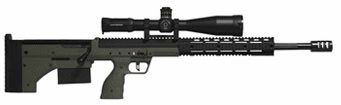
- Country of origin: United States
- Era introduced: Modern
- Primary caliber: Multi-caliber
- Intended role at introduction: Compact bullpup sniper rifle
- Combat environment where it excelled: Urban and confined terrain
- Expectation gap: Bullpup layout doubted
- Why it outperformed expectations: Compact accuracy and adaptability
- Operational impact: Challenged sniper design norms
Bullpup sniper rifles were often viewed skeptically, but the Desert Tech SRS exceeded expectations in combat use. Its compact design delivered accuracy and adaptability in confined spaces, proving unconventional layouts could succeed in demanding sniper roles without sacrificing precision.
SIG Sauer SSG 3000
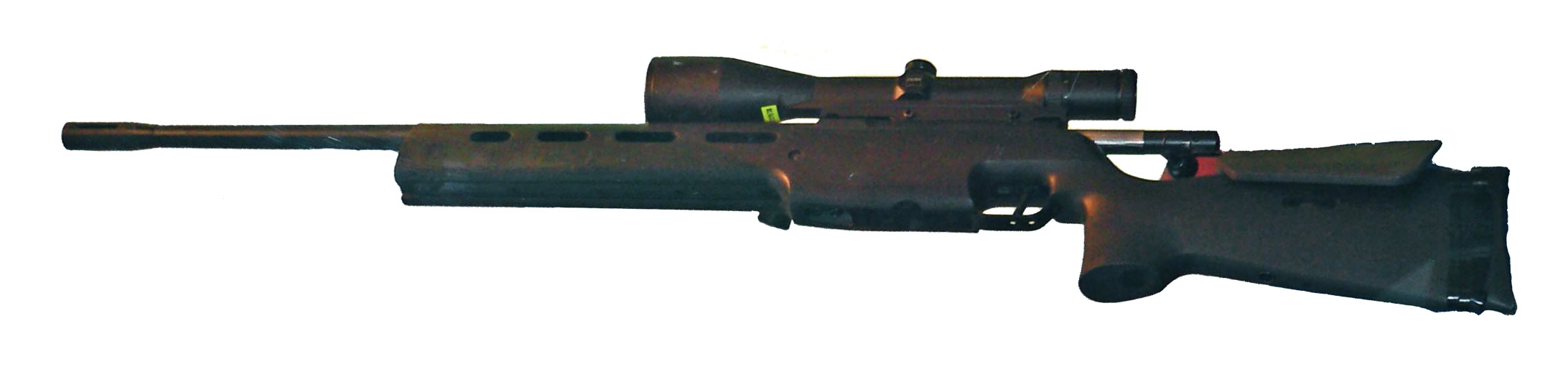
- Country of origin: Germany
- Era introduced: Cold War
- Primary caliber: 7.62×51mm NATO
- Intended role at introduction: Bolt-action sniper rifle
- Combat environment where it excelled: Mixed terrain
- Expectation gap: Limited combat impact expected
- Why it outperformed expectations: Consistent accuracy and reliability
- Operational impact: Expanded export sniper adoption
The SSG 3000 entered service with modest expectations for battlefield impact. Combat use demonstrated excellent accuracy, reliability, and adaptability across environments. It exceeded expectations by delivering dependable precision without excessive complexity, reinforcing the value of straightforward, well-engineered bolt-action sniper systems.











 Top Gaining Stocks
 Top Losing Stocks