


In modern warfare, tanks are no longer threatened only by other tanks. Today’s battlefields are shaped by a new generation of anti-tank weapons that can be carried by infantry, launched from vehicles, or fired from miles away by drones and attack helicopters. These systems punch through advanced armor and disrupt armored assaults. These weapons even give small units the ability to stop a mechanized force dead in its tracks. Here, 24/7 Wall St. is taking a closer look at some of the most powerful anti-tank weapons used on the battlefield today.
To determine the most powerful anti-tank weapons used by militaries around the world, 24/7 Wall St. reviewed various historical and military sources. We ordered these weapons chronologically. We included supplemental information regarding the type of weapon, year introduced, manufacturer and more.
Anti-tank weapons have played a defining role in recent conflicts like Syria and Ukraine, where small, mobile teams armed with modern guided missiles were able to halt or destroy heavy armored formations. Systems like the Javelin, NLAW, Kornet, and others haven proven that precision firepower can outweigh numerical strength. These weapons have shaped frontline tactics and forced new defensive strategies. Ultimately, they’ve shown how infantry armed with advanced missiles can neutralize tanks in cities, forests, and open terrain.
Here is a look at the most powerful anti-tank weapons still in use today:
Why Are We Covering This?

Anti-tank weapons are still some of the most influential weapons systems on today’s battlefields, shaping everything from infantry tactics to the survivability of billion-dollar armored fleets. As modern militaries invest in drones, AI, and advanced protection systems, the fight between armor and anti-armor continues to evolve at a rapid pace. The weapons featured here show how even small teams can neutralize heavy armor and shift the momentum of a conflict. Understanding the most powerful anti-tank systems still in use, we get a clearer picture of how modern warfare is constantly changing, what technologies matter most, and why armor dominance is no longer guaranteed.
The Modern Tank-Killing Arms Race
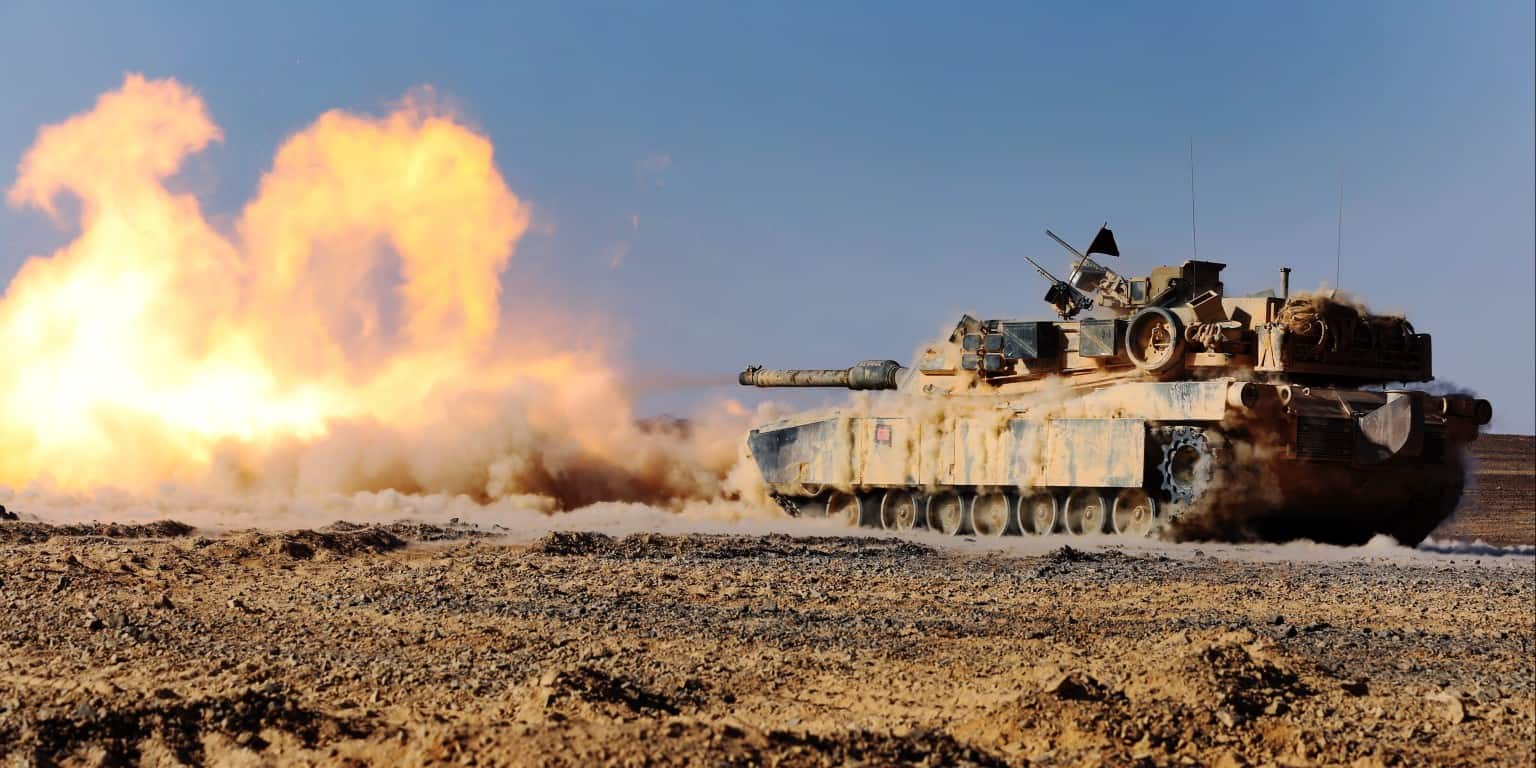
Since World War II, every improvement in tank armor has been matched by a new generation of weapons built to defeat it. Today’s anti-tank systems range from disposable launchers carried by infantry to long-range guided missiles fired from helicopters, drones, and vehicles. Together they form a layered kill web that can stop even the most advanced main battle tanks.
Why These Weapons Still Matter
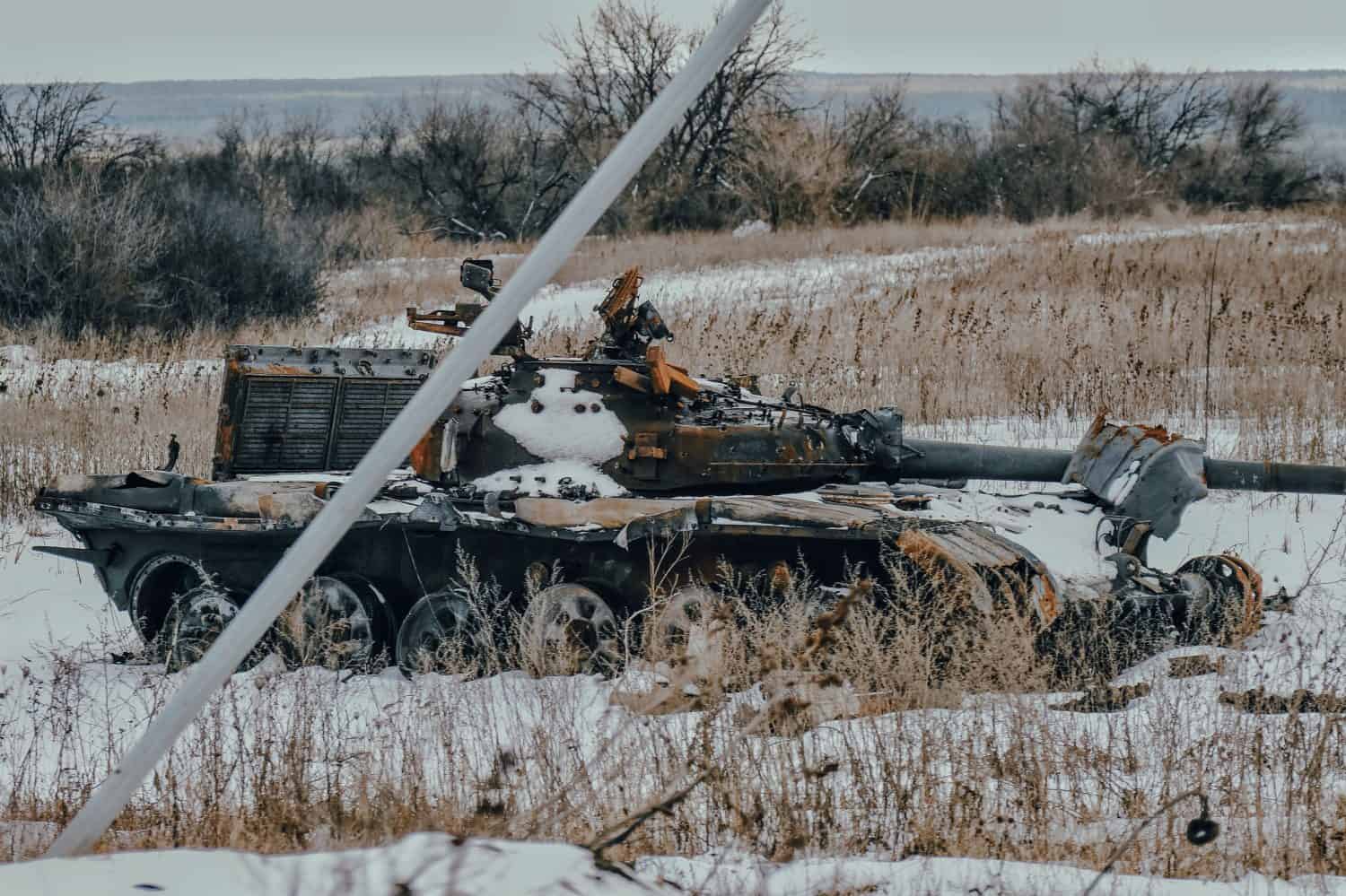
Anti-tank weapons are no longer just backup tools for infantry — they are core to how modern armies plan offensives, defend key terrain, and blunt armored breakthroughs. From Ukraine to the Middle East, tank losses often come from small teams with smart missiles, not other tanks. Understanding these systems explains why armor has become both essential and vulnerable.
How Armies Actually Use Anti-Tank Weapons

On a conventional battlefield, anti-tank weapons are layered and deliberate. Long-range missiles hunt tanks from stand-off positions, while lighter launchers cover choke points, ridgelines, bridges, and likely avenues of approach. Commanders build “kill zones” where armor is funneled into overlapping fields of fire, turning what looks like open maneuver space into a lethal trap for armored columns.
From Urban Ambushes to Mountain Passes
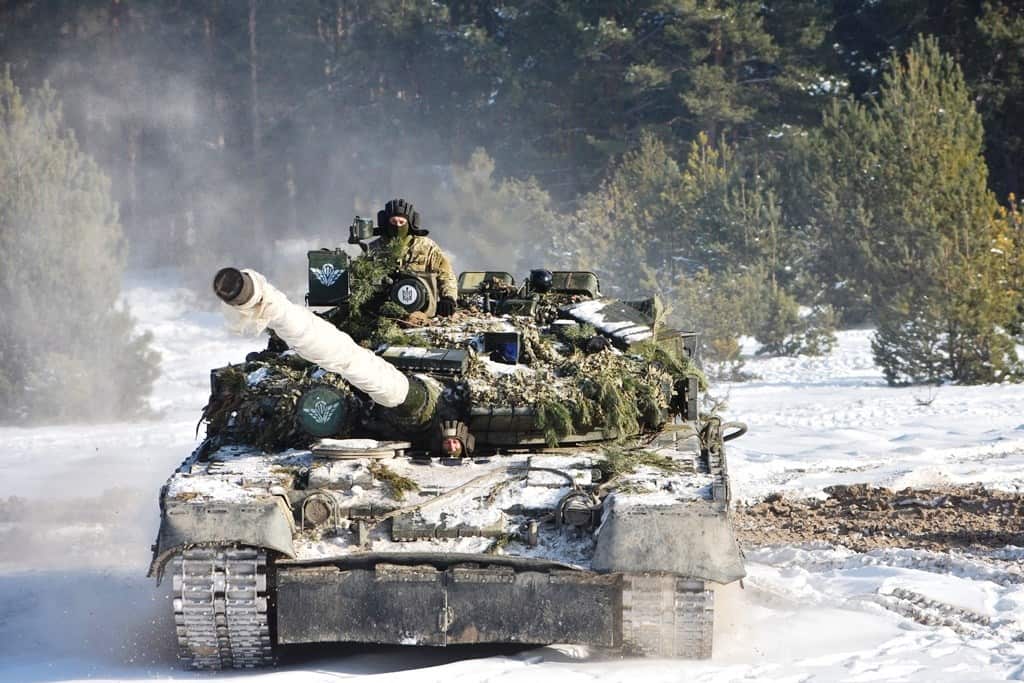
Modern conflicts rarely play out on open plains. Tanks now fight in cities, forests, deserts, and tight mountain passes—places where visibility is short and ambush teams with rockets or guided missiles can get dangerously close. The most effective anti-tank weapons are the ones that infantry can carry, conceal, and fire from cramped alleyways, rooftops, or rough terrain.
What Anti-Tank Weapons Reveal About Future Wars

The rise of powerful man-portable and guided anti-tank systems suggests future wars will punish large, exposed armored formations. Tanks aren’t obsolete, but they must operate with better drones, infantry screens, electronic warfare, and active protection systems to survive. Looking at today’s most powerful anti-tank weapons is really a window into how land warfare itself is being rewritten.
RPG-7V2
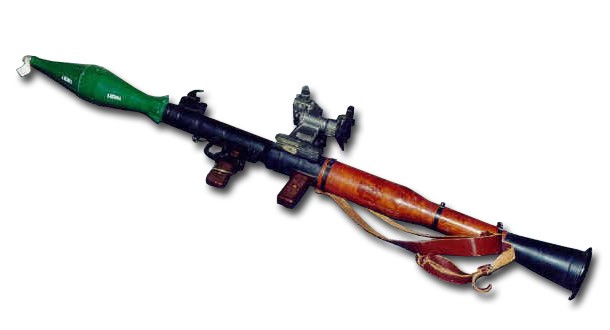
- Type: Reusable rocket-propelled grenade launcher
- Year introduced: 1961
- Country of origin: Soviet Union / Russia
- Manufacturer: Bazalt and others
- Ammunition: HEAT / tandem HEAT / thermobaric rockets
- Firing action: Rocket-propelled grenade
- Range: 1,640 ft.
Decades old yet still everywhere, the RPG‑7 endures because it can fire modern tandem and thermobaric rounds. While less effective against the latest main battle tanks frontally, it remains deadly against side armor, APCs, and fortified positions in ambush scenarios.
BGM-71 TOW 2B
- Type: Heavy wire-guided ATGM
- Year introduced: 1983
- Country of origin: United States
- Manufacturer: Raytheon
- Ammunition: Top-attack HEAT
- Firing action: Wire-guided SACLOS
- Range: 14,763 ft.
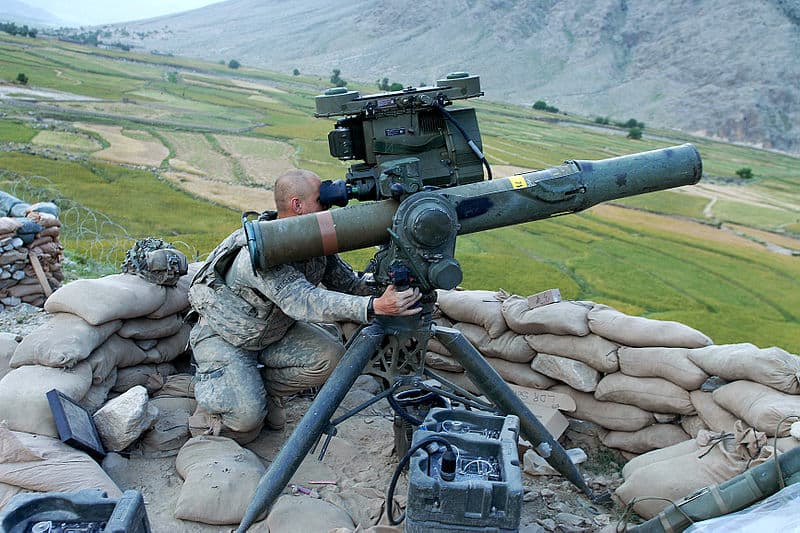
The TOW 2B variant attacks from above, detonating explosively formed penetrators over a tank’s turret roof. Mounted on vehicles, tripods, and helicopters, TOW remains a backbone heavy ATGM across NATO, prized for reliability, penetration, and upgrade packages that keep it current.
AT4
- Type: Disposable anti-tank launcher
- Year introduced: 1987
- Country of origin: Sweden
- Manufacturer: Saab Bofors Dynamics
- Ammunition: HEAT rocket
- Firing action: Recoilless launcher
- Range: 984 ft.
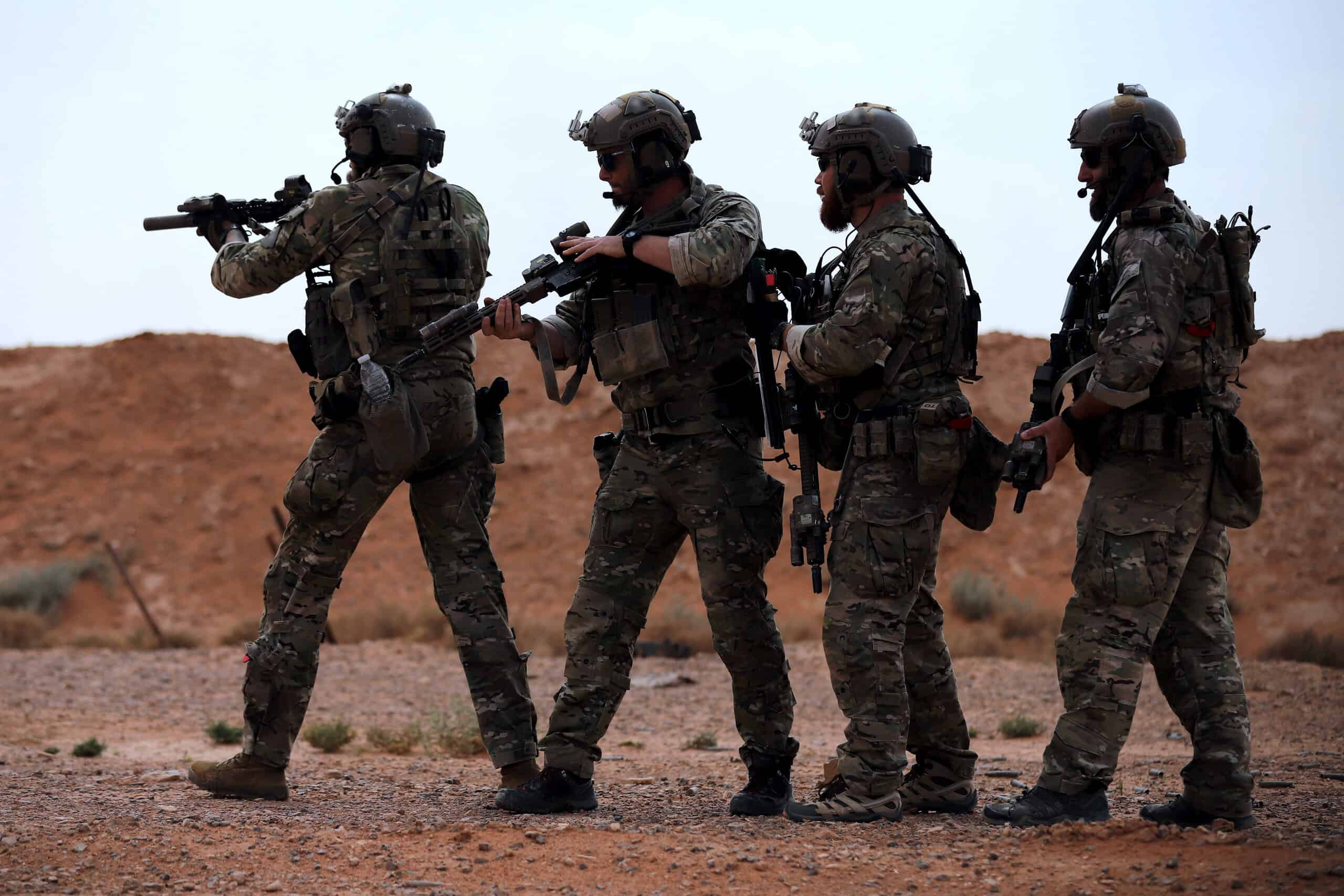
The AT4 is one of the most widely fielded single‑shot anti‑armor weapons in the world. Cheap, robust, and easy to train on, it gives infantry a dependable way to defeat older tanks, IFVs, and hardened positions at short to medium range.
RPG-29 Vampir
- Type: Reusable rocket-propelled grenade launcher
- Year introduced: 1989
- Country of origin: Soviet Union / Russia
- Manufacturer: Bazalt
- Ammunition: Tandem HEAT rocket
- Firing action: Unguided rocket launcher
- Range: 1,640 ft.
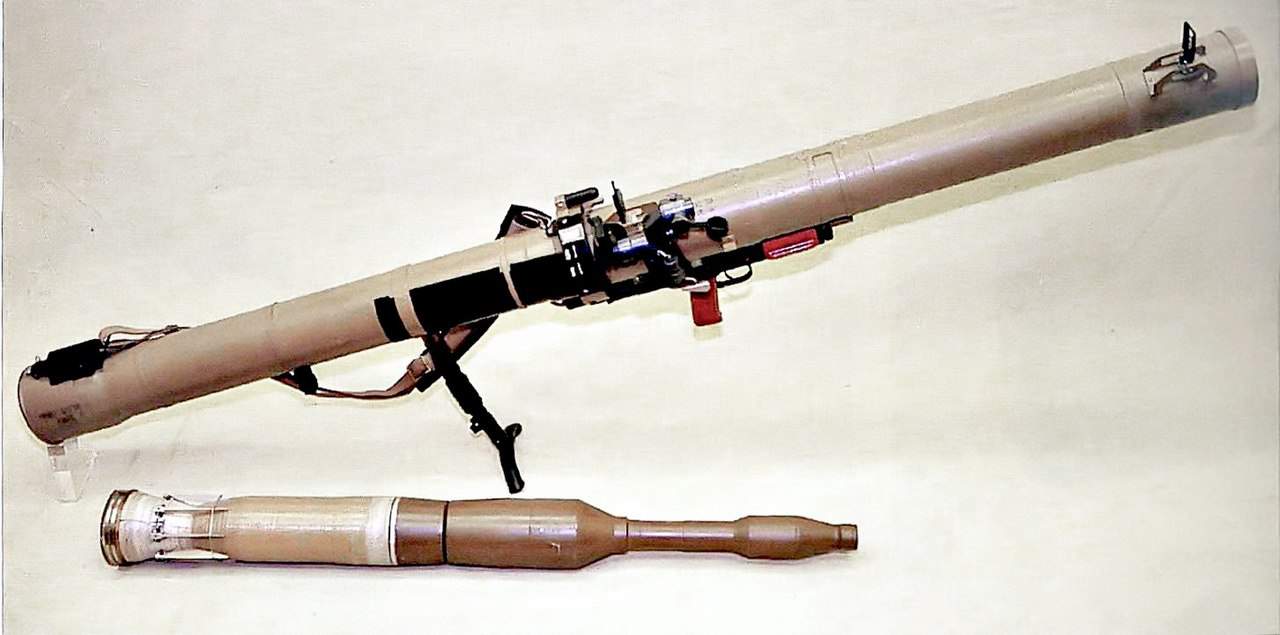
The RPG‑29 fires a large‑diameter tandem warhead designed to defeat explosive reactive armor. Though unguided, its sheer penetration makes it dangerous in close combat and urban fighting. It remains in service with several states and non‑state actors as a low‑cost heavy tank killer.
AGM-114R Hellfire II
- Type: Air-to-ground anti-armor missile
- Year introduced: 1990
- Country of origin: United States
- Manufacturer: Lockheed Martin
- Ammunition: Multi-purpose shaped charge
- Firing action: Semi-active laser / radar guided
- Range: 26,246 ft.
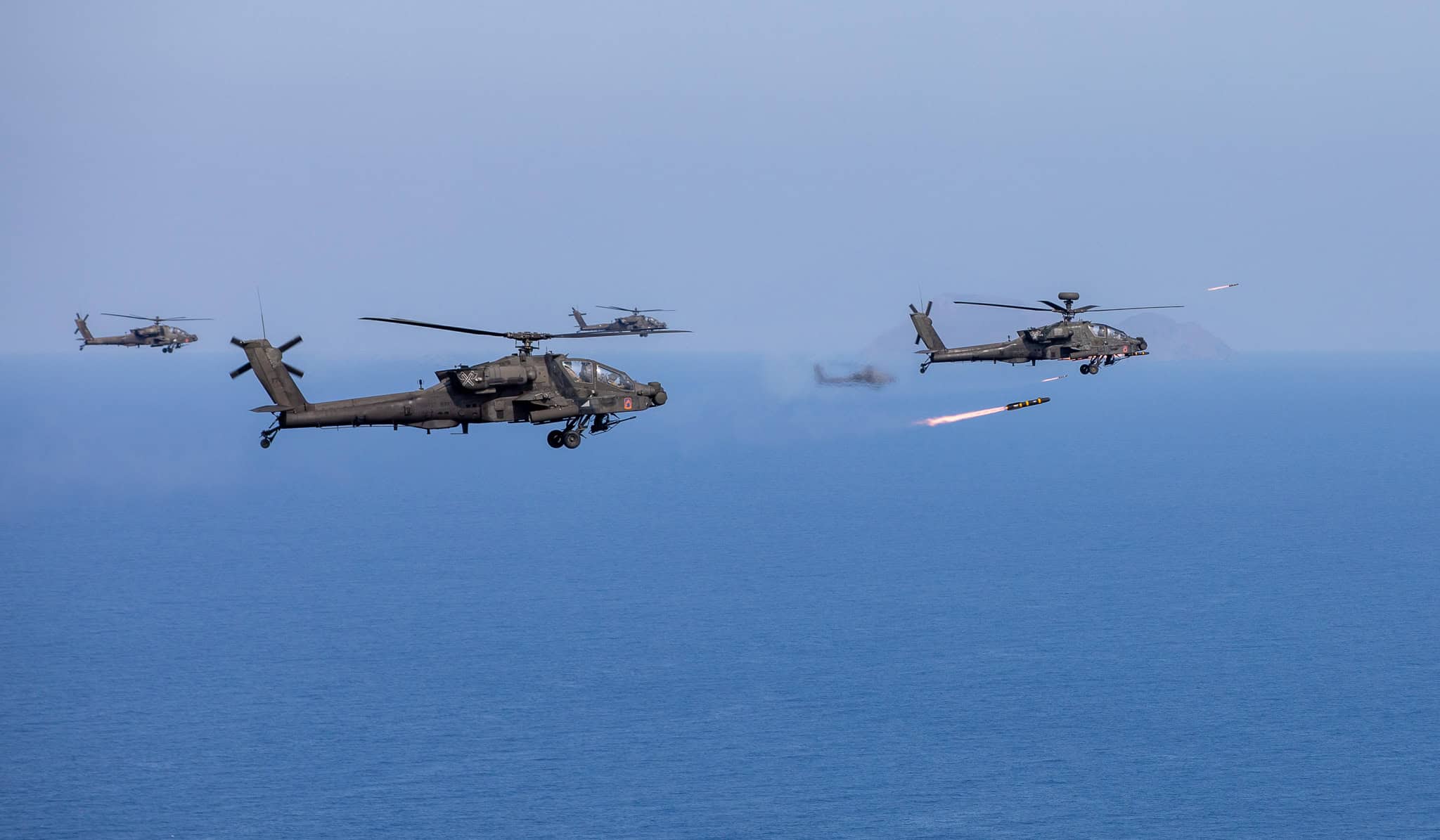
Hellfire II is the go‑to anti‑tank missile for attack helicopters, drones, and some ground platforms. Designed to shred armor or structures, it brings precision anti‑tank firepower from the air, letting forces pick off vehicles beyond line‑of‑sight obstacles.
9M113M Konkurs-M
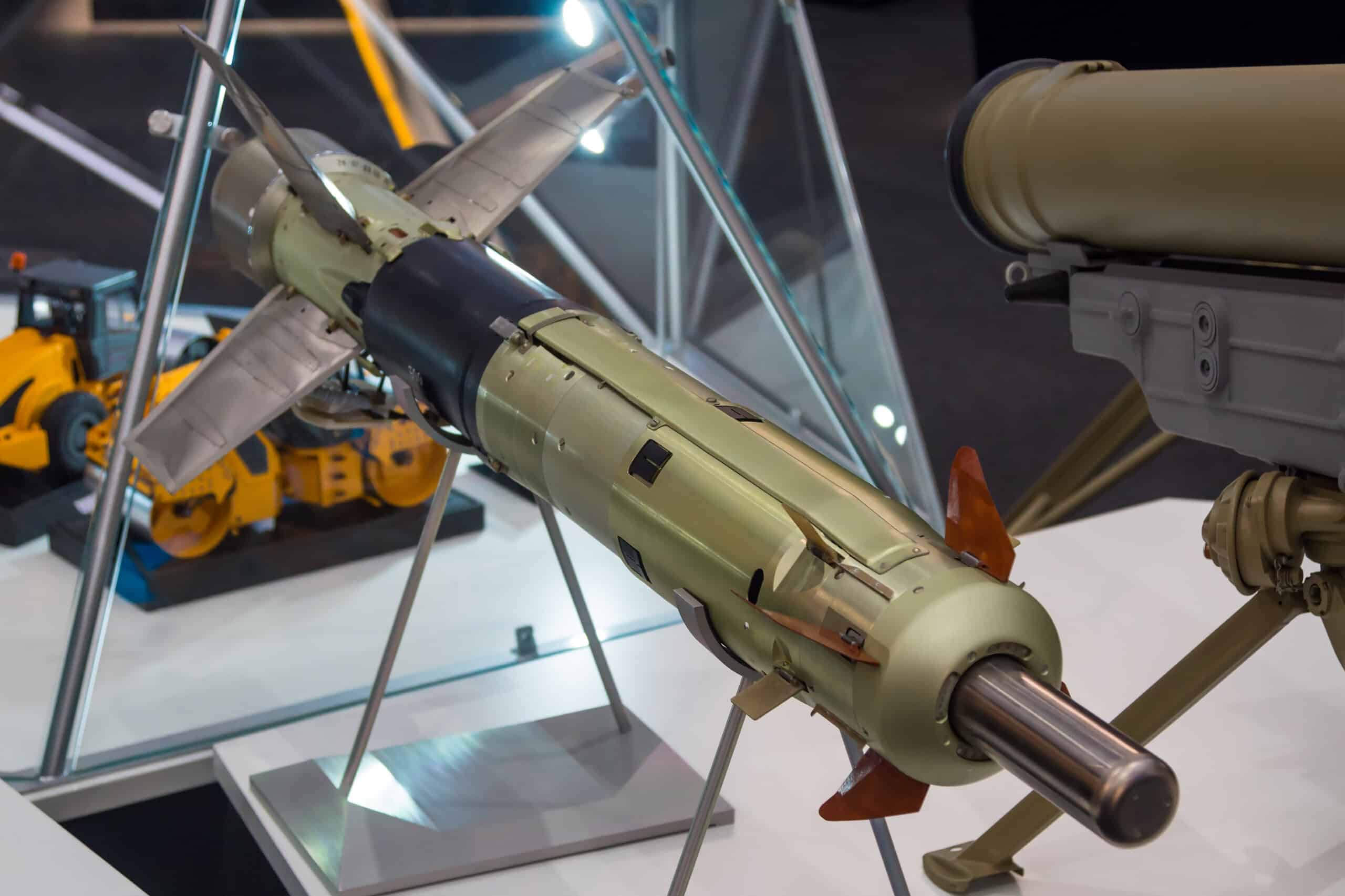
- Type: Medium ATGM
- Year introduced: 1991
- Country of origin: Russia
- Manufacturer: KBP Instrument Design Bureau
- Ammunition: Tandem HEAT missile
- Firing action: Wire-guided SACLOS
- Range: 13,123 ft.
Konkurs‑M is a widely exported ATGM still riding on many IFVs and tripod mounts. Its tandem warhead improves performance against ERA‑equipped tanks, extending the life of older missile fleets with relatively low modernization costs.
9K115-2 Metis-M1
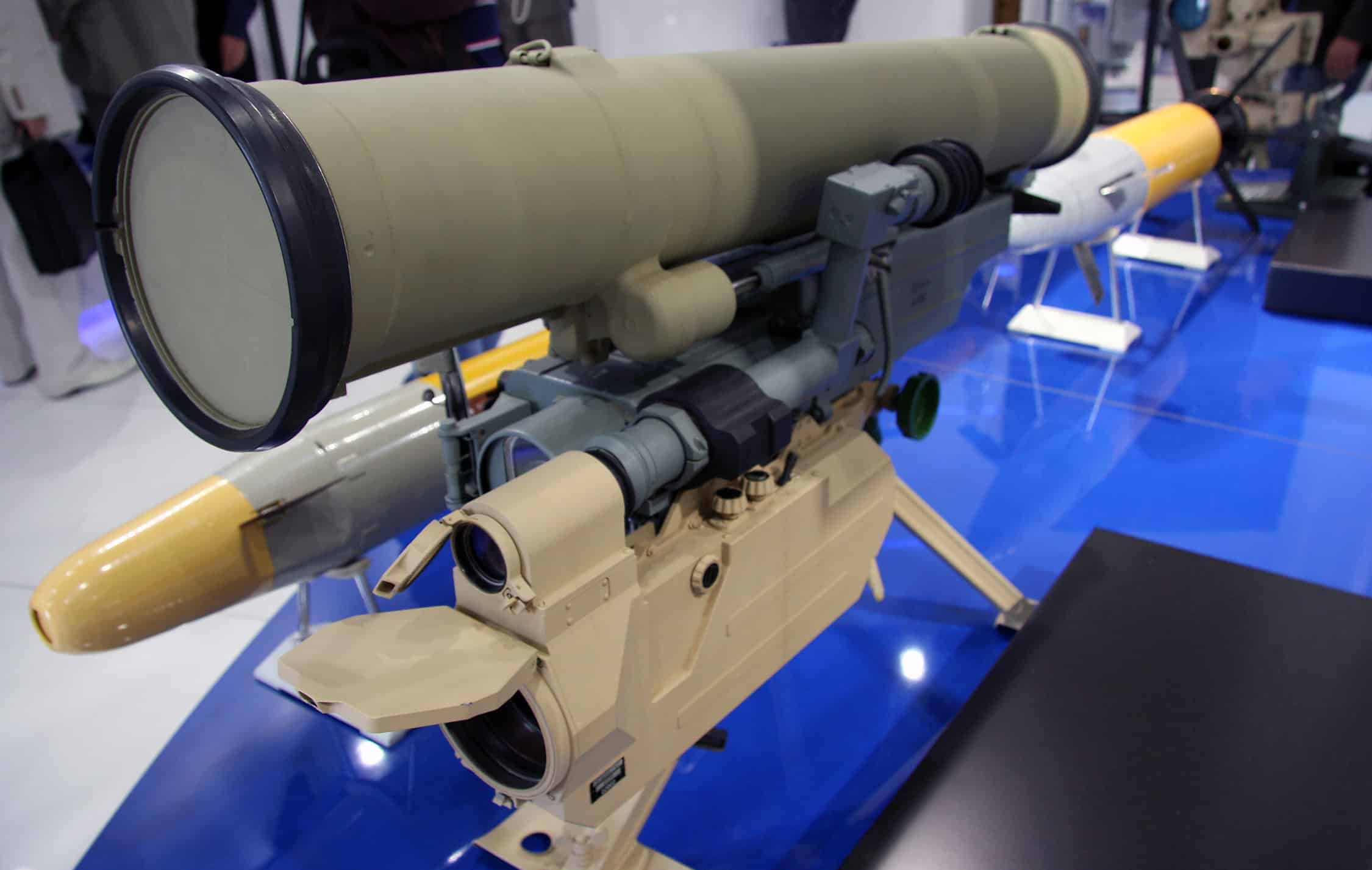
- Type: Light ATGM
- Year introduced: 1992
- Country of origin: Russia
- Manufacturer: KBP Instrument Design Bureau
- Ammunition: Tandem HEAT / thermobaric
- Firing action: Wire-guided SACLOS
- Range: 6,561 ft.
Metis‑M1 packs heavy armor penetration into a compact, man‑portable system. Crews can carry multiple missiles, giving light infantry credible anti‑tank power without vehicles. Its thermobaric warhead variant also threatens bunkers and fortified positions.
Panzerfaust 3

- Type: Disposable anti-tank launcher
- Year introduced: 1992
- Country of origin: Germany
- Manufacturer: Dynamit Nobel Defence
- Ammunition: Tandem HEAT rocket
- Firing action: Recoilless launcher
- Range: 1,968 ft.
Panzerfaust 3 carries on Germany’s anti‑tank legacy with a powerful tandem warhead and reusable firing unit. Simple optics and rugged design allow infantry to quickly engage armored vehicles, fortifications, and bunkers, making it a standard issue for many European ground forces.
FGM-148 Javelin
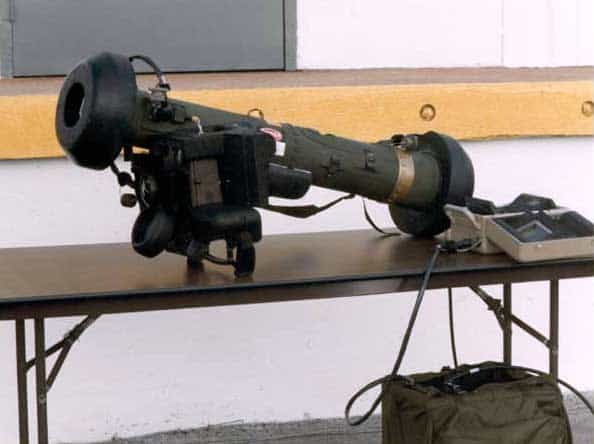
- Type: Man-portable fire-and-forget ATGM
- Year introduced: 1996
- Country of origin: United States
- Manufacturer: Raytheon / Lockheed Martin
- Ammunition: Tandem HEAT missile
- Firing action: Infrared-guided top-attack
- Range: 15,583 ft.
Javelin remains a benchmark man‑portable anti‑tank system. Its fire‑and‑forget thermal seeker and top‑attack profile let small teams kill modern main battle tanks from cover. Lightweight, shoulder‑fired, and highly accurate, it turns dismounted infantry into a serious threat to armored forces at long range.
9M133 Kornet-E
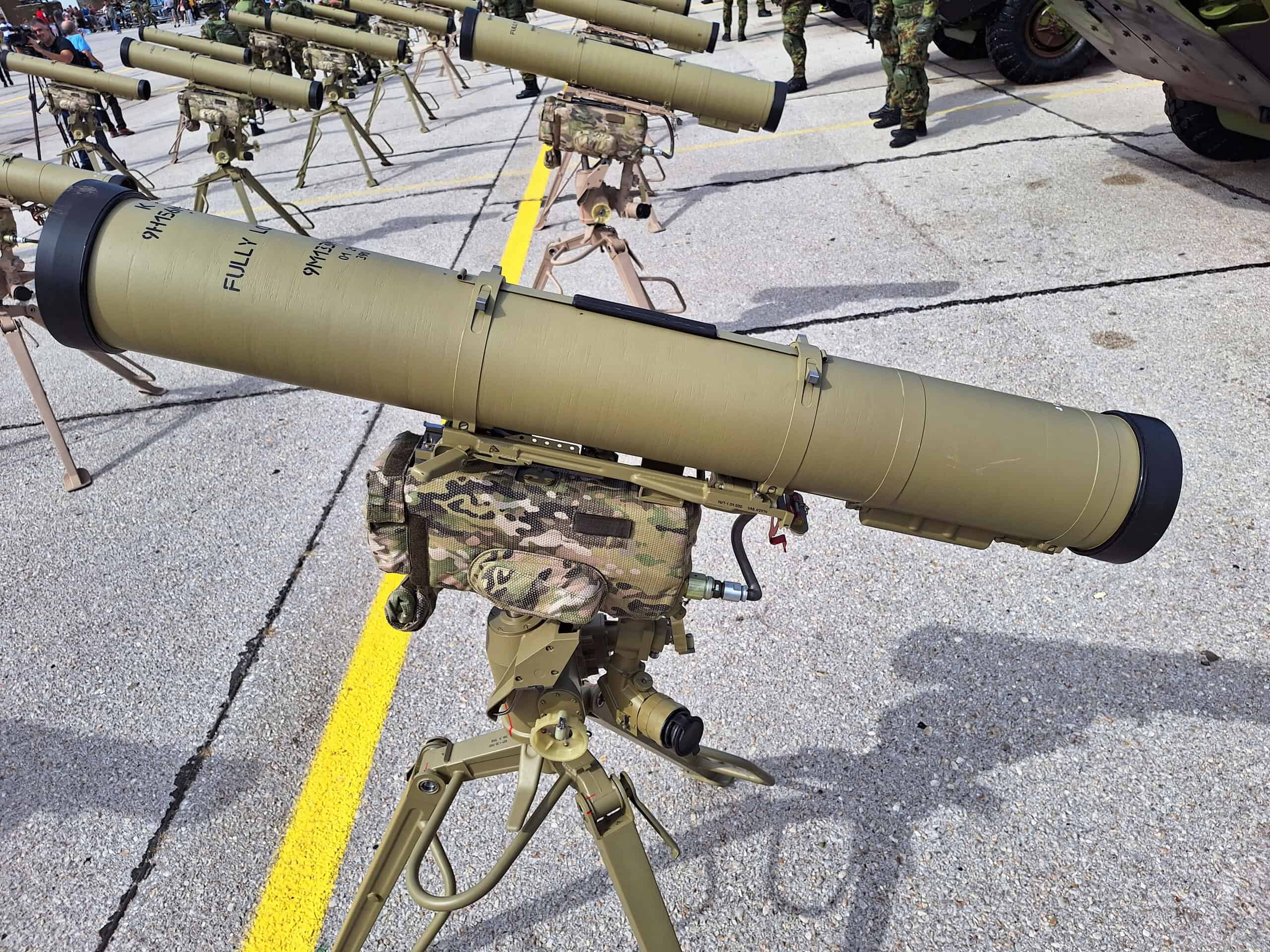
- Type: Heavy laser-guided ATGM
- Year introduced: 1998
- Country of origin: Russia
- Manufacturer: KBP Instrument Design Bureau
- Ammunition: Tandem HEAT / thermobaric
- Firing action: Laser beam-riding
- Range: 18,044 ft.
Kornet-E is built to punch through modern composite and reactive armor at long range. Its laser beam‑riding guidance is hard to jam, and its thermobaric variant doubles as a bunker‑buster. Tripod, vehicle, and turret mounts keep it relevant in anti‑tank and anti‑fortification roles.
HOT 3
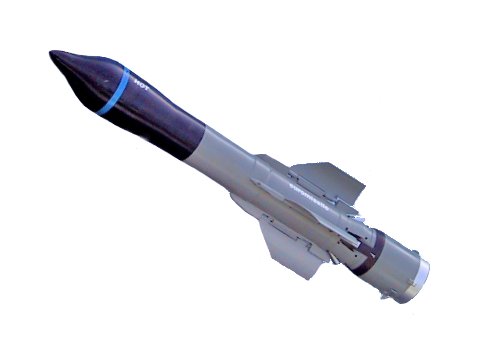
- Type: Heavy ATGM
- Year introduced: 1998
- Country of origin: France / Germany
- Manufacturer: MBDA
- Ammunition: Tandem HEAT missile
- Firing action: Wire-guided SACLOS
- Range: 14,107 ft.
HOT 3 is deployed on helicopters and ground launchers, giving European forces a heavy anti‑tank punch. Its tandem warhead and refined guidance keep it credible against modern armored threats, especially when launched from elevated aerial platforms.
LAHAT
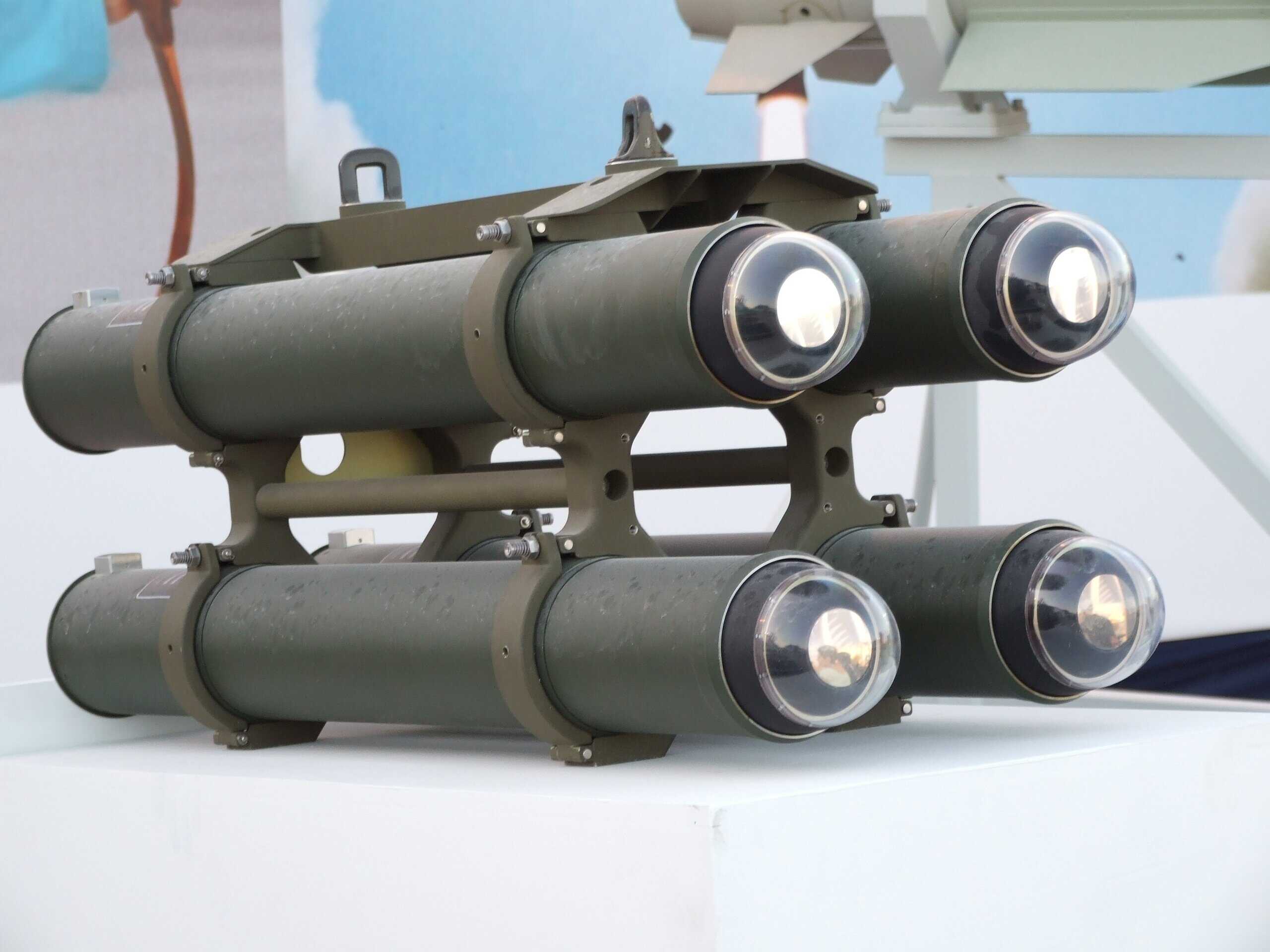
- Type: Gun-launched laser-guided ATGM
- Year introduced: 2000
- Country of origin: Israel
- Manufacturer: Israel Aerospace Industries
- Ammunition: HEAT missile
- Firing action: Semi-active laser homing
- Range: 26,246 ft.
LAHAT can be fired from tank guns or lightweight launchers, turning standard cannons into long‑range missile systems. Its laser‑guided top‑attack profile lets lighter vehicles and even helicopters kill heavily armored targets from stand‑off ranges.
MATADOR
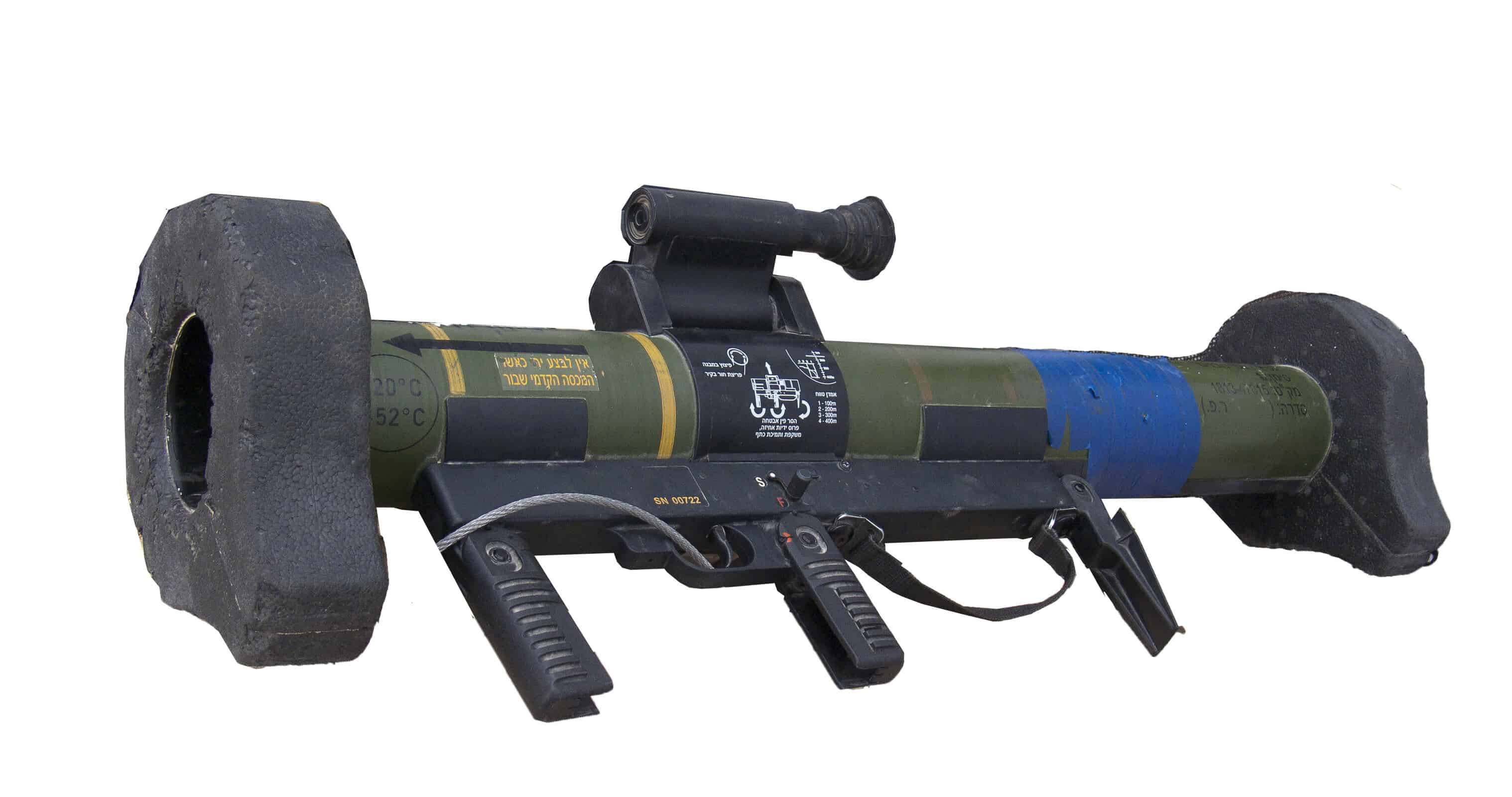
- Type: Disposable anti-structure/anti-tank launcher
- Year introduced: 2000
- Country of origin: Germany / Israel / Singapore
- Manufacturer: DND / Rafael / ST Engineering
- Ammunition: Multi-purpose HEAT/HESH
- Firing action: Recoilless launcher
- Range: 1,640 ft.
MATADOR is optimized for urban combat, able to defeat light armor or blast through walls with a selectable warhead mode. Its confined‑space firing capability lets troops engage from inside rooms or alleys, giving infantry a flexible tool for fighting armor in dense cities.
Type 01 LMAT

- Type: Man-portable fire-and-forget ATGM
- Year introduced: 2001
- Country of origin: Japan
- Manufacturer: Kawasaki Heavy Industries / others
- Ammunition: HEAT missile
- Firing action: Imaging infrared / fiber-optic guided
- Range: 6,561 ft.
Japan’s Type 01 LMAT gives infantry a compact, shoulder‑fired fire‑and‑forget missile with top‑attack capability. Fiber‑optic link options allow operators to steer around obstacles, making it ideal for complex terrain and island defense scenarios.
MILAN ER
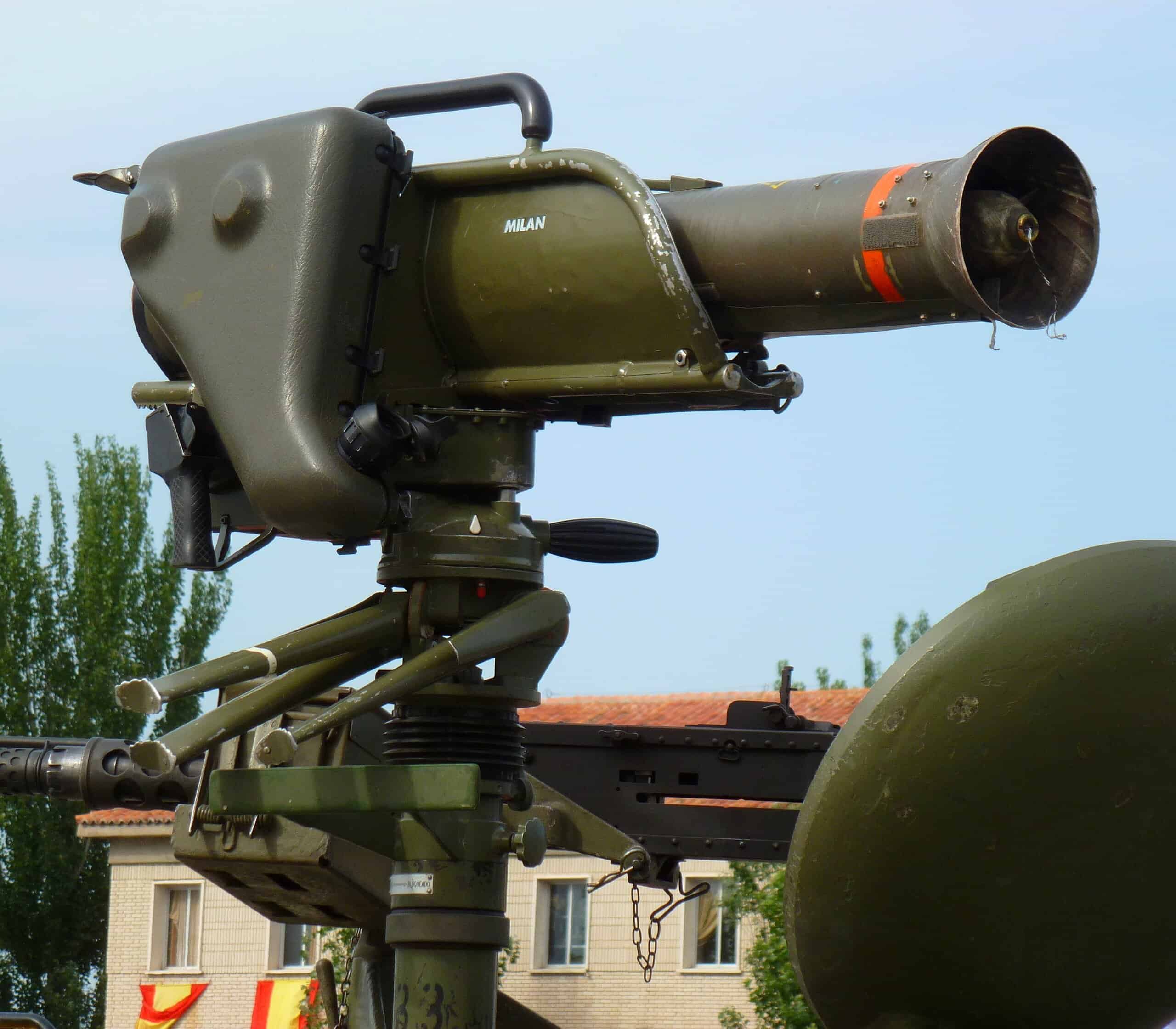
- Type: Medium ATGM
- Year introduced: 2006
- Country of origin: France / Germany
- Manufacturer: MBDA
- Ammunition: Tandem HEAT missile
- Firing action: Wire-guided SACLOS
- Range: 9,842 ft.
MILAN ER updates the classic European ATGM with longer range and a more powerful tandem warhead. Still fielded by many armies, it offers a proven, reliable way to defeat older tanks and armored vehicles from covered firing positions.
MBT LAW
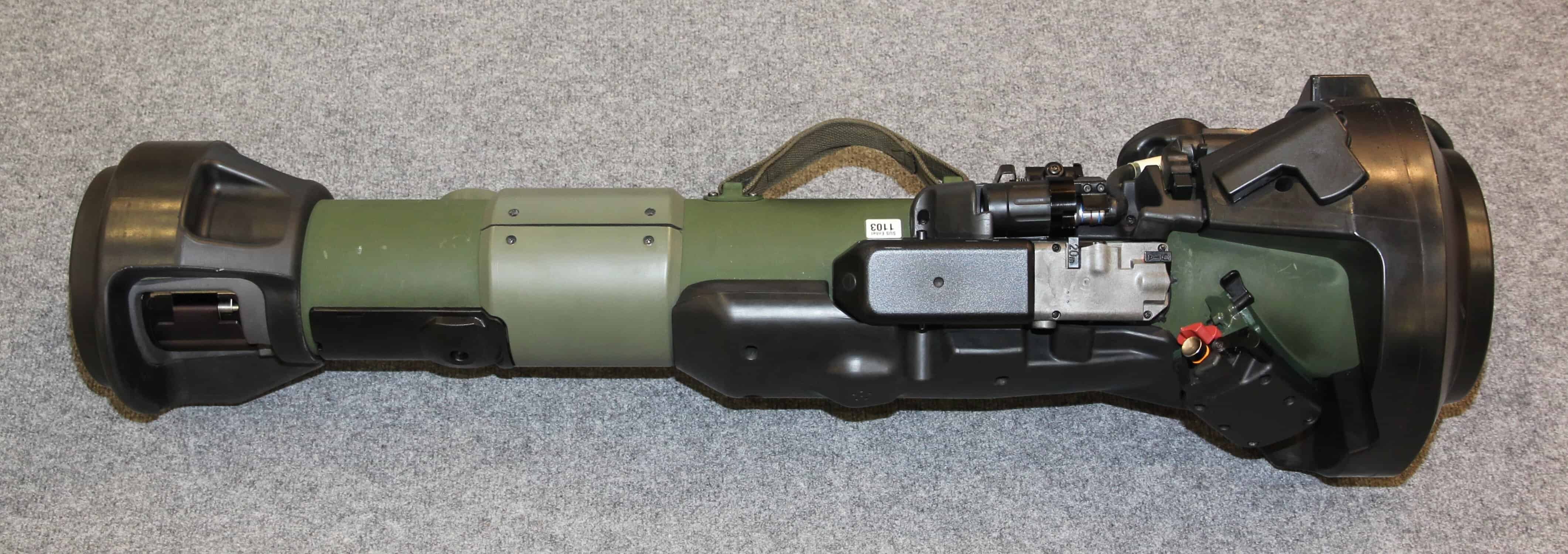
- Type: Disposable top-attack launcher
- Year introduced: 2008
- Country of origin: United Kingdom / Sweden
- Manufacturer: Saab / Thales
- Ammunition: Overfly top-attack HEAT
- Firing action: Fire-and-forget launcher
- Range: 3,280 ft.
MBT LAW is built to defeat main battle tanks in close combat. Fired from the shoulder, it flies a programmed path over the target and detonates downward into thinner roof armor, making it ideal for ambushes in forests, towns, and broken terrain.
NLAW (Next Generation Light Anti-Tank Weapon)
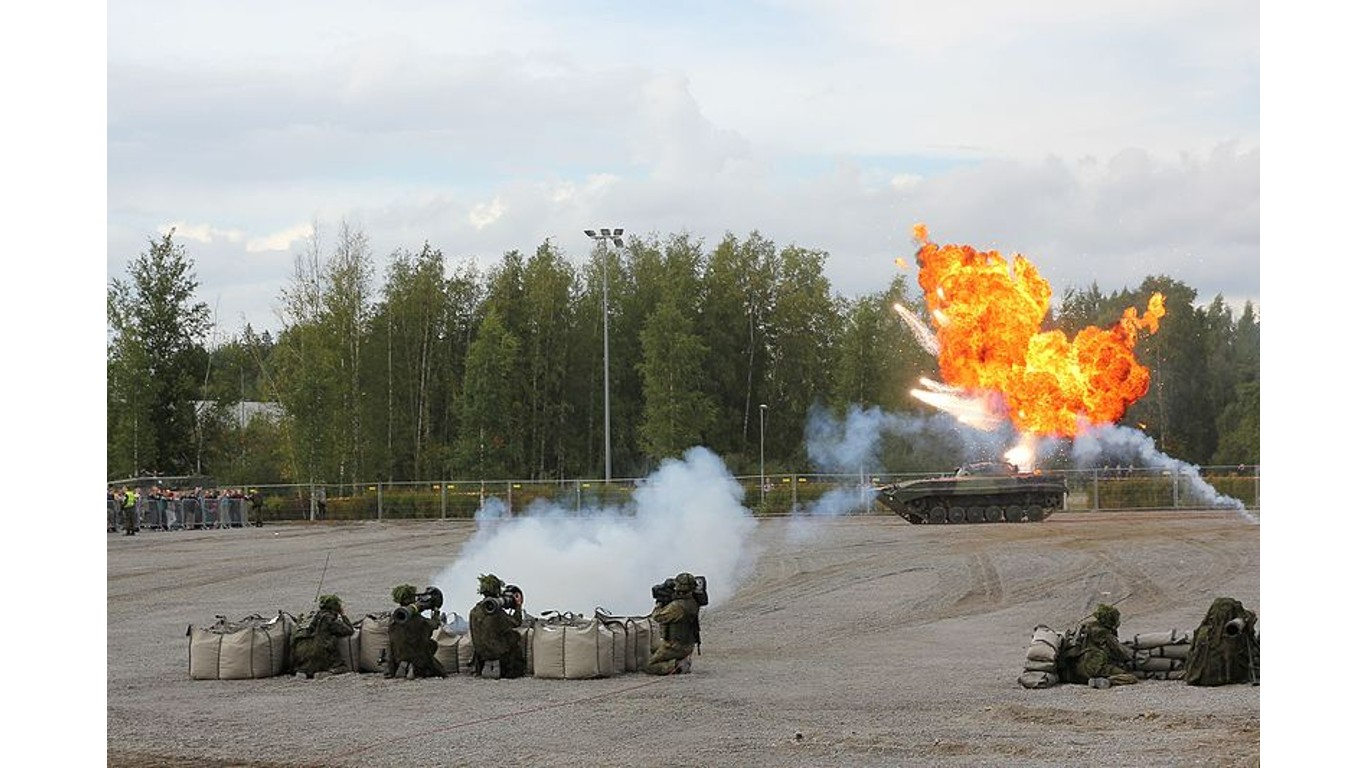
- Type: Shoulder-fired disposable ATGM
- Year introduced: 2009
- Country of origin: United Kingdom / Sweden
- Manufacturer: Saab / Thales
- Ammunition: Predicted line-of-sight HEAT
- Firing action: Overfly top-attack fire-and-forget
- Range: 2,624 ft.
NLAW predicts a tank’s path as the operator tracks it briefly before firing. The missile then overflies and detonates above the roof armor. Compact and intuitive, it has proven highly effective in urban and close‑terrain ambushes where heavy ATGM teams are hard to deploy.
Stugna-P (Skif)
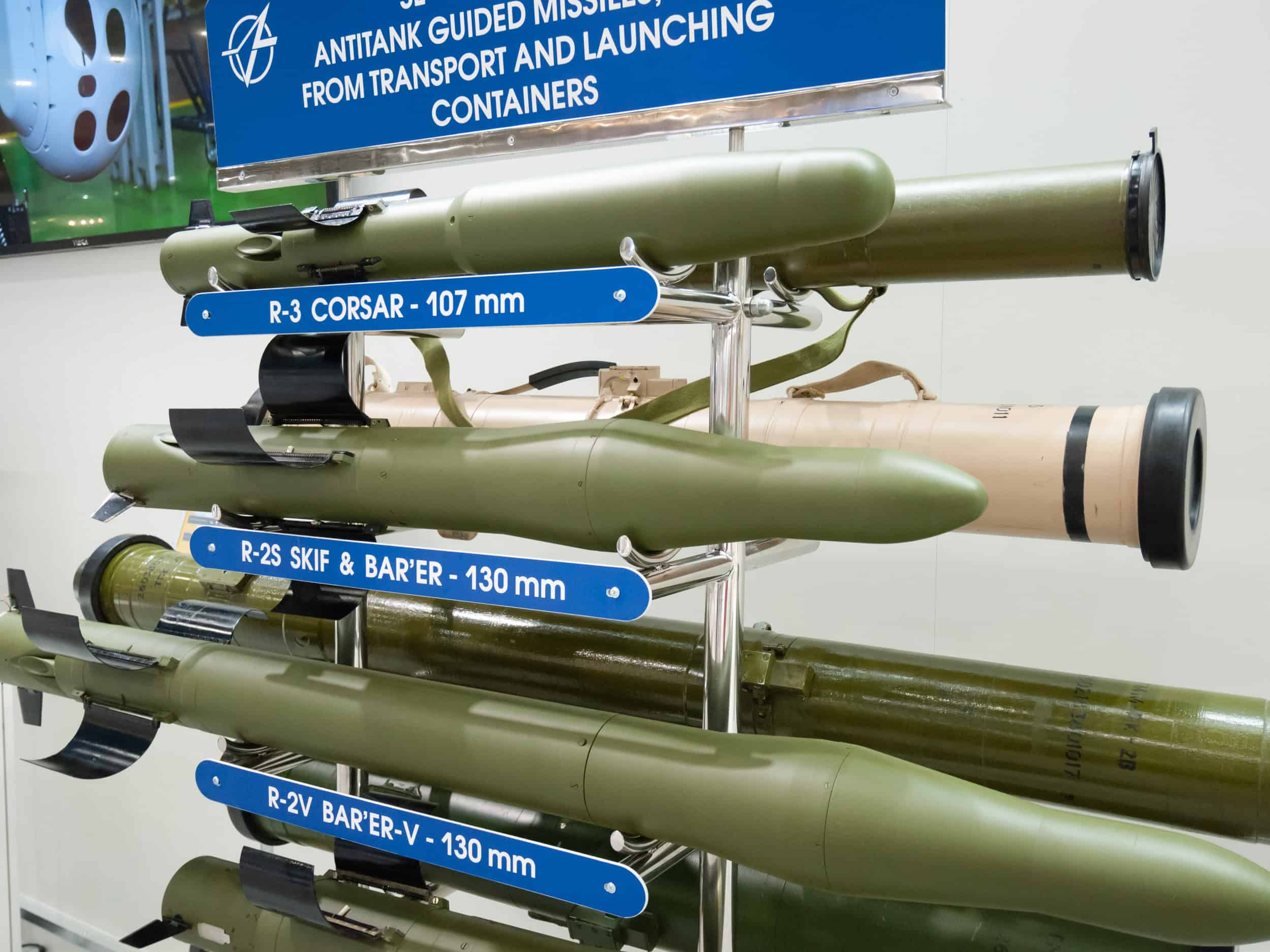
- Type: Heavy ATGM
- Year introduced: 2011
- Country of origin: Ukraine
- Manufacturer: Luch Design Bureau
- Ammunition: Tandem HEAT / HE-FRAG
- Firing action: Laser-guided
- Range: 16,404 ft.
Stugna‑P, often remotely fired from a tripod with a video console, lets Ukrainian crews engage tanks from concealed positions. Its tandem warhead defeats reactive armor, and its combat use has underscored how domestically produced ATGMs can blunt larger armored offensives.
Dehlavieh
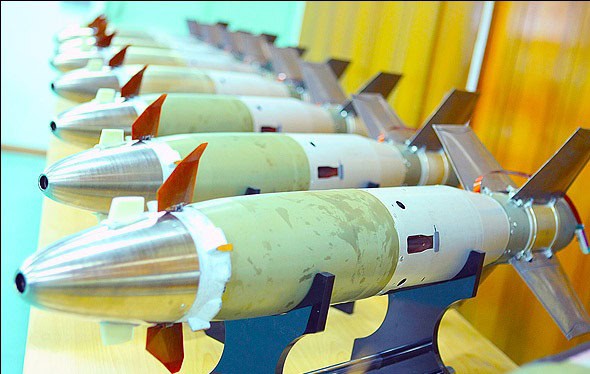
- Type: Heavy ATGM
- Year introduced: 2012
- Country of origin: Iran
- Manufacturer: Iranian Defence Industries Organization
- Ammunition: Tandem HEAT missile
- Firing action: Laser-guided
- Range: 16,404 ft.
The Dehlavieh, similar in concept to Kornet, is Iran’s indigenous heavy ATGM. Deployed by Iranian forces and proxies, it offers serious penetration against modern armor and highlights the spread of advanced anti‑tank guided weapons beyond traditional suppliers.
Carl Gustaf M4
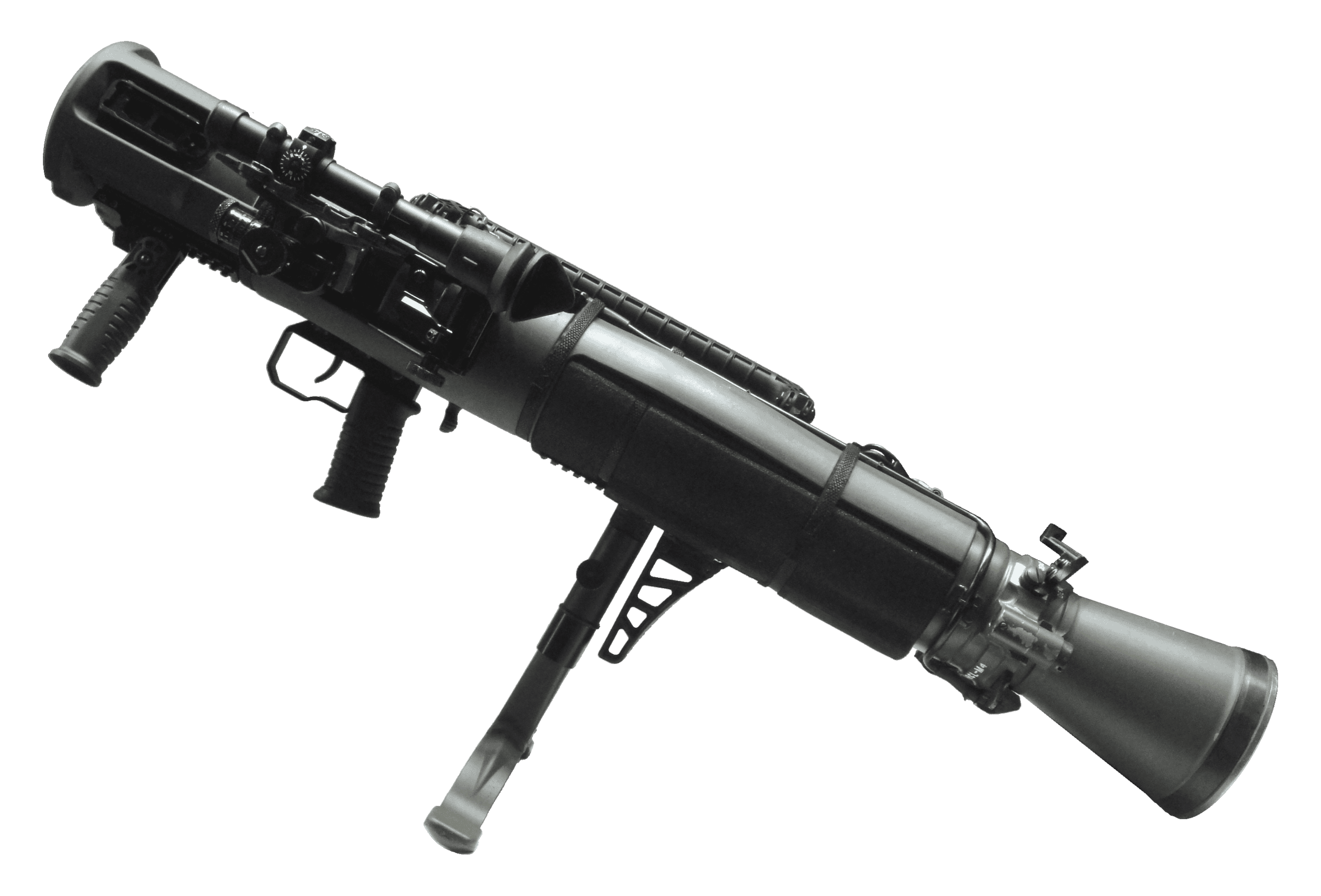
- Type: Reloadable recoilless rifle
- Year introduced: 2014
- Country of origin: Sweden
- Manufacturer: Saab Bofors Dynamics
- Ammunition: HEAT, HEDP, anti-structure, smoke, illumination
- Firing action: Recoilless rifle
- Range: 3,280 ft.
The latest Carl Gustaf combines a lightweight tube with smart sights and an enormous ammo family. HEAT and tandem rounds handle armor, while anti‑structure and airburst options cover bunkers and infantry. Its versatility keeps it in frontline service with elite units worldwide.
HJ-12 (Red Arrow 12)
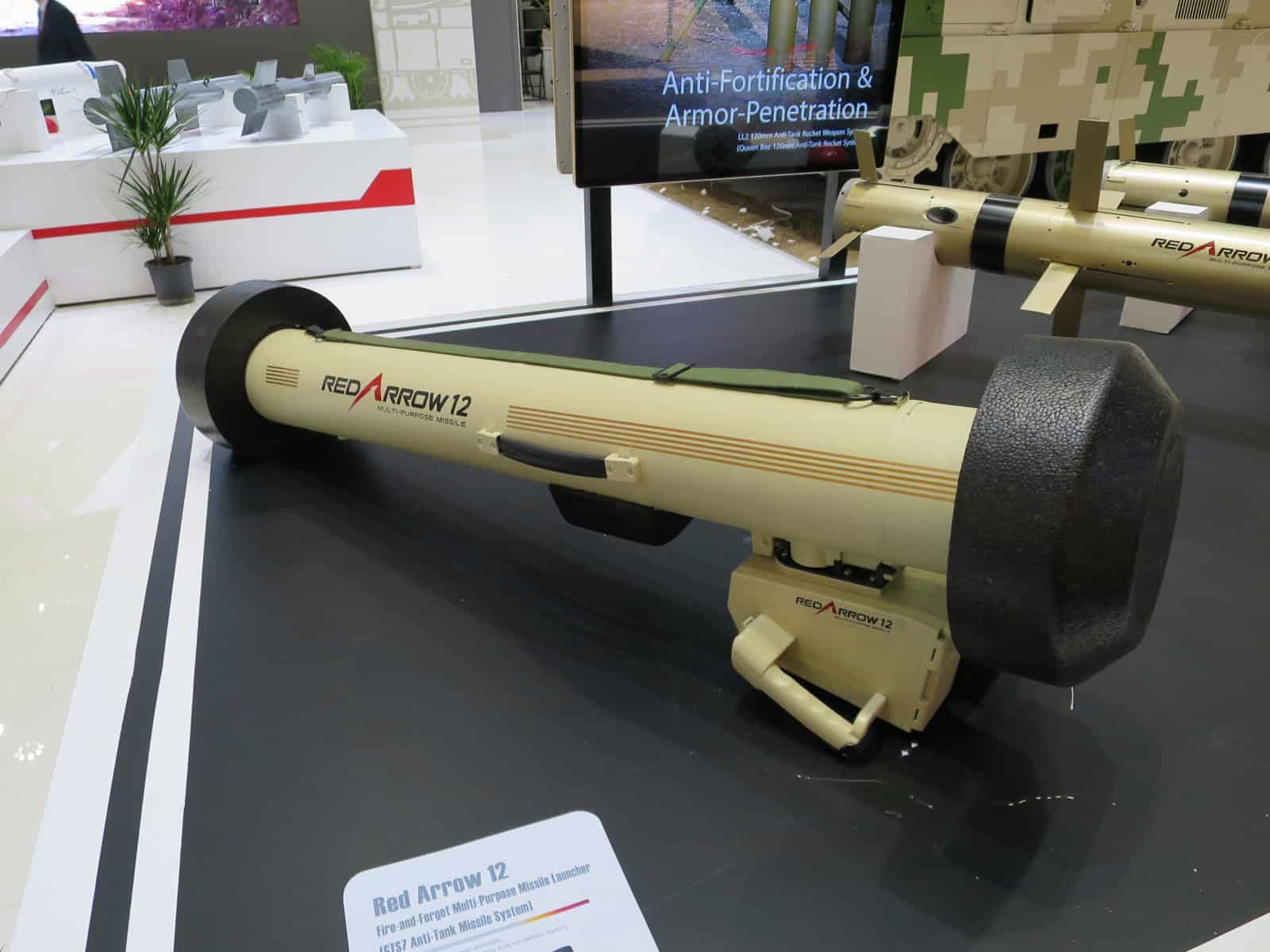
- Type: Man-portable fire-and-forget ATGM
- Year introduced: 2014
- Country of origin: China
- Manufacturer: NORINCO
- Ammunition: Tandem HEAT missile
- Firing action: Imaging infrared fire-and-forget
- Range: 13,123 ft.
China’s HJ‑12 mirrors Western top‑attack systems, giving PLA infantry a modern shoulder‑fired tank killer. Fire‑and‑forget capability lets crews shoot and immediately relocate, a critical survival tactic when engaging better‑armed armored formations.
Brimstone 2
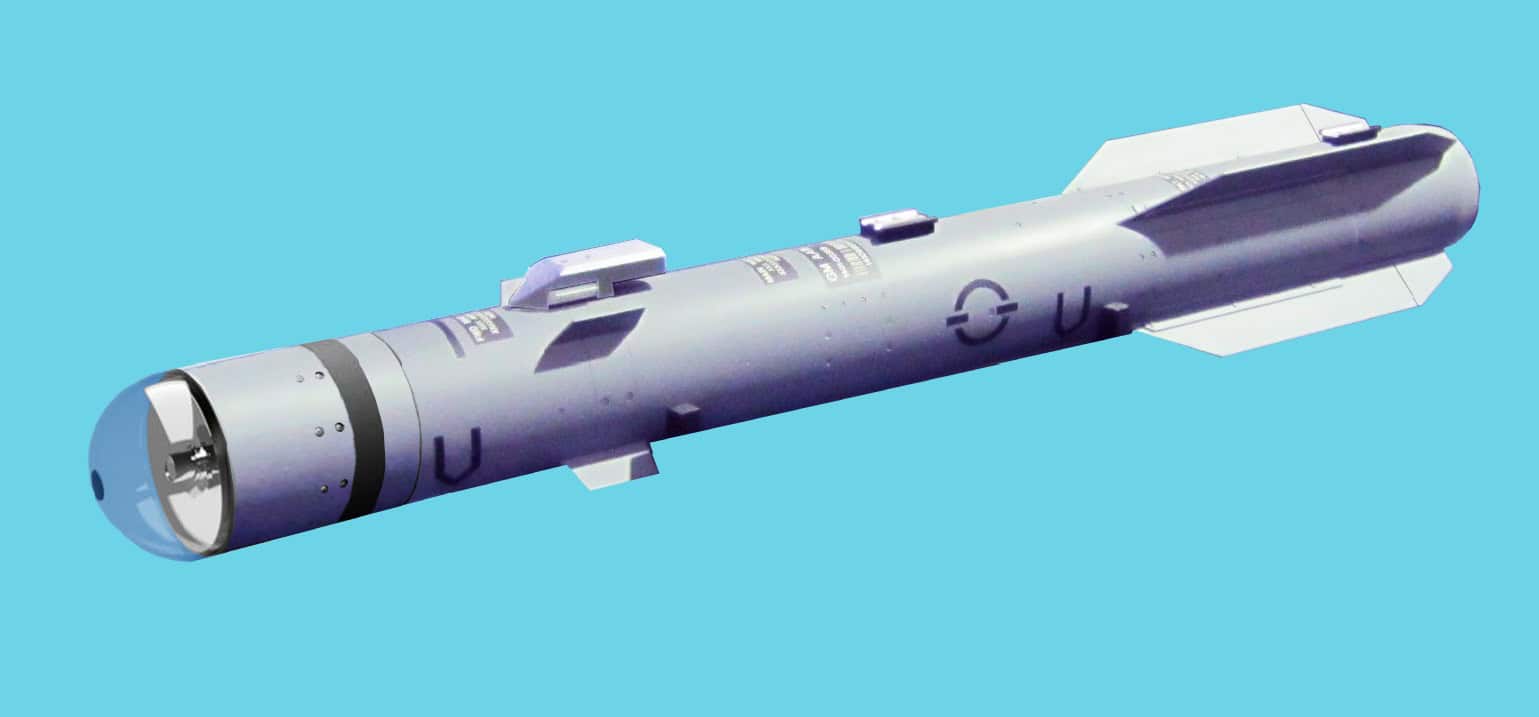
- Type: Air-launched anti-armor missile
- Year introduced: 2016
- Country of origin: United Kingdom
- Manufacturer: MBDA UK
- Ammunition: Tandem HEAT missile
- Firing action: Millimetric radar / laser-guided
- Range: 65,616 ft.
Brimstone 2 uses advanced seekers to hunt and prioritize moving armor, even in cluttered battlefields. Fired in salvos from jets or helicopters, it can autonomously assign targets, making it one of the most potent anti‑armor air‑to‑surface weapons in service.
OMTAS
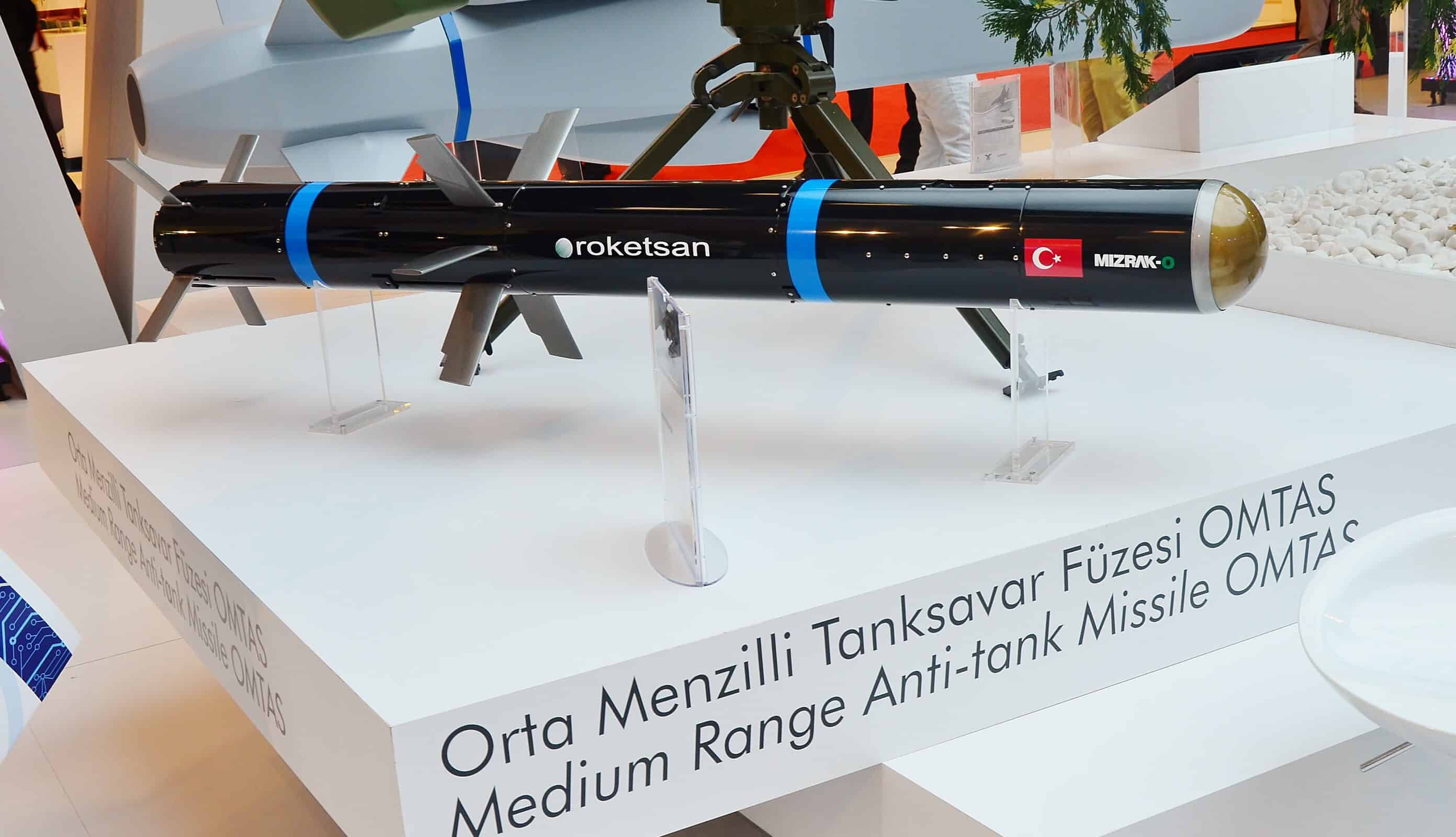
- Type: Medium-range ATGM
- Year introduced: 2016
- Country of origin: Turkey
- Manufacturer: Roketsan
- Ammunition: Tandem HEAT missile
- Firing action: Imaging infrared / RF guided
- Range: 13,123 ft.
OMTAS is Turkey’s next‑generation medium ATGM, designed to replace older wire‑guided systems. It can be vehicle‑ or tripod‑launched, and its imaging seeker supports both fire‑and‑forget and operator‑updated modes against tanks and fortifications.
Spike LR2
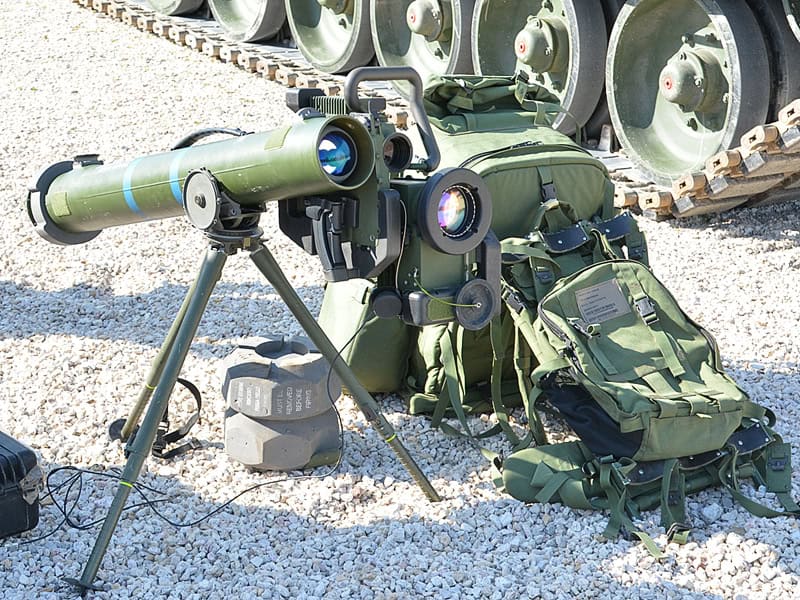
- Type: Fire-and-forget / fire-and-update ATGM
- Year introduced: 2017
- Country of origin: Israel
- Manufacturer: Rafael Advanced Defense Systems
- Ammunition: Tandem HEAT missile
- Firing action: Electro-optical guided, fiber-optic datalink
- Range: 18,044 ft.
Spike LR2 combines long‑range reach with a live video feed back to the operator. Gunners can re‑aim mid‑flight, select aim points, or abort. Its tandem warhead defeats modern armor while minimizing collateral damage, fitting today’s precision‑focused rules of engagement.










 Top Gaining Stocks
 Top Losing Stocks