


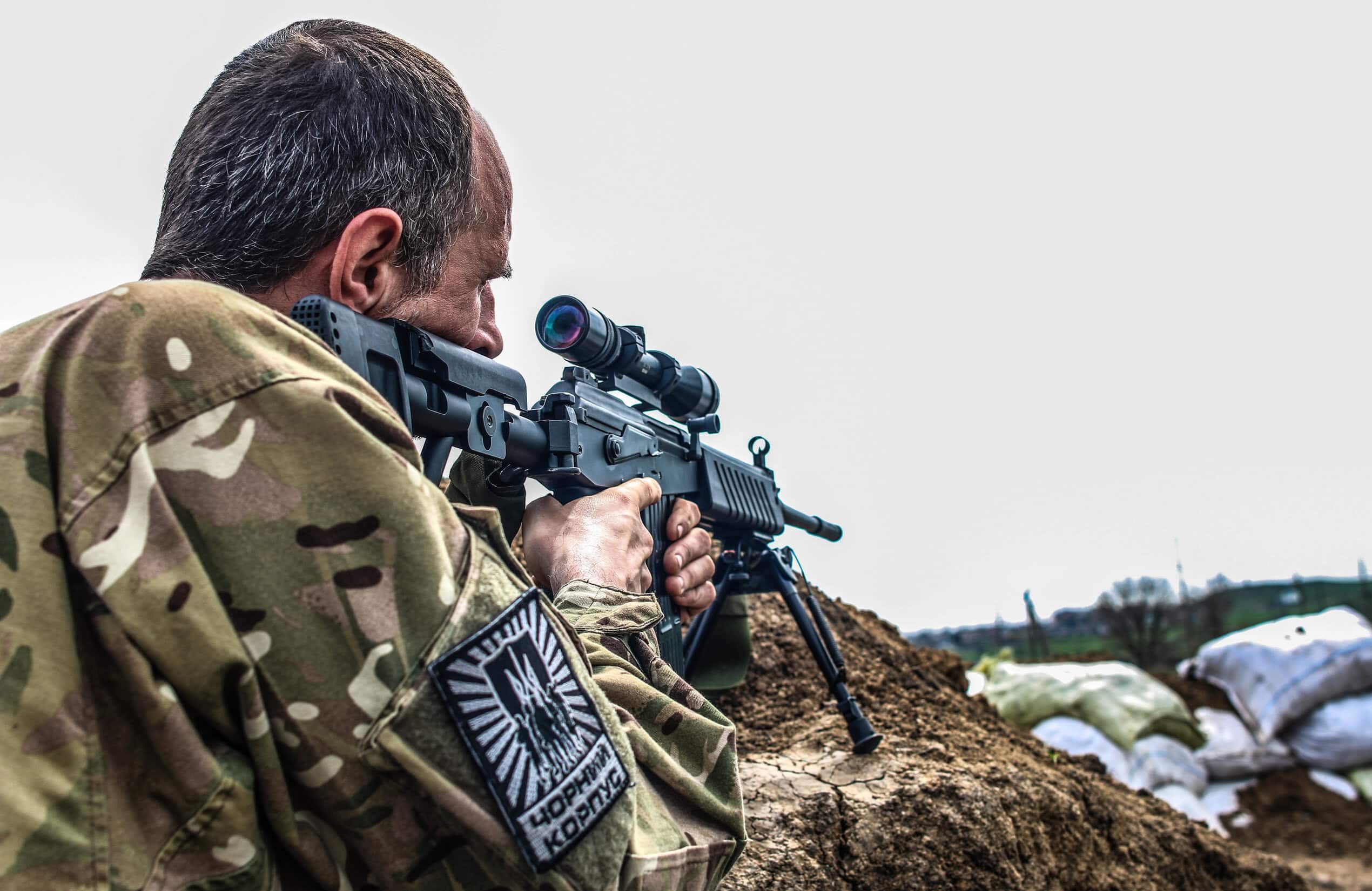
The War on Terror stretched across deserts, mountains, and dense cities, forcing the U.S. military to rely on weapons that could adapt to wildly different environments and threats. From lightweight carbines to armored vehicles and drones, these tools shaped how America fought its longest conflict. Here, 24/7 Wall St. is taking a closer look at the weapons that defined this conflict.
To identify the weapons used by the United States Military in the Global War on Terror, 24/7 Wall St. reviewed various historical and military sources. We ordered these weapons chronologically from when each entered service. We included supplemental information regarding the manufacturer, type, impact, and more on each weapon.
Here is a look at the weapons that defined the War on Terror:
Why Are We Covering This?
The War on Terror has spanned for more than two decades and reshaped nearly every aspect of modern U.S. military operations. The weapons used in Iraq, Afghanistan, and beyond have heavily influenced tactics and directly shaped how American forces conducted their operations over the years. Understanding these weapons helps explain why certain technologies rose to prominence, why others faded, and how the U.S. adapted to an enemy that fought with ambushes, IEDs, and irregular tactics. By breaking down the systems that defined the conflict, we gain some insight into the evolution of warfare in the 21st century and the legacy the War on Terror leaves behind for future military planning.
A New Era of Warfare After 9/11
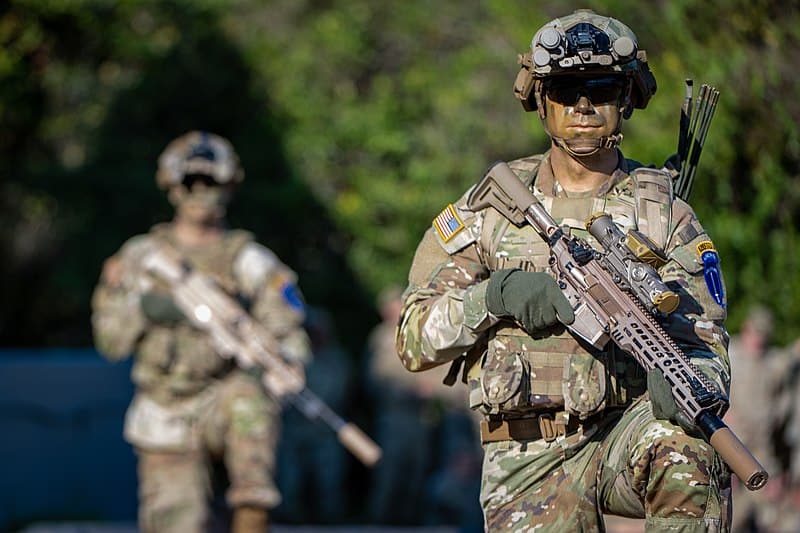
The attacks of September 11th pushed the U.S. military into a new kind of war, fought in dense Iraqi cities, remote Afghan valleys, and unstable regions around the globe. The campaigns in Iraq and Afghanistan weren’t classic state-on-state wars—they were long, grinding conflicts against insurgents and terrorist networks. That shift forced the United States to rethink how it fought, and which weapons it trusted most.
The Shift Toward Mobility and Precision
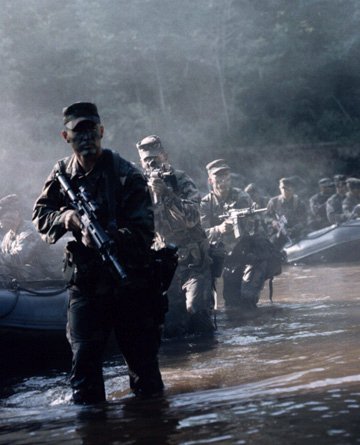
In the War on Terror, patrols could move from close-quarters fighting to long-range engagements in the same day. Troops needed weapons that were lighter, more compact, and more accurate than traditional Cold War gear. Carbines with optics replaced full-length rifles, and precision-guided munitions became the norm. Mobility and surgical accuracy, not sheer volume of fire, started to define how missions were planned and executed.
Fighting an Asymmetric Enemy
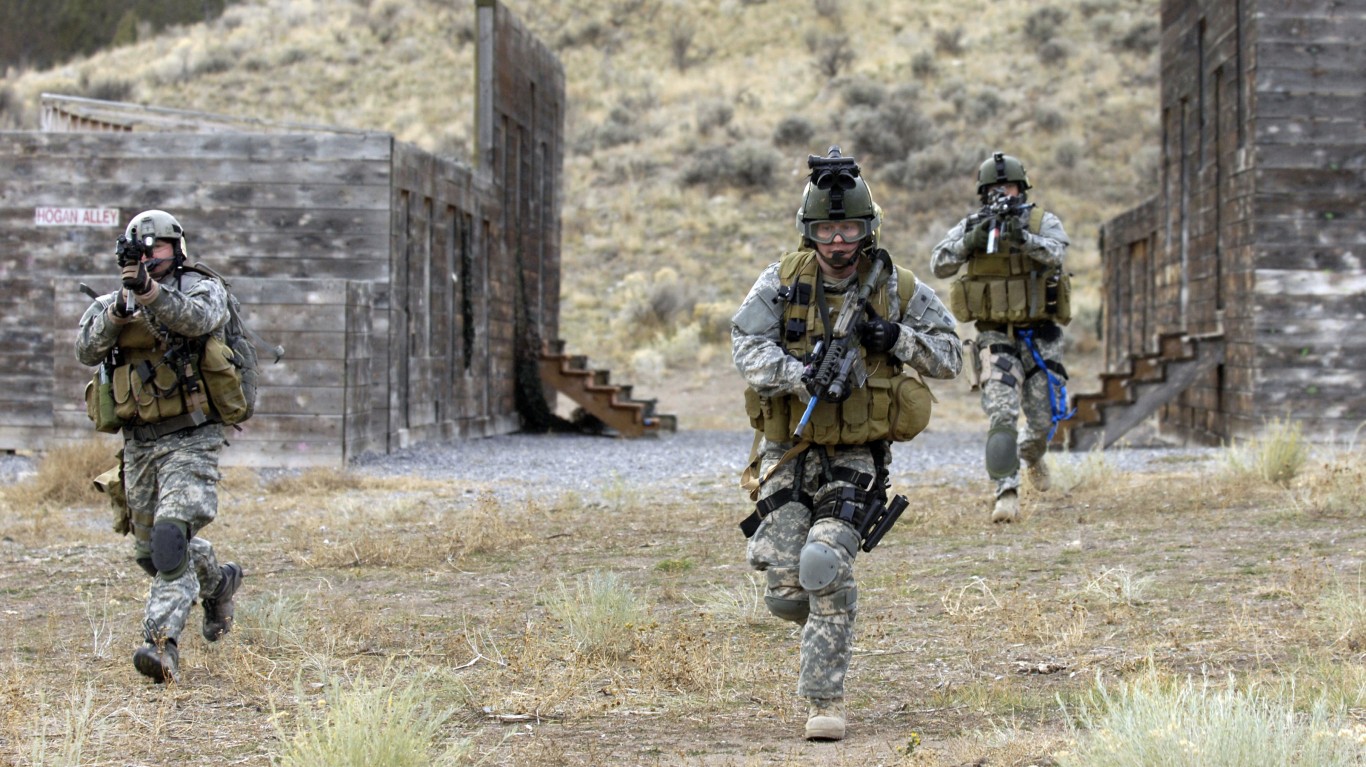
Coalition forces weren’t facing massed armored divisions—they were up against IEDs, ambushes, and hit-and-run attacks. Insurgents used cheap explosives and small arms to offset American technological advantages. That reality drove the adoption of MRAPs, heavier machine guns, better grenade launchers, and more responsive air support. The weapons that mattered most were the ones that could keep troops alive on roads and in alleyways.
The Technologies That Transformed the Battlefield
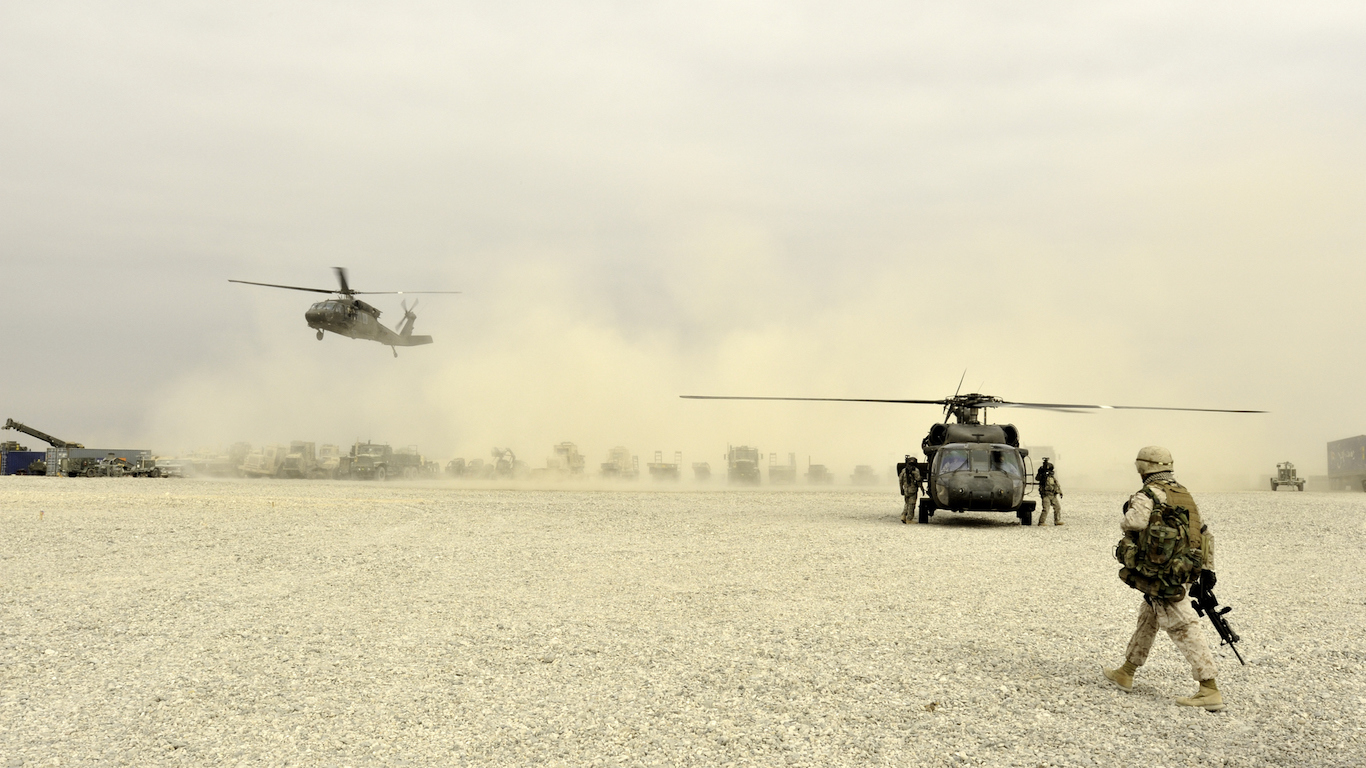
The War on Terror accelerated the use of drones, thermal optics, precision missiles, and armored vehicles in ways no previous conflict had. UAVs like the Predator and Reaper turned persistent surveillance and remote strikes into everyday tools. Advanced targeting pods, guided bombs, and networked vehicles reshaped how units found, tracked, and engaged enemies. These technologies didn’t just support the fight—they changed what was possible in it.
Why These Weapons Became Icons of the Conflict
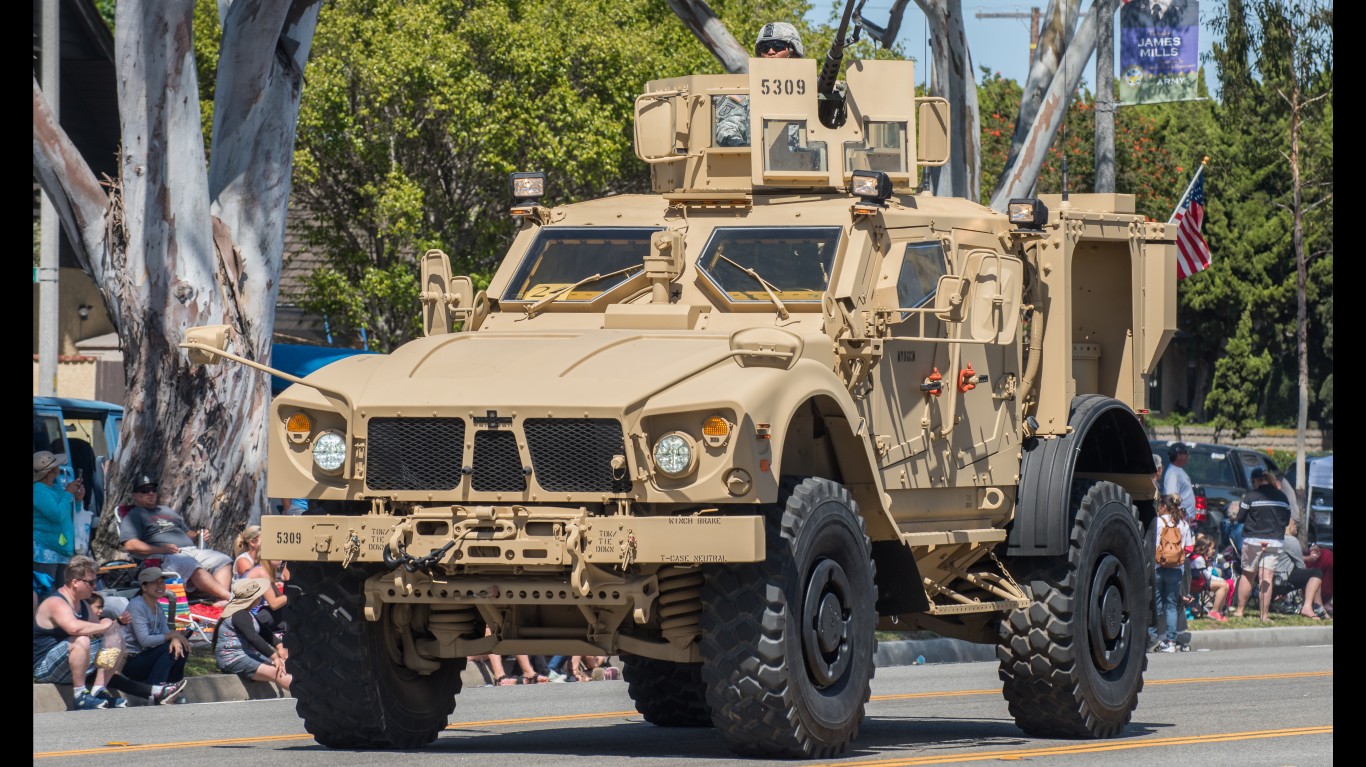
Over two decades of fighting, certain weapons became inseparable from the story of the War on Terror. Rifles like the M4A1, vehicles like the Humvee and MRAP, drones armed with Hellfires, and gunships orbiting overhead defined how troops experienced the war. This piece looks at those systems not just as hardware, but as the tools that shaped strategy, tactics, and the legacy of America’s longest-running conflict.
M2 Browning .50 Cal
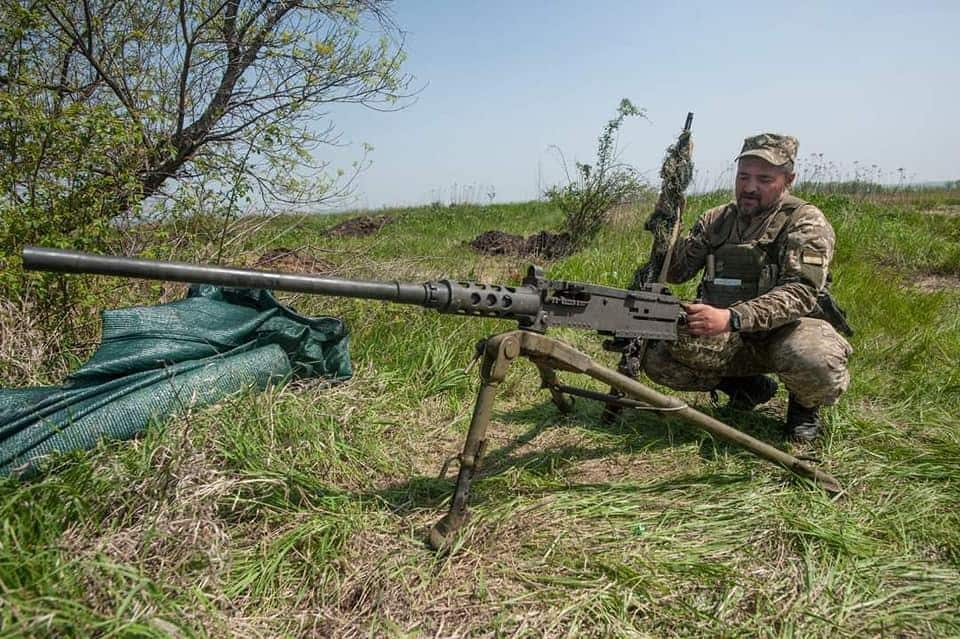
- Year introduced: 1933
- Weapon type: Heavy Machine Gun
- Manufacturer: Browning/General Dynamics
- Role: Long‑range suppression and vehicle/air defense
- Impact: Unmatched power and range for a crew‑served weapon.
- Drawbacks: Very heavy and difficult to reposition dismounted.
The M2 .50 cal remained a cornerstone of mounted and static defense positions throughout the War on Terror. Its ability to engage vehicles, aircraft, and fortified positions made it indispensable. Although heavy and cumbersome, its raw firepower and reliability ensured its continued dominance on patrol vehicles and FOBs.
Carl Gustaf M3/M4
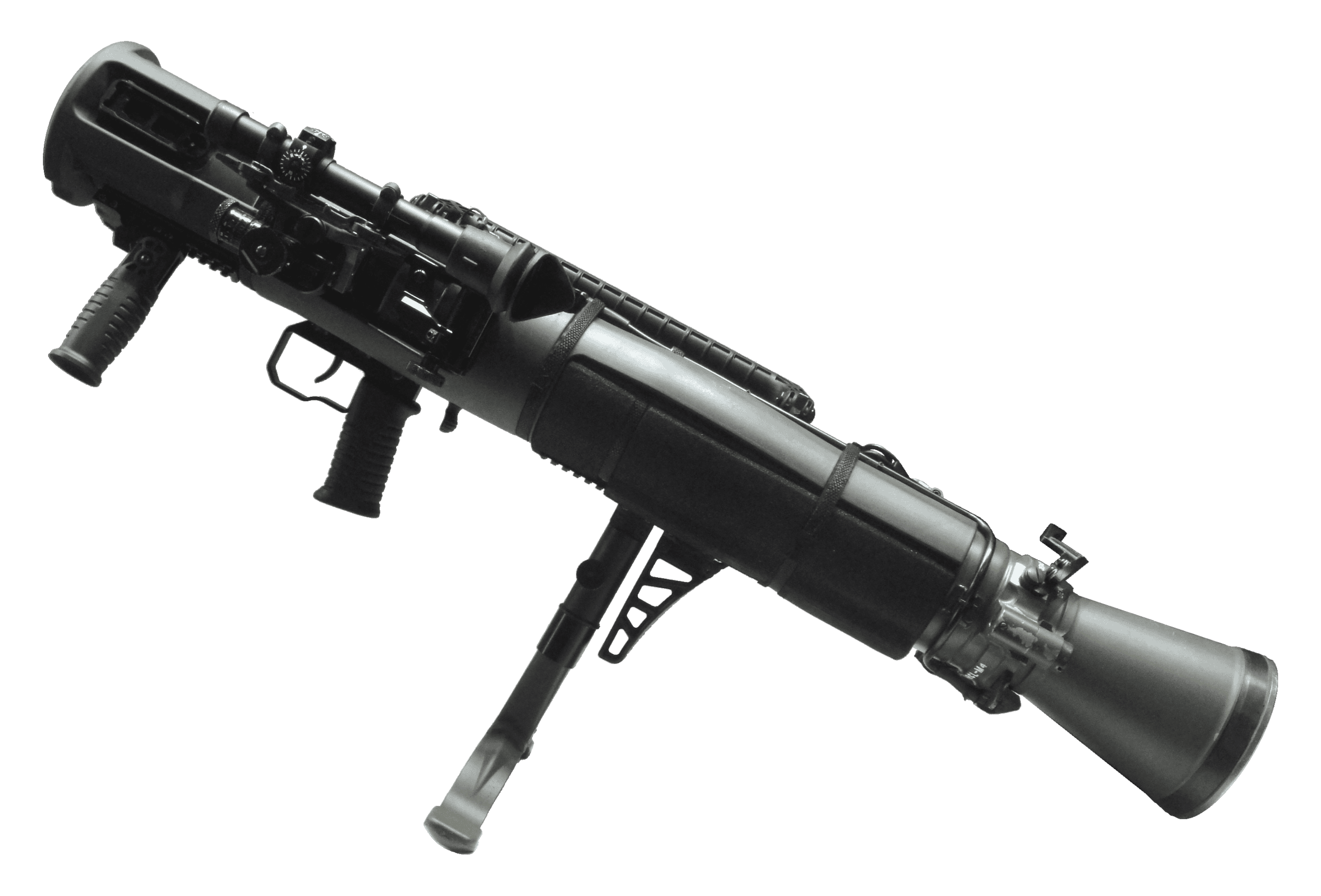
- Year introduced: 1948
- Weapon type: Recoilless Rifle
- Manufacturer: Carl Gustaf/SAAB
- Role: Multi‑role infantry support weapon
- Impact: Extremely versatile with a wide range of ammunition.
- Drawbacks: Requires a trained crew and careful backblast management.
The Carl Gustaf became one of the most respected support weapons of the War on Terror. Its reusable design and diverse ammunition types allowed infantry to tackle bunkers, vehicles, and personnel with precision. Though requiring trained crews, its flexibility and effectiveness made it a favorite among U.S. special operations forces.
M79 Grenade Launcher
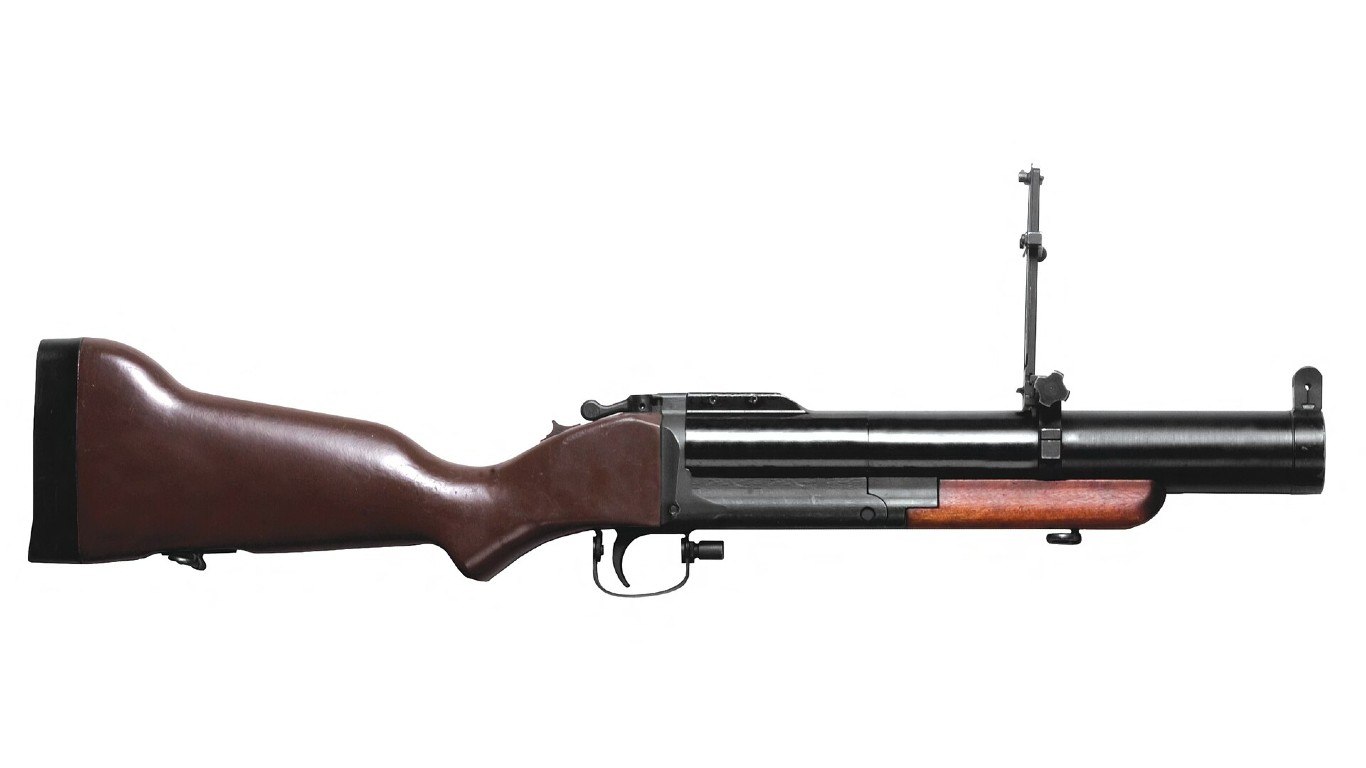
- Year introduced: 1961
- Weapon type: Grenade Launcher
- Manufacturer: Springfield Armory
- Role: Direct-fire explosive support
- Impact: Simple, accurate, and highly reliable.
- Drawbacks: Single-shot design limits sustained fire.
The M79 endured as a reliable, precise grenade launcher throughout the War on Terror. Its break-action design allowed grenadiers to deliver explosive rounds with excellent accuracy. Though limited by its single-shot capacity, troops valued the control and simplicity the M79 offered during patrols and ambush responses.
MK19 Grenade Launcher
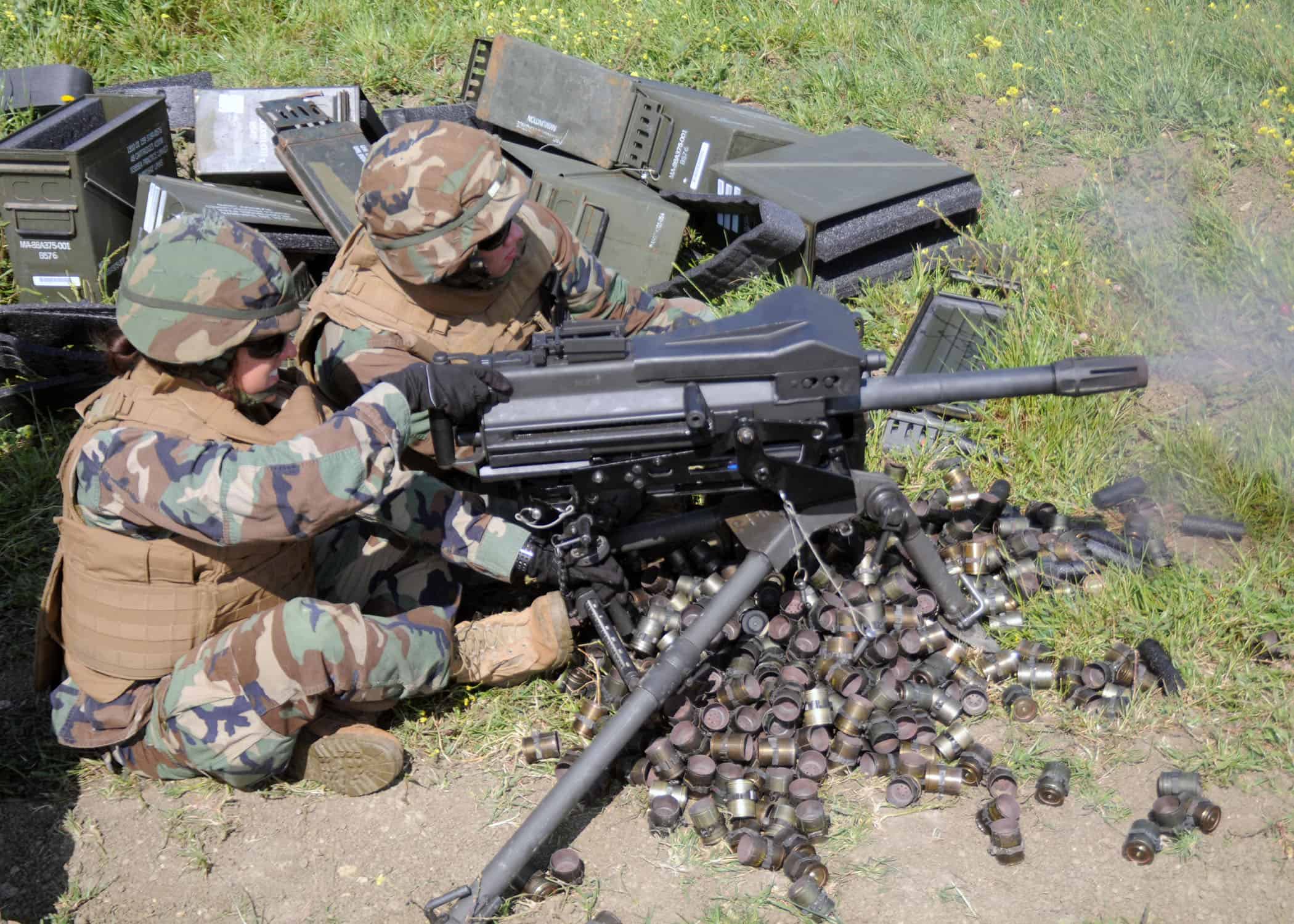
- Year introduced: 1968
- Weapon type: Automatic Grenade Launcher
- Manufacturer: Saco Defense/General Dynamics
- Role: Mounted explosive fire support
- Impact: High lethality and suppressive area fire.
- Drawbacks: Heavy and unsafe to fire from unstable platforms.
The MK19 provided unmatched explosive firepower during mounted patrols and FOB defense. Its ability to saturate areas with 40mm grenades made it a powerful deterrent against ambushes. Though heavy and requiring stable mounts, it played a crucial role in convoy protection and perimeter security.
AC-130 Gunship
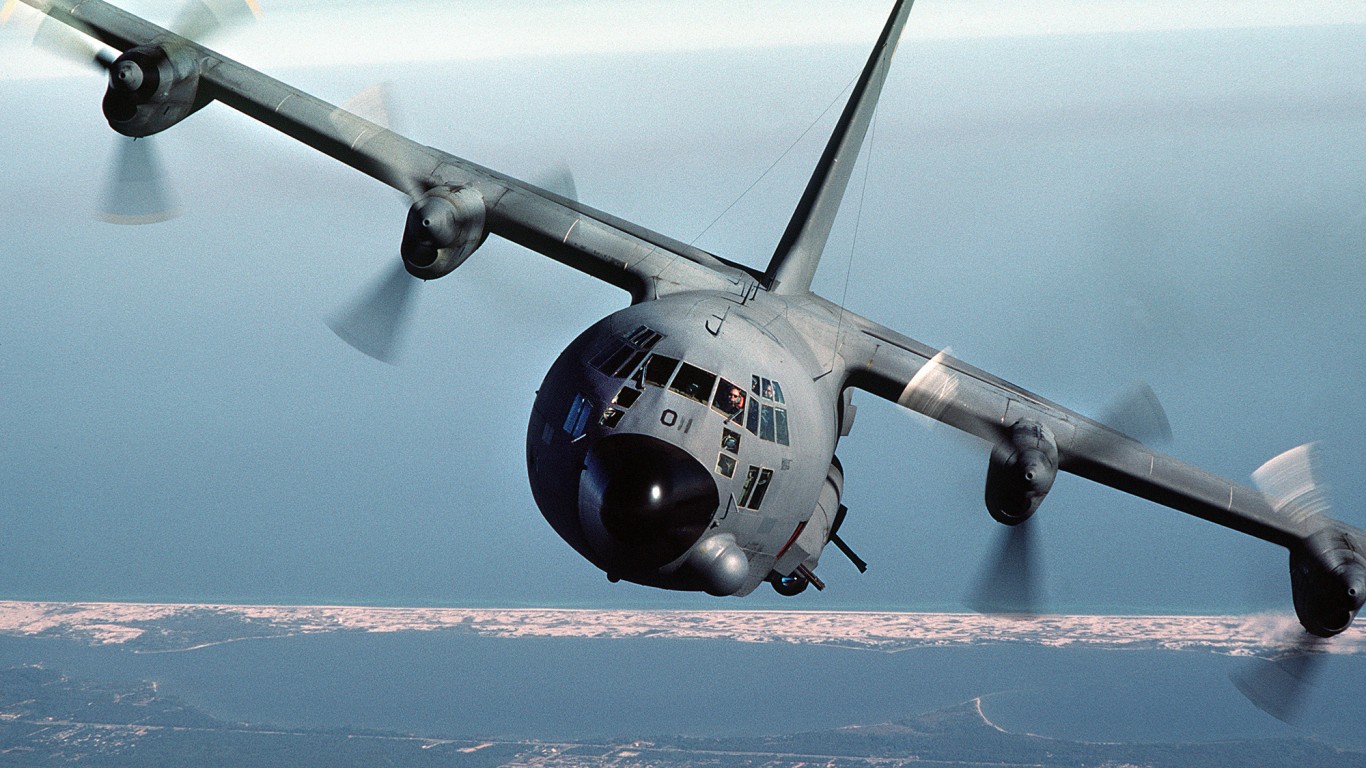
- Year introduced: 1968
- Weapon type: Gunship
- Manufacturer: Lockheed/Boeing
- Role: Precision close‑air support
- Impact: Devastating firepower with advanced targeting.
- Drawbacks: Vulnerable to MANPADS in higher‑threat areas.
The AC‑130 gunship became legendary for its ability to deliver precise, overwhelming firepower during nighttime operations. Its sensors and guns allowed it to support ground forces with unmatched accuracy. Though vulnerable in certain environments, it remained one of the most feared and effective aircraft of the war.
M203 Grenade Launcher
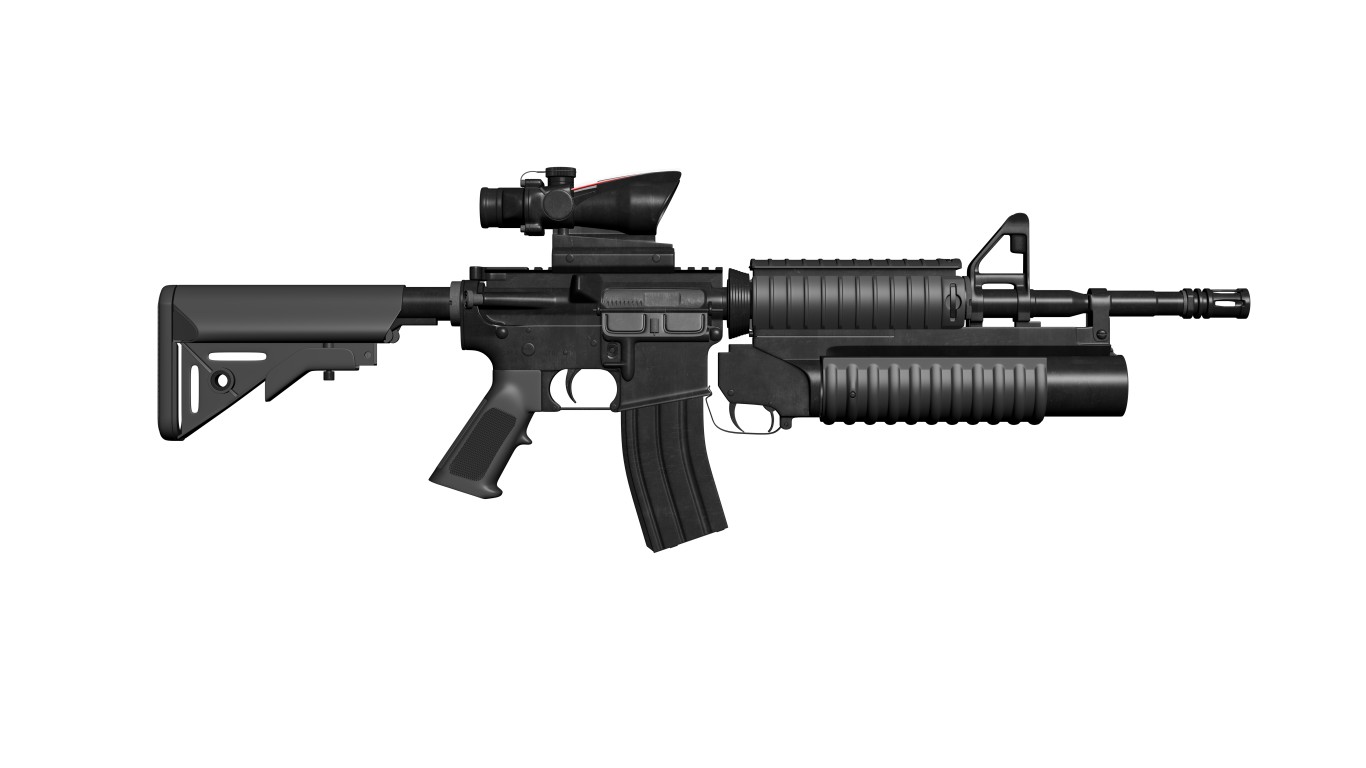
- Year introduced: 1969
- Weapon type: Grenade Launcher
- Manufacturer: Colt
- Role: Under-barrel explosive support
- Impact: Lightweight and integrated into standard rifles.
- Drawbacks: Slower to reload and less accurate than standalone launchers.
Attached beneath rifles, the M203 provided infantry squads with portable explosive firepower. It allowed soldiers to quickly deliver fragmentation and smoke rounds without carrying a dedicated launcher. While less accurate than standalone systems, its convenience ensured widespread use throughout Iraq and Afghanistan.
TOW Missile System
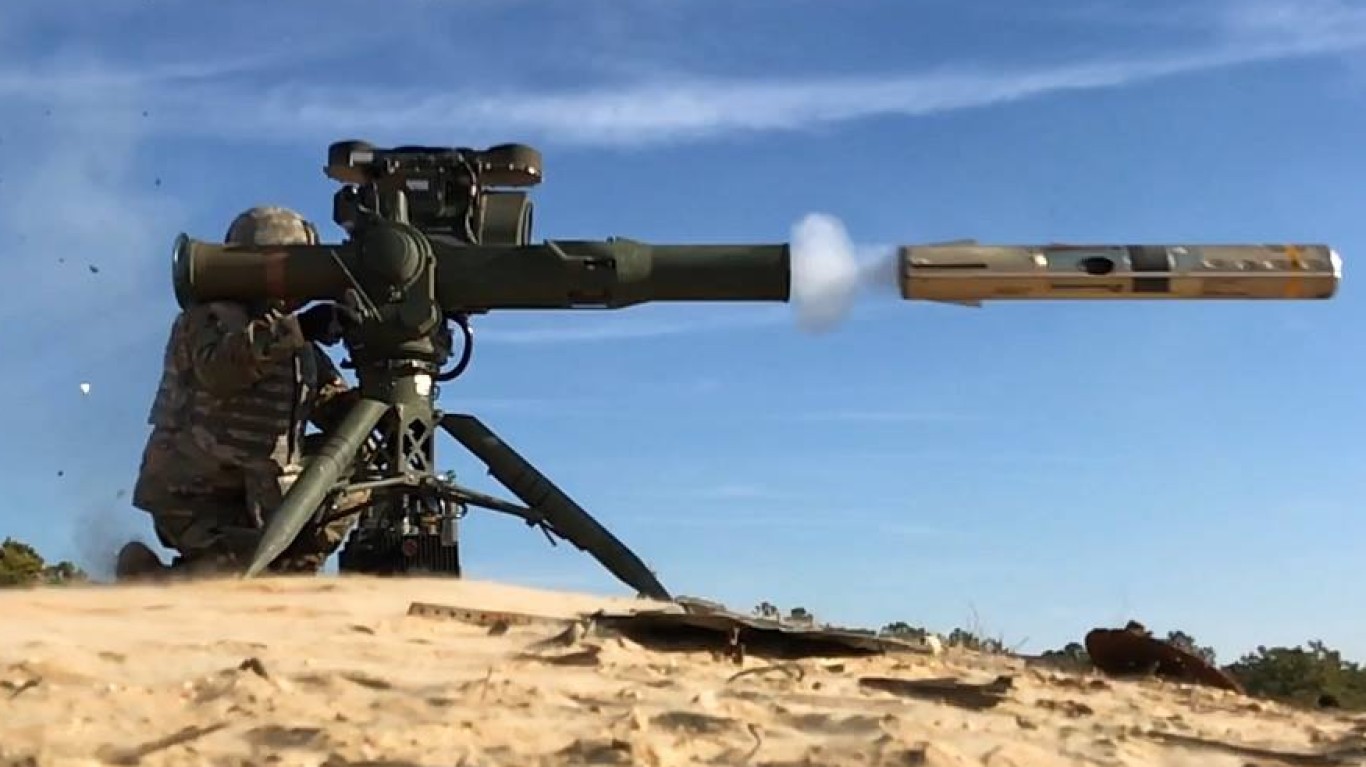
- Year introduced: 1970
- Weapon type: Anti-Tank Missile
- Manufacturer: Hughes/Raytheon
- Role: Long‑range guided anti‑armor fire
- Impact: Effective against vehicles and fortified positions.
- Drawbacks: Requires operator guidance throughout flight.
The TOW missile system saw widespread use for engaging vehicles, bunkers, and fortified compounds. Its long range made it a valuable overwatch tool for troops in Afghanistan. Though requiring operators to maintain line‑of‑sight guidance, its destructive power ensured it remained a relevant battlefield asset.
M240B Machine Gun
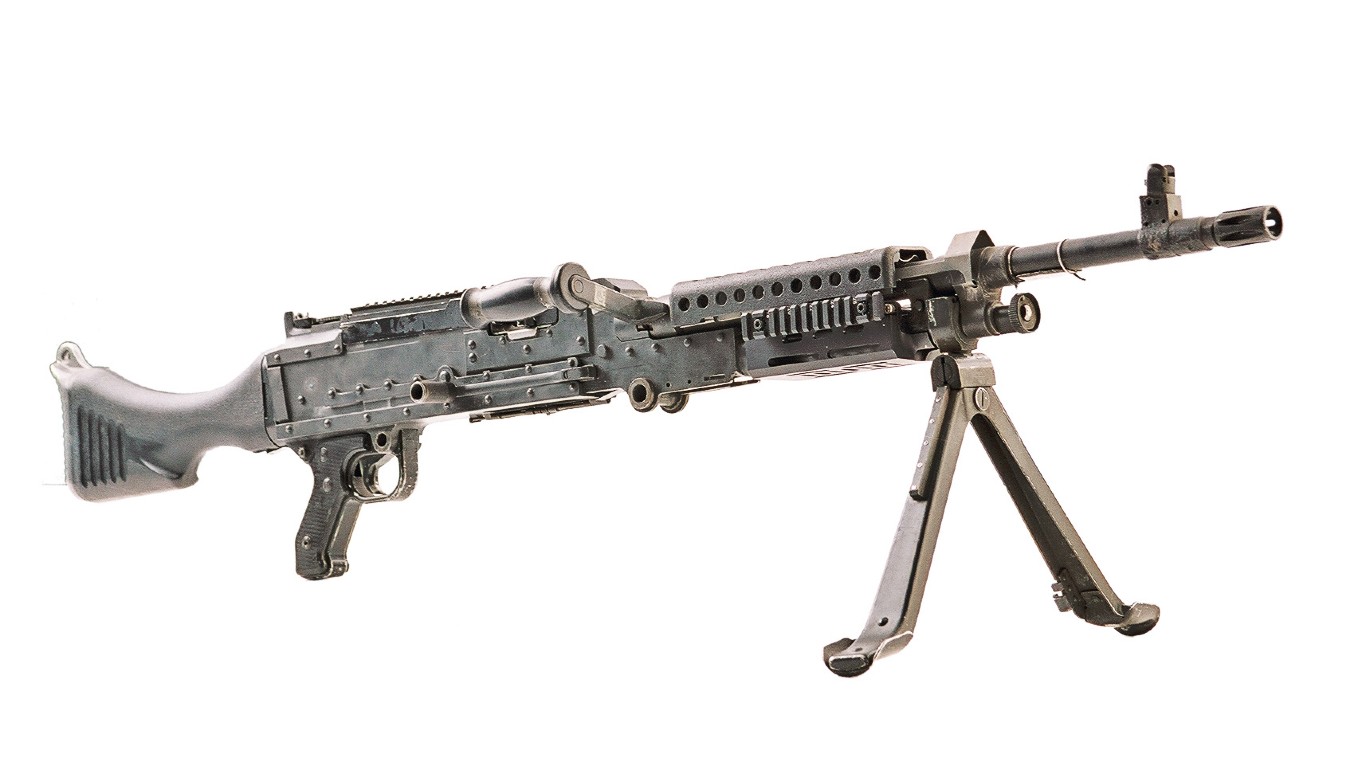
- Year introduced: 1977
- Weapon type: General-Purpose Machine Gun
- Manufacturer: FN Herstal
- Role: Crew-served fire support
- Impact: Extremely reliable with excellent long-range capability.
- Drawbacks: Heavy and difficult to maneuver on foot patrols.
The M240B became one of the most trusted machine guns in the War on Terror. Its reliability under extreme conditions made it indispensable for overwatch positions, convoy security, and mounted patrols. Despite its significant weight, soldiers valued its accuracy and durability, which contributed heavily to its reputation as a battlefield workhorse.
UH-60 Black Hawk
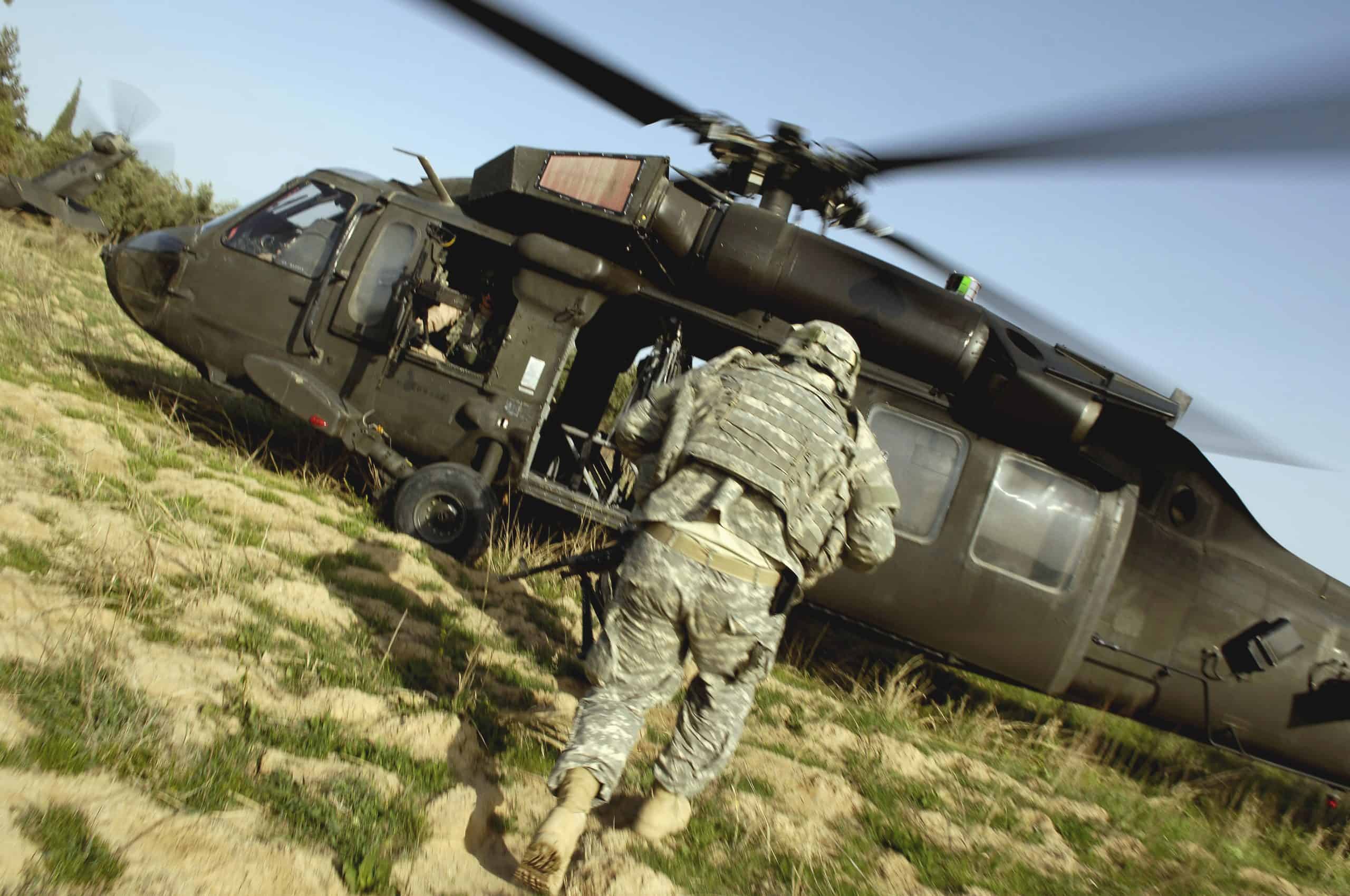
- Year introduced: 1979
- Weapon type: Utility Helicopter
- Manufacturer: Sikorsky
- Role: Troop transport, medevac, and air assault
- Impact: Reliable, versatile, and essential for mobility.
- Drawbacks: Vulnerable during dust‑heavy landings (“brownout”).
The UH‑60 Black Hawk played an indispensable role in mobility, medevac, and air assault missions. Its reliability made it the primary helicopter for troop movement in remote and mountainous areas. Although brownout conditions posed risks, its versatility made it one of the most important aircraft of the conflict.
M1A1/M1A2 Abrams
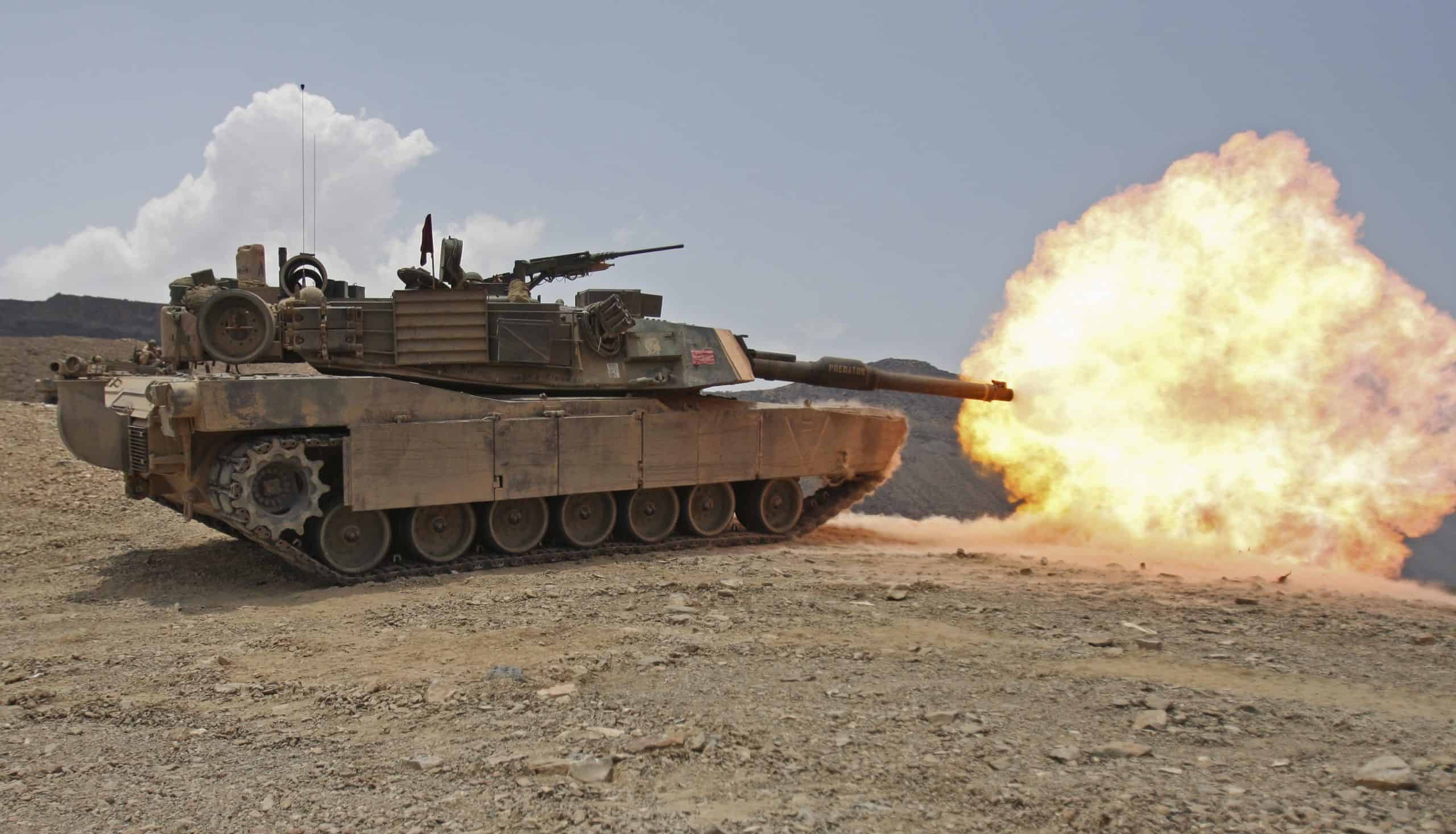
- Year introduced: 1980
- Weapon type: Main Battle Tank
- Manufacturer: General Dynamics
- Role: High‑intensity armored support
- Impact: Overwhelming firepower and survivability.
- Drawbacks: Heavy fuel consumption and logistical burden.
The Abrams tank remained unmatched in firepower and survivability during the War on Terror. Though large for narrow streets, it provided crucial support in urban fights like Fallujah. Its armor and 120mm cannon ensured dominance in any direct engagement. Despite fuel demands, its battlefield presence was decisive.
M249 SAW
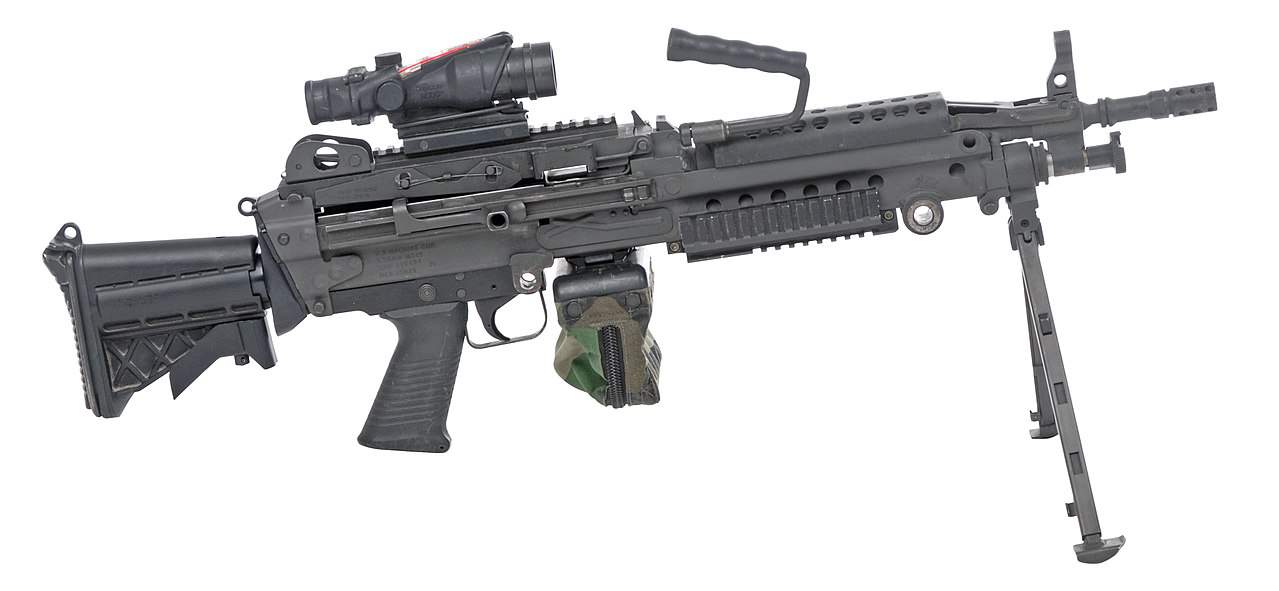
- Year introduced: 1984
- Weapon type: Light Machine Gun
- Manufacturer: FN Herstal
- Role: Squad automatic fire support
- Impact: Provided sustained suppressive fire with high mobility.
- Drawbacks: Prone to overheating, heavy with full loadout.
The M249 SAW gave infantry squads the ability to deliver sustained suppressive fire while remaining mobile. It proved essential in patrols and firefights throughout Iraq and Afghanistan. Although it required careful maintenance and could overheat during long engagements, its high rate of fire made it a defining weapon of U.S. infantry operations.
Humvee (Up-Armored)
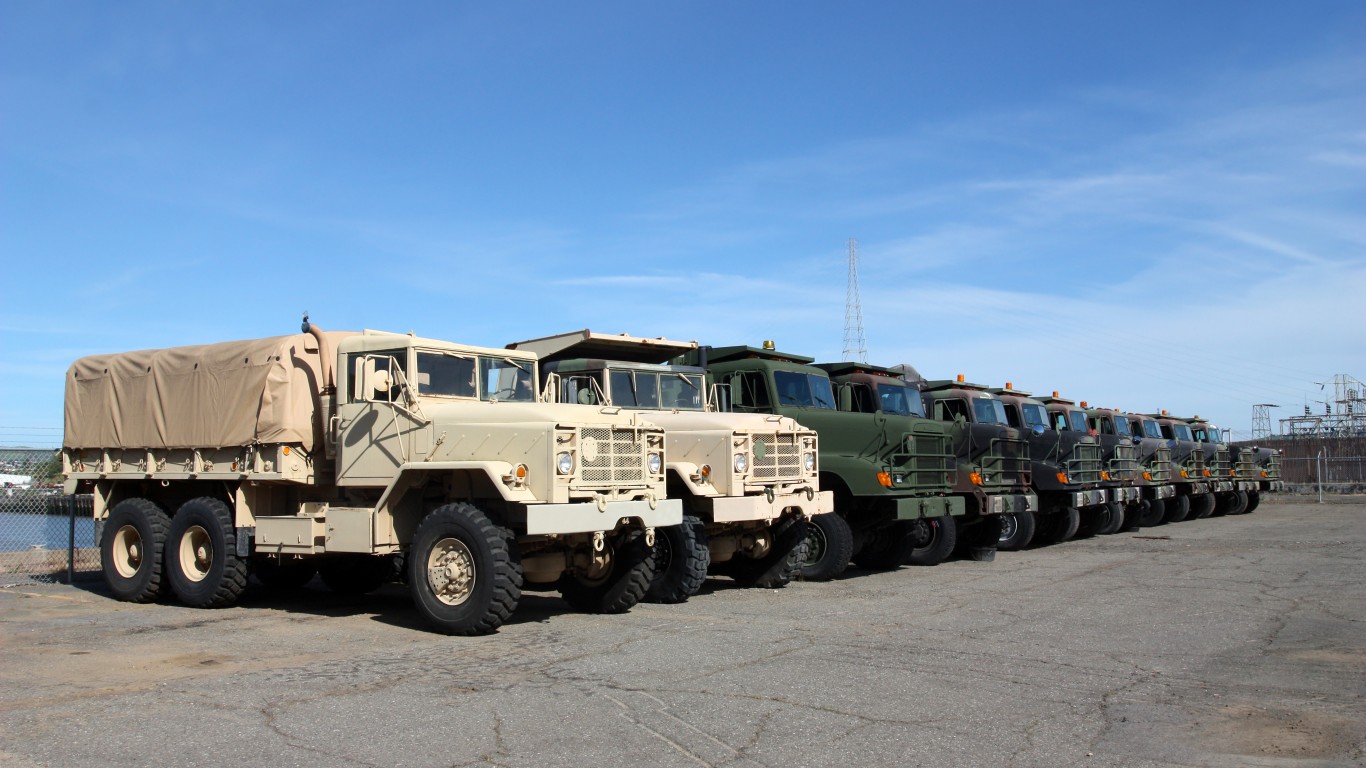
- Year introduced: 1984
- Weapon type: Armored Vehicle
- Manufacturer: AM General
- Role: Primary transport and patrol vehicle
- Impact: Highly adaptable platform with improved armor kits.
- Drawbacks: Vulnerable to large IEDs compared to MRAPs.
The up‑armored Humvee symbolized early Iraq War operations, serving as the backbone of patrol and logistics movement. Armor kits improved survivability, but rising IED threats exposed its limitations. Despite vulnerabilities, its versatility and widespread availability made it indispensable throughout the conflict.
Hellfire Missile
- Year introduced: 1984
- Weapon type: Precision Missile
- Manufacturer: Lockheed Martin
- Role: Primary drone and helicopter strike weapon
- Impact: Extremely accurate with low collateral damage.
- Drawbacks: Limited effectiveness against heavily armored targets.
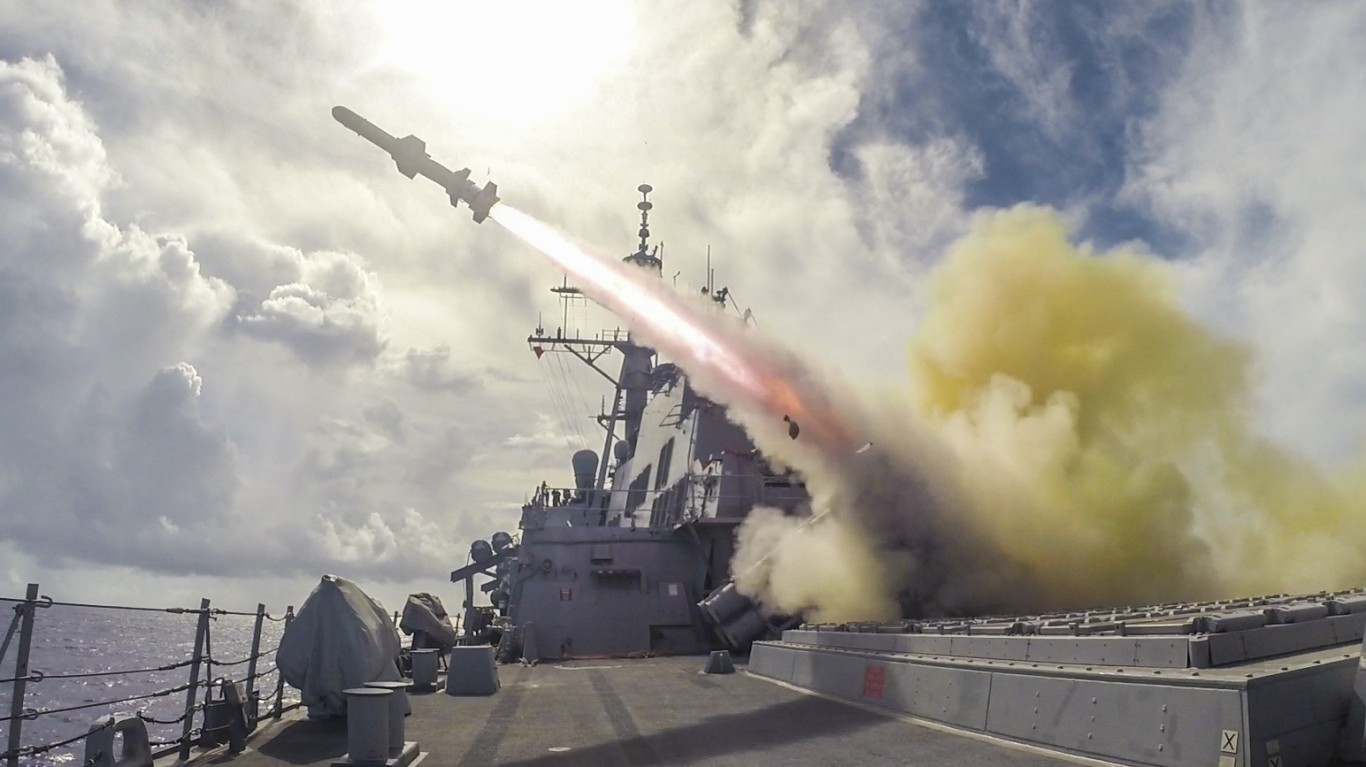
The Hellfire missile became one of the most iconic weapons of the War on Terror, used extensively by drones and helicopters. Its precision allowed forces to strike high‑value targets with minimal collateral damage. Though not designed for heavy armor, the Hellfire’s reliability and versatility made it central to modern counterterrorism operations.
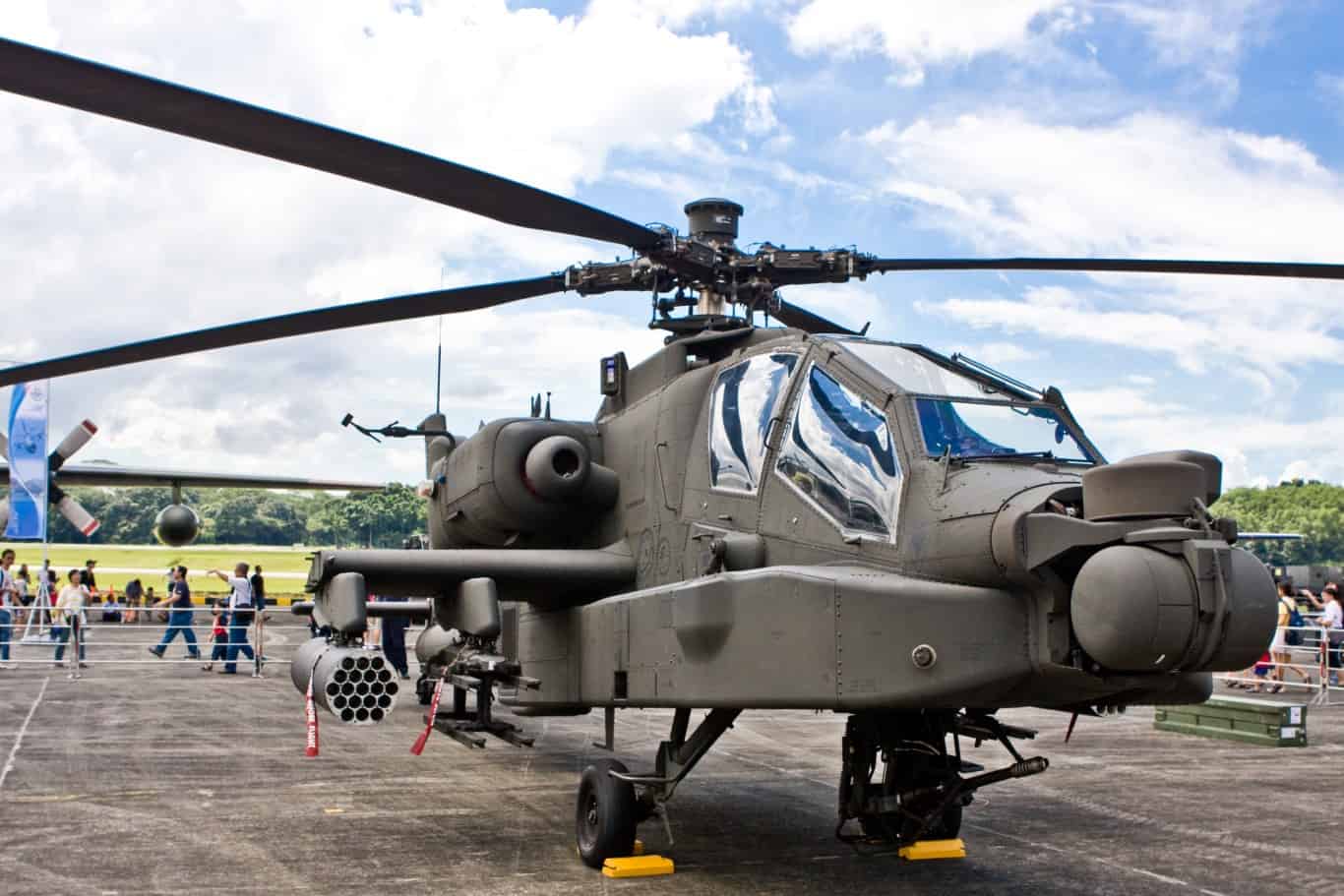
AH-64 Apache

- Year introduced: 1986
- Weapon type: Attack Helicopter
- Manufacturer: Boeing
- Role: Close air support and armed reconnaissance
- Impact: Highly lethal with advanced sensors and weapons.
- Drawbacks: Complex maintenance footprint in harsh environments.
The AH‑64 Apache became a critical close‑air‑support asset in both Iraq and Afghanistan. Its sensors allowed crews to identify and engage threats with precision, day or night. Though maintenance‑intensive, the Apache’s firepower and survivability made it one of the most relied‑upon aviation platforms of the war.
AT4
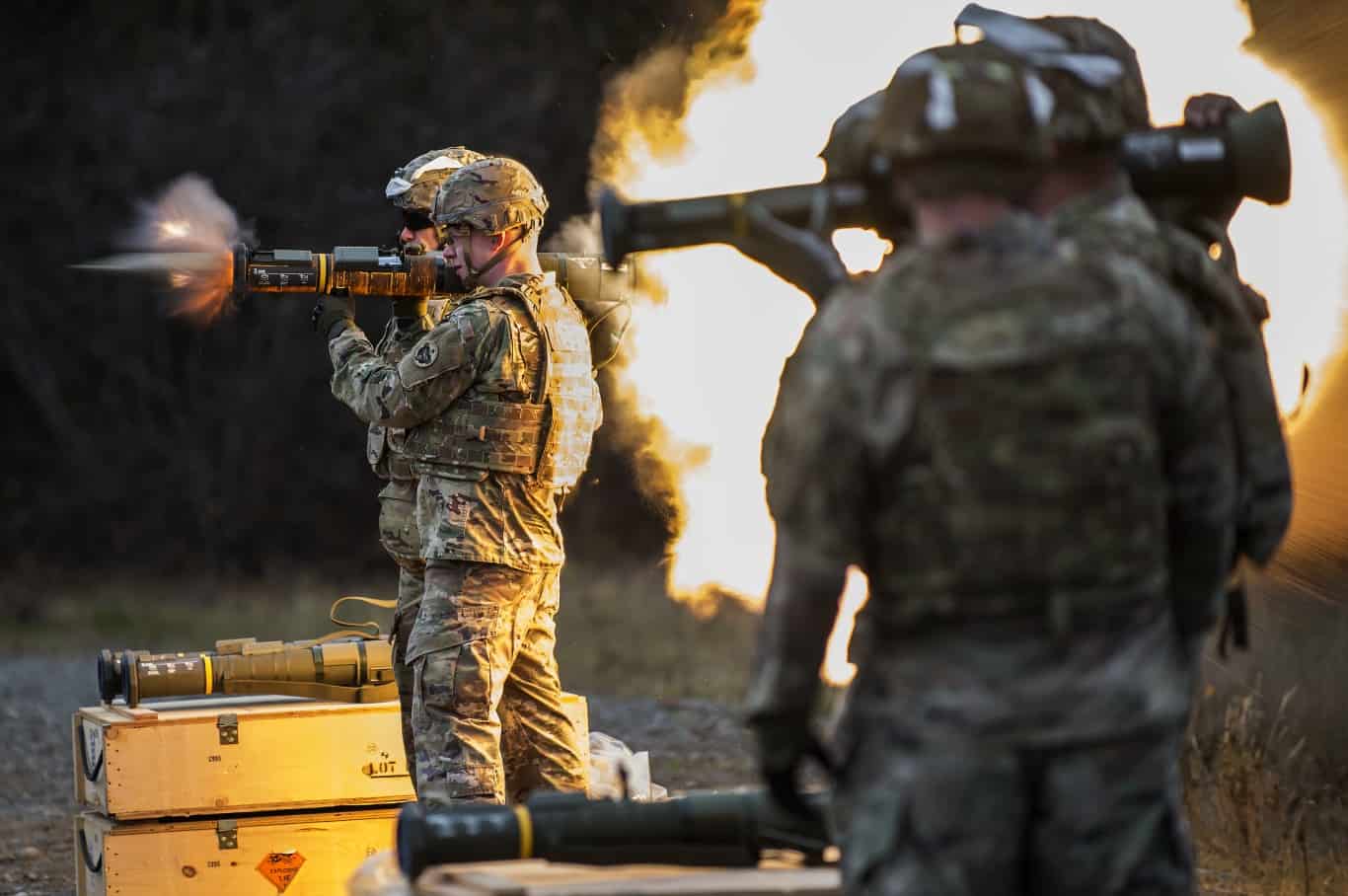
- Year introduced: 1987
- Weapon type: Rocket Launcher
- Manufacturer: Saab Bofors Dynamics
- Role: Disposable anti‑armor/light fortification weapon
- Impact: Lightweight and simple for infantry to use.
- Drawbacks: Single‑shot design limits tactical flexibility.
The AT4 proved essential for infantry needing a lightweight, disposable launcher for breaching walls or defeating light armor. Easy to train and simple to deploy, it became a standard tool during urban operations. Though its single-use nature limits versatility, the AT4’s reliability ensured widespread use across all branches.
Glock 19
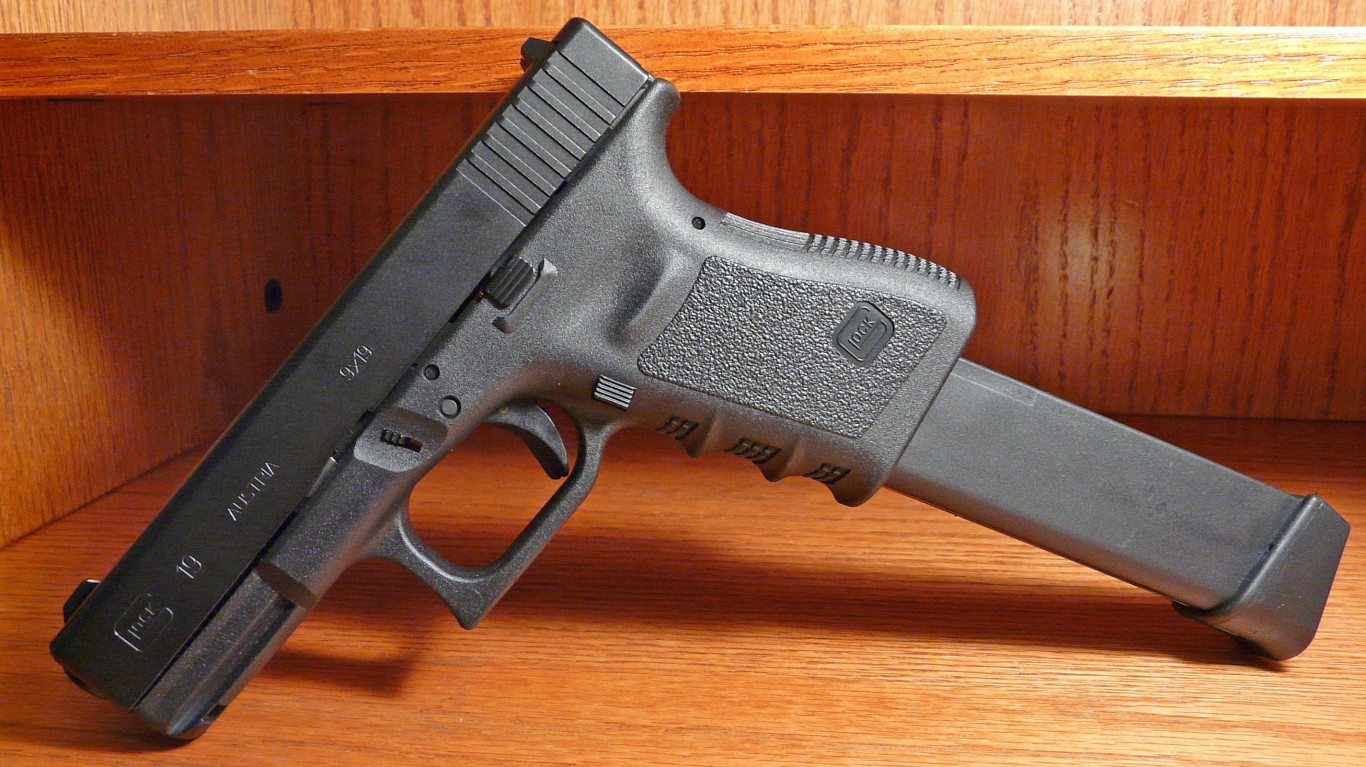
- Year introduced: 1988
- Weapon type: Pistol
- Manufacturer: Glock
- Role: Standard sidearm for SOCOM and advisors
- Impact: Lightweight, reliable, easy to maintain.
- Drawbacks: Less stopping power than larger-caliber pistols.
The Glock 19 became the preferred sidearm for U.S. special operations due to its reliability, low maintenance needs, and compatibility with global partner forces. Compact yet effective, it performed well in hot, sandy environments. Although not the most powerful handgun, its simplicity and dependability made it a widely trusted backup weapon.
Barrett M82/M107
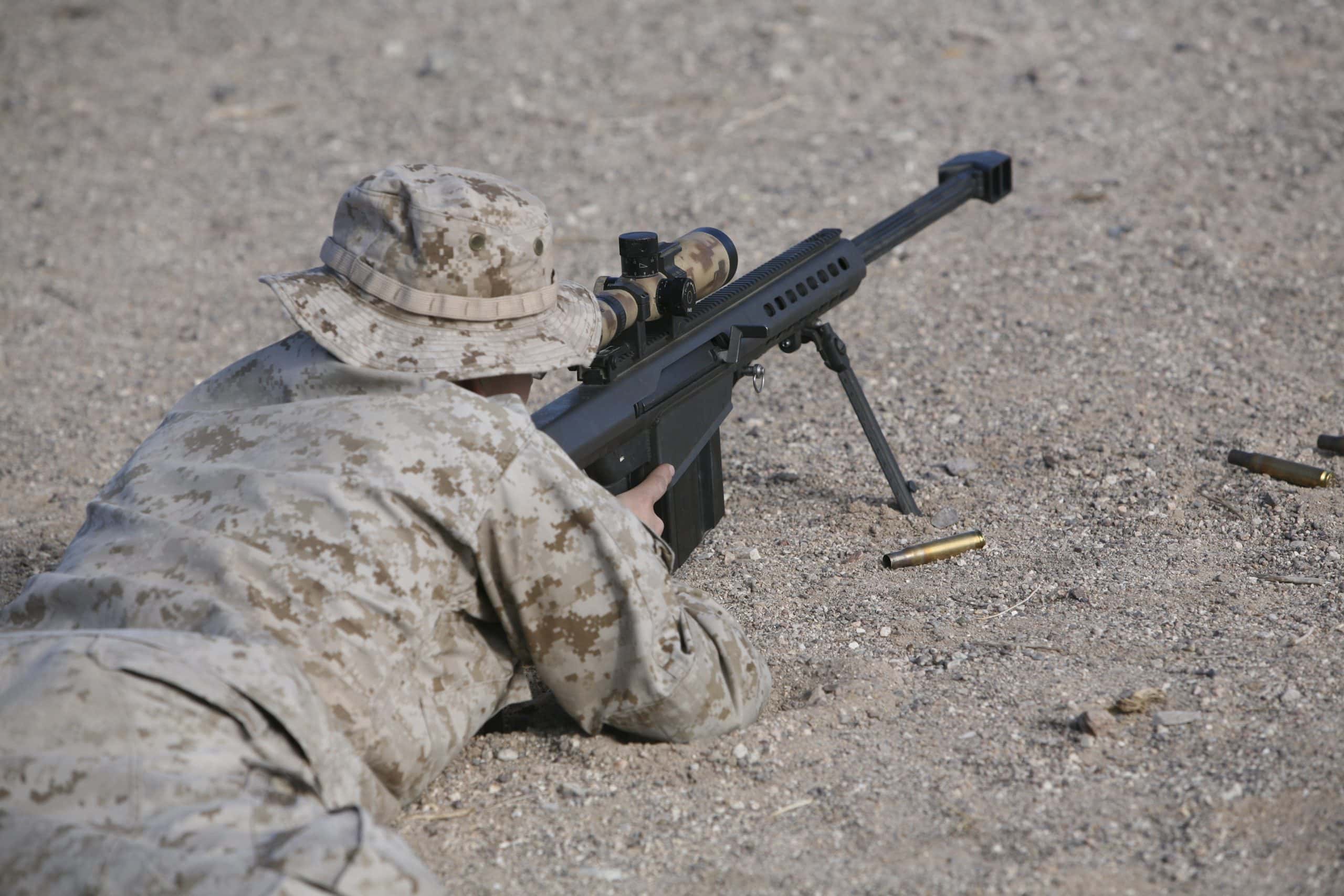
- Year introduced: 1989
- Weapon type: Anti-Materiel Rifle
- Manufacturer: Barrett Firearms
- Role: Long-range anti-materiel/sniper missions
- Impact: Powerful .50 BMG cartridge and extreme standoff capability.
- Drawbacks: Heavy recoil, bulky, not ideal for rapid repositioning.
The Barrett M82/M107 became iconic for its ability to engage distant targets, disable vehicles, and penetrate cover. Its .50 BMG rounds offered unmatched reach in mountainous Afghan terrain. While heavy and difficult to transport, its power and precision made it invaluable for special operations and overwatch teams throughout the conflict.
F-15E Strike Eagle

- Year introduced: 1989
- Weapon type: Strike Fighter
- Manufacturer: McDonnell Douglas/Boeing
- Role: Deep‑strike and precision bombing
- Impact: Highly accurate long‑range strike capability.
- Drawbacks: High maintenance requirements.
The F‑15E Strike Eagle provided deep‑strike and precision‑bombing capabilities throughout the War on Terror. Its ability to loiter, carry large payloads, and deliver high‑precision munitions made it indispensable for supporting troops across vast, rugged terrain. Maintenance demands were high, but its impact on the air war was undeniable.
M4A1 Carbine
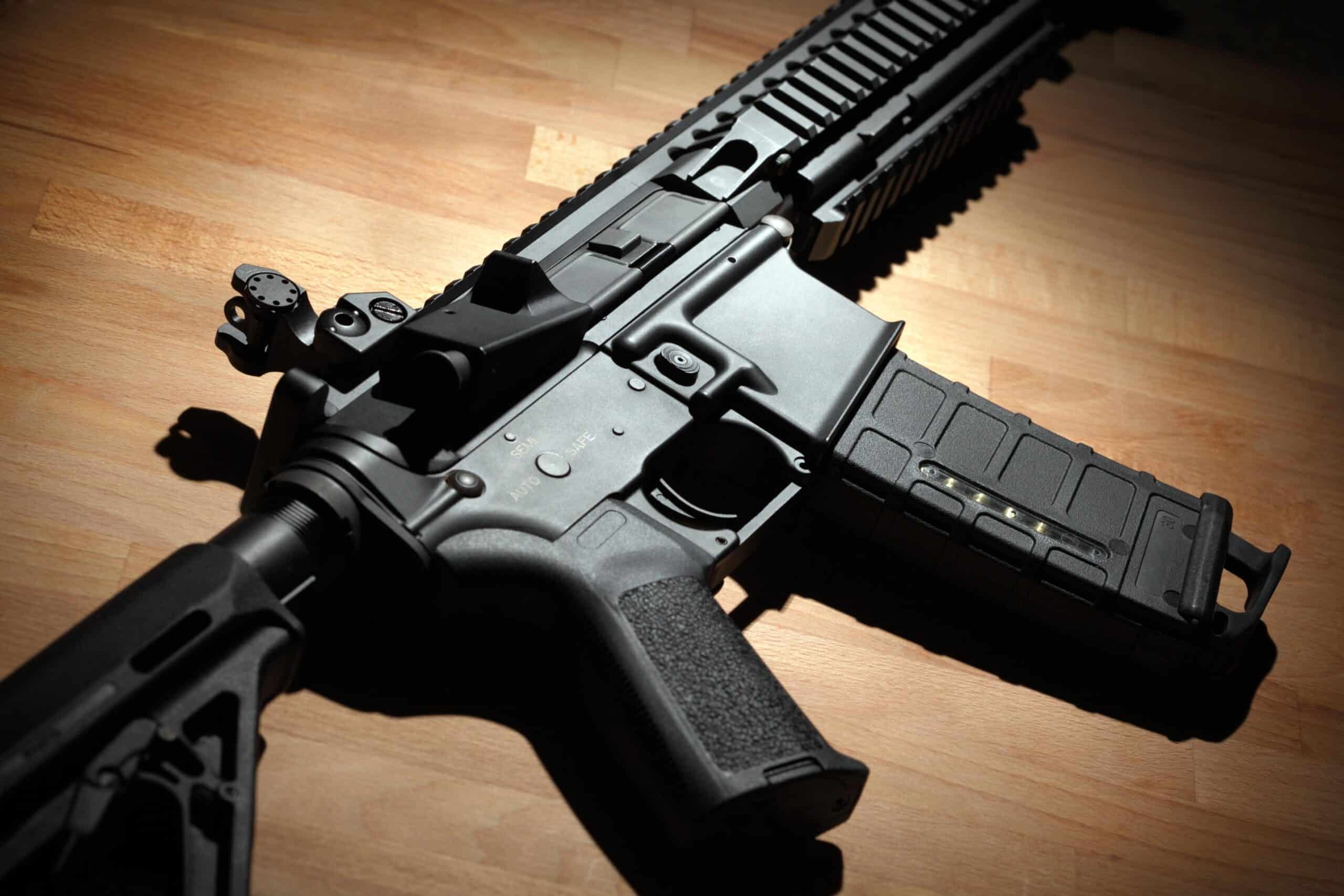
- Year introduced: 1994
- Weapon type: Carbine
- Manufacturer: Colt/FN
- Role: Primary infantry weapon
- Impact: Highly adaptable, reliable, and effective in urban and desert combat.
- Drawbacks: Short barrel heat issues, reduced range vs full-length rifles.
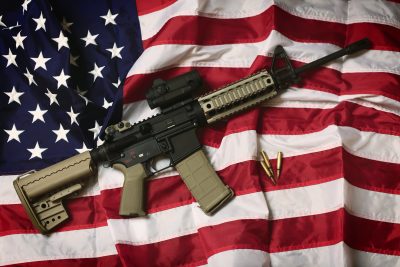
The M4A1 became the signature rifle of the War on Terror due to its modular design, reliability, and ease of customization with optics and accessories. Troops valued its light weight and close-quarters performance during raids and patrols. Though its shorter barrel reduced effective range, the M4A1 proved ideal for fast-moving, decentralized operations in Iraq and Afghanistan.
MQ-1 Predator
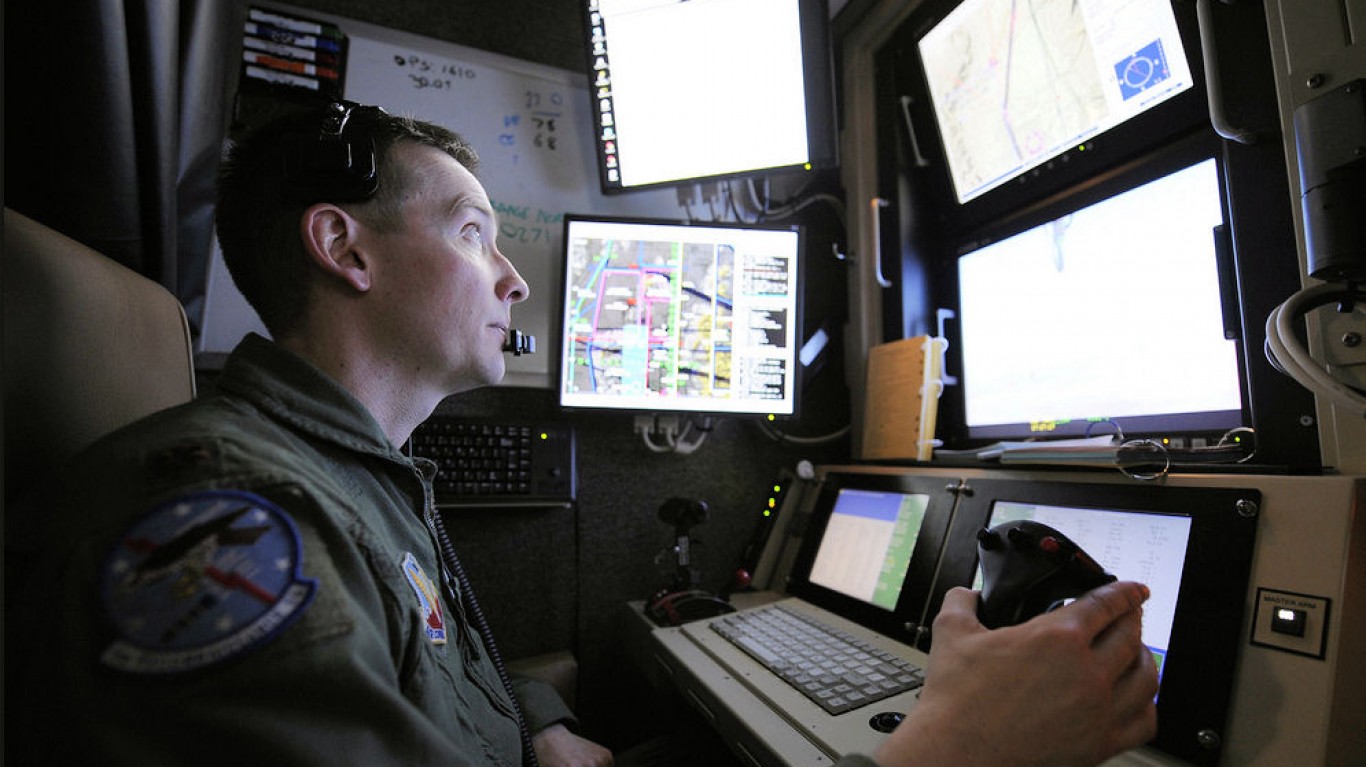
- Year introduced: 1995
- Weapon type: UAV
- Manufacturer: General Atomics
- Role: ISR and precision strike platform
- Impact: Revolutionized remote surveillance and targeted strikes.
- Drawbacks: Limited endurance and payload vs later UAVs.
The MQ‑1 Predator transformed counterterrorism operations with its ability to loiter for hours and deliver precise intelligence. Later armed with Hellfire missiles, it enabled remote strikes on high‑value targets. Although eventually surpassed by newer drones, the Predator fundamentally reshaped modern warfare during the early War on Terror.
Javelin FGM-148
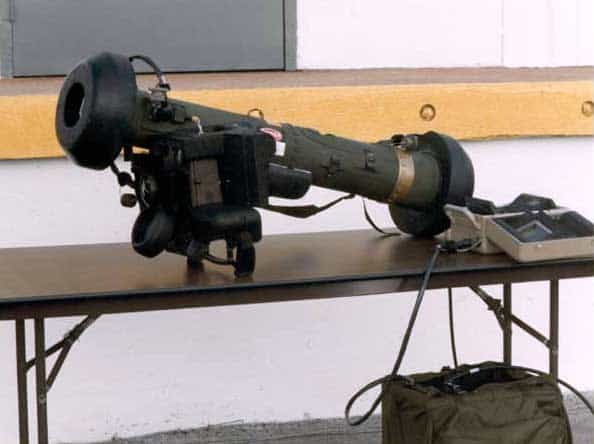
- Year introduced: 1996
- Weapon type: Anti-Tank Missile
- Manufacturer: Raytheon/Lockheed Martin
- Role: Precision anti-armor and anti-fortification weapon
- Impact: Fire‑and‑forget capability revolutionized infantry lethality.
- Drawbacks: Extremely expensive and heavy to carry in quantity.
The Javelin missile became a defining anti‑armor system in the War on Terror thanks to its fire‑and‑forget targeting and powerful top‑attack profile. Troops used it not only against vehicles but also bunkers and fortified positions. Although costly, its accuracy and ease of use made it invaluable in both Iraq and Afghanistan.
M16A4 Rifle
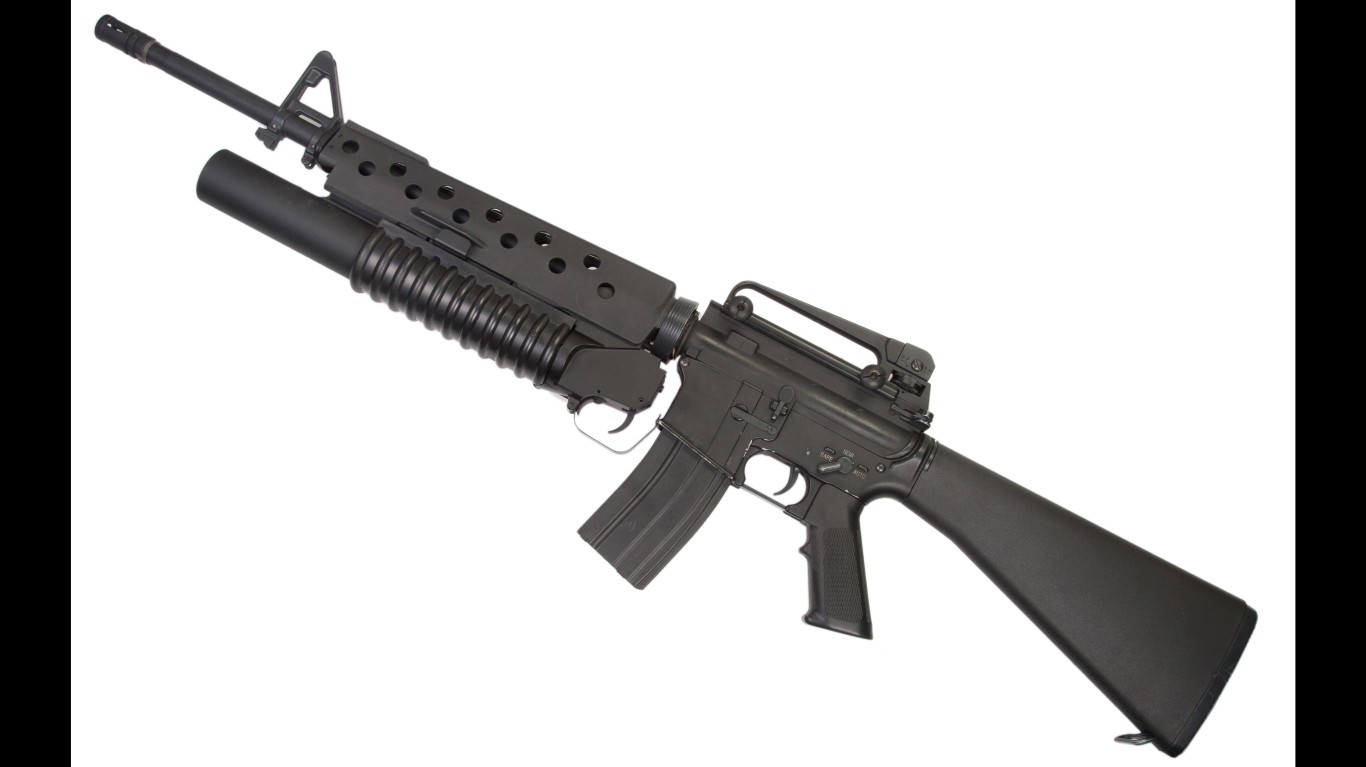
- Year introduced: 1997
- Weapon type: Rifle
- Manufacturer: FN/Colt
- Role: Standard-issue rifle for Marines
- Impact: Accurate at long distances and ideal for open terrain.
- Drawbacks: Longer length made it less maneuverable in urban combat.
The M16A4 served as the backbone of Marine infantry formations during the War on Terror. Its accuracy and stability made it valuable in the open terrain of Afghanistan. While its length was less suited for urban fighting, its reliability and range ensured that it remained a core service rifle throughout the conflict.
M1117 Guardian
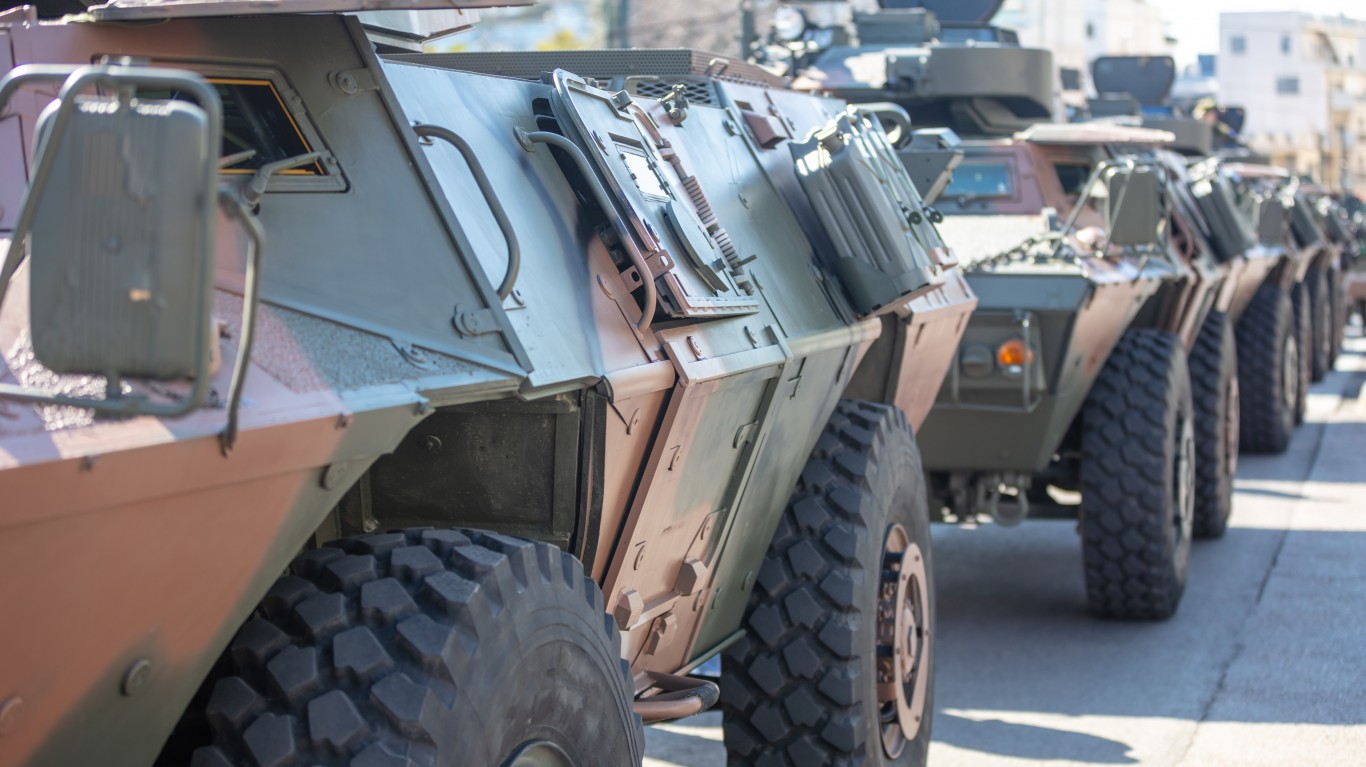
- Year introduced: 1999
- Weapon type: Armored Security Vehicle
- Manufacturer: Textron
- Role: Convoy escort and military police security
- Impact: Highly maneuverable with strong ballistic protection.
- Drawbacks: Limited troop capacity compared to MRAPs.
The M1117 Guardian excelled in convoy escort and base security roles thanks to its mobility and protective armor. Designed for urban environments, it offered greater survivability than Humvees while being more agile than MRAPs. Its performance made it a staple vehicle for military police and security forces during the conflict.
MK18 CQBR
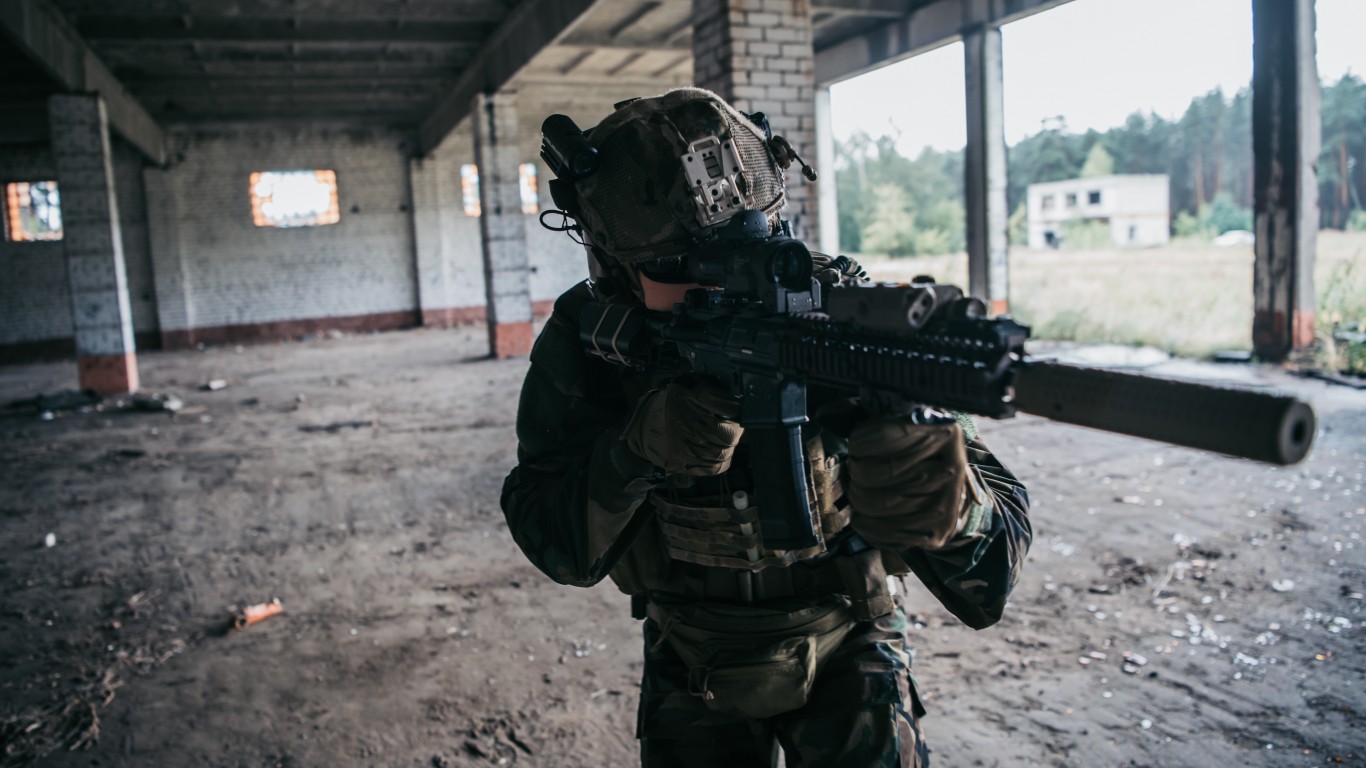
- Year introduced: 2001
- Weapon type: Carbine
- Manufacturer: Naval Surface Warfare Center
- Role: Special operations close-quarters weapon
- Impact: Compact, maneuverable, highly effective in confined spaces.
- Drawbacks: Short barrel reduces velocity and increases muzzle blast.
The MK18 CQBR earned its reputation as a premier close-quarters rifle for special operations forces. Its compact form made it ideal for breaching, room clearing, and vehicle operations. Although its short barrel limited ballistic performance, operators favored its speed and handling in the fast, surgical missions typical of counterterrorism operations.
Stryker
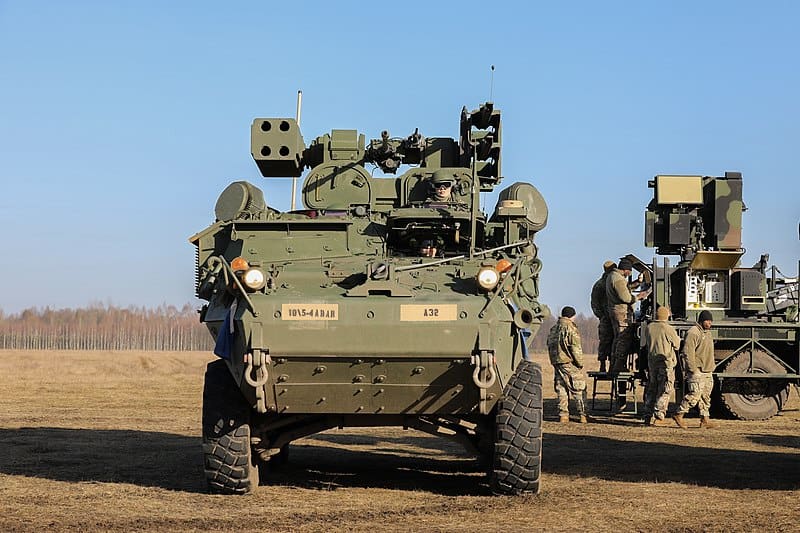
- Year introduced: 2002
- Weapon type: Armored Fighting Vehicle
- Manufacturer: General Dynamics
- Role: Rapid‑deployment infantry carrier
- Impact: Highly mobile with strong communication systems.
- Drawbacks: Less protected than heavier armored vehicles.
The Stryker provided a fast, networked infantry transport capable of deploying quickly across large distances. Its mobility and digital integration made it ideal for urban and mixed‑terrain operations. Although not as heavily armored as tanks, it offered a crucial balance of speed, protection, and versatility.
M14 EBR
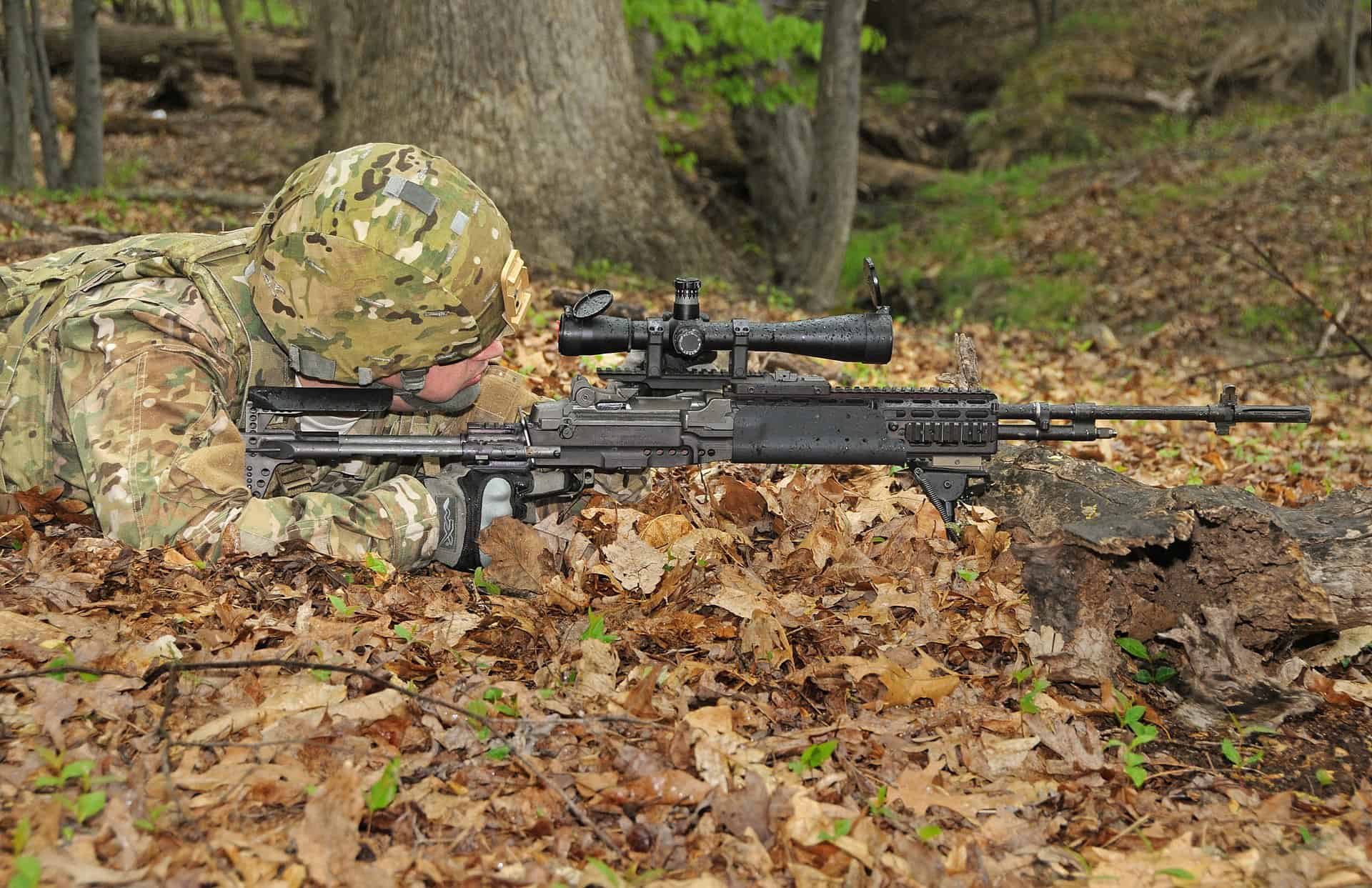
- Year introduced: 2004
- Weapon type: Battle Rifle
- Manufacturer: Sage International (stock)/Springfield Armory
- Role: Designated marksman role
- Impact: Accurate, hard-hitting 7.62 NATO capability.
- Drawbacks: Heavy and unwieldy with modern chassis.
The M14 EBR filled a critical gap for designated marksmen needing greater range than 5.56 rifles could offer. Its updated chassis improved optics compatibility, helping Marines and Soldiers engage threats across Afghan valleys. Although heavy, its power and accuracy ensured it remained a reliable tool for medium‑ to long‑range engagements.
HK416
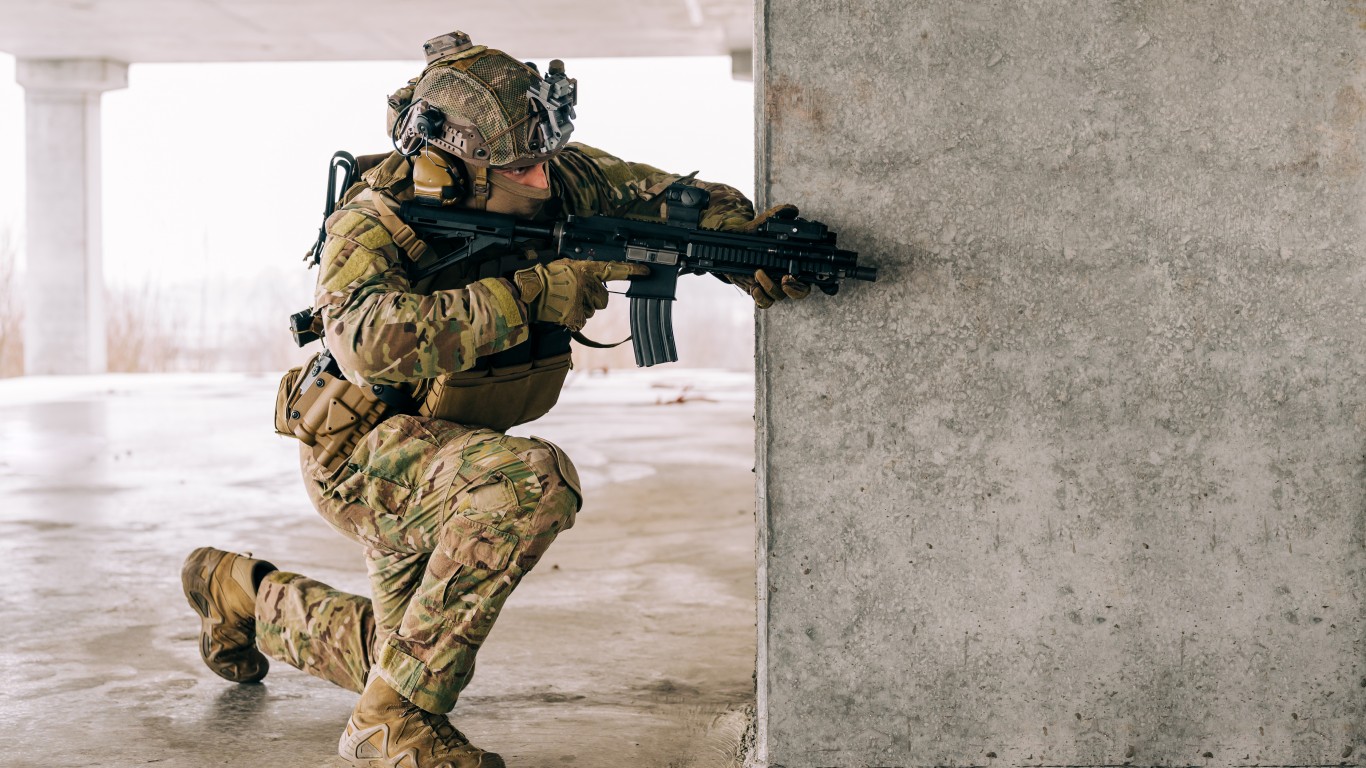
- Year introduced: 2004
- Weapon type: Carbine
- Manufacturer: Heckler & Koch
- Role: Special operations primary weapon
- Impact: Highly reliable in desert and sandy environments.
- Drawbacks: More expensive than traditional AR-platform rifles.
The HK416 earned a reputation for exceptional reliability, particularly in dusty and sandy environments where traditional AR rifles struggled. Its piston-driven system made it popular among special operations units conducting high-tempo missions. Although costly, its performance and durability cemented its status as a premier SOF weapon.
MRAP Vehicles
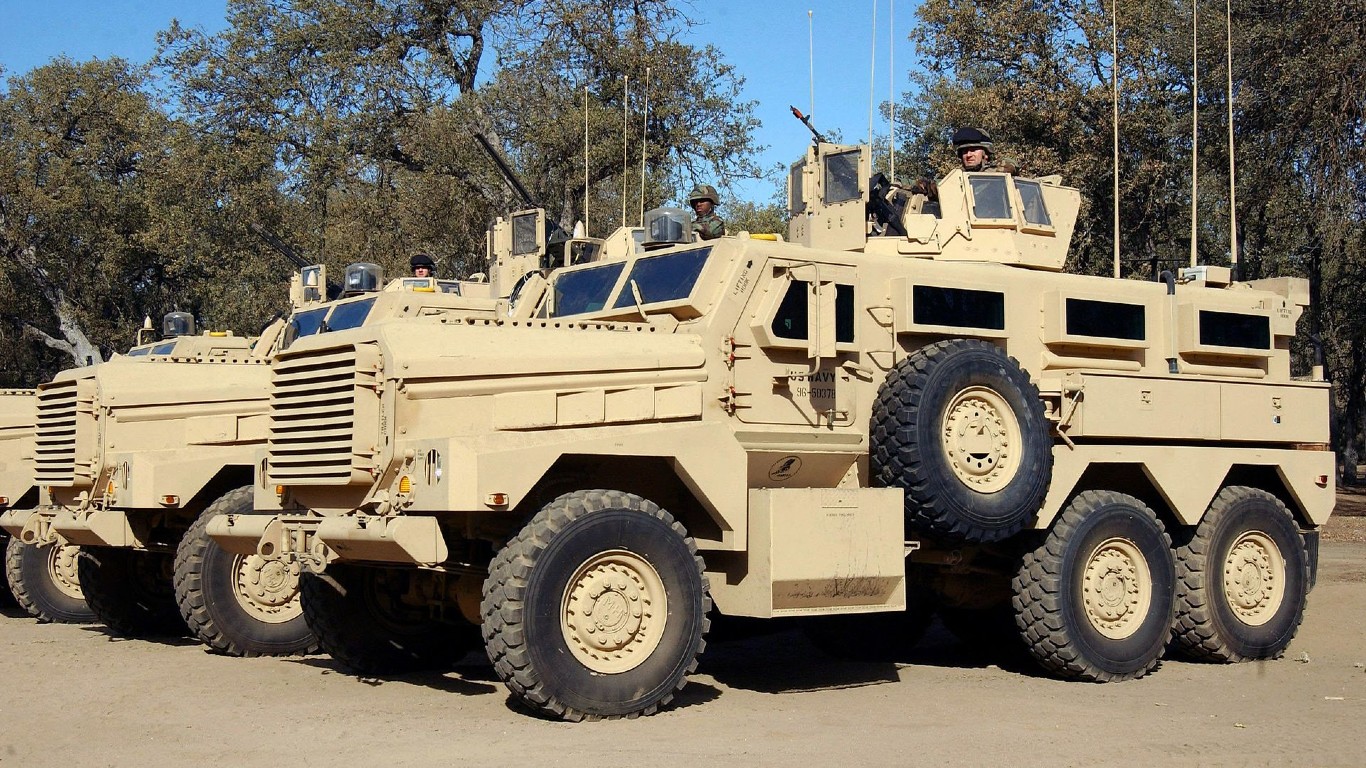
- Year introduced: 2007
- Weapon type: Armored Vehicle
- Manufacturer: Multiple (Oshkosh, Navistar, BAE)
- Role: IED‑resistant troop transport
- Impact: Revolutionized survivability against roadside bombs.
- Drawbacks: Very heavy, poor maneuverability in narrow terrain.
MRAPs dramatically reduced casualties from roadside bombs, the most common threat in Iraq and Afghanistan. Their V‑shaped hulls and armor packages saved thousands of lives. However, their size and weight limited mobility in tight urban or mountainous areas. Even with drawbacks, MRAPs became a defining vehicle of the conflict.
MQ-9 Reaper
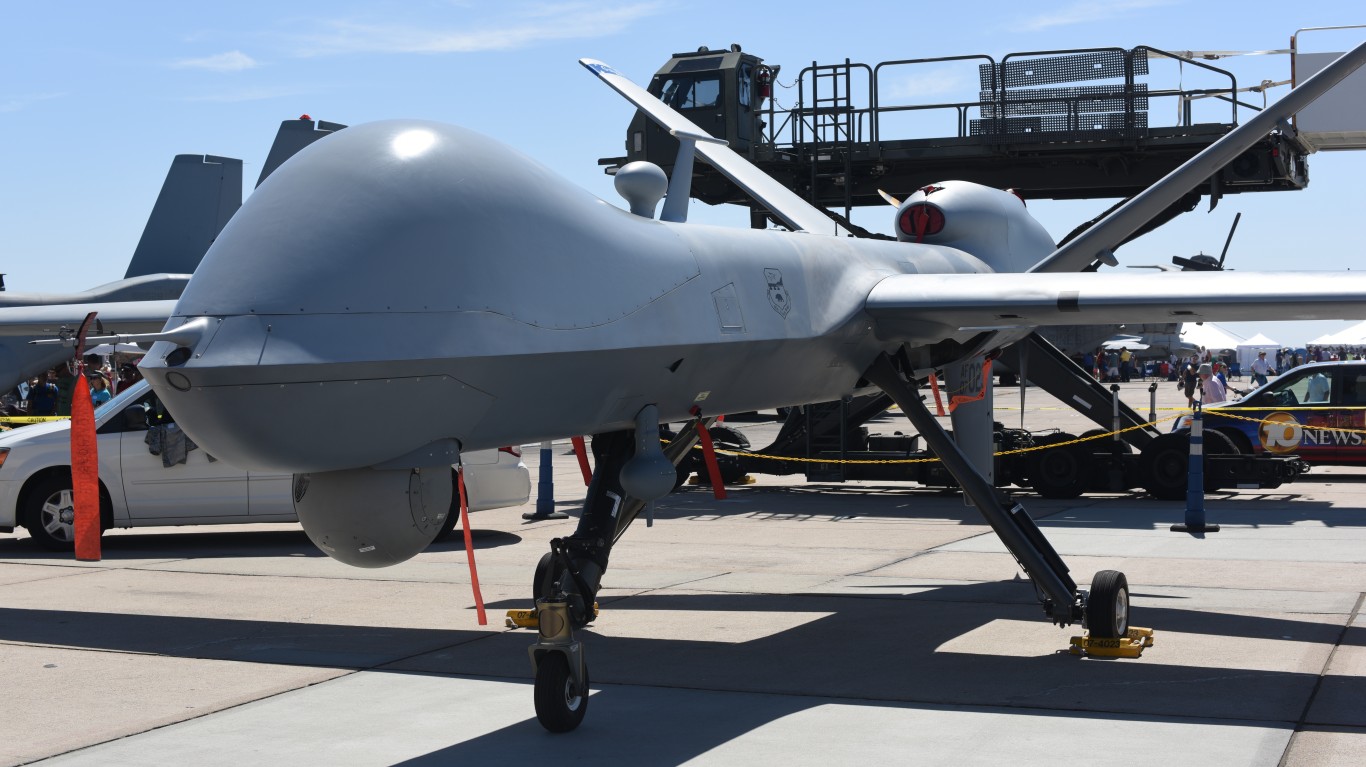
- Year introduced: 2007
- Weapon type: UAV
- Manufacturer: General Atomics
- Role: Advanced ISR and strike drone
- Impact: Greater endurance, payload, and versatility than the Predator.
- Drawbacks: Requires complex command infrastructure.
The MQ‑9 Reaper expanded the drone mission set with improved endurance, speed, and firepower. Capable of multiple simultaneous strike and surveillance tasks, it became the primary UAV of late‑war operations. While dependent on complex support networks, its capabilities made it central to modern counterterrorism strategy.
M320 Grenade Launcher
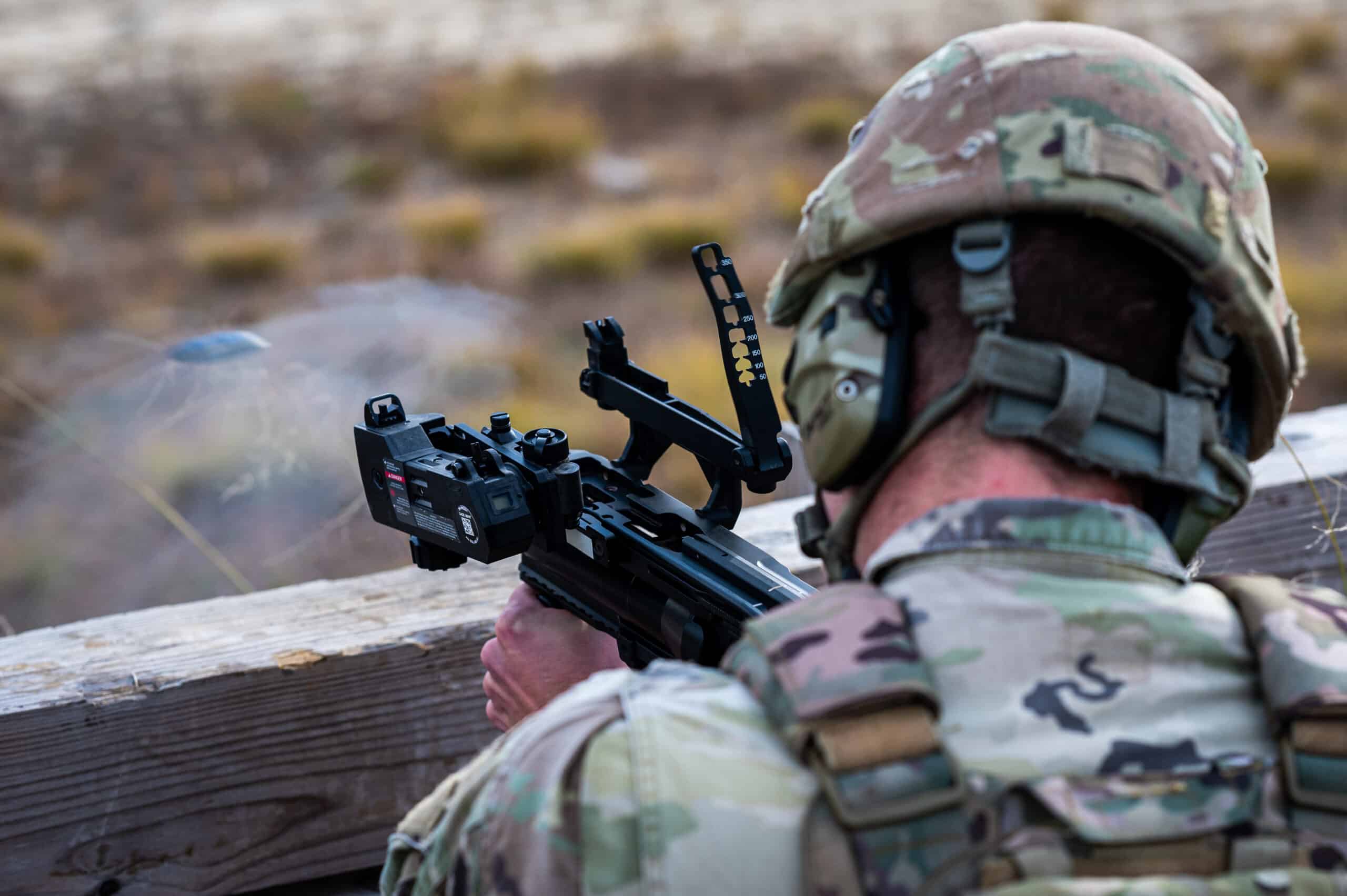
- Year introduced: 2008
- Weapon type: Grenade Launcher
- Manufacturer: Heckler & Koch
- Role: Improved infantry grenade launcher
- Impact: More accurate and ergonomic than the M203.
- Drawbacks: Slightly heavier and bulkier as a standalone unit.
The M320 improved grenade-launching accuracy and ergonomics for soldiers on foot patrols. It offered safer loading and better sighting systems than the M203. Although a bit bulkier, its precision and versatility—usable as either under‑barrel or standalone—made it a staple of late‑war infantry modernization.
M110 SASS
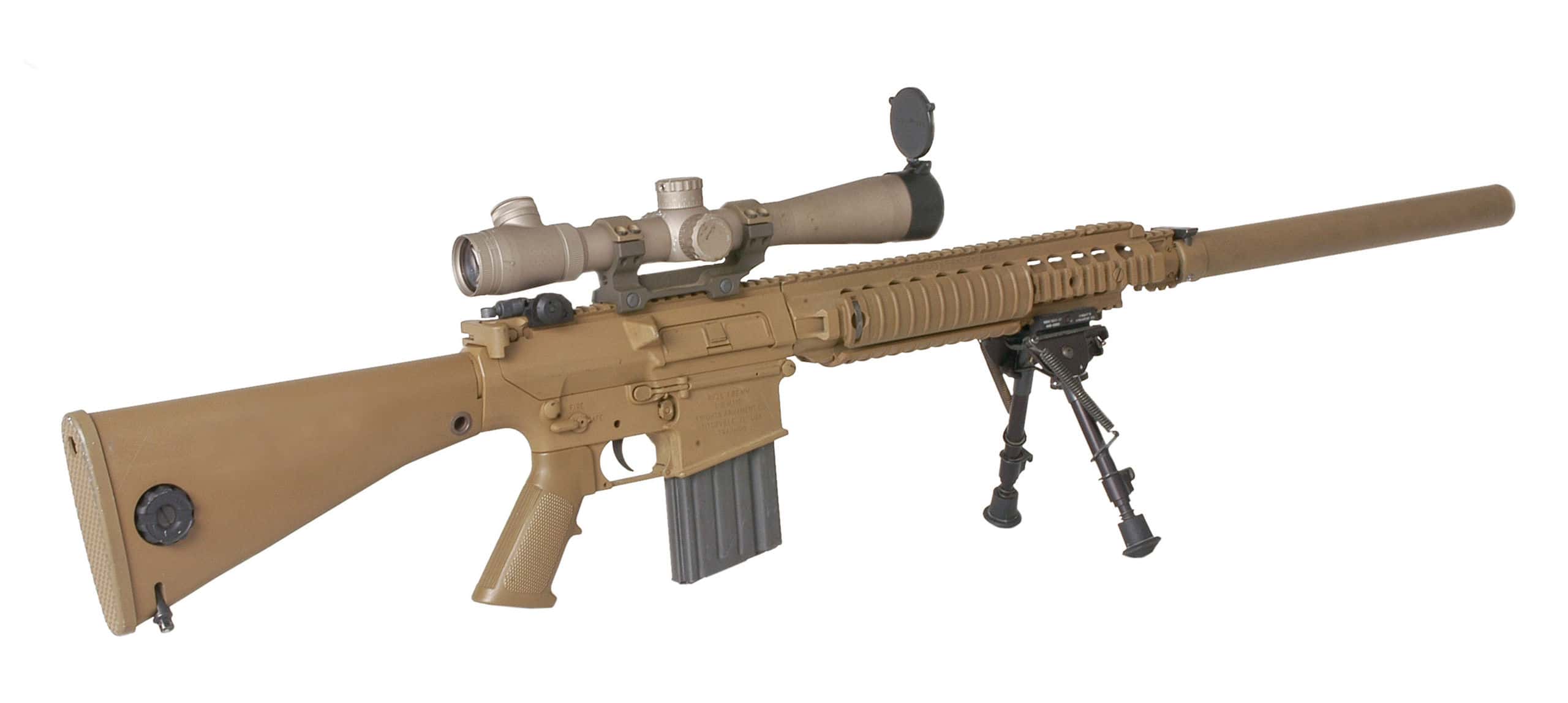
- Year introduced: 2008
- Weapon type: Sniper Rifle
- Manufacturer: Knight’s Armament
- Role: Semi‑automatic sniper and marksman engagements
- Impact: Fast follow‑up shots with strong 7.62 performance.
- Drawbacks: Less durable under heavy firing than bolt-action rifles.
The M110 SASS became the go‑to semi‑automatic sniper system for long‑range engagements in Afghanistan. Its accuracy and quick follow‑up shots allowed marksmen to engage multiple targets efficiently. Though not as rugged as bolt-action rifles, the M110 offered an ideal balance of precision, speed, and portability for modern counterinsurgency operations.







 Top Gaining Stocks
 Top Losing Stocks