


For decades, tanks have been a symbol of battlefield dominance, combining firepower, protection, and mobility. But as armor has improved, so too have the weapons designed to destroy it. Today’s anti-tank systems use precision guidance, advanced warheads, and new attack profiles to target vulnerabilities in even the most advanced armored vehicles. Here, 24/7 Wall St. is taking a closer look at the weapons designed to destroy modern tanks.
To determine the weapons designed to destroy modern tanks, 24/7 Wall St. reviewed various historical and military sources. We included supplemental information for each weapon system regarding country of origin, type, manufacturer, attack profile, effective range, and ultimately its key advantage against armor.
Here is a look at the weapons designed to destroy modern tanks:
Why Are We Covering This?
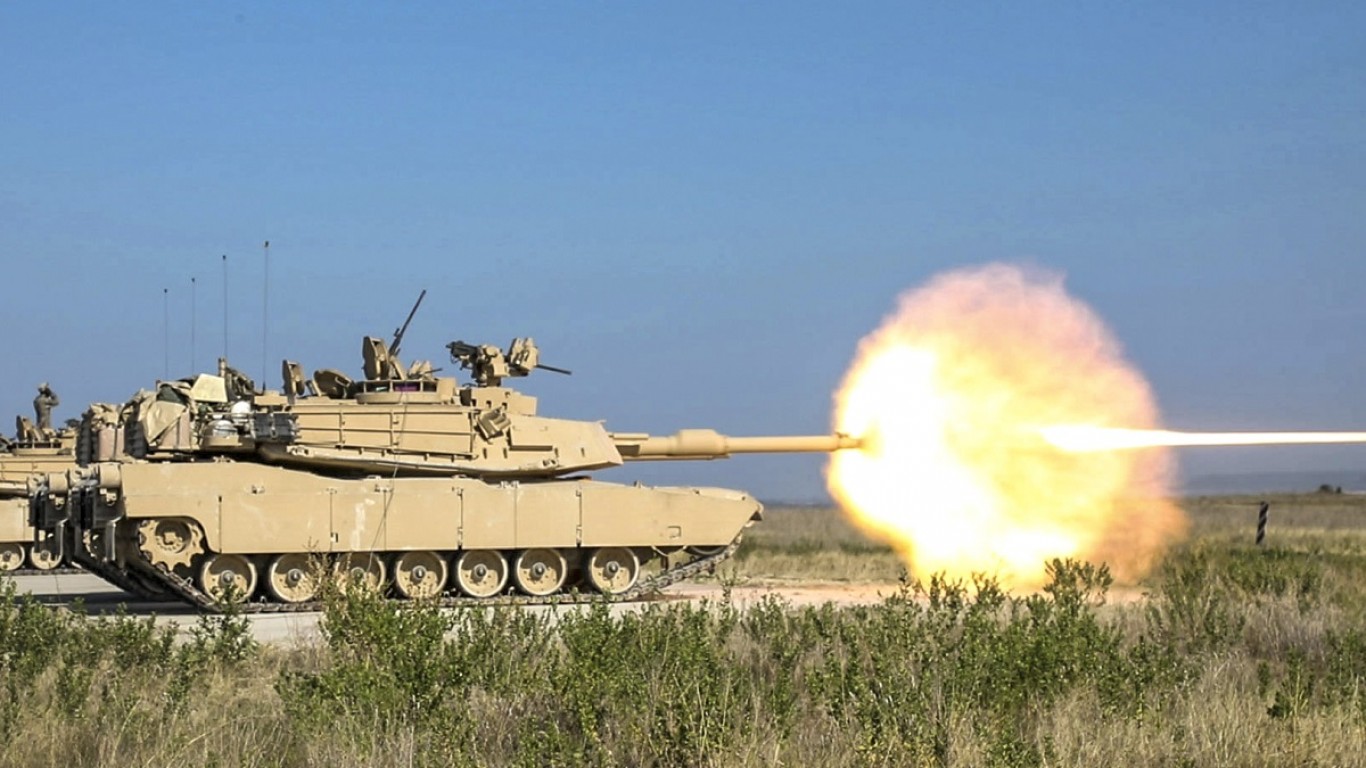
Understanding how modern anti-armor weapons work helps explain why the role of tanks on the battlefield is being reevaluated. As missiles, drones, and smart munitions become more precise and more widely available, even heavily armored vehicles are increasingly vulnerable to relatively low-cost threats. This shift is forcing militaries to rethink how tanks are used, protected, and supported in combat. By examining the weapons specifically designed to defeat modern armor, it becomes clear how the balance between protection and firepower continues to evolve in today’s conflicts.
Modern Tanks Are More Advanced and Better Protected Than Ever
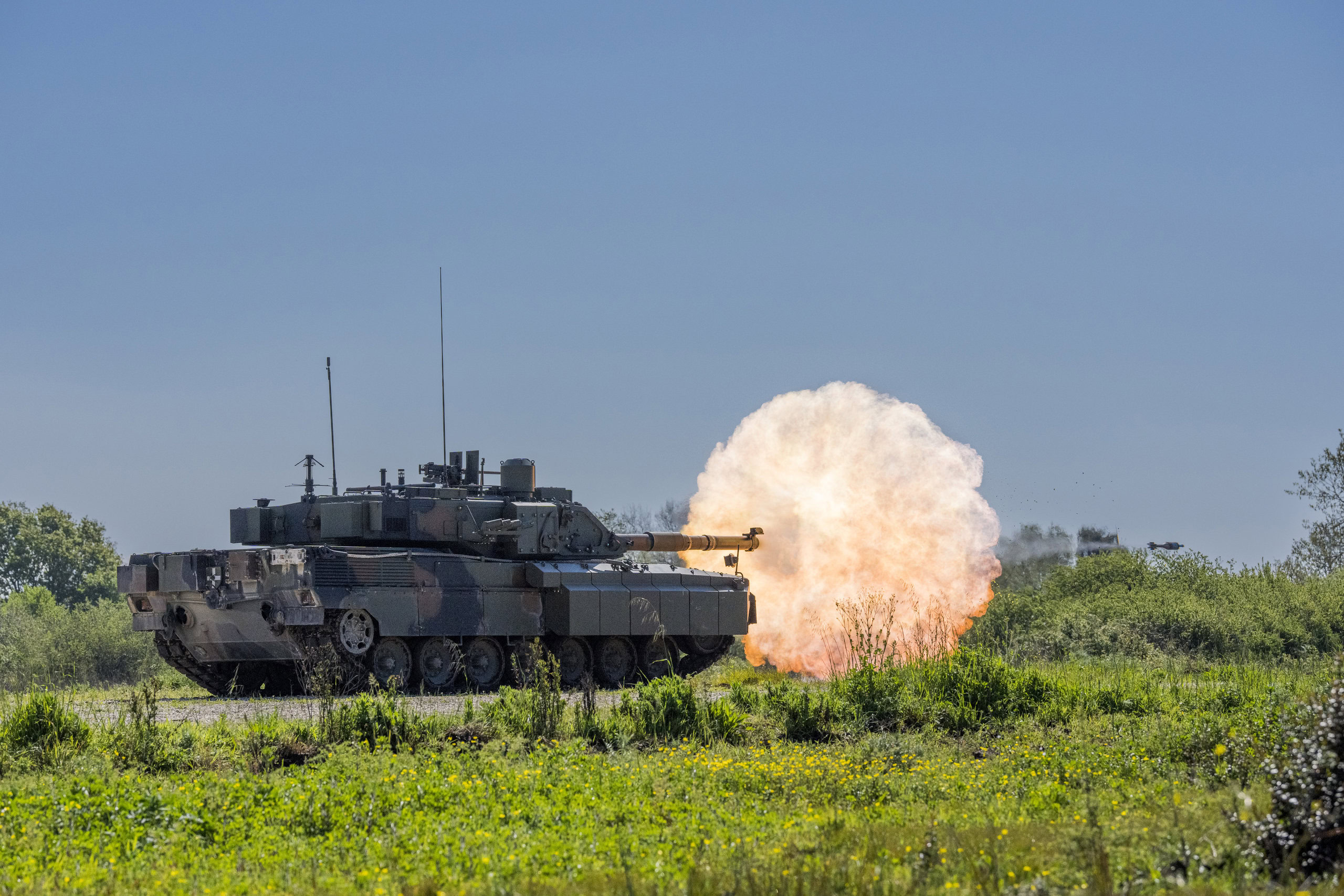
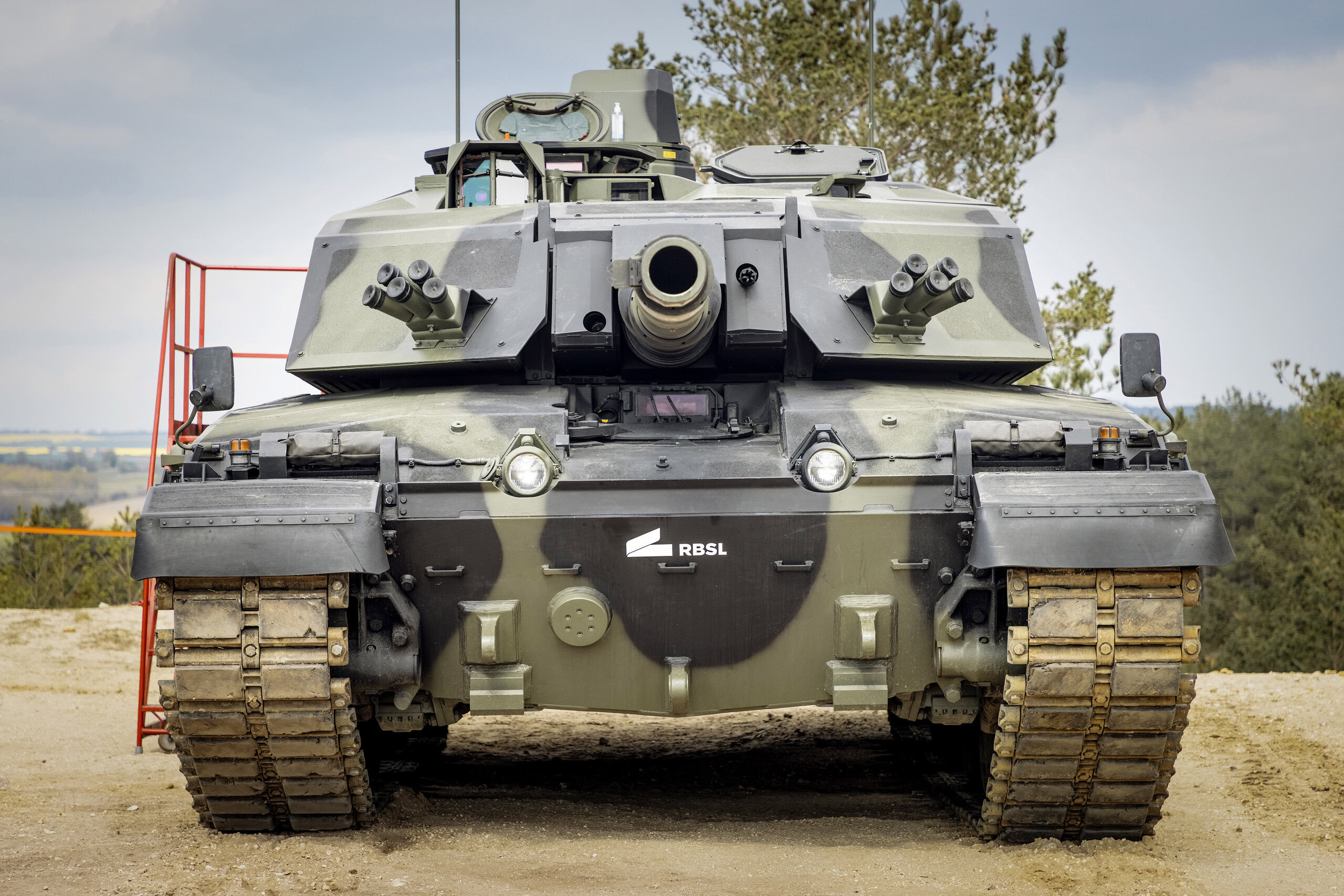
Modern main battle tanks are more advanced and better protected than ever before. Composite armor, explosive reactive armor, and active protection systems have made today’s armored vehicles far more survivable on the battlefield than earlier generations. These improvements were designed to keep tanks relevant in an era of precision-guided munitions and increasingly lethal anti-armor threats.
Anti-Tank Weapons Evolved Alongside Modern Armor
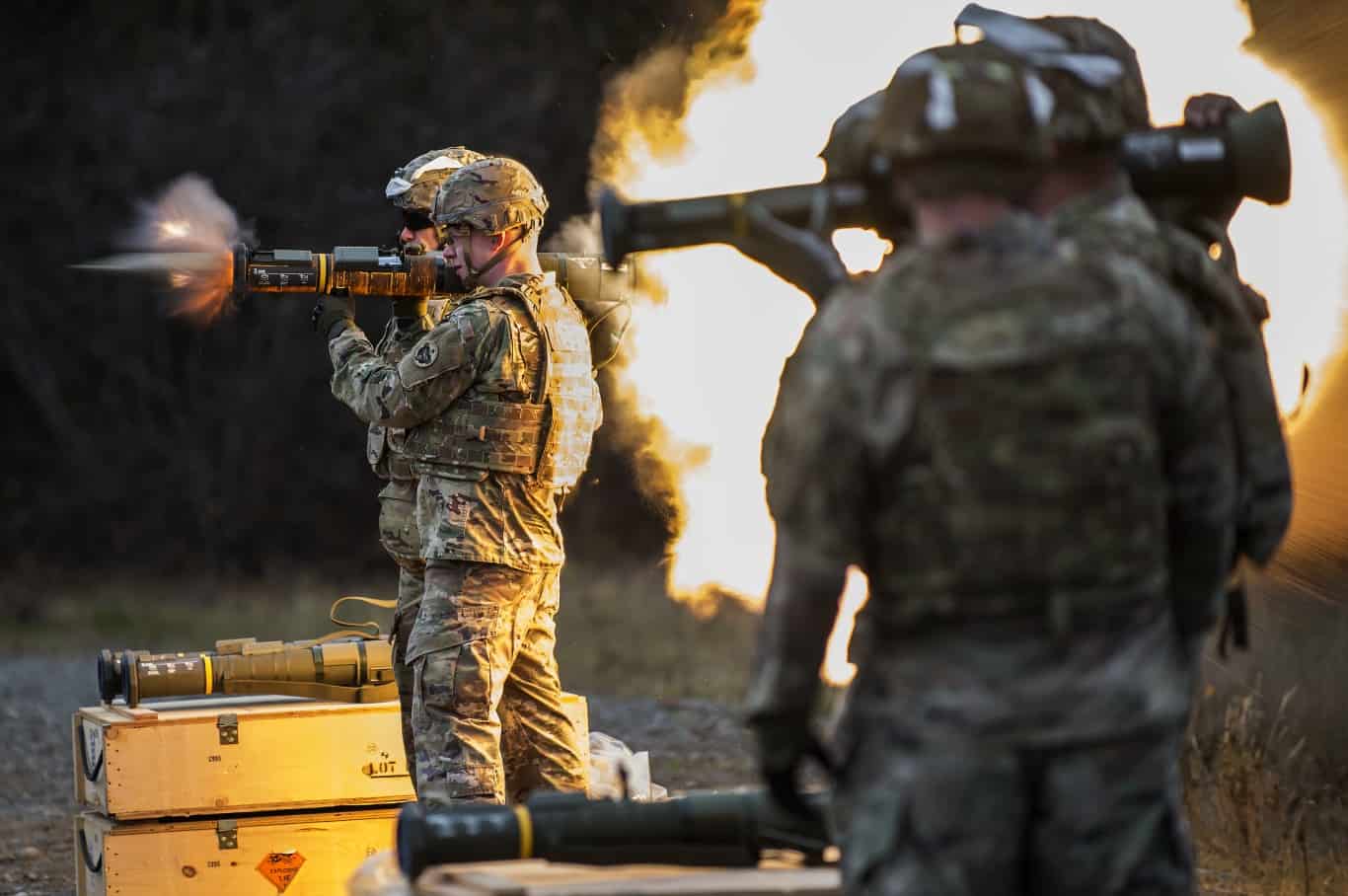
As tanks became harder to kill, anti-tank weapons evolved alongside them. Modern anti-armor systems use shaped charges, tandem warheads, kinetic penetrators, and smart guidance to defeat vehicles that would have been nearly invulnerable to older weapons. This constant competition between armor and firepower has driven major changes in battlefield technology.
Top-Attack Weapons Changed How Tanks Are Destroyed
One of the biggest changes in anti-armor warfare has been the rise of top-attack weapons. Instead of trying to punch through the thickest frontal armor, many modern missiles and smart munitions are designed to hit tanks from above, where protection is thinner. This shift has made even heavily armored vehicles vulnerable to well-placed strikes.
Drones and Smart Munitions Are Reshaping Anti-Armor Warfare

Drones and smart munitions are also reshaping how tanks are targeted and destroyed. Loitering munitions, sensor-fused artillery rounds, and precision-guided missiles allow forces to engage armored vehicles from greater distances and with less exposure to return fire. These systems have made anti-armor warfare more flexible and more dangerous than ever before.
These Weapons Are Challenging the Dominance of Heavy Armor
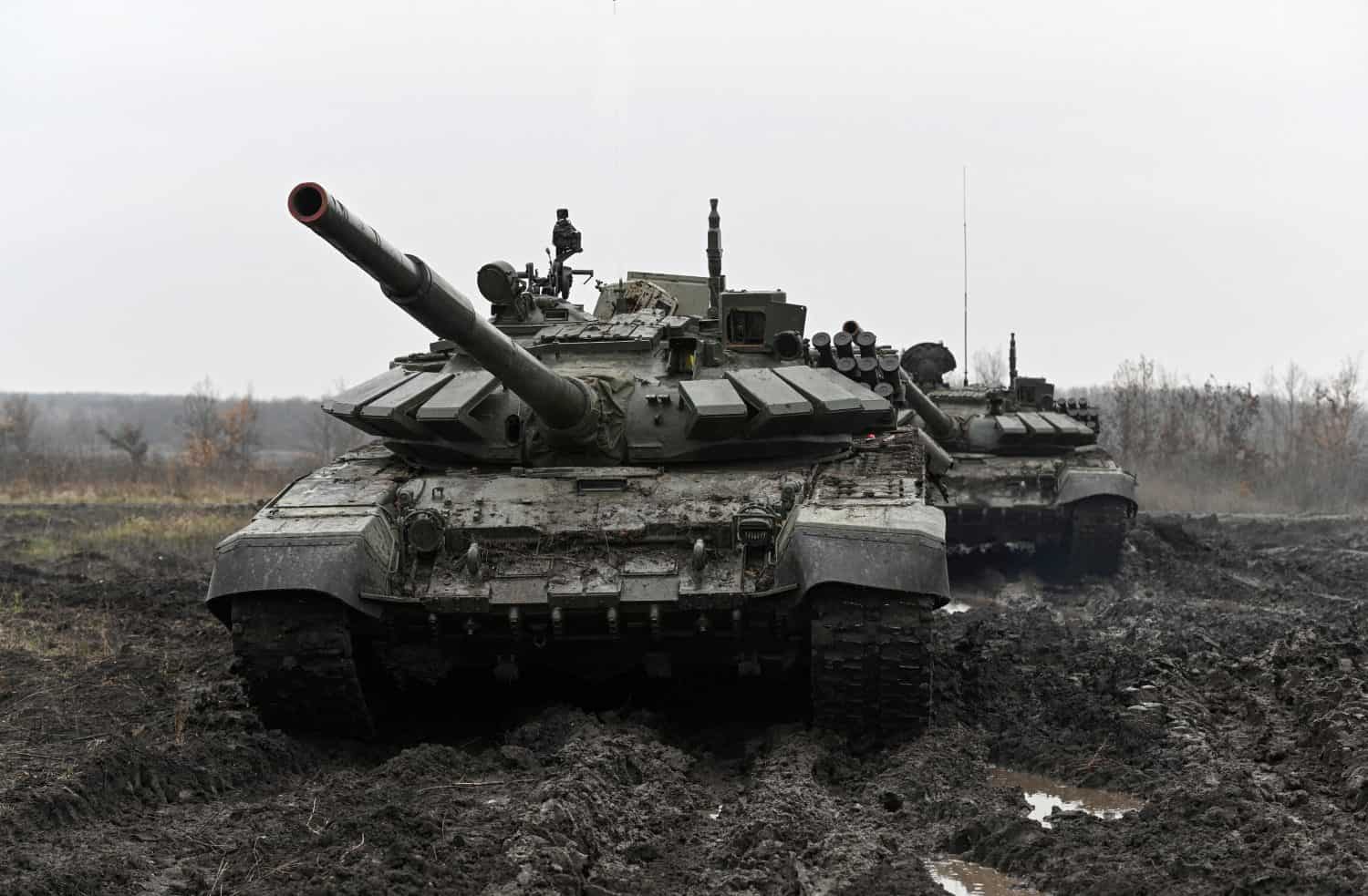
The weapons on this list represent some of the most effective systems ever designed to defeat modern tanks. From infantry-carried missiles to tank-fired penetrators and top-attack drones, each one reflects a different solution to the challenge of destroying heavy armor. Together, they show how anti-tank warfare continues to evolve as tanks become more advanced.
FGM-148 Javelin
- Country of origin: United States
- Weapon type: ATGM
- Manufacturer or developer: Raytheon / Lockheed Martin
- Year introduced to service: 1996
- Penetration method: Tandem HEAT warhead
- Attack profile: Top-attack
- Effective range: 2.5 km
- Key advantage against armor: Fire-and-forget top attack defeats heavy armor
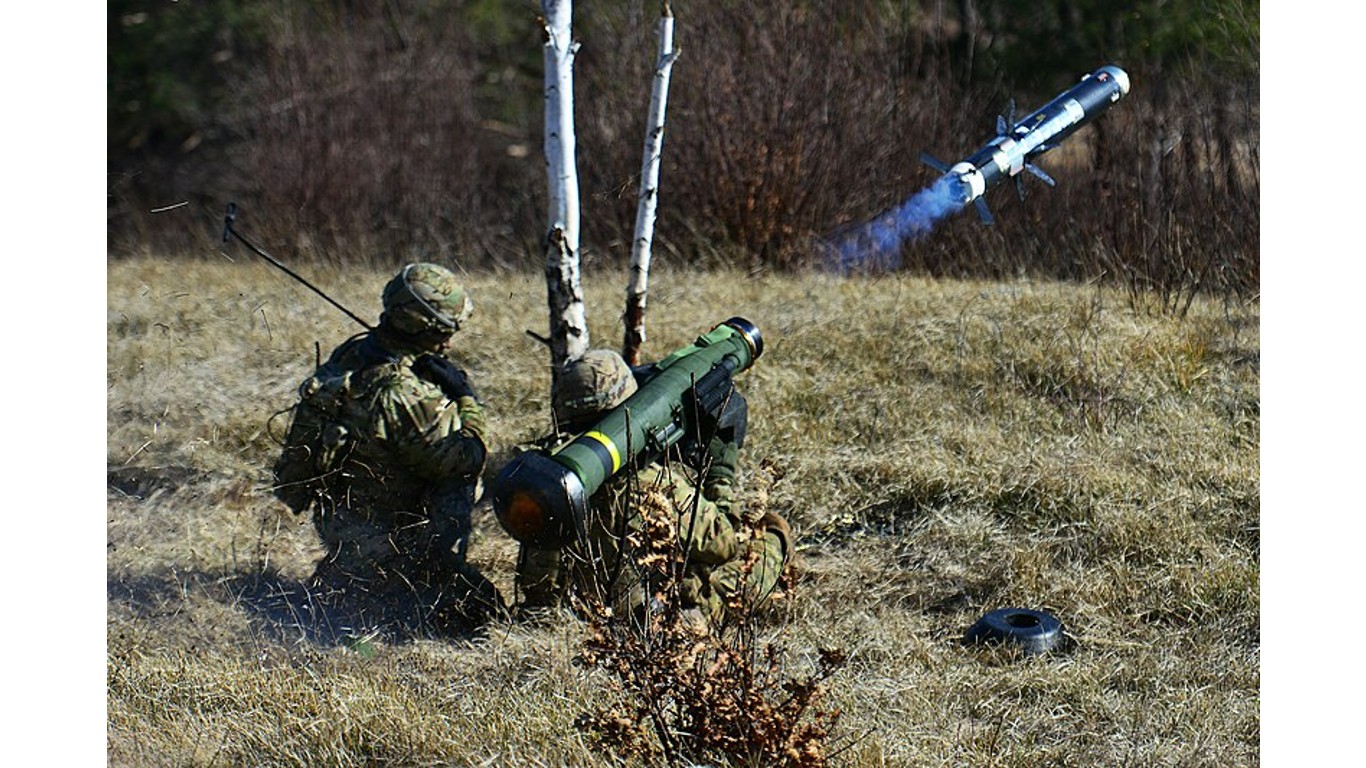
The FGM-148 Javelin is a fire-and-forget anti-tank missile designed to defeat modern armored vehicles. Using a top-attack flight profile, it strikes the relatively weak upper armor of tanks. Its tandem HEAT warhead is capable of penetrating reactive armor, making it highly effective in modern conflicts where advanced protection systems are common.
NLAW
- Country of origin: United Kingdom / Sweden
- Weapon type: ATGM
- Manufacturer or developer: Saab Bofors Dynamics
- Year introduced to service: 2009
- Penetration method: Shaped charge
- Attack profile: Overfly top-attack
- Effective range: 800 m
- Key advantage against armor: Highly effective in urban ambush scenarios
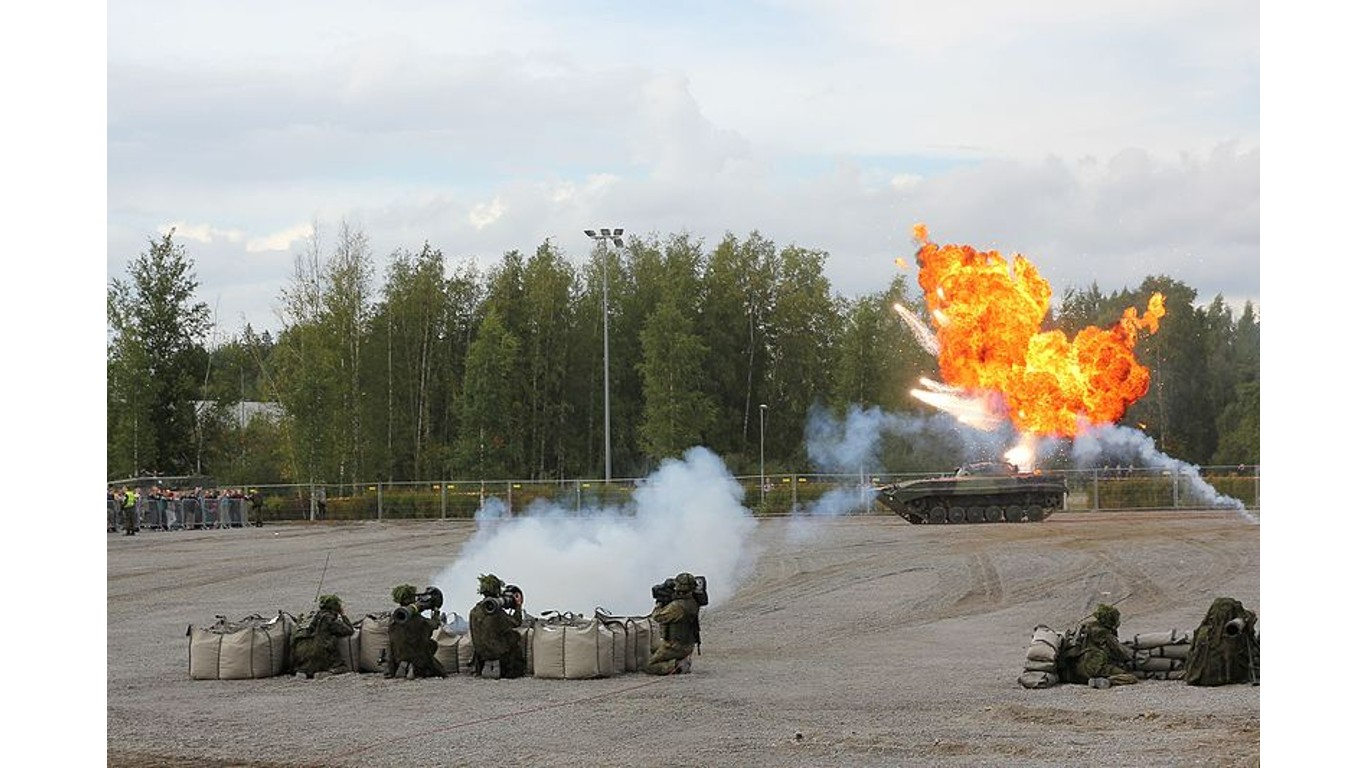
The NLAW is a lightweight anti-tank weapon designed for short-range engagements, especially in urban environments. Its overfly top-attack system allows it to detonate above a tank, targeting weaker roof armor. This makes it particularly effective in ambush scenarios where infantry can engage armored vehicles at close range.
Spike LR2
- Country of origin: Israel
- Weapon type: ATGM
- Manufacturer or developer: Rafael Advanced Defense Systems
- Year introduced to service: 2018
- Penetration method: Tandem HEAT warhead
- Attack profile: Top-attack / direct
- Effective range: 5.5 km
- Key advantage against armor: Multi-mode guidance with precision targeting
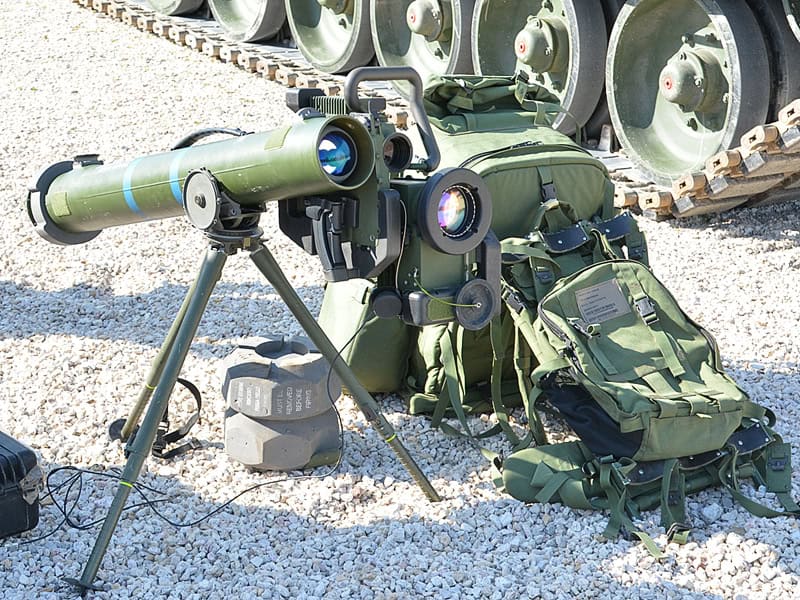
The Spike LR2 is an advanced anti-tank guided missile that combines fire-and-forget capability with operator control. It features a tandem HEAT warhead capable of defeating modern armor, including reactive protection. Its ability to switch between top-attack and direct attack modes gives it flexibility against a wide range of targets.
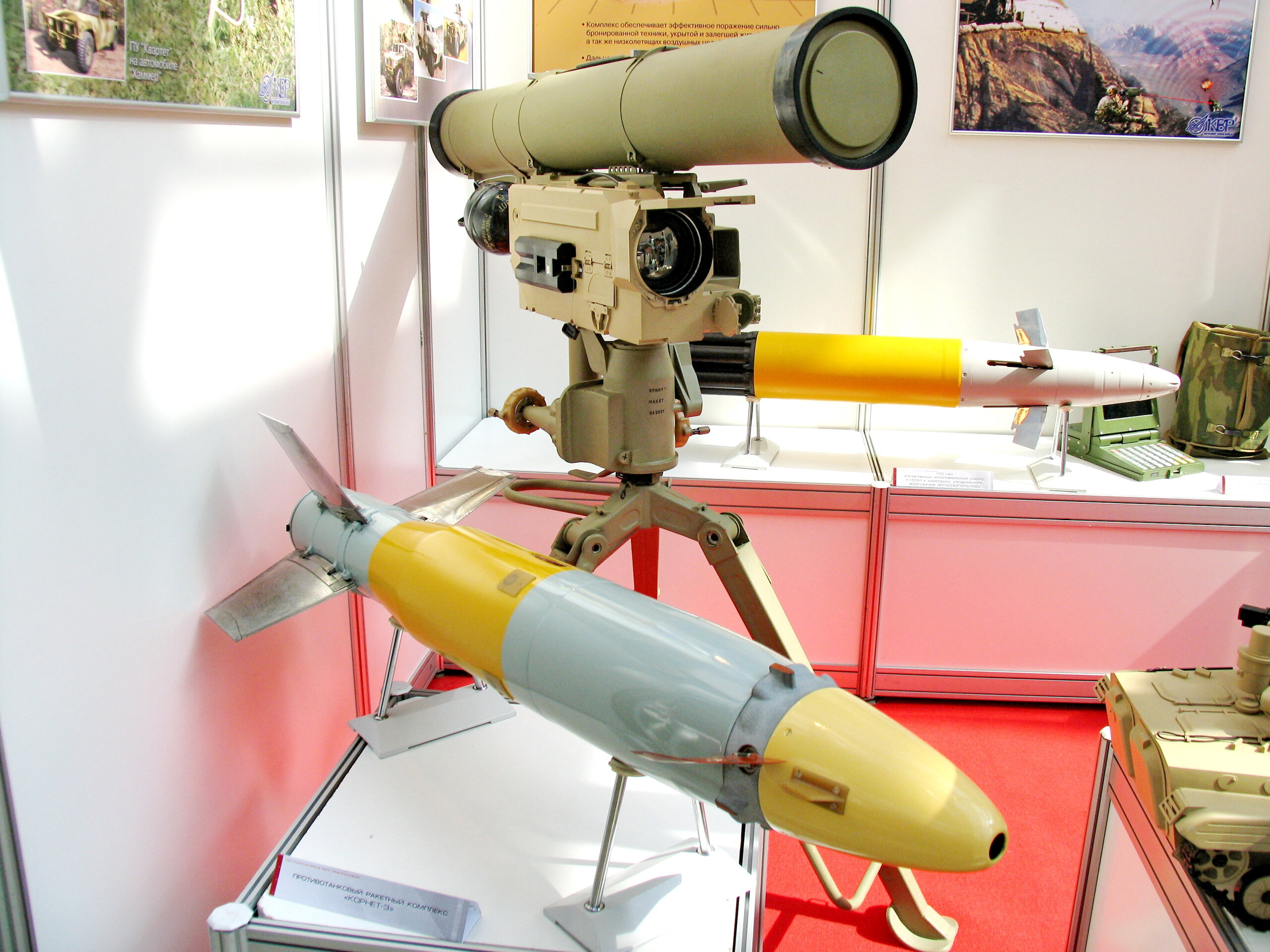
9M133 Kornet
- Country of origin: Russia
- Weapon type: ATGM
- Manufacturer or developer: KBP Instrument Design Bureau
- Year introduced to service: 1998
- Penetration method: Tandem HEAT warhead
- Attack profile: Direct attack
- Effective range: 5.5 km
- Key advantage against armor: Defeats reactive armor with tandem charge
The 9M133 Kornet is a powerful anti-tank missile system known for its long range and high penetration capability. Its tandem HEAT warhead is designed to defeat explosive reactive armor before penetrating the main armor. The Kornet has been widely used in modern conflicts against tanks and fortified positions.
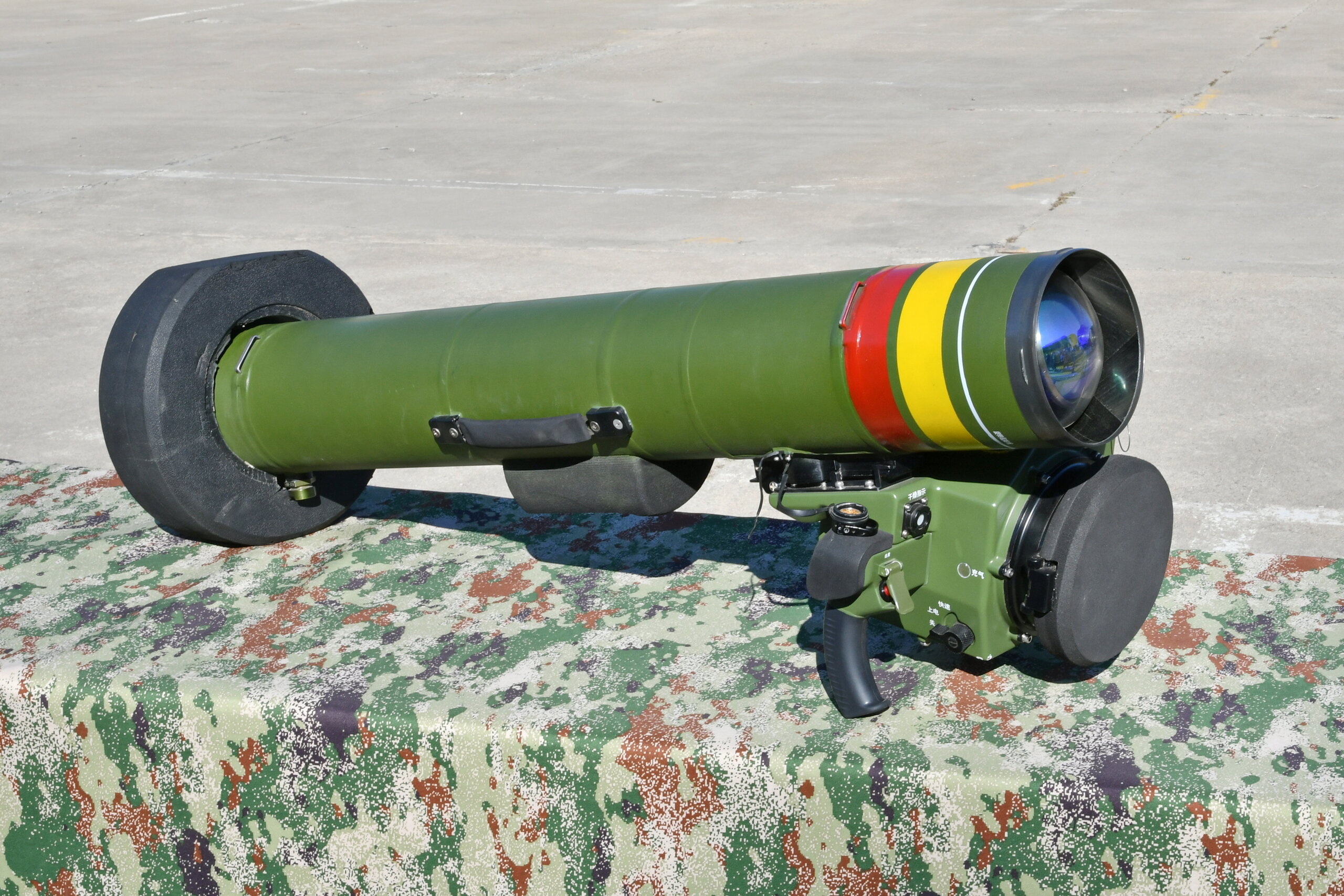
HJ-12
- Country of origin: China
- Weapon type: ATGM
- Manufacturer or developer: Norinco
- Year introduced to service: 2014
- Penetration method: Tandem HEAT warhead
- Attack profile: Top-attack
- Effective range: 4 km
- Key advantage against armor: China’s fire-and-forget anti-tank system
The HJ-12 is China’s modern fire-and-forget anti-tank missile system, designed to compete with Western equivalents. It uses a top-attack profile and tandem warhead to defeat modern armored vehicles. Its portability and ease of use make it effective for infantry units engaging tanks on the battlefield.
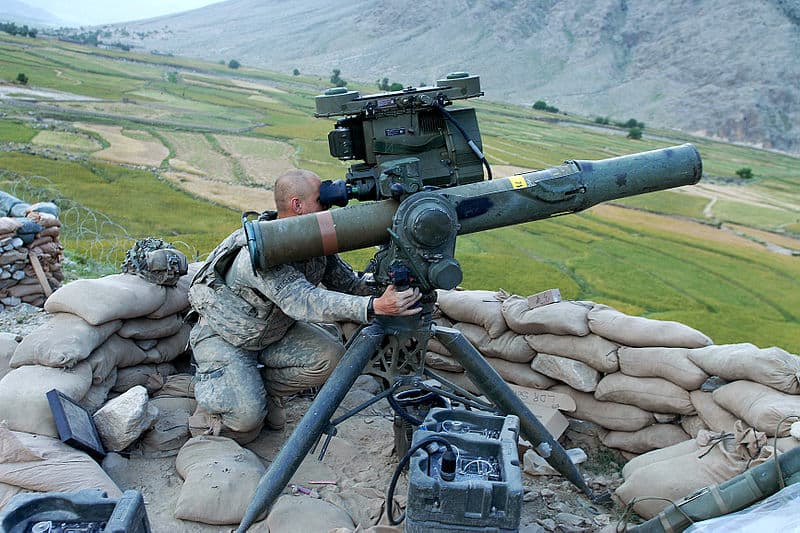
BGM-71 TOW
- Country of origin: United States
- Weapon type: ATGM
- Manufacturer or developer: Raytheon
- Year introduced to service: 1970
- Penetration method: Tandem HEAT warhead
- Attack profile: Direct attack
- Effective range: 3.75 km
- Key advantage against armor: Widely used and continuously upgraded
The BGM-71 TOW is one of the longest-serving anti-tank guided missile systems still in use today. Originally introduced during the Cold War, it has been continuously upgraded to improve its ability to defeat modern armor. Its precision and reliability have made it effective in numerous conflicts around the world.
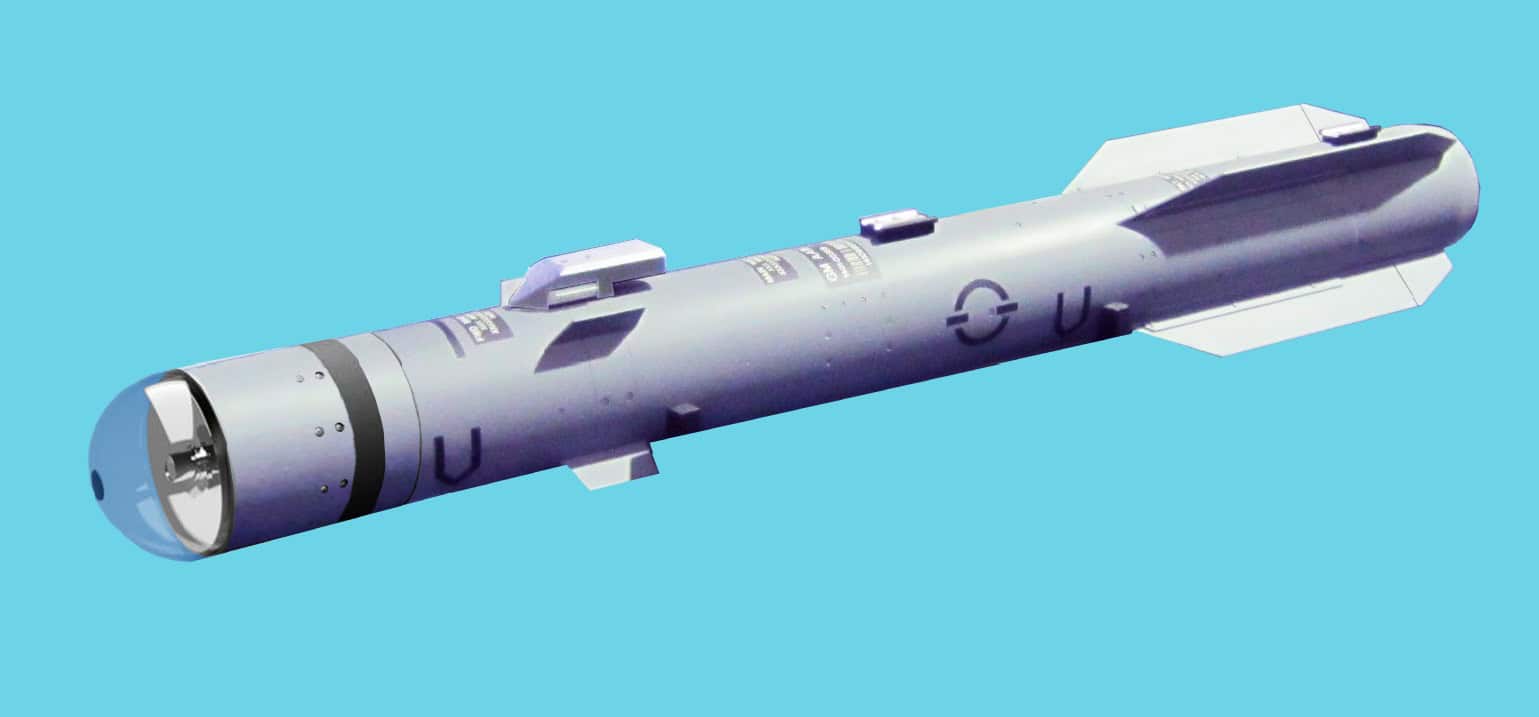
Brimstone
- Country of origin: United Kingdom
- Weapon type: Air-launched missile
- Manufacturer or developer: MBDA
- Year introduced to service: 2005
- Penetration method: Tandem HEAT warhead
- Attack profile: Top-attack
- Effective range: 20+ km
- Key advantage against armor: High-speed precision targeting of armored vehicles
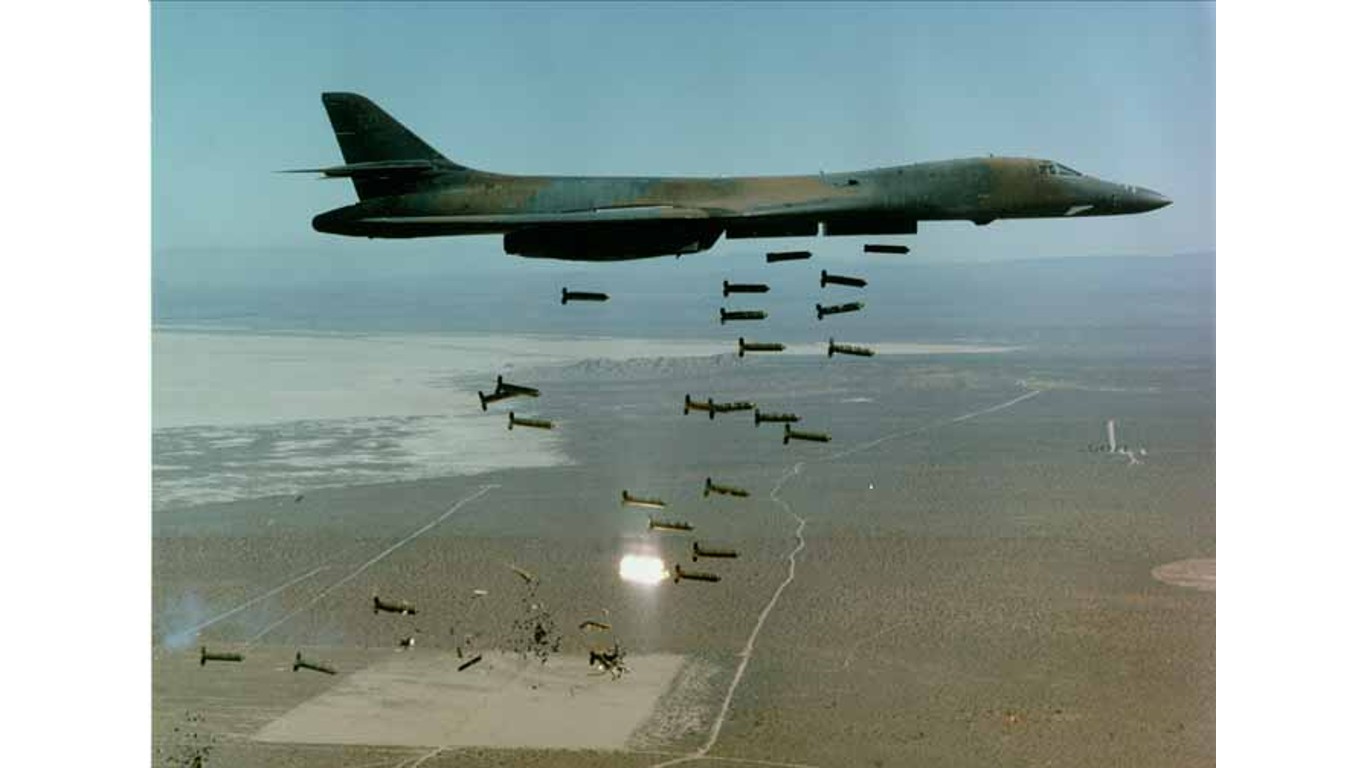
The Brimstone missile is an air-launched precision weapon designed to target armored vehicles. Using advanced guidance systems, it can identify and strike moving targets with high accuracy. Its tandem warhead allows it to defeat modern armor, making it a key component of air-to-ground anti-armor operations.
AGM-114 Hellfire
- Country of origin: United States
- Weapon type: Air-to-ground missile
- Manufacturer or developer: Lockheed Martin
- Year introduced to service: 1984
- Penetration method: Shaped charge
- Attack profile: Direct / top attack
- Effective range: 8 km
- Key advantage against armor: Versatile helicopter-launched anti-armor weapon
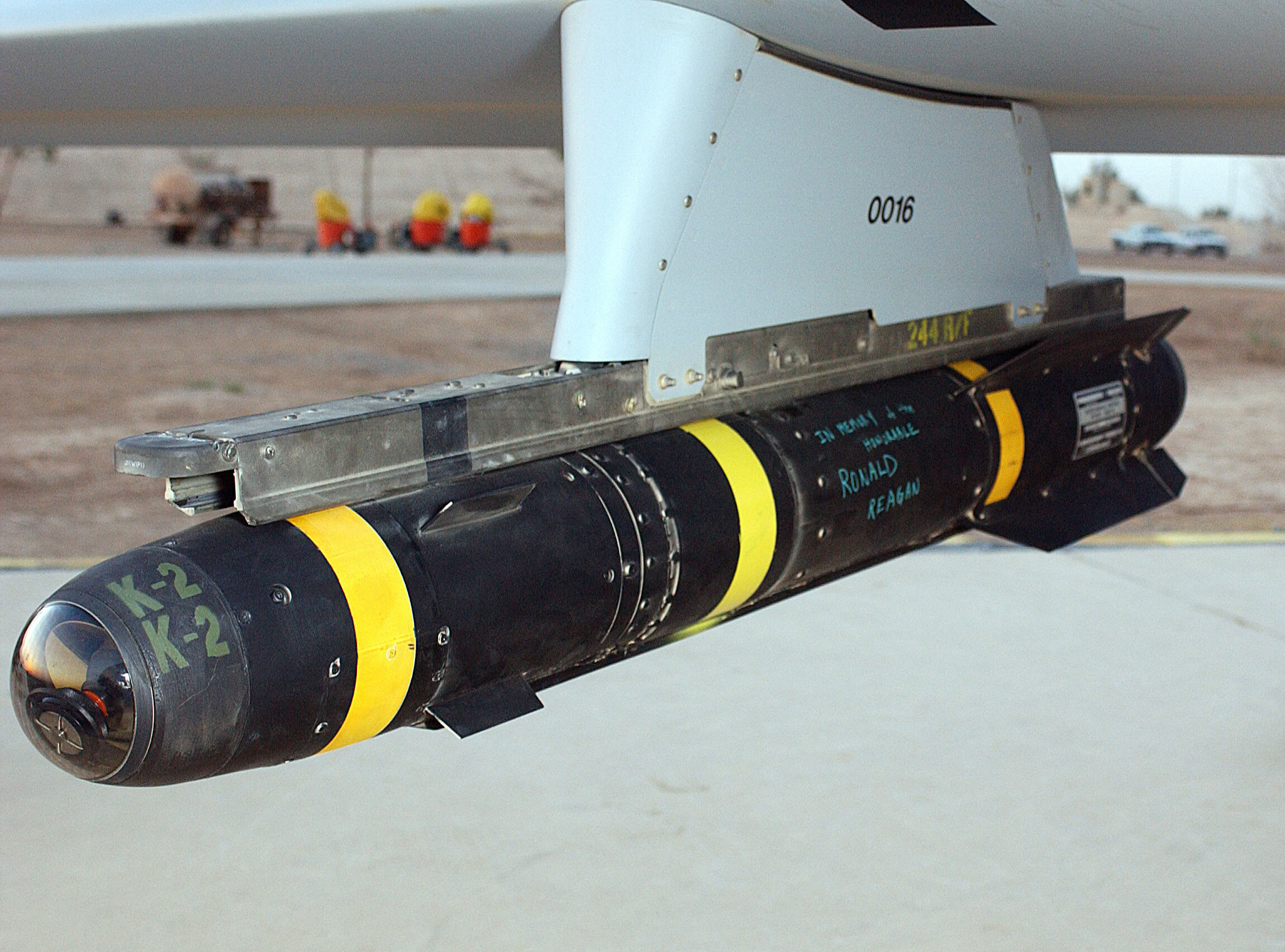
The AGM-114 Hellfire is a versatile air-to-ground missile widely used by helicopters and drones. Originally designed to destroy tanks, it uses a shaped charge warhead to penetrate armor. Its precision targeting capability has made it one of the most widely used anti-armor missiles in modern warfare.
M829A3/A4 APFSDS
- Country of origin: United States
- Weapon type: Tank-fired kinetic round
- Manufacturer or developer: General Dynamics
- Year introduced to service: 2003
- Penetration method: Kinetic energy penetrator
- Attack profile: Direct fire
- Effective range: 4 km
- Key advantage against armor: High-velocity penetrator defeats composite armor
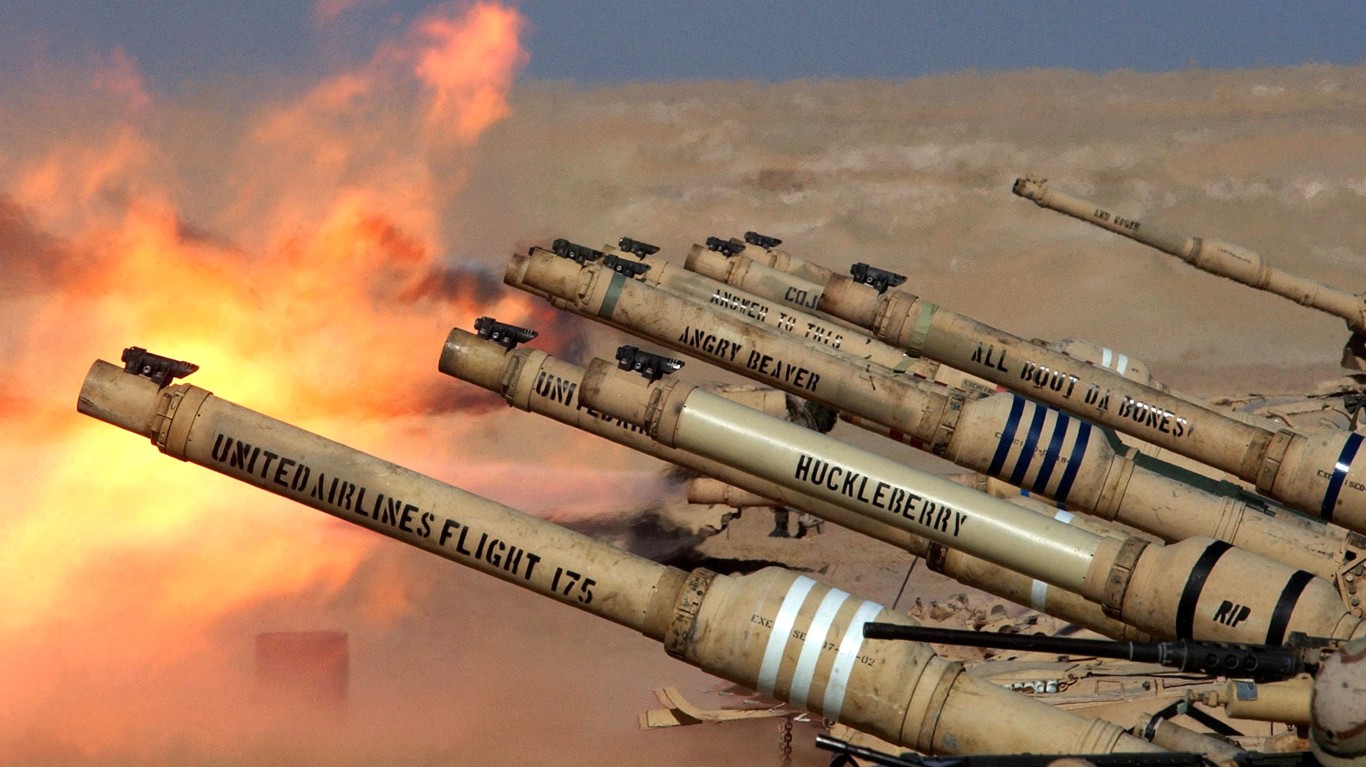
The M829A3/A4 APFSDS round is a high-velocity kinetic penetrator fired from U.S. tanks. Made from depleted uranium, it relies on sheer speed and energy to penetrate armor. These rounds are specifically designed to defeat modern composite and reactive armor used on advanced main battle tanks.
DM63 APFSDS
- Country of origin: Germany
- Weapon type: Tank-fired kinetic round
- Manufacturer or developer: Rheinmetall
- Year introduced to service: 2005
- Penetration method: Kinetic energy penetrator
- Attack profile: Direct fire
- Effective range: 4 km
- Key advantage against armor: Consistent performance across temperatures
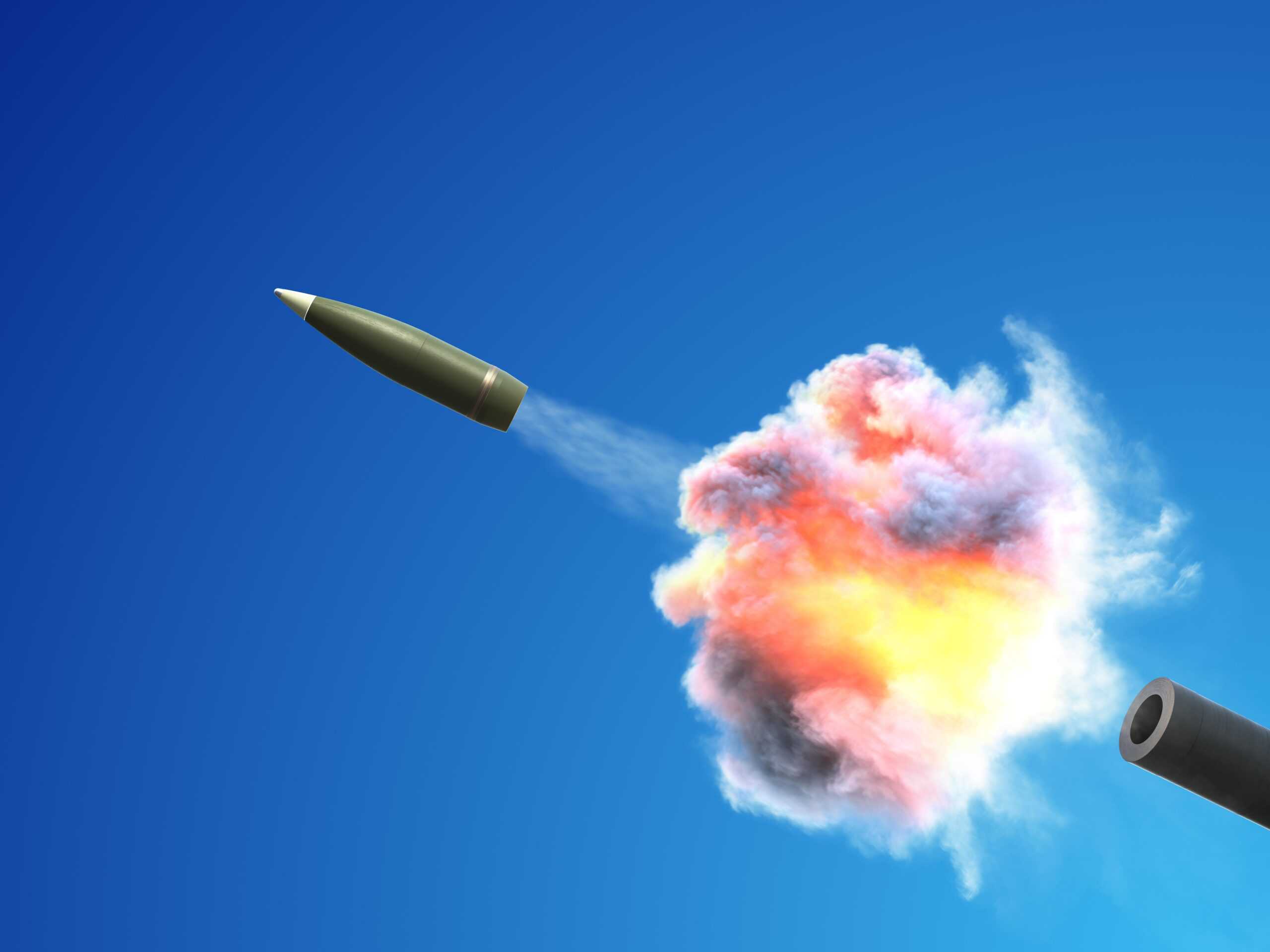
The DM63 APFSDS is a German-developed kinetic energy round used by Leopard 2 tanks. It is designed to maintain consistent performance across different environmental conditions. Its high velocity and advanced design allow it to penetrate modern armor, making it one of the most effective tank-fired rounds available.
3BM60 Svinets-2

- Country of origin: Russia
- Weapon type: Tank-fired kinetic round
- Manufacturer or developer: Uralvagonzavod
- Year introduced to service: 2016
- Penetration method: Kinetic energy penetrator
- Attack profile: Direct fire
- Effective range: 4 km
- Key advantage against armor: Designed to counter modern NATO armor
The 3BM60 Svinets-2 is a modern Russian kinetic energy penetrator designed for use in advanced tank guns. It is built to defeat modern Western armor systems through high-speed impact. This type of ammunition reflects the continued evolution of tank-on-tank warfare.
Carl Gustaf M4
- Country of origin: Sweden
- Weapon type: Recoilless rifle
- Manufacturer or developer: Saab
- Year introduced to service: 2014
- Penetration method: Shaped charge
- Attack profile: Direct attack
- Effective range: 1 km
- Key advantage against armor: Highly versatile anti-armor system
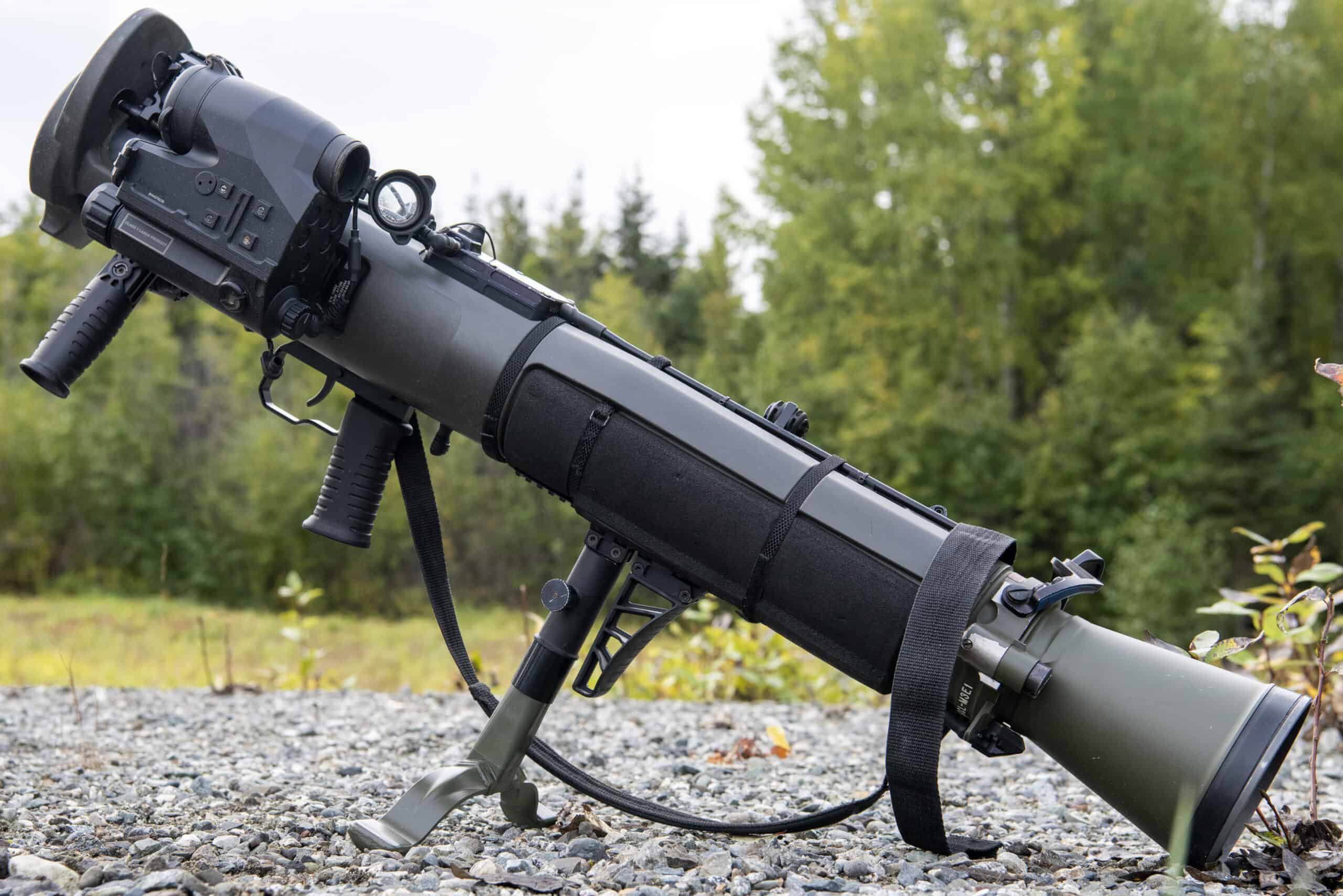
The Carl Gustaf M4 is a versatile recoilless rifle used by infantry for anti-armor and multi-role operations. It can fire a variety of munitions, including shaped charge rounds designed to defeat armored vehicles. Its flexibility and portability make it a valuable tool for modern infantry units.
RPG-29 Vampir
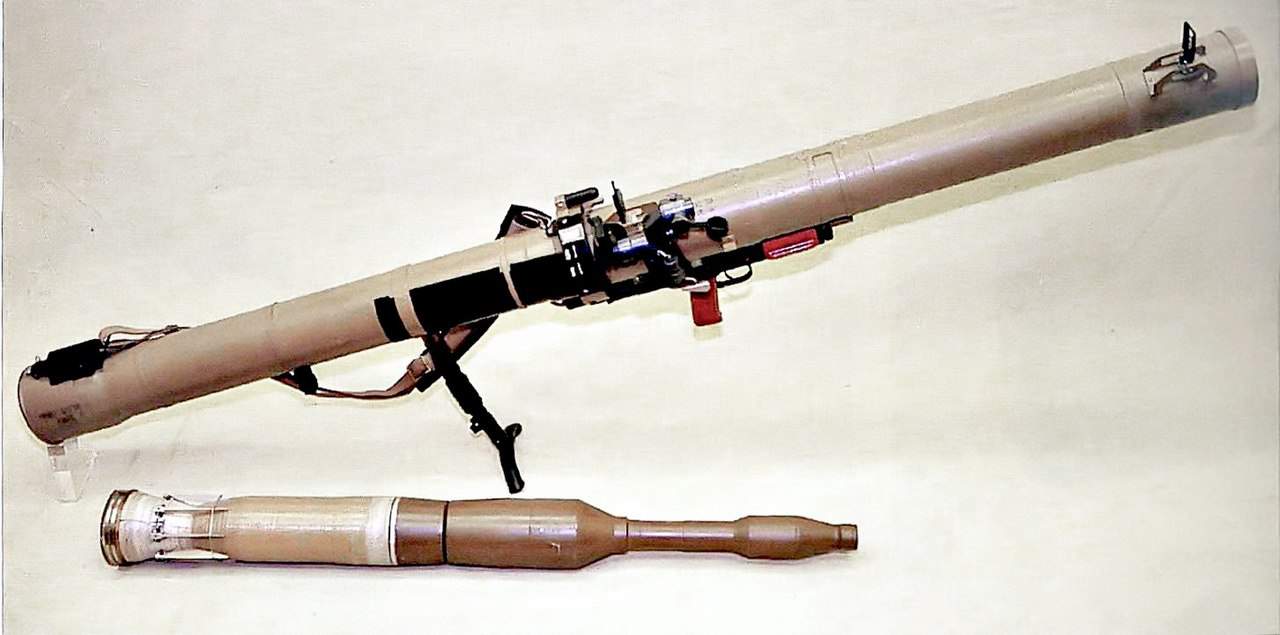
- Country of origin: Russia
- Weapon type: Anti-tank launcher
- Manufacturer or developer: Bazalt
- Year introduced to service: 1989
- Penetration method: Tandem HEAT warhead
- Attack profile: Direct attack
- Effective range: 500 m
- Key advantage against armor: Capable of penetrating modern armor
The RPG-29 Vampir is a powerful shoulder-fired anti-tank weapon capable of penetrating modern armor. It uses a tandem HEAT warhead designed to defeat reactive armor before penetrating the main armor. Despite its relatively simple design, it remains a serious threat to armored vehicles.
Switchblade 600

- Country of origin: United States
- Weapon type: Loitering munition
- Manufacturer or developer: AeroVironment
- Year introduced to service: 2021
- Penetration method: Explosive anti-armor warhead
- Attack profile: Top-attack
- Effective range: 40 km
- Key advantage against armor: Portable drone strikes armored targets from above
The Switchblade 600 is a loitering munition designed to target armored vehicles from above. It can be launched by small units and guided toward a target before striking. Its top-attack capability allows it to exploit weaker armor areas, reflecting the growing importance of drone-based anti-armor systems.
Lancet
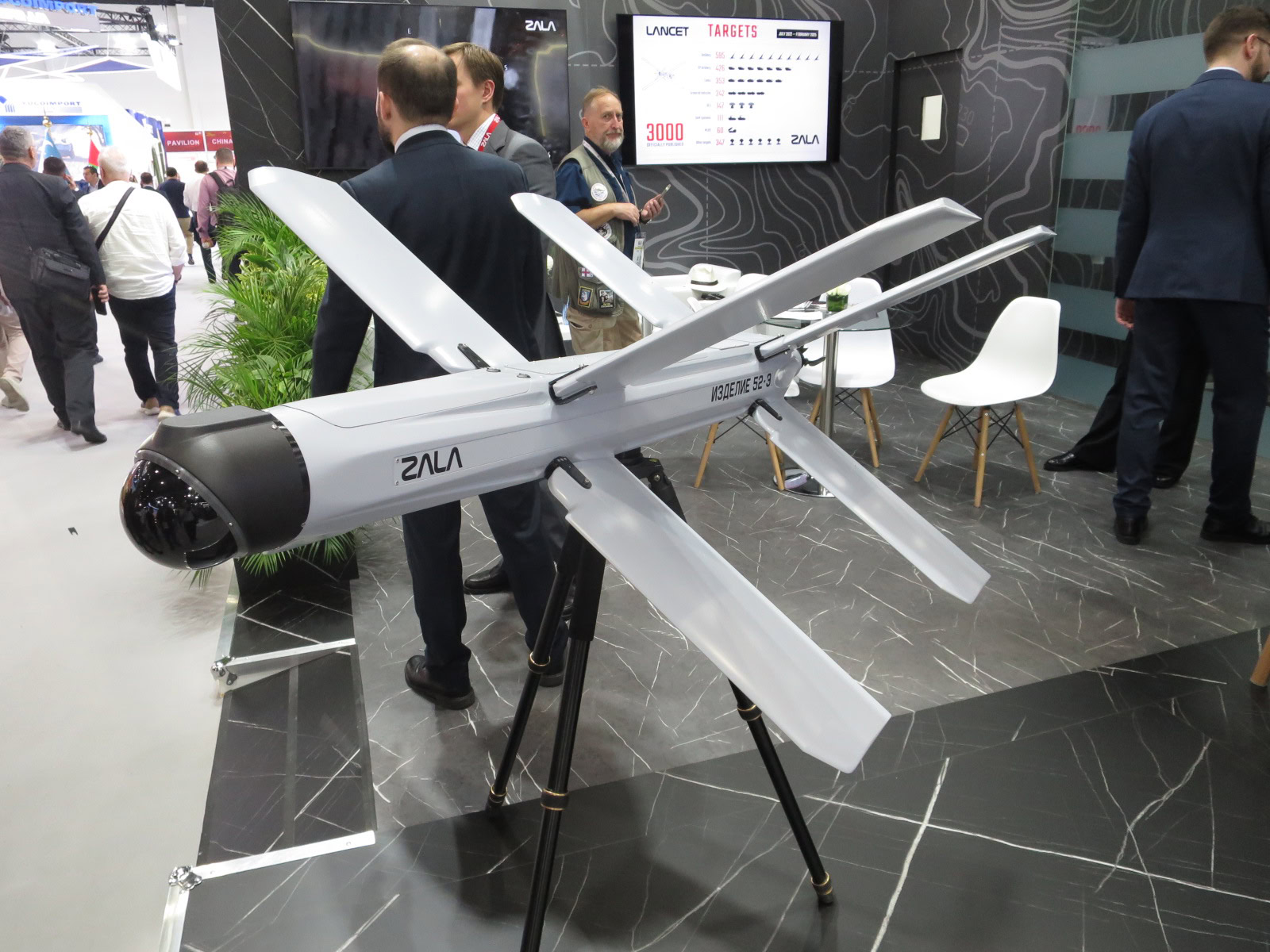
- Country of origin: Russia
- Weapon type: Loitering munition
- Manufacturer or developer: ZALA Aero
- Year introduced to service: 2019
- Penetration method: Explosive warhead
- Attack profile: Loitering top-attack
- Effective range: 40 km
- Key advantage against armor: Low-cost drone effective against armor
The Lancet loitering munition is a Russian drone weapon used to strike armored vehicles and artillery. It can loiter over the battlefield before diving onto a target. Its relatively low cost and effectiveness have made it a widely used tool in modern conflicts.
Warmate
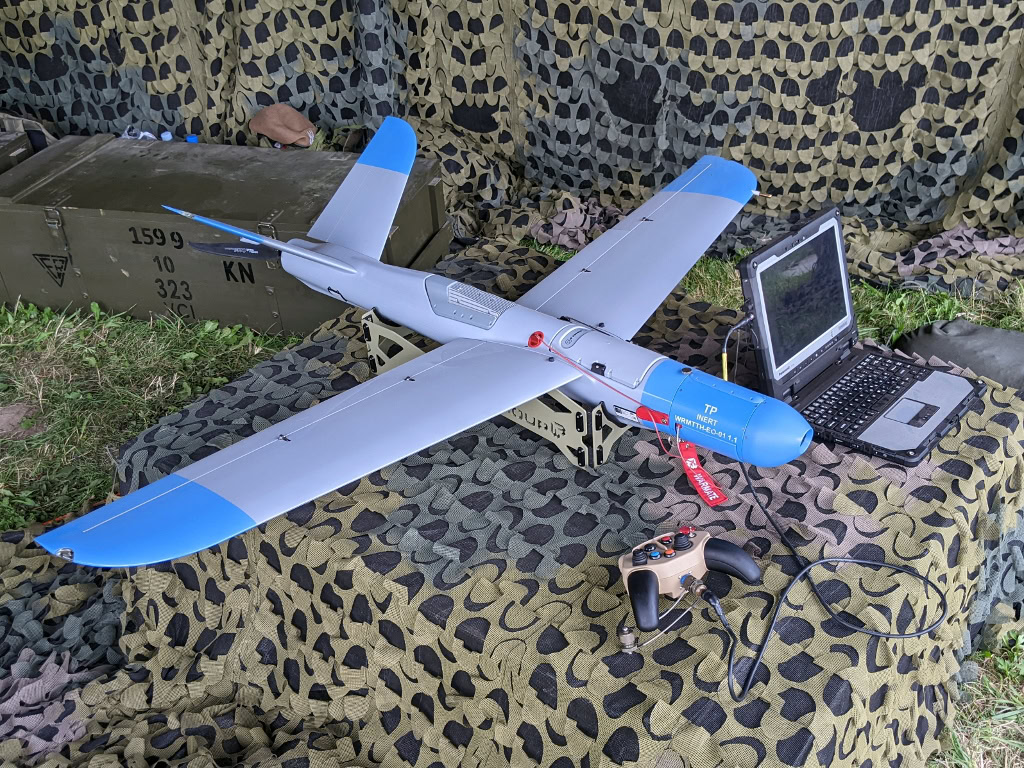
- Country of origin: Poland
- Weapon type: Loitering munition
- Manufacturer or developer: WB Group
- Year introduced to service: 2017
- Penetration method: Explosive warhead
- Attack profile: Top-attack
- Effective range: 10 km
- Key advantage against armor: Lightweight drone for precision strikes
The Warmate loitering munition is a lightweight drone system designed for precision strikes against armored targets. It can be deployed quickly and controlled by operators to engage targets from above. This system highlights the growing role of small drones in anti-armor warfare.
Bonus Munition

- Country of origin: France / Sweden
- Weapon type: Artillery submunition
- Manufacturer or developer: Nexter / BAE Systems
- Year introduced to service: 2000
- Penetration method: Sensor-fused shaped charge
- Attack profile: Top-attack
- Effective range: 35 km
- Key advantage against armor: Targets tank roofs using smart sensors
The Bonus munition is an artillery-fired system that deploys sensor-guided submunitions over a target area. These submunitions scan for armored vehicles and attack from above using shaped charges. This allows artillery units to engage tanks beyond line of sight.
SMArt 155

- Country of origin: Germany
- Weapon type: Artillery submunition
- Manufacturer or developer: Rheinmetall / Diehl
- Year introduced to service: 1998
- Penetration method: Sensor-fused shaped charge
- Attack profile: Top-attack
- Effective range: 27 km
- Key advantage against armor: Autonomous targeting of armored vehicles
The SMArt 155 is a smart artillery munition designed to destroy armored vehicles. It releases sensor-fused submunitions that detect and engage targets from above. This top-attack approach makes it highly effective against heavily armored vehicles.
GAU-8 Avenger
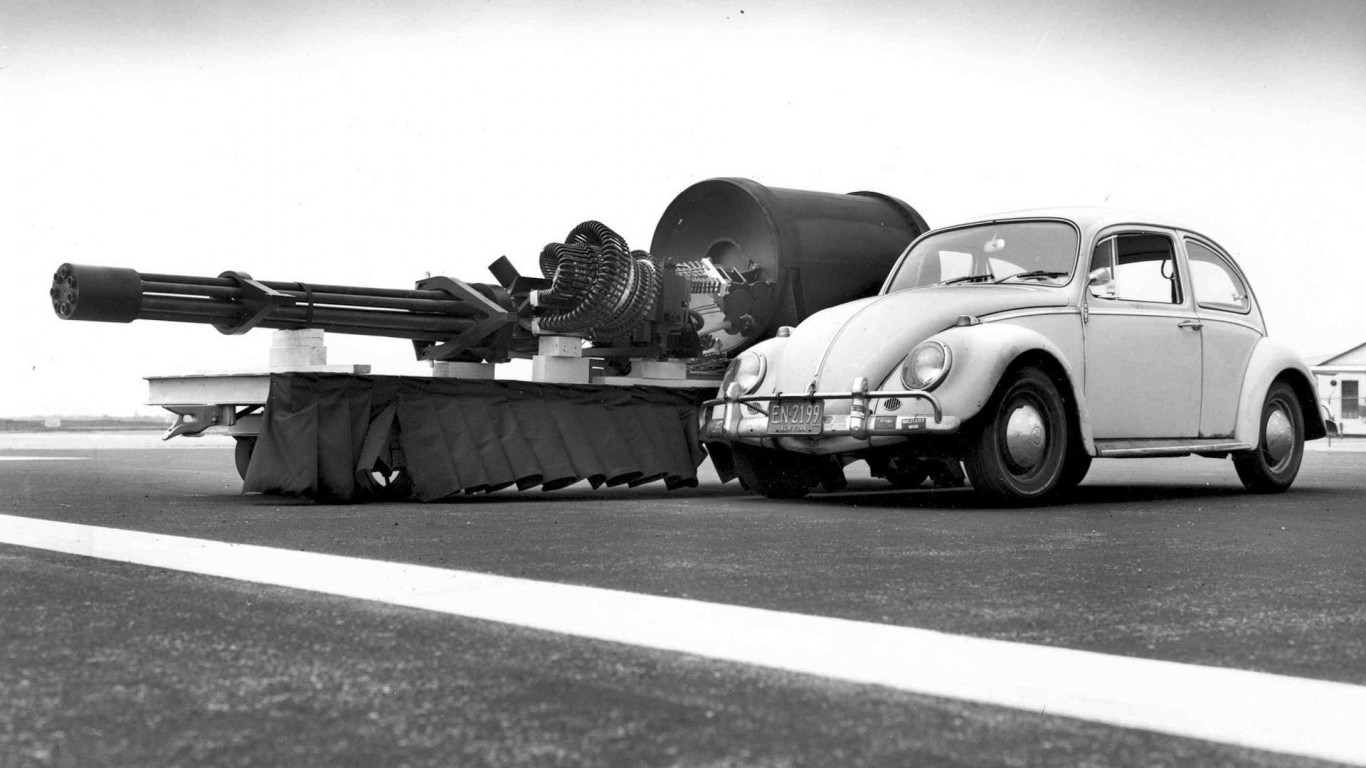
- Country of origin: United States
- Weapon type: Aircraft cannon
- Manufacturer or developer: General Electric
- Year introduced to service: 1977
- Penetration method: Kinetic penetrator rounds
- Attack profile: Direct fire
- Effective range: 1.2 km
- Key advantage against armor: High-rate fire capable of destroying armored vehicles
The GAU-8 Avenger is a powerful rotary cannon mounted on the A-10 aircraft. It fires armor-piercing rounds at a high rate, allowing it to destroy armored vehicles through sustained fire. Its effectiveness against tanks made it a defining feature of close air support operations.
AH-64 Apache (Hellfire)
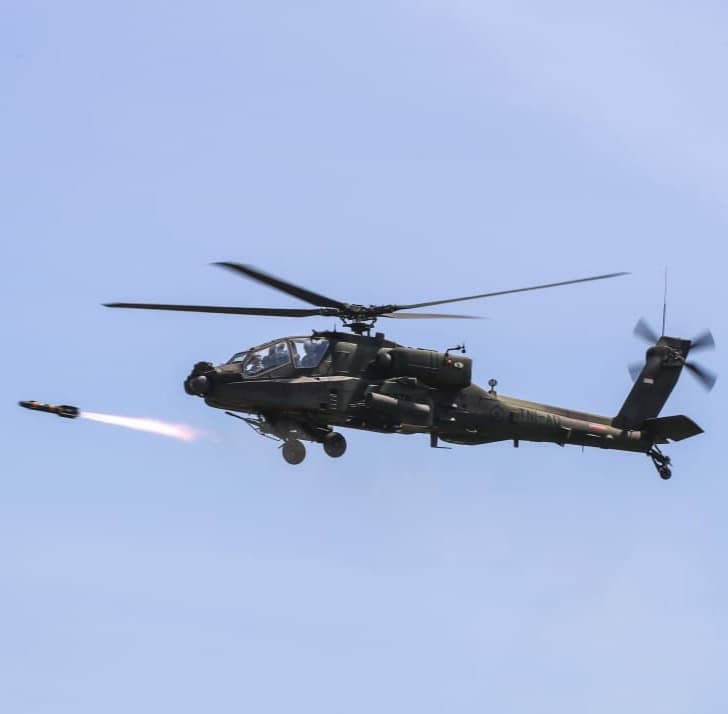
- Country of origin: United States
- Weapon type: Attack helicopter
- Manufacturer or developer: Boeing
- Year introduced to service: 1986
- Penetration method: Shaped charge missile
- Attack profile: Top / direct attack
- Effective range: 8 km
- Key advantage against armor: Highly effective anti-armor attack platform
The AH-64 Apache, equipped with Hellfire missiles, is one of the most effective anti-armor platforms in the world. It combines mobility, advanced sensors, and precision-guided weapons to engage tanks from a distance. Its role in modern warfare highlights the importance of airpower in anti-armor operations.









 Top Gaining Stocks
 Top Losing Stocks