


Over the last century, warfare has been transformed by a series of technological breakthroughs that changed how battles are fought. From the first modern tanks and assault rifles to advanced missiles and stealth aircraft, new weapons repeatedly forced armies to adapt their tactics and strategies. These innovations often gave one side a decisive advantage and reshaped military doctrine around the world. Here, 24/7 Wall St. is taking a closer look at these weapons that changed the modern battlefield as we know it.
To identify the weapons that changed the battlefields of the last century, 24/7 Wall St. reviewed various historical and military sources. We included supplemental information for each weapon regarding the country of origin, weapon type, manufacturer, conflict where it proved influential, and its overall tactical impact.
Here is a look at the weapons that totally changed the battlefields of the last century:
Why Are We Covering This?

Understanding the weapons that reshaped battlefields over the last century helps explain how modern warfare evolved. Throughout the 20th and early 21st centuries, rapid technological innovation produced new systems that dramatically changed military tactics, strategy, and global power dynamics. From tanks and aircraft to missiles and precision-guided weapons, these innovations forced armies to rethink how wars were fought. Many of the weapons on this list not only influenced specific conflicts but also reshaped military doctrine around the world. Examining them reveals how technological breakthroughs repeatedly transformed the battlefield and helped define the way modern militaries operate today.
The Last Century Transformed the Battlefield
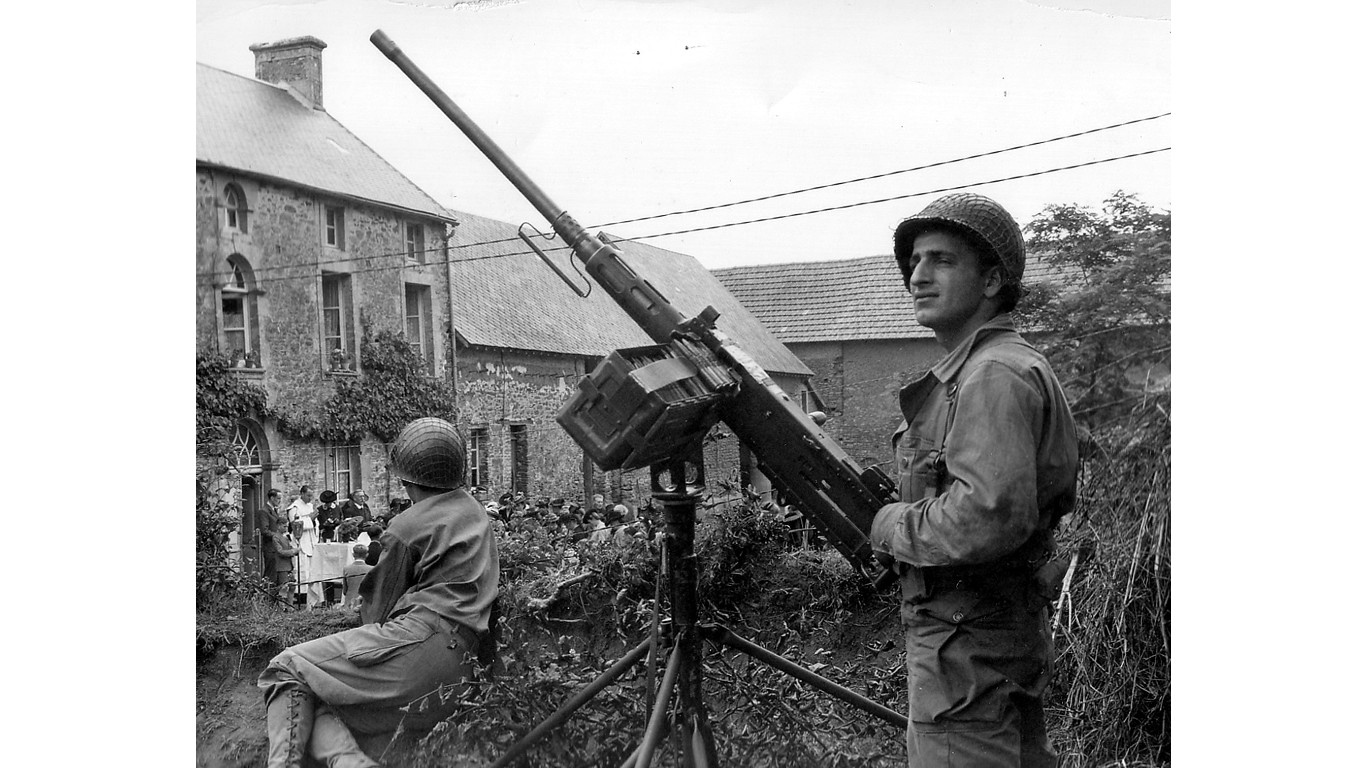
Over the last hundred years, warfare has changed more dramatically than at any other point in human history. Advances in engineering, materials science, and electronics produced weapons that reshaped how armies fight and how wars are won. From the mechanized battles of the early 20th century to modern precision strikes and autonomous systems, new weapons repeatedly altered the balance of power on the battlefield.
New Weapons Forced Armies to Rethink Their Tactics
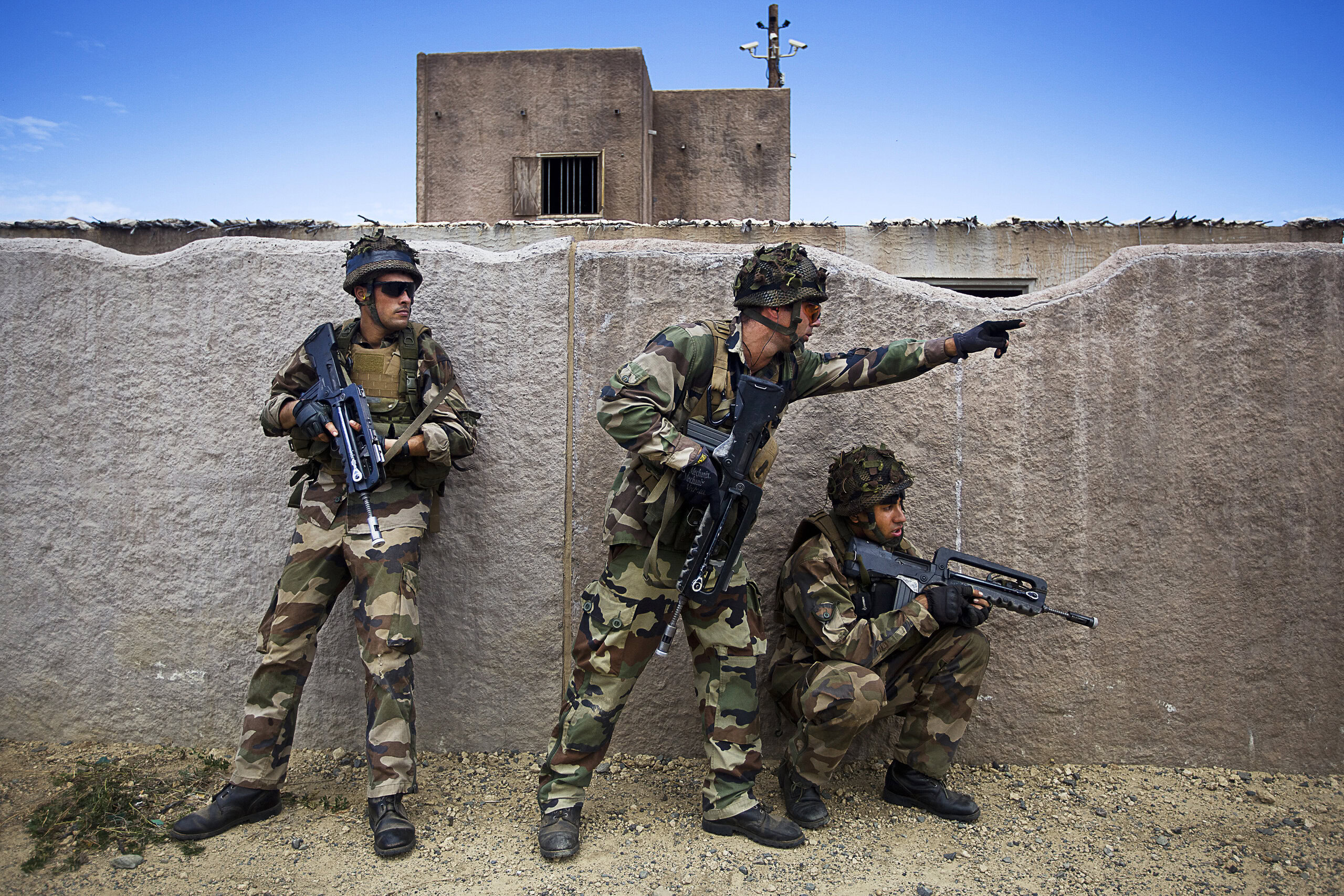
When a revolutionary weapon appears, armies are forced to adapt. Tanks pushed infantry to develop anti-armor tactics, aircraft forced nations to rethink air defense, and precision-guided weapons changed how militaries approached long-range strikes. Across the last century, each major breakthrough forced commanders to revise doctrine and rethink the structure of combat itself.
Technology Became One of the Deciding Factors in War
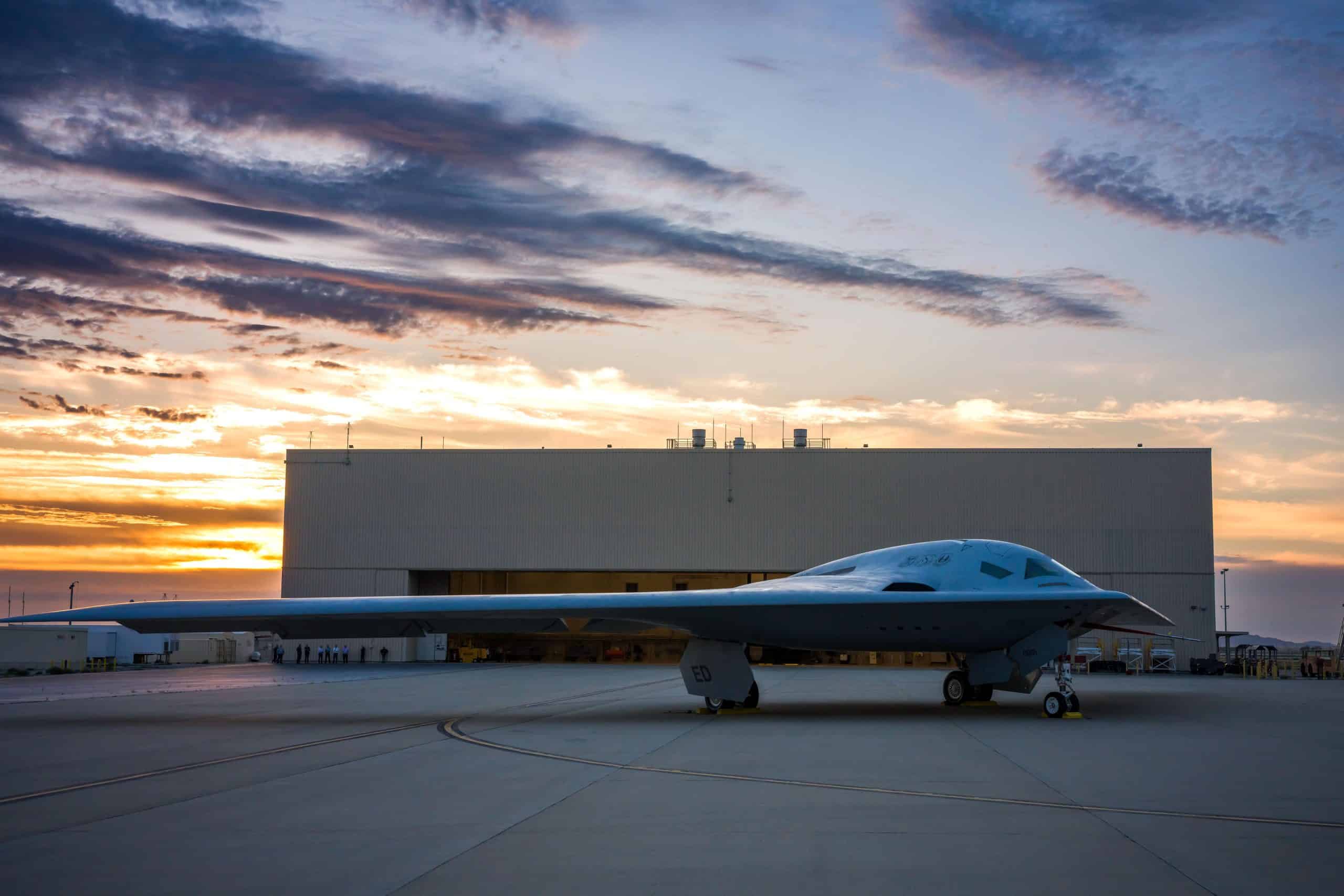
Technology became one of the most important factors in modern warfare. Militaries that could strike farther, move faster, and detect enemies sooner often held decisive advantages over their opponents. In many major conflicts, battlefield success depended not just on numbers or bravery, but on which side possessed the more advanced and effective weapons.
Some Weapons Redefined Entire Categories of Combat
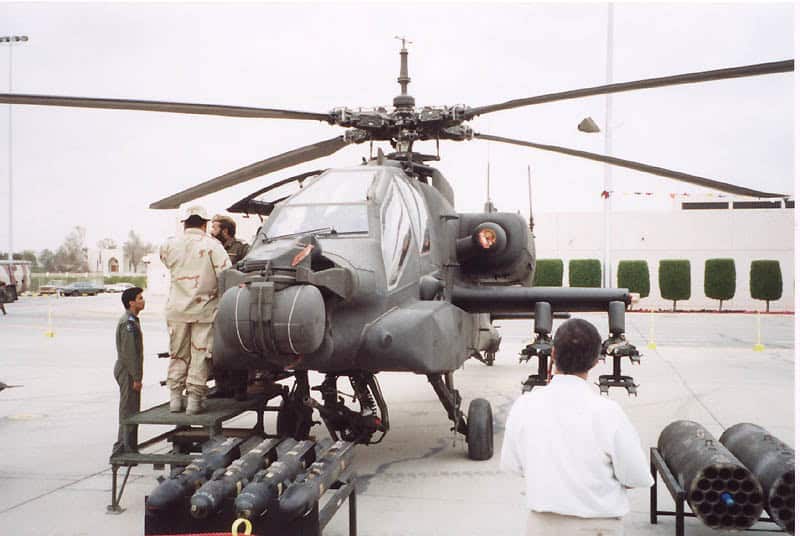
Some weapons did more than improve existing forms of combat. They redefined entire categories of warfare. Assault rifles transformed infantry firefights, tanks reshaped armored battles, aircraft carriers changed naval power, and precision-guided munitions made it possible to destroy targets with unprecedented accuracy. These innovations influenced military doctrine far beyond the conflicts where they first proved themselves.
These Weapons Helped Shape Modern Warfare
The weapons on this list represent some of the most influential military innovations of the last century. Each one changed tactics, forced armies to adapt, or introduced a capability that shifted the battlefield in a new direction. Together, they show how technological breakthroughs repeatedly transformed warfare and helped define the modern military age.
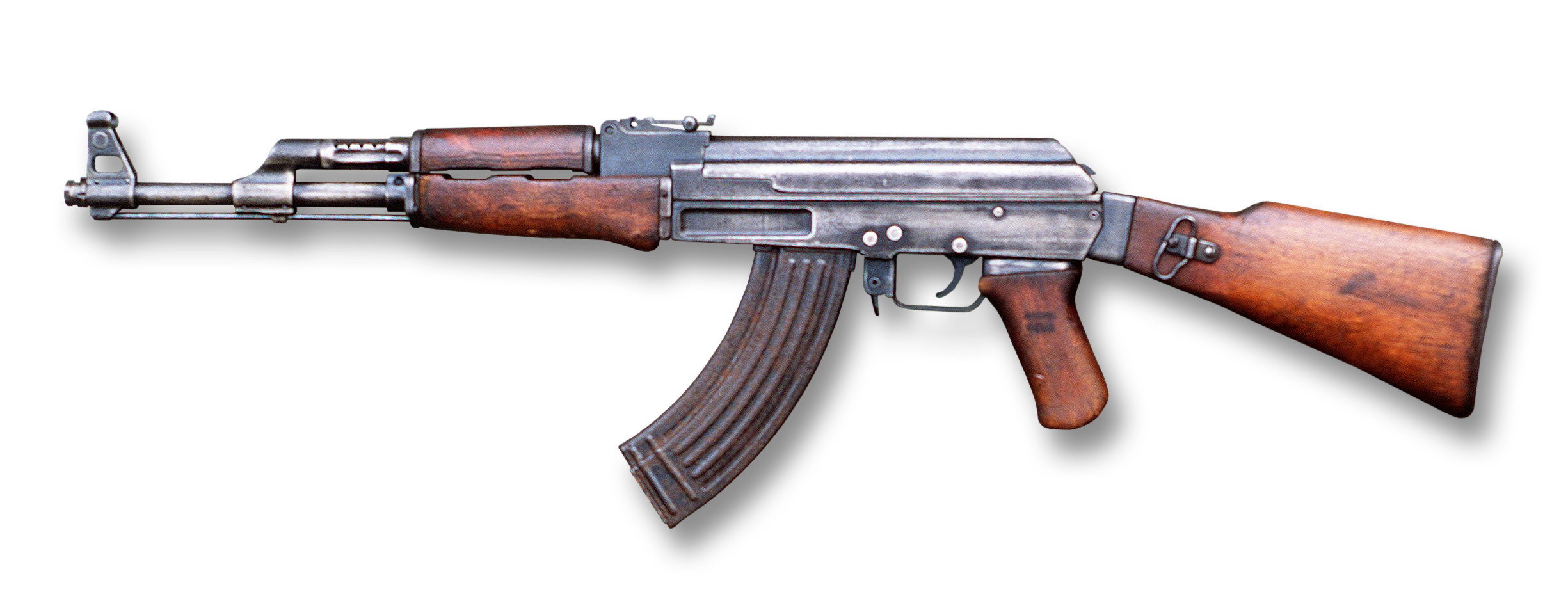
AK-47
- Country of origin: Soviet Union
- Weapon type: Assault Rifle
- Manufacturer or developer: Kalashnikov Concern
- Year introduced to service: 1947
- Conflict where it proved influential: Cold War conflicts
- Key battlefield capability: Reliable automatic infantry firepower
- Tactical impact: Enabled mass use of durable assault rifles
- Global influence: Most widely produced rifle in history
The AK-47 became one of the most influential infantry weapons ever produced. Designed for reliability and ease of use, it allowed soldiers to deliver automatic fire even in harsh conditions. Its simple construction enabled mass production across dozens of countries. Over time, the rifle reshaped infantry warfare by making durable, high-volume firepower widely available to both regular armies and insurgent forces.
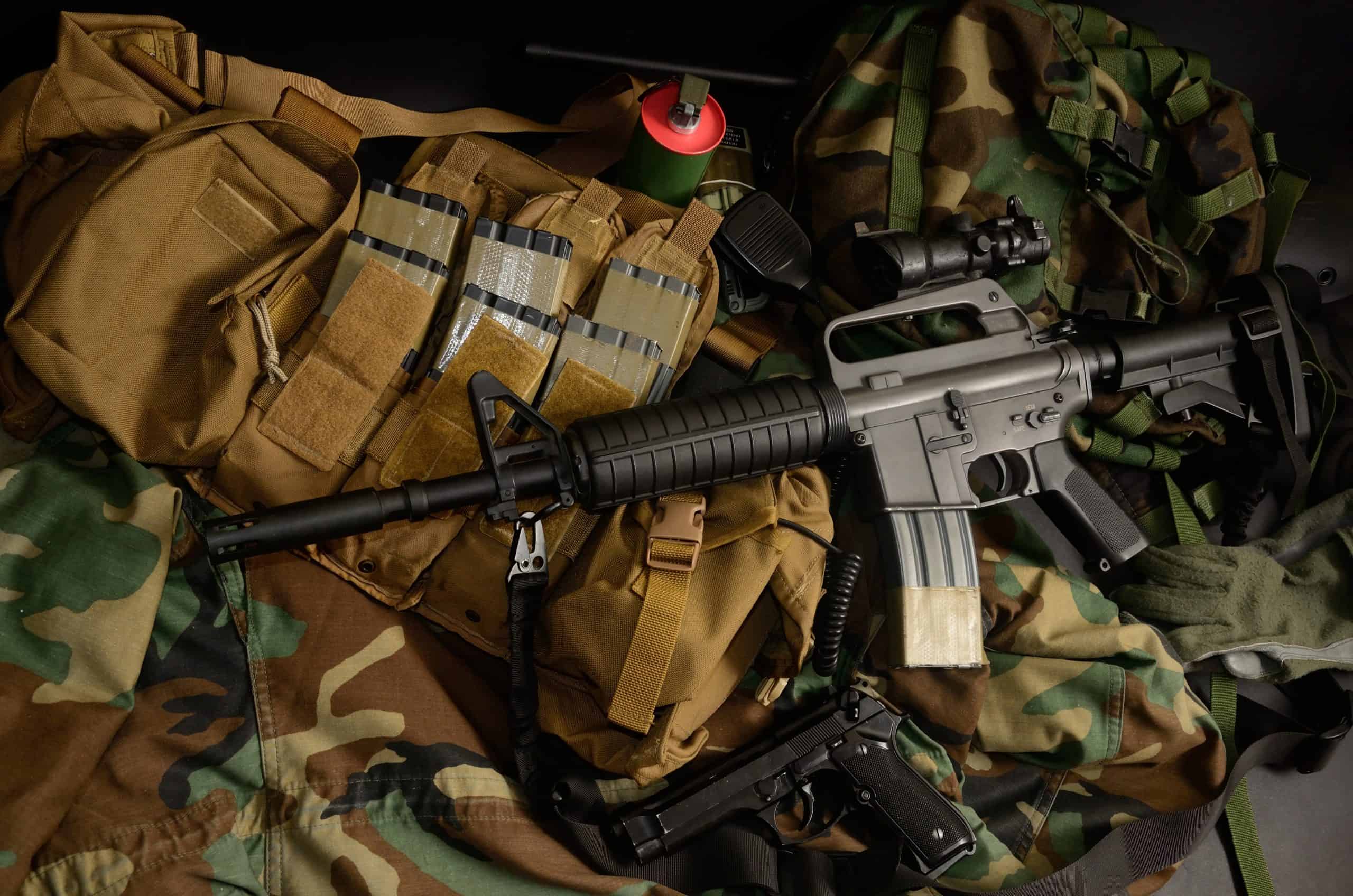
M16 Rifle
- Country of origin: United States
- Weapon type: Assault Rifle
- Manufacturer or developer: Colt
- Year introduced to service: 1964
- Conflict where it proved influential: Vietnam War
- Key battlefield capability: Lightweight high‑velocity rifle
- Tactical impact: Improved infantry mobility and accuracy
- Global influence: Standard rifle platform for many NATO forces
The M16 rifle introduced lightweight materials and high-velocity ammunition that significantly improved infantry mobility and accuracy. First widely used during the Vietnam War, it allowed soldiers to carry more ammunition and maintain effective fire at longer ranges. Its modular design also set the stage for future rifle platforms, influencing modern infantry weapons used across NATO and allied militaries.
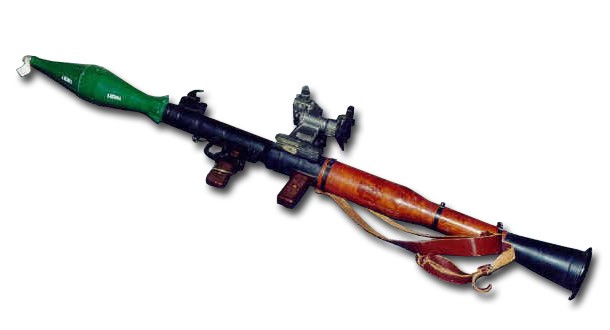
RPG-7
- Country of origin: Soviet Union
- Weapon type: Rocket Launcher
- Manufacturer or developer: Bazalt
- Year introduced to service: 1961
- Conflict where it proved influential: Cold War conflicts
- Key battlefield capability: Portable anti‑armor weapon
- Tactical impact: Infantry gained capability to destroy armored vehicles
- Global influence: Widely used worldwide
The RPG-7 gave infantry units an inexpensive yet powerful way to counter armored vehicles. Introduced during the Cold War, the launcher could fire rocket-propelled grenades capable of damaging tanks and fortified positions. Its portability allowed small units to threaten armored forces that once dominated the battlefield, making it one of the most widely used anti-armor weapons in the world.
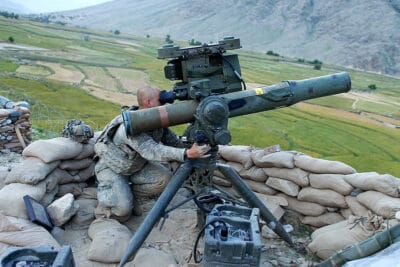
FGM-148 Javelin
- Country of origin: United States
- Weapon type: Anti‑Tank Missile
- Manufacturer or developer: Raytheon / Lockheed Martin
- Year introduced to service: 1996
- Conflict where it proved influential: Iraq War
- Key battlefield capability: Fire‑and‑forget anti‑tank missile
- Tactical impact: Allowed infantry to destroy modern tanks easily
- Global influence: Adopted by many modern armies
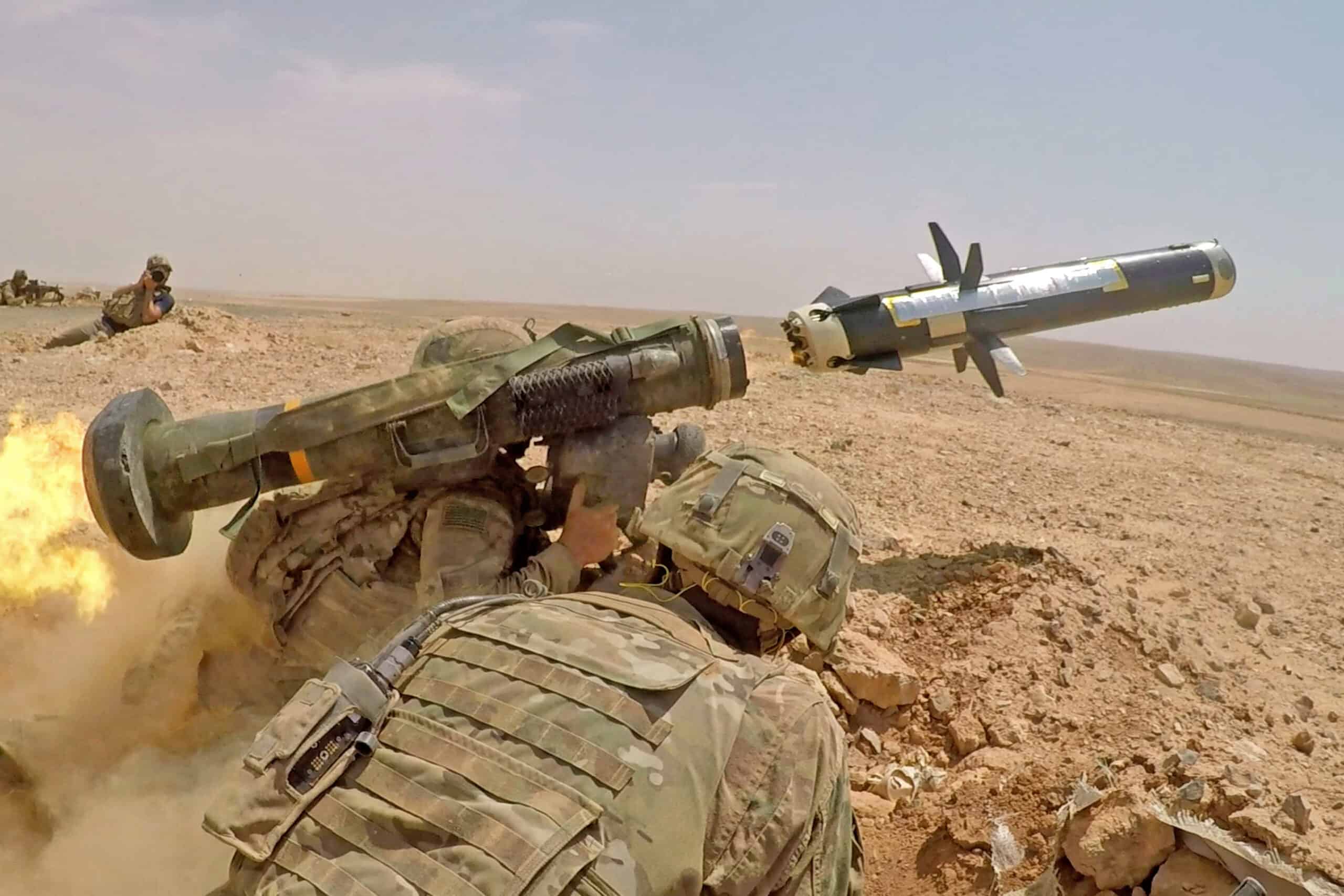
The FGM-148 Javelin transformed anti-tank warfare with its fire-and-forget guidance system. Once launched, the missile guides itself to the target, allowing soldiers to take cover immediately. Its top-attack flight profile targets the weakest armor on a tank, making even advanced armored vehicles vulnerable to infantry units equipped with the system.
FIM-92 Stinger
- Country of origin: United States
- Weapon type: MANPADS
- Manufacturer or developer: Raytheon
- Year introduced to service: 1981
- Conflict where it proved influential: War in Afghanistan
- Key battlefield capability: Portable anti‑aircraft missile
- Tactical impact: Infantry gained ability to down aircraft
- Global influence: Influenced global air defense tactics
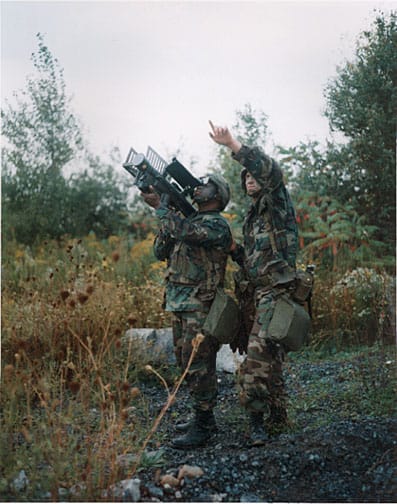
The FIM-92 Stinger dramatically altered air combat at low altitude by giving infantry portable anti-aircraft capability. During the Soviet-Afghan War, the missile proved capable of downing helicopters and aircraft that previously operated with relative safety. Its effectiveness forced pilots to change tactics and highlighted the growing importance of man-portable air defense systems.
T-34
- Country of origin: Soviet Union
- Weapon type: Medium Tank
- Manufacturer or developer: Kharkiv Locomotive Factory
- Year introduced to service: 1940
- Conflict where it proved influential: World War II
- Key battlefield capability: Mobility and sloped armor
- Tactical impact: Revolutionized armored warfare tactics
- Global influence: One of the most influential WWII tanks
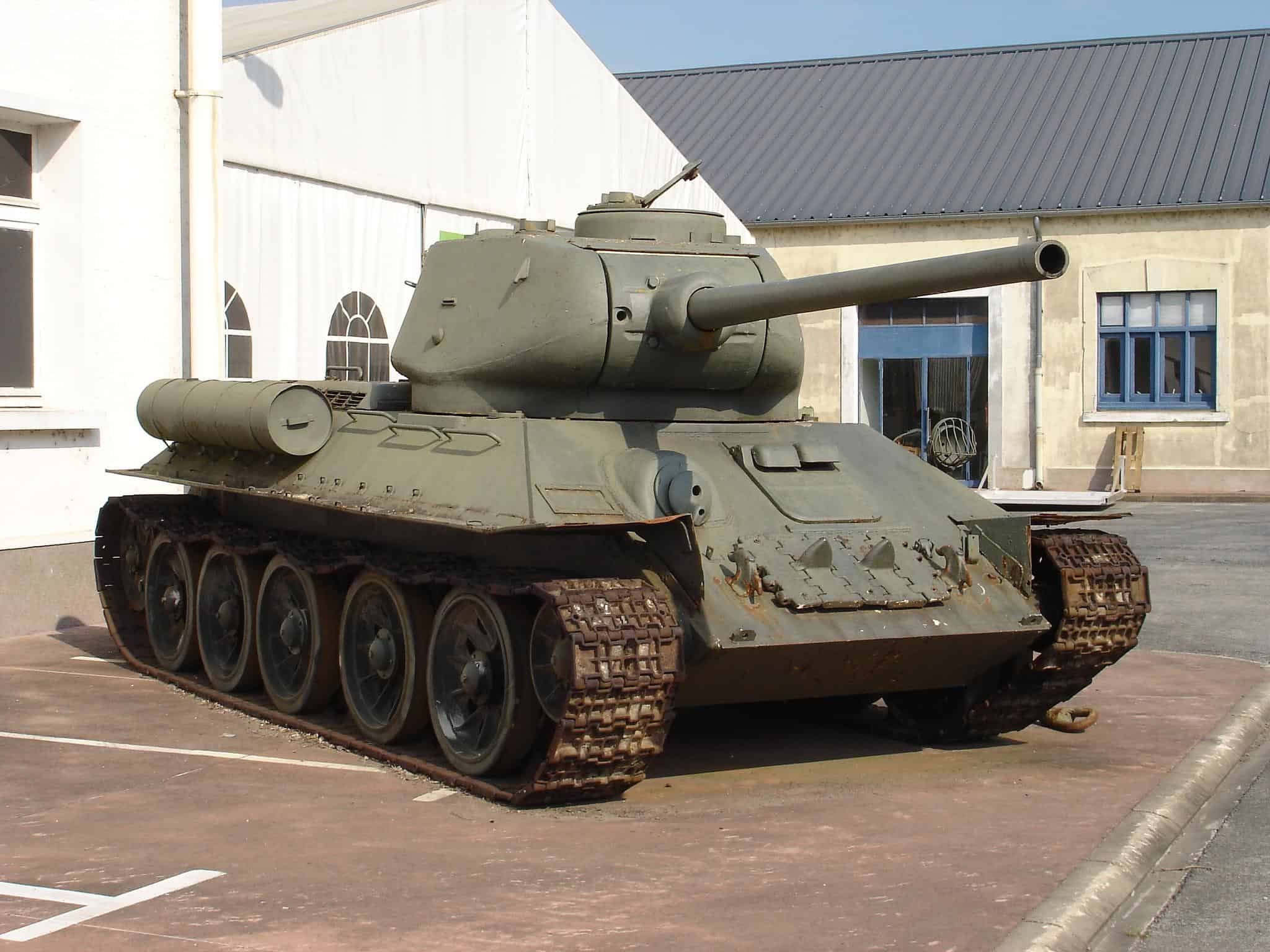
The Soviet T-34 tank revolutionized armored warfare during World War II. Combining mobility, sloped armor, and a powerful main gun, it proved highly effective against early German tanks. Its design allowed for mass production, enabling the Soviet Union to field large numbers of capable armored vehicles that played a decisive role on the Eastern Front.
Tiger I
- Country of origin: Germany
- Weapon type: Heavy Tank
- Manufacturer or developer: Henschel
- Year introduced to service: 1942
- Conflict where it proved influential: World War II
- Key battlefield capability: Long‑range armored firepower
- Tactical impact: Forced Allies to rethink anti‑tank tactics
- Global influence: Legendary heavy tank design
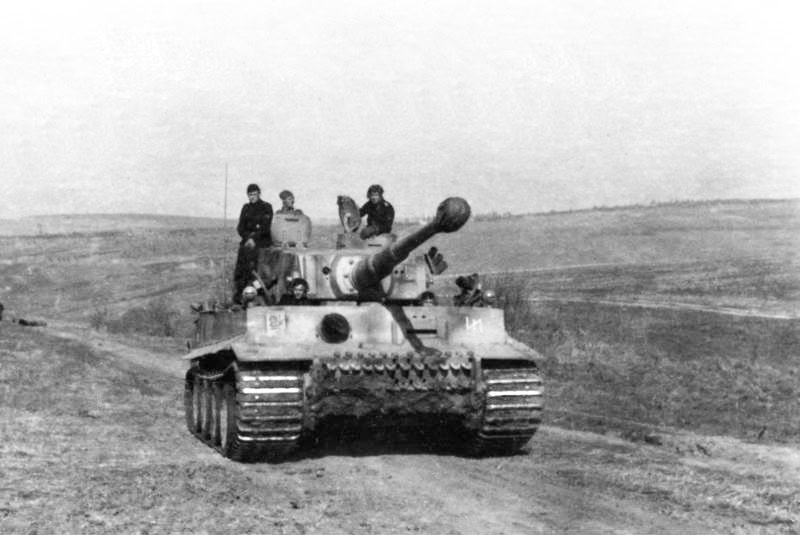
The Tiger I heavy tank introduced formidable armor and a powerful long-range gun that made it one of the most feared vehicles of World War II. Allied forces often struggled to defeat it directly, forcing them to adapt new tactics and anti-tank weapons. The Tiger demonstrated the battlefield potential of heavily armored breakthrough vehicles.
M1 Abrams

- Country of origin: United States
- Weapon type: Main Battle Tank
- Manufacturer or developer: General Dynamics
- Year introduced to service: 1980
- Conflict where it proved influential: Gulf War
- Key battlefield capability: Advanced armor and targeting
- Tactical impact: Dominated modern armored engagements
- Global influence: Cornerstone of U.S. armored forces
The M1 Abrams main battle tank represents a modern approach to armored warfare. Equipped with advanced composite armor, thermal imaging systems, and a powerful 120 mm cannon, it allows crews to detect and engage targets at long range. The tank’s performance during the Gulf War highlighted the advantages of modern sensors and fire-control technology.
Leopard 2

- Country of origin: Germany
- Weapon type: Main Battle Tank
- Manufacturer or developer: Krauss‑Maffei
- Year introduced to service: 1979
- Conflict where it proved influential: Cold War / modern conflicts
- Key battlefield capability: Advanced Western MBT design
- Tactical impact: Modernized NATO armored warfare
- Global influence: Used by numerous NATO nations
The Leopard 2 is one of the most advanced Western main battle tanks ever produced. Designed during the Cold War to counter Soviet armored forces, it combines high mobility, powerful armament, and advanced protection systems. Its success led to widespread adoption across NATO countries, influencing modern armored warfare doctrine.
BMP-1
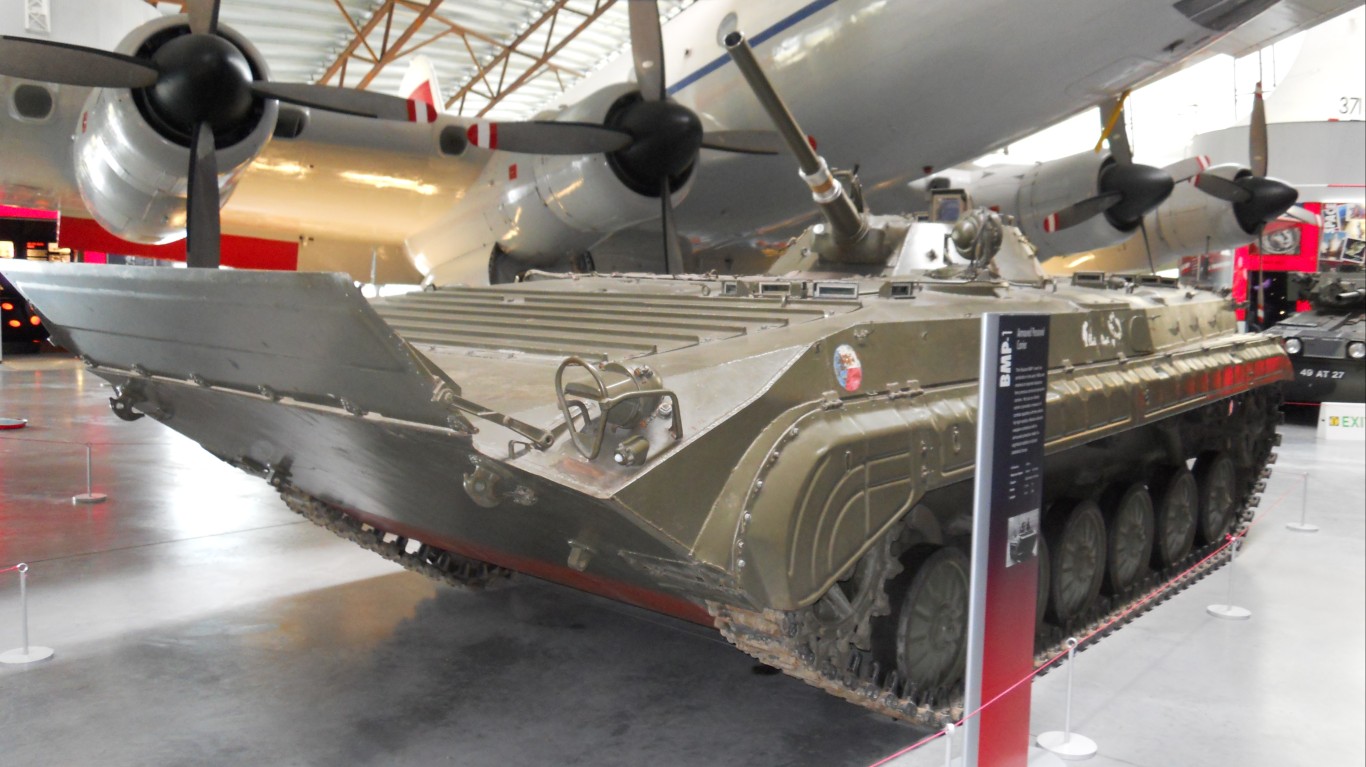
- Country of origin: Soviet Union
- Weapon type: Infantry Fighting Vehicle
- Manufacturer or developer: Kurganmashzavod
- Year introduced to service: 1966
- Conflict where it proved influential: Cold War conflicts
- Key battlefield capability: Armored infantry transport
- Tactical impact: Allowed infantry to fight alongside tanks
- Global influence: Influenced IFV designs worldwide
The BMP-1 infantry fighting vehicle changed the way mechanized infantry operated on the battlefield. Unlike earlier troop carriers, it allowed soldiers to fight while protected by armor and armed with onboard weapons. This concept enabled infantry units to keep pace with tanks, fundamentally altering combined arms tactics.
F-16 Fighting Falcon

- Country of origin: United States
- Weapon type: Multirole Fighter
- Manufacturer or developer: General Dynamics
- Year introduced to service: 1978
- Conflict where it proved influential: Cold War / Middle East conflicts
- Key battlefield capability: Highly maneuverable fighter
- Tactical impact: Shifted air combat toward multirole fighters
- Global influence: One of the most widely used fighters
The F-16 Fighting Falcon became one of the most successful multirole fighter aircraft in history. Its lightweight design and advanced avionics allowed it to excel in both air-to-air and air-to-ground missions. Adopted by numerous countries, the F-16 helped define modern fighter aircraft as versatile platforms capable of performing multiple combat roles.
A-10 Thunderbolt II
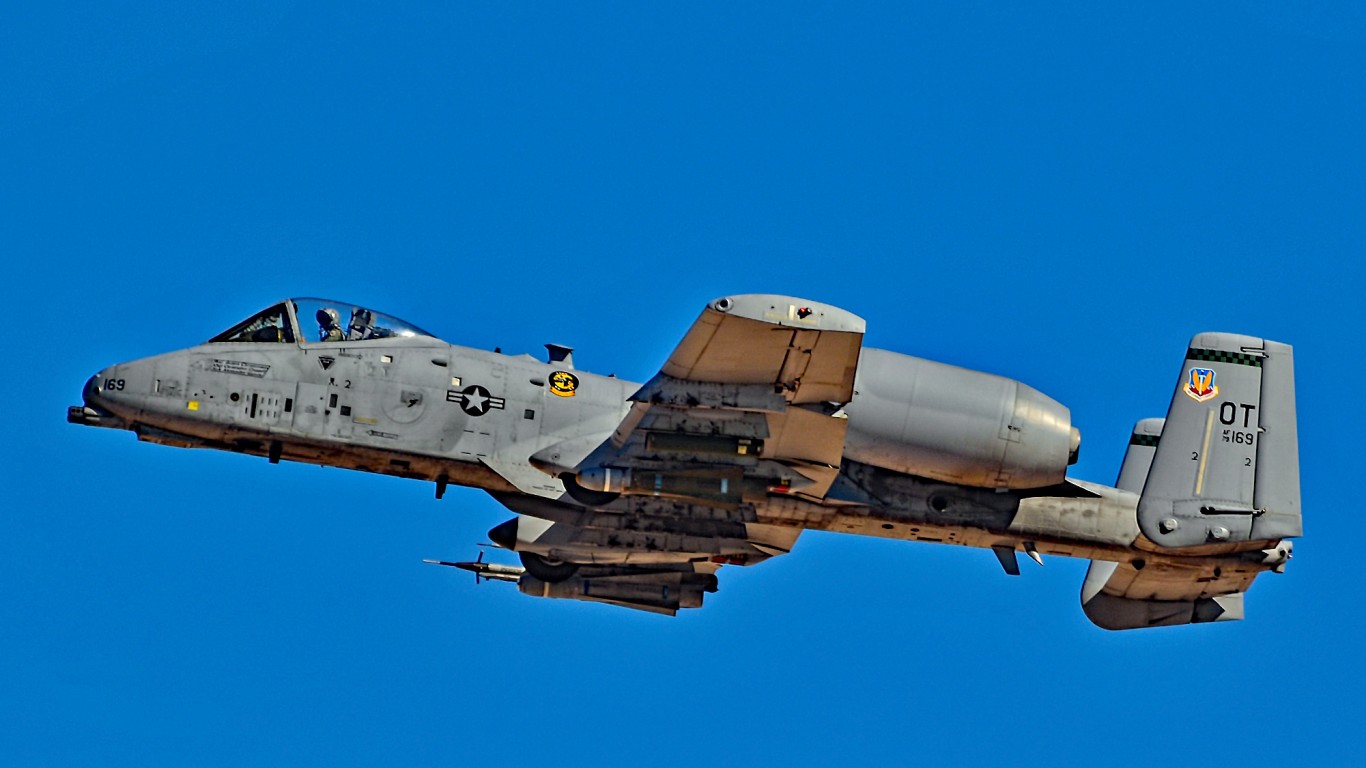
- Country of origin: United States
- Weapon type: Attack Aircraft
- Manufacturer or developer: Fairchild Republic
- Year introduced to service: 1977
- Conflict where it proved influential: Gulf War
- Key battlefield capability: Close air support capability
- Tactical impact: Specialized aircraft for ground support
- Global influence: Iconic CAS aircraft
The A-10 Thunderbolt II was designed specifically for close air support missions. Its heavy cannon and durable construction allow it to operate at low altitude while engaging enemy armor and ground forces. The aircraft demonstrated the importance of specialized support aircraft capable of protecting friendly troops on the battlefield.
F-22 Raptor
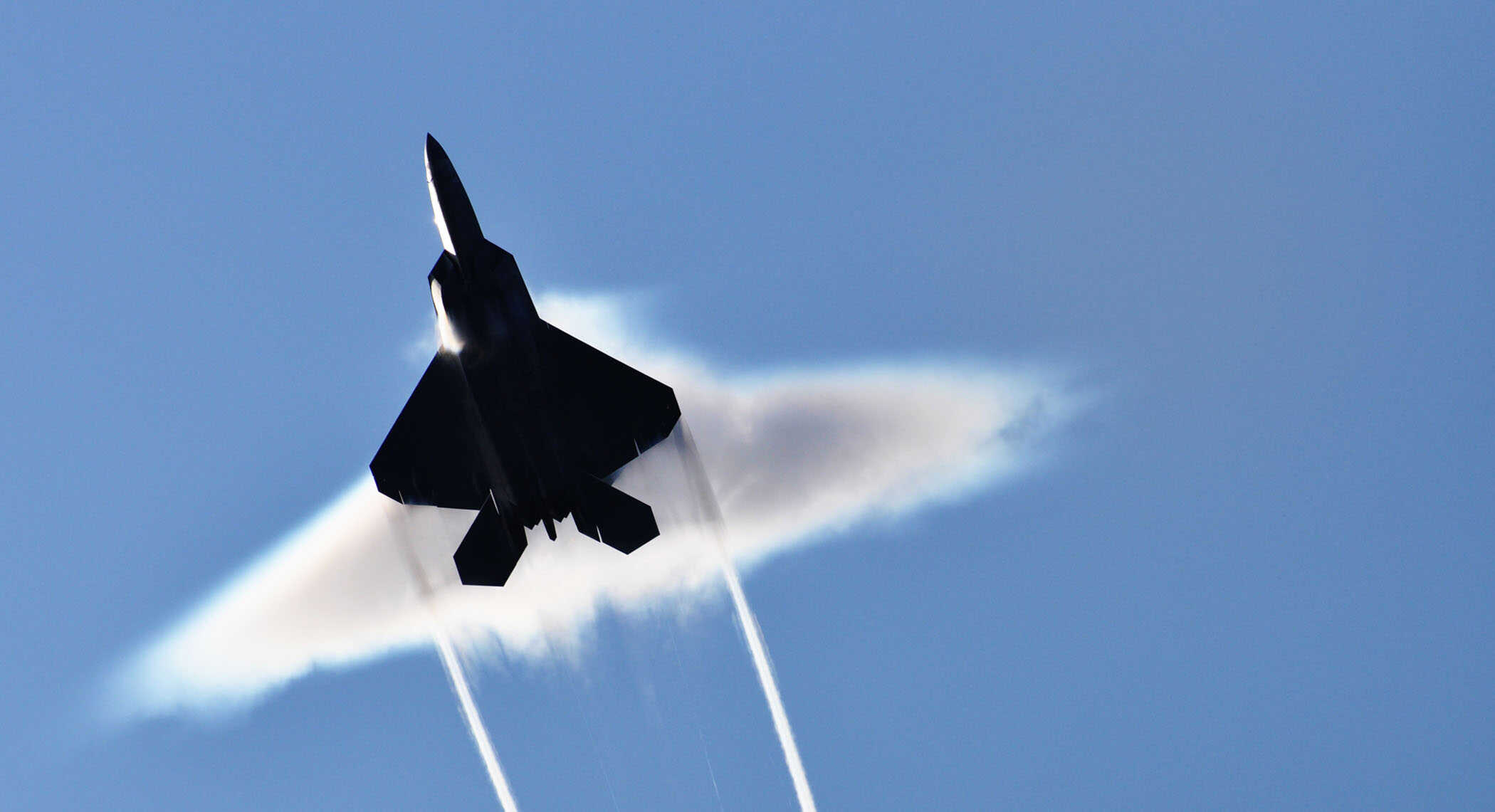
- Country of origin: United States
- Weapon type: Stealth Fighter
- Manufacturer or developer: Lockheed Martin
- Year introduced to service: 2005
- Conflict where it proved influential: Modern era
- Key battlefield capability: Stealth air superiority
- Tactical impact: Redefined air dominance with stealth technology
- Global influence: First operational fifth‑generation fighter
The F-22 Raptor introduced a new era of air superiority by combining stealth technology, advanced sensors, and extreme maneuverability. Designed to dominate enemy aircraft before they could even detect it, the fighter represents a major leap forward in air combat capability. Its technology influenced the development of future fifth-generation aircraft.
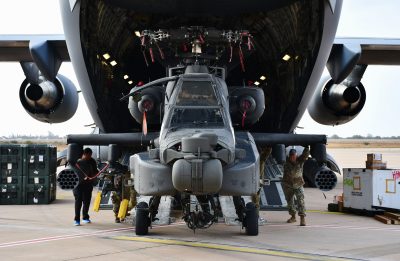
AH-64 Apache
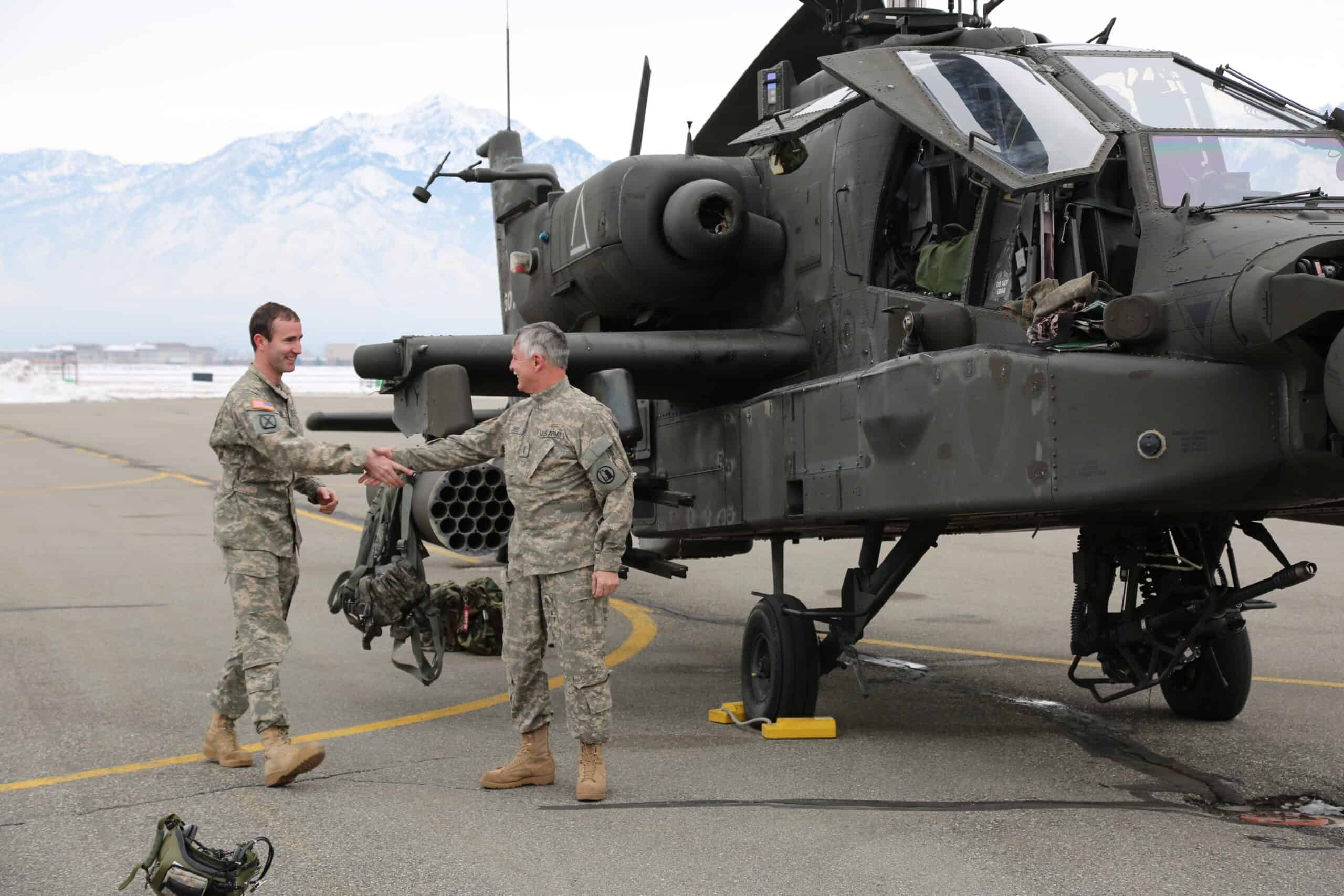
- Country of origin: United States
- Weapon type: Attack Helicopter
- Manufacturer or developer: Boeing
- Year introduced to service: 1986
- Conflict where it proved influential: Gulf War
- Key battlefield capability: Anti‑armor helicopter warfare
- Tactical impact: Transformed helicopter combat roles
- Global influence: Widely used attack helicopter
The AH-64 Apache attack helicopter transformed helicopter warfare by combining advanced sensors with powerful anti-tank missiles. Designed to destroy armored vehicles and support ground troops, it proved highly effective in multiple conflicts. The Apache demonstrated how rotary-wing aircraft could play a decisive role in modern battlefield operations.
MQ-9 Reaper
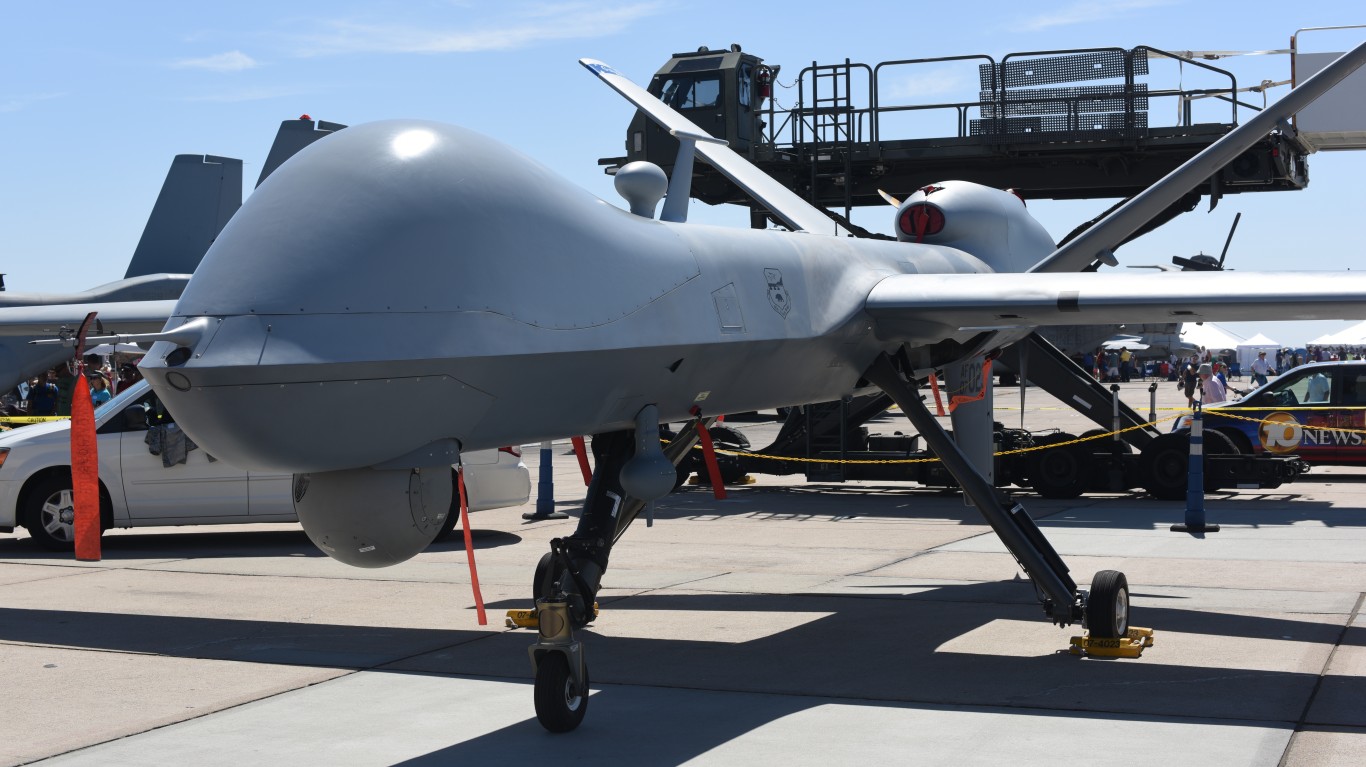
- Country of origin: United States
- Weapon type: Combat Drone
- Manufacturer or developer: General Atomics
- Year introduced to service: 2007
- Conflict where it proved influential: War on Terror
- Key battlefield capability: Persistent surveillance and strike
- Tactical impact: Enabled remote precision strikes
- Global influence: Symbol of modern drone warfare
The MQ-9 Reaper drone changed modern warfare by combining long-endurance surveillance with precision strike capability. Operated remotely, it allows military forces to monitor large areas and engage targets without placing pilots at risk. The system became a central element of counterterrorism operations in the 21st century.
Tomahawk Cruise Missile
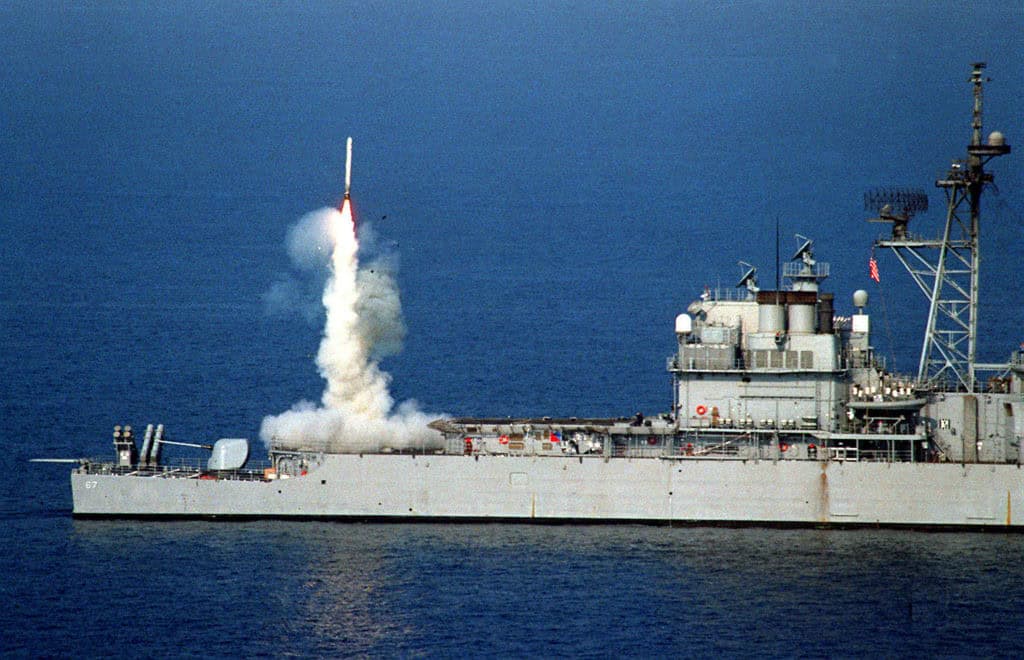
- Country of origin: United States
- Weapon type: Cruise Missile
- Manufacturer or developer: Raytheon
- Year introduced to service: 1983
- Conflict where it proved influential: Gulf War
- Key battlefield capability: Long‑range precision strike
- Tactical impact: Allowed distant targets to be hit without pilots
- Global influence: Extensively used in modern conflicts
The Tomahawk cruise missile provided the ability to strike targets hundreds of miles away with remarkable accuracy. Launched from ships or submarines, it allowed commanders to destroy strategic targets without risking aircraft or pilots. Its success during the Gulf War highlighted the growing importance of long-range precision strike weapons.
Patriot Missile System
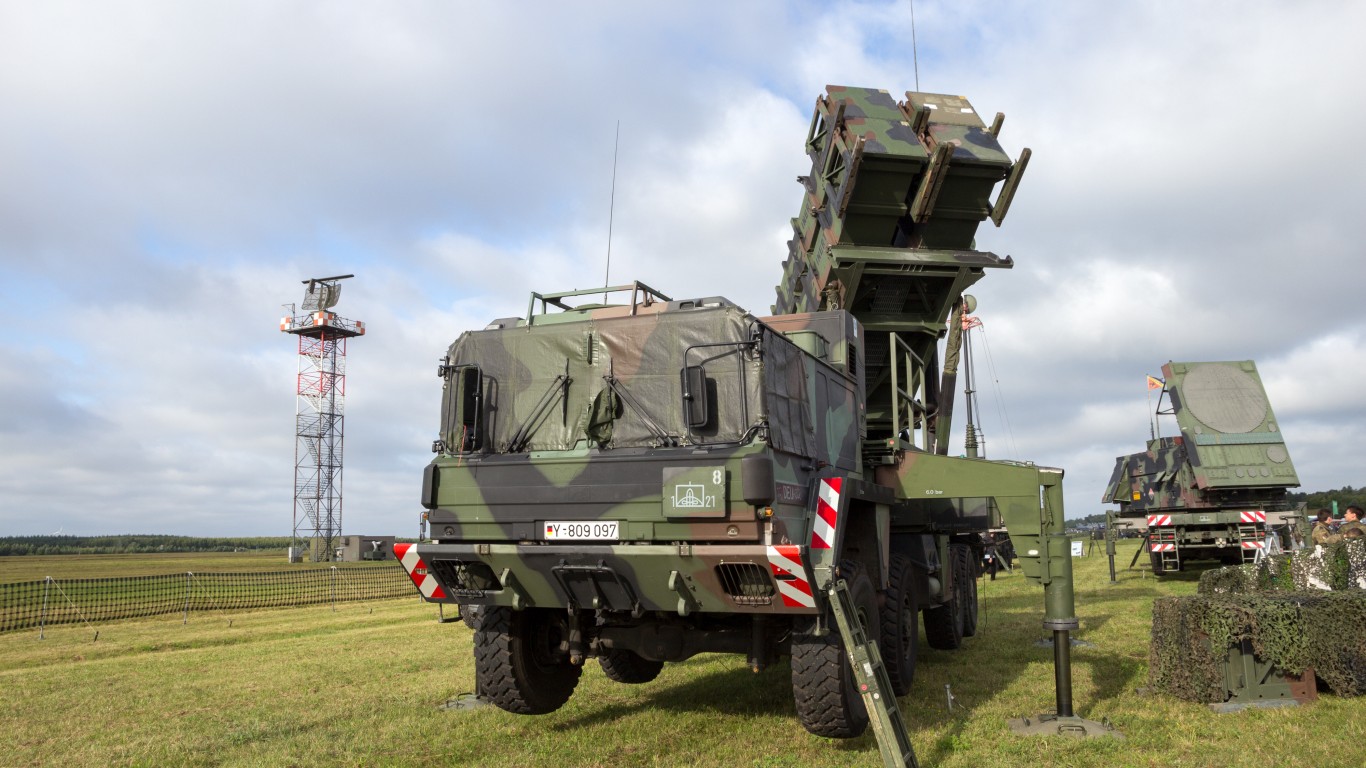
- Country of origin: United States
- Weapon type: Air Defense System
- Manufacturer or developer: Raytheon
- Year introduced to service: 1984
- Conflict where it proved influential: Gulf War
- Key battlefield capability: Missile interception capability
- Tactical impact: Improved defense against ballistic missiles
- Global influence: Major NATO air defense system
The Patriot missile system became one of the most recognized air defense platforms in the world. Designed to intercept aircraft and ballistic missiles, it demonstrated the growing importance of missile defense systems in modern warfare. Its performance during the Gulf War drew global attention to the need for advanced air defense networks.
SCUD Missile

- Country of origin: Soviet Union
- Weapon type: Ballistic Missile
- Manufacturer or developer: Makeyev Design Bureau
- Year introduced to service: 1957
- Conflict where it proved influential: Cold War conflicts
- Key battlefield capability: Tactical ballistic strike
- Tactical impact: Spread ballistic missile warfare globally
- Global influence: Exported to many countries
The Soviet SCUD missile spread ballistic missile capability to numerous countries during the Cold War. Although relatively inaccurate, its ability to strike targets hundreds of miles away introduced new strategic threats on the battlefield. The weapon played a significant role in several regional conflicts and demonstrated the disruptive power of missile technology.
ICBM
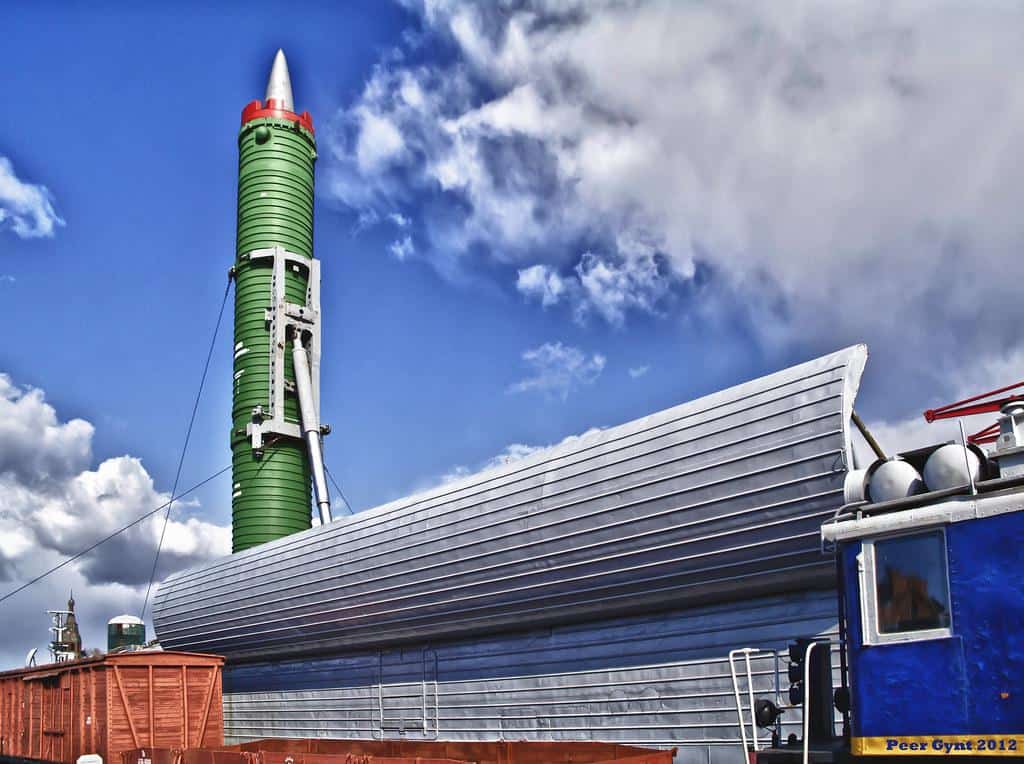
- Country of origin: United States / Soviet Union
- Weapon type: Strategic Missile
- Manufacturer or developer: Various defense contractors
- Year introduced to service: 1959
- Conflict where it proved influential: Cold War
- Key battlefield capability: Intercontinental nuclear strike
- Tactical impact: Redefined global deterrence strategy
- Global influence: Cornerstone of nuclear deterrence
Intercontinental ballistic missiles fundamentally changed global warfare by enabling nuclear strikes across continents within minutes. Developed during the Cold War, they became the backbone of nuclear deterrence strategies. The existence of these weapons forced nations to rethink warfare entirely, emphasizing deterrence rather than direct conflict.
Laser‑Guided Bombs
- Country of origin: United States
- Weapon type: Precision Weapon
- Manufacturer or developer: Texas Instruments
- Year introduced to service: 1968
- Conflict where it proved influential: Vietnam War
- Key battlefield capability: Precision targeting
- Tactical impact: Changed bombing from area attack to precision strike
- Global influence: Adopted globally
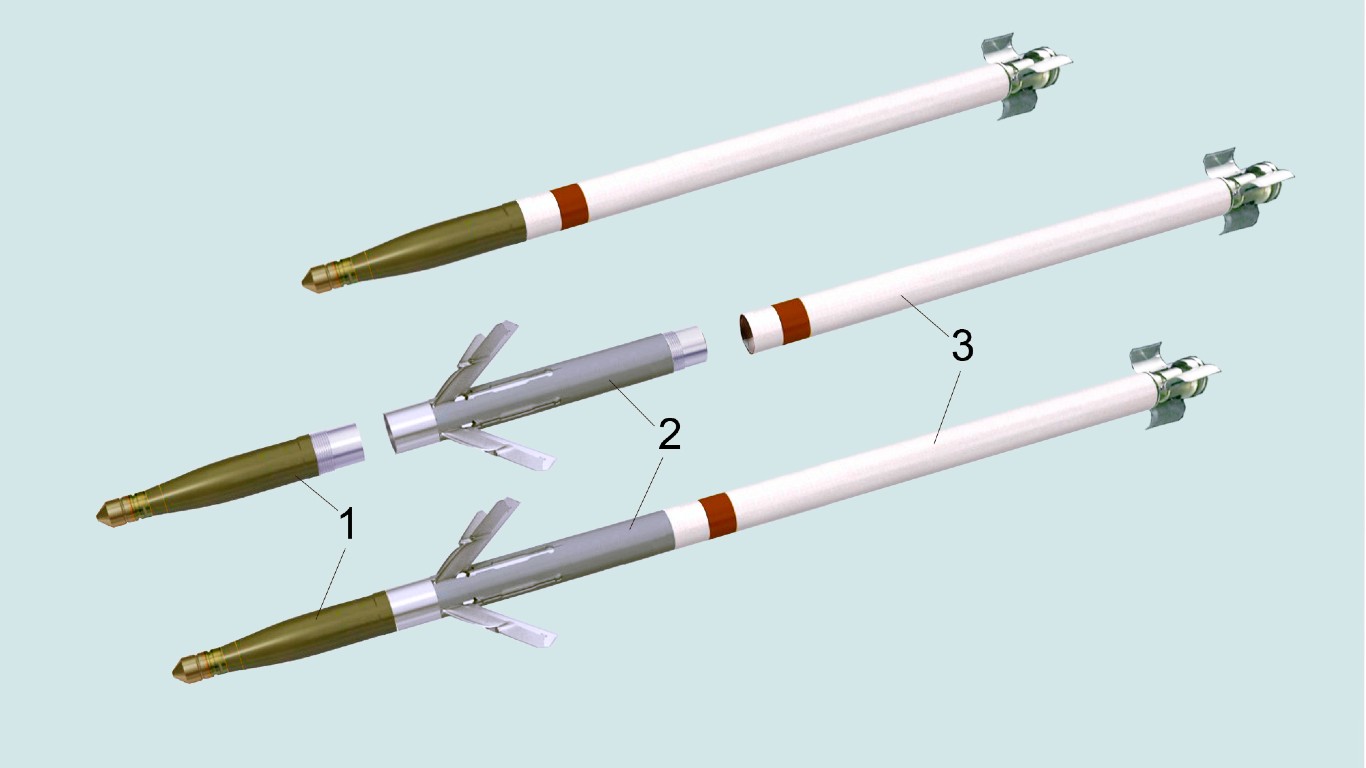
Laser-guided bombs introduced a new era of precision strike capability. Instead of relying on large bombing campaigns, aircraft could target specific buildings or vehicles with far greater accuracy. This innovation significantly reduced the number of weapons required to achieve military objectives and reshaped modern air warfare.
Aircraft Carrier Strike Group
- Country of origin: United States
- Weapon type: Naval Warfare System
- Manufacturer or developer: U.S. Navy
- Year introduced to service: 1940
- Conflict where it proved influential: World War II
- Key battlefield capability: Carrier‑based airpower
- Tactical impact: Replaced battleships as dominant naval force
- Global influence: Defines modern naval power
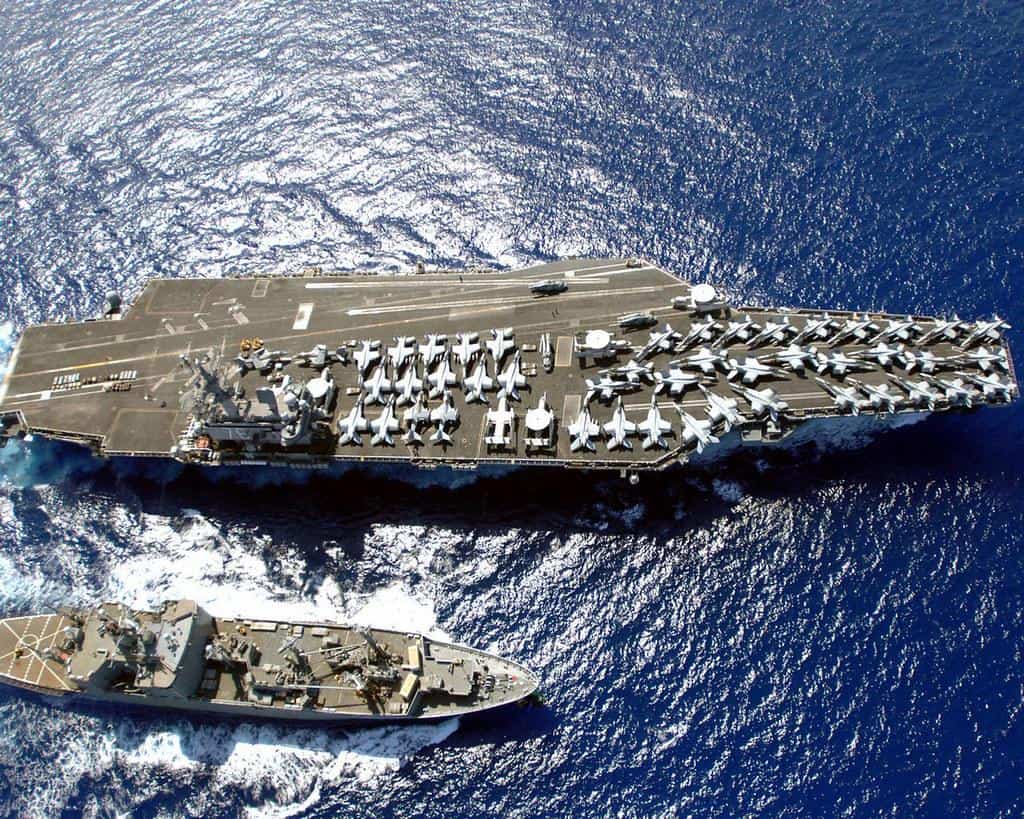
The aircraft carrier strike group shifted naval power away from battleships and toward carrier-based aviation. By launching aircraft far from shore, carriers allow nations to project military power across the globe. This capability has become a defining feature of modern naval strategy and global force projection.
Nuclear Submarine
- Country of origin: United States
- Weapon type: Submarine
- Manufacturer or developer: General Dynamics Electric Boat
- Year introduced to service: 1955
- Conflict where it proved influential: Cold War
- Key battlefield capability: Long‑endurance underwater patrols
- Tactical impact: Extended submarine operations indefinitely
- Global influence: Key element of naval deterrence
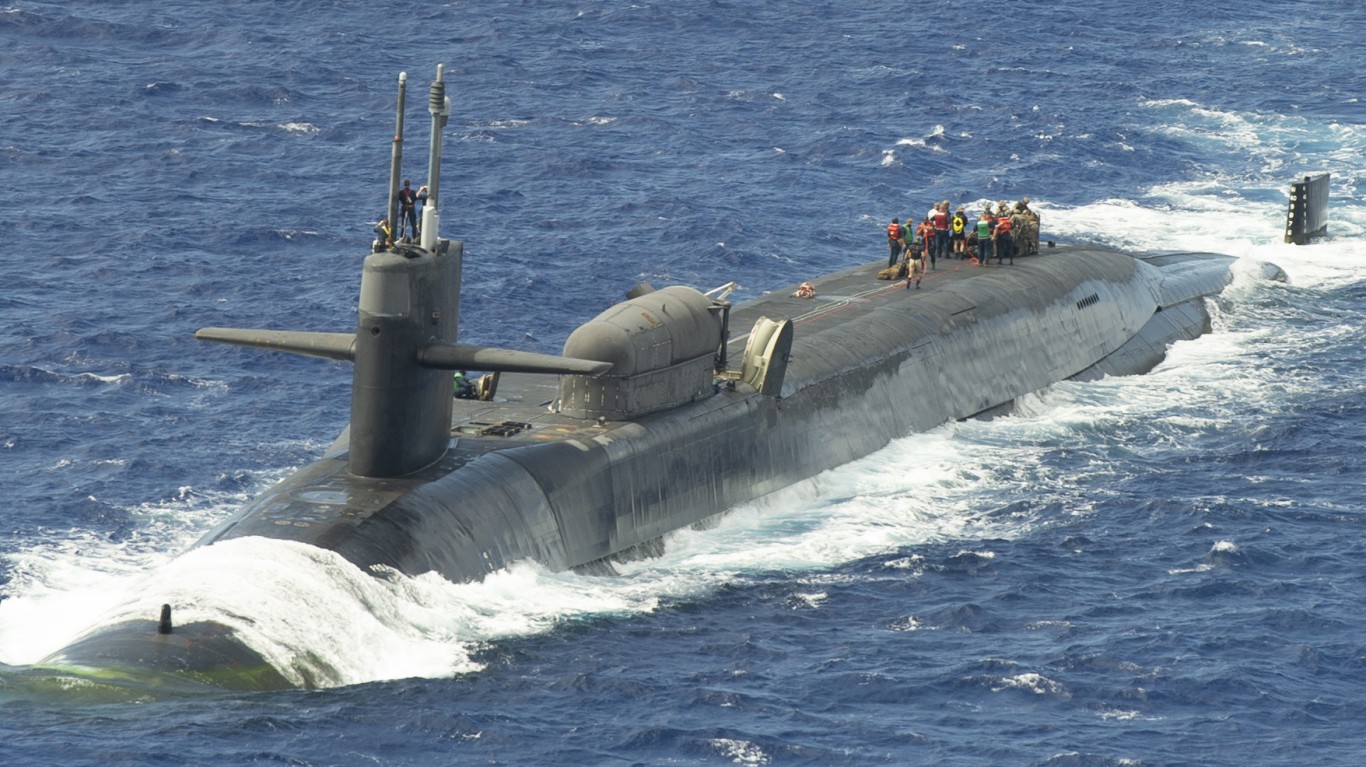
Nuclear-powered submarines extended underwater operations from days to months. Their ability to remain submerged for long periods made them difficult to detect and highly effective for surveillance and deterrence missions. These vessels became a central component of modern naval strategy and nuclear deterrence.
Harpoon Missile
- Country of origin: United States
- Weapon type: Anti‑Ship Missile
- Manufacturer or developer: Boeing
- Year introduced to service: 1977
- Conflict where it proved influential: Cold War naval conflicts
- Key battlefield capability: Long‑range anti‑ship strike
- Tactical impact: Changed naval engagement distances
- Global influence: Used by many navies
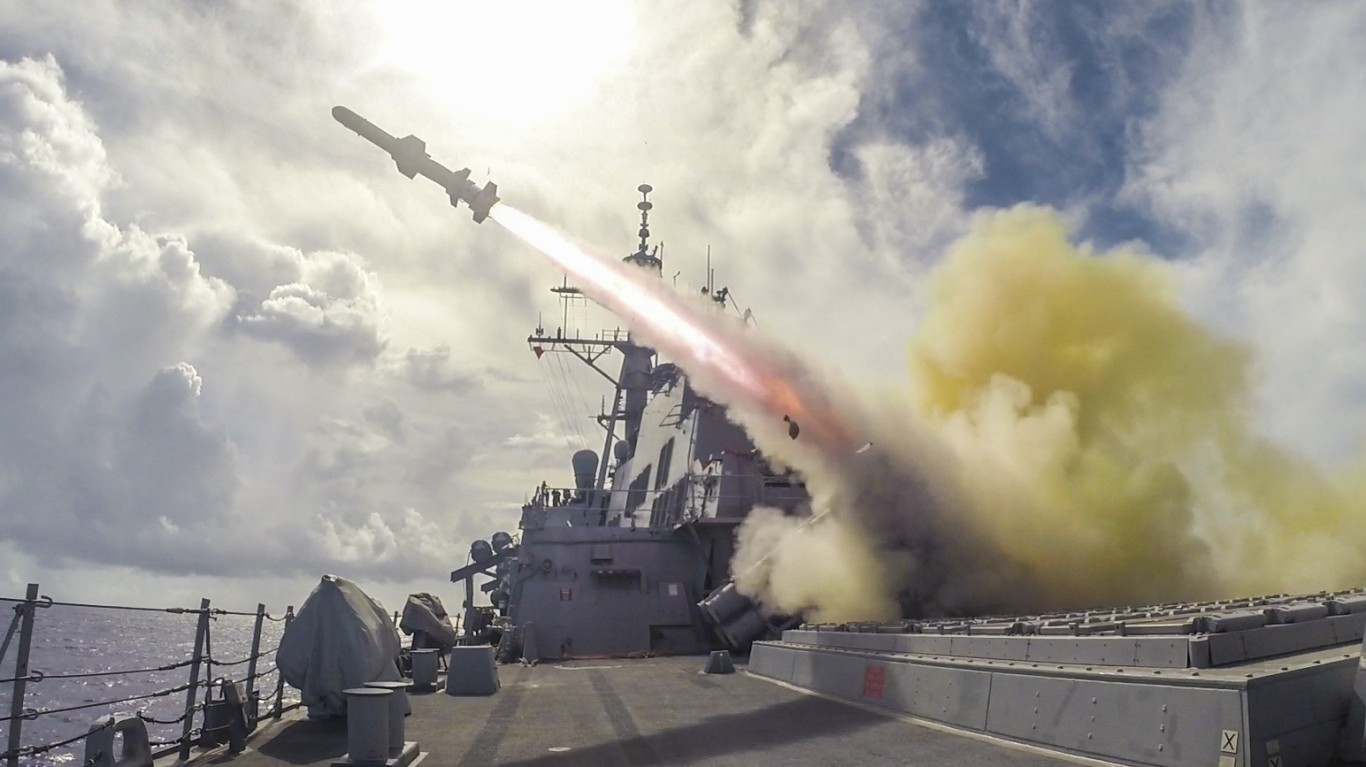
The Harpoon anti-ship missile changed naval warfare by allowing ships and aircraft to attack enemy vessels from long distances. Its sea-skimming flight profile made interception difficult and forced navies to develop new defensive systems. The missile helped redefine modern naval engagements.
Stealth Aircraft Technology
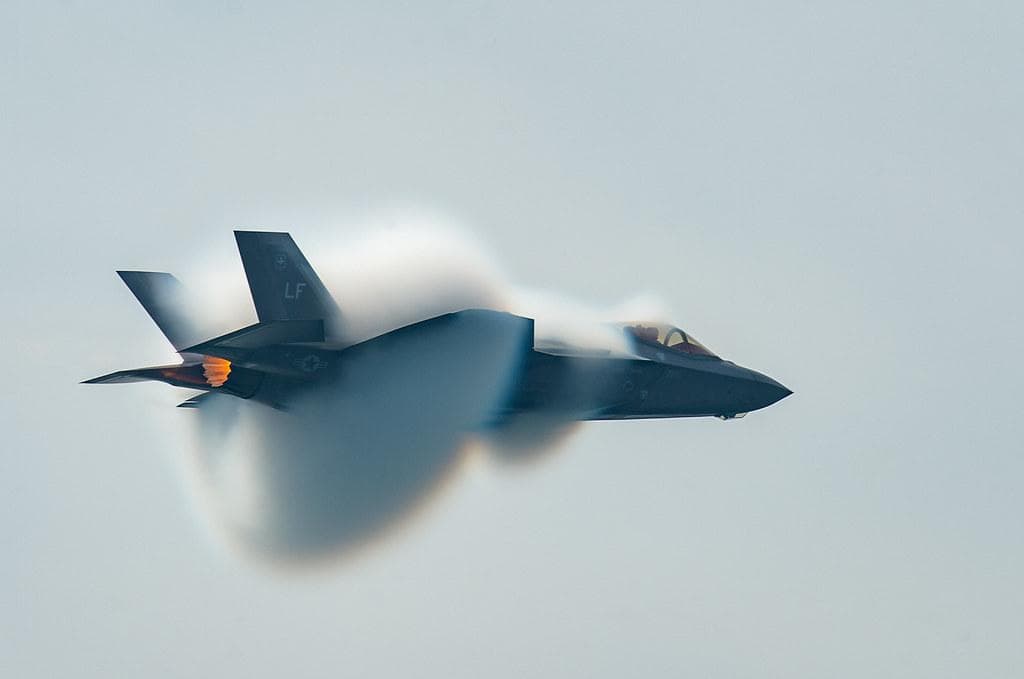
- Country of origin: United States
- Weapon type: Stealth Aviation
- Manufacturer or developer: Lockheed Skunk Works
- Year introduced to service: 1981
- Conflict where it proved influential: Gulf War
- Key battlefield capability: Radar evasion
- Tactical impact: Changed air defense and strike tactics
- Global influence: Adopted by multiple modern aircraft
Stealth aircraft technology transformed air warfare by allowing aircraft to evade radar detection. Systems like the F-117 demonstrated that aircraft could penetrate heavily defended airspace and strike targets that were previously unreachable. This breakthrough forced adversaries to rethink air defense strategies.
Hypersonic Weapons
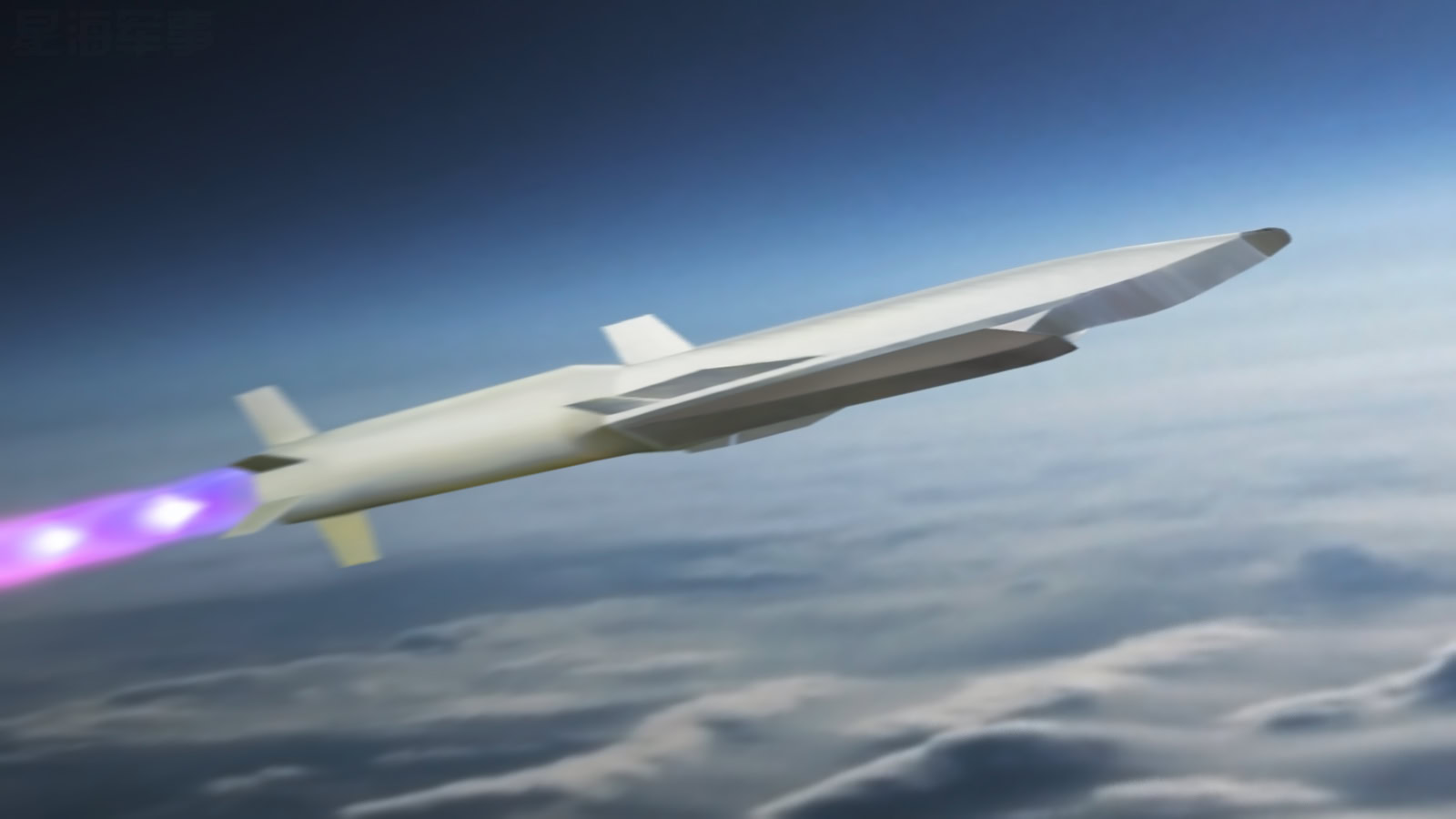
- Country of origin: Multiple nations
- Weapon type: Hypersonic Missile
- Manufacturer or developer: Various programs
- Year introduced to service: 2010
- Conflict where it proved influential: Modern era
- Key battlefield capability: Extreme‑speed strike capability
- Tactical impact: Challenges traditional missile defenses
- Global influence: Emerging global arms race
Hypersonic weapons represent the newest transformation in military technology. Traveling at speeds greater than Mach 5, they can potentially strike targets with little warning. Their extreme velocity and maneuverability make them difficult for traditional missile defense systems to intercept, creating a new challenge for modern militaries.





 Top Gaining Stocks
 Top Losing Stocks