


Some of the most powerful weapons ever developed by the United States were designed to dominate the battlefield, but in doing so they came dangerously close to exceeding the limits of practical use. From high-yield nuclear systems to experimental technologies, these weapons highlight how the pursuit of overwhelming force can introduce new risks. In many cases, their sheer capability forced military planners to reconsider how much power is too much. Here, 24/7 Wall St. is taking a closer look at these weapons.
To determine the weapons built by the U.S. Military that were almost too powerful, 24/7 Wall St. reviewed various historical and military sources. We included supplemental information for each weapon regarding the weapon type, developer, delivery method, intended role, and ultimately why each was almost too powerful.
The United States has spent decades developing some of the most powerful weapons ever conceived, driven by the need to maintain technological and strategic superiority. Many of these systems emerged during the Cold War, when the need for a “bigger stick” was essential to deterrence. Programs overseen by the Department of Defense and agencies like DARPA pushed the boundaries of physics, engineering, and warfare, producing everything from high-yield nuclear weapons to experimental directed energy and hypersonic systems.
In some cases, development occurred under extreme secrecy, with covert programs exploring capabilities far beyond publicly acknowledged limits. DARPA in particular played a central role in advancing unconventional technologies, while the DoD coordinated large-scale testing and deployment efforts. These initiatives often blurred the line between research and weaponization, reflecting a broader strategy of exploring every possible advantage, even when the resulting systems raised serious questions about escalation and long-term consequences.
Here is a look at the weapons the U.S. Military built that were almost too powerful:
Why Are We Covering This?

Understanding how far military technology can be pushed is essential to understanding the limits of modern warfare. Some U.S. weapons were developed with such extreme power that they raised concerns about escalation, control, and practicality. These systems reveal how the pursuit of dominance can create new risks, where capability outpaces strategy. Examining them shows how military innovation is not just about building stronger weapons, but about knowing when power becomes too much to use effectively.
When Power Crosses the Line

Throughout modern military history, the United States has developed weapons that pushed the limits of what was technologically possible—and sometimes what was strategically acceptable. These systems were designed to deliver overwhelming force, but in some cases, their sheer power raised serious questions about control, escalation, and practicality on the battlefield.
The Pursuit of Overmatch
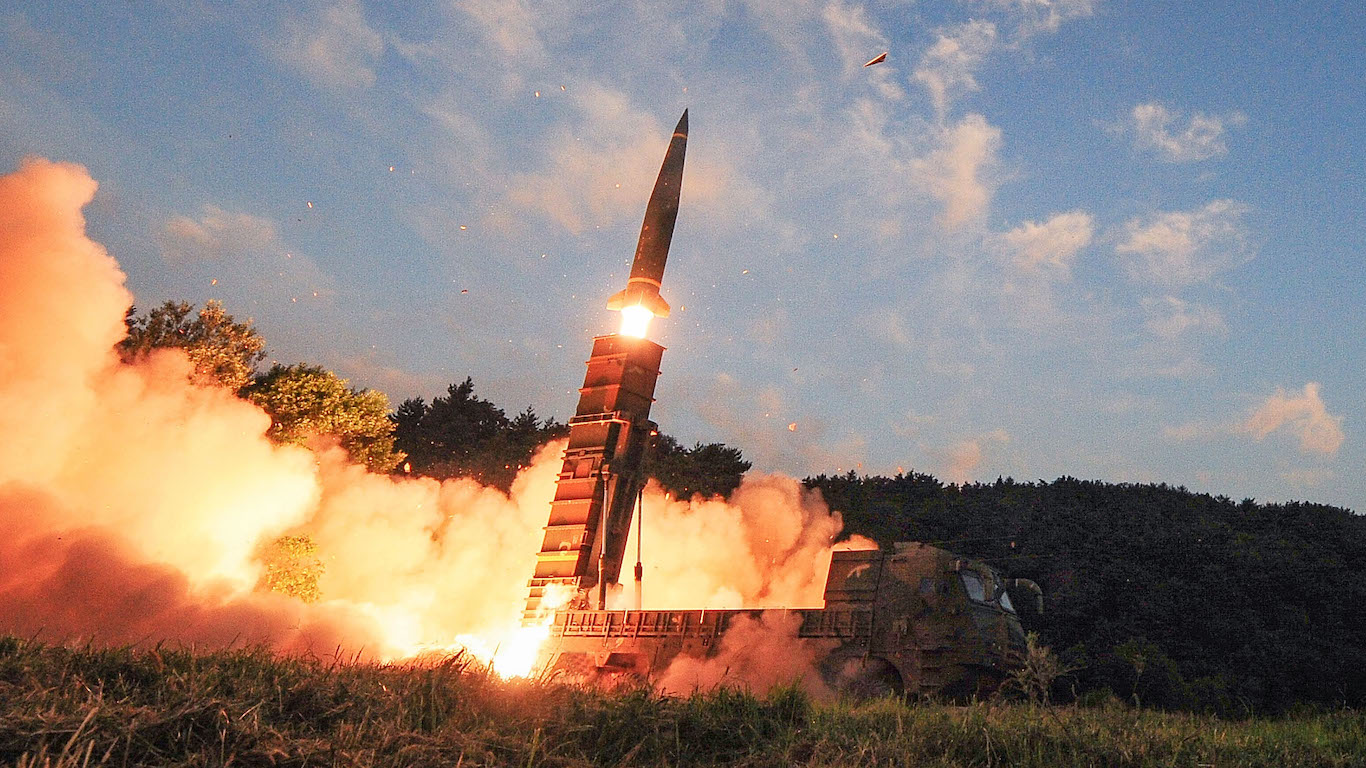
Military innovation has always been driven by the desire to achieve decisive advantage over potential adversaries. In many cases, this meant building weapons capable of delivering unmatched destructive capability. However, as these systems became more powerful, they also introduced new risks, including unintended consequences and the potential for rapid escalation.
Technology Outpacing Strategy

Some of the most advanced weapons ever developed reached a point where their capabilities outpaced the strategies designed to use them. From nuclear systems to experimental platforms, these weapons forced policymakers and military leaders to confront difficult questions about when—and if—they should be used.
Power, Ethics, and Control

The development of extremely powerful weapons has often been accompanied by ethical and strategic debates. Questions about collateral damage, civilian impact, and long-term consequences have shaped decisions about deployment and use. In many cases, these concerns limited how or whether these weapons were fielded.
The Weapons That Were Almost Too Powerful
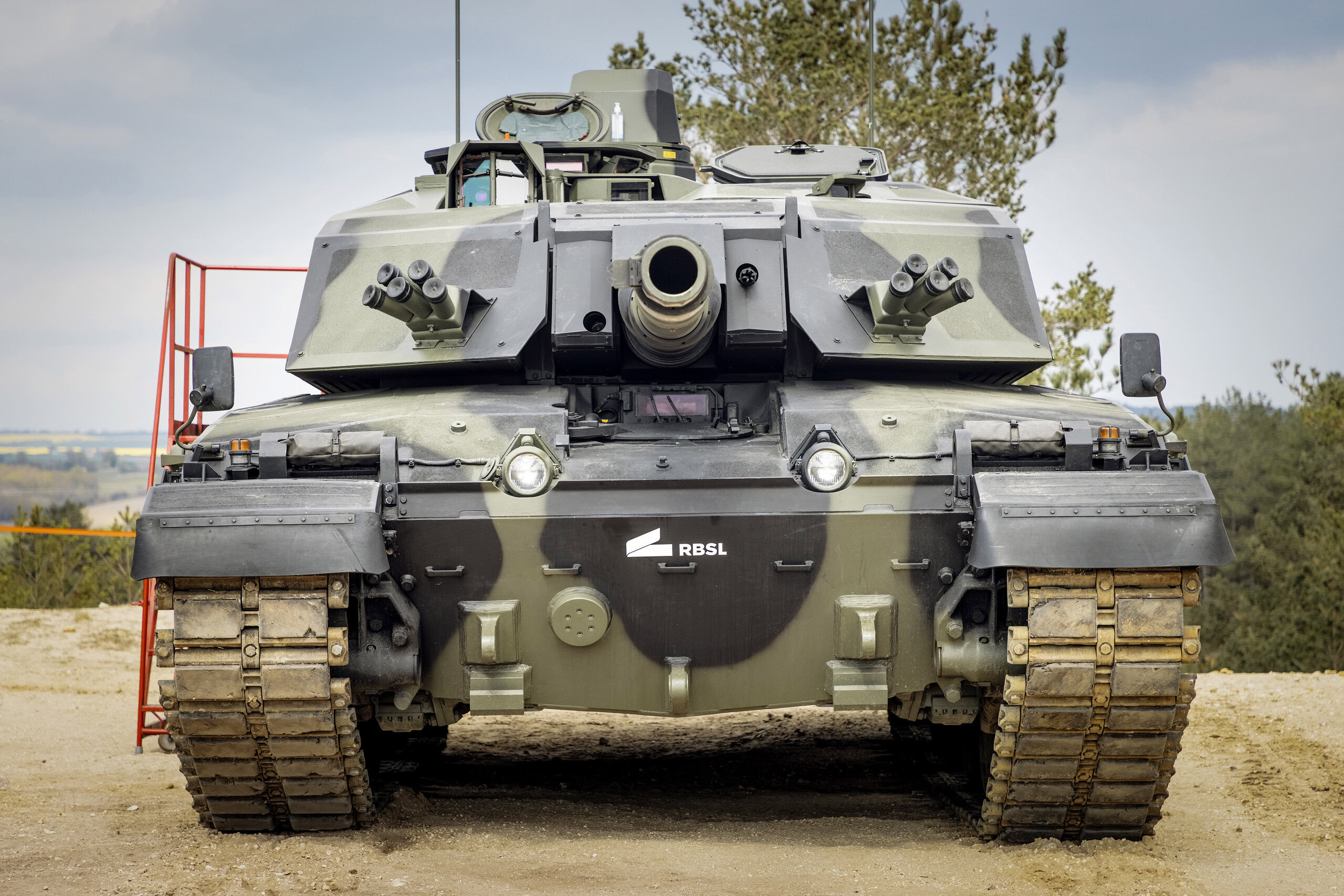
The weapons on this list represent some of the most extreme examples of military capability ever developed by the United States. Each one highlights a moment where technological power approached—or exceeded—the limits of practical use, revealing how the pursuit of dominance can sometimes create challenges as significant as the threats these weapons were designed to counter.
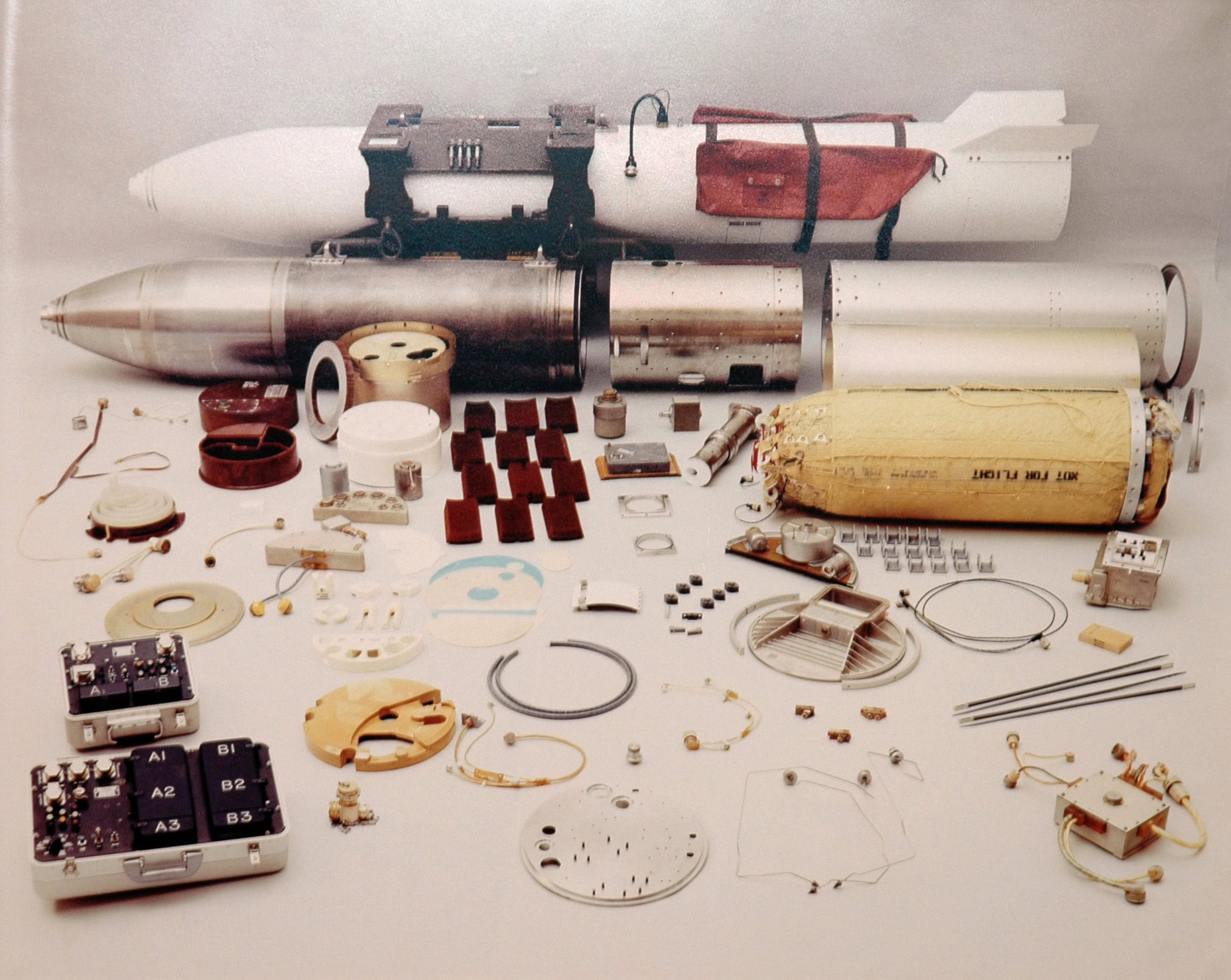
B83 Thermonuclear Bomb
- Weapon type: Nuclear
- Developer: USAF
- Year introduced or tested: 1983
- Maximum yield or power output: ~1.2 megatons
- Delivery method: Aircraft-dropped
- Intended role: Strategic deterrence
- Why it was ‘too powerful’: Extremely high-yield city-level destruction
The B83 is one of the most powerful nuclear weapons in the U.S. arsenal, capable of producing massive blast effects across wide areas. Designed during the Cold War, its yield far exceeds what is needed for most modern scenarios. Its sheer destructive capability raises concerns about escalation and collateral damage, making it a symbol of nuclear overmatch.
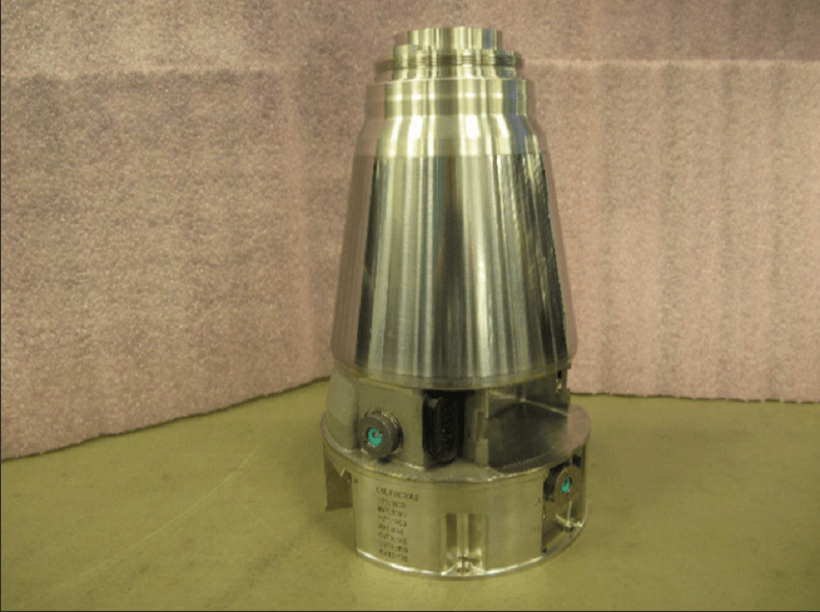
W88 Warhead
- Weapon type: Nuclear
- Developer: US Navy
- Year introduced or tested: 1989
- Maximum yield or power output: ~475 kilotons
- Delivery method: SLBM
- Intended role: Strategic deterrence
- Why it was ‘too powerful’: High-yield MIRV warhead increases escalation risk
The W88 warhead is a cornerstone of the U.S. nuclear triad, deployed on submarine-launched ballistic missiles. Its combination of high yield and MIRV capability allows multiple targets to be struck from a single missile. This efficiency also increases the risk of rapid escalation, making it one of the most strategically powerful—and potentially destabilizing—nuclear systems ever fielded.
Davy Crockett
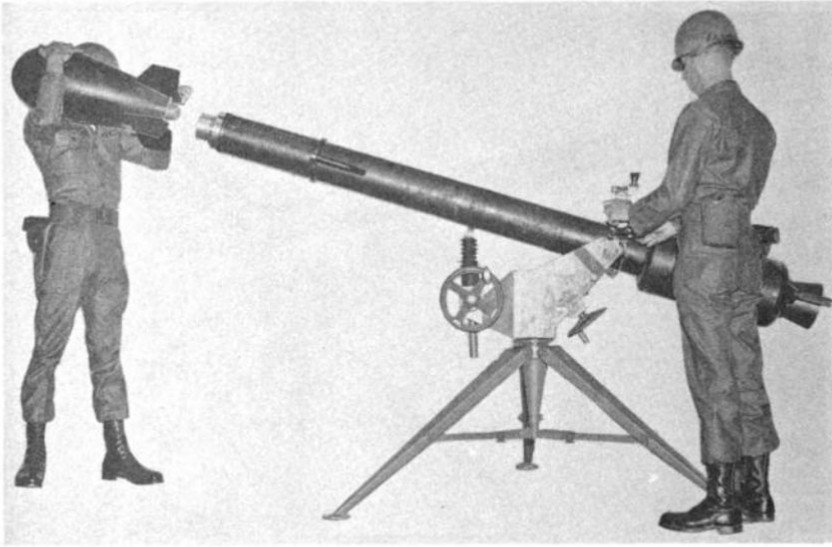
- Weapon type: Nuclear
- Developer: US Army
- Year introduced or tested: 1961
- Maximum yield or power output: ~10–20 tons TNT
- Delivery method: Recoilless rifle
- Intended role: Tactical battlefield nuclear
- Why it was ‘too powerful’: Radiation risk to own troops
The Davy Crockett was a tactical nuclear weapon designed for use by small units on the battlefield. Despite its low yield, it posed significant risks due to radiation exposure, even to friendly forces. Its deployment highlighted the dangers of integrating nuclear weapons into close combat, ultimately leading to its retirement.
Project Pluto SLAM
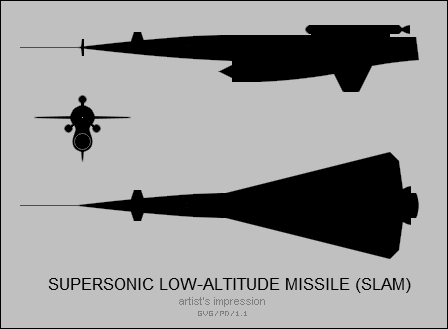
- Weapon type: Experimental
- Developer: USAF
- Year introduced or tested: 1960s
- Maximum yield or power output: Nuclear-powered engine
- Delivery method: Cruise missile
- Intended role: Unlimited-range strike
- Why it was ‘too powerful’: Radiation-spewing missile with no practical control
Project Pluto’s SLAM missile was designed as a nuclear-powered cruise missile with effectively unlimited range. It could fly at low altitude, releasing radiation along its path while carrying multiple nuclear warheads. The concept was so destructive and uncontrollable that it was ultimately canceled, representing one of the most extreme weapons ever conceived.
GBU-43/B MOAB
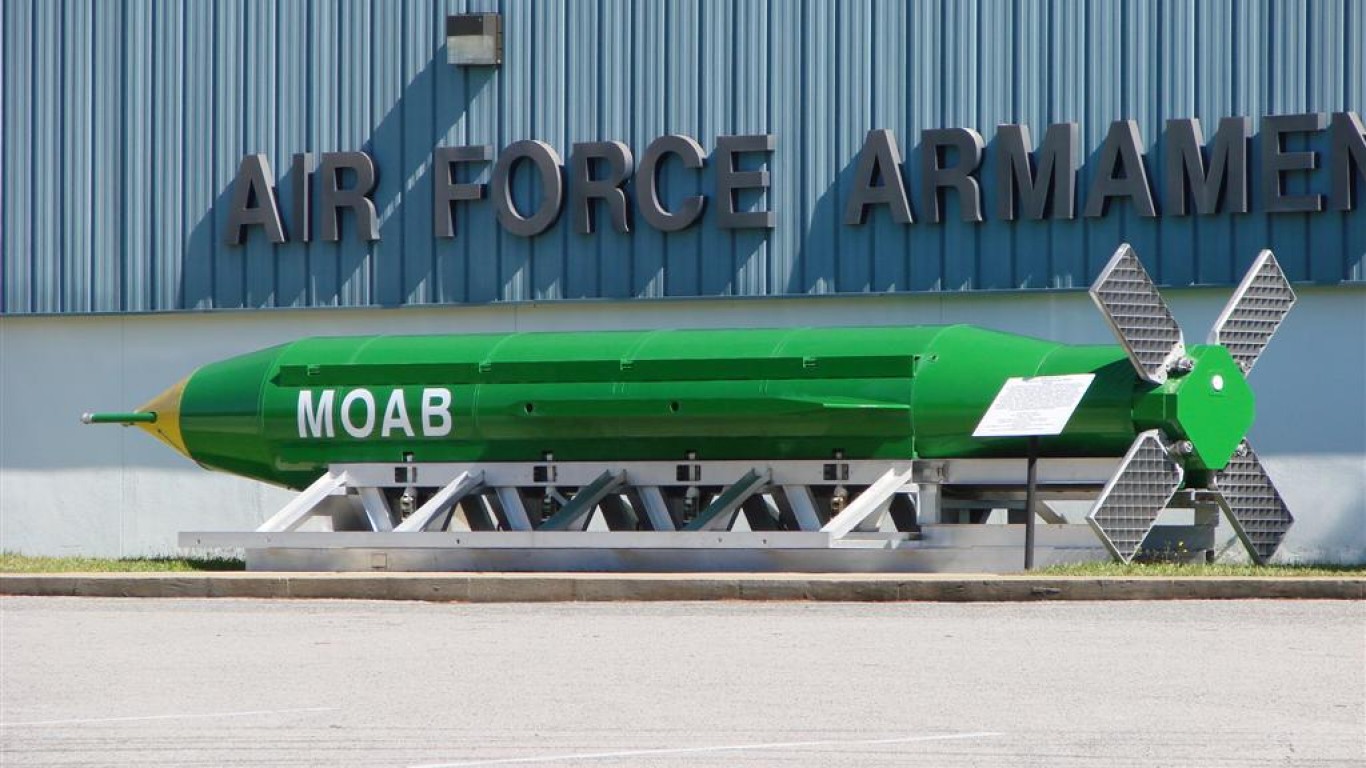
- Weapon type: Bomb
- Developer: USAF
- Year introduced or tested: 2003
- Maximum yield or power output: 11-ton explosive
- Delivery method: Aircraft-dropped
- Intended role: Area denial
- Why it was ‘too powerful’: Massive blast over wide area
The GBU-43/B MOAB is the largest non-nuclear bomb in the U.S. arsenal, designed to produce a massive blast over a wide area. Its use demonstrates overwhelming force in conventional warfare, but its scale raises questions about proportionality and collateral impact, especially in populated regions.
B61 Mod 12
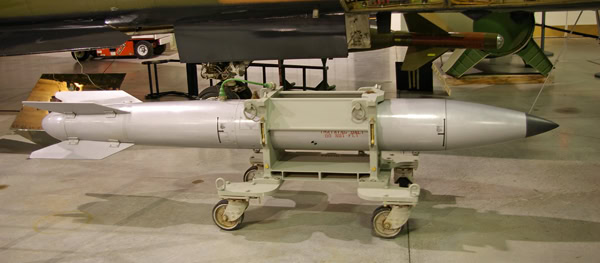
- Weapon type: Nuclear
- Developer: USAF
- Year introduced or tested: 2010s
- Maximum yield or power output: Variable yield
- Delivery method: Aircraft-dropped
- Intended role: Tactical nuclear
- Why it was ‘too powerful’: Precision nuclear use lowers threshold
The B61 Mod 12 introduces precision guidance to nuclear weapons, allowing for more targeted strikes. While this improves accuracy, it also lowers the perceived threshold for nuclear use. This duality—greater control paired with increased usability—makes it a controversial evolution in nuclear strategy.
Minuteman III (MIRV era)
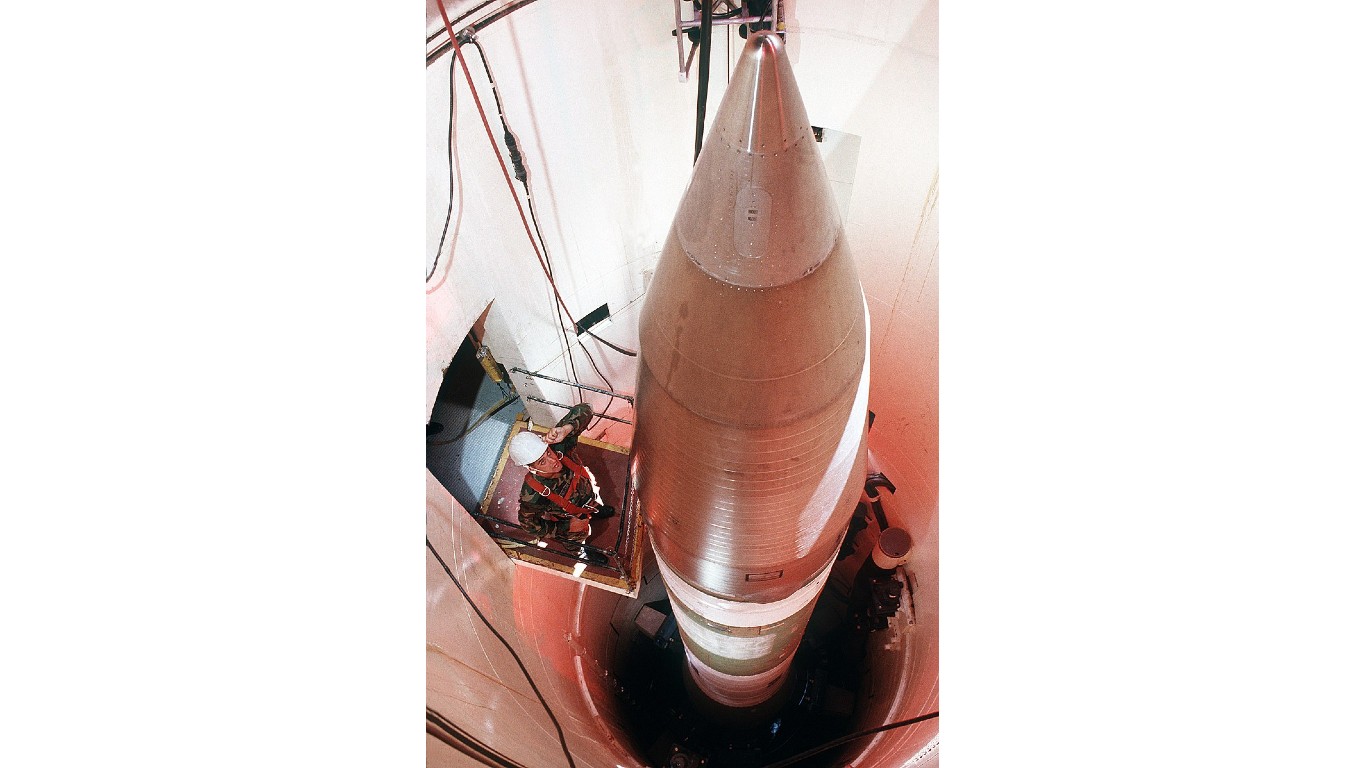
- Weapon type: Missile
- Developer: USAF
- Year introduced or tested: 1970s
- Maximum yield or power output: Multiple warheads
- Delivery method: ICBM
- Intended role: Strategic deterrence
- Why it was ‘too powerful’: Multiple strikes from one missile escalates conflict
The Minuteman III, particularly during its MIRV era, represented a significant escalation in nuclear capability. A single missile could deliver multiple warheads to different targets, dramatically increasing its destructive potential. This capability contributed to Cold War tensions and drove arms control efforts.
Trident II D5
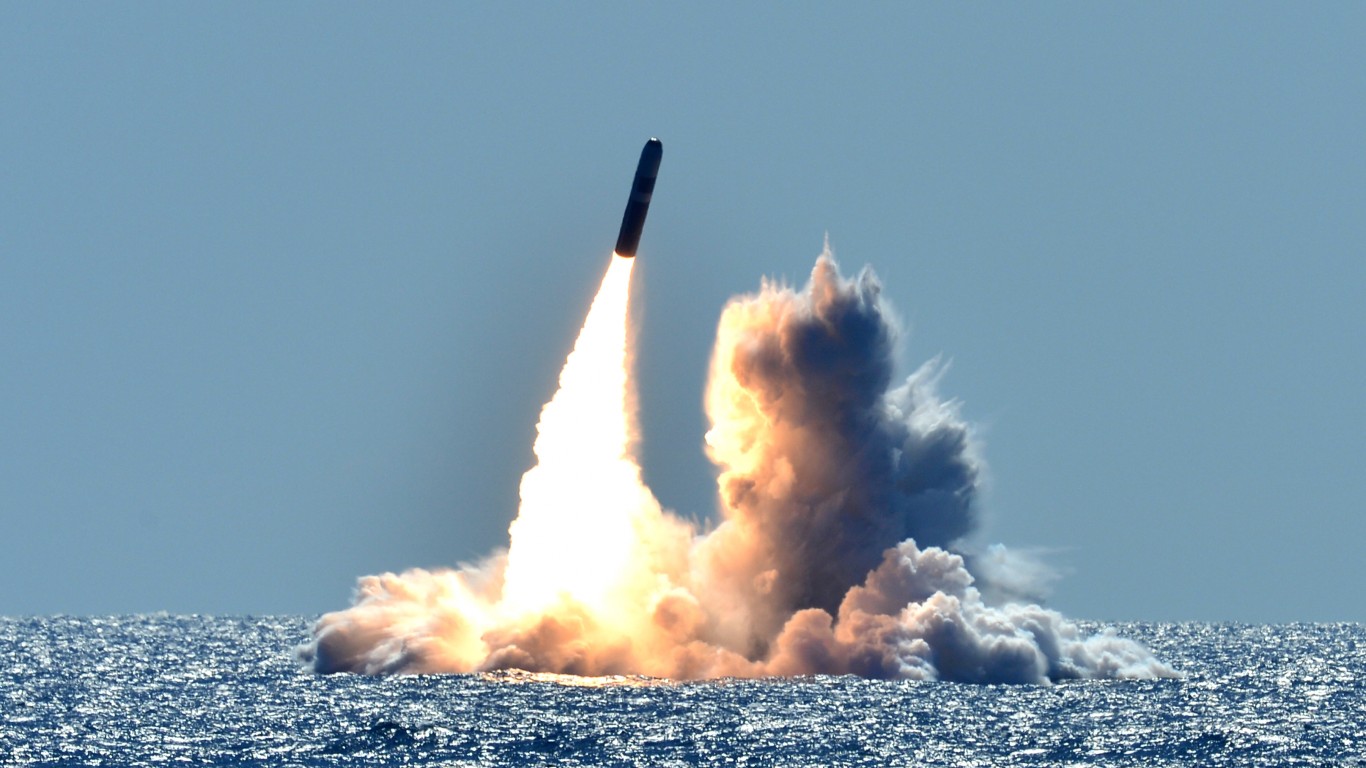
- Weapon type: Missile
- Developer: US Navy
- Year introduced or tested: 1990
- Maximum yield or power output: Multiple warheads
- Delivery method: SLBM
- Intended role: Strategic deterrence
- Why it was ‘too powerful’: Highly survivable nuclear strike capability
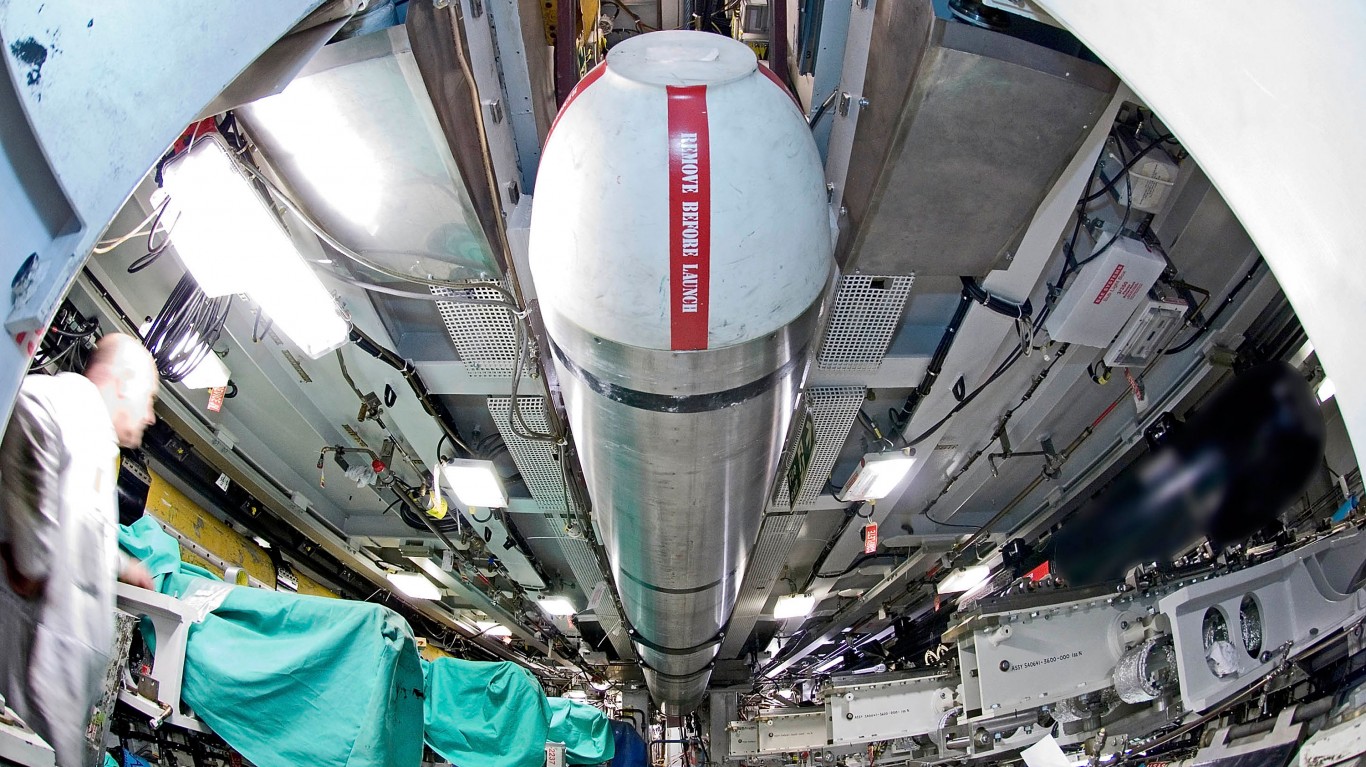
The Trident II D5 is one of the most advanced ballistic missiles ever deployed, capable of delivering multiple nuclear warheads with high accuracy. Its survivability aboard submarines ensures a credible second-strike capability. This makes it a powerful deterrent, but also a key factor in maintaining nuclear escalation potential.
Peacekeeper MX
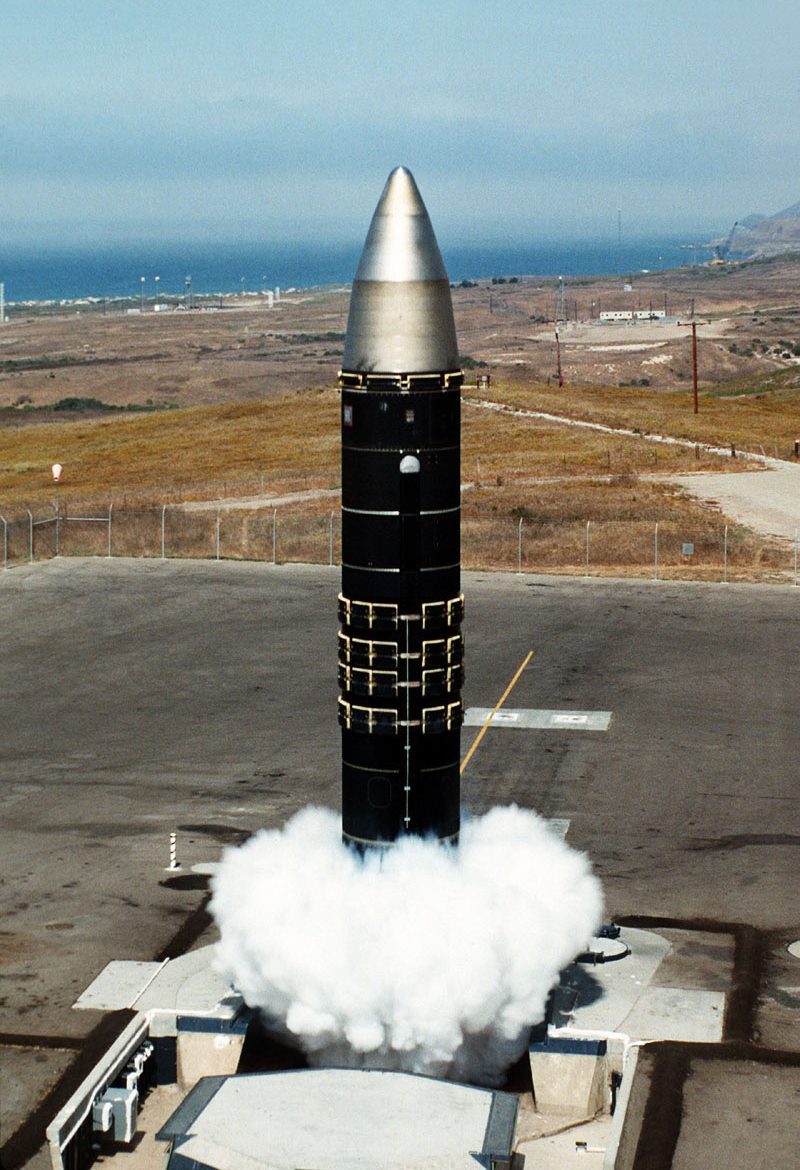
- Weapon type: Missile
- Developer: USAF
- Year introduced or tested: 1986
- Maximum yield or power output: 10 MIRVs
- Delivery method: ICBM
- Intended role: Strategic deterrence
- Why it was ‘too powerful’: Extreme nuclear payload per missile
The Peacekeeper missile was designed to carry up to ten nuclear warheads, maximizing destructive output per launch. Its deployment heightened concerns about first-strike capabilities and nuclear arms races. Although highly effective, its potential for massive destruction contributed to its eventual retirement.
Strategic Defense Initiative

- Weapon type: Experimental
- Developer: DoD
- Year introduced or tested: 1980s
- Maximum yield or power output: N/A
- Delivery method: Space-based
- Intended role: Missile defense
- Why it was ‘too powerful’: Destabilized nuclear deterrence balance
The Strategic Defense Initiative aimed to create a space-based missile defense system capable of intercepting nuclear weapons. While defensive in concept, it threatened to destabilize deterrence by undermining mutual assured destruction. Its ambitious scope and strategic implications led to its cancellation.
Navy Railgun
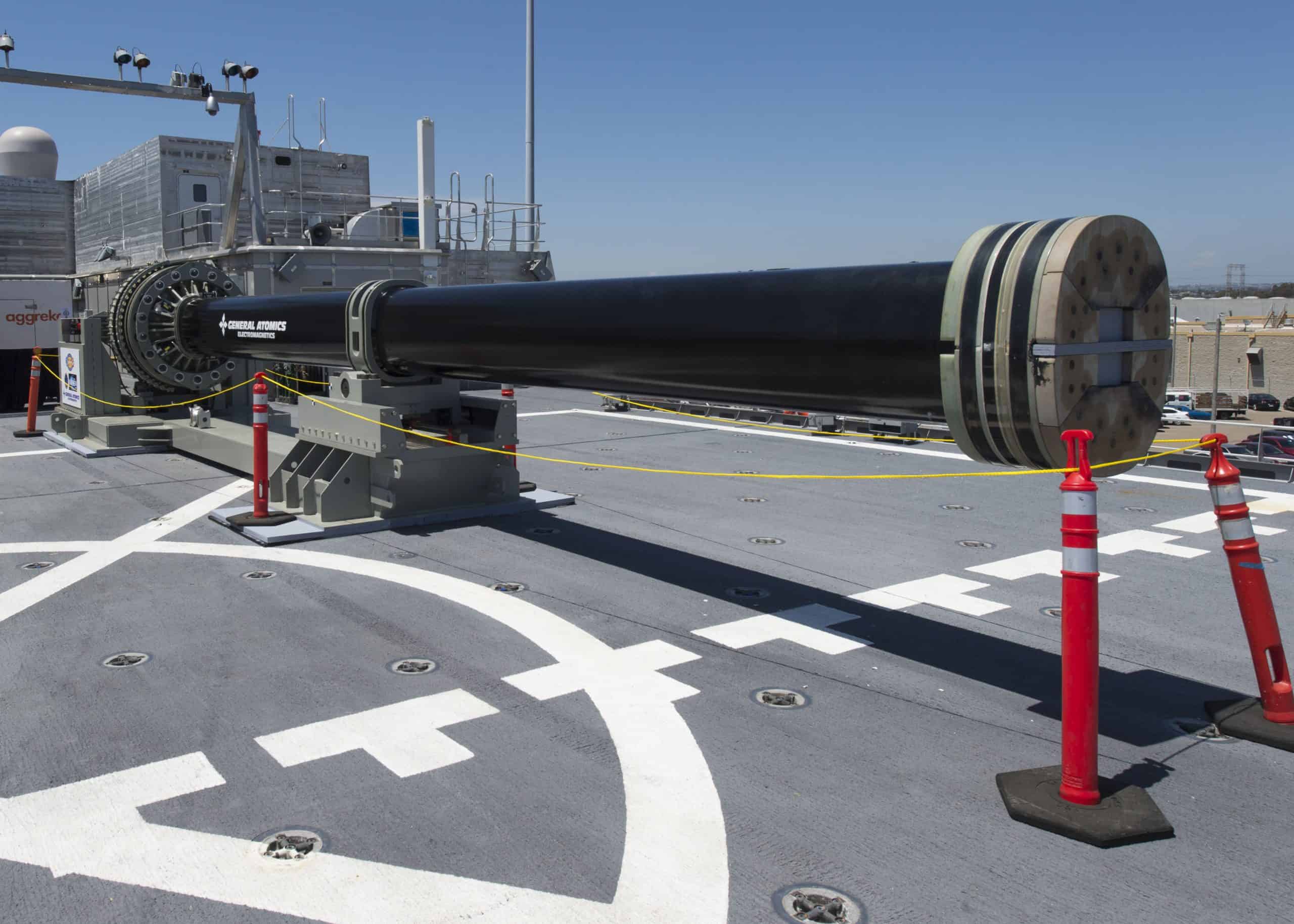
- Weapon type: Experimental
- Developer: US Navy
- Year introduced or tested: 2010s
- Maximum yield or power output: Mach 7+ kinetic
- Delivery method: Electromagnetic
- Intended role: Long-range strike
- Why it was ‘too powerful’: Extreme velocity destructive force
The Navy railgun program sought to harness electromagnetic force to launch projectiles at extreme velocities. Capable of delivering devastating kinetic energy without explosives, it promised unprecedented range and impact. However, its technical challenges and destructive potential contributed to its eventual cancellation.
XM1299 ERCA
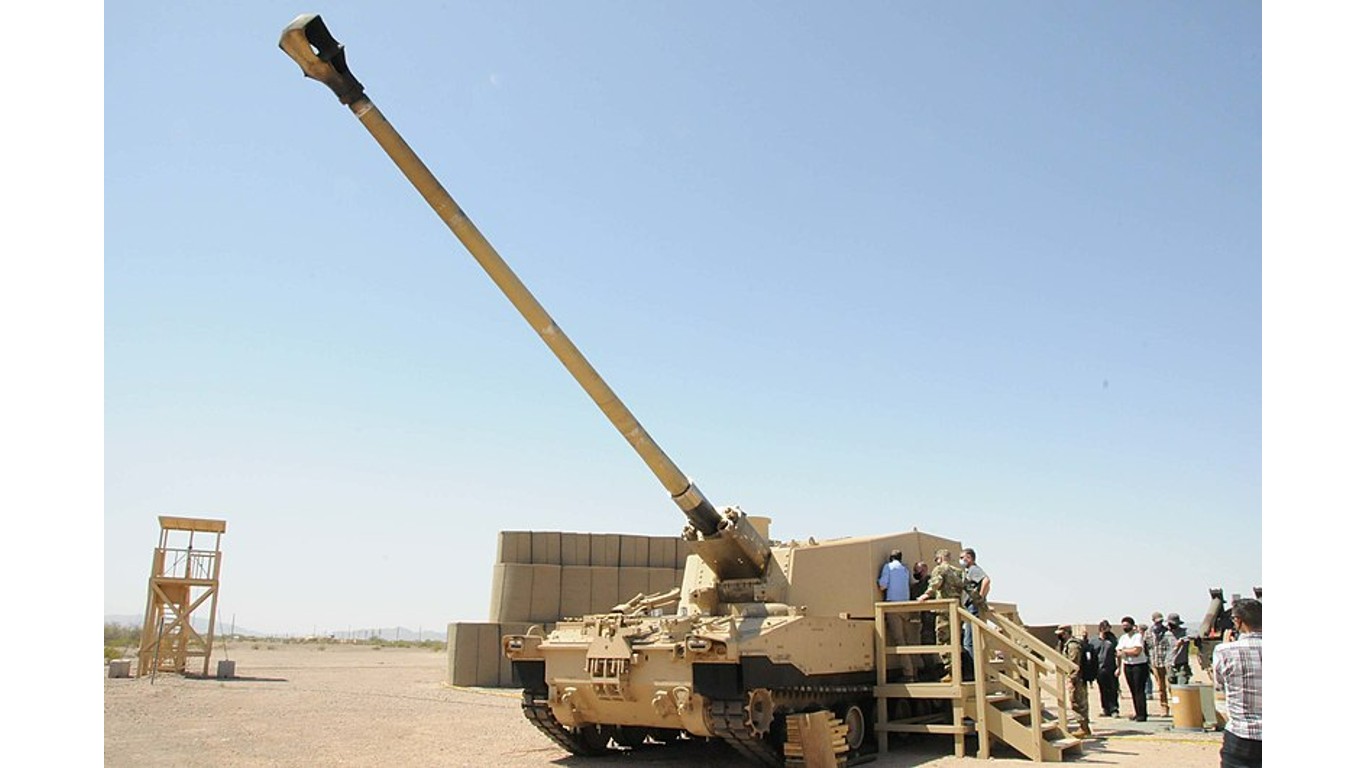
- Weapon type: Artillery
- Developer: US Army
- Year introduced or tested: 2020s
- Maximum yield or power output: 70km+ range
- Delivery method: Ground artillery
- Intended role: Long-range fire support
- Why it was ‘too powerful’: Outranges most counter-battery systems
The XM1299 ERCA artillery system extends the range of conventional artillery far beyond traditional limits. Its ability to strike targets at extreme distances changes the dynamics of ground warfare, potentially outmatching enemy systems. This extended reach raises concerns about escalation and battlefield balance.
AGM-158C LRASM
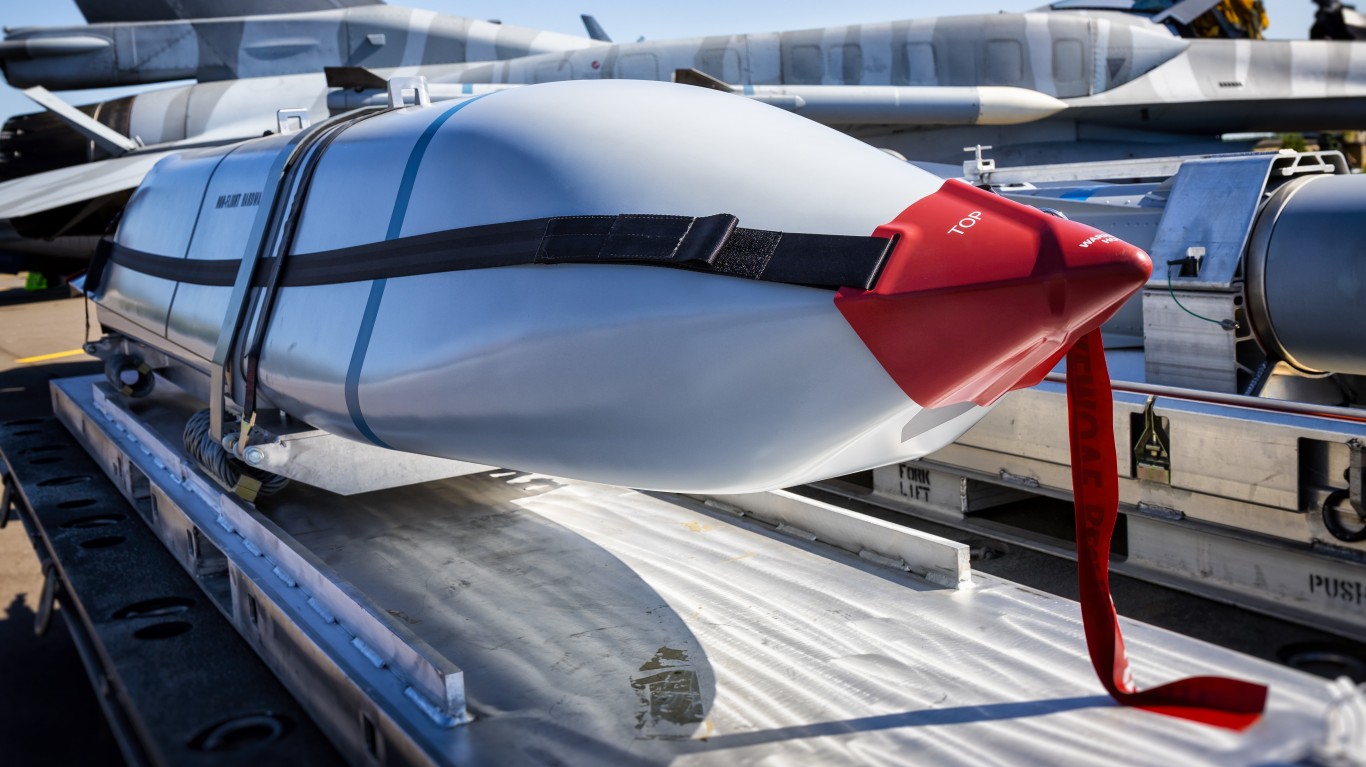
- Weapon type: Missile
- Developer: US Navy/USAF
- Year introduced or tested: 2018
- Maximum yield or power output: ~1000 lb warhead
- Delivery method: Air/ship-launched
- Intended role: Anti-ship strike
- Why it was ‘too powerful’: Autonomous targeting lethal to fleets
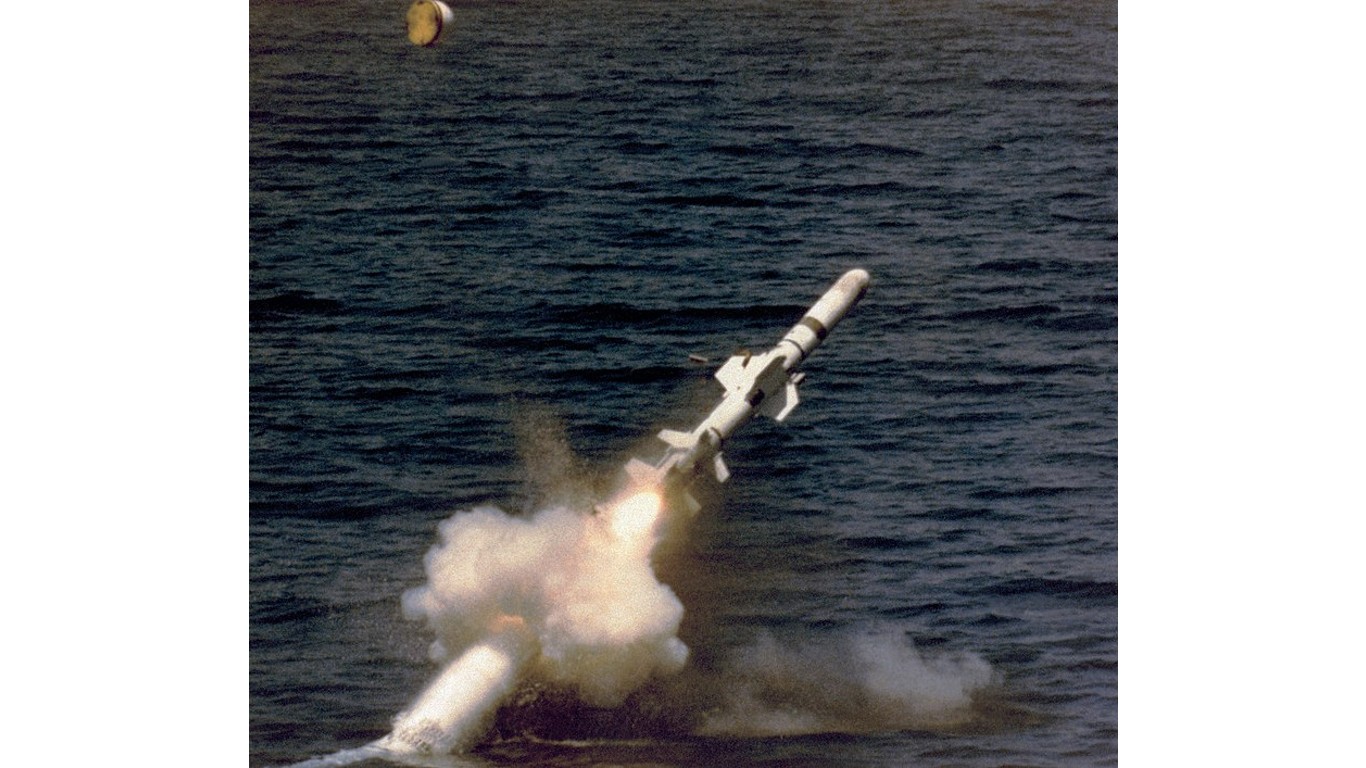
The AGM-158C LRASM is designed to autonomously locate and destroy high-value naval targets. Its advanced targeting systems allow it to operate in contested environments with minimal human input. This level of autonomy and lethality makes it a powerful anti-ship weapon, capable of significantly impacting naval engagements.
GBU-57 MOP
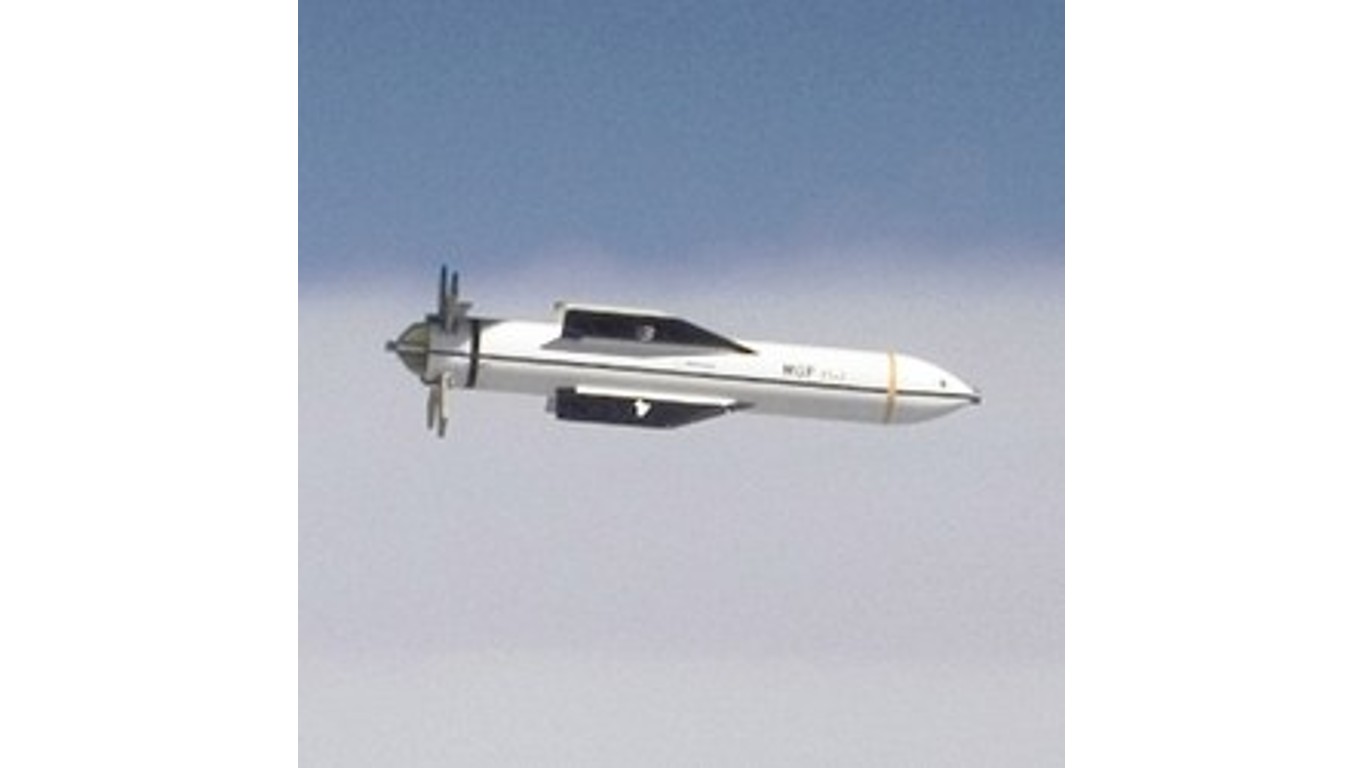
- Weapon type: Bomb
- Developer: USAF
- Year introduced or tested: 2011
- Maximum yield or power output: 30,000 lb penetrator
- Delivery method: Aircraft-dropped
- Intended role: Bunker busting
- Why it was ‘too powerful’: Can destroy deeply buried facilities
The GBU-57 Massive Ordnance Penetrator is designed to destroy deeply buried and hardened targets. Weighing 30,000 pounds, it can penetrate reinforced structures before detonating. Its capability to neutralize otherwise invulnerable facilities makes it a critical tool, but also one with significant destructive implications.
BLU-82 Daisy Cutter
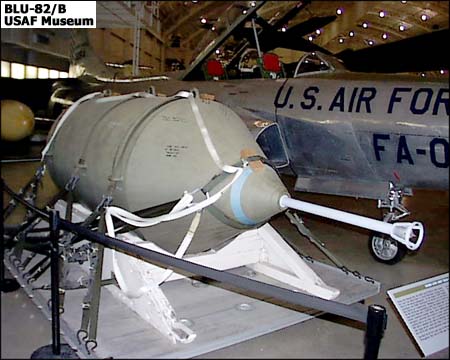
- Weapon type: Bomb
- Developer: USAF
- Year introduced or tested: 1970
- Maximum yield or power output: 15,000 lb explosive
- Delivery method: Aircraft-dropped
- Intended role: Area clearing
- Why it was ‘too powerful’: Massive blast effect
The BLU-82 Daisy Cutter was originally developed to clear landing zones but became known for its massive blast effect. Its use in Vietnam and later conflicts demonstrated its ability to devastate large areas instantly. Its sheer power made it both effective and controversial.
X-15 (weapon potential)

- Weapon type: Experimental
- Developer: NASA/USAF
- Year introduced or tested: 1959
- Maximum yield or power output: Hypersonic
- Delivery method: Air-launched
- Intended role: Hypersonic research
- Why it was ‘too powerful’: Extreme speed potential weaponization
The X-15 pushed the boundaries of speed and altitude, reaching hypersonic velocities. While primarily a research aircraft, its performance hinted at potential military applications. Its ability to operate at extreme speeds represents a level of capability that could fundamentally alter aerial combat.
Rods from God

- Weapon type: Concept
- Developer: USAF/DARPA
- Year introduced or tested: 2000s
- Maximum yield or power output: Kinetic orbital
- Delivery method: Orbital
- Intended role: Global strike
- Why it was ‘too powerful’: Near-instant kinetic destruction
The “Rods from God” concept envisions kinetic weapons deployed from orbit, capable of striking targets with immense force. Using gravity and velocity rather than explosives, these weapons could deliver near-instant destruction. The concept’s potential has raised concerns about weaponizing space.
HAARP

- Weapon type: Experimental
- Developer: USAF
- Year introduced or tested: 1990s
- Maximum yield or power output: High-frequency energy
- Delivery method: Ground-based
- Intended role: Research
- Why it was ‘too powerful’: Perceived geo-control potential
HAARP is a research program focused on studying the ionosphere, but it has been surrounded by controversy regarding its potential applications. While its actual capabilities are scientific, perceptions of its power have fueled debate about the limits of technological experimentation in military contexts.
Active Denial System
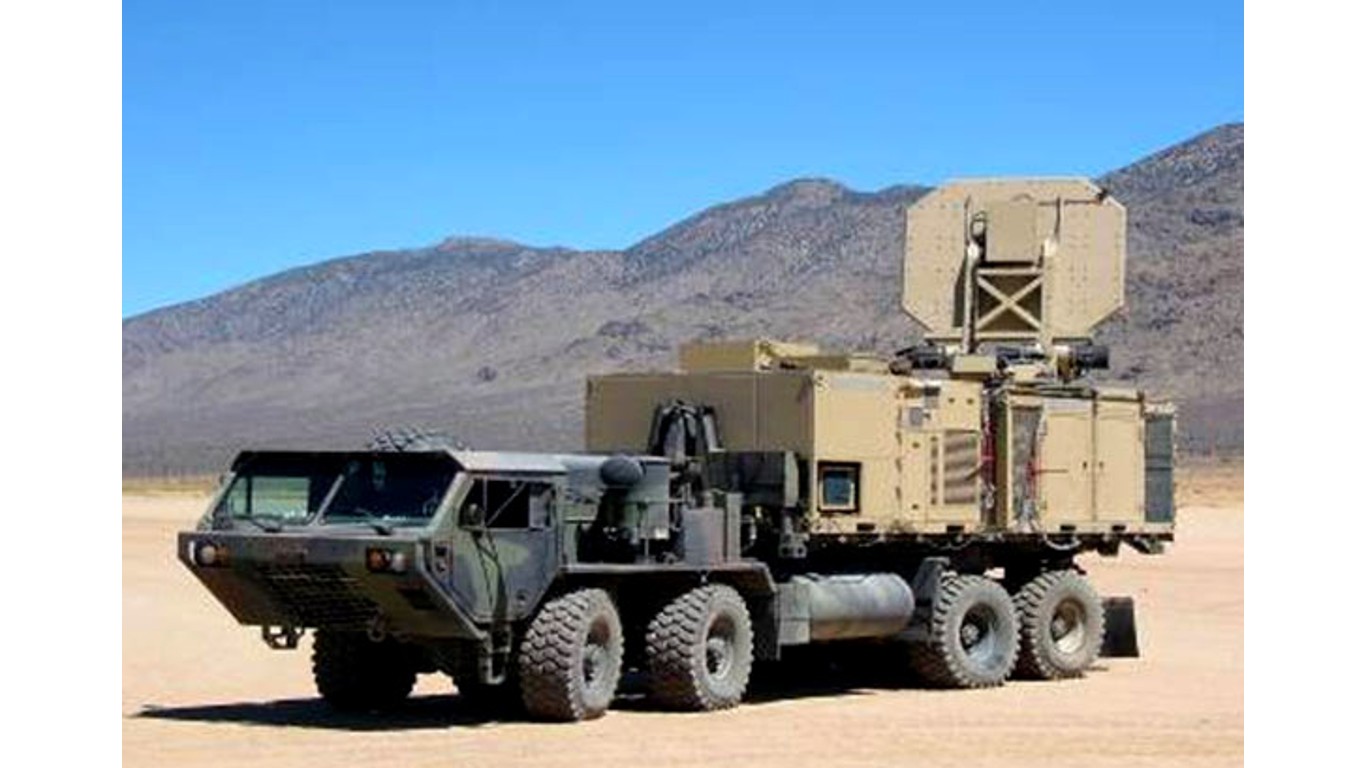
- Weapon type: Directed Energy
- Developer: DoD
- Year introduced or tested: 2000s
- Maximum yield or power output: Millimeter wave
- Delivery method: Ground system
- Intended role: Crowd control
- Why it was ‘too powerful’: Pain-inducing energy weapon
The Active Denial System uses directed energy to create an intense heating sensation on the skin, forcing targets to disperse. While non-lethal, its ability to control crowds through pain has raised ethical concerns. It represents a different kind of power—control rather than destruction.
Laser Weapon Systems
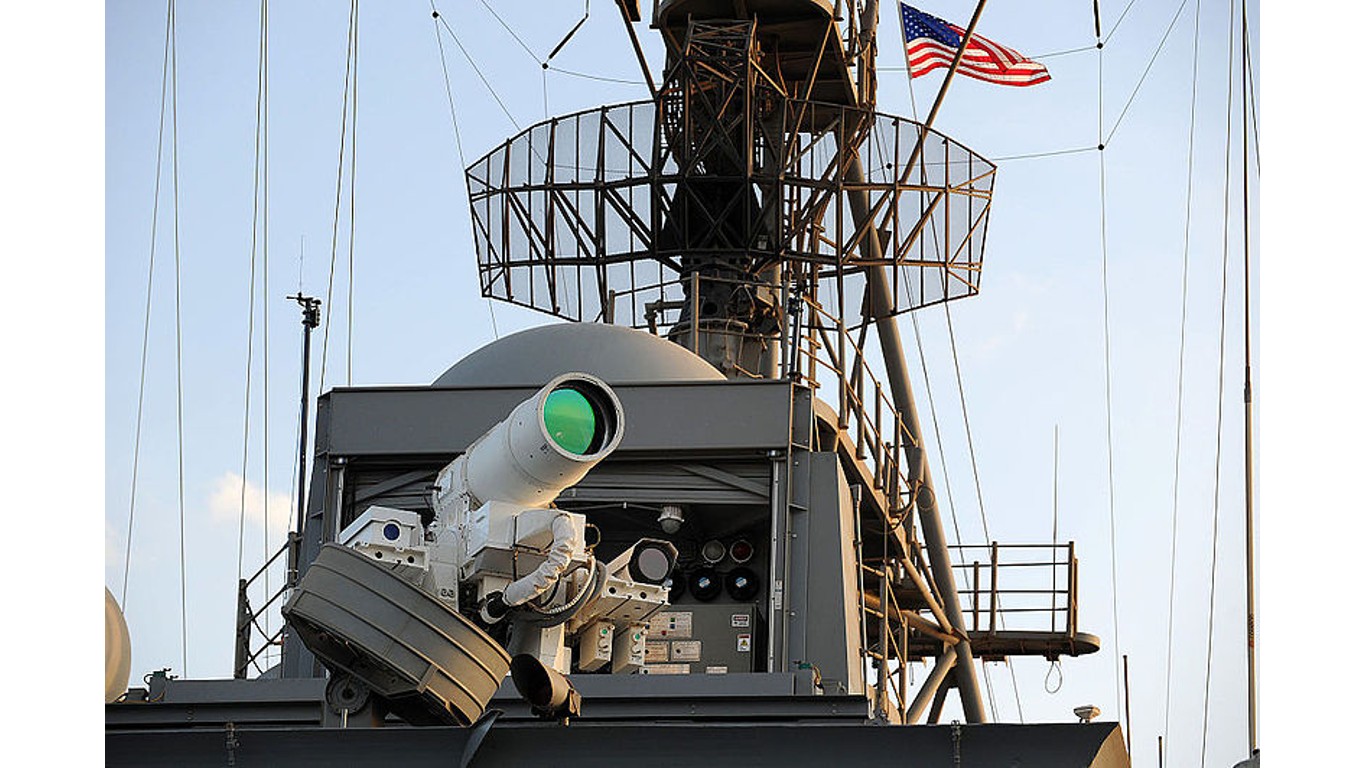
- Weapon type: Directed Energy
- Developer: US Navy/Army
- Year introduced or tested: 2010s
- Maximum yield or power output: High-energy laser
- Delivery method: Ship/ground
- Intended role: Air defense
- Why it was ‘too powerful’: Precision energy destruction
Laser weapon systems represent the cutting edge of directed energy technology, capable of engaging targets with precision at the speed of light. Their potential to intercept drones, missiles, and other threats makes them highly effective. However, their scalability and future applications raise questions about how warfare may evolve.








 Top Gaining Stocks
 Top Losing Stocks