


Throughout the Cold War, military planners on both sides of the Iron Curtain built weapons designed to deter the unthinkable. Yet several of those systems came dangerously close to coming active and doing the opposite. Missiles deployed near enemy territory, bombers loaded with nuclear weapons, and submarines patrolling the world’s oceans created moments where escalation could have spiraled out of control. In more than one crisis, these platforms helped push Washington and Moscow to the very edge of World War III.
To determine the weapons that nearly caused World War III, 24/7 Wall St. reviewed various historical and military sources. We included supplemental information for each entry regarding its country, when it was introduced, nuclear capability, and ultimately why it escalated tensions. Note that we have ordered these entries chronologically.
Here is a look at the weapons that nearly triggered World War III:
Why Are We Covering This?
Understanding the weapons that nearly triggered World War III helps explain just how fragile the balance of power was during the Cold War. For more than four decades, the United States and the Soviet Union built nuclear arsenals capable of destroying the planet, and many of the systems deployed during that time were positioned in ways that dramatically increased the risk of escalation. Missiles stationed close to enemy territory, bombers kept on constant alert, and submarines carrying nuclear warheads beneath the oceans created an environment where a single miscalculation could have had catastrophic consequences. By examining the weapons that played central roles in the most dangerous Cold War crises, it becomes easier to understand how technology, geography, and military strategy repeatedly pushed the world to the brink of global war.
The Cold War Was a Permanent Game of Nuclear Chicken
From the late 1940s until the collapse of the Soviet Union in 1991, the world lived under the shadow of nuclear war. The United States and the Soviet Union built massive arsenals capable of destroying civilization many times over. Deterrence was supposed to prevent war, but it also created a system where a misunderstanding, a technical error, or a sudden escalation could have pushed both sides into catastrophic conflict.
Some Weapons Preserved Deterrence While Others Created Panic

Not every Cold War weapon carried the same level of danger. Some systems were designed to maintain a strategic balance, while others caused intense fear because of where they were deployed or how quickly they could strike. Missiles that reduced warning times or threatened leadership targets were especially alarming, because they increased the risk that one miscalculation could spiral into nuclear war.
Geography Made These Weapons Even More Dangerous

Geography made many of these weapons far more dangerous than their specifications alone might suggest. Missiles stationed in Cuba, Turkey, Britain, or West Germany could reach enemy territory in minutes. Submarine-launched weapons patrolled silently beneath the oceans, while bombers sat on constant alert. During the Cold War, where a weapon was deployed often mattered just as much as how powerful it was.
The World Came Closer to Nuclear War Than Many Realize
Several Cold War crises pushed the superpowers dangerously close to nuclear conflict. Events such as the Cuban Missile Crisis, the Euromissile standoff of the 1980s, and a series of nuclear alert scares revealed just how fragile the balance of power could be. In some moments, leaders feared that a single mistaken launch warning or aggressive deployment could ignite a chain reaction that neither side could stop.
These Are the Weapons That Nearly Triggered World War III
The weapons on this list were not just powerful military systems. They were central actors in some of the most dangerous confrontations of the Cold War. From forward-deployed missiles to bombers kept on nuclear alert, these platforms shaped the moments when the world stood closest to World War III. Together, they reveal how technology, strategy, and fear combined to make the nuclear age one of the most precarious periods in human history.
B-52 Stratofortress
- Country or operator: United States
- Weapon type: Strategic Bomber
- Year introduced: 1955
- Nuclear capability: Nuclear bombs & missiles
- Range: ~8,800 mile range
- Key crisis or incident: Airborne nuclear alert programs
- Why it escalated tensions: Bombers were kept armed and airborne during crises
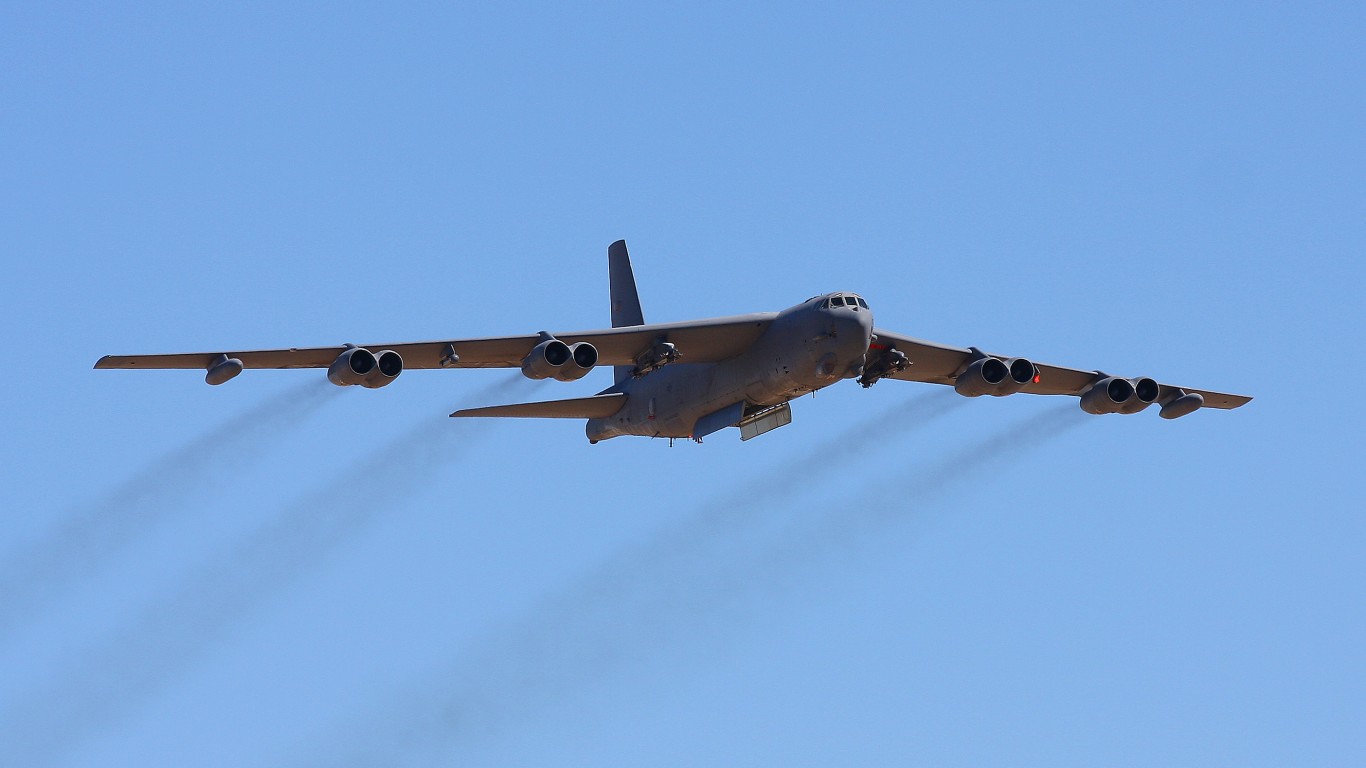
The B-52 Stratofortress was one of the most visible instruments of American nuclear pressure, especially when bombers were kept armed and airborne during periods of extreme tension. Its presence signaled readiness and resolve, but it also carried the risk of accident, misidentification, or unauthorized escalation. Few aircraft better capture how the Cold War relied on machines that were constantly poised for civilization-ending missions.
Tu-95 Bear
- Country or operator: Soviet Union
- Weapon type: Strategic Bomber
- Year introduced: 1956
- Nuclear capability: Nuclear bombs & cruise missiles
- Range: ~9,400 mile range
- Key crisis or incident: Cold War strategic patrols
- Why it escalated tensions: Long-range bomber capable of reaching North America
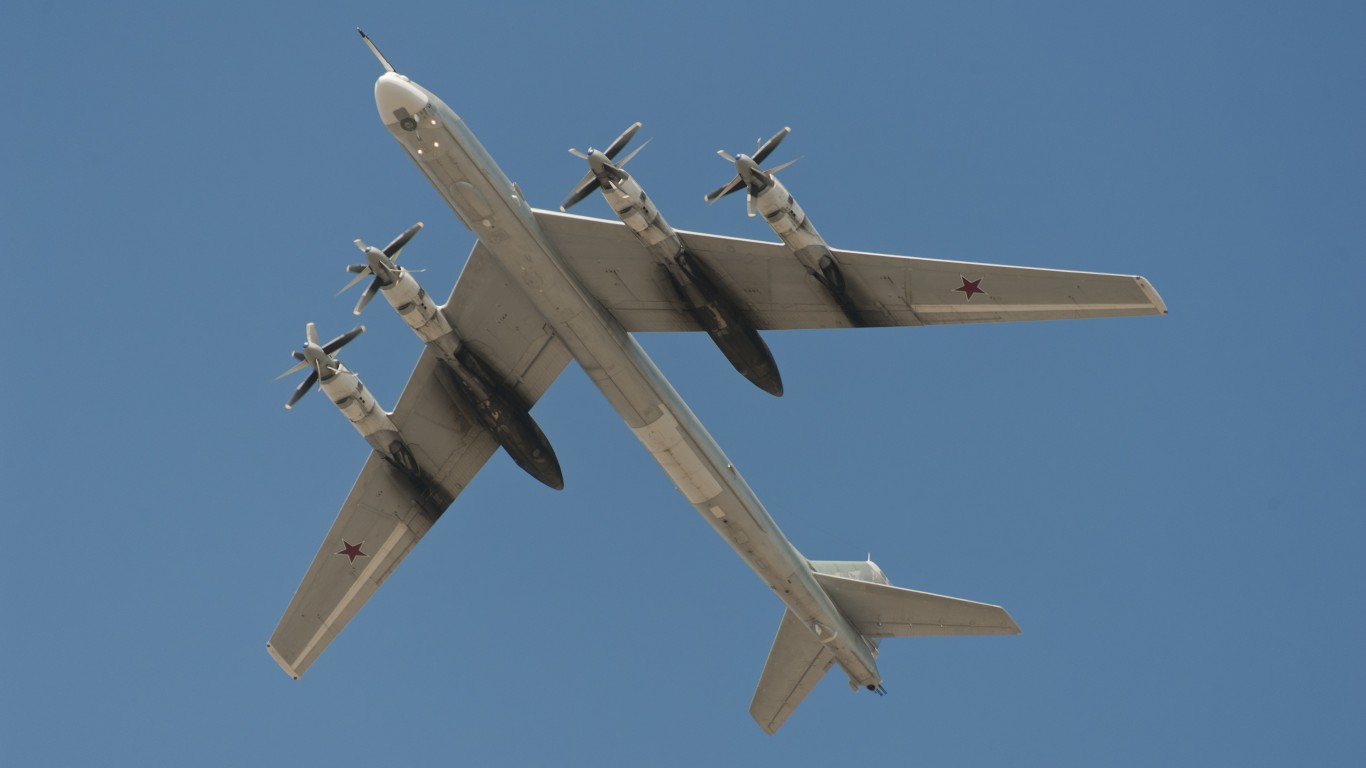
The Tu-95 Bear became one of the most recognizable symbols of Soviet strategic reach, combining long endurance with the ability to deliver nuclear weapons against distant targets. Its patrols kept NATO on edge and reinforced the reality that the Soviet Union could threaten North America directly. In crisis conditions, the Bear’s presence was never just military—it was a political signal with nuclear implications.
R-12 Dvina (SS-4 Sandal)
- Country or operator: Soviet Union
- Weapon type: IRBM
- Year introduced: 1959
- Nuclear capability: Single nuclear warhead
- Range: ~1,240 miles
- Key crisis or incident: Cuban Missile Crisis (1962)
- Why it escalated tensions: Deployment to Cuba put U.S. cities within immediate nuclear range
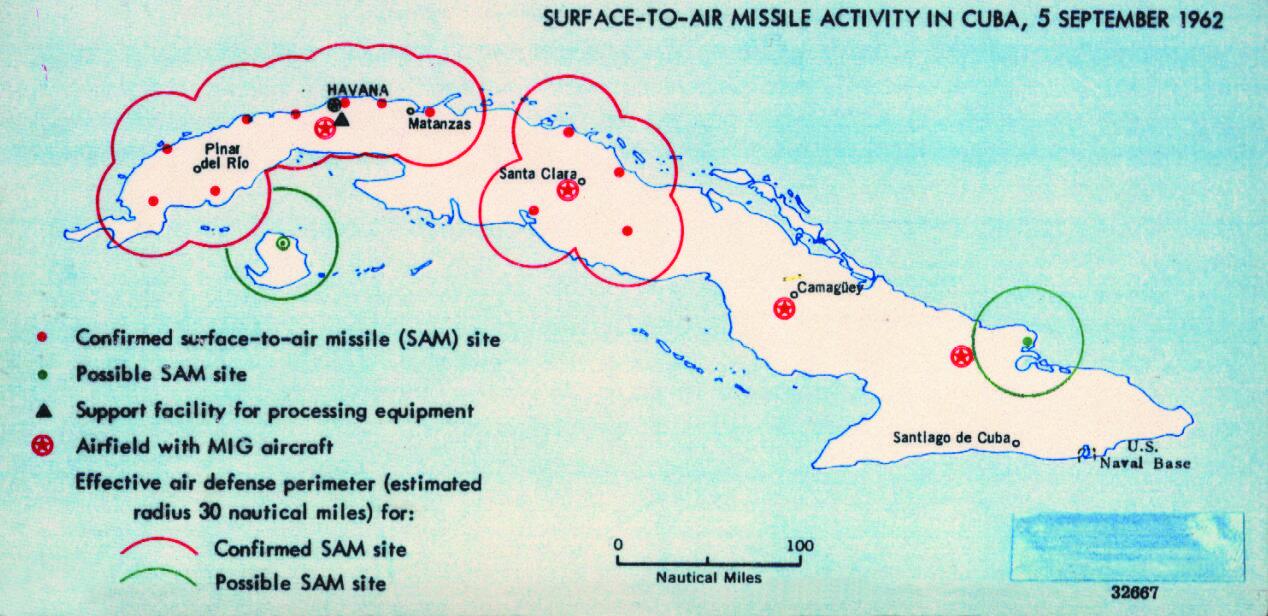
The R-12 Dvina was the missile that turned the Cuban Missile Crisis into the most dangerous standoff of the Cold War. Once the Soviet Union began placing these nuclear-armed missiles in Cuba, much of the eastern United States fell within striking range. Their presence compressed decision-making, raised the risk of miscalculation, and brought Washington and Moscow to the edge of nuclear war.
PGM-19 Jupiter
- Country or operator: United States
- Weapon type: IRBM
- Year introduced: 1959
- Nuclear capability: Single nuclear warhead
- Range: ~1,500 miles
- Key crisis or incident: Cuban Missile Crisis (1962)
- Why it escalated tensions: U.S. missiles in Turkey heightened Soviet security fears
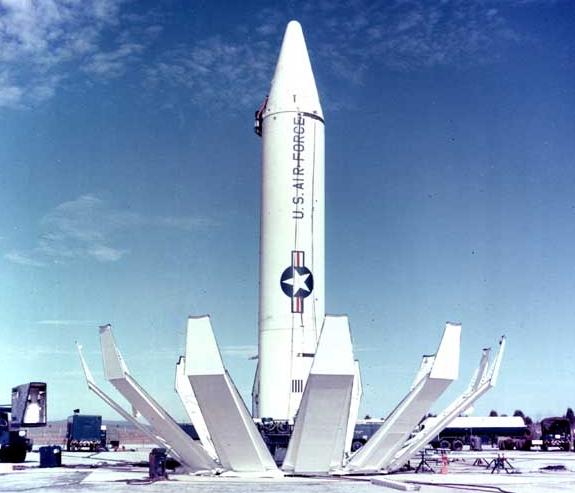
The Jupiter missile became one of the most politically explosive weapons of the early Cold War because U.S. deployments in Turkey placed nuclear warheads close to Soviet territory. Moscow viewed the system as a direct threat to its security and strategic depth. That pressure helped set the stage for the Soviet decision to deploy missiles to Cuba, linking Jupiter directly to the road toward nuclear confrontation.
PGM-17 Thor
- Country or operator: United States
- Weapon type: IRBM
- Year introduced: 1959
- Nuclear capability: Single nuclear warhead
- Range: ~1,500 miles
- Key crisis or incident: UK Nuclear Deployment (1960s)
- Why it escalated tensions: Forward deployment placed Soviet territory minutes from attack
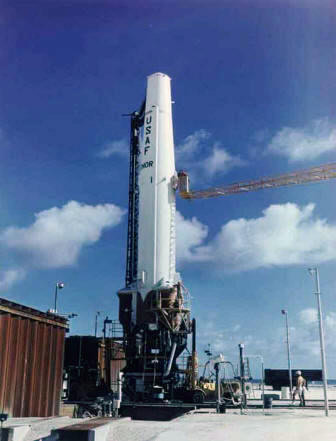
The Thor missile was part of the early Western effort to surround the Soviet Union with forward-deployed nuclear systems. Based in Britain, it reduced warning times and reinforced Soviet fears that NATO was building the capacity for a rapid strike. Even if it was soon overshadowed by newer systems, Thor represented the kind of deployment pattern that made Cold War escalation more dangerous.
R-7 Semyorka (SS-6 Sapwood)
- Country or operator: Soviet Union
- Weapon type: ICBM
- Year introduced: 1959
- Nuclear capability: Nuclear warhead
- Range: Intercontinental (~5,000+ miles)
- Key crisis or incident: Early Cold War ICBM race
- Why it escalated tensions: First missile capable of striking the continental U.S.
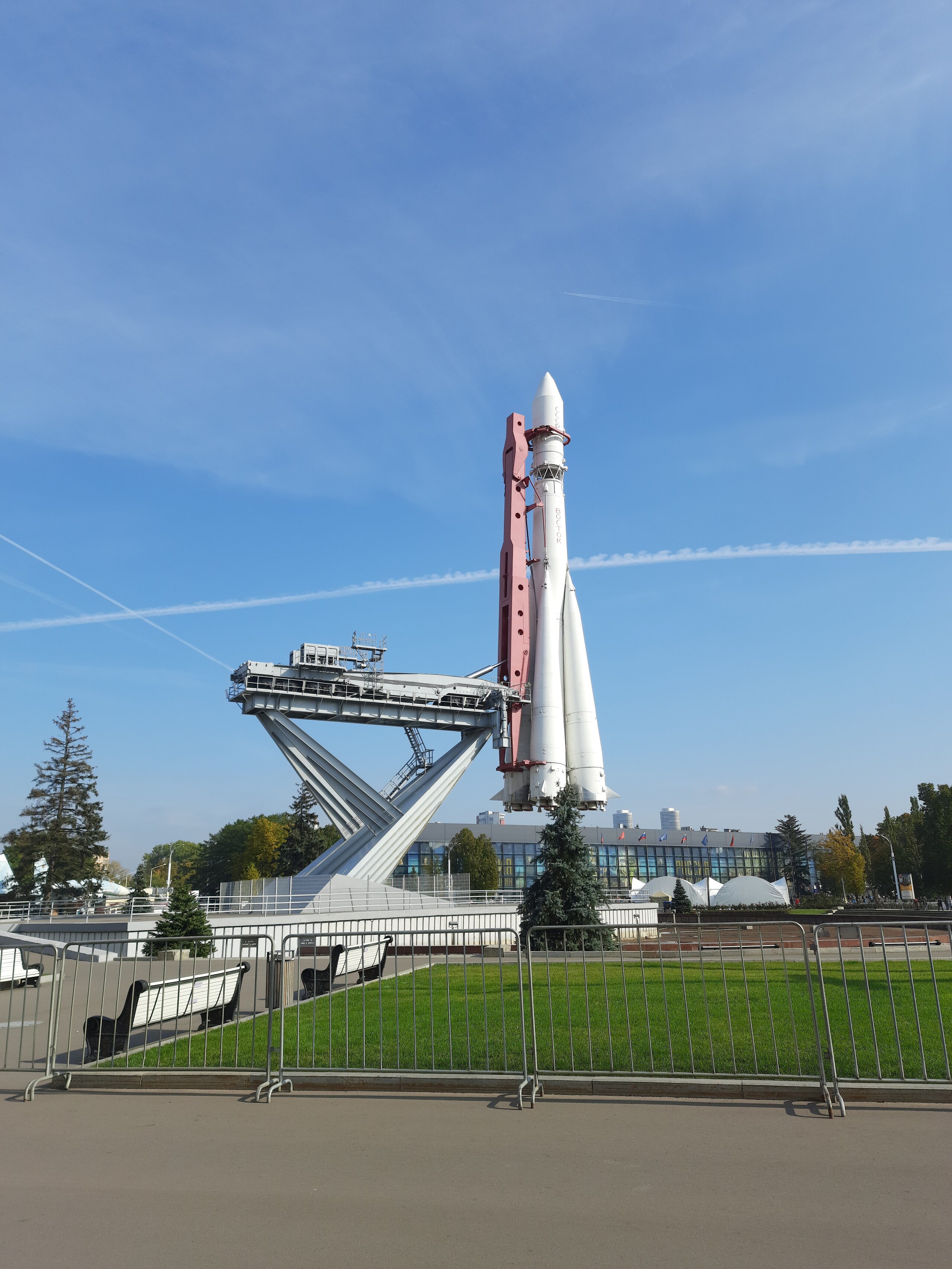
The R-7 Semyorka marked the moment when the Soviet Union gained the ability to strike the United States with an intercontinental ballistic missile. More than just a technical achievement, it shattered assumptions about geographic safety and helped launch the most dangerous phase of the nuclear arms race. Its existence forced Washington to think in terms of immediate vulnerability and constant strategic readiness.
UGM-27 Polaris
- Country or operator: United States
- Weapon type: SLBM
- Year introduced: 1960
- Nuclear capability: Nuclear warhead
- Range: ~2,800 miles
- Key crisis or incident: Submarine deterrence expansion
- Why it escalated tensions: First reliable sea-based nuclear deterrent
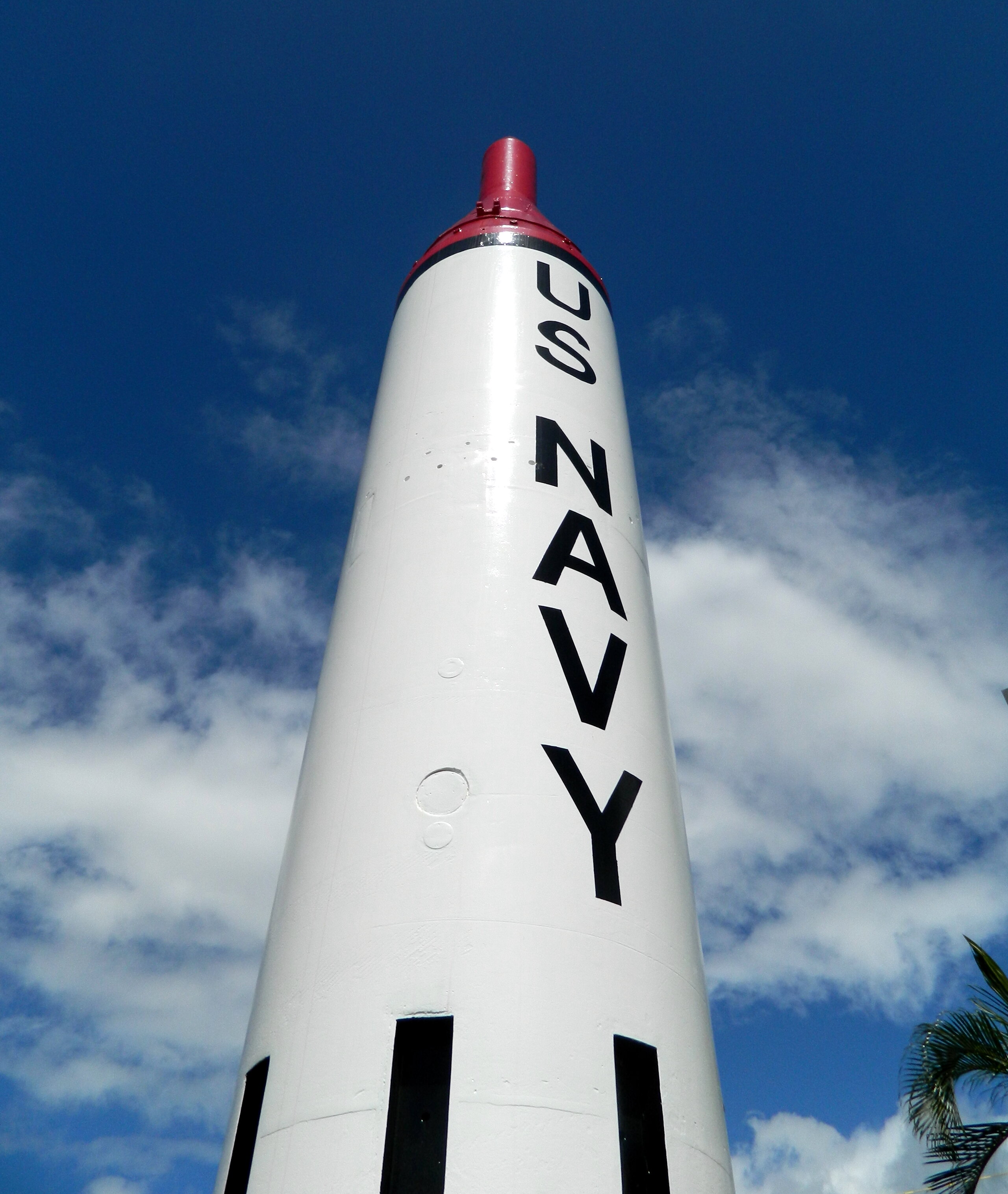
Polaris revolutionized nuclear deterrence by moving U.S. retaliatory power beneath the sea, where it was far harder to destroy in a surprise attack. That made the system central to second-strike stability, but it also deepened the overall nuclear competition with the Soviet Union. As both sides sought survivable arsenals, Polaris helped lock the superpowers into a permanent, globe-spanning balance of terror.
B-58 Hustler
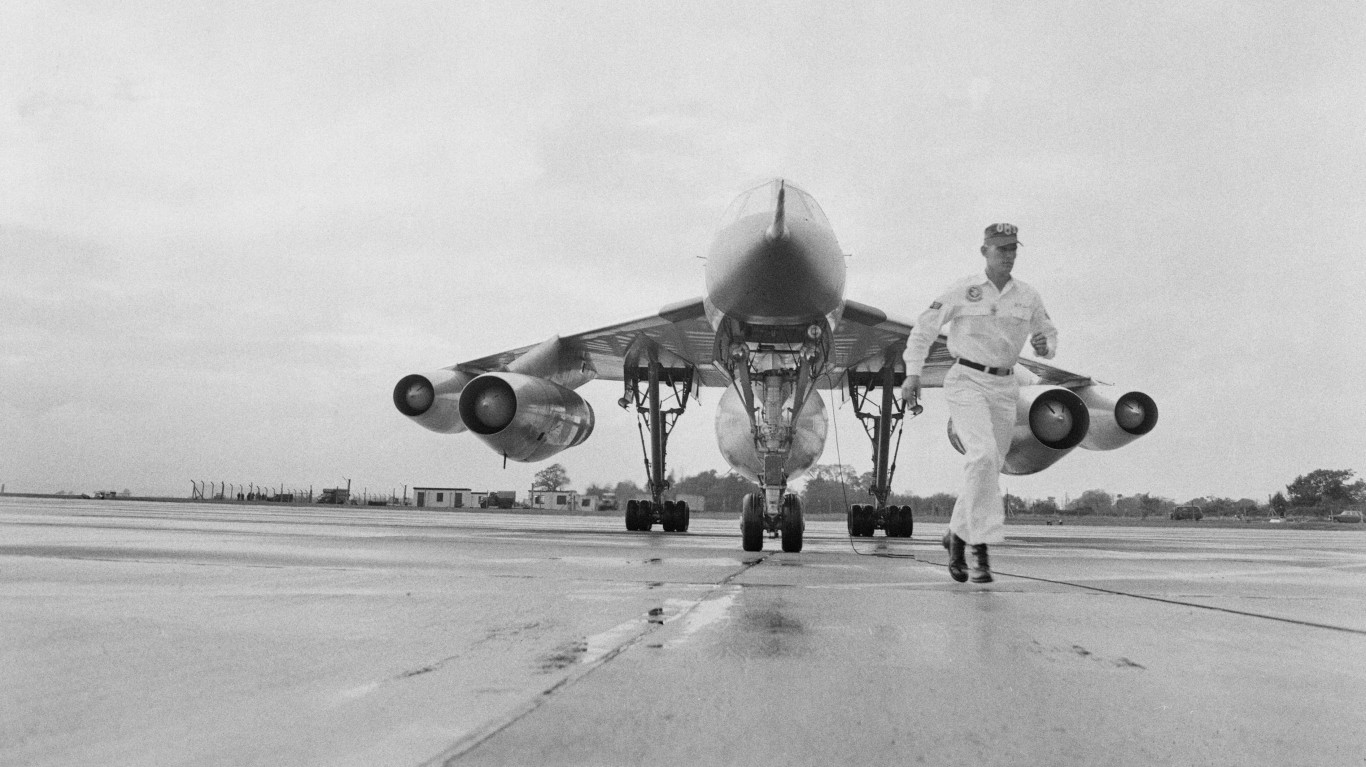
- Country or operator: United States
- Weapon type: Strategic Bomber
- Year introduced: 1960
- Nuclear capability: Nuclear bomb
- Range: ~4,400 mile range
- Key crisis or incident: Cold War bomber penetration strategy
- Why it escalated tensions: Supersonic speed aimed to bypass Soviet air defenses
The B-58 Hustler embodied the belief that speed could preserve strategic deterrence by allowing a nuclear bomber to outrun or evade Soviet defenses. Its supersonic performance made it a serious penetration platform during a tense period in the arms race. Even so, the aircraft’s real significance was psychological: it showed that both sides were racing to maintain credible first-strike and retaliation options under mounting pressure.
P-15 Termit (SS-N-2 Styx)
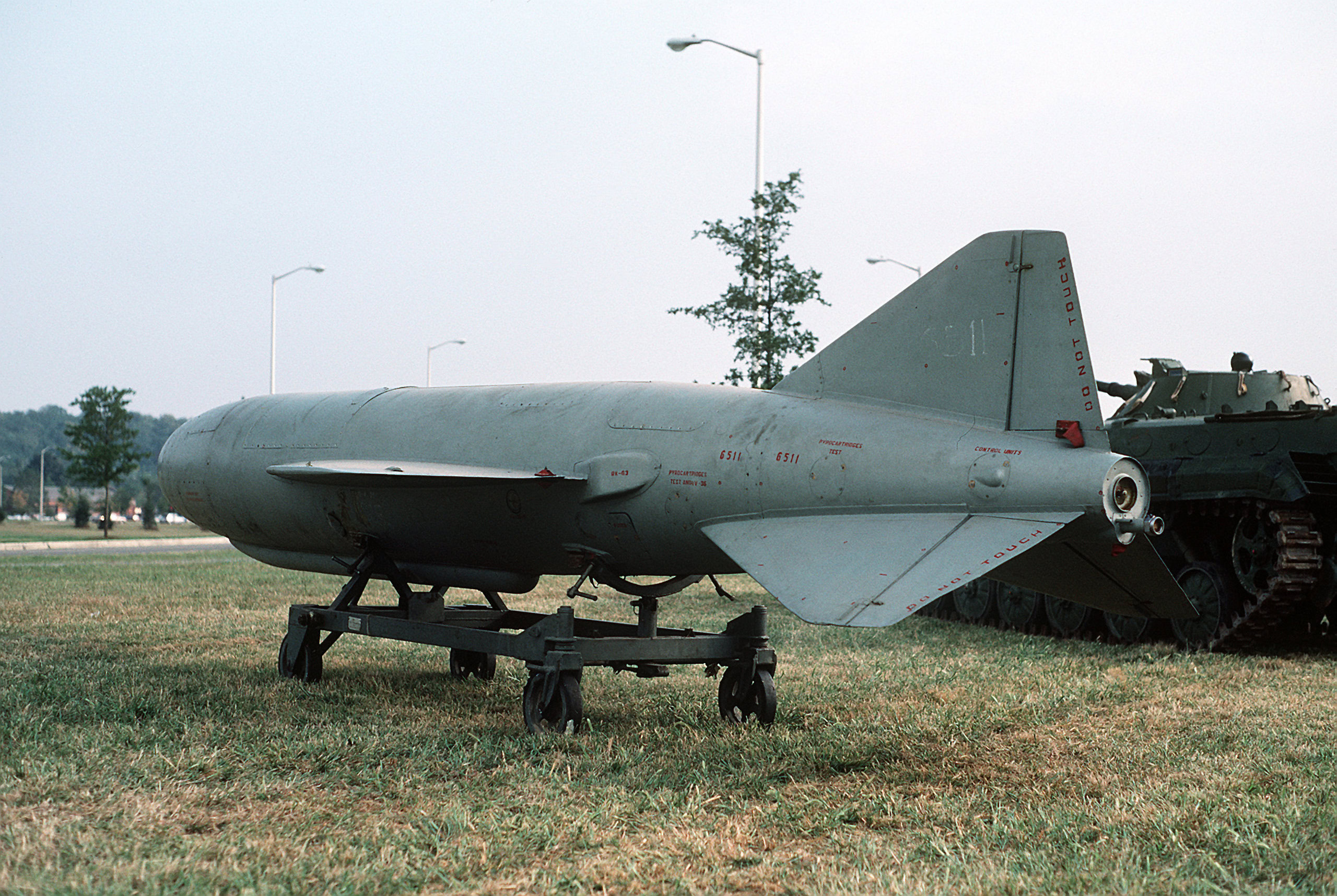
- Country or operator: Soviet Union
- Weapon type: Anti-ship Missile
- Year introduced: 1960
- Nuclear capability: Conventional or nuclear capable
- Range: ~25 miles
- Key crisis or incident: Cold War naval confrontation risk
- Why it escalated tensions: Threatened NATO fleets operating near Soviet waters
The P-15 Termit may be best known as an anti-ship missile, but its broader significance was how it increased the vulnerability of surface fleets during tense naval encounters. In a Cold War crisis, a missile like this could rapidly turn a localized maritime clash into a broader confrontation. Its potential nuclear capability only sharpened concerns over escalation in crowded, heavily armed waters.
AGM-28 Hound Dog
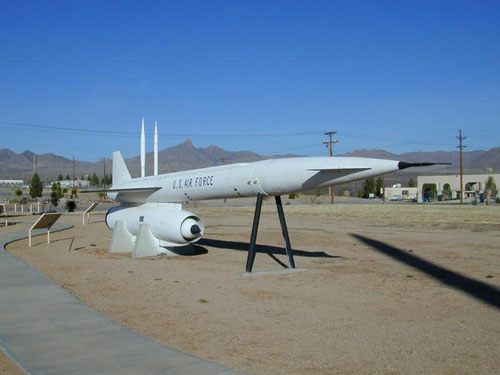
- Country or operator: United States
- Weapon type: Air-launched Cruise Missile
- Year introduced: 1960
- Nuclear capability: Nuclear warhead
- Range: ~700 miles
- Key crisis or incident: Strategic bomber strike planning
- Why it escalated tensions: Extended B‑52 nuclear strike reach
The AGM-28 Hound Dog extended the B-52’s reach by allowing the bomber to launch a nuclear strike without flying directly over the heaviest air defenses. That increased the flexibility and survivability of America’s bomber force at a critical point in the Cold War. It also underscored how both superpowers were layering delivery systems in ways that made warning, interception, and crisis control harder.
R-14 Chusovaya (SS-5 Skean)
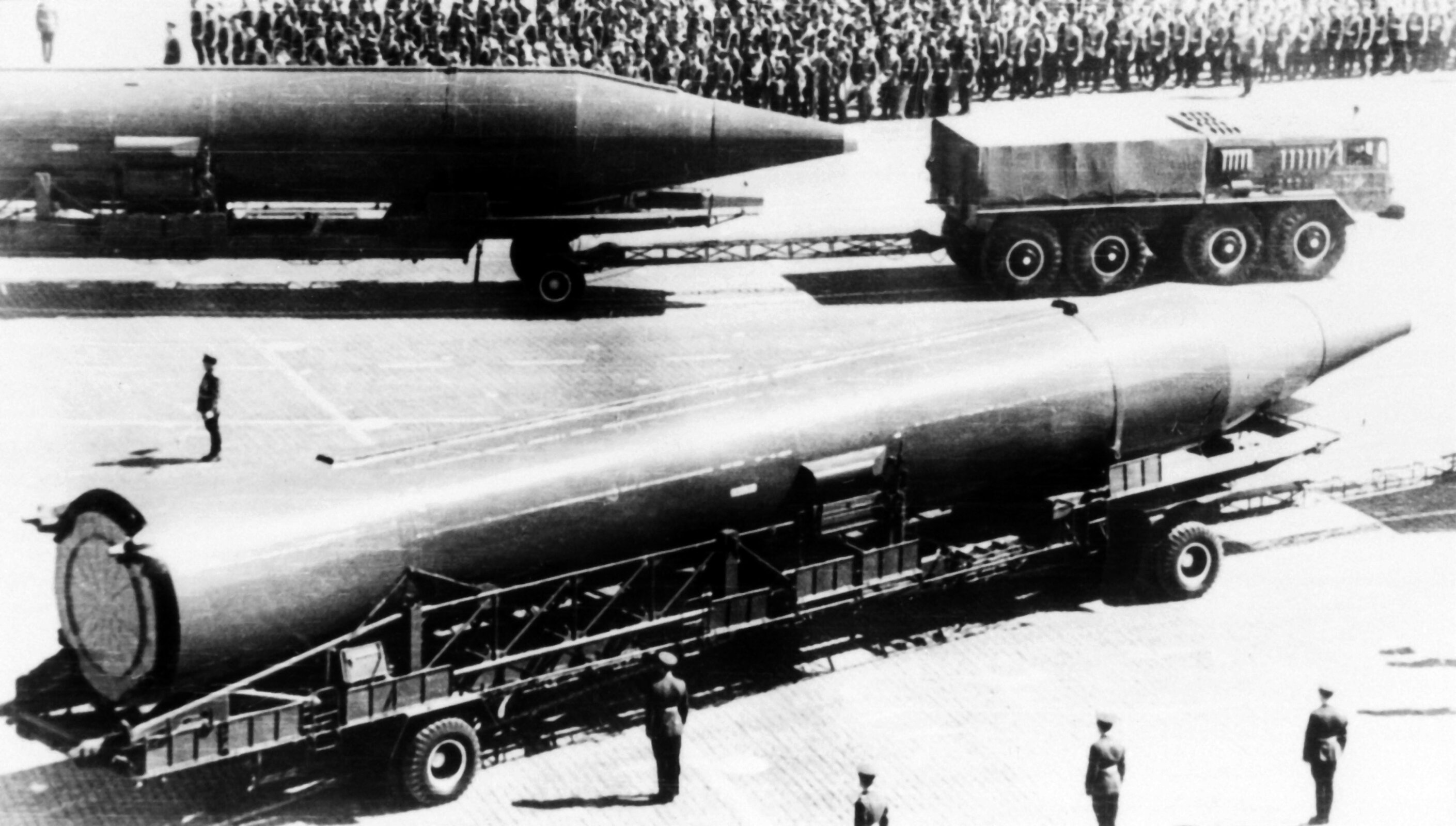
- Country or operator: Soviet Union
- Weapon type: IRBM
- Year introduced: 1961
- Nuclear capability: Single nuclear warhead
- Range: ~2,300 miles
- Key crisis or incident: Cuban Missile Crisis (1962)
- Why it escalated tensions: Extended Soviet nuclear strike reach across much of North America
The R-14 Chusovaya expanded the danger of the Cuban Missile Crisis by offering the Soviet Union a longer-range nuclear option from the Caribbean. Had these missiles become fully operational in Cuba, they would have widened the strike envelope against North America and deepened U.S. fears of a sudden nuclear attack. Their deployment helped convince American leaders that the crisis could not be allowed to stand.
Davy Crockett Nuclear Recoilless Rifle
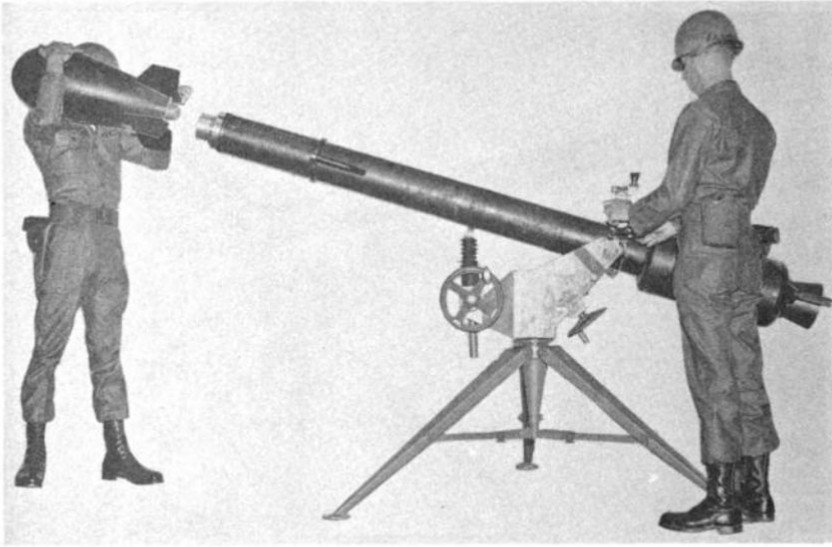
- Country or operator: United States
- Weapon type: Tactical Nuclear Weapon
- Year introduced: 1961
- Nuclear capability: Tactical nuclear warhead
- Range: ~2.5 miles
- Key crisis or incident: Cold War battlefield nuclear planning
- Why it escalated tensions: Extremely small nuclear weapon deployed in Europe
The Davy Crockett was a remarkably small battlefield nuclear weapon, but that only made it more unsettling. By giving frontline units access to an atomic warhead, it lowered the threshold at which nuclear use could enter a European war. In practical terms, the system captured one of the Cold War’s most dangerous ideas: that nuclear conflict might begin not with ICBMs, but on the battlefield.
W48 Nuclear Artillery Shell
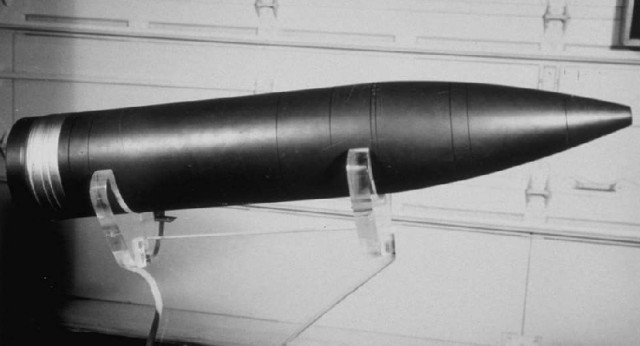
- Country or operator: United States
- Weapon type: Nuclear Artillery
- Year introduced: 1963
- Nuclear capability: Tactical nuclear warhead
- Range: ~10 miles
- Key crisis or incident: European battlefield nuclear strategy
- Why it escalated tensions: Designed for use against advancing Soviet forces
The W48 nuclear artillery shell showed just how far Cold War planners were willing to push atomic warfare into conventional combat. Fired from a 155mm howitzer, it brought nuclear use down to the level of field artillery. That made it inherently destabilizing, because it suggested that commanders might consider nuclear strikes as part of battlefield problem-solving rather than as a last-resort strategic decision.
9K72 Elbrus (Scud-B)
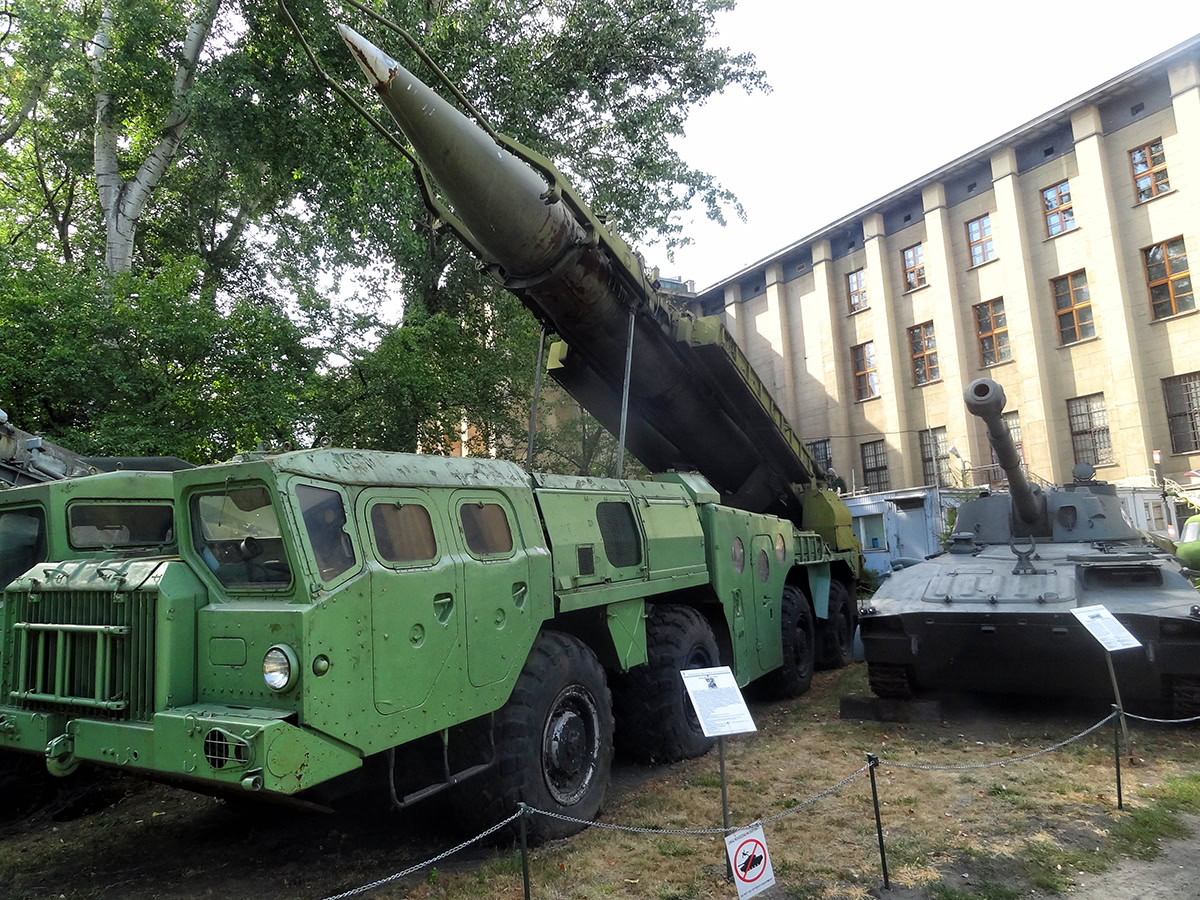
- Country or operator: Soviet Union
- Weapon type: SRBM
- Year introduced: 1964
- Nuclear capability: Nuclear or conventional
- Range: ~190 miles
- Key crisis or incident: Cold War regional missile proliferation
- Why it escalated tensions: Widely deployed missile capable of nuclear payloads
The Scud-B was not as strategically important as superpower ICBMs, but it represented the spread of nuclear-capable missile technology into regional arsenals aligned with Soviet interests. That mattered because Cold War crises were not limited to Washington and Moscow alone. A missile like the Scud introduced the risk that local wars, proxy conflicts, or allied miscalculations could pull the superpowers toward a larger confrontation.
UR-100 (SS-11 Sego)
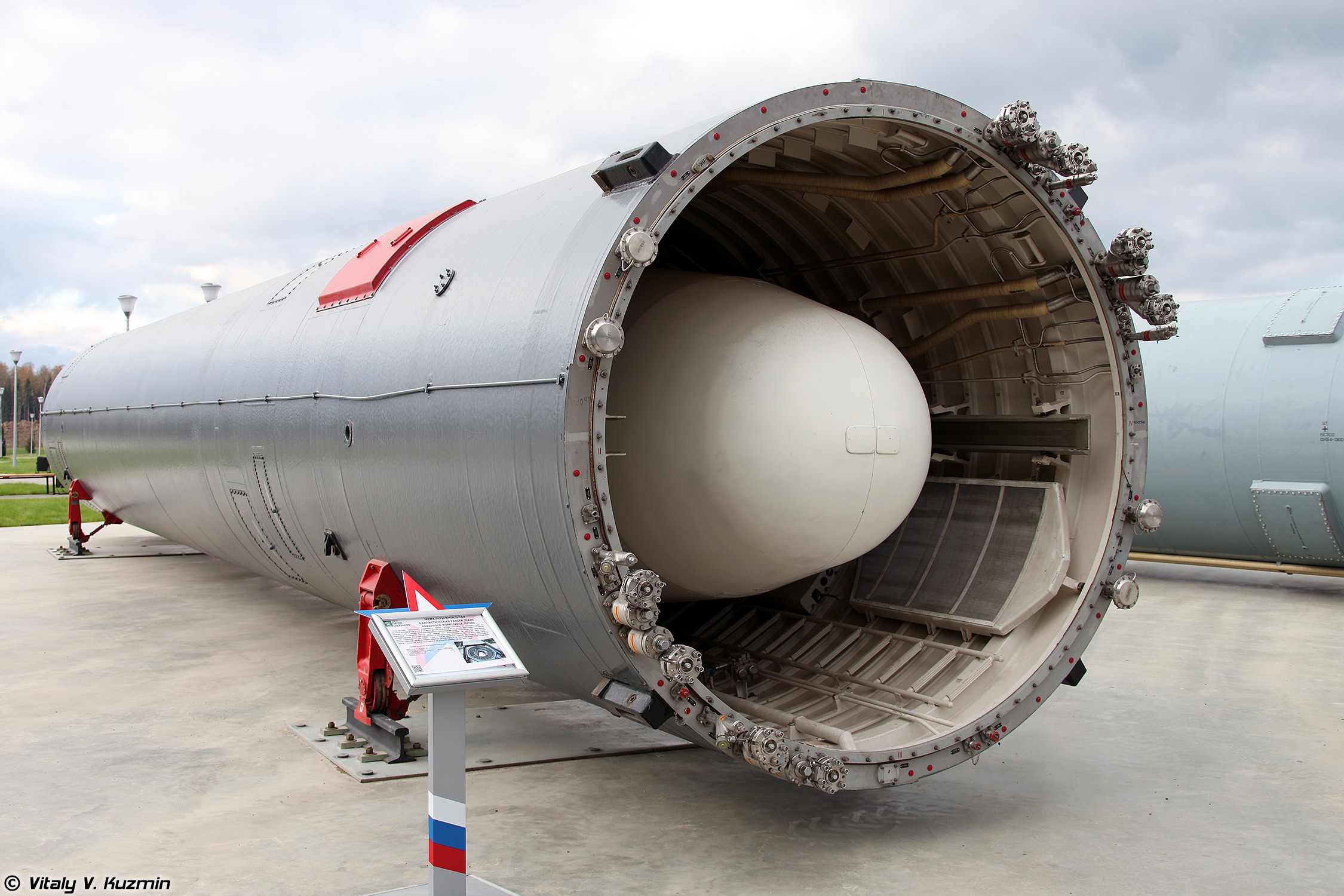
- Country or operator: Soviet Union
- Weapon type: ICBM
- Year introduced: 1967
- Nuclear capability: Nuclear warhead
- Range: Intercontinental (~6,600 miles)
- Key crisis or incident: Soviet ICBM expansion
- Why it escalated tensions: Large numbers helped the USSR reach nuclear parity
The UR-100 helped the Soviet Union build a massive ICBM force in numbers large enough to challenge the United States directly. While it lacked the mystique of heavier missiles, its real danger came from scale. By contributing to nuclear parity, it intensified arms competition and made both superpowers more sensitive to any shift in perceived advantage, raising the pressure in every major Cold War confrontation.
B61 Nuclear Bomb

- Country or operator: United States / NATO
- Weapon type: Tactical Nuclear Bomb
- Year introduced: 1968
- Nuclear capability: Variable-yield nuclear
- Range: Aircraft delivered
- Key crisis or incident: NATO nuclear sharing policy
- Why it escalated tensions: Widely deployed in Europe during Cold War
The B61 became one of NATO’s most flexible tactical nuclear weapons, capable of being delivered by a range of aircraft and adapted to different missions. Its widespread deployment in Europe kept nuclear options close to the front line of any East-West conflict. That flexibility enhanced deterrence, but it also preserved the possibility that a regional war could escalate quickly into a broader nuclear exchange.
R-27 Zyb (SS-N-6 Serb)
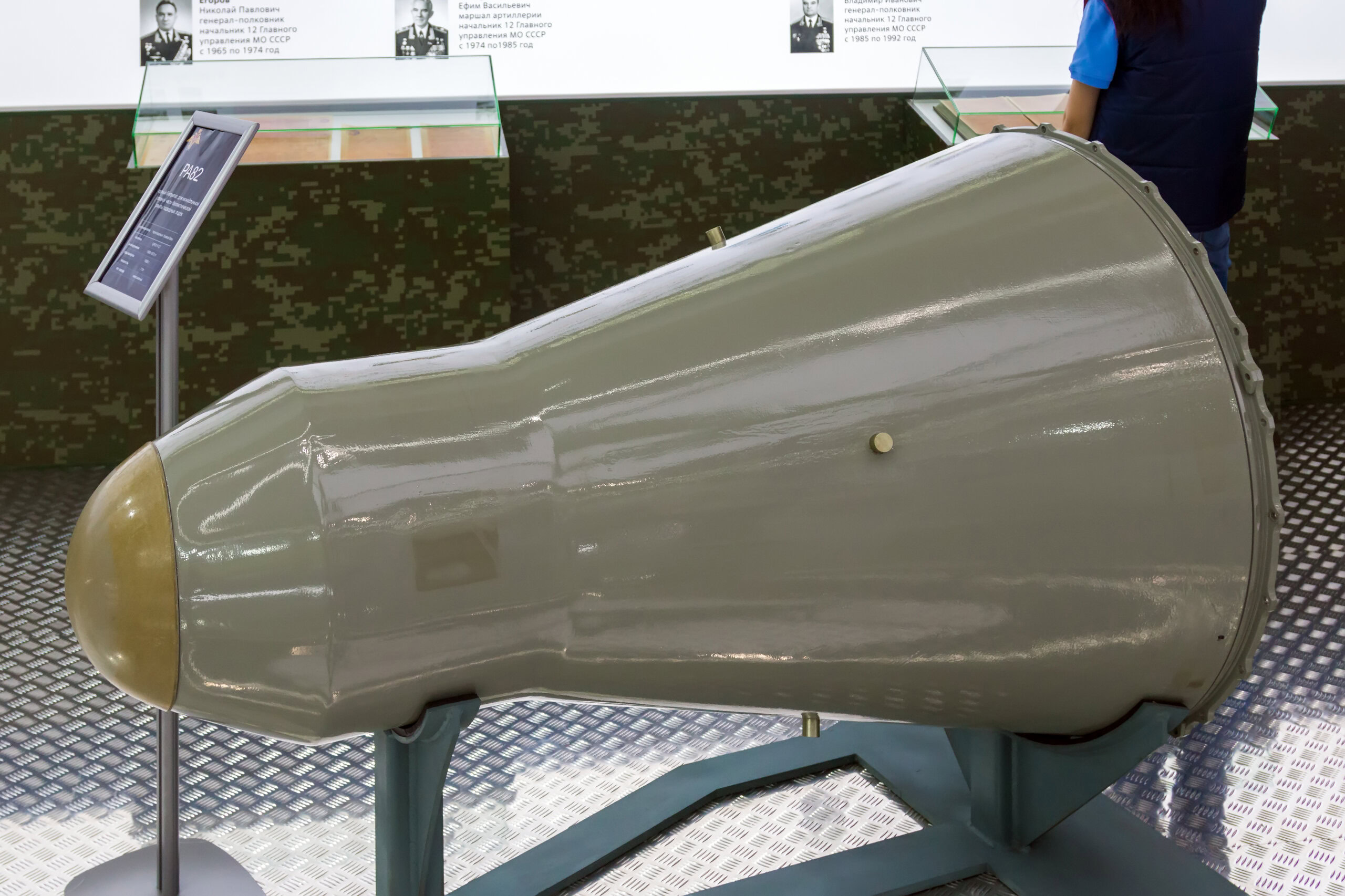
- Country or operator: Soviet Union
- Weapon type: SLBM
- Year introduced: 1968
- Nuclear capability: Nuclear warhead
- Range: ~1,600 miles
- Key crisis or incident: Strategic submarine deterrence
- Why it escalated tensions: Enabled Soviet ballistic missile submarines to patrol closer to U.S.
The R-27 Zyb helped expand the Soviet Union’s sea-based nuclear deterrent by giving Yankee-class submarines a more credible ballistic missile capability. That mattered because it pushed the Soviet strategic fleet closer to parity with the U.S. Navy’s undersea deterrent. As both powers strengthened their submarine forces, the chance of misunderstanding, tracking contests, and nuclear brinkmanship at sea grew more serious.
LGM-30 Minuteman III
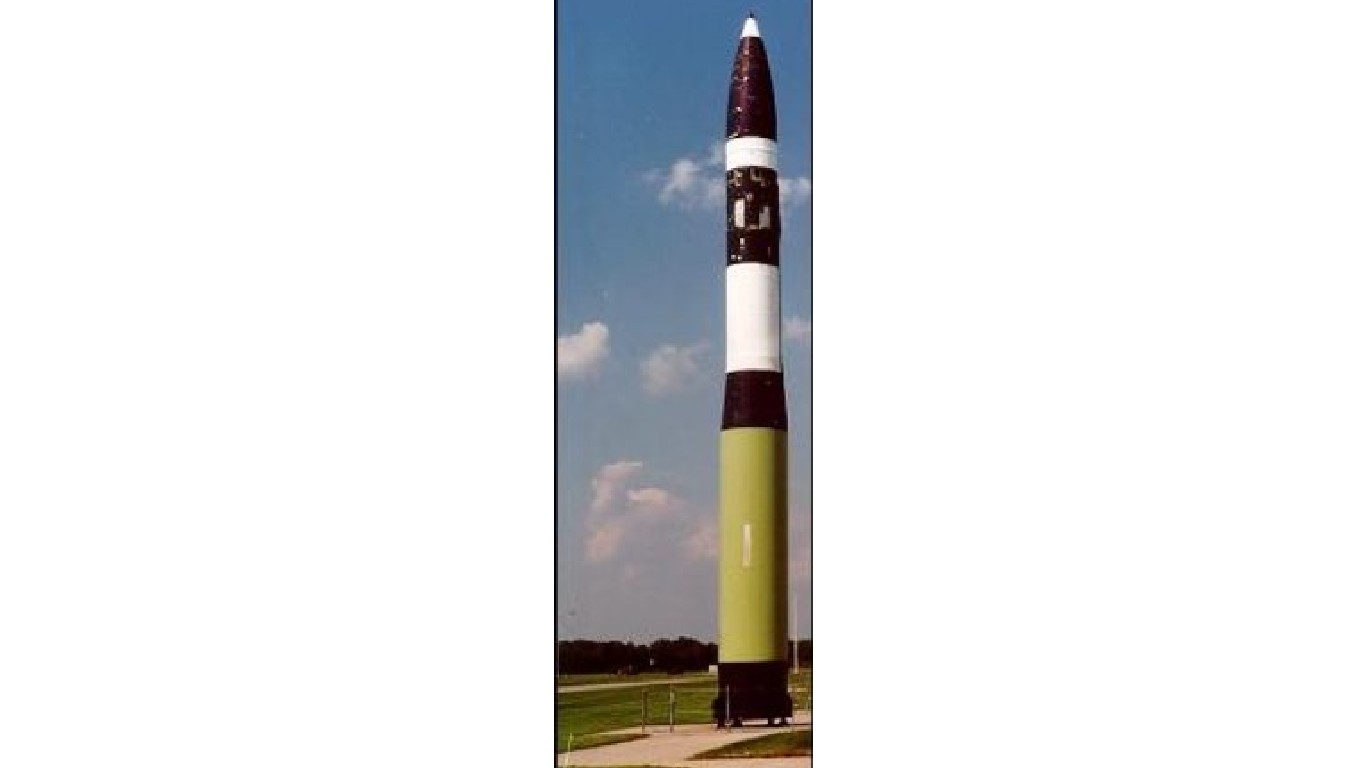
- Country or operator: United States
- Weapon type: ICBM
- Year introduced: 1970
- Nuclear capability: MIRV nuclear
- Range: Intercontinental (~8,700 miles)
- Key crisis or incident: Cold War nuclear alert posture
- Why it escalated tensions: Large ready arsenal ensured rapid retaliation capability
Minuteman III became the backbone of the U.S. land-based nuclear deterrent, giving Washington a large, dispersed missile force that could respond within minutes. That ready-alert posture strengthened deterrence, but it also meant any false warning or misread signal carried enormous stakes. In a crisis, the speed and scale of the system made it a stabilizer in theory and a terrifying escalation engine in practice.
UGM-73 Poseidon C-3
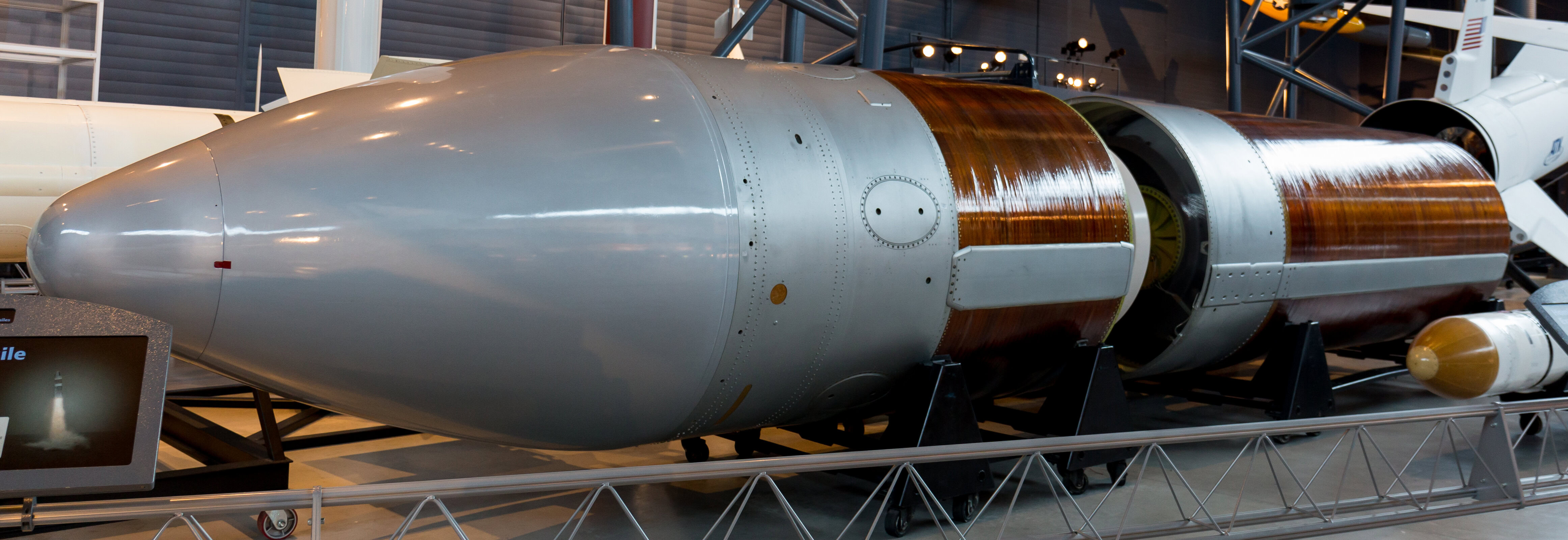
- Country or operator: United States
- Weapon type: SLBM
- Year introduced: 1971
- Nuclear capability: MIRV nuclear
- Range: ~2,800 miles
- Key crisis or incident: Cold War nuclear modernization
- Why it escalated tensions: Multiple warheads increased destructive potential
Poseidon C-3 increased the destructive power of the U.S. submarine fleet by allowing a single missile to carry multiple independently targetable warheads. That leap in capability mattered because it magnified the scale of retaliation available from hidden platforms at sea. In a crisis, Poseidon reinforced deterrence, but it also underscored how quickly any superpower conflict could escalate into an overwhelming nuclear exchange.
Tu-22M Backfire
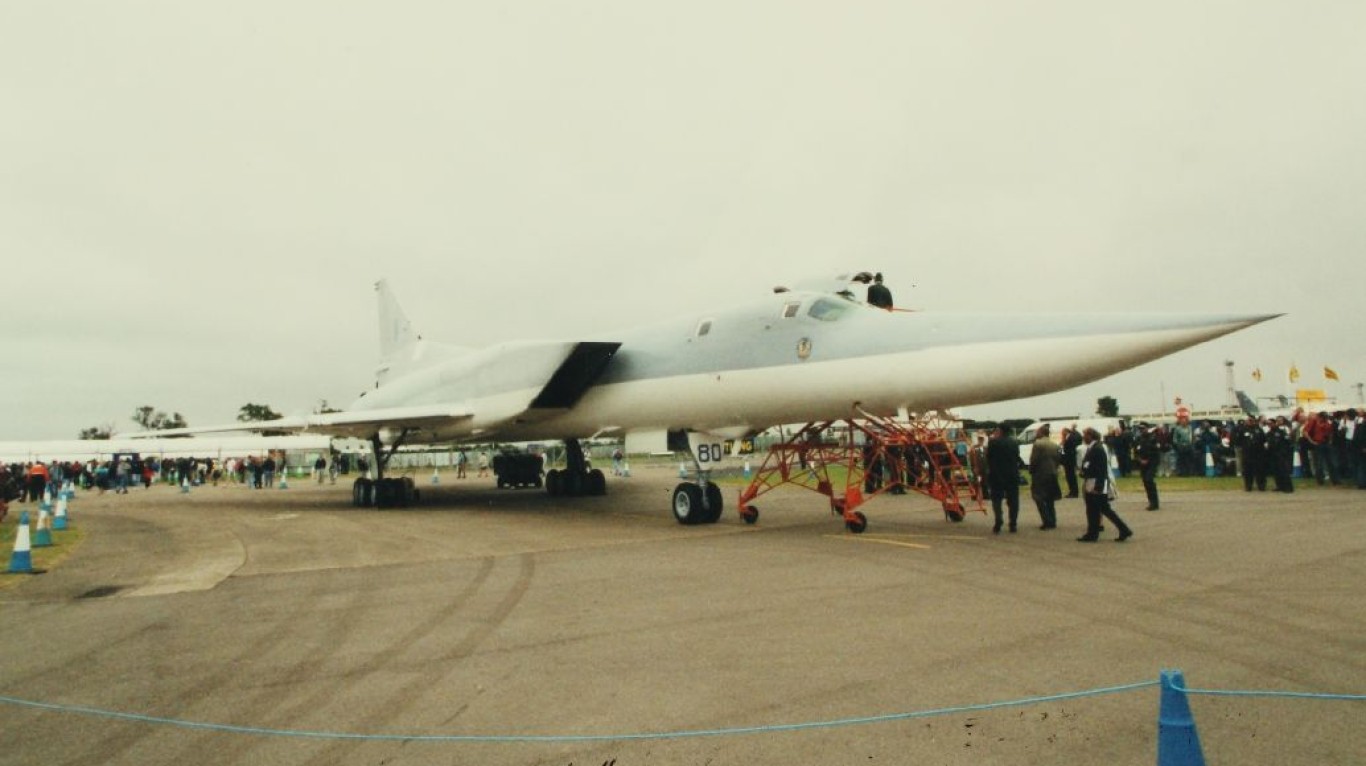
- Country or operator: Soviet Union
- Weapon type: Strategic Bomber
- Year introduced: 1972
- Nuclear capability: Nuclear missiles/bombs
- Range: ~4,000 mile range
- Key crisis or incident: Late Cold War escalation fears
- Why it escalated tensions: Threatened NATO fleets and European bases
The Tu-22M Backfire worried NATO because it appeared to blur the line between regional and strategic nuclear warfare. With the ability to threaten naval forces, bases, and rear areas, it gave the Soviet Union a flexible strike platform that could complicate escalation control in Europe. Western fears over its role reflected a broader concern that any conventional clash might rapidly spill into nuclear exchange.
R-29 Vysota (SS-N-8 Sawfly)
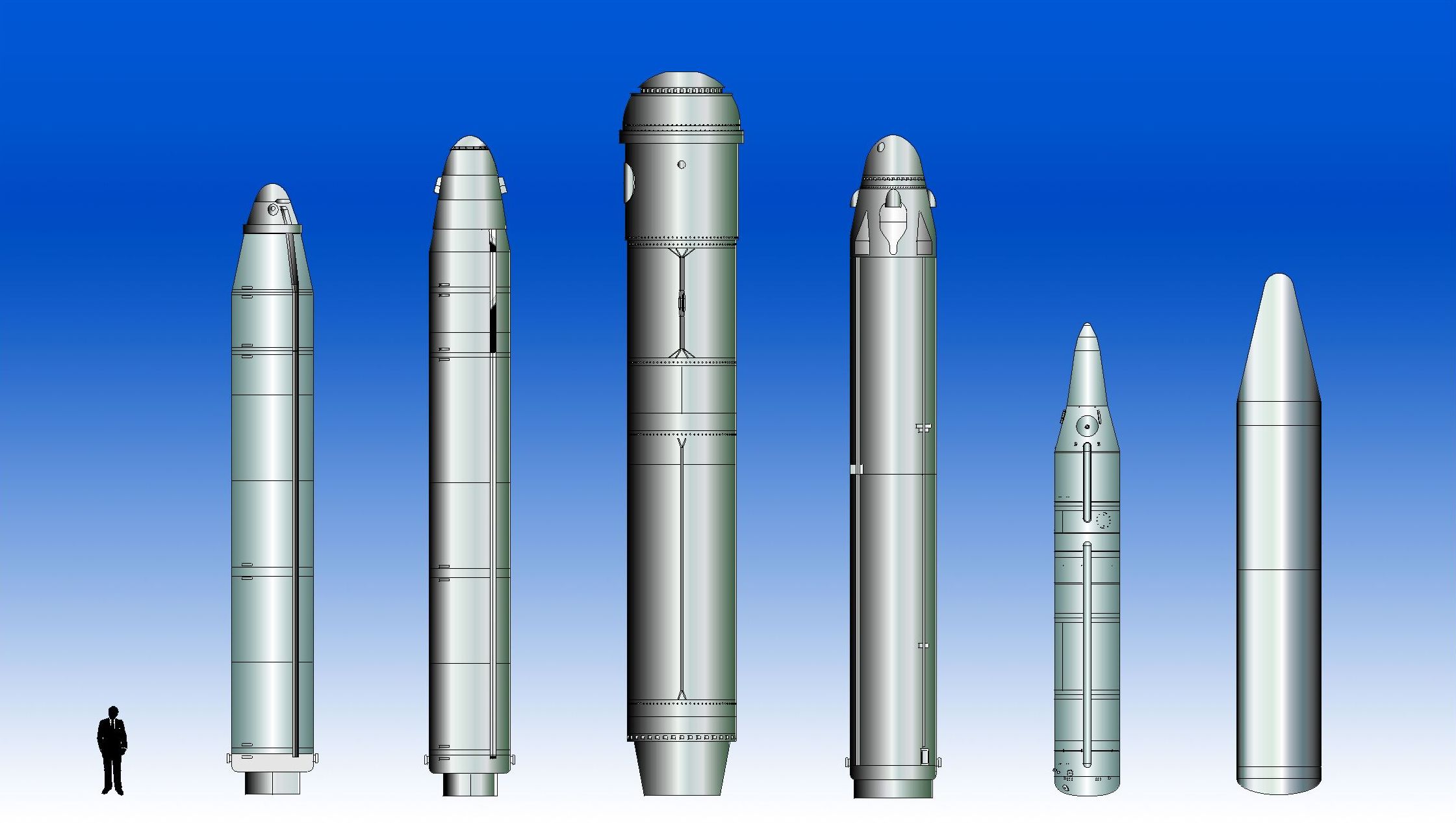
- Country or operator: Soviet Union
- Weapon type: SLBM
- Year introduced: 1974
- Nuclear capability: Nuclear warhead
- Range: ~4,800 miles
- Key crisis or incident: Soviet submarine deterrence expansion
- Why it escalated tensions: Allowed Soviet submarines to strike from safer patrol zones
The R-29 gave Soviet ballistic missile submarines the ability to patrol farther from hostile waters while still threatening major targets. That increased the survivability of the Soviet sea-based deterrent and narrowed a gap the United States had long exploited. In strategic terms, it strengthened Moscow’s confidence during crises, but it also made the superpower standoff even more durable, complex, and difficult to unwind.
R-36 (SS-18 Satan)
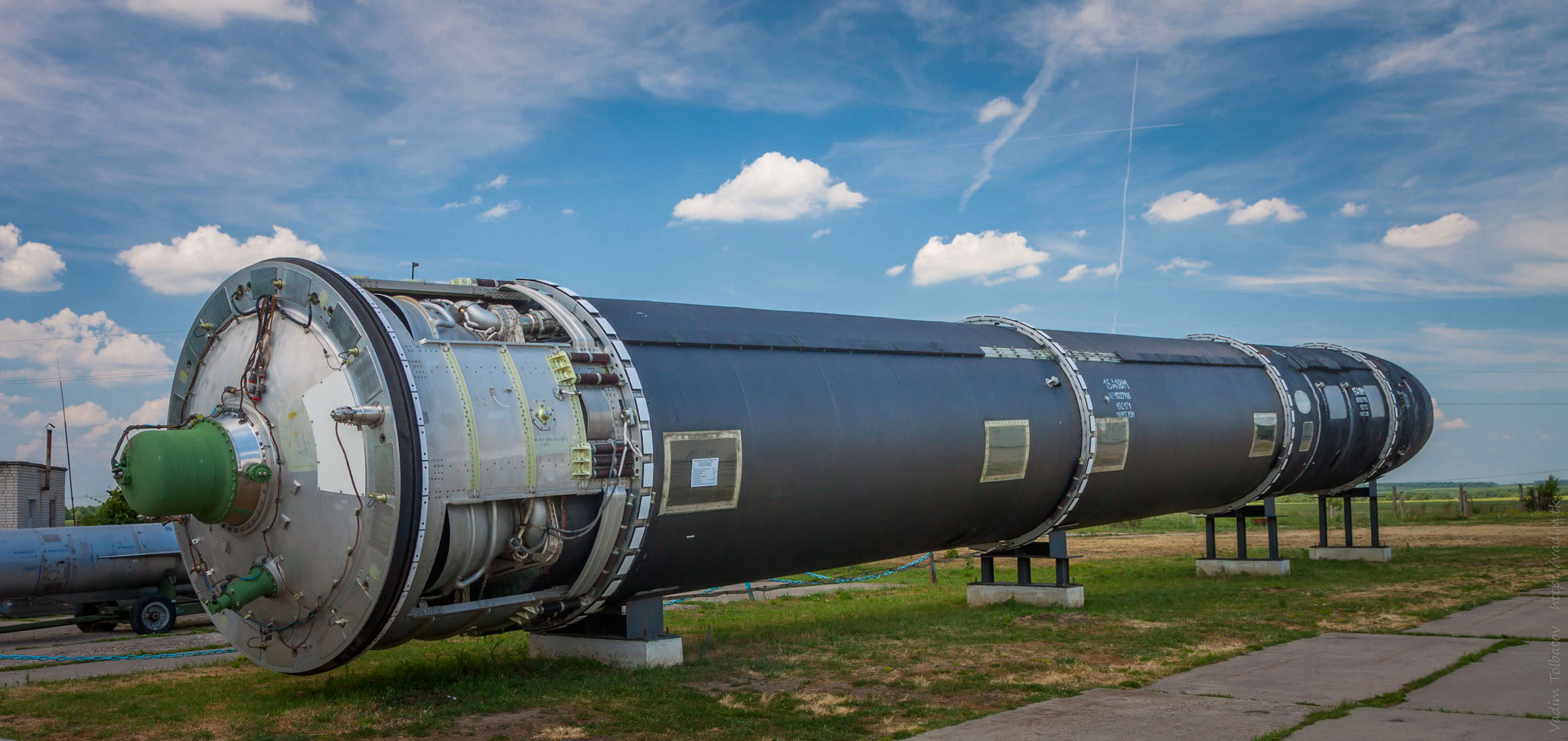
- Country or operator: Soviet Union
- Weapon type: ICBM
- Year introduced: 1975
- Nuclear capability: Heavy MIRV nuclear
- Range: Intercontinental (~10,000 miles)
- Key crisis or incident: Late Cold War nuclear arms race
- Why it escalated tensions: Massive payload raised fears of first-strike capability
The SS-18 Satan was feared because it combined extreme range, enormous throw weight, and multiple warheads in a single missile. To American planners, it represented the possibility of a devastating first strike against hardened targets, including missile silos and command centers. Its destructive power made it one of the clearest symbols of late Cold War overkill and one of the weapons most associated with apocalypse.
RSD-10 Pioneer (SS-20 Saber)
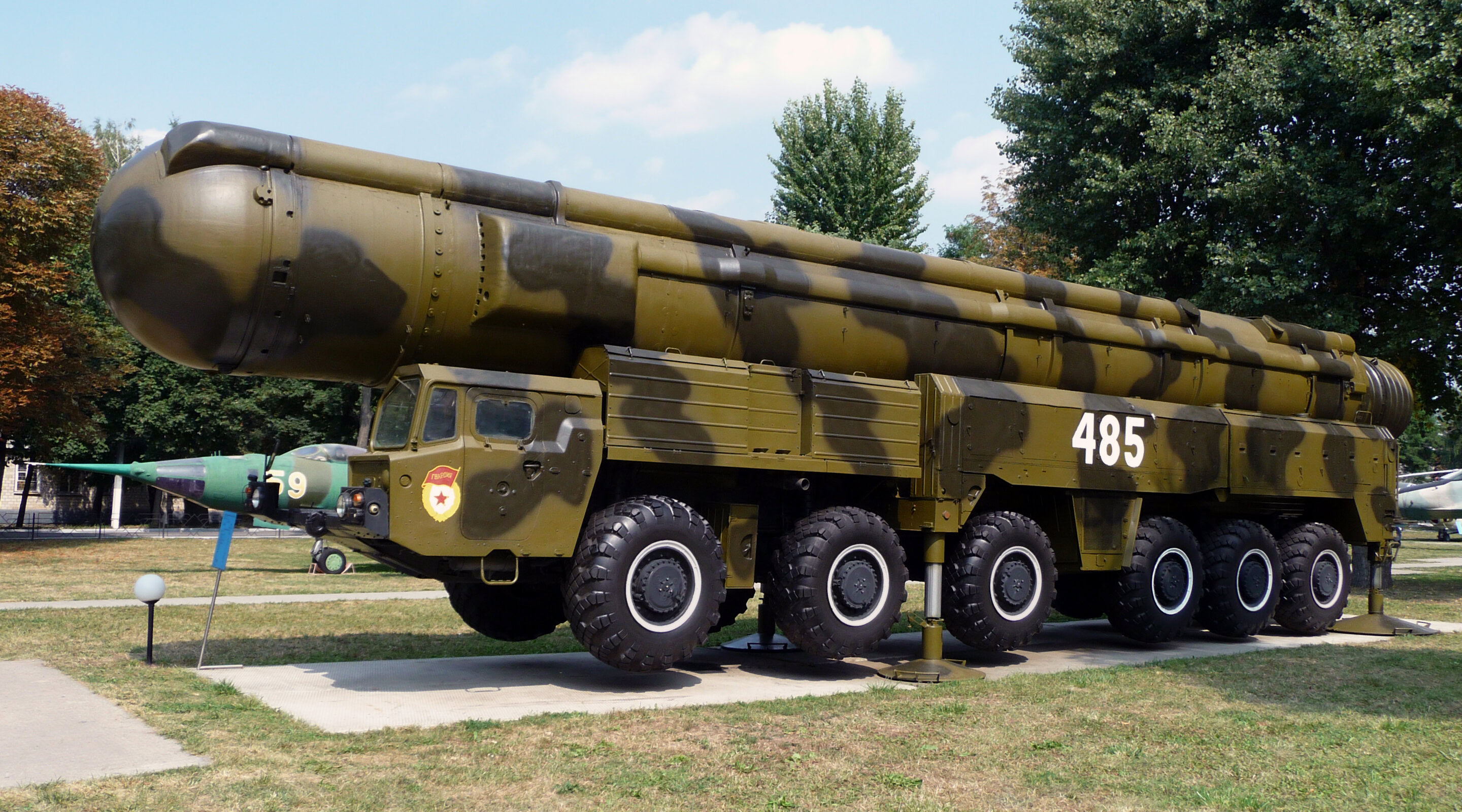
- Country or operator: Soviet Union
- Weapon type: IRBM
- Year introduced: 1976
- Nuclear capability: MIRV nuclear
- Range: ~3,100 miles
- Key crisis or incident: Euromissile Crisis
- Why it escalated tensions: Triggered NATO missile deployments in Europe
The SS-20 transformed the nuclear balance in Europe by giving the Soviet Union a mobile, accurate, intermediate-range missile with multiple warheads. Its deployment triggered panic across NATO and directly led to the alliance’s decision to field Pershing II and cruise missiles in response. That cycle of move and countermove intensified the Euromissile Crisis and pushed East-West tensions to a dangerous new level.
UGM-96 Trident I (C-4)
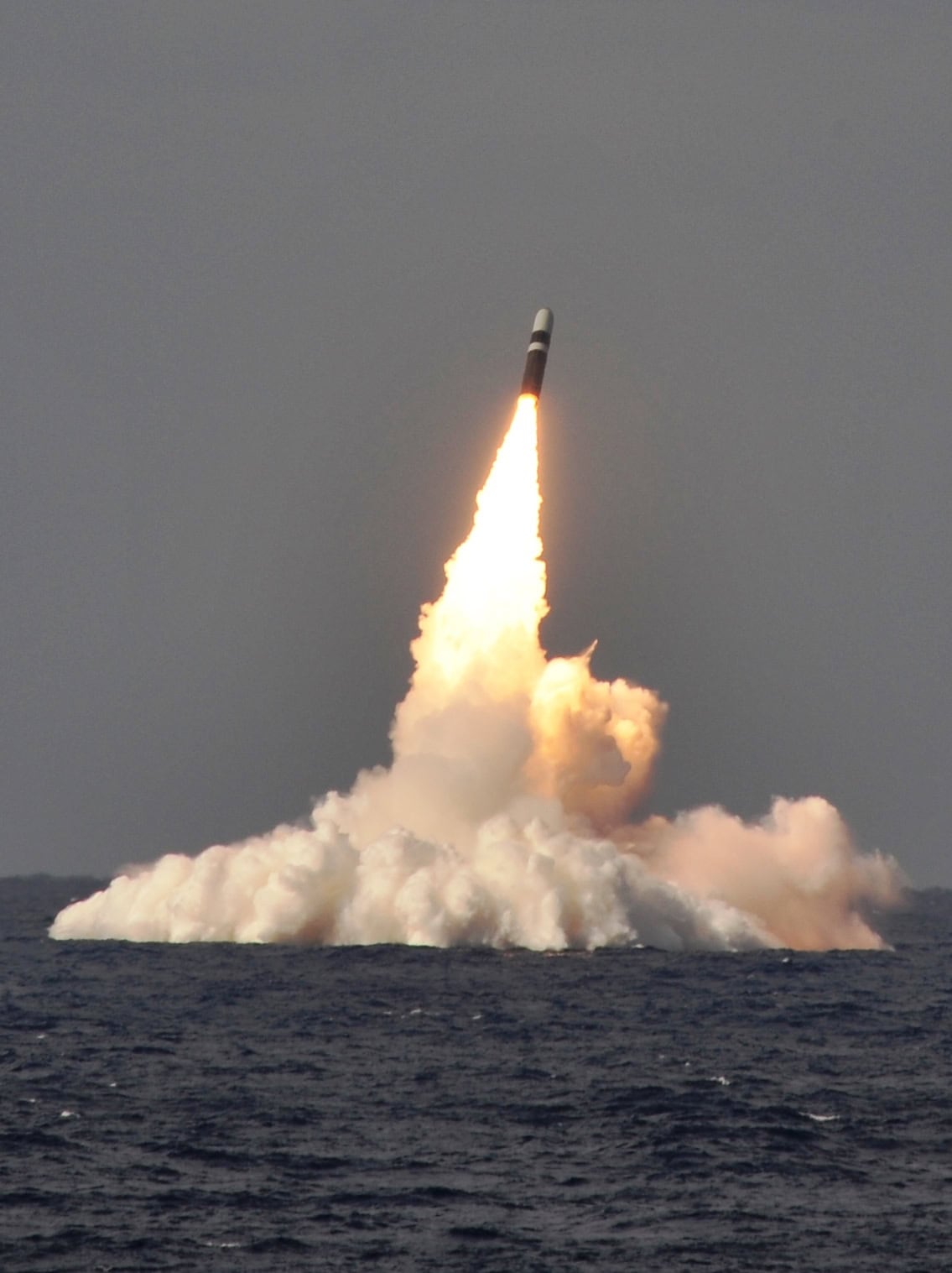
- Country or operator: United States
- Weapon type: SLBM
- Year introduced: 1979
- Nuclear capability: MIRV nuclear
- Range: ~4,600 miles
- Key crisis or incident: Strategic submarine deterrence
- Why it escalated tensions: Extended reach of U.S. ballistic missile submarines
Trident I extended the reach and flexibility of America’s submarine-based deterrent, allowing ballistic missile submarines to patrol from safer, less predictable positions. That made the U.S. second-strike force even more survivable and credible. Yet the very resilience of the system also fed Soviet anxiety that Washington was building an ever-more dominant strategic posture, sustaining the cycle of fear that defined the Cold War nuclear rivalry.
Pershing II

- Country or operator: United States / NATO
- Weapon type: MRBM
- Year introduced: 1983
- Nuclear capability: Nuclear warhead
- Range: ~1,100 miles
- Key crisis or incident: NATO Double-Track Crisis (1980s)
- Why it escalated tensions: Extremely short flight time worried Soviet leadership about decapitation strikes
Pershing II alarmed Soviet planners more than almost any NATO missile of the 1980s because of its speed, accuracy, and short flight time from West Germany. In Moscow’s view, it looked like a possible decapitation weapon that could hit leadership targets before a full response could be organized. That perception made the missile one of the most destabilizing systems of the late Cold War.






 Top Gaining Stocks
 Top Losing Stocks