



24/7 Wall St. Key Points:
- A strong net worth, diversified assets, and plans to manage healthcare costs are the three things you need to successfully retire early.
- However, there are emotional aspects, too. Going from earning to spending is hard for many!
- If you’re also a prospective early retiree, take this quiz to see if you’re on the right track (Sponsored)
I was scrolling through Reddit recently and came across a post by a 54-year-old man who was contemplating retirement sooner rather than later. With a combined net worth of $5.4 million, he and his wife have carefully built a solid financial foundation.
Despite this foundation and his favorable calculations, he still feels hesitant about pulling the trigger and leaving the workforce. It’s understandably hard to stop working and rely on your savings!
Let’s take a closer look at this situation. He gave us tons of information, so we’re able to draw lots of opinions and insights from this Reddit post. This is just my opinion and shouldn’t be taken as financial advice.
An Overview of His Finances
The poster is a 54-year-old male who earns $230K annually, and his wife makes $100K. Together, they maintain a comfortable lifestyle, spending about 10K per month, which totals $120K per year. Their current net worth is split across several different assets, including:
| Assets | Current Value |
|---|---|
| Taxable Brokerage Account | $2.3M |
| Cryptocurrency | $830K |
| Retirement Accounts | $1.7M |
| Physical Gold | $50K |
| HSA | $95K |
| Home Equity | $450K |
Despite having all of these assets, he is concerned about retiring and having to live off of them. Here are some of my recommendations:
1. Understanding the Shift from Accumulation to Spending
One of the biggest barriers to retirement is going from a mindset of saving and accumulating to spending that money. This poster notes this hesitation, which is completely normal, especially for those planning on retiring early.
To combat this fear, I recommend:
- Reframing your mindset: Remind yourself that your savings were always meant to support your retirement. Not just to sit there!
- Set a sustainable withdrawal rate: To ensure your savings last, you need to set a withdrawal rate of no more than 4% annually. Setting up a safe withdrawal rate for early retirement is a bit different, though. The couple in this scenario estimates needing $120-$150K per year, which is well within a safe withdrawal rate from their $3.2M accessible assets.
2. Sequence of Return Risk
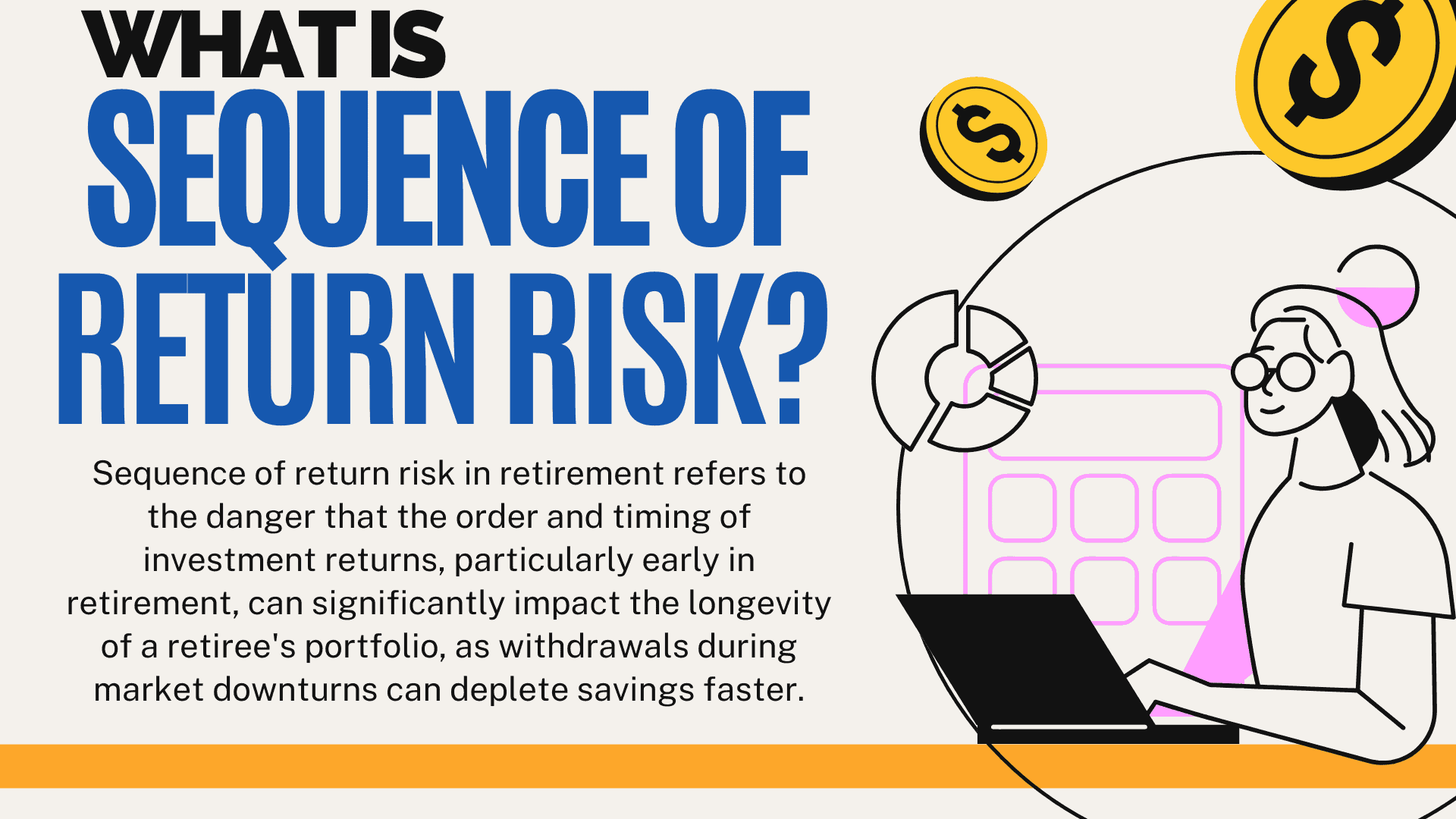
Retiring early introduces what’s known as sequence of return risk, which occurs when poor investment returns early in retirement negatively impact your portfolio’s ability to sustain withdrawals.
The poster pointed out that this risk is covered somewhat by cash, bonds, and gold. These are much more stable assets.
I’d recommend ensuring this risk is mitigated further by:
- Diversifying investments
- Building a cash buffer
- Being flexible with spending
3. Healthcare Costs in Early Retirement
Since the poster is under 65 and not yet eligible for Medicare, healthcare is going to be a critical concern. He plans to join his wife’s employee-sponsored plan for $550/month, which is reasonable considering the price of other insurance companies.
Luckily, he also has $100K saved in an HSA, allowing him to easily cover out-of-pocket medical expenses.
Healthcare is one of the most significant expenses in retirement, especially for those who retire early.
4. Tax Planning
With a large portion of their assets in taxable accounts, the couple will need to carefully plan their withdrawal to minimize taxes. Here are some key tax strategies I recommend:
- Balancing withdrawal between taxable accounts and tax-deferred accounts.
- If any of the crypto or stock investments experience losses, consider selling those positions to offset gains elsewhere.
- Consulting a tax professional can help you navigate the often-complicated tax code.
5. Lifestyle and Emotional Factors

While the financial numbers add up, you also need to consider the emotional and lifestyle implications of retiring early. The poster mentions growing tired of corporate culture and the grind of his current job but also expresses hesitation about becoming more budget-conscious and adjusting to a new lifestyle.
You don’t quite realize how much self-worth you get from your career until you retire, though!
To help counteract this, you could consider reducing your hours or taking consulting work to gradually ease into retirement.
Otherwise, you can look for a different purpose in retirement. Hobbies, volunteer work, and personal projects can help you’re retirement be fulfilling.














 Top Gaining Stocks
 Top Losing Stocks