



New York Times bestselling author, podcaster and TV show host Suze Orman is one of the most recognized financial advice speakers in the US. She has no qualms about shooting from the hip and expressing her point of view, even if it may prove to be controversial.
On a CNN interview with Chris Wallace, Suze Orman stated that leasing a car was, “the biggest waste of money out there”, despite the fact that Wallace himself claimed to lease his car. Orman went on to state that if one takes care of their vehicle, the cost over the life of a car is considerably less. Those who side with Wallace enjoy having a new car under warranty every year and don’t mind the higher payments in exchange for the lower headaches, potential insurance advantages (especially for urban drivers), and other perks. Orman is firmly in the retained equity camp, where ownership allows for at least a partial recoupment.
As it turns out, Orman’s generalization comment has a number of extenuating circumstances that, in some cases, can prove her to be wrong. Just like how musicians select different types of guitars, different types of vehicles are chosen for particular situations and preferences. The financing scenarios can vary widely, and the 20% of Americans who opt to lease may have justifiable and logical reasons to do so.
Leasing vs. Buying a Car
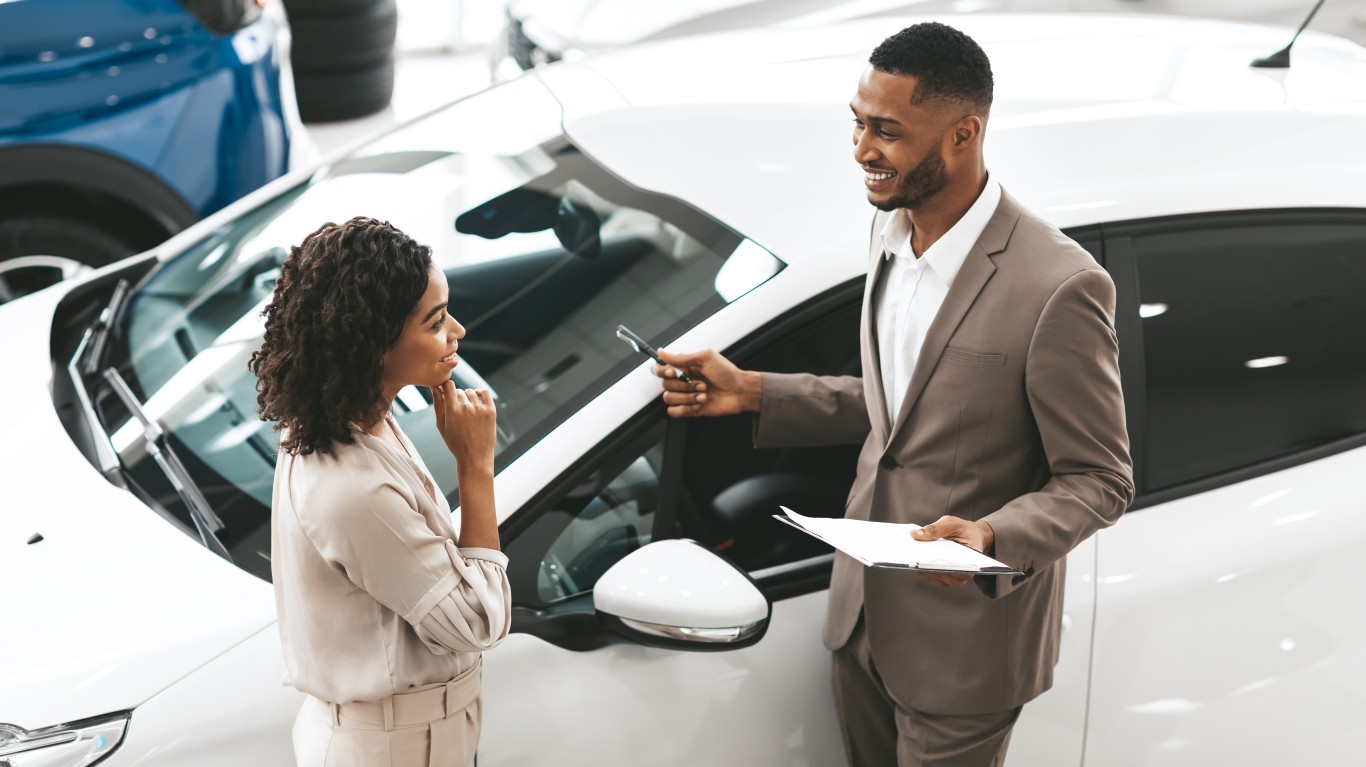
The choice between buying or leasing a car should be weighed and deliberated after reviewing factors concerning preferences, finances, and other categories.
Unless a prospective new car owner is flush with cash, the norm is for that party to choose between getting a car loan financing for a purchase, or to sign a lease agreement. There are analogies to buying vs. renting in real estate that can be made. An overview comparison looks like this:
|
Category |
Buying |
Leasing |
|
Ownership |
Owning the vehicle means you can keep it as long as you want to until you sell it, donate it, or junk it. |
You don’t own the vehicle. You pay to use it but must return it before the lease term expires, unless you decide to buy it. |
|
Up-Front Costs |
The negotiated cash price down payment, taxes, registration, inspection, and other fees, depending on municipal laws. |
May include the first month’s payment, a refundable security deposit, an acquisition fee, a down payment, taxes, registration, and other fees. |
|
Monthly Payments |
Loan payments are amortized towards paying off the entire purchase price of the vehicle, plus interest, finance charges, taxes, and fees. |
Lease payments essentially cover the vehicle’s depreciation during the lease term, plus interest charges (called rent charges), taxes, and fees. Usually lower than purchase loan monthly payments. |
|
Early Termination |
You can sell or trade-in your vehicle at any time. In many cases, money from the sale can be used to pay off any loan balance. |
Ending a lease early can trigger charges as costly as sticking with the contract. |
Similar to real estate, a leased vehicle must be returned in original condition, whereas a purchased vehicle can be customized without penalty. This also applies to wear and tear, and tax-deductible depreciation for the purchased car but not the leased one.
Extenuating Circumstances That Are Exceptions
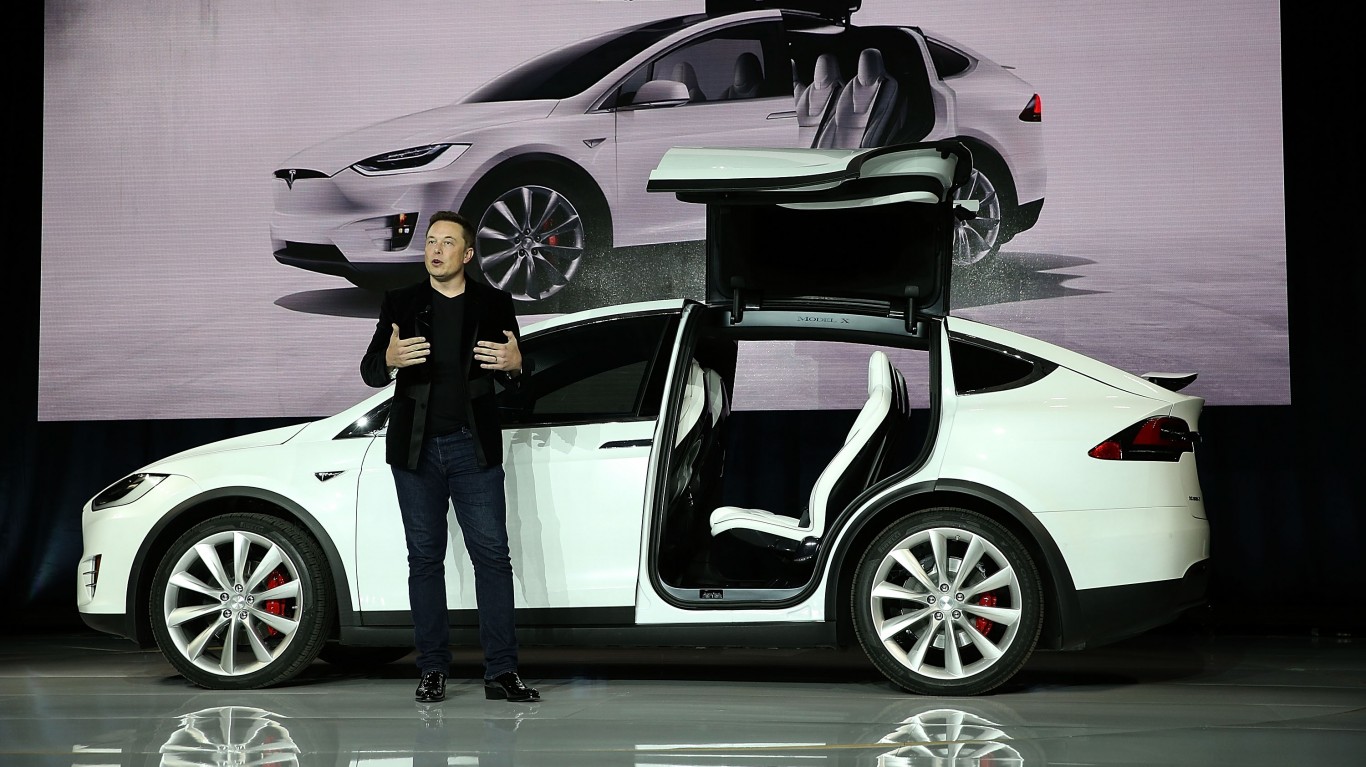
- In general, the retained equity value of the purchased vehicle belongs to the buyer, so the market value of the car in question can make a sizable difference. In some cases, certain luxury cars (ex: some Porsche models) may have a strong popularity, and depreciation after 7 years can be minimal. On those occasions, the used market value may still be higher than a reduced purchase price at the end of a lease, allowing the lessee to arbitrage the difference. This essentially would render the rental period a net zero cost, with even a potential profit.
- Subscription Programs are a type of lease that allows for swapping between a menu of different vehicles. While more expensive than a normal lease, insurance, maintenance, and incidental wear and tear are all included. This can be especially attractive to people who want a utilitarian car with good fuel efficiency for daily commutes to work, but want an SUV for camping, finishing trips, or family travels, and then a sports car for leisure driving.










 Top Gaining Stocks
 Top Losing Stocks