



With New Year 2025 just around the corner, make a date with your money.
That’s according to financial guru, Suze Orman, who argues it’s essential to keep your finances well organized. That includes keeping track of insurance policies, health savings, and even your credit card interest rates. Let’s run through each one.
Key Points from 24/7:
- Suze Orman argues you should keep your finances well organized. That includes keeping track of insurance policies, health savings, and even your credit card interest rates.
- If you carry over a credit card balance, you’ll get hit with ridiculous interest rates. Make sure they’re all up to date and start tackling them.
- Also: Take this quiz to see if you’re on track to retire (Sponsored)

No. 1: Check on Your Homeowners or Renters Insurance Policies
Do your current policies cover everything they should cover? For example, have you increased the policy if the value of your home increased? Or, have you picked up valuable belongings in your rented apartment? If so, you may want to get even more insurance coverage.
At the moment, the average renters’ insurance policy costs. Between $14 and $30 a month, or between $168 and $360 a year, which isn’t terrible. With minimal coverage, most policies cover $30,000 in property damage and $100,000 in liability coverage. Of course, when renting, you want to check in with the landlord to see if there are required coverage amounts.
No. 2: Do you have enough homeowner insurance for natural disasters?
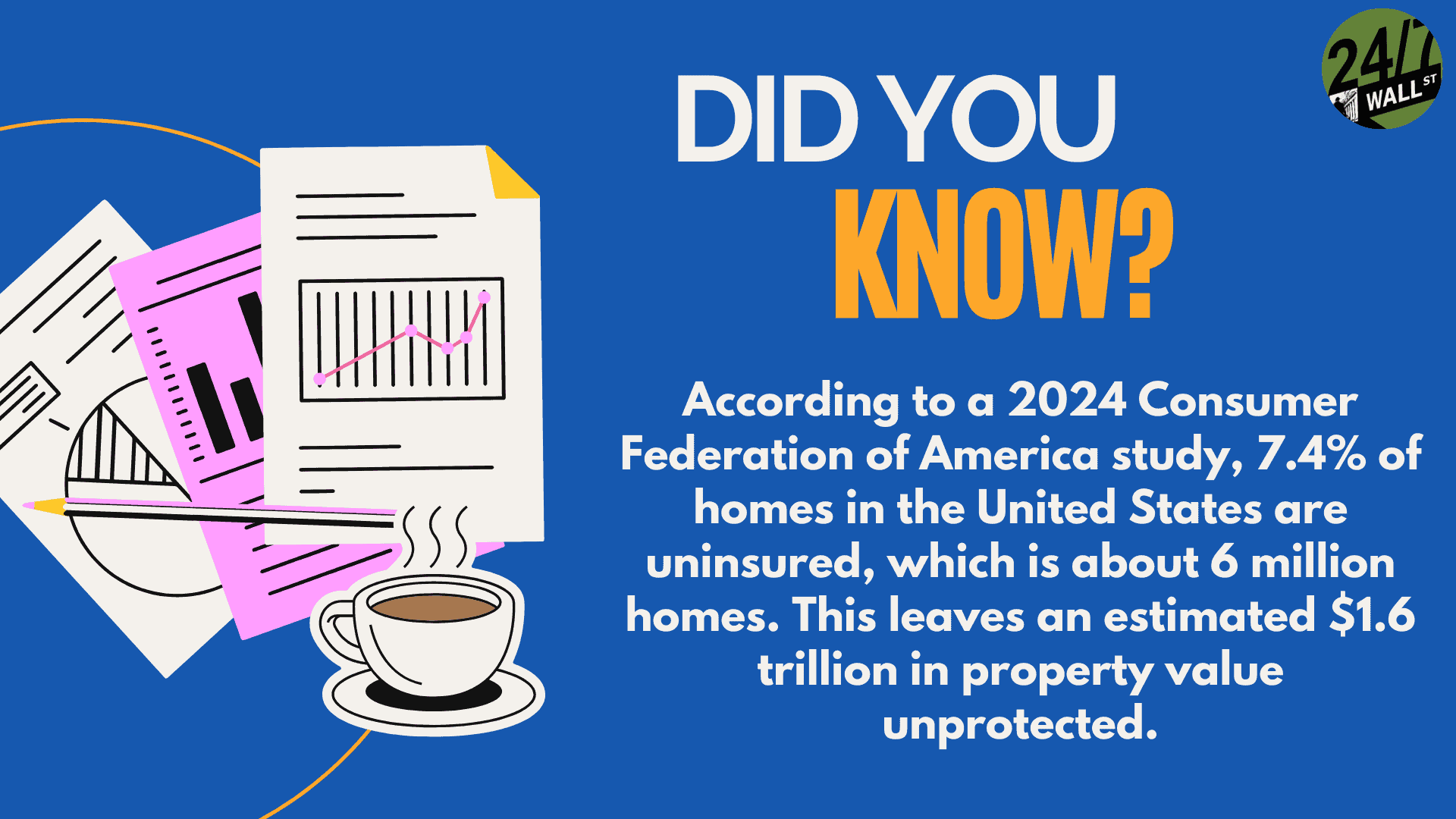
If you live in an area prone to natural disasters, you must be properly covered, according to Suze Orman. The last thing you want is for a tornado to run through your street and you have bad insurance.
Homeowner insurance will typically cover fires, lightning, hail, windstorms, riots, damage caused by another vehicle, vandalism, theft, volcanoes, frozen plumbing, etc. What it typically does not cover, according to the Insurance Information Institute, are disasters such as floods, earthquakes, wars, nuclear accidents, landslides, mudslides, and sinkholes. Also, if you do live in or near a flood zone, you may want to have flood insurance.
No. 3: Review your retirement plans, life insurance, and your health savings account.
Check on your retirement plans, life insurance policies, and your health savings account, if you have one set up. You want to see if you can increase your policies, and even make sure your beneficiaries are up to date – especially if you divorced the current beneficiary. Unfortunately, there’s really no way to change your beneficiary after you pass away.
No. 4: Check in on your credit card interest rates.

If you carry over a credit card balance, you’ll get hit with ridiculous interest rates. Make sure they’re all up to date and start tackling them.
And, if you’re struggling with debt, there are solutions.
One is to focus on the smaller balances first. That way, you free up even more cash for the heavier debt. Then, once the smaller debts are paid off, you now have new cash flow to tackle to make extra payments on higher interest balances.
Granted, that’s easier said than done at the moment. I get it. But slow and steady win the race.
Two, you could make just minimum payments on all of your debt and put a chunk into the expense with the most interest. Or three, you could take out a consolidation loan, wipe out all of the outstanding debt, and have one balance. Not only could this allow you to manage your debt a bit better, it may also allow you to put extra funds into an emergency account.
According to Orman, as quoted by Oprah.com, “See if you can qualify for a balance transfer card that offers a low or 0 percent introductory interest rate for the first six to 12 months. If you can get a good deal, move your high-rate debt to that new card. Do not use the card for any new charges, and push yourself hard to pay off the balance as soon as possible. If you don’t qualify, no worries. Always pay the minimum due on each card, on time, every month.”
No. 5: Be aware of your overall financial situation.
“It’s impossible to map out a route to your destination if you don’t know where you’re starting from,” Orman told O, The Oprah Magazine, as quoted by GoBankingRates.com. To know where you’re headed, you’ll need to get a panoramic view of your finances, what Orman calls a “before” snapshot to shape the “after.”
“You’ve heard me say this a million times, but I want you to open every single financial statement — bank, credit card, mortgage, 401k, brokerage account — and take a look. Only when you have everything in front of you can you set priorities about what to do next.”








 Top Gaining Stocks
 Top Losing Stocks