



Once upon a time, investing in real estate was considered a no-brainer. “Buy land,” Mark Twain famously quipped, “they’re not making it anymore.” The value of property seemed destined only to rise. That certainty, however, was upended during the financial markets collapse of 2007.
Inflated by risky lending practices, the housing bubble burst spectacularly, sending ripples through the economy and reshaping how we think about real estate.
Today, the story is more complex. Over the past decade, home prices have risen by an impressive 63%, reflecting a steady 5% annual growth rate. Yet, they remain 7% below the peak achieved two years ago. The timeless mantra of “location, location, location” still holds true, but the dynamics of real estate ownership varies widely depending on your financial circumstances.
Housing for the average homeowner and high net worth individuals is not the same. For most people, a home is a sanctuary and a foundation of their financial future. For the wealthy, real estate is more than shelter, it’s a multifaceted investment. High-net-worth individuals can afford to diversify their portfolios with million-dollar estates, often leveraging these properties to build even greater wealth.
24/7 Wall St. Insights:
- Buying a home used to be a sure-fire investment, but the calculus changed after the financial markets collapse.
- While home values have risen 5% annually in the last 10 years, they are down now from their peak.
- High net worth individuals, though, can afford to make real estate investments that might not make sense for average homeowners
- Owning millions of dollars in real estate already and buying millions of dollars more can be both a practical financial decision and a wise investment choice.
Real Estate in the Hands of the Wealthy
That’s the case with a Redditor on r/fatFIRE who shared his ambitious real estate plans. He is in his 30s and already owns $3.5 million worth of property, including a primary residence and a beachfront escape. Now, he is eyeing a sprawling 24-acre estate with a custom-built home for $2 million.
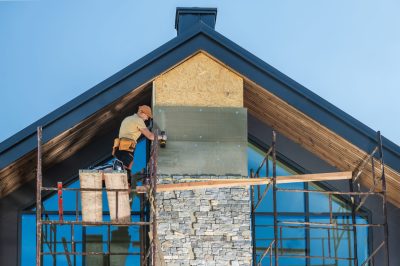
But he doesn’t want to stop there. Unimpressed with the existing design, the Redditor is considering a total overhaul, whether that means remodeling, expanding, or even tearing it down to build anew. His budget for these renovations? An additional $3 to $4 million.
On paper, this might sound extravagant, even reckless. Yet, for someone making nearly $5 million annually with $9 million in cash and investments, it’s a calculated move. This Redditor also owns a thriving business, underscoring his strong financial footing.
The real question he posed to the community: Is this plan as crazy as it seems?
Wealth, Perspective, and the Value of Place
F. Scott Fitzgerald once observed, “Let me tell you about the very rich. They are different from you and me.” The Redditor’s situation is a microcosm of this. For someone with such significant resources, the move is less a financial stretch and more a strategic choice. It aligns with the fatFIRE lifestyle, a philosophy of financial independence and early retirement coupled with luxurious living.
Contrast this with someone earning $150,000 annually. For them, purchasing a median-priced home at $425,000 is already a major commitment. The idea of then buying another property at a higher price and spending double the purchase amount on renovations would be financially catastrophic — even if a bank were willing to lend the money.
For the wealthy, however, such decisions carry different implications. The Redditor’s financial position allows him to undertake this project without worries. His plan isn’t just viable, it’s arguably smart. He has the means to transform a property into his dream estate while potentially increasing its value over time.
The takeaway here isn’t just about wealth. While the rich have the resources to turn grand visions into reality, there’s a lesson for all homeowners: the value of a home isn’t solely measured in financial terms.
Key Takeaway
Even for individuals of modest means, a house can be much more than an investment — it’s a place to create memories and find joy. Tailoring a home to suit personal tastes and needs is worthwhile, whether it comes from building from the ground up or simply adding a fresh coat of paint. Comfort, happiness, and a sense of belonging can’t be quantified.
For high-net-worth individuals, real estate can represent an exceptional investment opportunity, as seen in the Redditor’s case. But for anyone, regardless of income, the true worth of a home lies in the life lived within it. While financial considerations are important, the decision to shape a space into something uniquely yours is always a sound investment — because some things transcend dollar signs.













 Top Gaining Stocks
 Top Losing Stocks