



While most people carry credit cards in their wallets, there is also a lot about cards that most people don’t know. Everything from annual percentage rate, credit limits, balance transfers, and more are terms people might know, but not truly understand. Most importantly, understanding some basic credit card concepts can help you avoid trouble.
The hope is that most Americans are familiar with these basic credit card questions and can answer them easily. Unfortunately, this is unlikely to be the reality, and for some people, the information provided below may be new. Either way, the hope is that all of this information will help current and future credit card users.
20. Question

Can you negotiate your credit card interest rate?
Answer

In fairness, you can try to negotiate your credit card interest rate, but it all depends on your history with the bank, including your payment history. If you mention a better offer from a competing card and your account is in good standing, you might get lucky with a lower interest rate.
19. Question

What happens to any reward points if you miss a payment?
Answer

The easy answer to this question is that it depends, as different credit cards have varying policies. You could lose promotional interest rates and any cash-back or travel rewards if you make a late or missed payment. There might be a one-time grace period, but a second instance is unlikely to be accepted.
18. Question

Can I pay my credit card bill more than once a month?
Answer

Yes, absolutely. Banks are happy to accept as many payments as you want to send, as long as you meet the minimum payment amount. The more you can pay, regardless of how frequently, is only going to help you.
17. Question
How many credit cards should I have?
Answer

There isn’t a one-size-fits-all answer on how many credit cards you should have, as expert opinions vary. Ideally, you should have more than one card and fewer than five. The more cards you have, the more benefits you can receive, but it also increases your risk of overspending.
16. Question

Will canceling a credit card hurt my credit score?
Answer

If you cancel a credit card, it will reduce your total available credit, which may affect your credit score. If the card has no annual fee, you might want to consider keeping the card open and not using it.
15. Question

How is interest calculated on a credit card?
Answer

When you look at the Annual Percentage Rate, it’s calculated by applying your APR, divided by 365, to your average daily balance throughout a one-month billing cycle. The bank then multiples this daily rate by your balance each day, then adds it up for the month, and charges you.
14. Question

What should you do if a credit card is lost or stolen?
Answer

If a credit card is lost or stolen, you should report it to the credit card company immediately. Unlike a debit card, in which transactions deduct money immediately, a credit card company will work with you and remove any fraudulent charges as well as send you a new card within 24-48 hours.
13. Question

How does using a credit card affect your credit score?
Answer
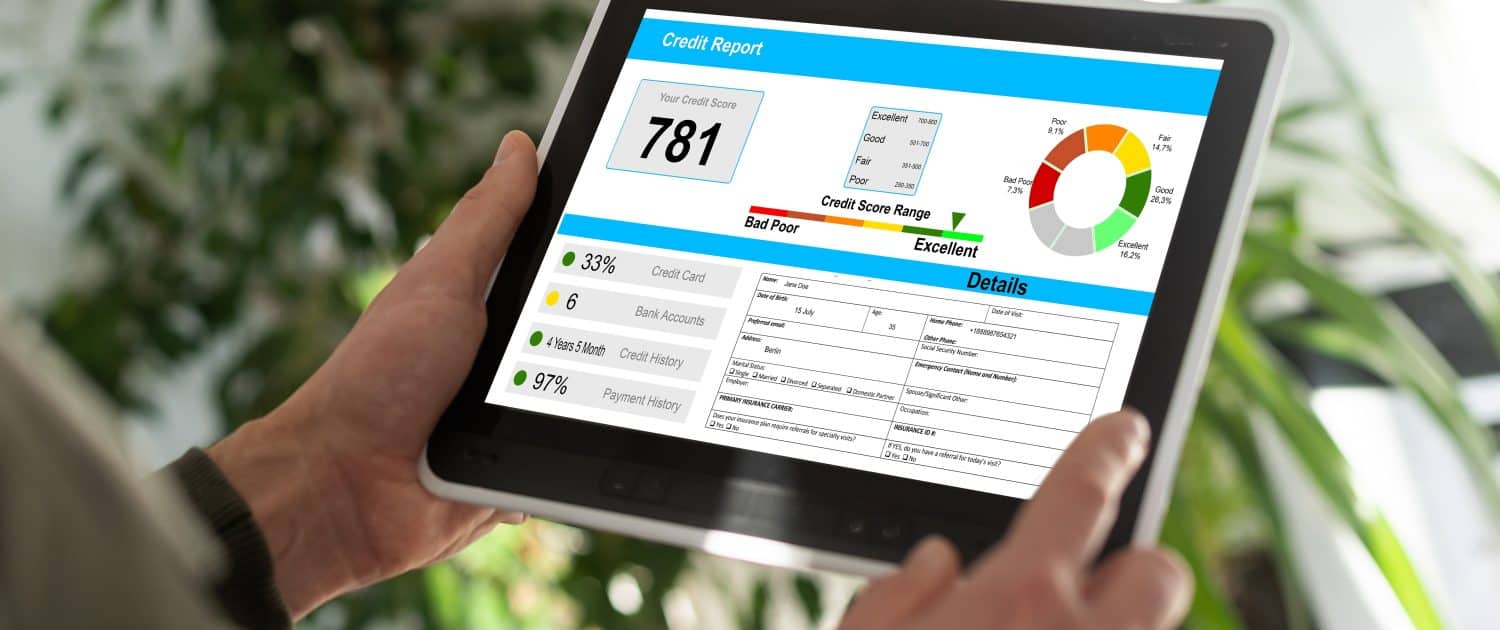
For the most part, using a credit card wisely can be beneficial for your credit score. If you pay your balance on time and often in full, your credit score will go up. The caveat is that making late payments can have a negative impact on your score, as well as making only minimum payments.
12. Question

How do cash advances work on a credit card?
Answer

With a cash advance, you can use a credit card as a debit card in a pinch by pulling money out at an ATM. This comes with a relatively steep fee of at least 3% and a higher interest rate, so it’s only something you should consider in an emergency.
11. Question

What is a credit card rewards program?
Answer

In today’s competitive credit card market, different credit cards offer different benefits like points, miles, or cash back rewards to entice you to spend with them. For example, if you have a 2% cash back card and pay $100 in one month, you would earn $2 in cash back bonuses.
10. Question

What is a credit card balance transfer?
Answer

With many banks offering 0% balance transfers these days, it basically involves moving your balance from one card to another. This can help you pay off your debt faster, although a fee of approximately 3% of the total amount may be incurred to facilitate any transfers.
9. Question

Can you go over my credit limit?
Answer

For the most part, you cannot exceed a credit limit that the bank has imposed, and if you attempt to do so, your card is likely to be declined. You can request a credit limit increase if you have a good payment history and believe you need a larger credit limit.
8. Question

What is the late fee on a credit card?
Answer

If you make a late payment on your credit card or a payment after your grace period is over, you will be charged an additional penalty. Typically, this fee ranges from $25 to $50, depending on the card and the timing of the payment. Late payments are reported to the credit agency if they occur frequently and can negatively impact your overall credit score.
7. Question

What is a credit card grace period?
Answer

Most banks offer a “grace period,” which typically occurs at the end of your billing cycle and payment due date. This is generally between 21 and 25 days after your bill cycle ends. As long as you make the minimum payment within this timeframe, you won’t be charged any sort of late penalty. However, unless you make the whole payment, you will still be charged interest if you carry a balance.
6. Question

Can you use a credit card like a debit card?
Answer
A debit card withdraws money from your existing bank account, so when you make a purchase, the money is immediately deducted. With a credit card, the amount you charge is set aside until the end of your billing cycle, at which point you only need to make a minimum payment. There is no minimum payment requirement with a debit card.
5. Question

What happens if you only make a minimum payment every month?
Answer

Making only the minimum payment every month is a bad idea, as it means you will accumulate additional fees and costs. This could add up to hundreds, if not thousands more dollars to your balance and require years to pay off the total balance. Ideally, you should always aim to pay more than the minimum payment, if not the full amount you owe every month.
4. Question

What is the difference between a credit limit and available credit?
Answer

The credit limit you are issued is the total amount of money you can borrow from the credit card. On the other hand, your available credit is the amount you have left to spend after making any purchases. This number represents your credit limit minus your current balance. If you have a credit limit of $5,000 and you have spent $1,000, your available credit is $4,000.
3. Question

Can you improve your credit score by carrying a balance?
Answer

The answer to this question is a resounding no, as carrying a balance can hurt your credit score, not improve it. The more of a balance you have every month, the more of your credit line you are carrying, which can lead to a reduction in your overall score.
2. Question
What is a credit card’s Annual Percentage Rate?
Answer
When you see the words APR or Annual Percentage Rate in relation to credit cards, it’s the interest cost of using your credit card and not paying it off in full every month.
1. Question
What is a credit card limit?
Answer

While this may seem like a straightforward question, understanding credit card limits can be confusing. There is a common misconception that credit cards allow you to spend endlessly. In reality, a limit is determined by your bank based on your creditworthiness, income, and credit history. When you hit a limit, you can’t make any more purchases.














 Top Gaining Stocks
 Top Losing Stocks