



If you are someone who believes in using credit cards for as much as you can, you are not alone, as the whole concept of “cash is king” is slowly dying away. With the rise of mobile payment apps like Apple Pay and Google Pay, it is clear that credit cards and mobile wallets are the future of payment.
Of course, if you want to use your credit card to earn points and rewards, you have to make sure that you aren’t making any errors that can hurt your credit score. Tanking your credit score, even unintentionally, can have a detrimental impact when you want to open a new card or get a mortgage.
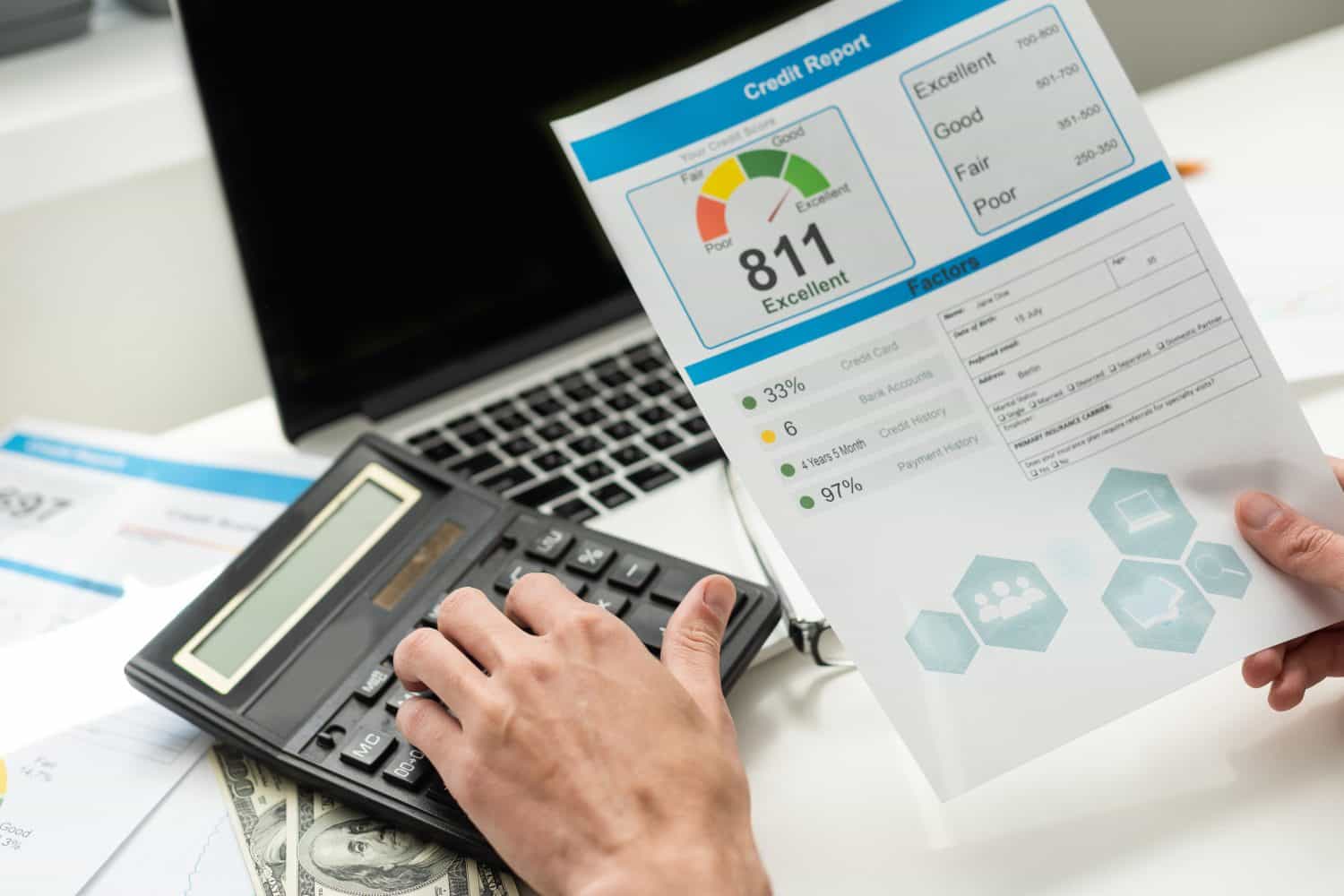
14. How Credit Scores Work
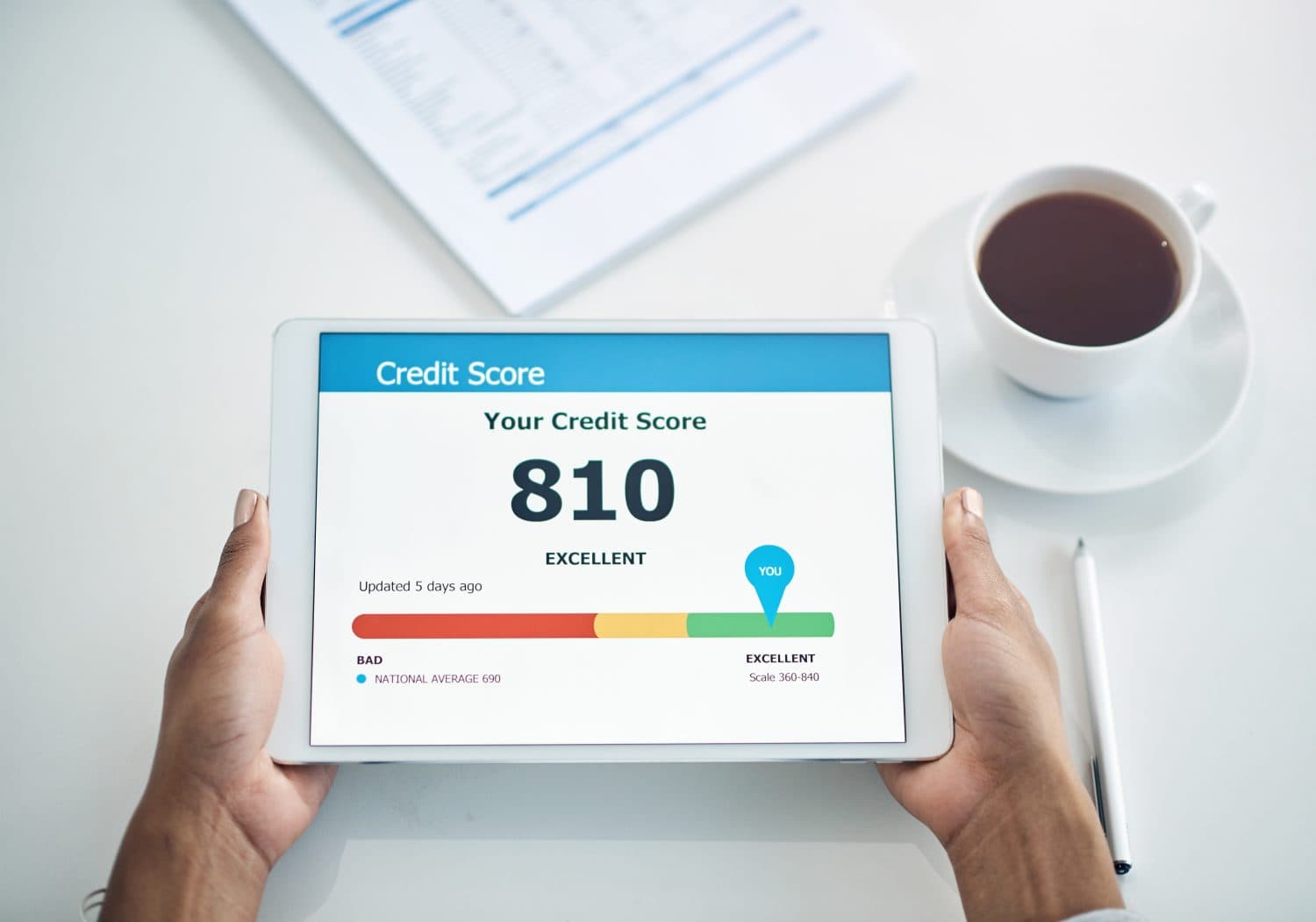
A credit score is vital for your financial future.
For the most part, credit scores work based on a ranked scale from 300 to 850, with 300 being the lowest and 850 being the highest. While this number varies based on what your credit score is being run for, typically, a score between 670 and 739 is considered a “good” score. Anything above 739 is likely to qualify you for the best possible mortgage, automobile, and loan rates.
13. Missing Payments
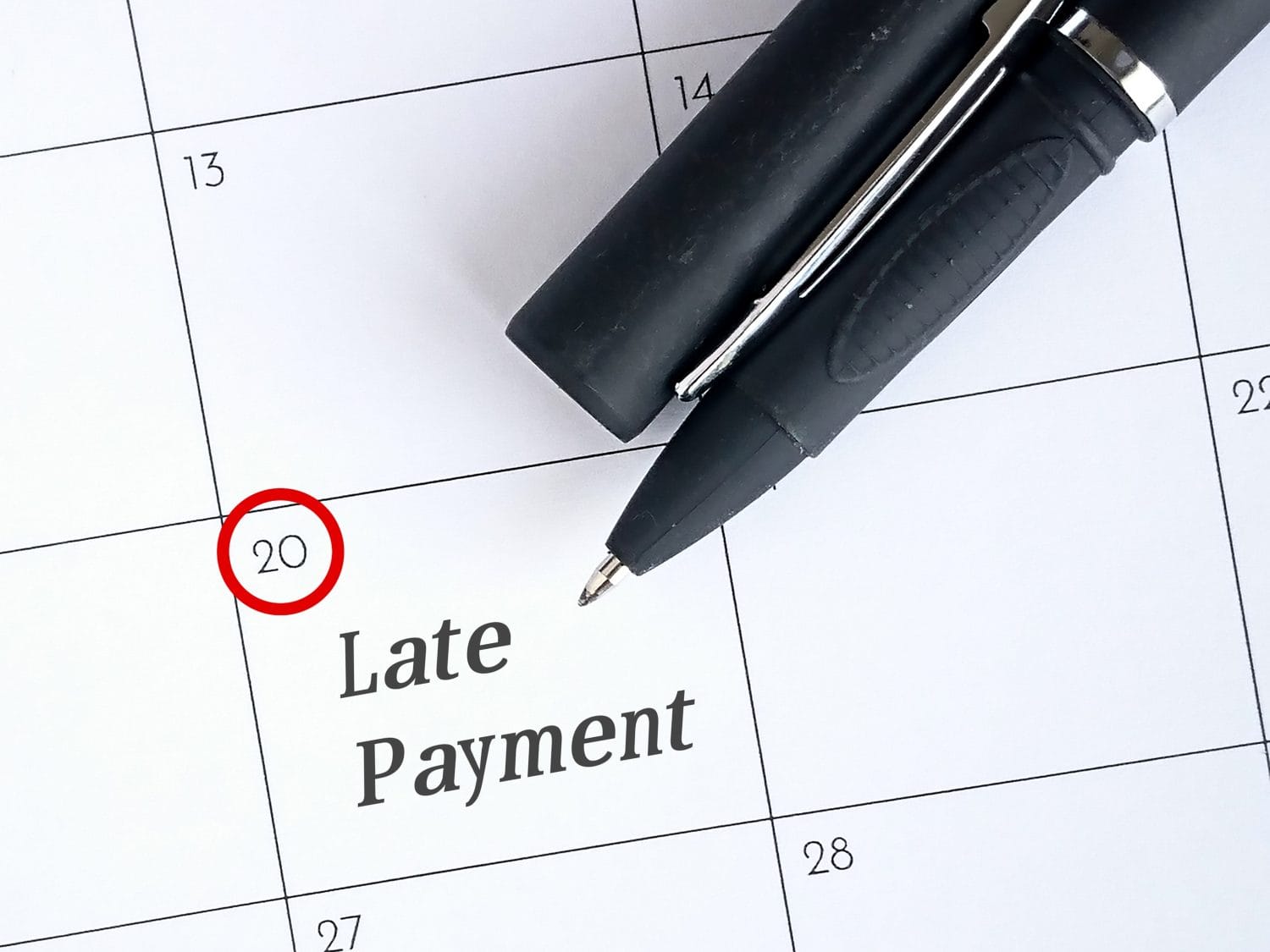
Don’t miss a payment unless absolutely necessary.
One of the most common instances that can affect your credit score is a late payment, as payment history makes up as much as 35% of your score. Even one missed payment can lower your credit score by 60 to 110 points. With late payments staying on your credit report for seven years, they are not something to miss.
12. High Credit Utilization
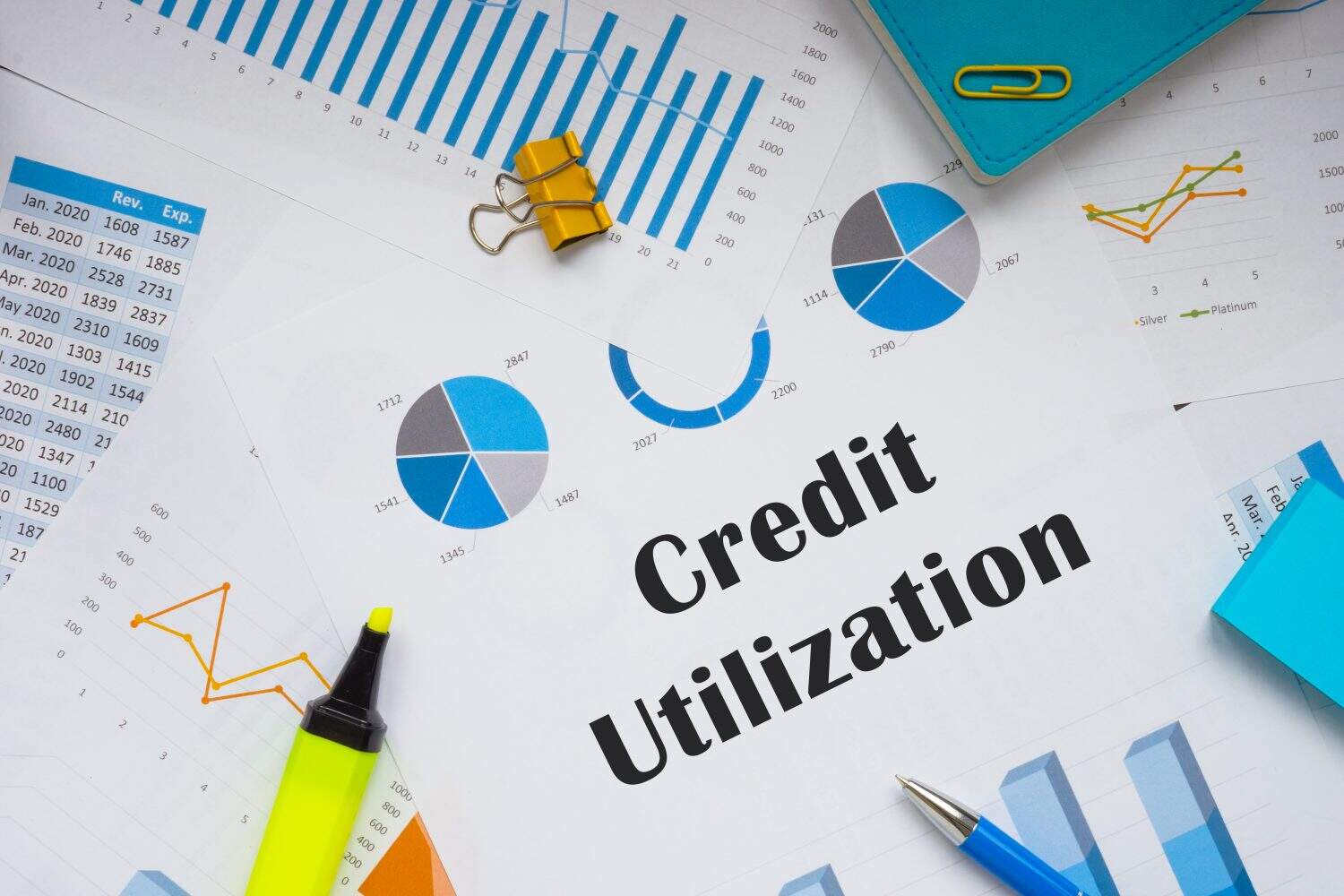
Don’t use too much of your available credit lines.
How much of your credit card limit you are using is also going to significantly affect your credit score. This makes up 30% of your total credit score, and a higher ratio of credit in use is a negative signal to lenders. Ideally, you should keep your credit utilization below 30% by paying down your balances as much as possible before making new charges.
11. Closing Old Cards
Keep old cards open with a zero balance.
The average length of time you have had credit is another factor that makes up your credit score. Every time a credit card is closed, it will affect your overall credit. If Bob has two credit cards, one that is five years old and another that is two years old, the average age of his credit is 3.5 years. If he closes the five-year-old card, the average age of his credit drops to two years, which in turn drops his score.
10. Applying for Too Many Cards
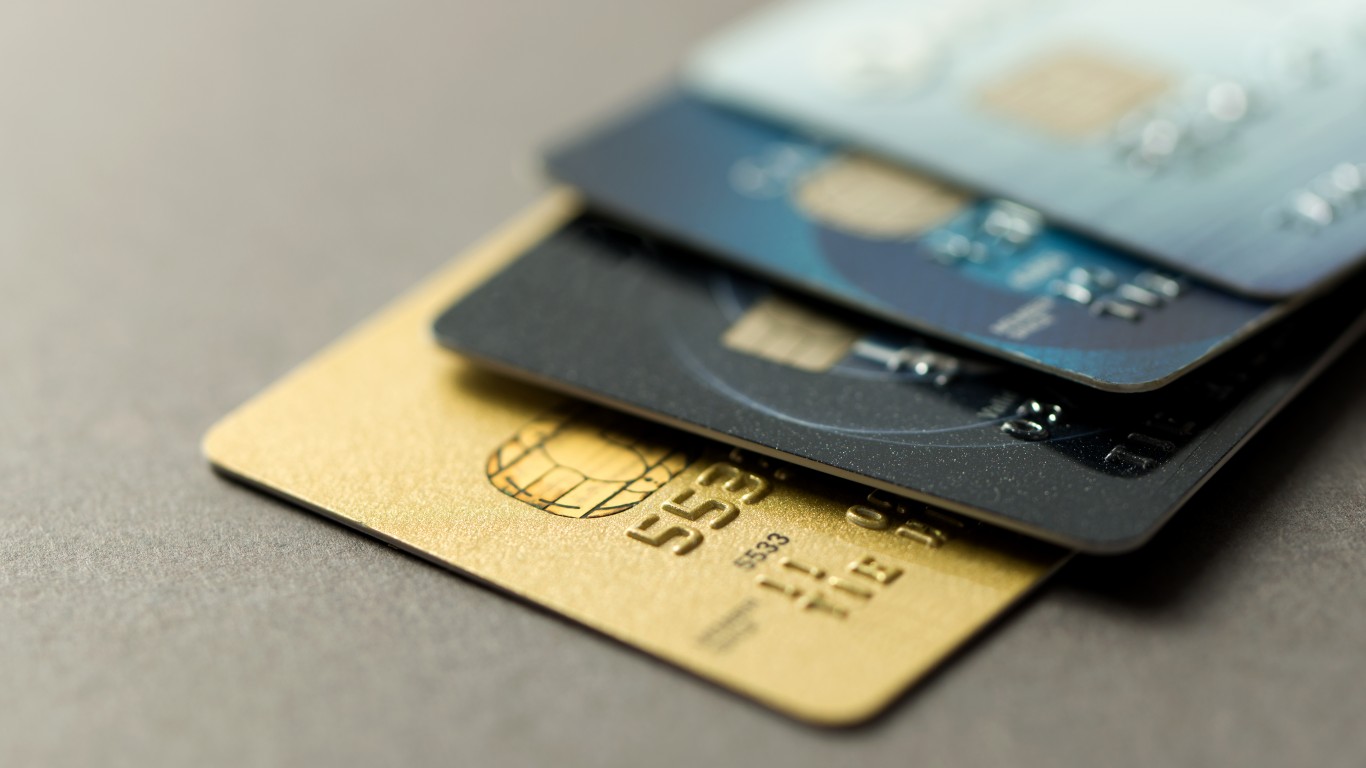
Don’t apply for too many cards.
With credit card benefits getting better and better, especially around sign-up offers, it’s enticing to sign up for more cards. However, you shouldn’t do this as every credit card application is a hard inquiry that can drop your score by 5-10 points each. If you make too many inquiries within a short period, it can also negatively impact your score.
9. Only Minimum Payments

Make more than the minimum payment every month.
In order to avoid any fees from your bank, credit cards ask you to at least make the minimum payment. The challenge is that the minimum payment doesn’t stop interest rates from adding up, as well as affecting how much of your existing credit lines are in use. The best-case scenario is only to charge what you can pay off each month.
8. Not Checking Statements
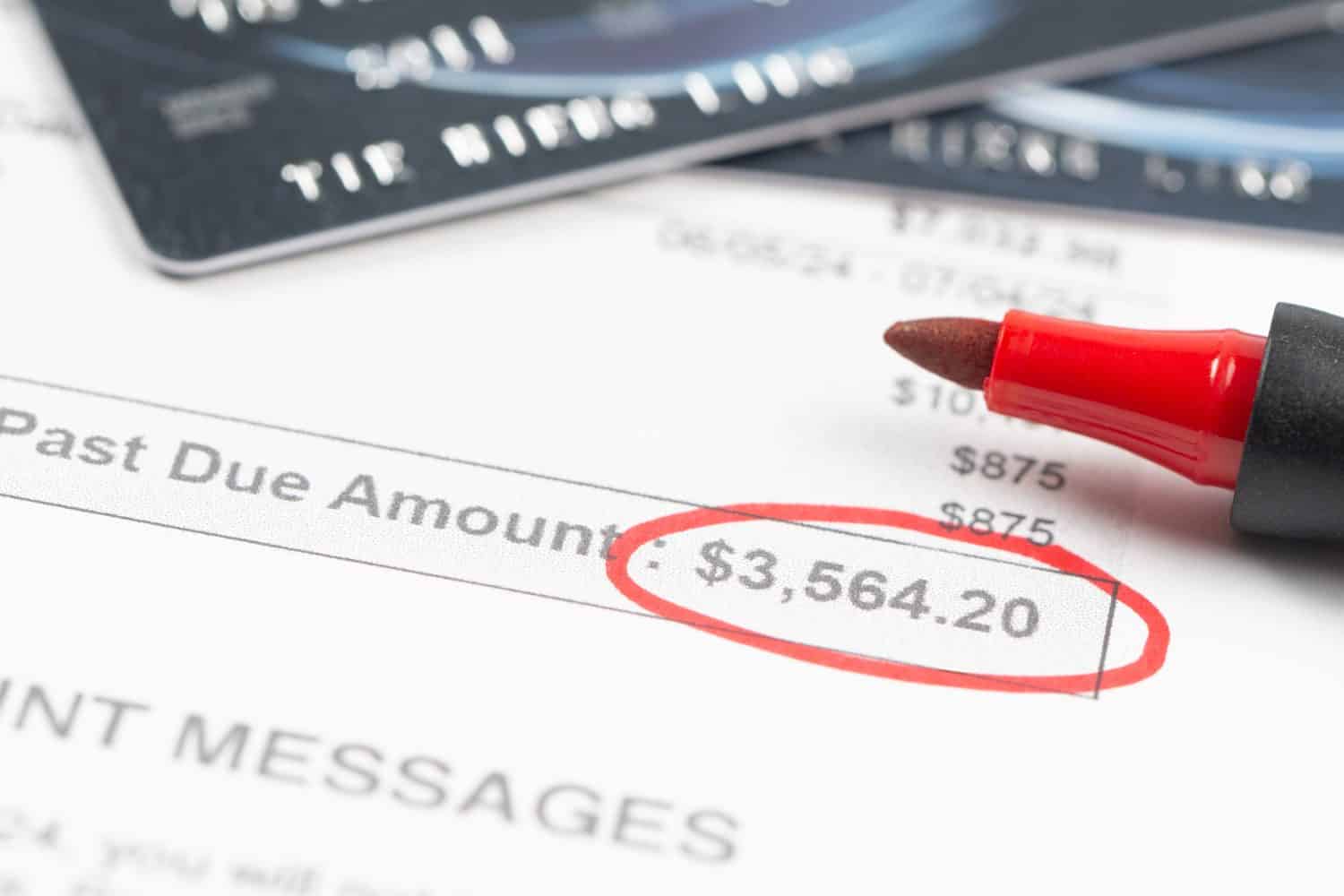
Carefully check your credit statement.
While you hope that credit card companies never make a mistake on a statement, it can and does happen. You should regularly review your billing statements, examining each month’s charges to identify any errors or unfamiliar charges. The faster you identify an issue, the faster you can get it off your balance.
7. Don’t Co-Sign

Don’t co-sign for anyone that might not keep up with payments.
It’s perfectly okay to want to help out family by co-signing on a loan or credit application, but doing so can greatly impact your credit. If Frank co-signs for his cousin, who then misses several payments, both Frank’s and the cousin’s scores are going to drop as a result. As Frank hopes to buy a new home soon, this negative report on his credit is likely to impact his interest rate significantly.
6. Frequent Balance Transfers
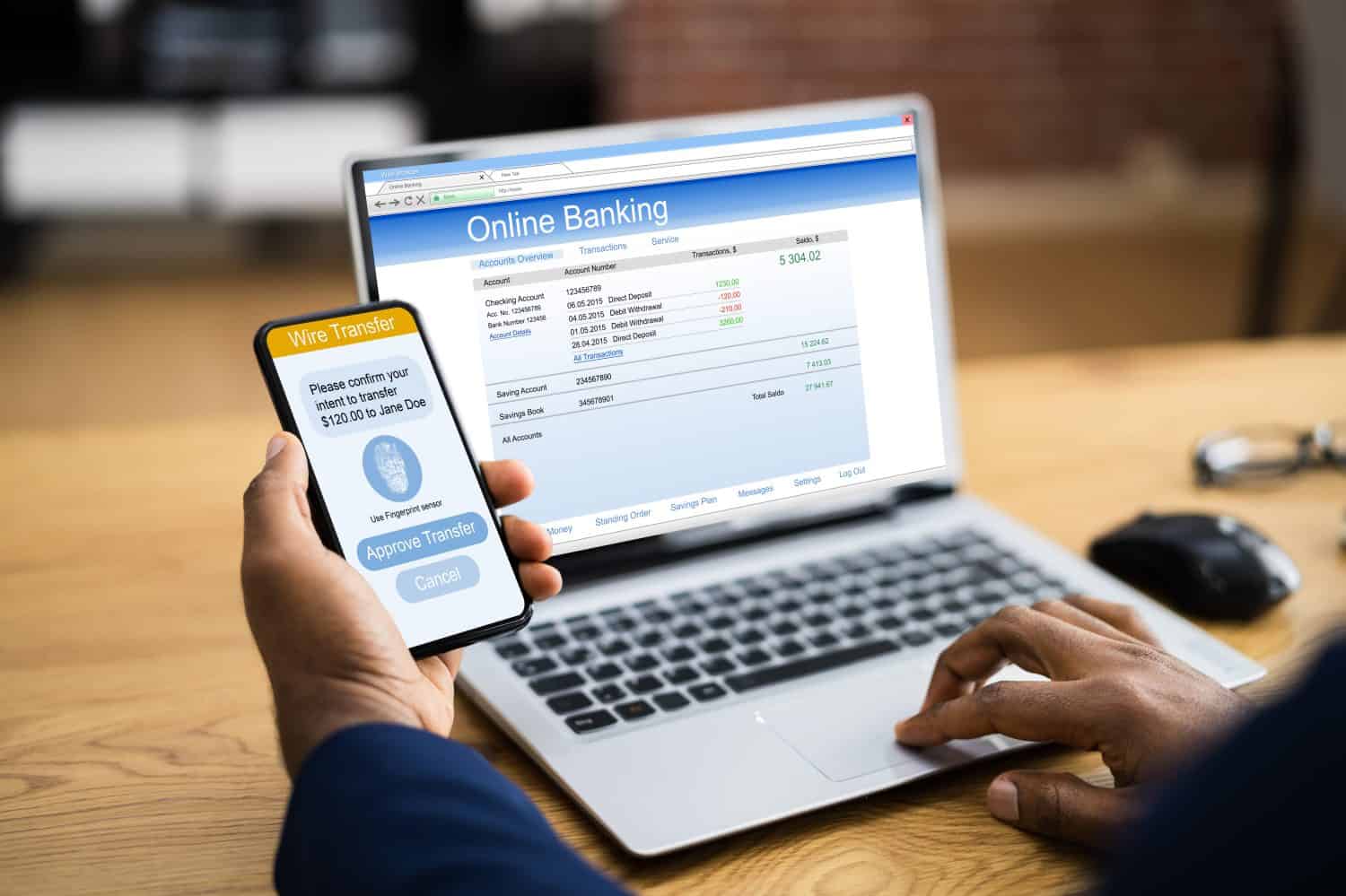
Frequent balance transfers can be bad news.
The idea of transferring your balance from a high-interest card to one offering 0% for 15 months sounds great on paper. However, opening a new card results in an immediate credit hit, which means another hard inquiry is made on your credit history. You should weigh the pros of opening a new card against the cons, especially if you plan to apply for a mortgage or a new vehicle in the future.
5. CreditKarma

CreditKarma is a big name in credit monitoring.
Among the biggest names in the credit card space, CreditKarma is absolutely going to help you restore your credit score. Not only do they offer you free access to your credit report, updated every week, but they also monitor your report for changes. If there is any suspicious activity on one of your cards, CreditKarma will immediately warn you.
4. Experian

Experian is a major credit bureau.
One of the big three credit bureaus, using Experian’s website or app, can give you free access to your FICO score and credit report. Not only can you use Experian to monitor for identity theft and fraud alerts, but you can also see exactly why your credit score changes. You’ll gain good insights that can affect your score as well, and it’s as easy as creating an account at Experian.com.
3. Credit Sesame
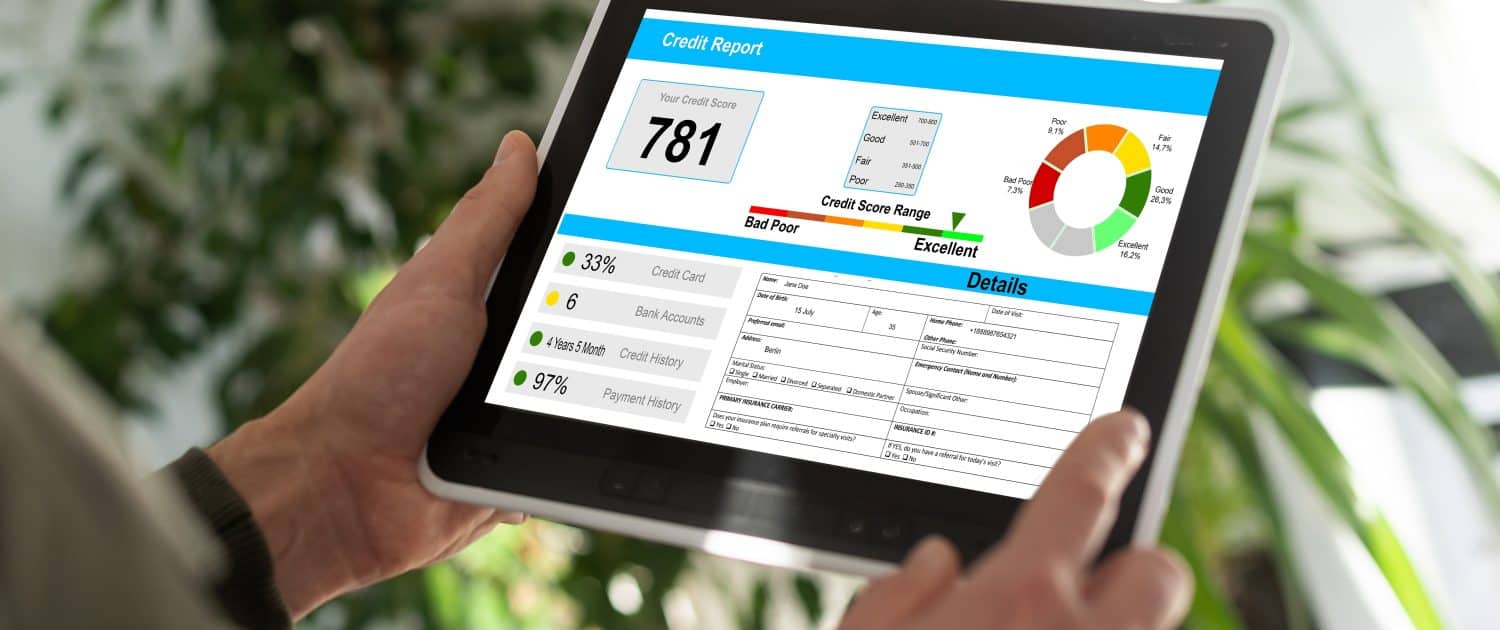
Use Credit Sesame to monitor your credit score.
Like CreditKarma, Credit Sesame is another service that helps you manage your credit score by showing you a detailed credit report. You can check your score daily and see exactly what is impacting it as it changes, regardless of whether the score increases or decreases. Additionally, Credit Sesame helps monitor for identity theft and provides personalized credit tips.
2. WalletHub

Wallet Hub helps you monitor your wallet.
Another big name in the credit monitoring space is WalletHub, which offers you free daily score updates. With WalletHub, you can see your full credit report, and if you pay for the service, you can get alerts for suspicious activity as well as score changes. WalletHub also helps you monitor other loans you have out, so you can monitor everything that would potentially impact your credit score.
1. Building Good Credit
Having a good credit score is essential.
To establish good credit or repair your existing credit, consider setting up autopay or reminders. Avoiding late payments is the easiest way to prevent unnecessary changes to your credit score. You should also keep your balances low by not overcharging or paying off more than the minimum payment each time. In addition, unless you absolutely need a new card, don’t apply for anything just because it has a good bonus.










 Top Gaining Stocks
 Top Losing Stocks