


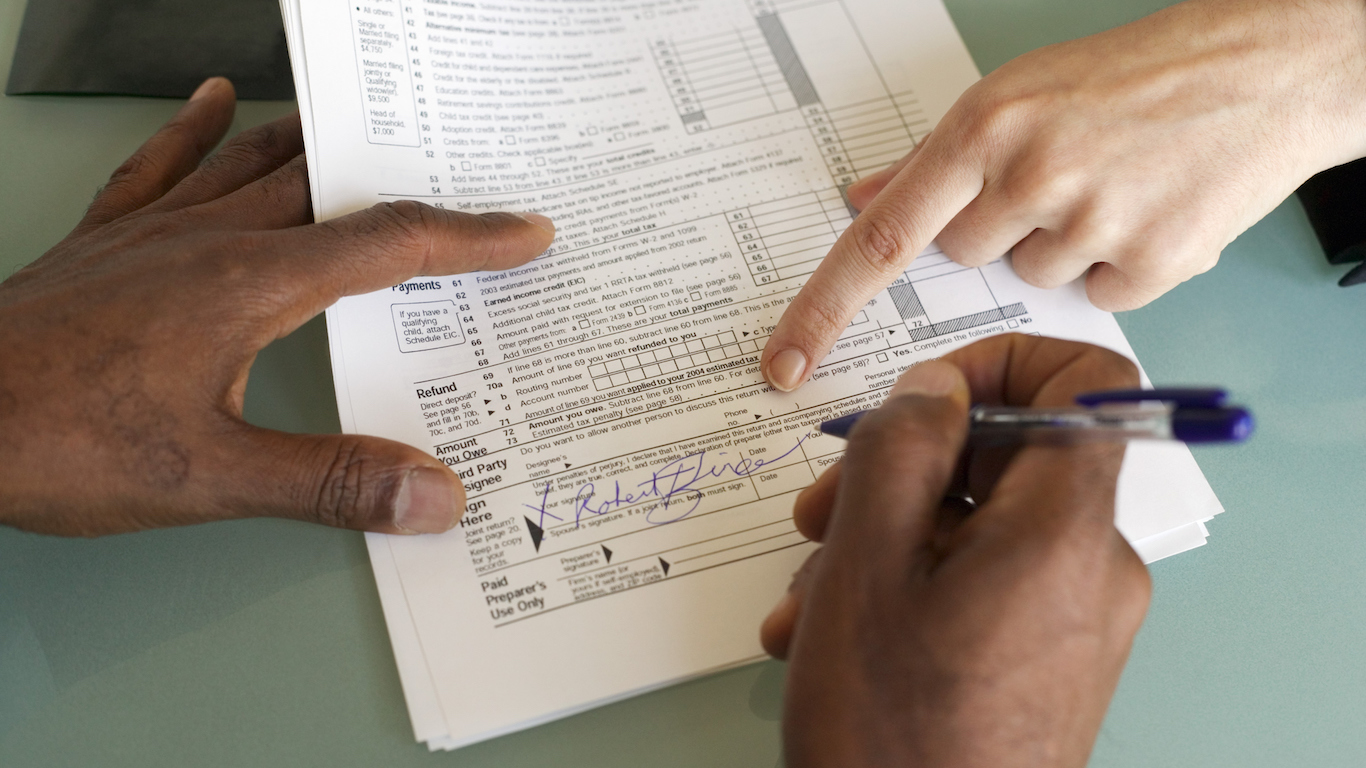
For many retirees, being taxed on Social Security benefits comes as a huge shock. These benefits are earned benefits that come to you because you have paid Social Security taxes during your entire career. Given that you already paid into the system to qualify, it’s understandable to assume that the government is not going to charge you more tax.
Unfortunately, that’s not necessarily the case. A substantial number of retirees are taxed on their Social Security benefits, and, despite what President Trump has suggested regarding changes made to the tax rules in the One Big Beautiful Bill Act, that is not necessarily going to change.
Here are the details on how Social Security’s tax rules work, what changes were made, and what this could mean for your obligations to the IRS if you are a retirement benefits recipient in 2026.
Will you be taxed on your Social Security benefits?
The first thing to know is that the One Big Beautiful Bill Act didn’t actually change any of the rules that have long been in place regarding Social Security taxes.
The act created a new, larger standard deduction for seniors, with those who are 65 and older now eligible for an extra $6,000 deduction. This does reduce taxes substantially for those who are eligible, especially since it is per person, so a married couple could claim a $12,000 deduction. However, the deduction is available regardless of whether you are on Social Security or not, as it is based on age, not Social Security beneficiary status. It also has an income limit and begins to phase out once you earn $75,000 for single tax filers or $150,000 for married joint filers.
The deduction does not eliminate tax on Social Security, though. Instead, you are still subject to the following rules.
- If your provisional income is between $25,000 and $34,000 as a single tax filer, you are taxed on up to 50% of your benefits.
- If your provisional income is above $34,000 as a single tax filer, you are taxed on up to 85% of your benefits
- If your provisional income is between $32,000 and $34,000 as a married joint filer, you are taxed on up to 50% of your benefits
- If your provisional income is above $34,000 as a married joint filer, you’ll be taxed on up to 85% of your benefits
Provisional income is half of your Social Security income, plus all of your taxable income, as well as a limited amount of non-taxable income. If you reach these income ranges, you are still going to be taxed in 2026. You may also owe taxes to your state if you live in one of the small number of states that tax Social Security checks.
You should not expect these rules to change, despite promises to the contrary. The threshold limits have been in place and remained the same for decades, and they have not been modified yet by any existing laws.
Be sure you understand Social Security’s tax rules in 2026

It may come as a surprise to find you still owe tax on Social Security, and this could affect your budget, so be sure you’re not caught unprepared by the tax rules.
If you are not sure whether you will be taxed on your Social Security checks or not and if you need help understanding the details about how taxation of Social Security benefits works, you should reach out to an expereicned fiancnial advisor who can evaluate your situation and offer personalized advice on how your obligations to the IRS and your state’s revenue department will affect your disposable income in the 2026 tax year.












 Top Gaining Stocks
 Top Losing Stocks