


“It’s like a Planet Fitness. They get you in real easy, but to get out, it’s an act of Congress.” That’s how George Kamel recently described debt relief programs on The Ramsey Show. If you’re paying fees for a service that saves you only $100 or $200 over the life of the program, you’re not being helped. You’re being held up.
A caller to the show, Katherine, said she and her husband enrolled in Freedom Debt Relief about a year ago after his surgery created mounting debt. With her husband now employed again, she ran her own numbers and discovered the program would save her family roughly $100 to $200 total across two debts: one with 36 monthly payments (4 to 6 completed) and another with 24 payments (4 to 5 completed).
That math tells the whole story. Debt settlement companies typically charge fees that consume a large share of whatever discount they negotiate on your behalf.
What These Programs Actually Do (And Why You Can Do It Yourself)
“All these companies do is negotiate with creditors after you and come up with a lump sum — something she can do herself,” Kamel said. That’s the core reality of debt settlement. The company instructs you to stop paying creditors, collects your monthly payments into a dedicated account, waits until accounts are delinquent enough that creditors will accept less than the full balance, then negotiates a lump-sum payoff.
The credit damage happens in the waiting period, before a single dollar is settled. By the time a settlement is reached, the account has typically been delinquent for six months or more and may have been sold to a collections agency. That delinquency history stays on your credit report for seven years regardless of whether the debt is eventually settled.
Instead of signing up for a debt relief plan, you can call creditors directly, explain your hardship, and ask for a settlement or hardship payment plan. Many creditors have internal hardship programs that don’t require a third party at all.
How to Actually Get Out
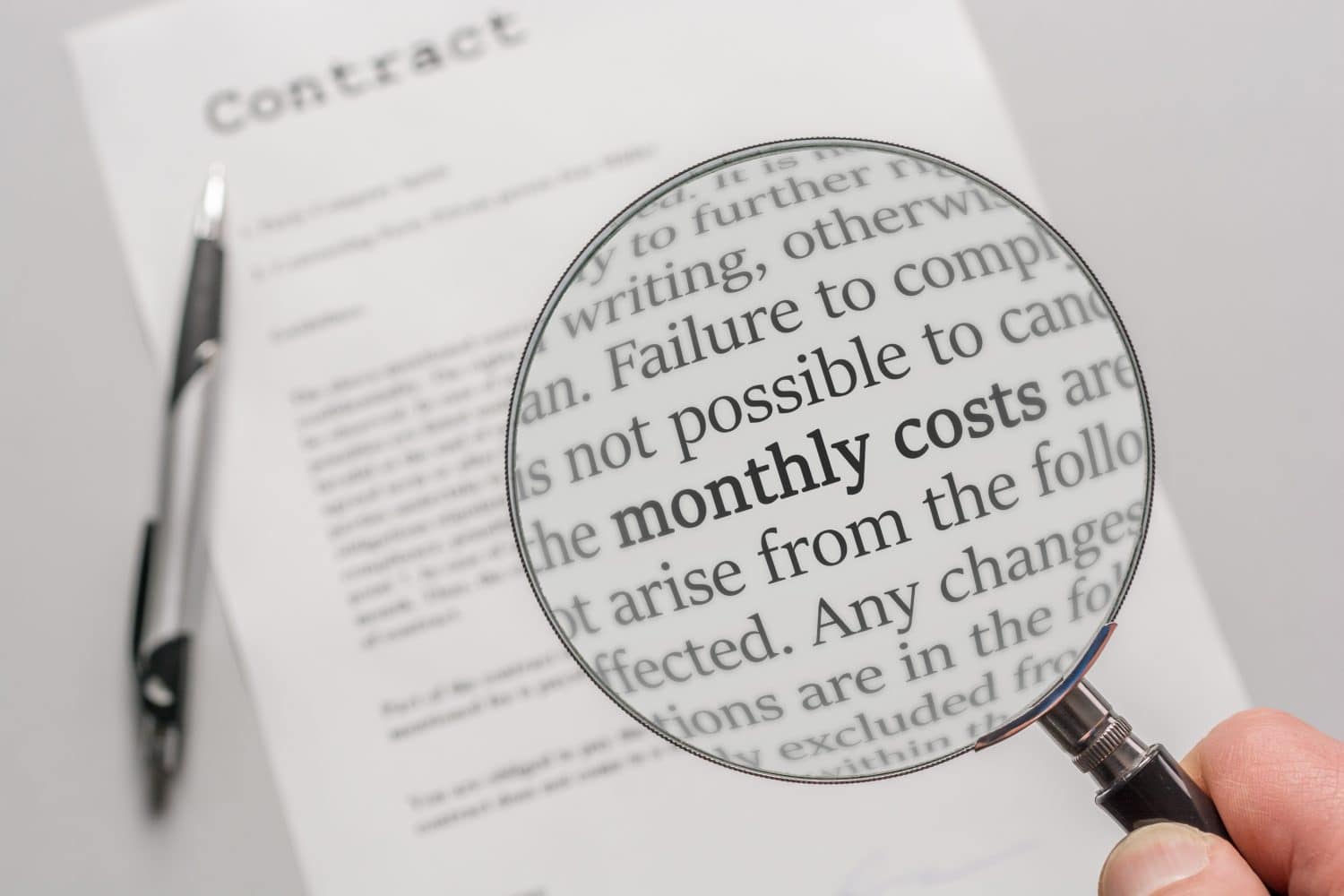
Kamel’s advice on exiting was practical: “I would read the contract to see what you can and can’t do and read the cancellation clause to figure out what you have to do to get out. But I would just tell them, ‘Hey, I want to get completely out of this.'”
Most debt relief contracts require written cancellation notice, sometimes sent via certified mail to create a paper trail. Some charge exit fees or retain a percentage of funds already collected. Even if there are exit fees, Kamel’s said: “I would definitely get out because you can do this on your own. It’s going to end up being cheaper for you in the long run, even if they ding you with some fees on the way out.”
The debt relief industry targets people at their most financially vulnerable. The national savings rate stands at 4.0%, even as credit card debt hit a new high of $1.28 trillion. It’s a pattern that leaves households with thin margins and high anxiety, exactly the audience Kamel described: “When you’re scared and overwhelmed, their Instagram ad magically pops up to save you.”
Getting in feels like relief. Getting out requires reading the fine print you skipped when you were scared.














 Top Gaining Stocks
 Top Losing Stocks